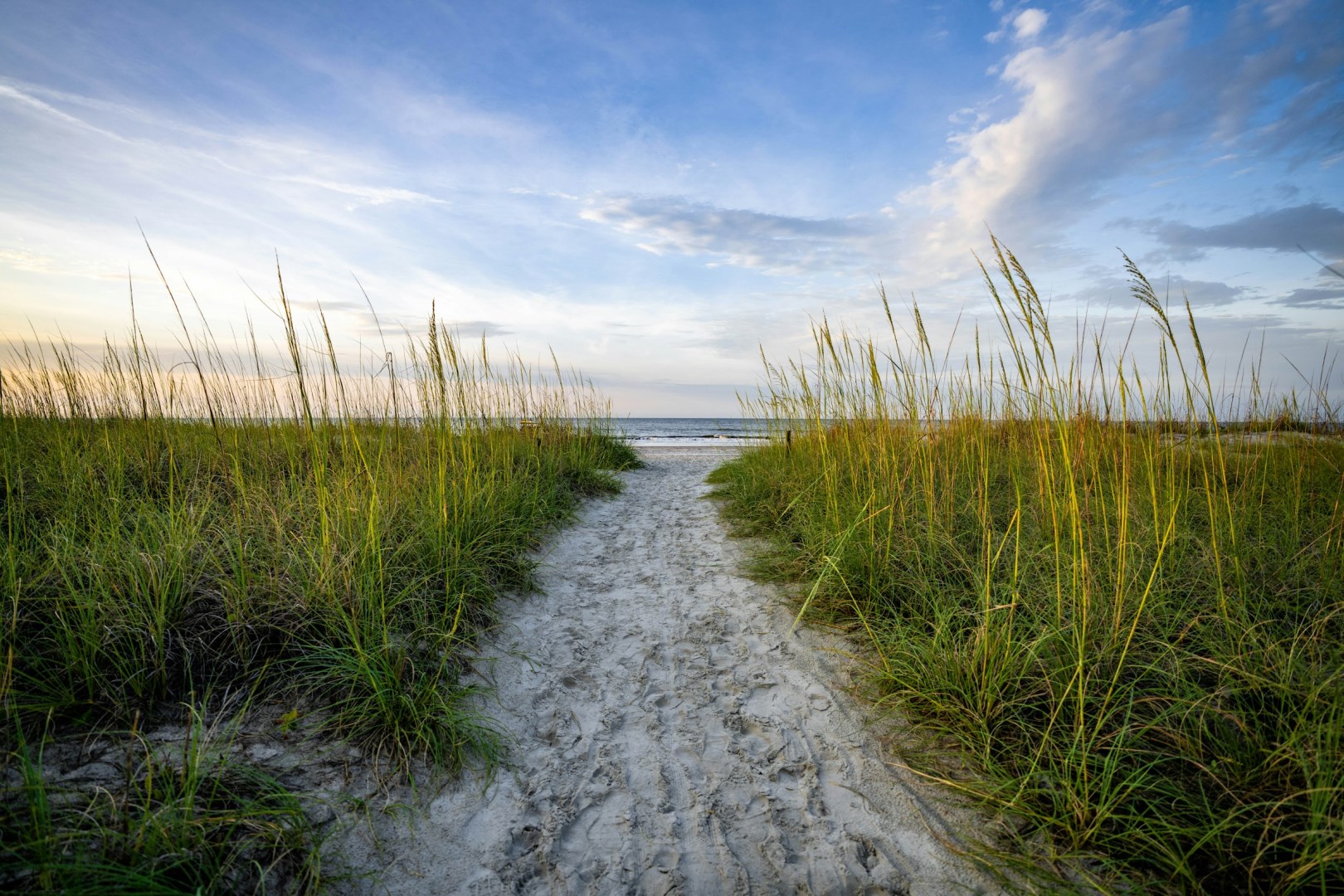
Hilton Head Island
Located off the coast of South Carolina, near Charleston, Hilton Head Island is a popular golf resort area.
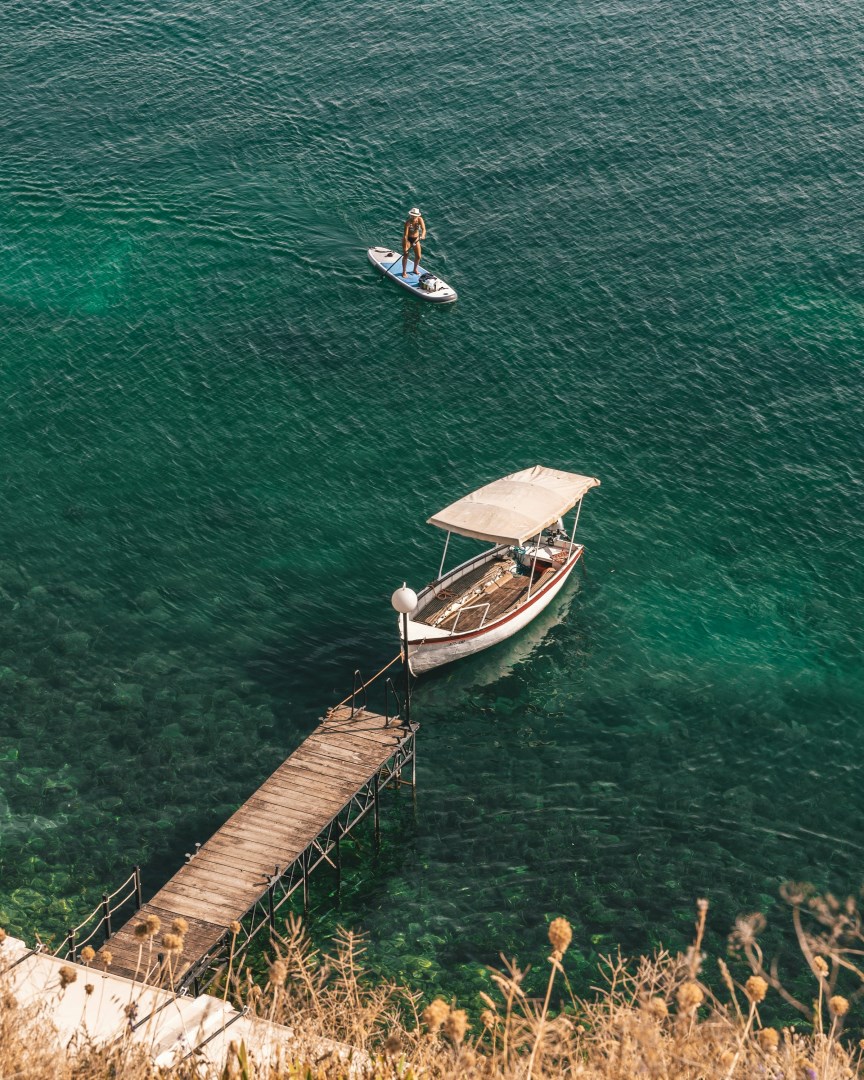
Lake Ohrid
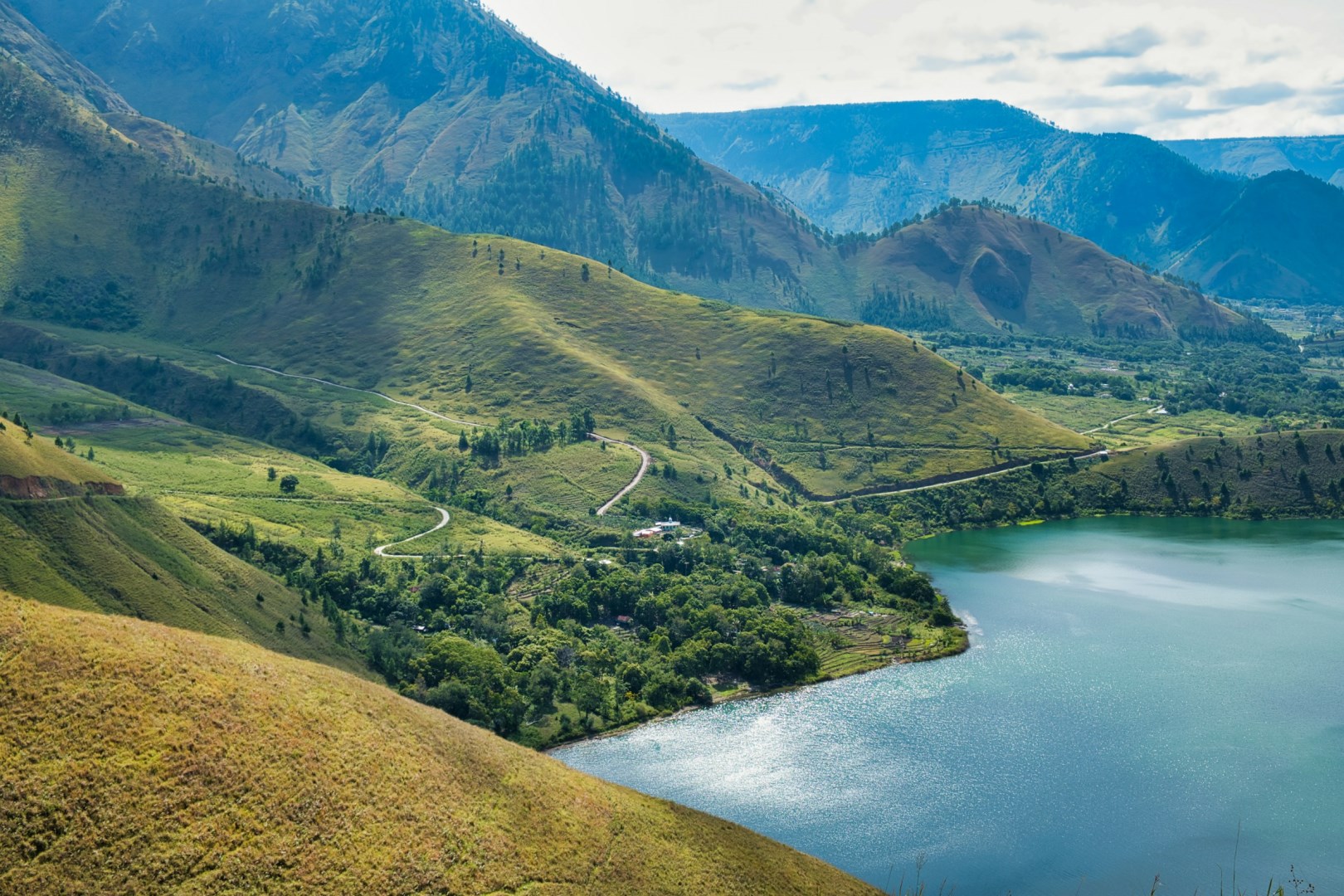
Lake Ohrid, a natural tectonic lake in the south-west corner of Macedonia, is the oldest lake in Europe and one of the oldest lakes in the world. Formed tectonically between four and ten million years ago, the lake is situated in limestone bedrock. Nestled amid mountains at an altitude of 2290 feet, the lake offers striking vistas of the surrounding beach and hills.

Siena
In the walled city of Siena we stand firmly planted in the Middle Ages. Siena preserved its original character more markedly than any other city in Italy.
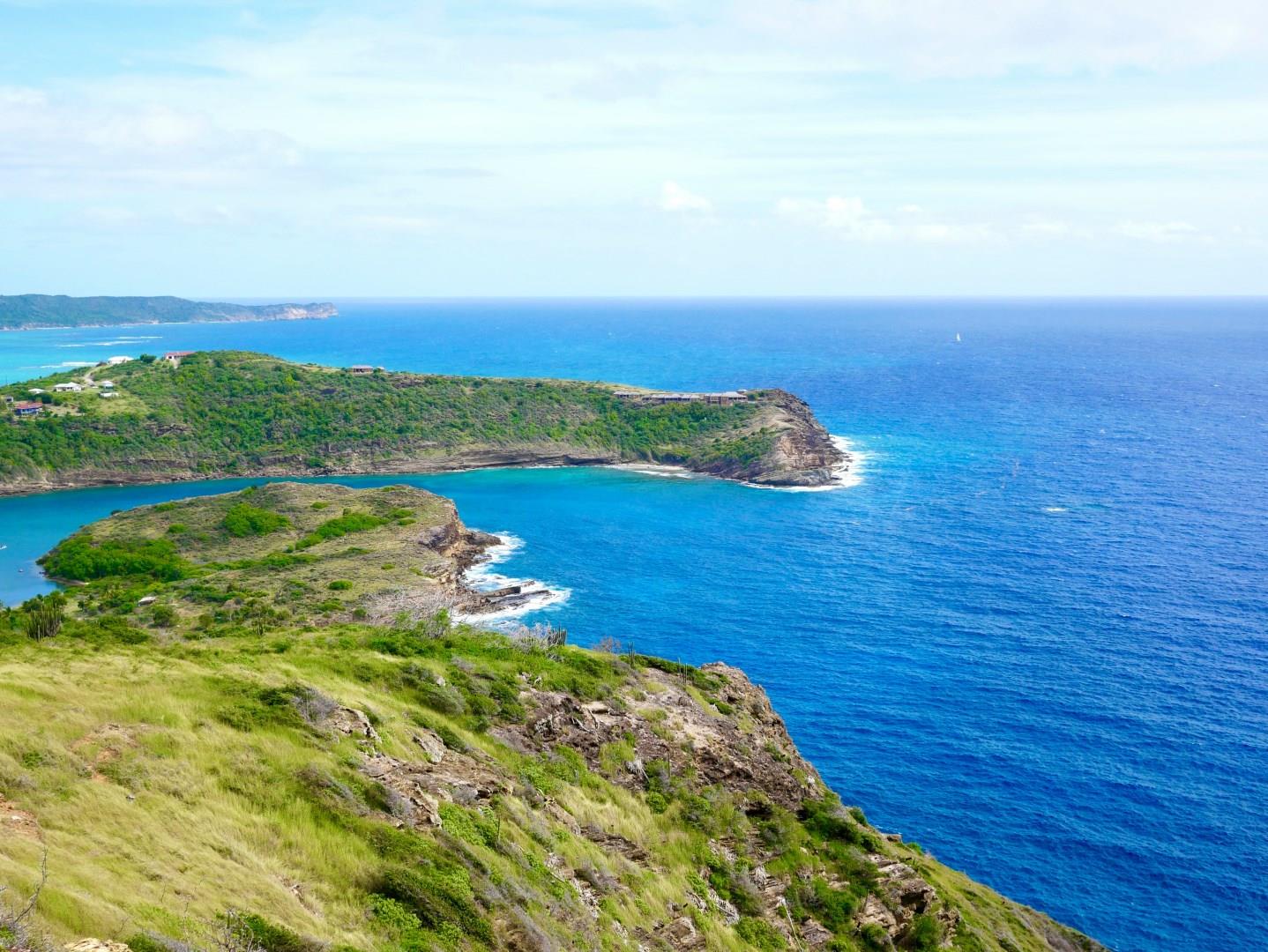
Shirley Heights
Shirley Heights, perched high above English Harbour on Antigua’s southern coast, is one of the island’s most iconic viewpoints. Once a military lookout and signal station during the 18th century, it played a key role in guarding the British naval base at Nelson’s Dockyard.
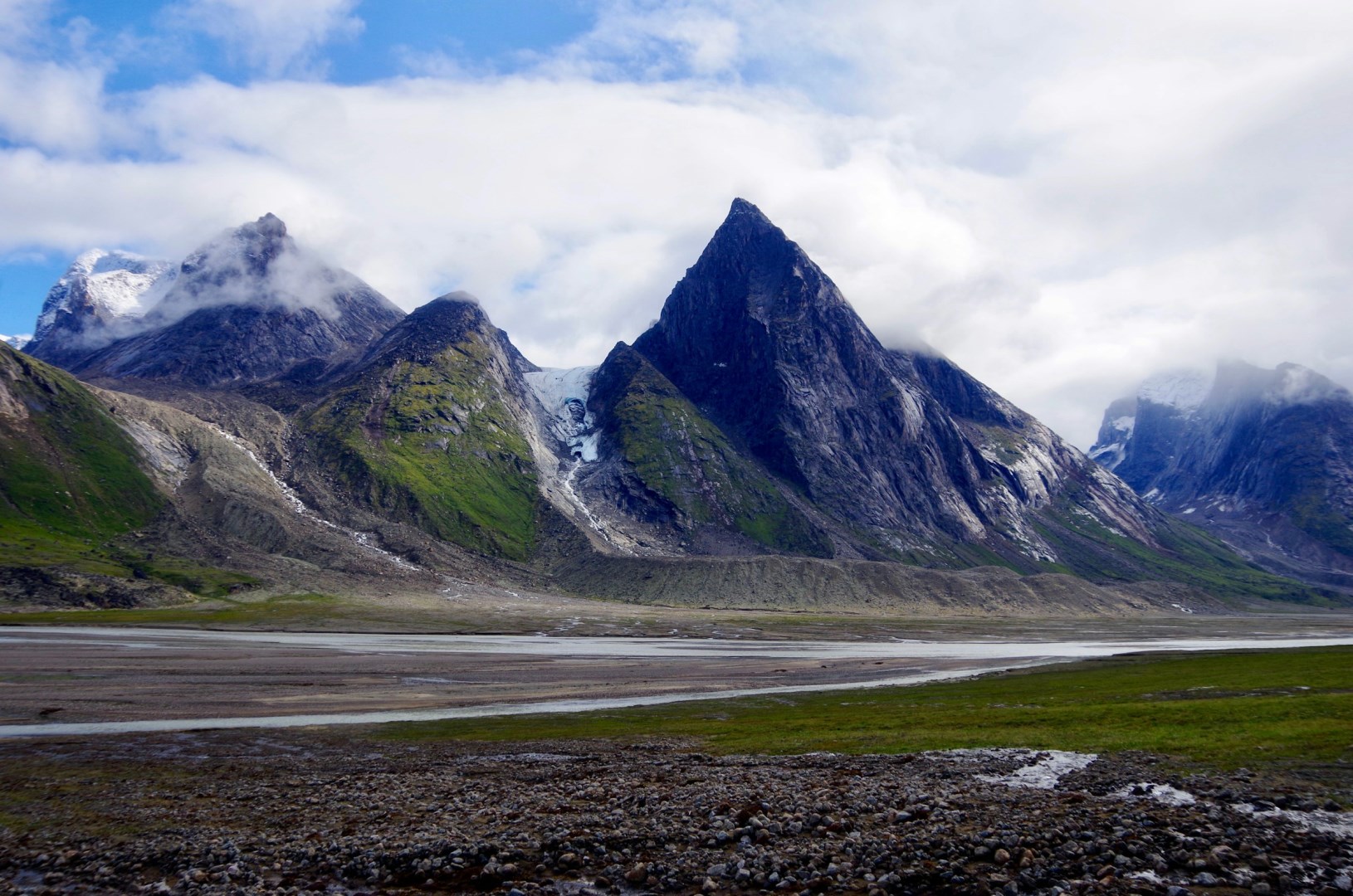
Auyuituq National Park
Auyuittuq National Park is a vast protected landscape on southeastern Baffin Island in Nunavut, extending between the communities of Pangnirtung and Qikiqtarjuaq. Its name means “land that never melts” in Inuktitut, reflecting the park's extensive ice and snow. Towering granite peaks, deep fjords, glaciers, rivers, and tundra dominate the landscape, while the Penny Ice Cap covers a large section of the interior.