Roatan is the largest of the eight islands known collectively as Las Islas de la Bahia. Brilliant clear blue waters and palm fringed beaches are cooled by gentle trade winds. An extensive reef system offers the most spectacular diving and snorkeling in the Western hemisphere, while inland nature reserves give an up-close look at native wildlife, including monkeys, sloths, and parrots.
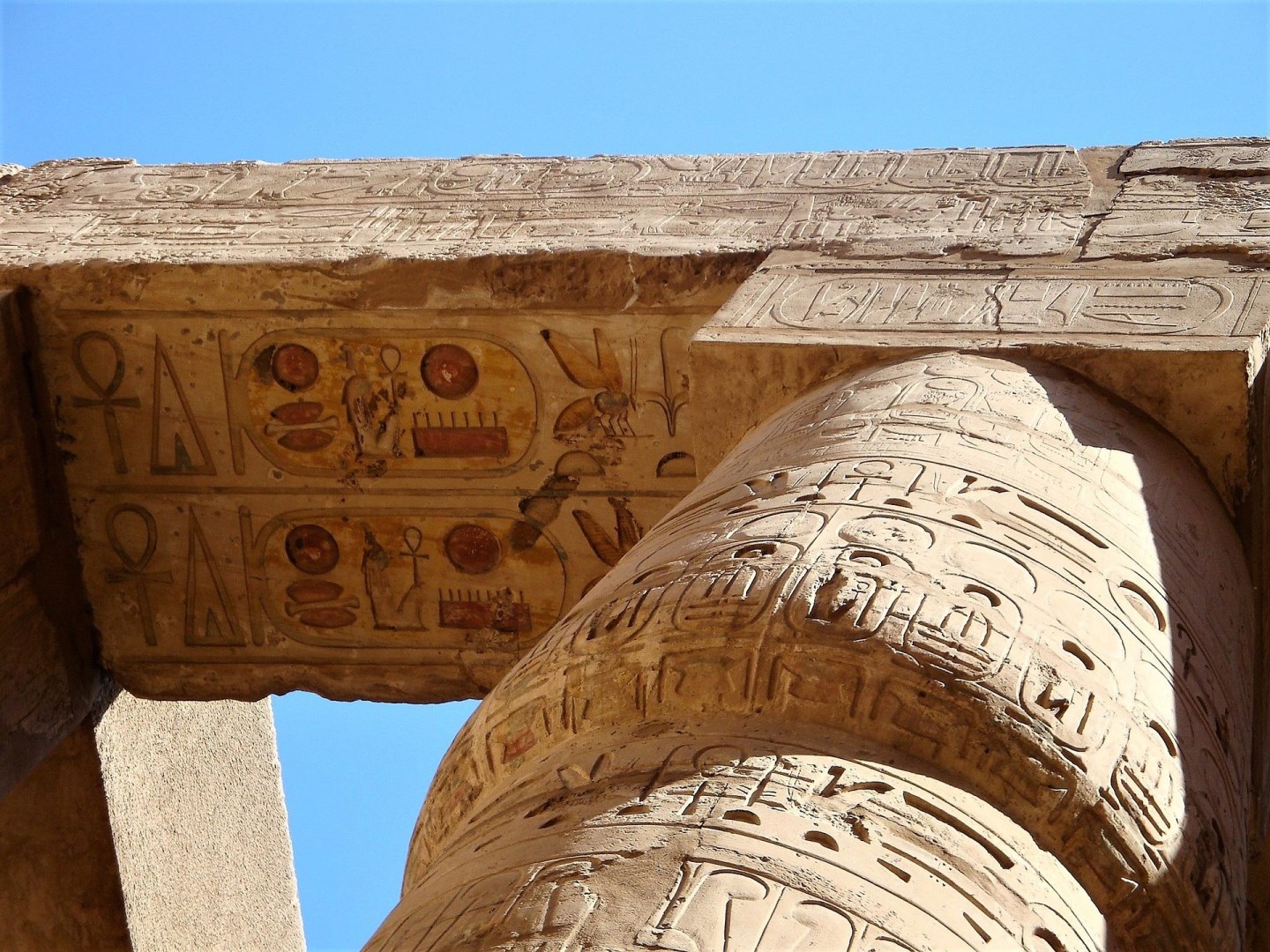
Karnak Temple is a huge, open air complex and, after the Giza Pyramids, the second most visited historical place in Egypt. The largest religious building ever constructed, it sits on 200 acres—a true wonder of the world. Decayed pylons, chapels and temples make up this unmissable historical attraction near Luxor.
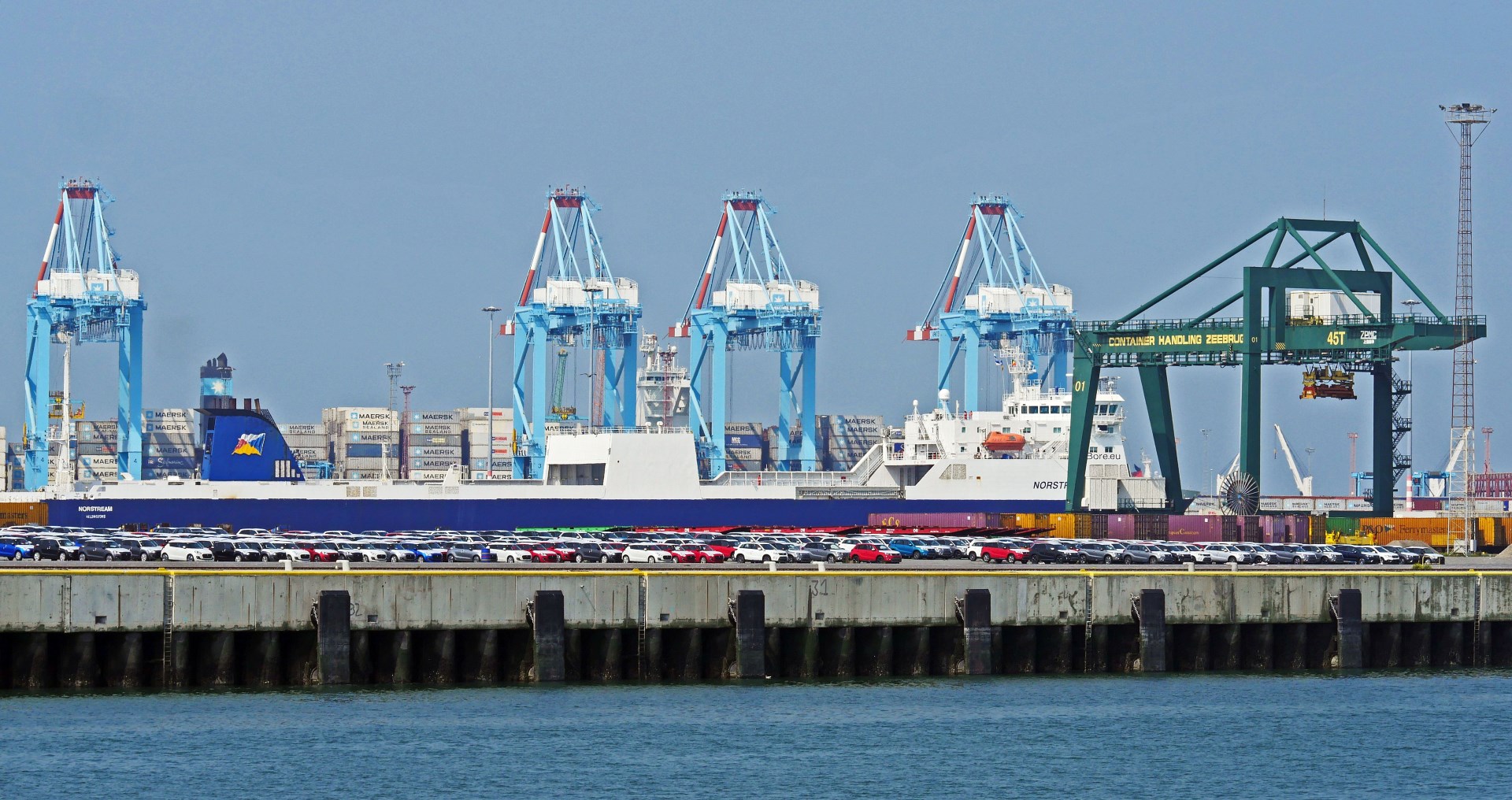
Zeebrugge is a coastal district of Bruges in West Flanders, Belgium, located on the North Sea coast. It is best known as one of Europe’s major ports, handling international cargo, passenger ferries, and fishing activities.
Split, Croatia, is a city where ancient history and modern vibrancy blend seamlessly, creating an alluring destination for travelers. At the heart of Split is the UNESCO World Heritage Site of Diocletian's Palace, a remarkably well-preserved Roman complex built by Emperor Diocletian in the 4th century AD. This sprawling palace complex, with its labyrinthine streets, ancient walls, and grand Peristyle courtyard, is not just a historical site but a bustling part of the city’s daily life.
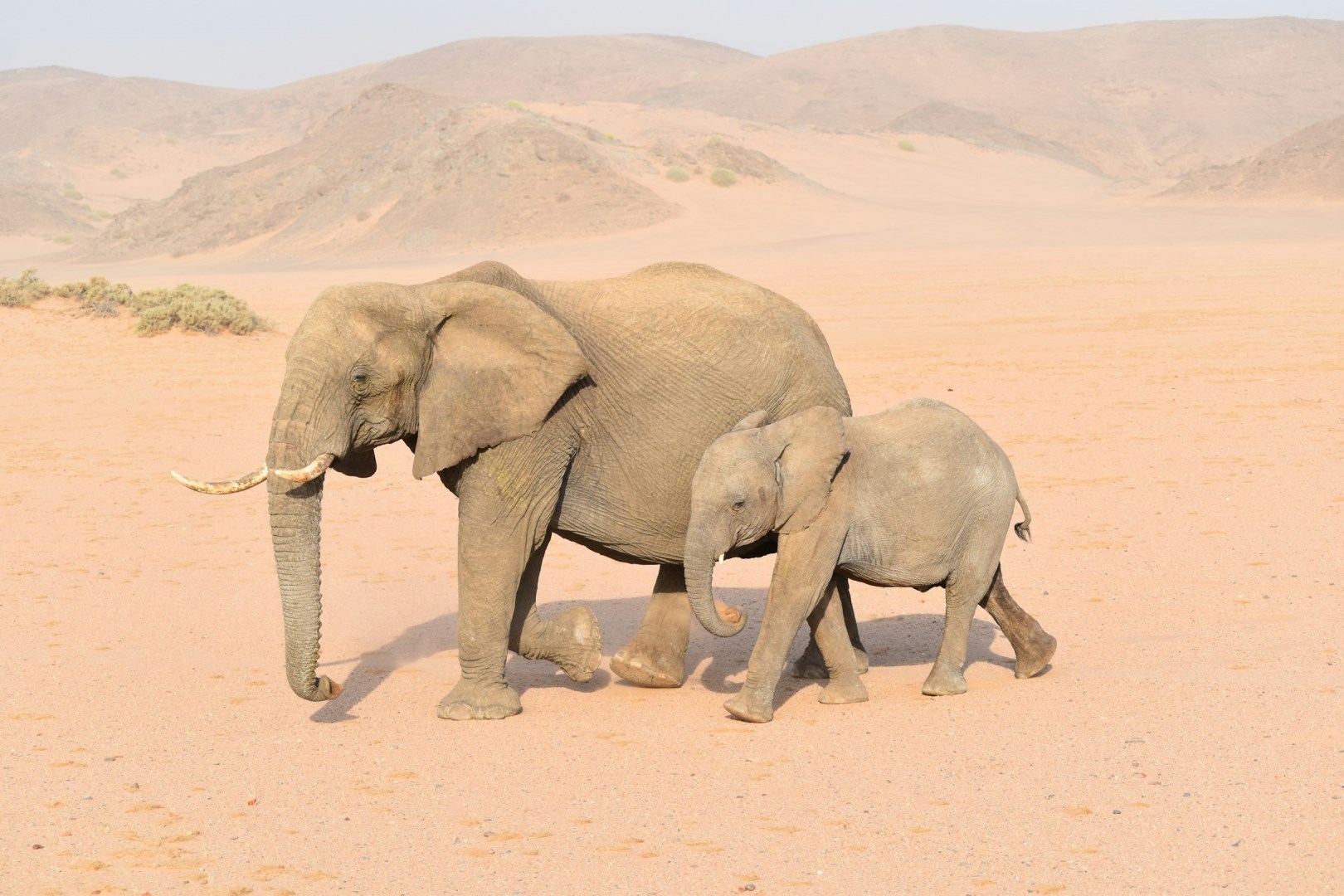
Photo Credit: Photo by Patrick Duvanel on Unsplash
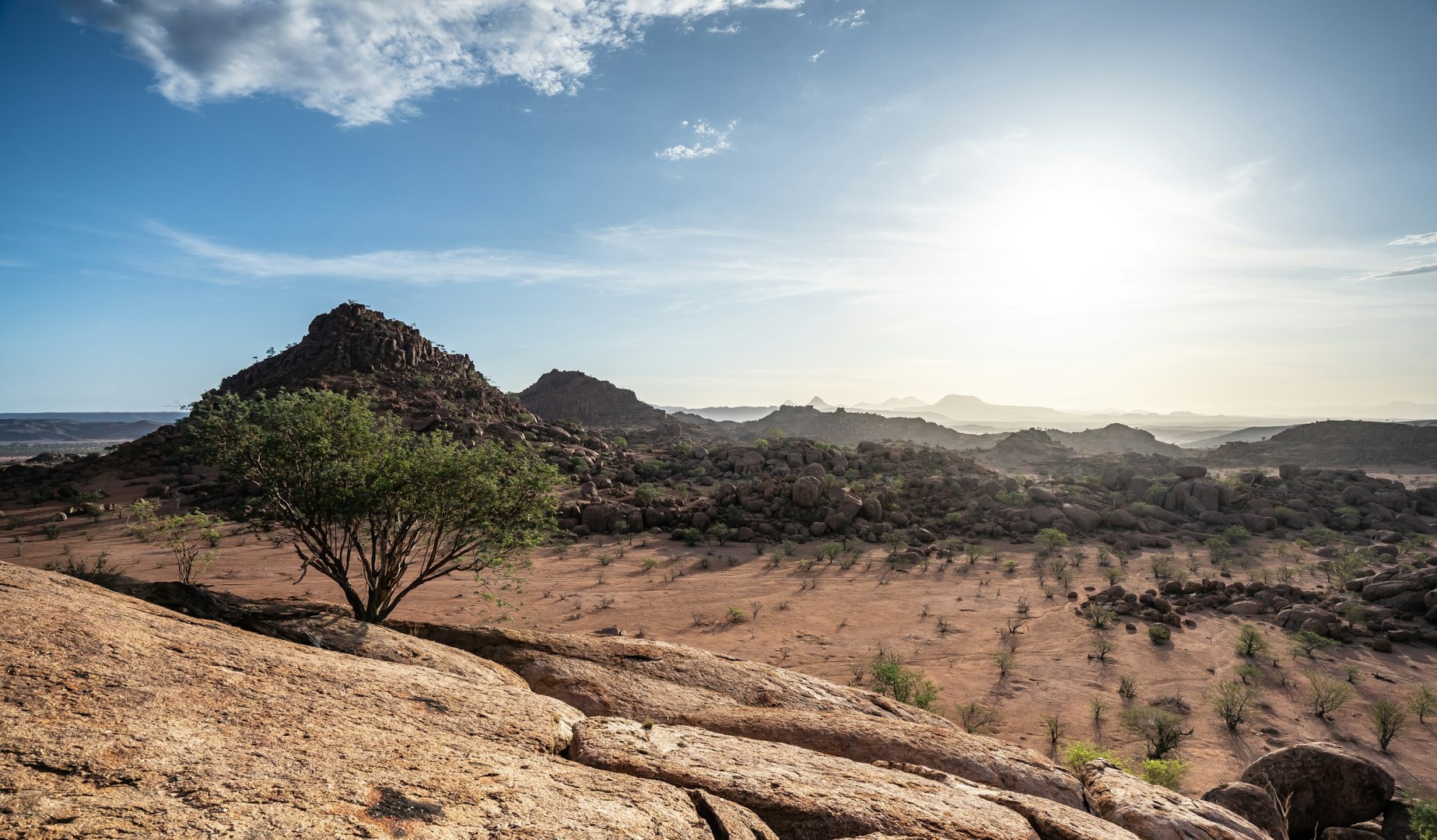
Photo Credit: Photo by Eelco Böhtlingk on Unsplash
Photo Credit: Photo by Claudio Piacentino on Unsplash
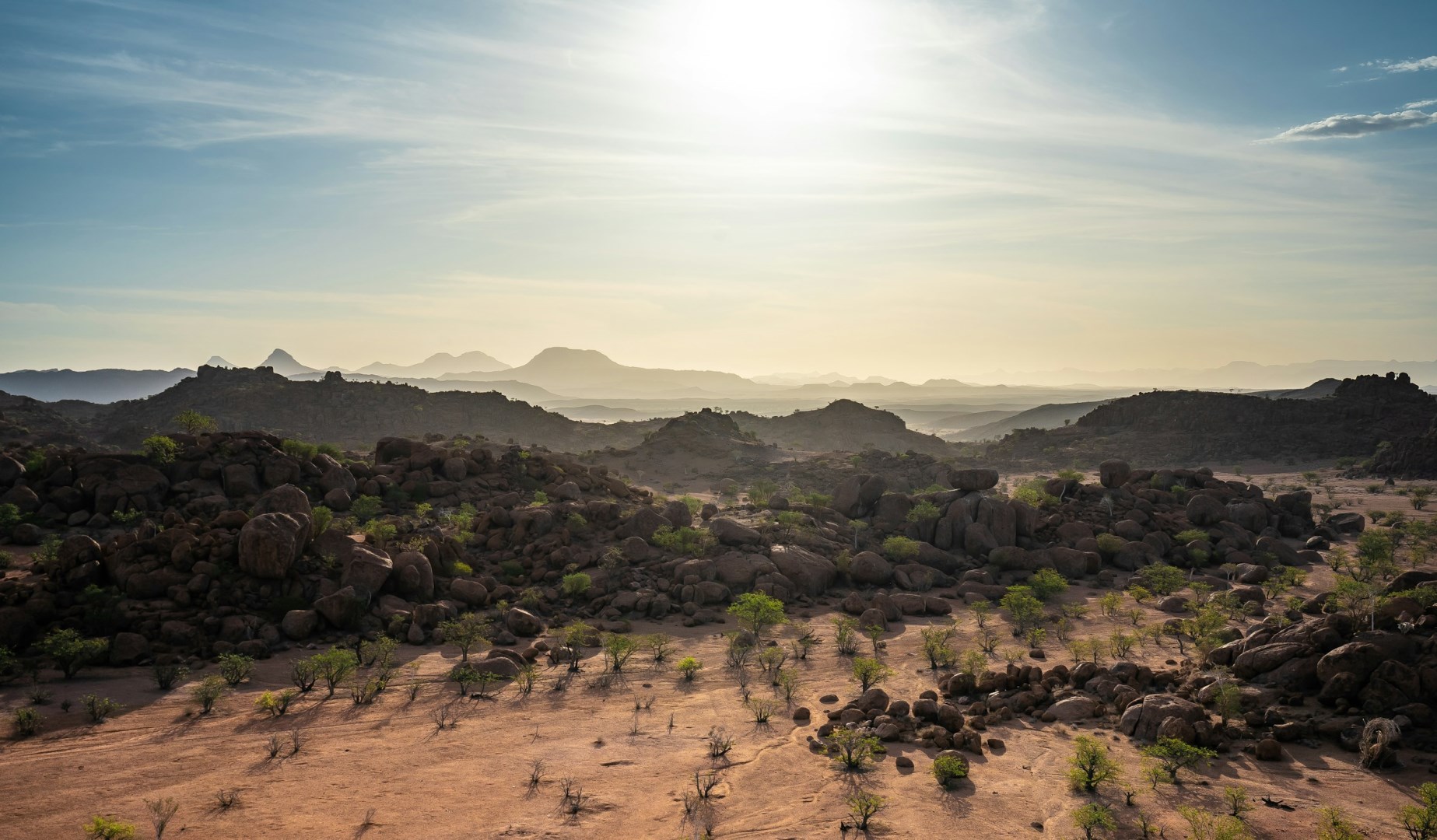
Photo Credit: Photo by Eelco Böhtlingk on Unsplash
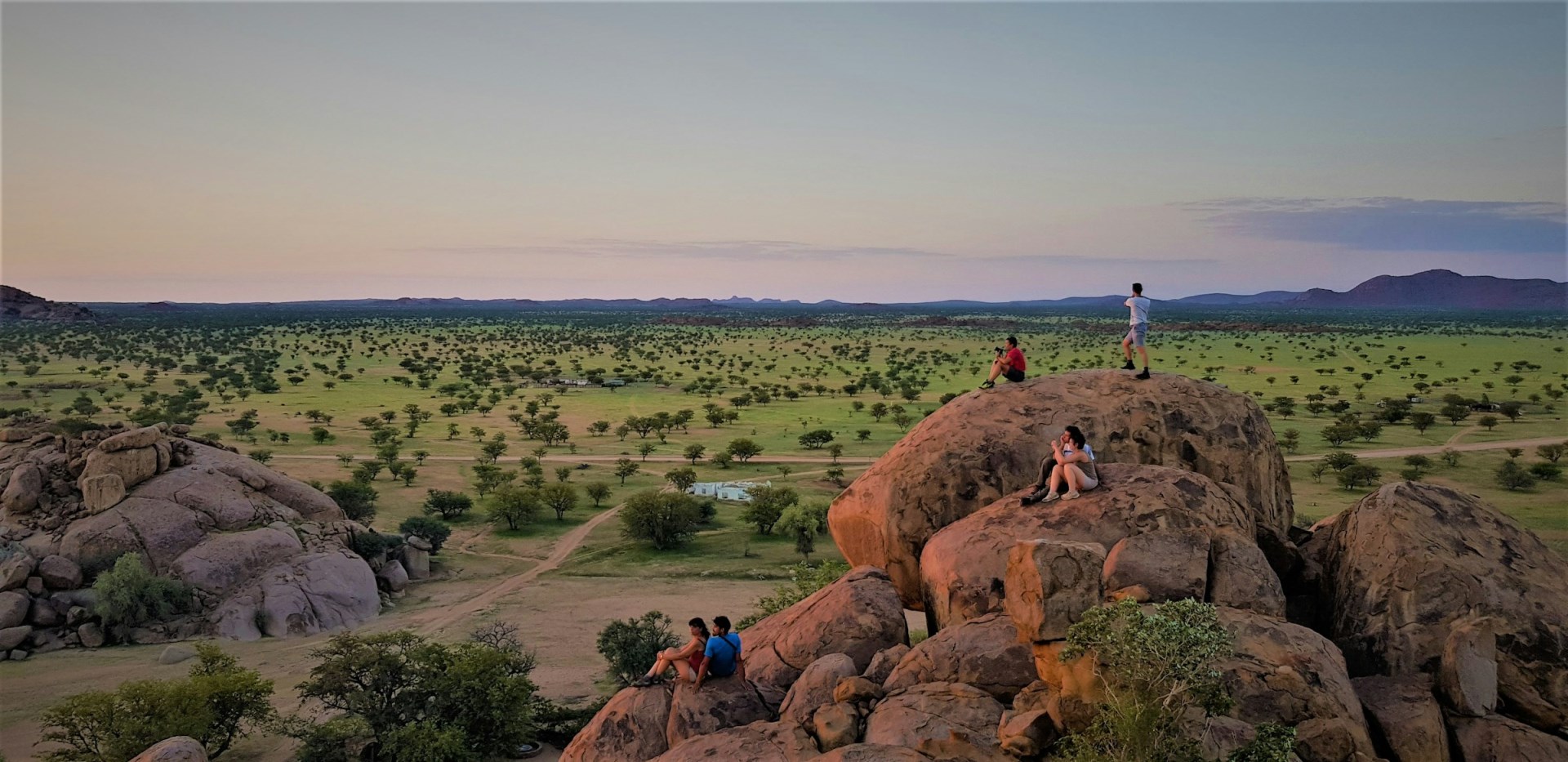
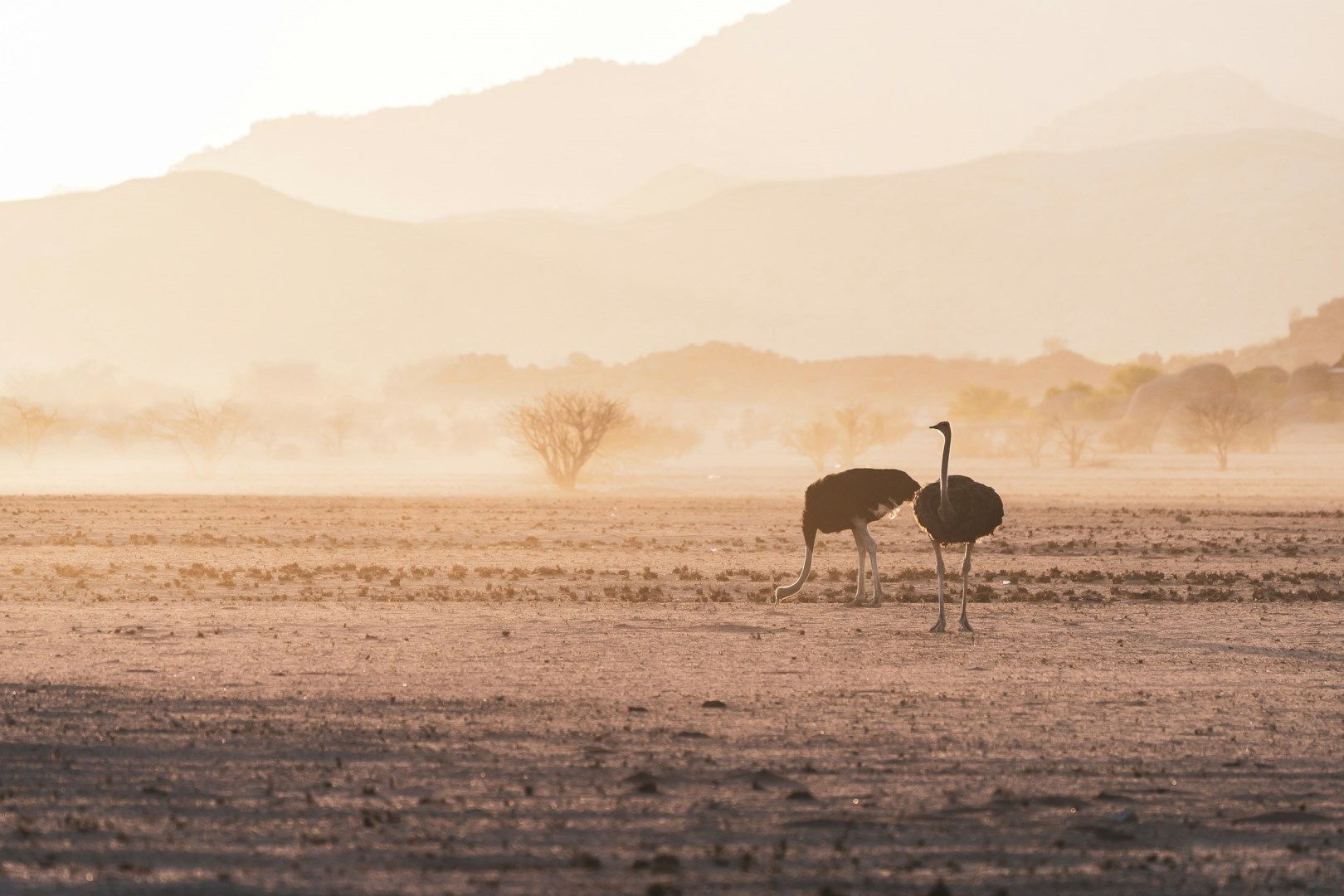
Damaraland, located in northwestern Namibia, is a mesmerizing landscape where ancient history and natural beauty converge. This rugged region, part of the larger Kunene region, is renowned for its dramatic landscapes, including the breathtaking Brandberg Mountain, the highest peak in Namibia. The Brandberg is not only a natural wonder but also a treasure trove of prehistoric rock art, including the famous White Lady painting, which dates back over 2,000 years.
For wildlife enthusiasts, Damaraland offers a rare glimpse of desert-adapted elephants, which roam this arid terrain in search of scarce water sources. These resilient giants are part of the region’s unique wildlife experience, which also includes sightings of black rhinos and various antelope species. The opportunities for game viewing and tracking in Damaraland are unparalleled, providing a once-in-a-lifetime chance to witness these majestic animals in their natural habitat.
The area is also home to the Huab River, a seasonal river that supports a variety of wildlife and provides stunning scenery. Visitors can explore the riverbed and surrounding areas on guided tours, which often include walks with local guides who share insights into the region’s flora, fauna, and traditional cultures. The hospitality of local lodges, offers an immersive experience in this remote wilderness.
Fun fact: The name "Damaraland" is derived from the indigenous Damara people, who have lived in the region for centuries. Their traditional knowledge of the land, including survival strategies in the harsh environment, adds a rich cultural layer to the natural beauty of the area.