Cabot Trail
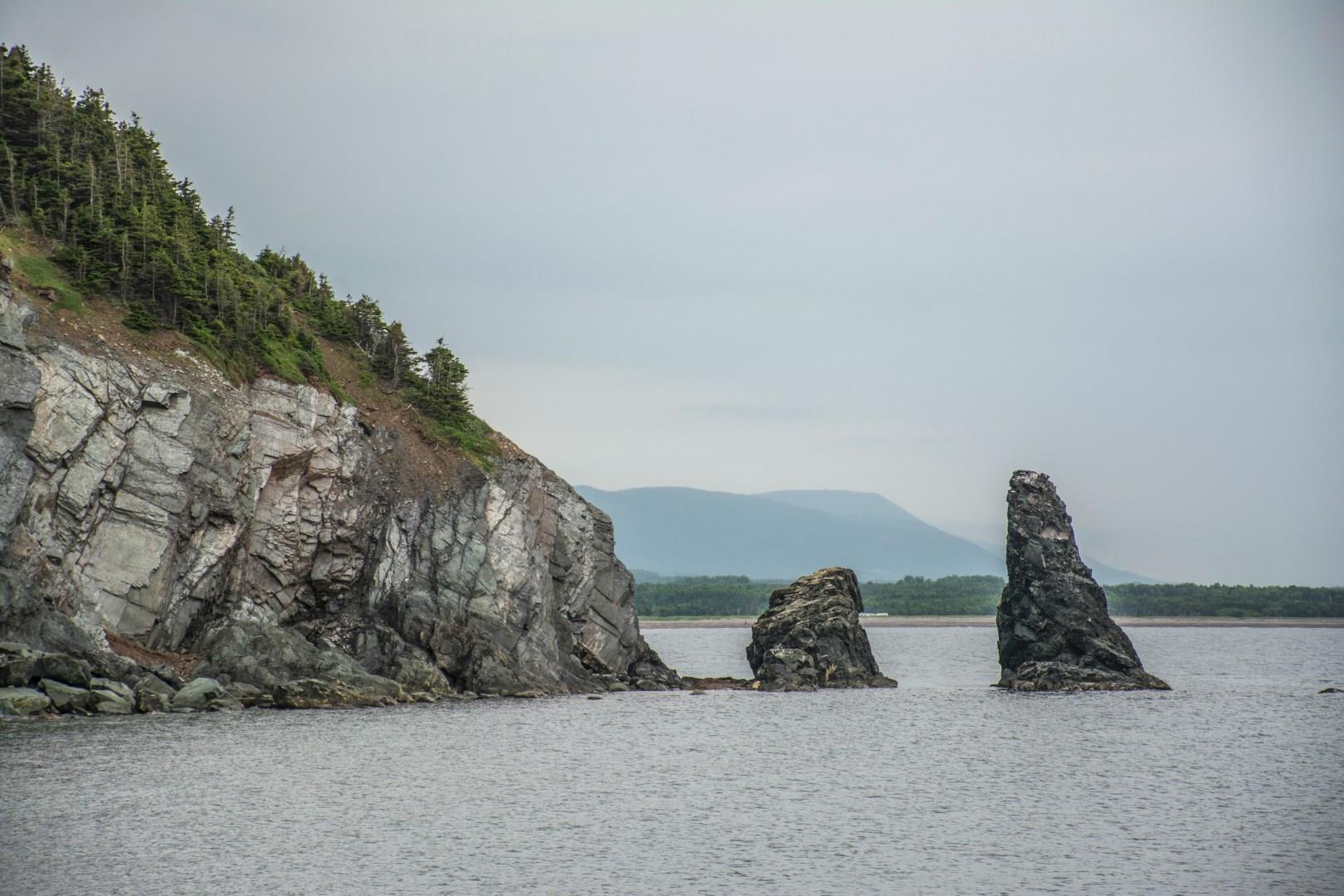
The Cabot Trail loops around northern Cape Breton Island, Nova Scotia, tracing cliffs, highlands, and forests for roughly 298 km. Named for the explorer John Cabot, the region’s deeper story belongs to the Mi’kmaq people, whose presence predates European settlement.

Manila
Manila is the capital of the Philippines and a densely built city on the eastern shore of Manila Bay. It serves as a major center for government, commerce, education, and the arts, while its neighborhoods reveal different layers of Filipino life. The Pasig River connects the city to the wider metropolitan area, and the waterfront remains an important part of its setting. Manila is especially known for Intramuros, the walled historic district at the heart of the city.
Toledo
Toledo, seat of Lucas County, northwestern Ohio, a port on the Maumee River, at its mouth on Lake Erie; incorporated 1837. The city's extensive transportation facilities include its fine natural harbor, which is a port on the Great Lakes-Saint Lawrence Seaway and ranks among the world's leading soft-coal-shipping ports; an extensive network of railroads; and an air cargo terminal.

Kolkata
Kolkata, often referred to as the "City of Joy," is a mesmerizing blend of rich history, culture, and artistic heritage that makes it a must-visit destination for any traveler to India. Once the capital of British India, Kolkata retains much of its colonial-era charm with iconic landmarks like the Victoria Memorial, a stunning marble building surrounded by lush gardens, which now serves as a museum showcasing the city’s colonial and Indian history.
Milos
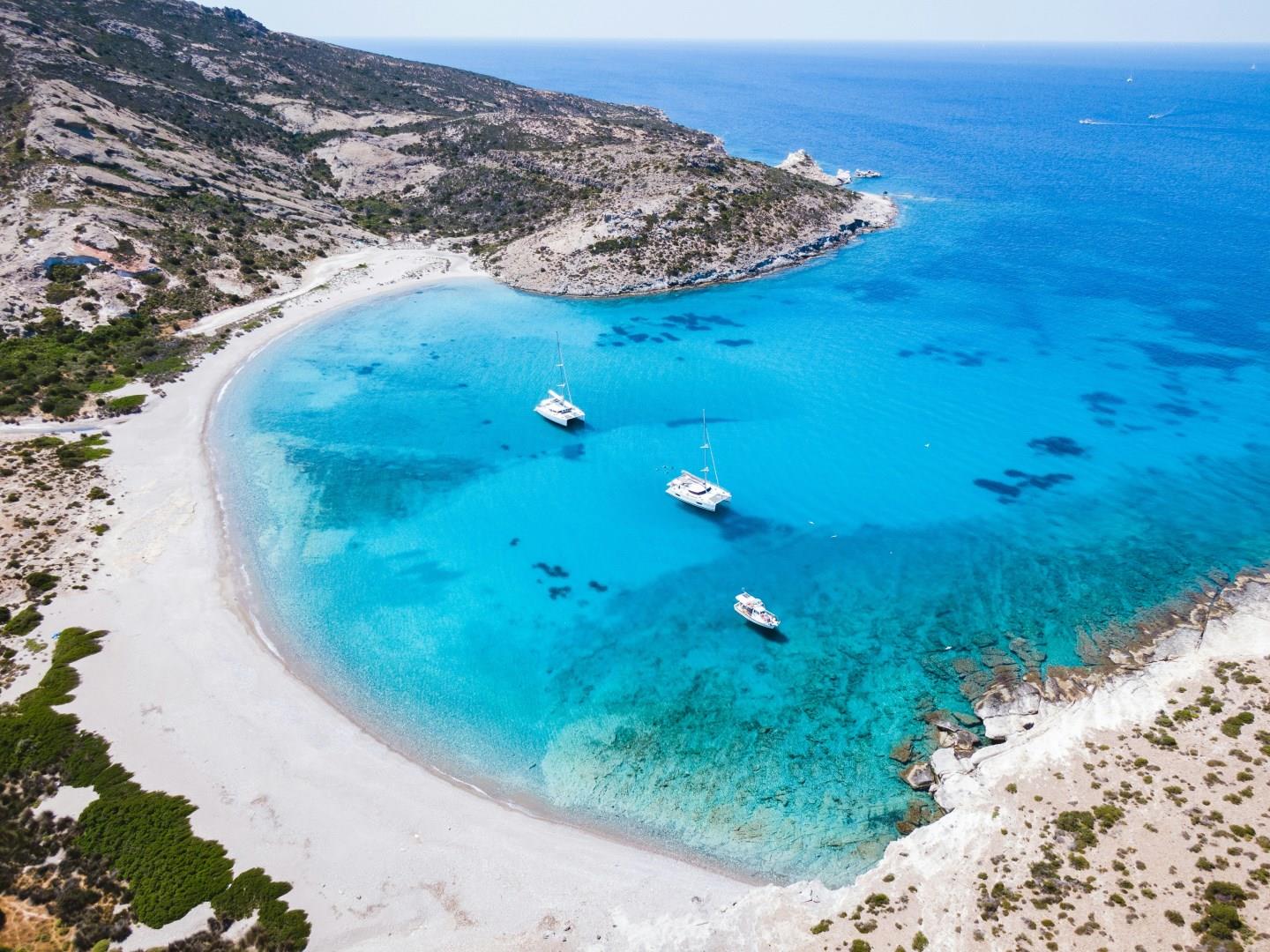
Milos is one of the most striking islands in the Aegean Sea, known for its otherworldly landscapes, turquoise coves, and centuries-old history. Shaped like a horseshoe, the island was formed by volcanic activity which left behind dramatic cliffs and hidden beaches carved from soft white rock. Visitors often find their first glimpse of Milos unforgettable, especially at Sarakiniko Beach where smooth, chalk-white formations contrast with the vivid blue water.