Bad Gastein
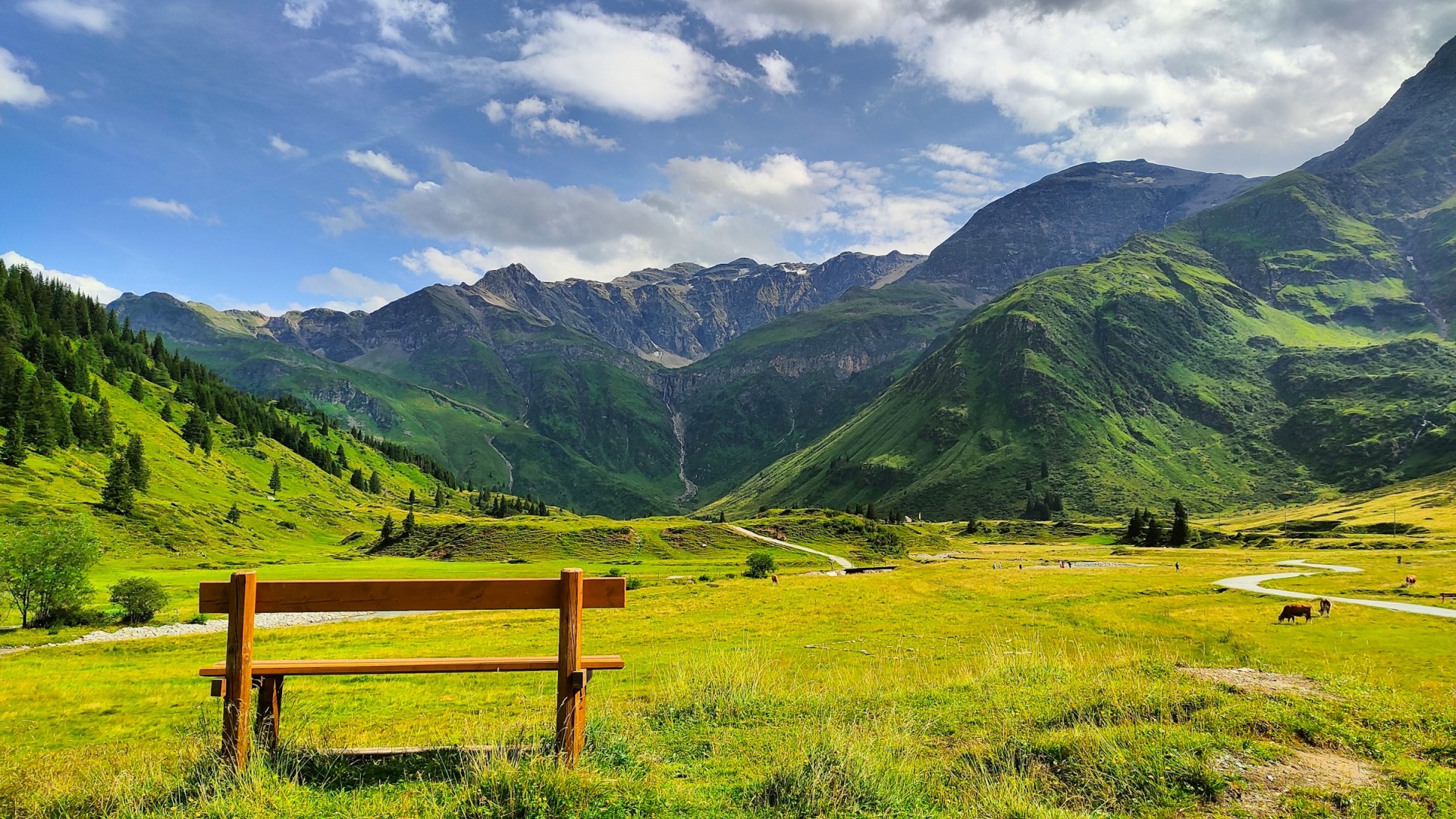
Bad Gastein is a mountain spa town in the Gastein Valley of Salzburg province, set at about 1,000 meters above sea level within the Hohe Tauern region. The town is built on steep slopes around the Gasteiner Ache, with historic buildings rising above the valley and mountains surrounding the settlement. Its most distinctive feature is the Gastein Waterfall, which drops through the center of town in three stages.
Sacramento
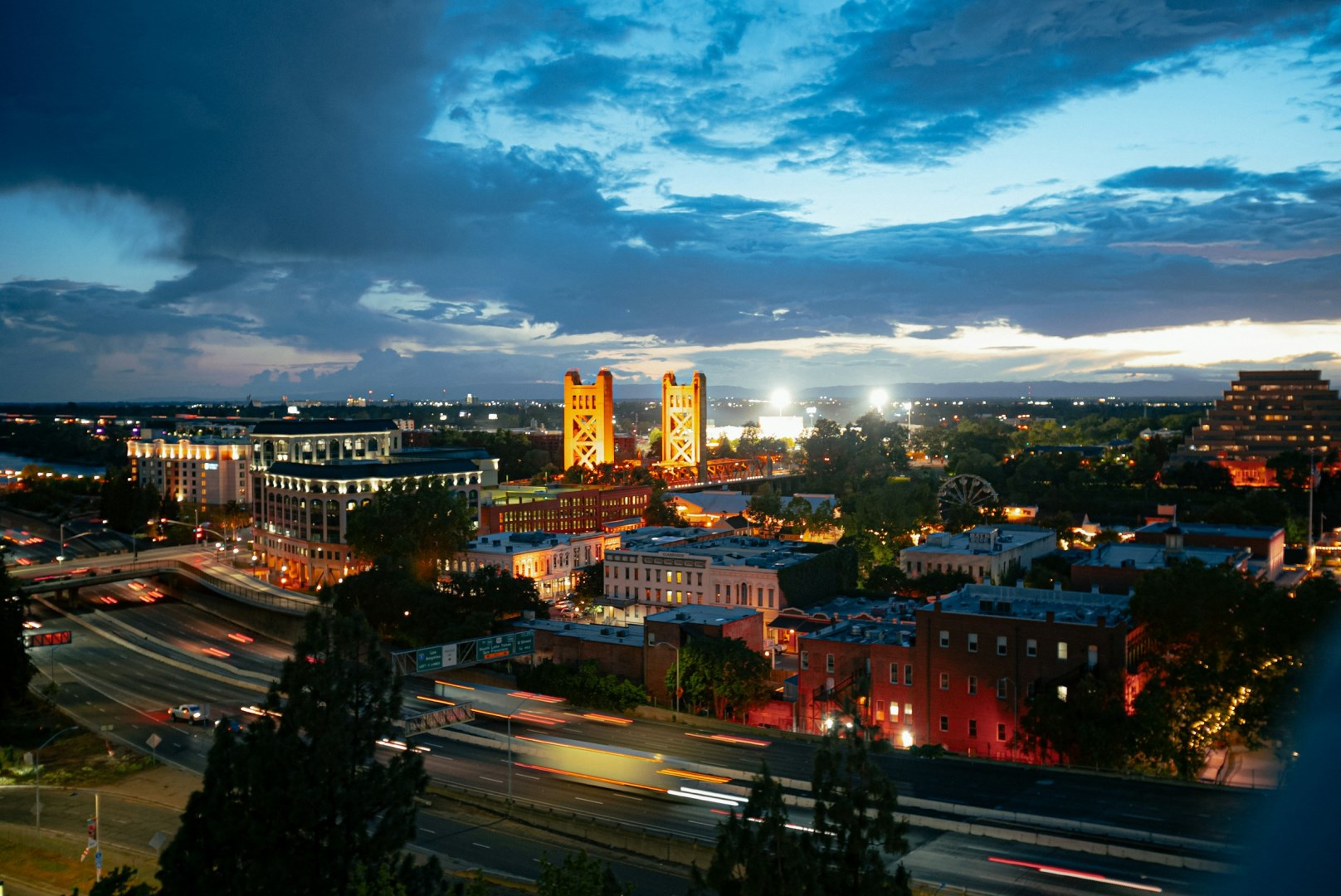
Sacramento is the capital of California, located where the Sacramento and American rivers meet in the northern Central Valley. The city is surrounded by fertile agricultural land and serves as a major center for government, education, health care, and regional commerce. Its downtown includes the State Capitol, historic Old Sacramento, museums, restaurants, and tree-lined streets, while neighborhoods extend across a broad urban area.
Freetown
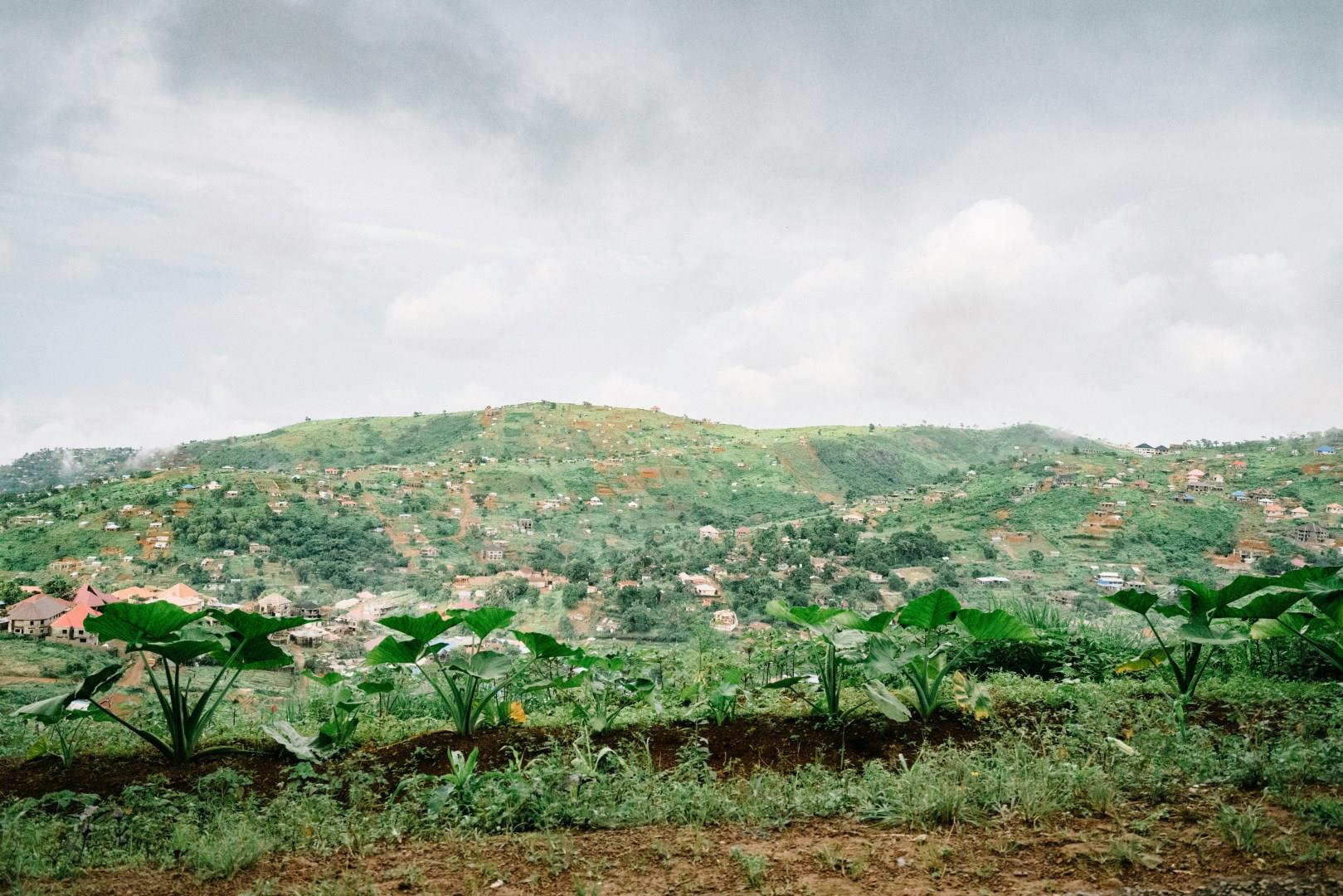
Freetown, the capital of Sierra Leone, is a city where history and daily life intertwine along the shores of the Atlantic. Founded in 1792 as a settlement for freed slaves from Britain and the Americas, it remains a place of cultural depth and resilience.

Paros
Whether you’re drawn to its beaches, rich history, or welcoming atmosphere, Paros has something for everyone. It’s a destination where you can unwind under the Mediterranean sun, explore traditions, and savor the flavors of Greece.
Nagoya
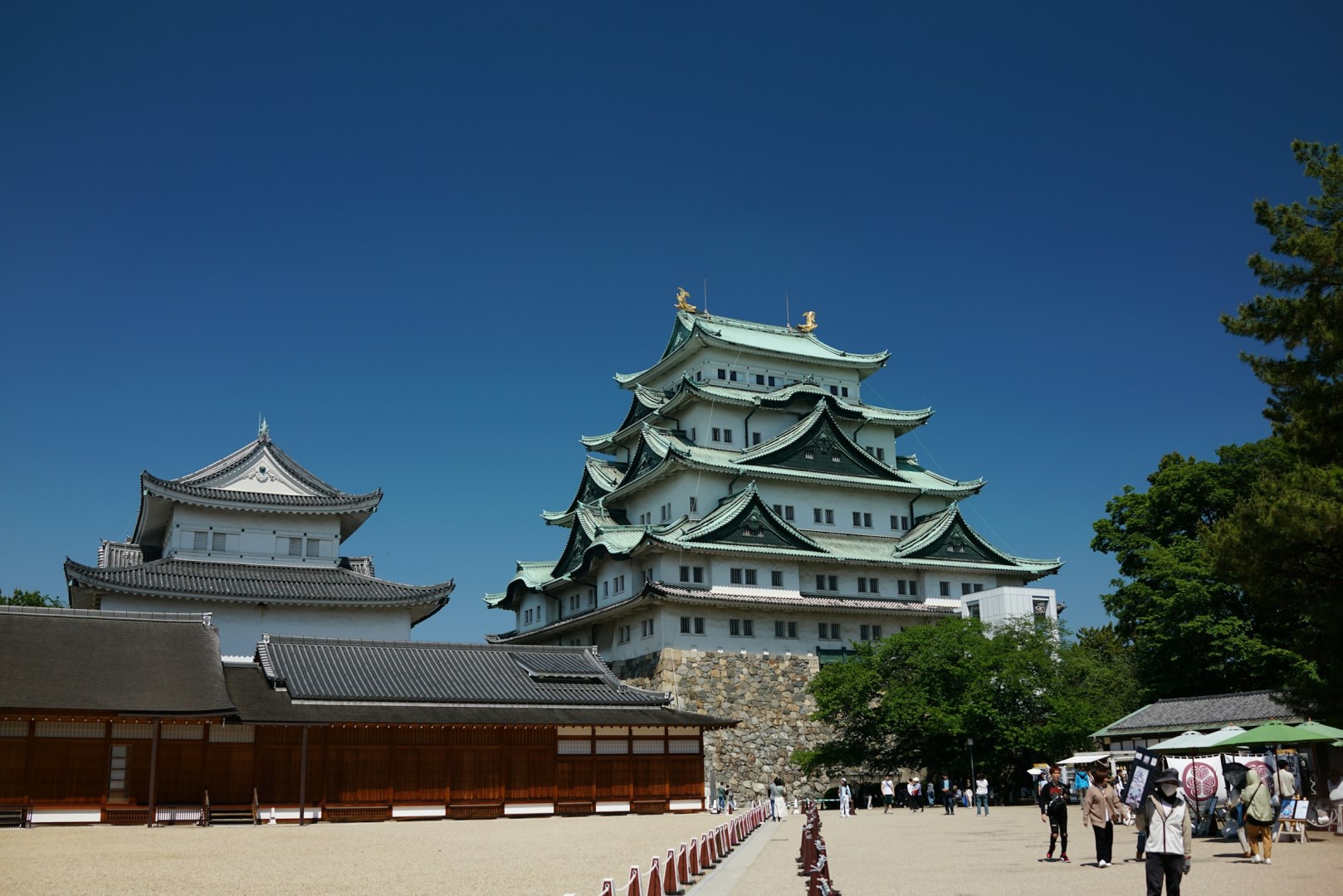
Nagoya’s charm lies in its ability to connect the past and future. Whether exploring historical landmarks, marveling at technological achievements, or indulging in the city’s distinct cuisine, visitors to Nagoya will find themselves immersed in a dynamic and unforgettable experience.