Guinea
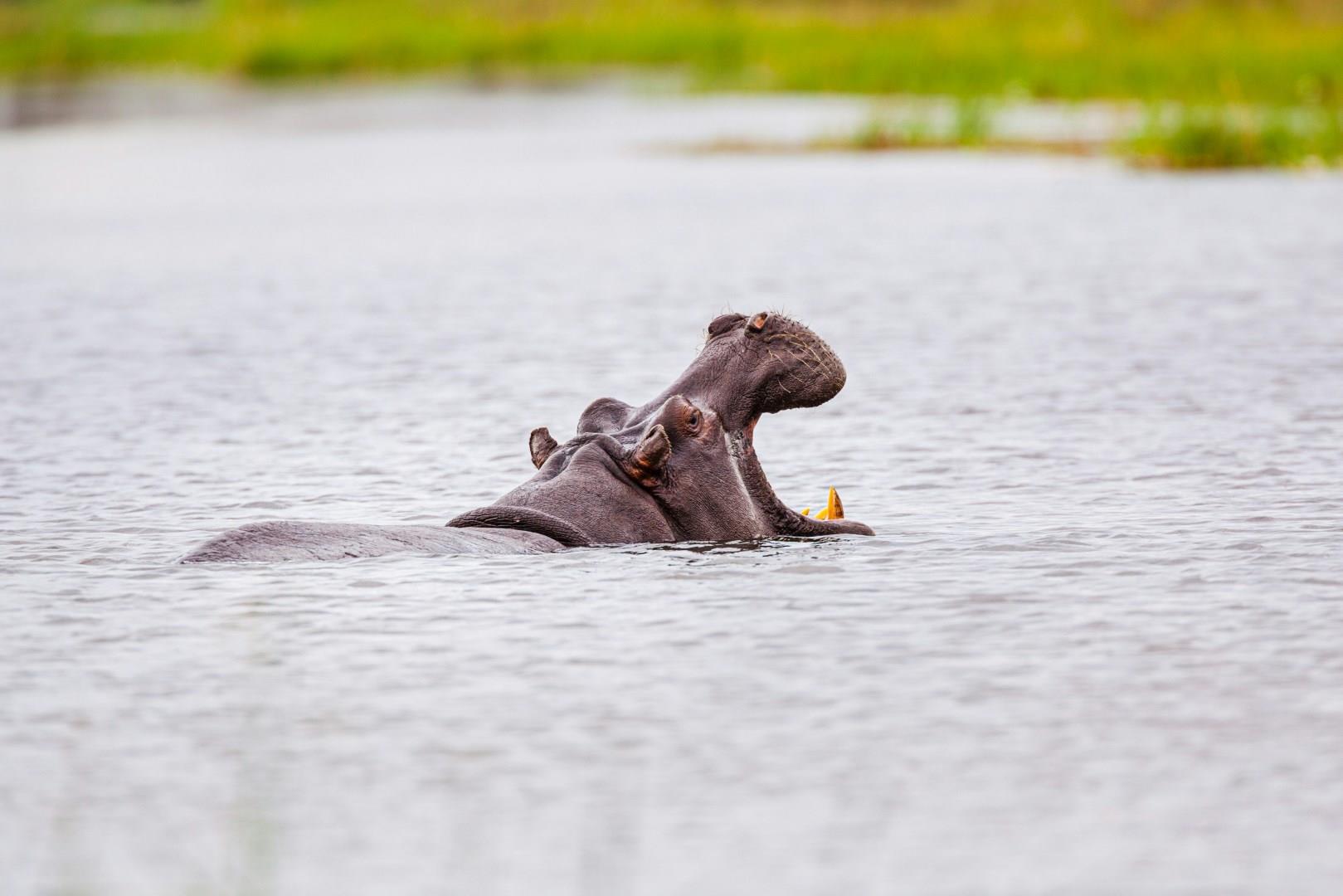
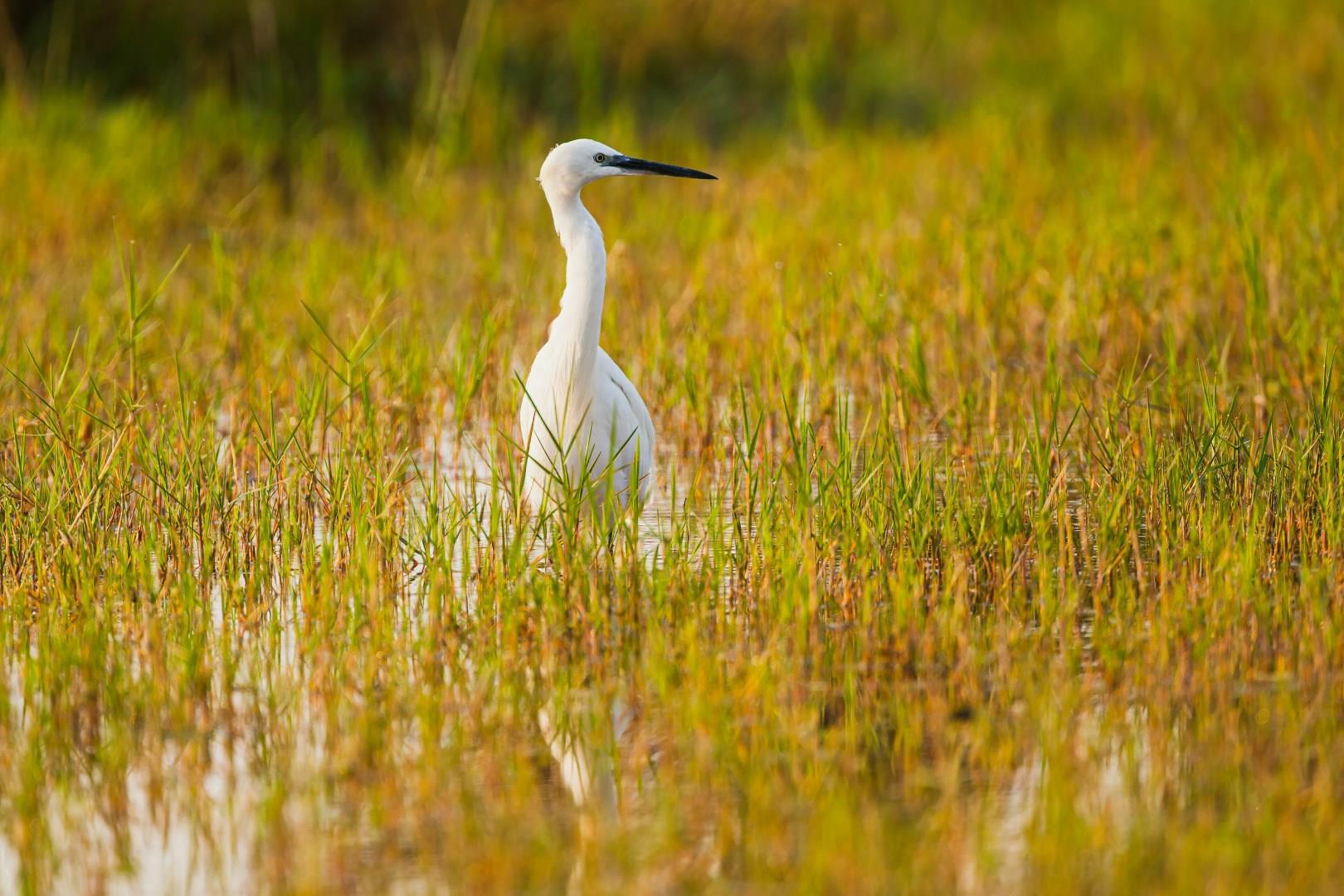
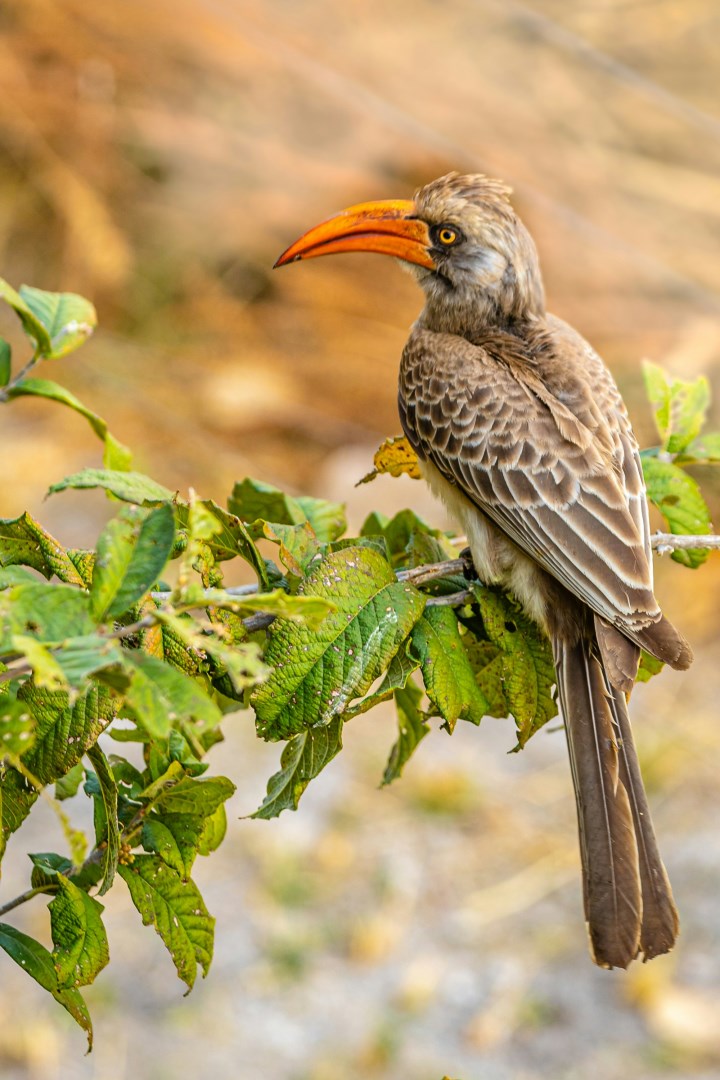
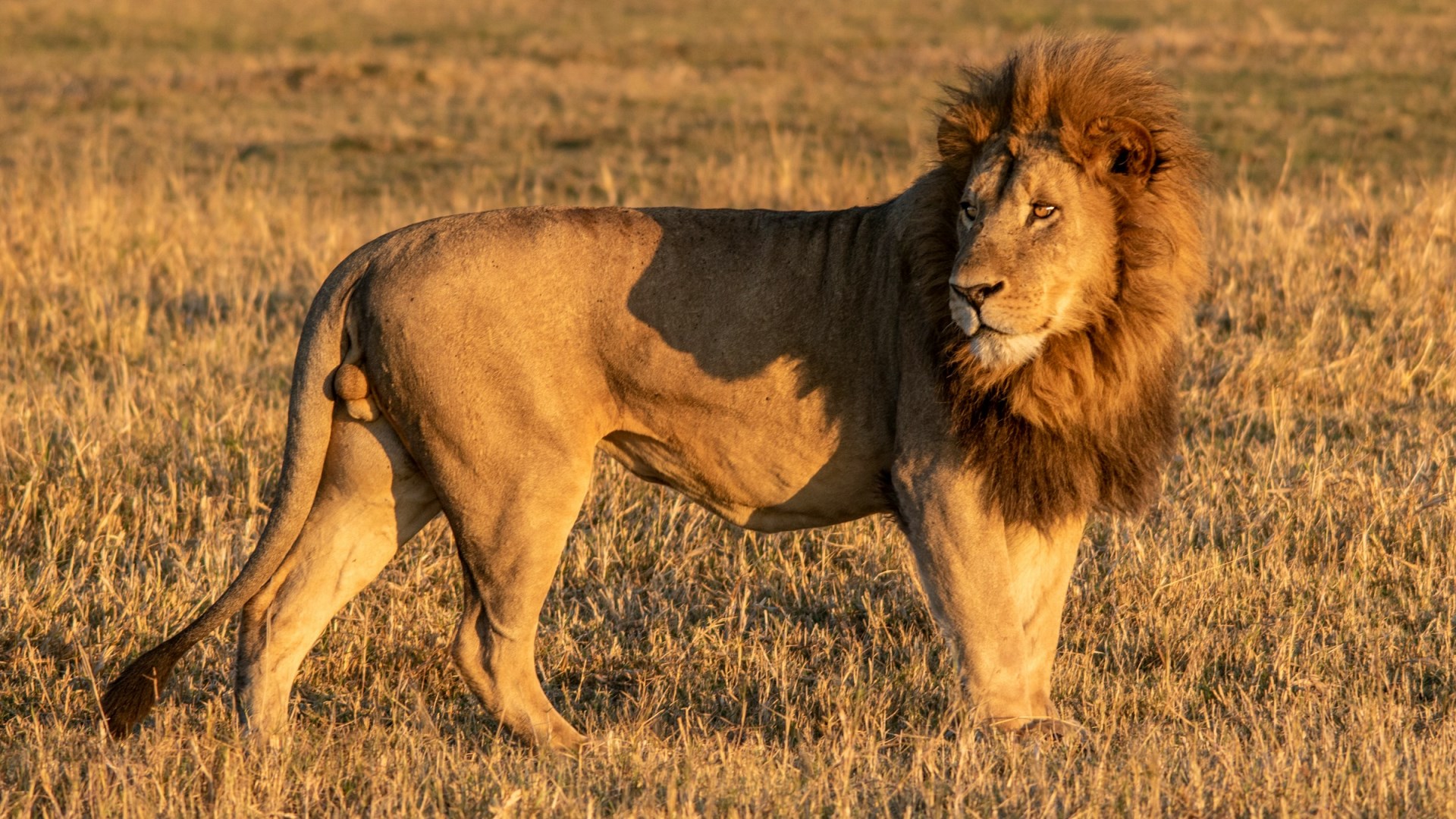
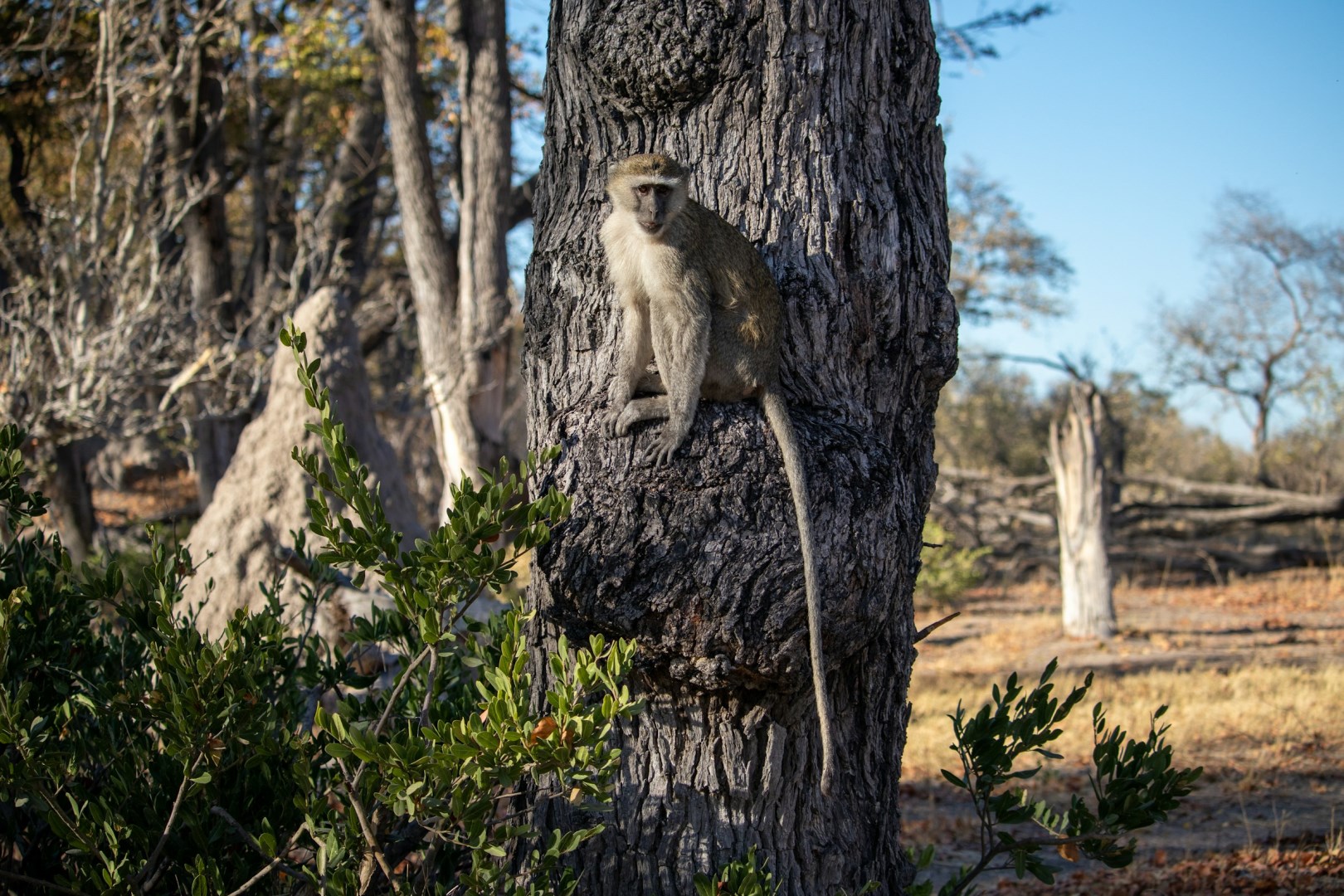
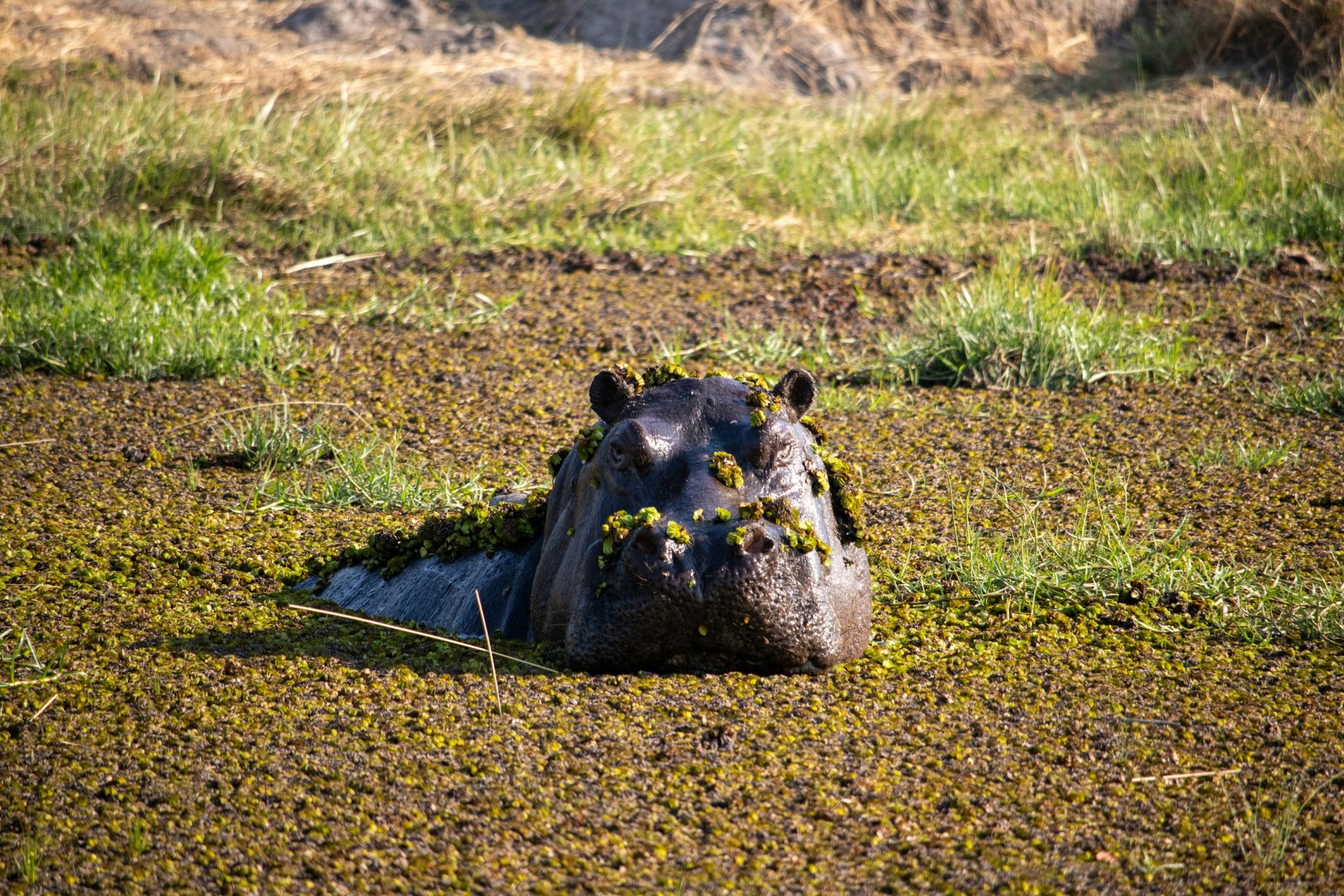
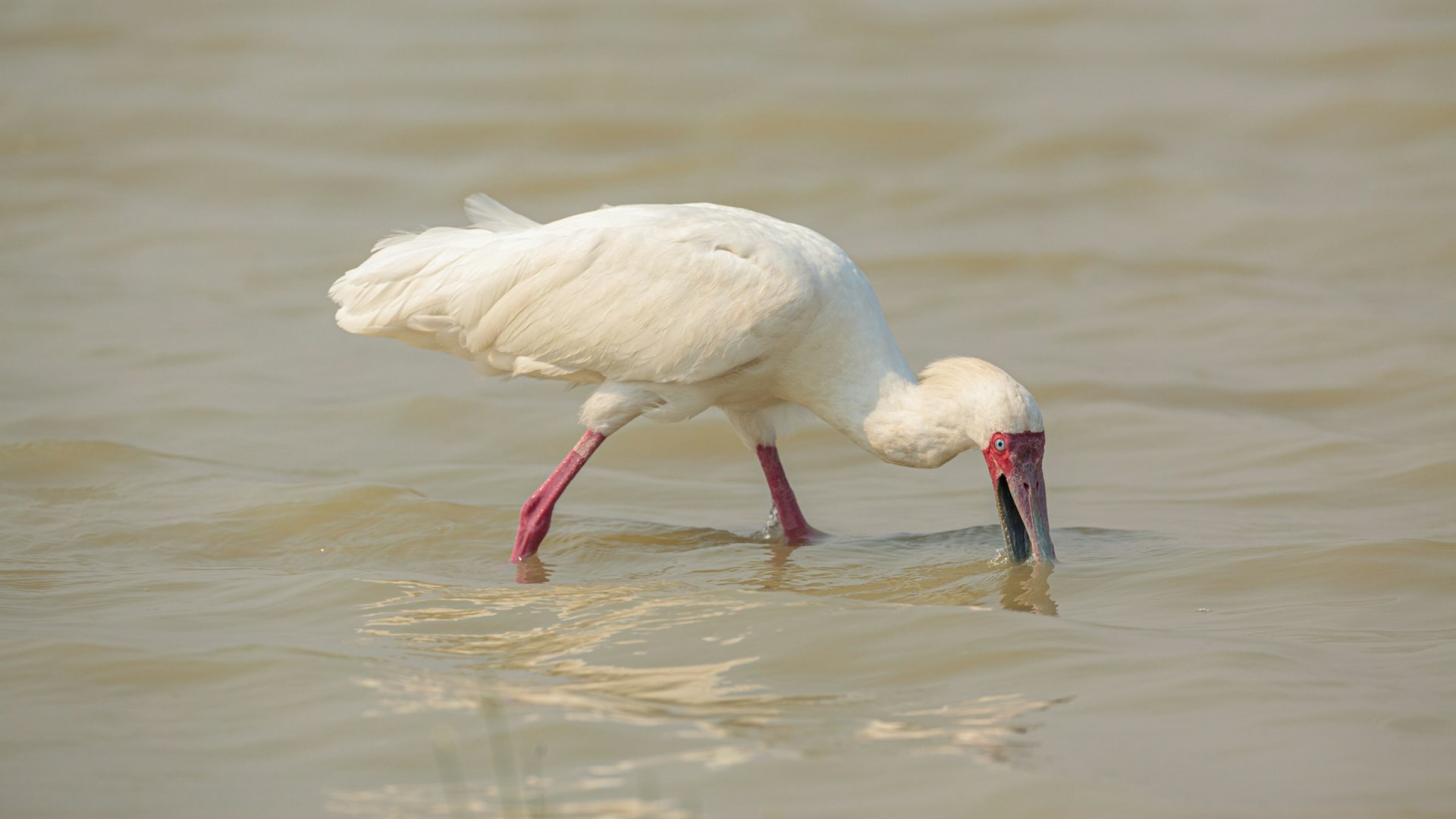
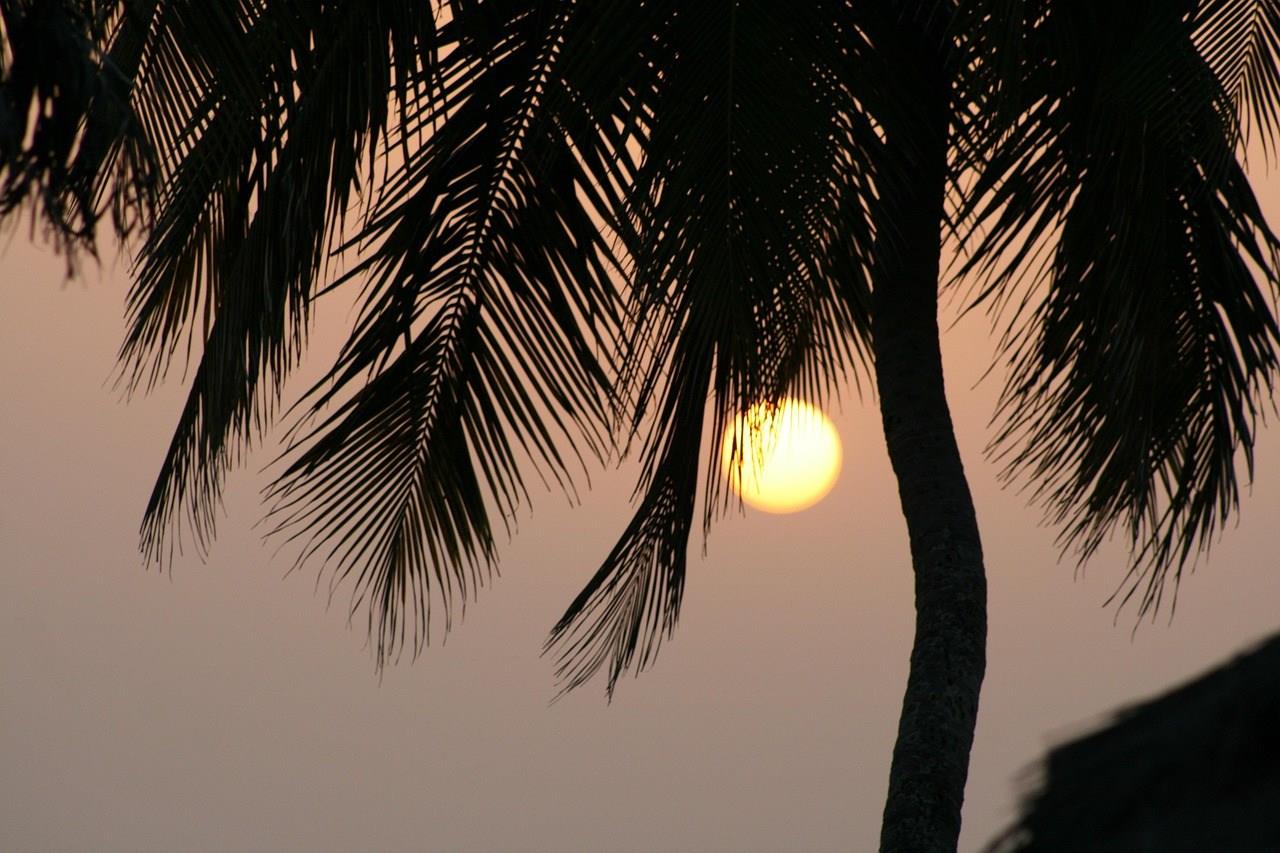
Guinea, located on the west coast of Africa, offers a rich blend of landscapes, cultures, and traditions that remain largely untouched by mass tourism. Its Atlantic shoreline is dotted with fishing villages and sandy beaches, while inland, rolling highlands and dense rainforests give way to sweeping savannas.
Maryland
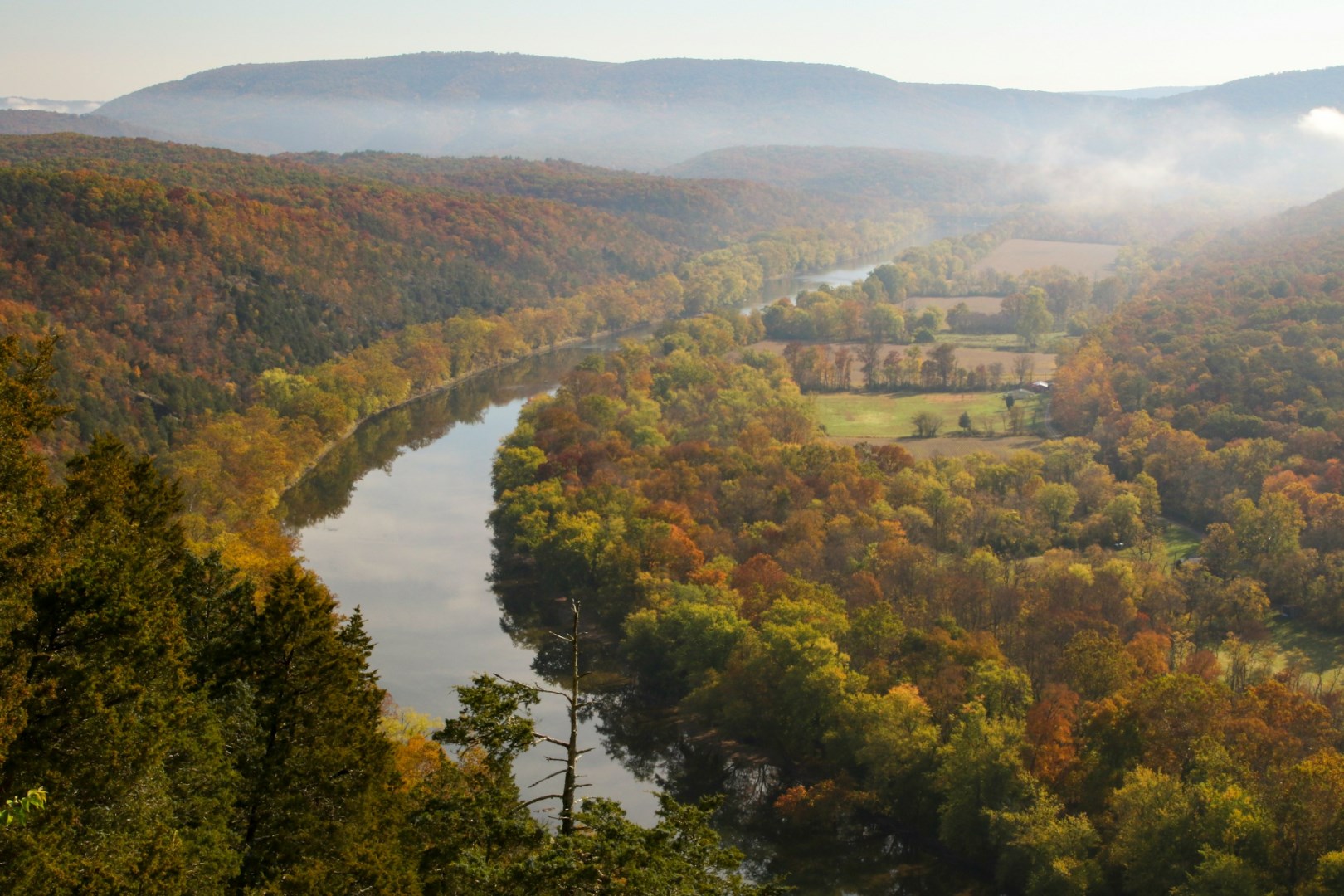
Maryland, a state rich in history and natural beauty, offers a diverse array of experiences for visitors. The city of Baltimore, with its vibrant Inner Harbor, serves as a cultural hub. The National Aquarium, featuring marine life from around the globe, is a highlight, while the nearby National Great Blacks in Wax Museum offers a profound look into African American history.
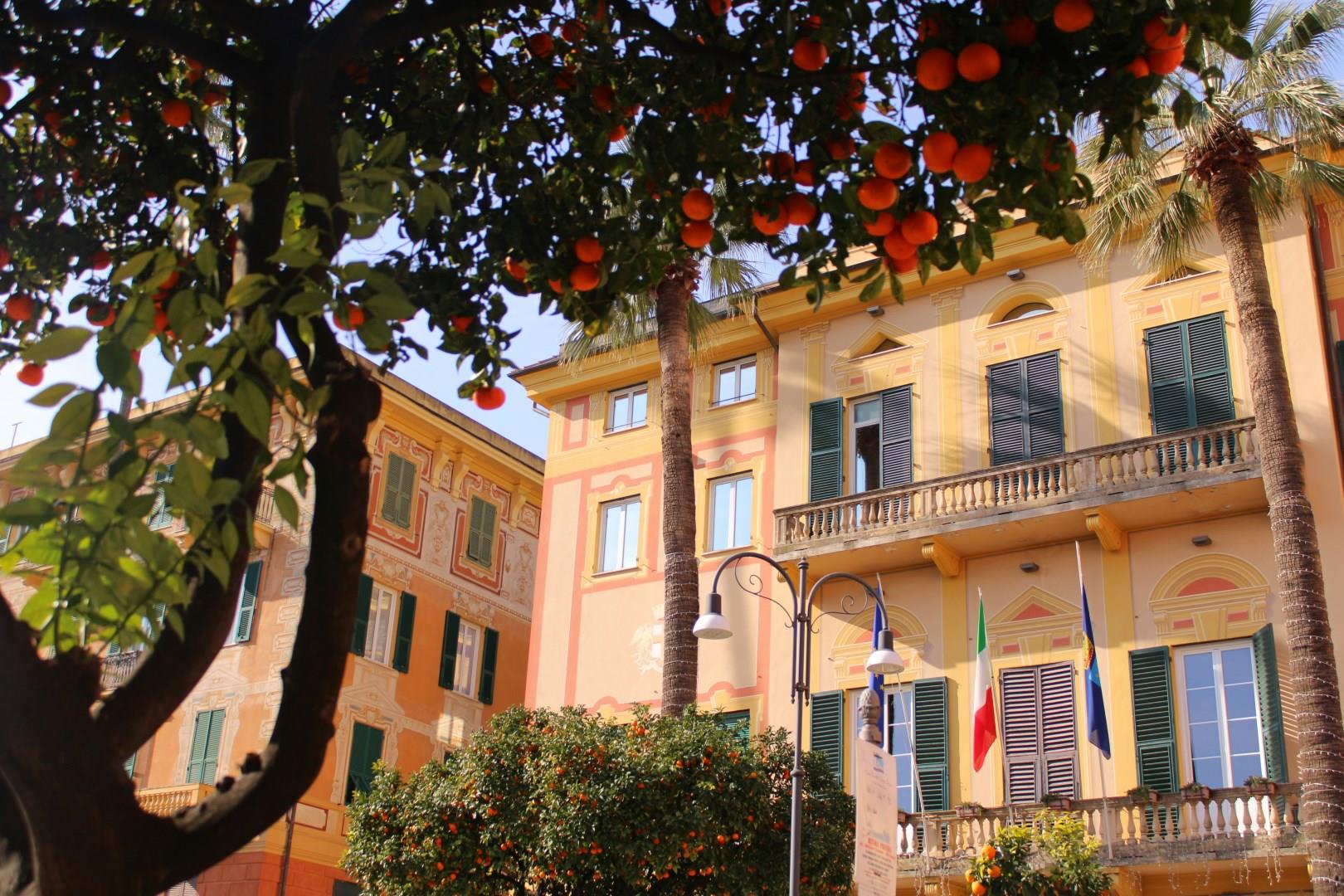
Santa Margherita Ligure
Santa Margherita Ligure is a coastal town on the Italian Riviera in the Liguria region of northwestern Italy. Positioned along the Gulf of Tigullio, the town is known for its palm-lined waterfront, pastel-colored buildings, fishing harbor, and hillside villas overlooking the Ligurian Sea.
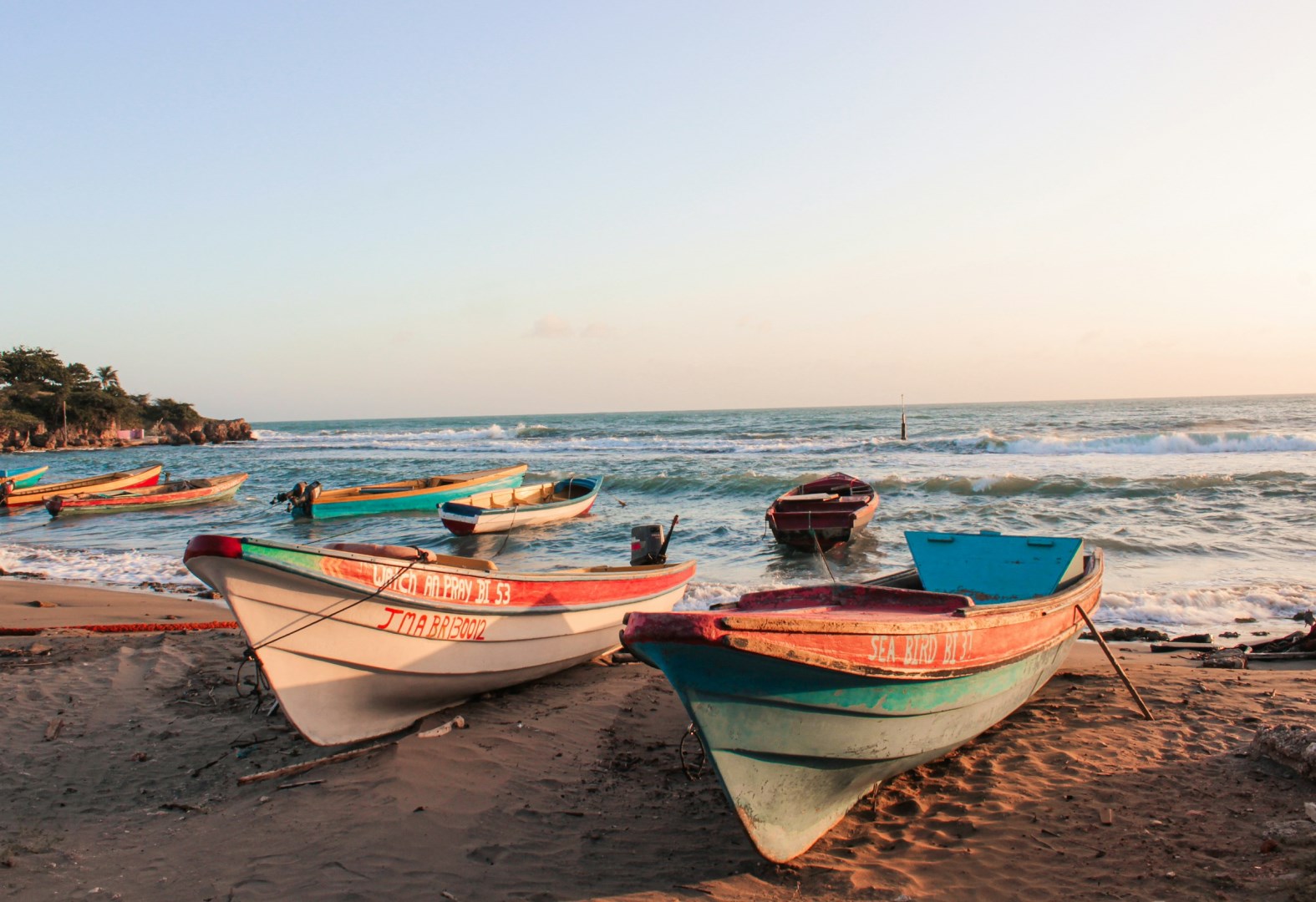
Treasure Beach
Treasure Beach is a collection of small coastal communities on Jamaica’s south coast in Saint Elizabeth Parish, known for quiet bays, fishing villages, rocky shores, and dry coastal landscapes. Unlike the larger resort areas on the island’s northern coast, the area has developed around local communities, small guesthouses, farms, and independent businesses. Calabash Bay, Frenchman’s Bay, Billy’s Bay, and Great Bay form the main coastal sections commonly associated with Treasure Beach.

Sydney
Sydney, Australia, is a vibrant city where iconic landmarks, diverse neighborhoods, and natural beauty converge. The Sydney Opera House, with its striking sail-like design, and the Sydney Harbour Bridge are symbols recognized around the world, yet the city offers much more beyond its famous skyline.