Dominica
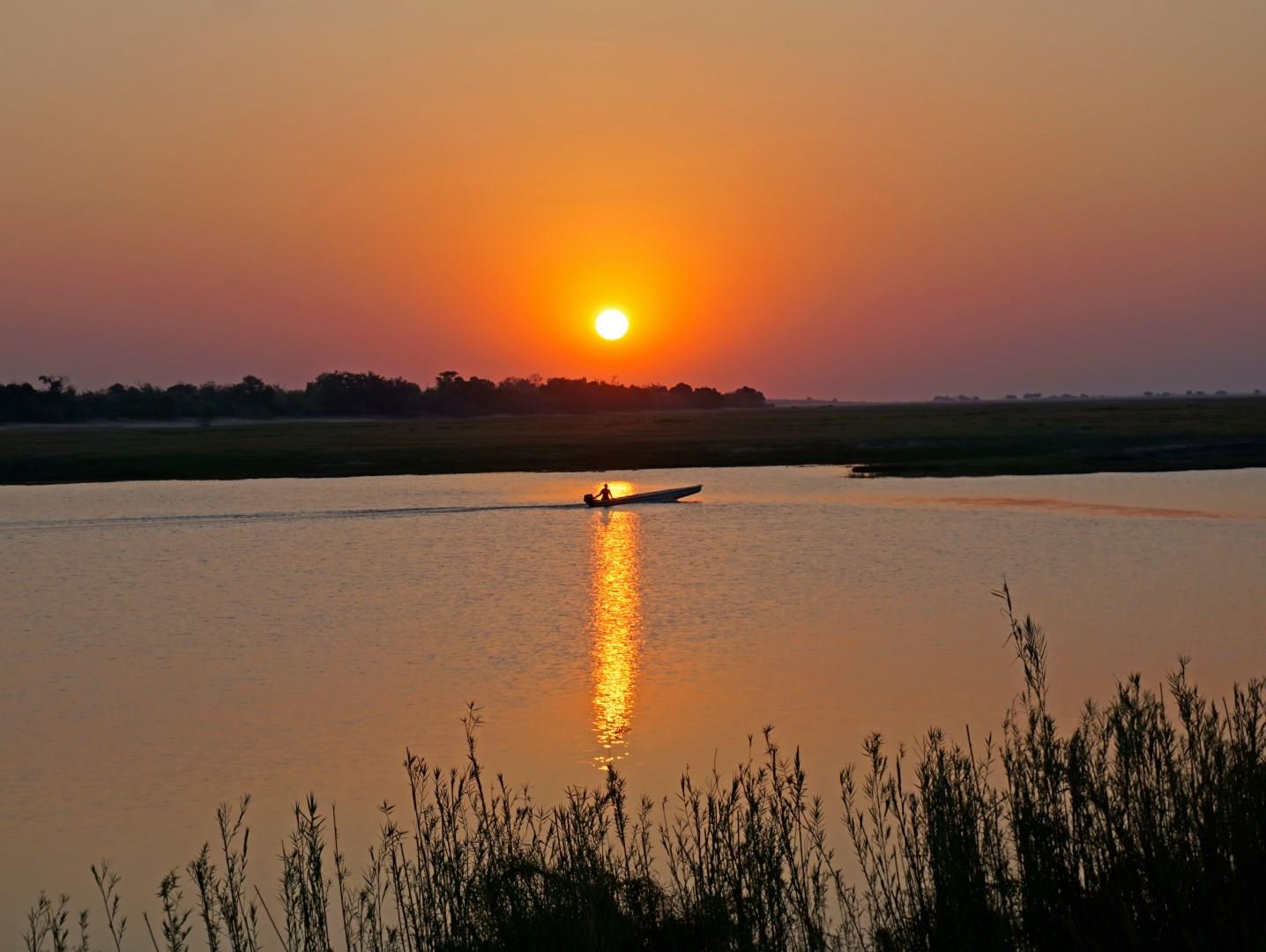
Dominica, known as the “Nature Island of the Caribbean,” is a haven for eco-tourists and adventure seekers. Nestled between the French islands of Guadeloupe and Martinique, this lush island boasts a remarkable landscape of volcanic mountains, dense rainforests, and stunning waterfalls. Dominica’s most iconic natural wonder is the Boiling Lake, the second-largest hot spring in the world.
Sognefjord
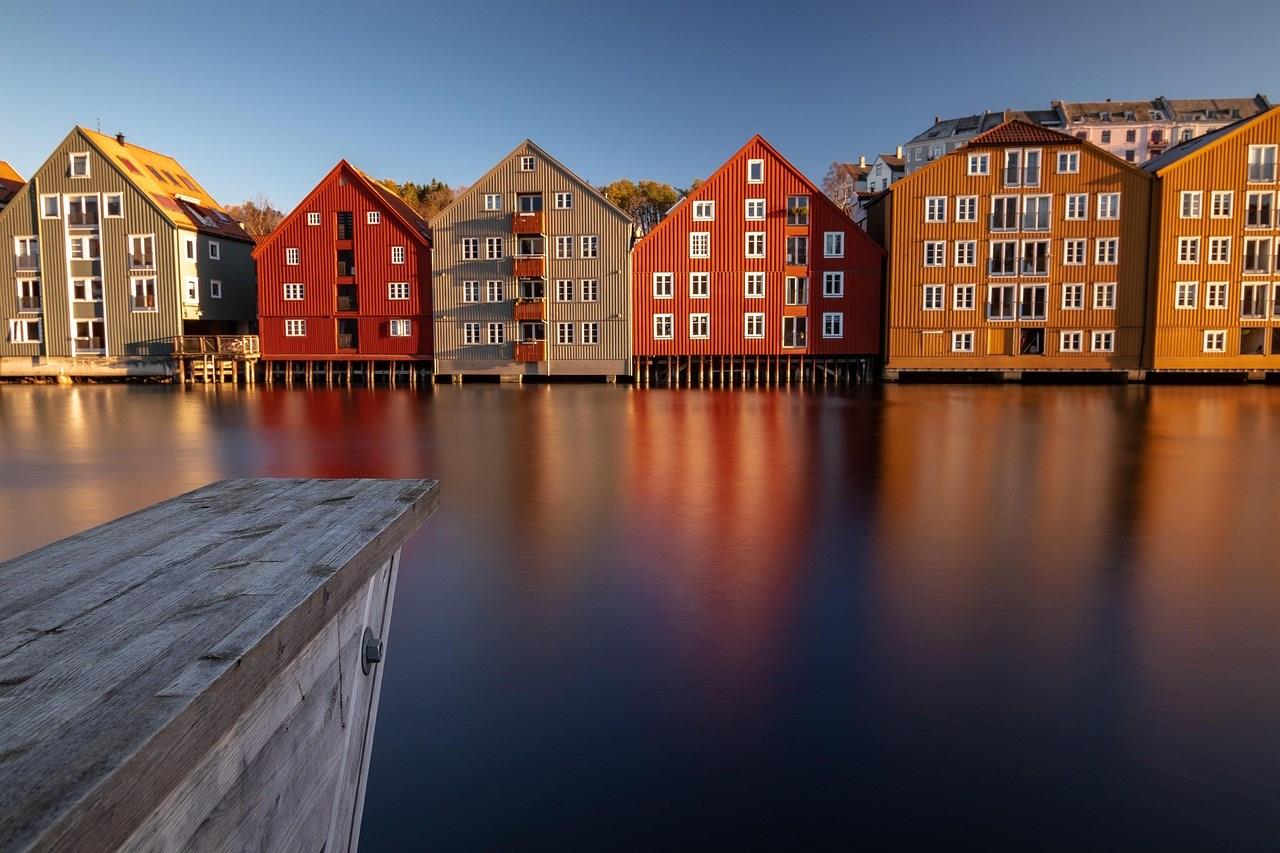
Sognefjord stretches over 200 kilometers into Norway’s mountainous interior, making it the country’s longest and deepest fjord.

Gulf Of Oman
The Gulf of Oman is a region of diverse landscapes and rich history. Stretching between the coasts of Oman, the United Arab Emirates, and Iran, this gulf is lined with stunning shorelines, port cities, and hidden natural gems.

Monastir
Monastir, a coastal gem in Tunisia, offers a perfect blend of history, culture, and sun-soaked relaxation. Overlooking the azure waters of the Mediterranean Sea, the city is famous for its majestic Ribat, a well-preserved Islamic fortress dating back to 796 AD. This imposing structure, used historically to defend against Byzantine and European invaders, offers visitors panoramic views of the coastline and the city below.
Bartlett
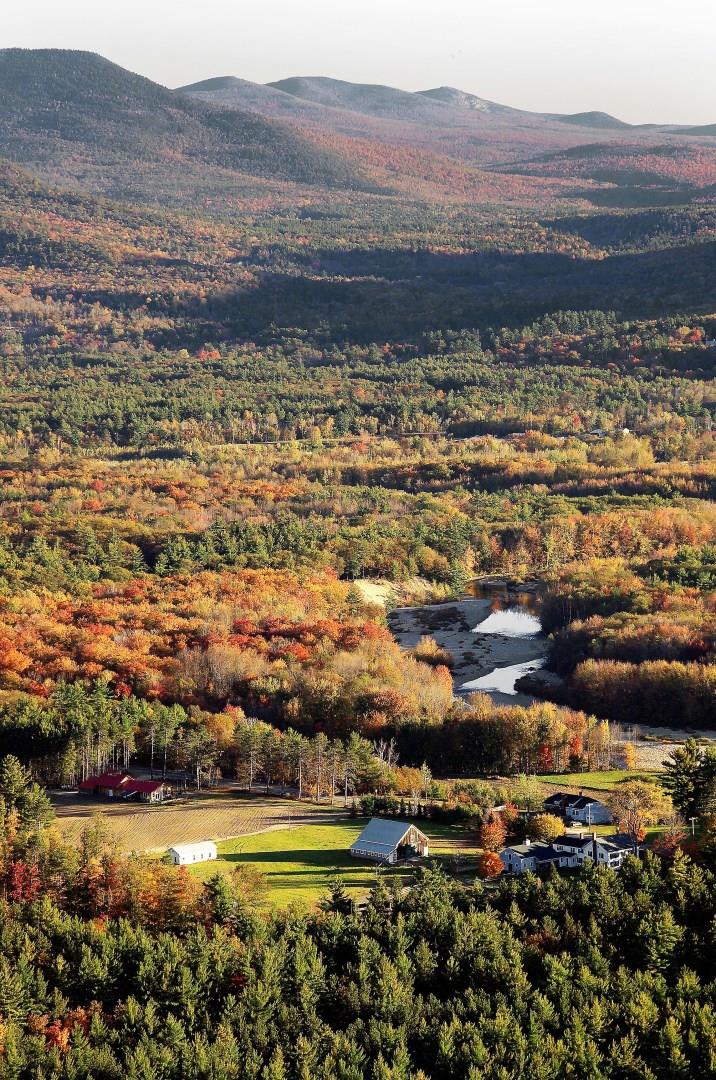
Bartlett, New Hampshire is a small White Mountains town with a deep connection to outdoor adventure and quiet mountain charm. Founded in the late 18th century, Bartlett began as a logging and railroad hub, and remnants of that past still echo through its historic buildings and covered bridges. The Bartlett Roundhouse, a relic from the town’s railway days, now serves as a museum and reminder of how trains once connected this remote region to the rest of New England.