Lalibela is the name of the township which King Lalibela, later canonized, ruled in the 12th century. At his command, eleven monolithic churches were hewn out of living rock. The churches are unique because they are not carved into rock but were freed from it entirely
France offers far more than its capital city. While Paris draws millions each year, the country’s true richness lies in its variety, from Alpine villages to Atlantic coastlines, medieval towns to Mediterranean markets. In Normandy, visitors can walk along the D-Day beaches or explore the towering abbey of Mont-Saint-Michel, which becomes an island at high tide. Further inland, the Loire Valley is dotted with over 300 castles, many of which are open for tours and even overnight stays.
South America is a continent of striking contrasts, where towering mountain ranges meet vast rainforests, arid deserts, and sprawling coastlines. From the icy fjords of the south to the tropical warmth of the north, each region offers its own landscapes, wildlife, and cultural expressions.
New Orleans is unlike any other city in the United States. Founded in 1718, it carries layers of French, Spanish, African, and Caribbean influence that can be felt in everything from its architecture to its street music. The French Quarter, the oldest neighborhood in the city, is full of iron-laced balconies, gas lamps, and narrow streets that echo with the sounds of live jazz.
Nestled in the scenic Borgarfjörður region of Iceland, Reykholt is a quaint village steeped in historical significance and natural beauty. While it is well known as a center of learning and culture during the medieval period, Reykholt is also famed for its stunning landscapes and geothermal activity. The town's nearby hot springs, including the historic Snorralaug, a medieval bathhouse, offer a unique opportunity to soak in waters that have been enjoyed for centuries.
Photo Credit: Photo by Secret Travel Guide on Unsplash
Photo Credit: Photo by Ed Wingate on Unsplash
Photo Credit: Photo by Sam Goodgame on Unsplash
Photo Credit: Photo by Colin Watts on Unsplash
Photo Credit: Photo by Maria Baltazzi on Unsplash
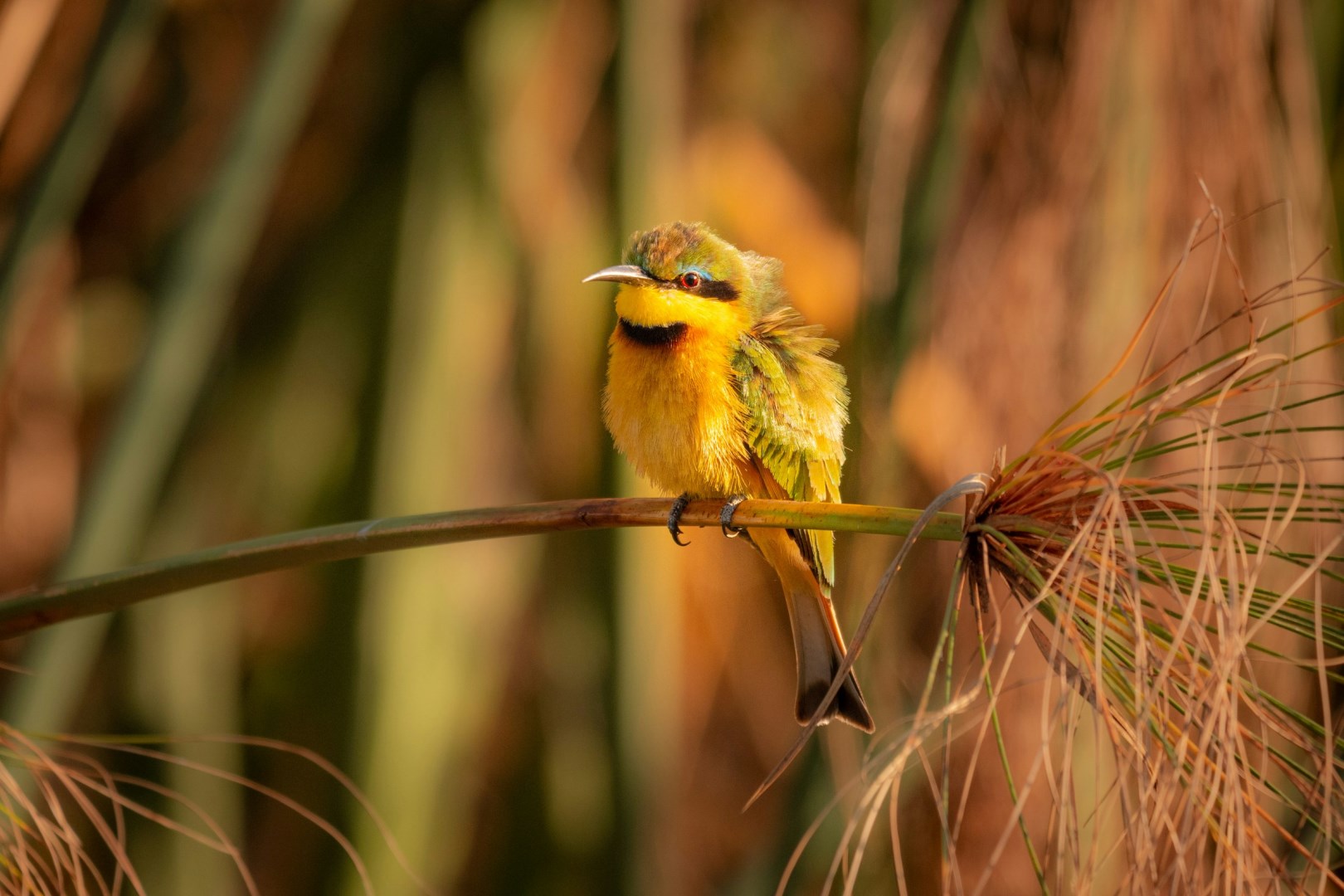
Little Bee-eater
Photo Credit: Photo by Chris Stenger on Unsplash
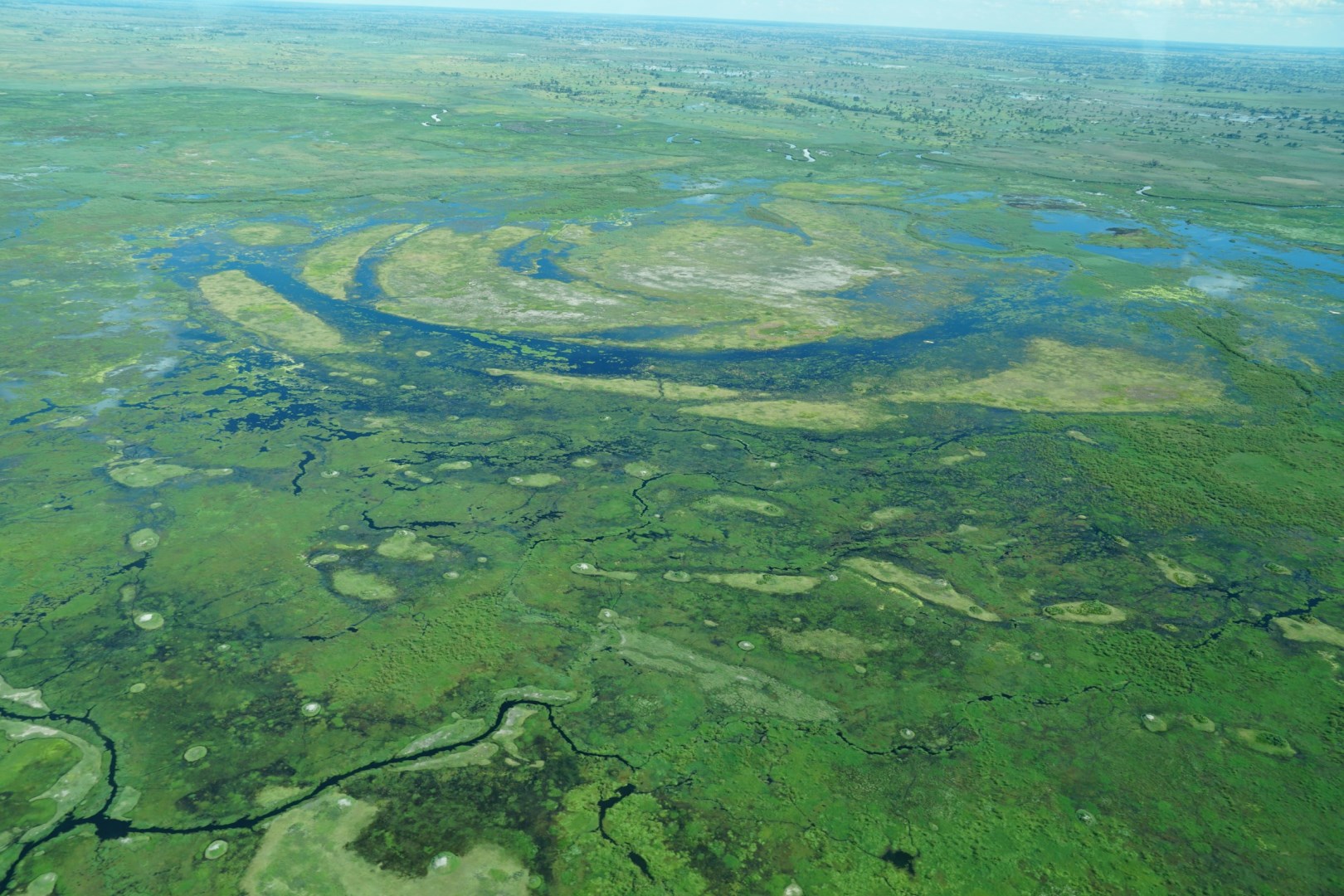
Aerial View
Photo Credit: Photo by Sheila C on Unsplash
Photo Credit: Photo by Andreas Vonlanthen on Unsplash
Photo Credit: Photo by Darya Luganskaya on Unsplash
Photo Credit: Photo by Bob Brewer on Unsplash
Photo Credit: Photo by Andreas Vonlanthen on Unsplash
Photo Credit: Photo by Darya Luganskaya on Unsplash
Photo Credit: Photo by Ed Wingate on Unsplash
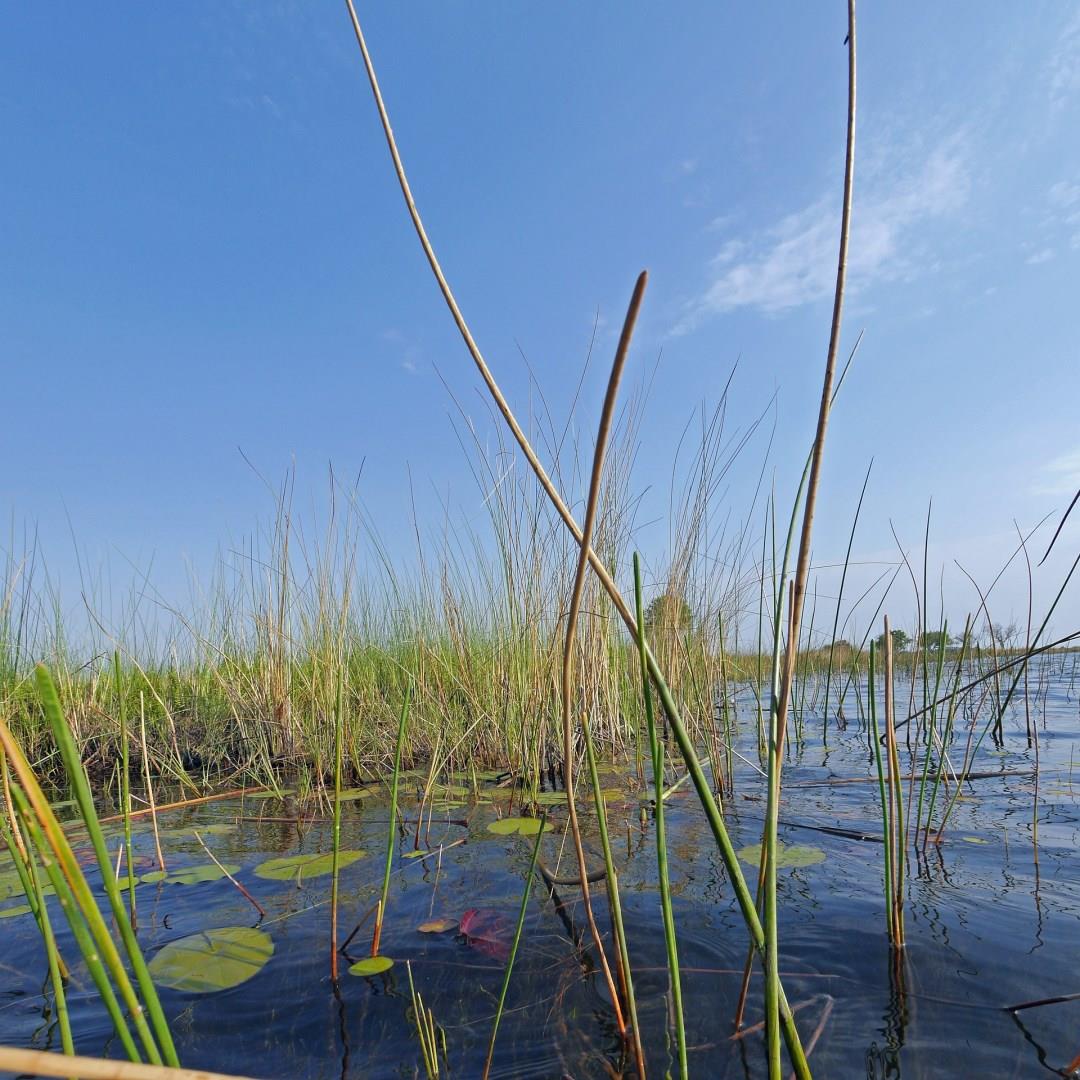
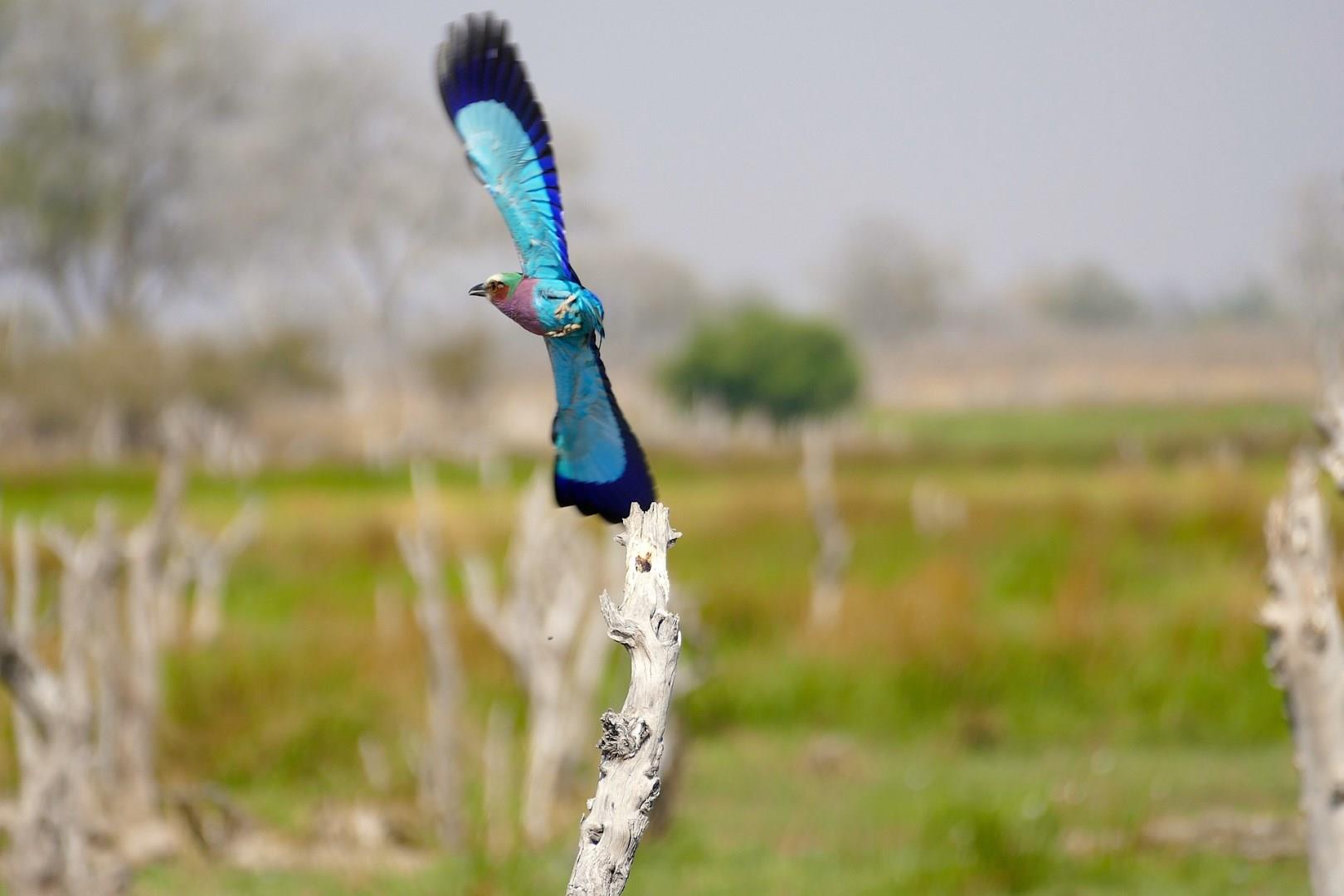
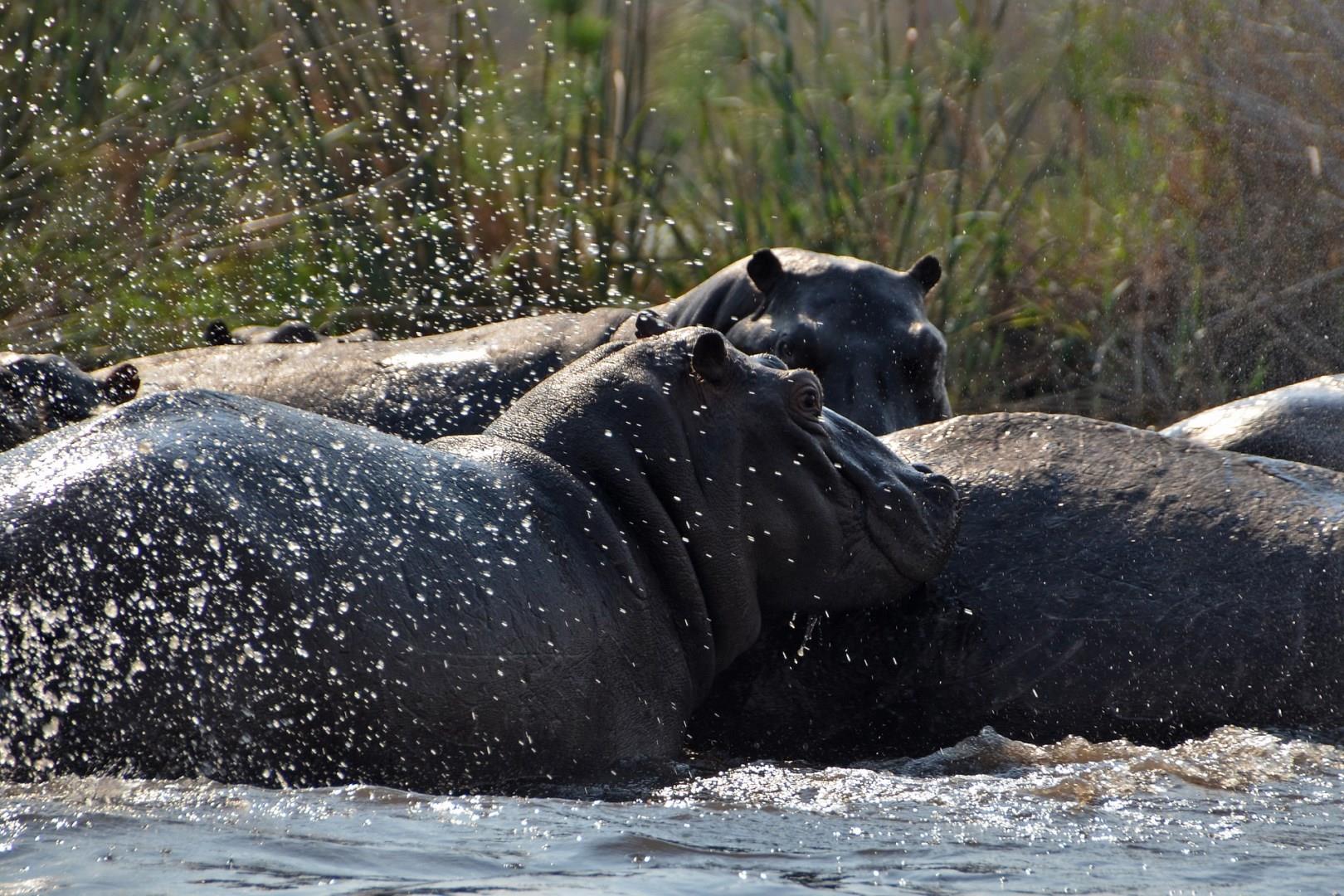
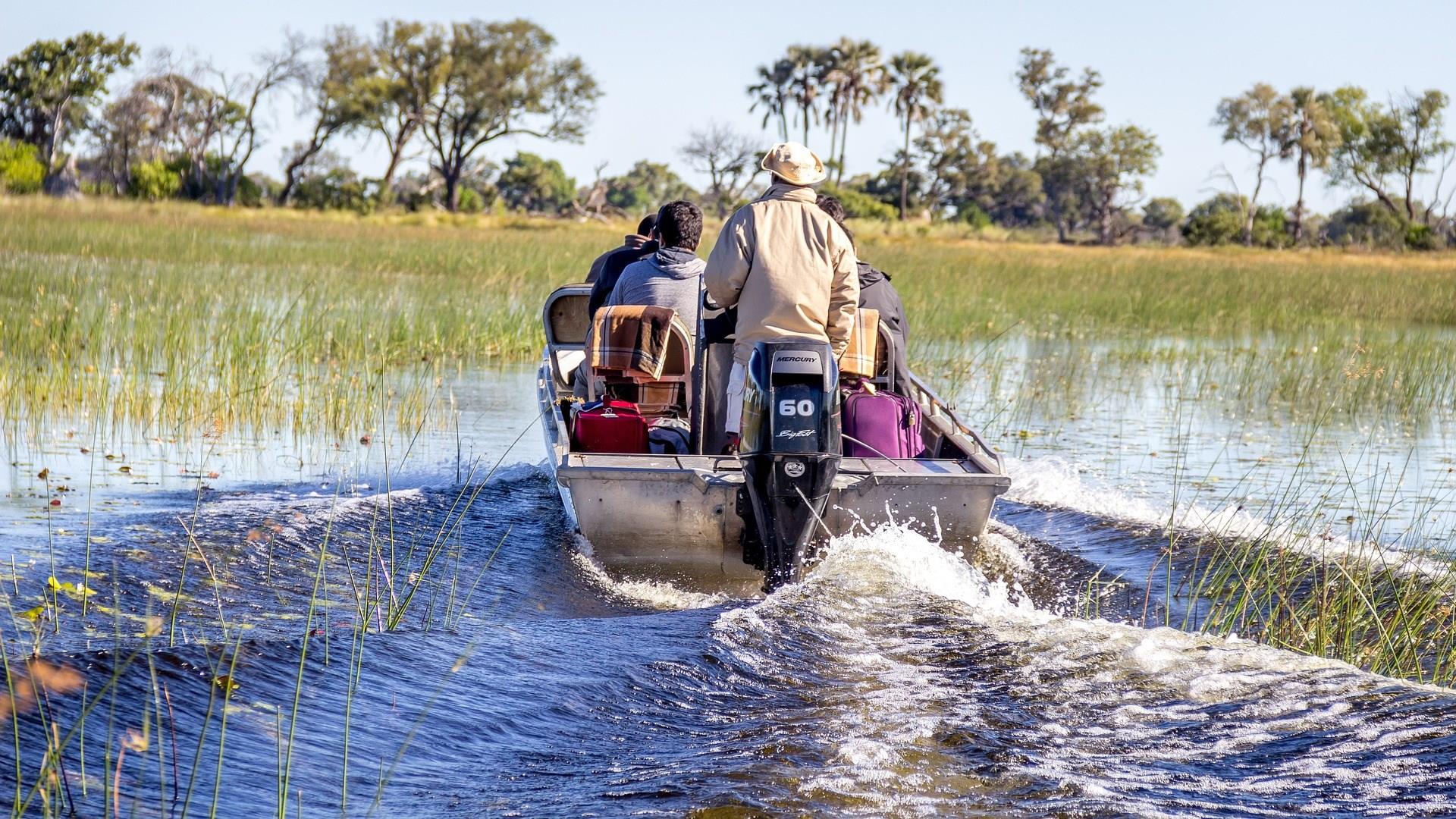
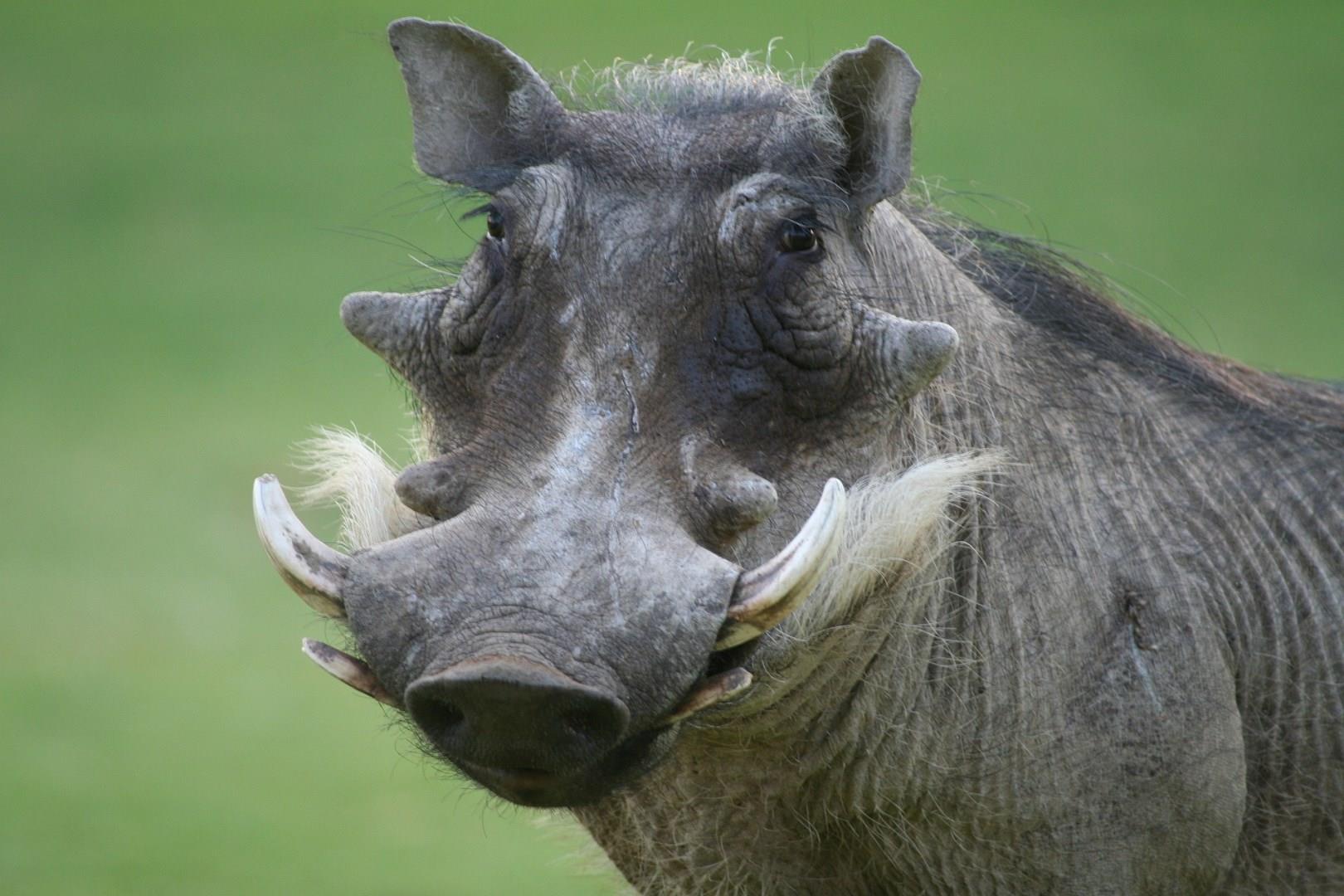
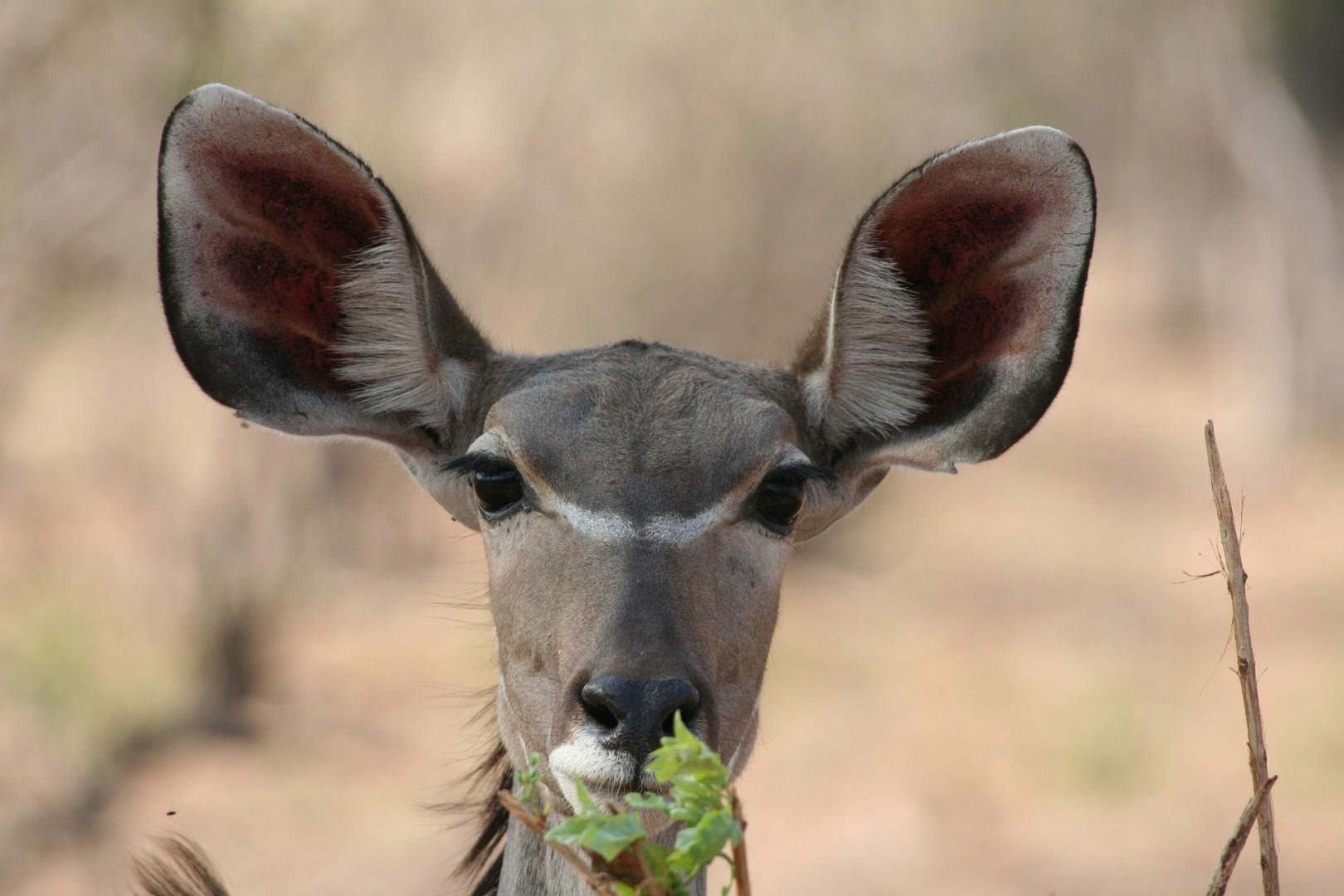
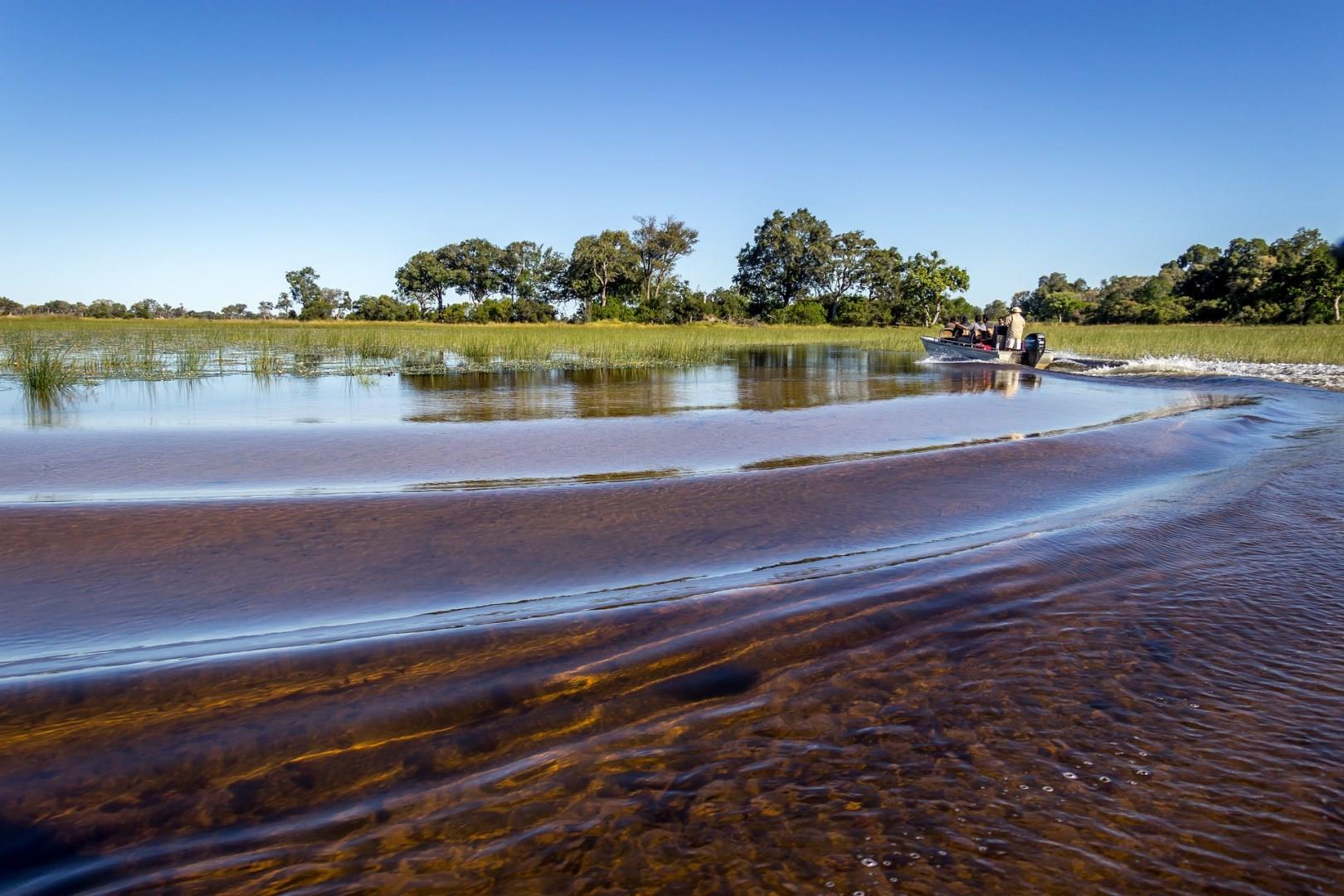
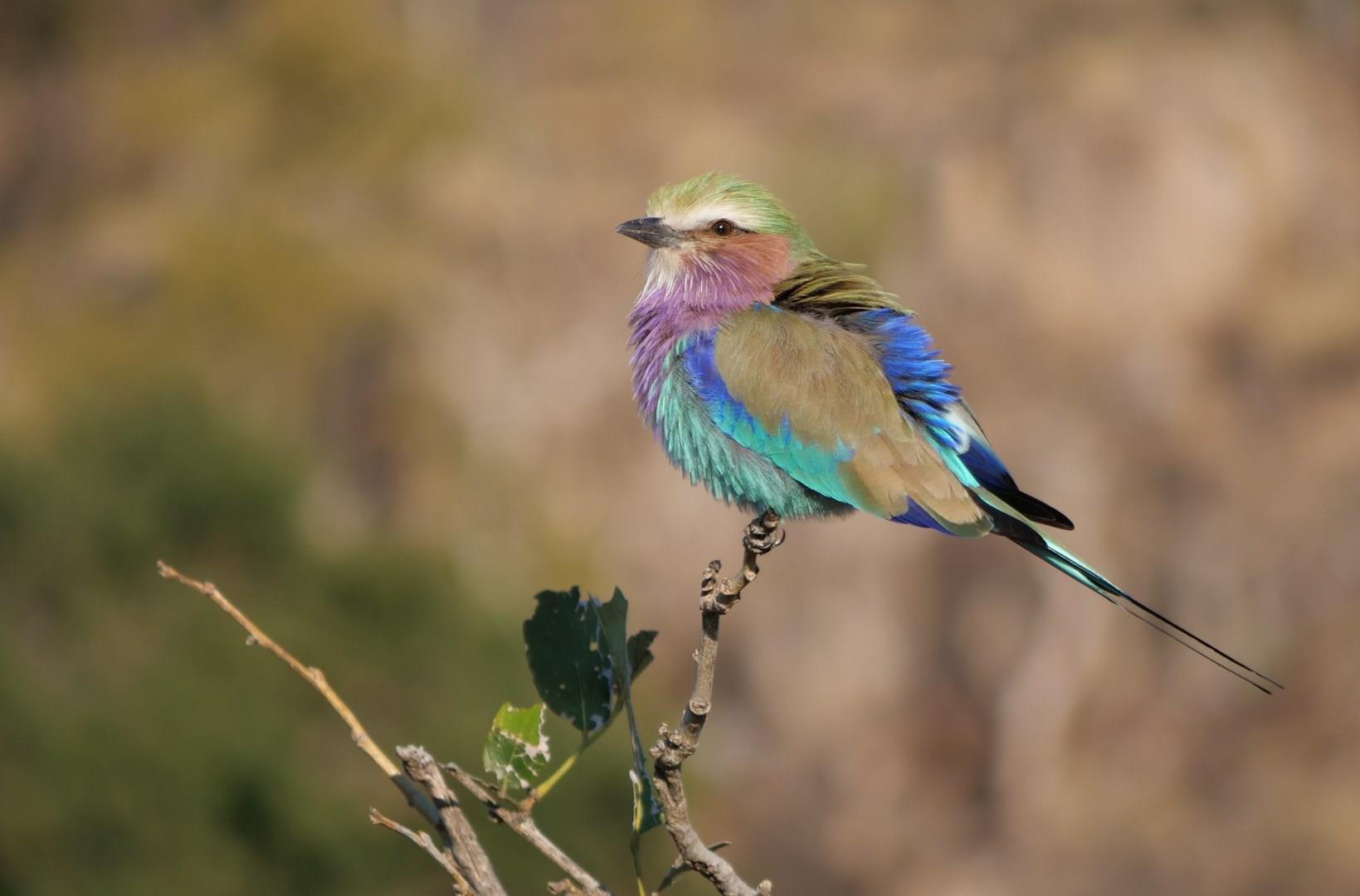
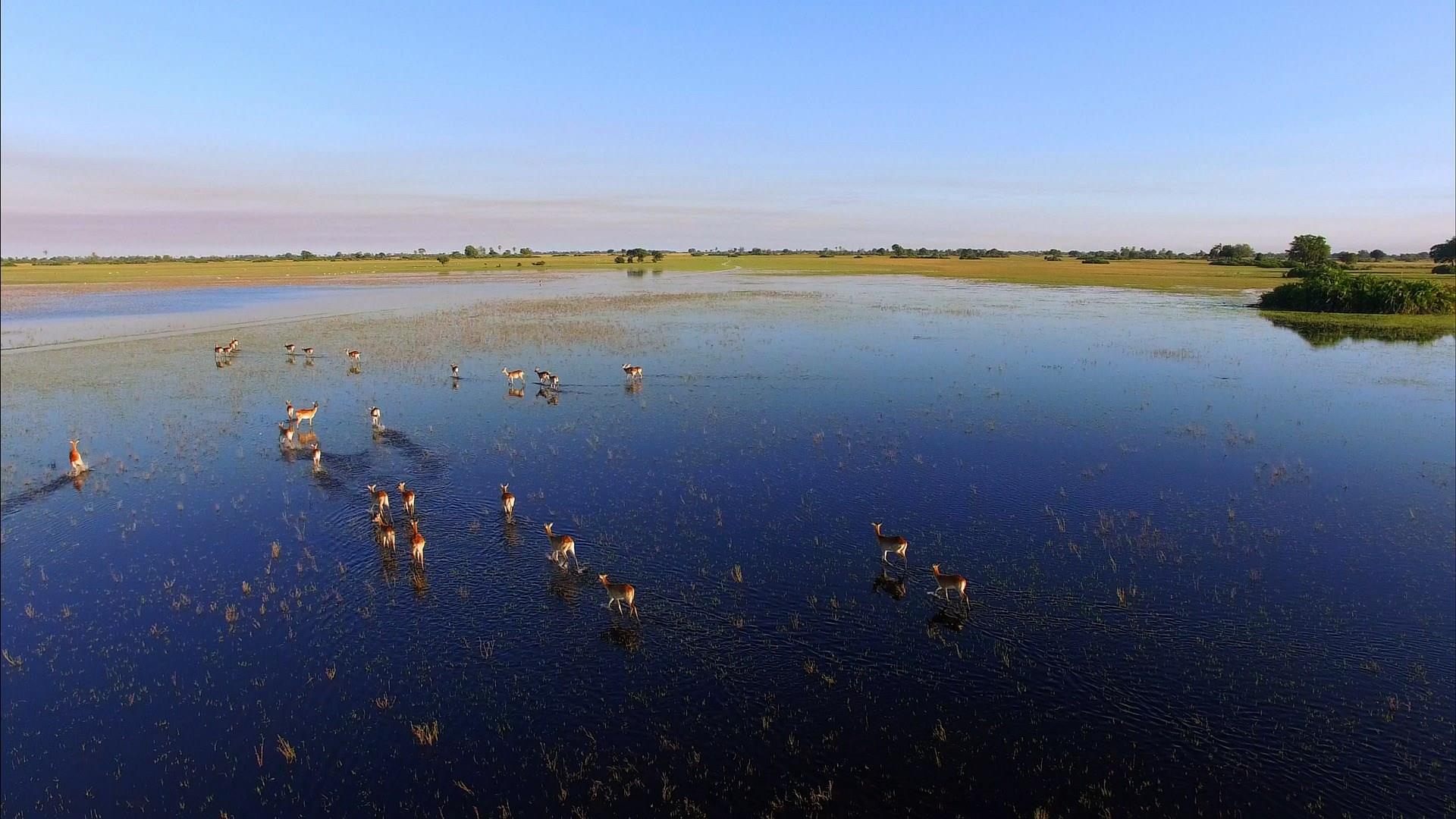
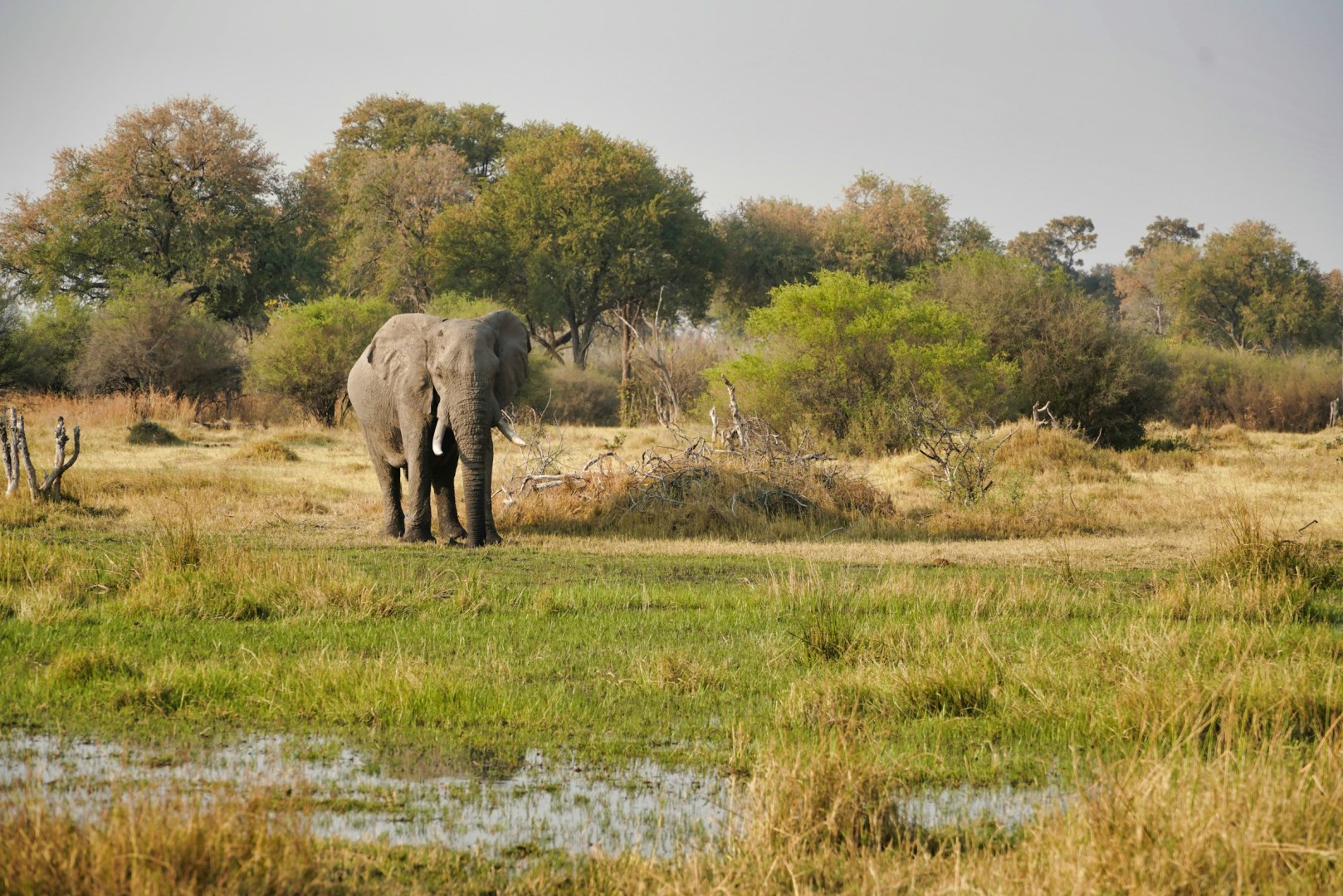
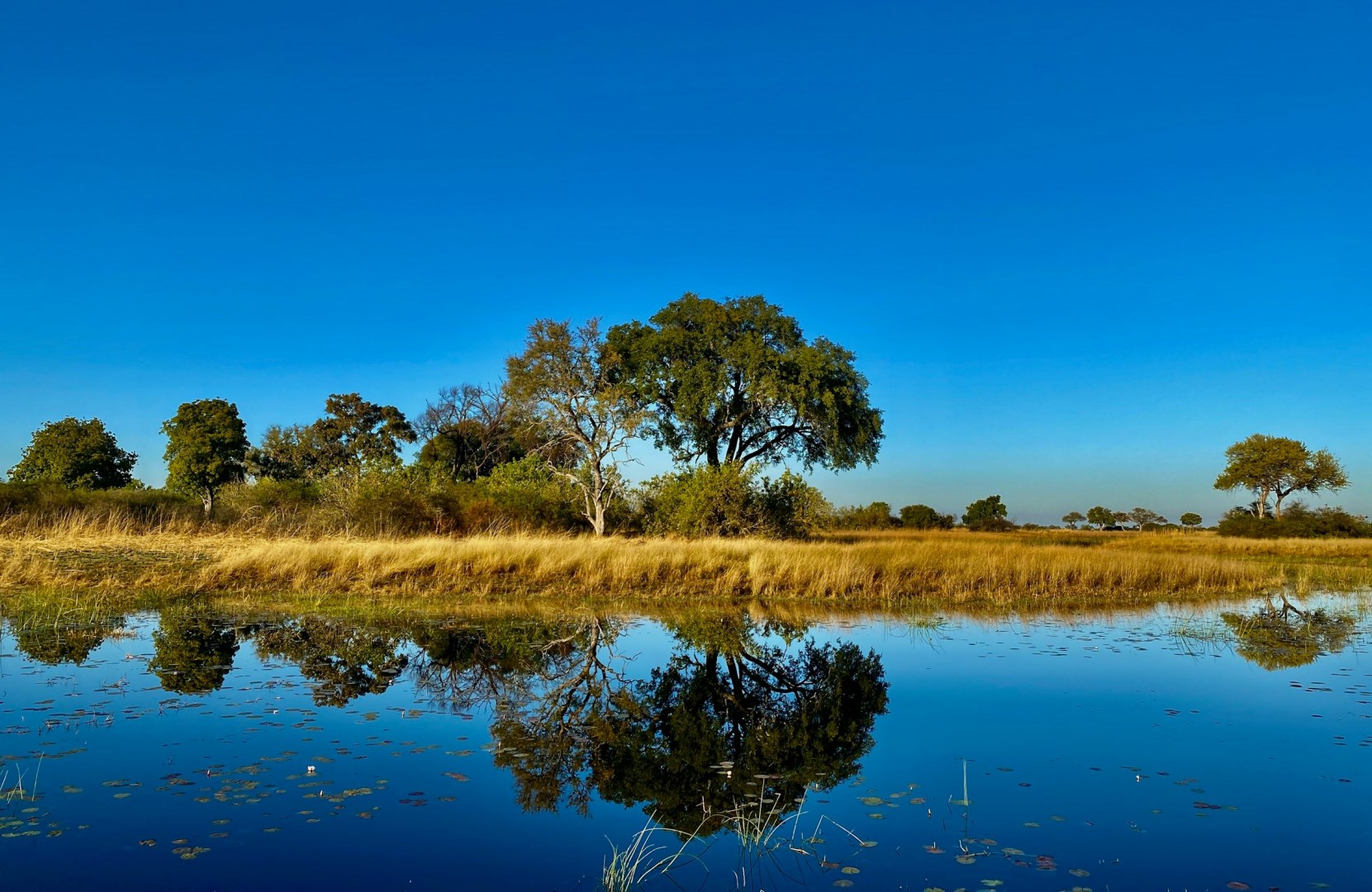
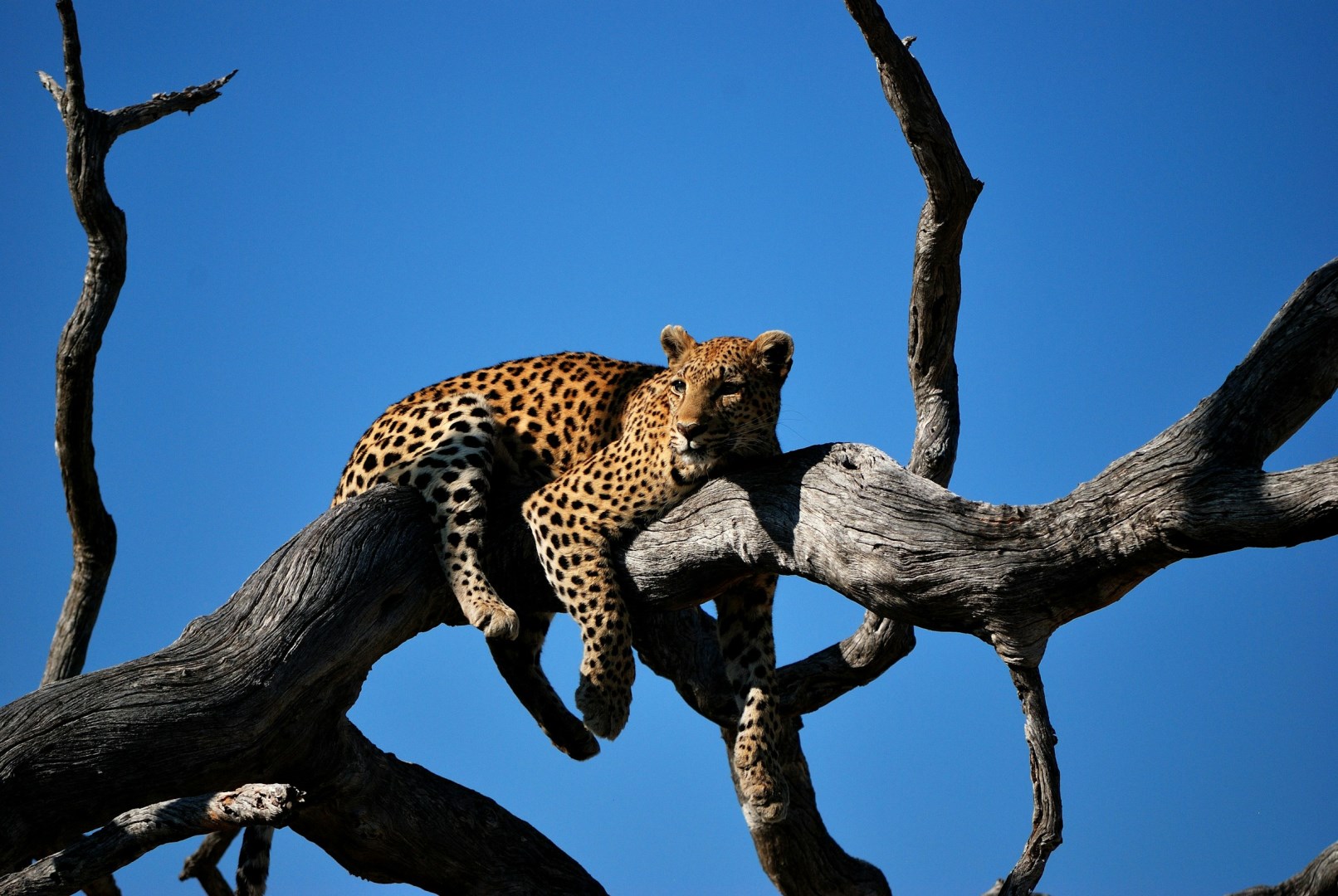
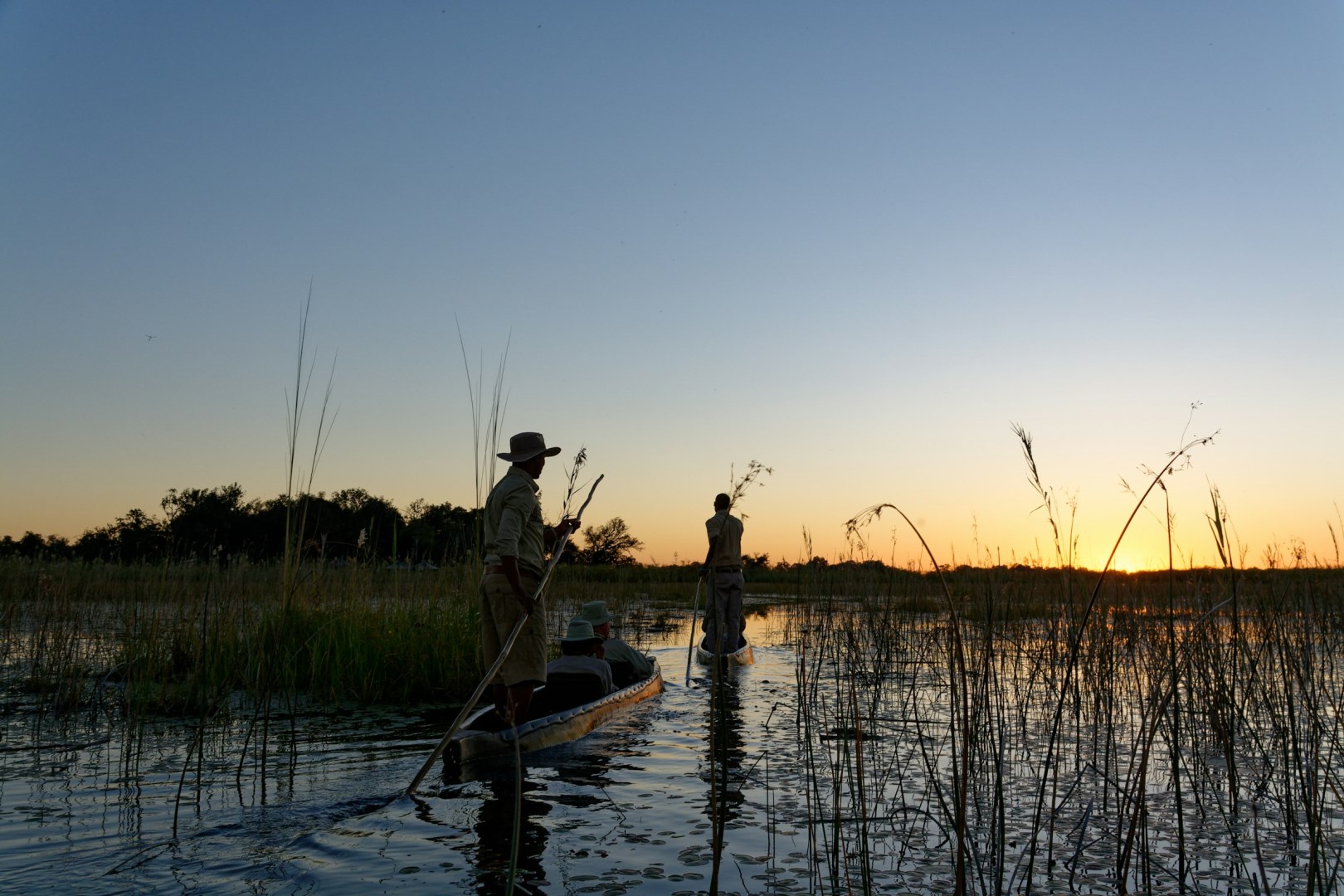
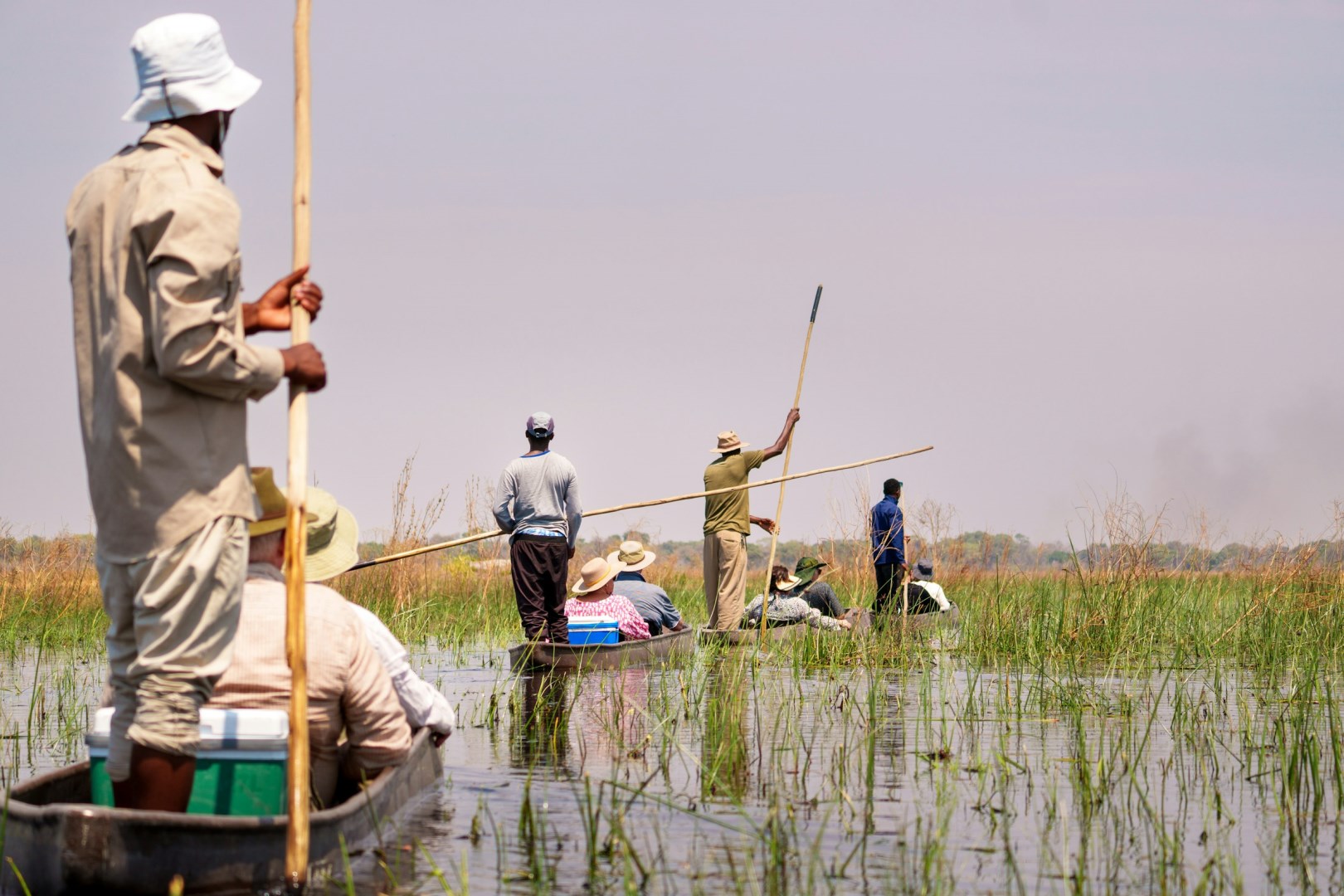
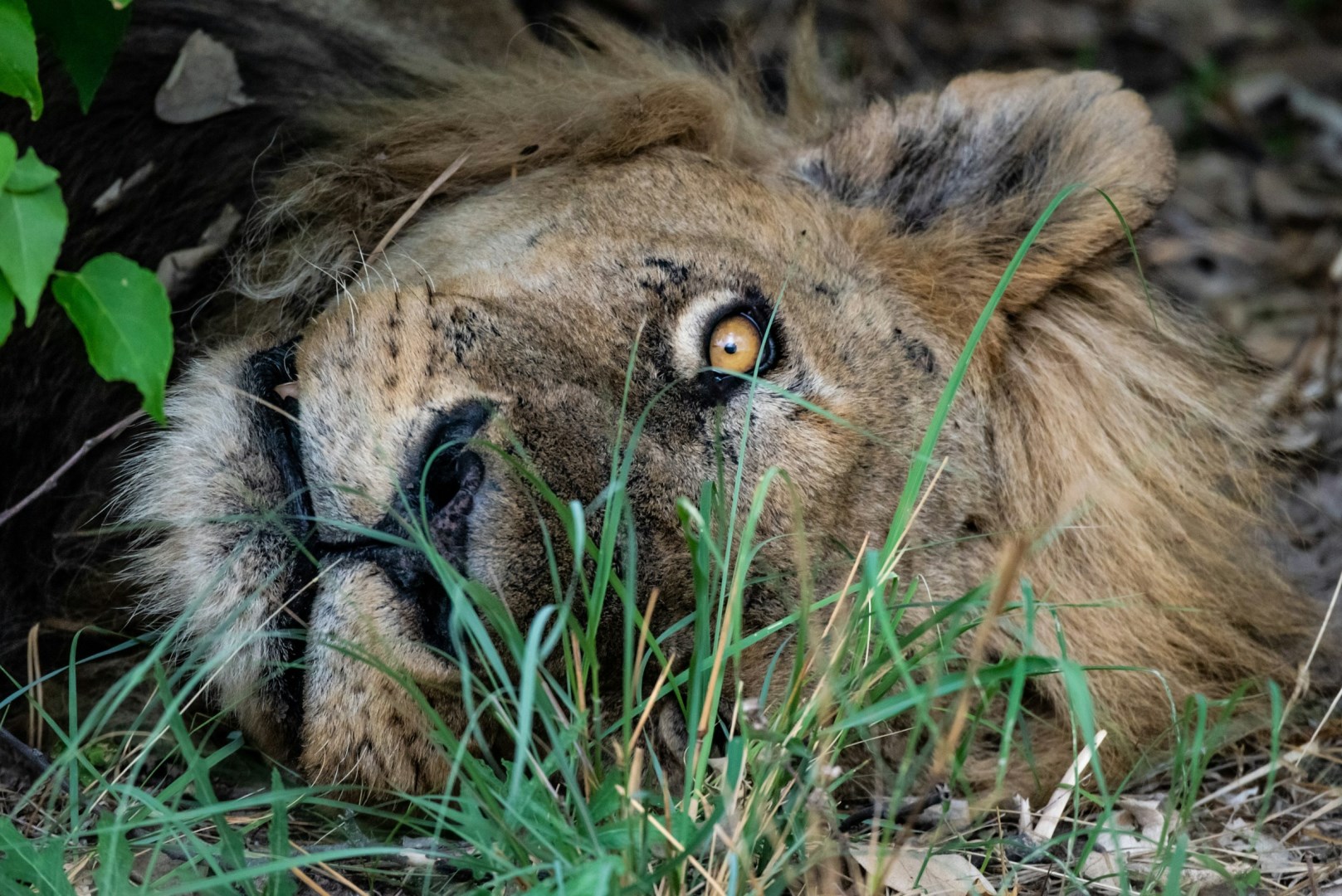
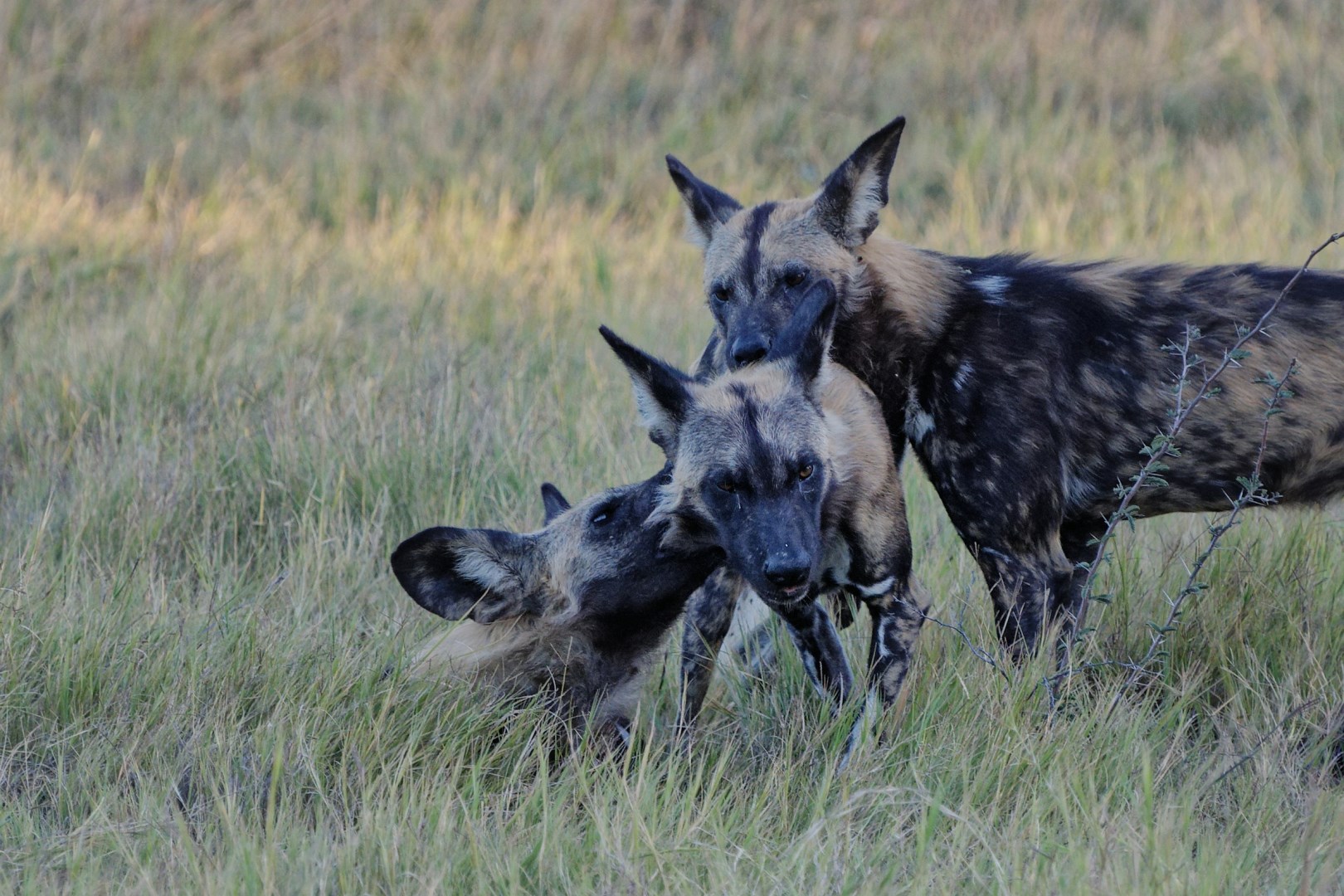
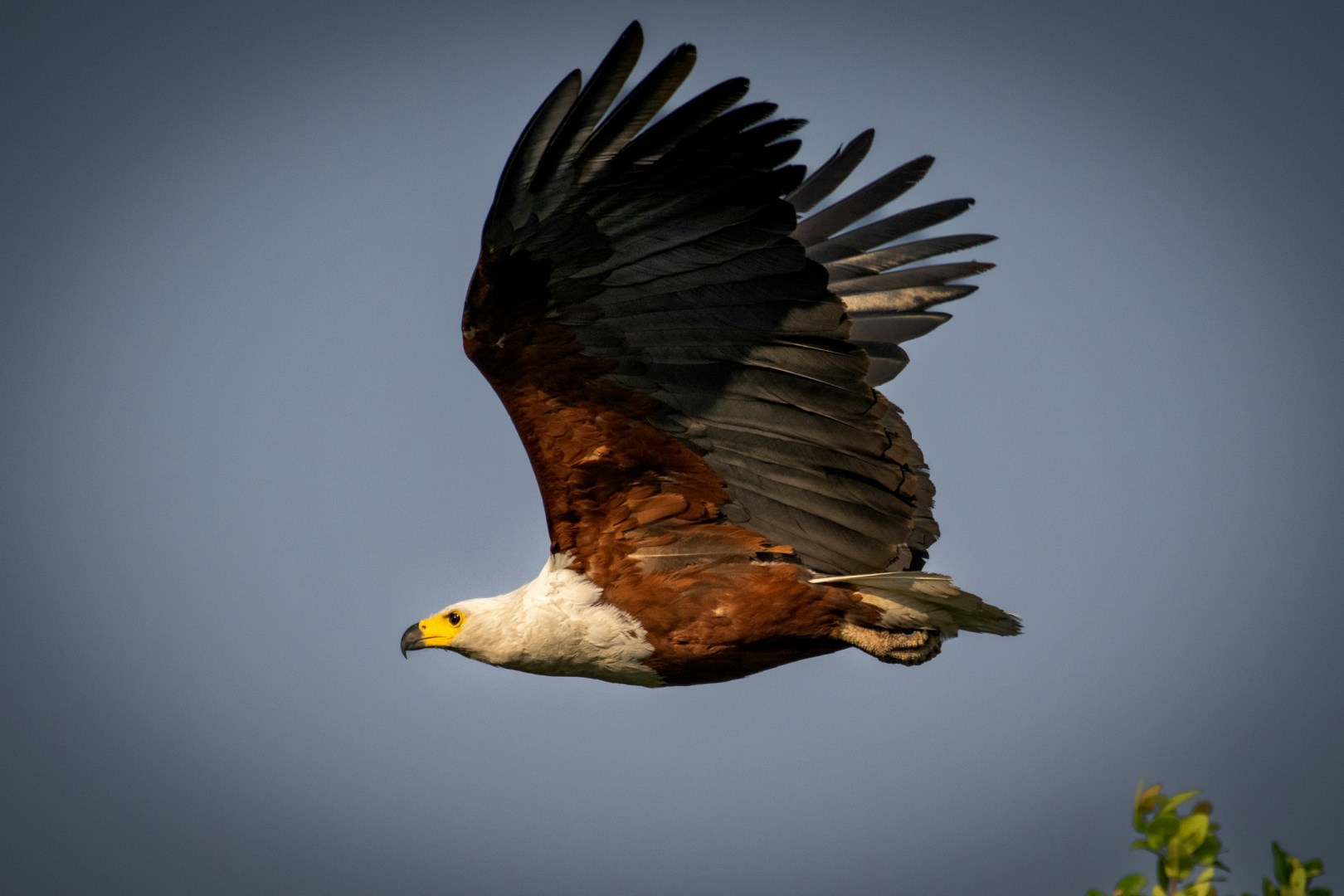
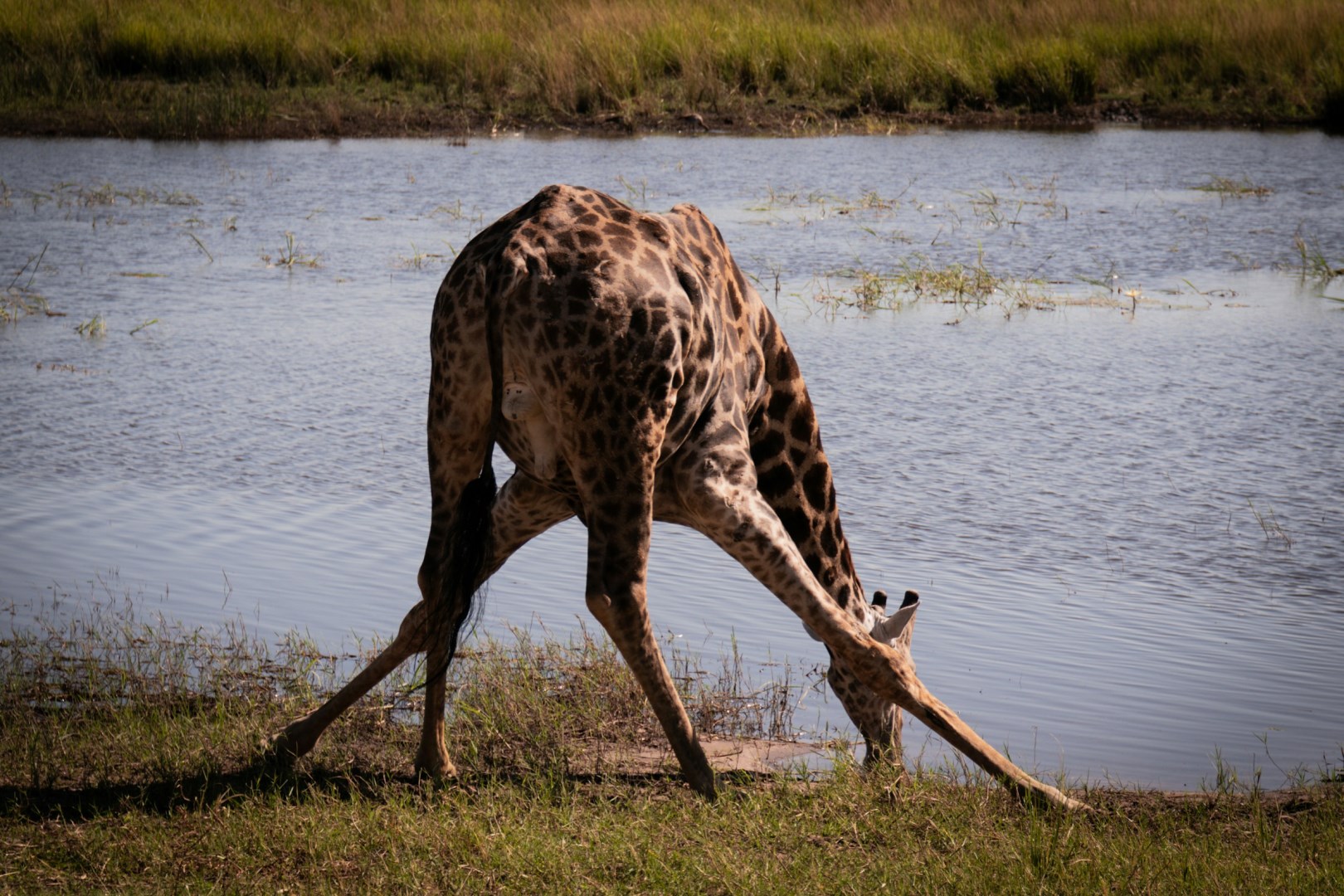
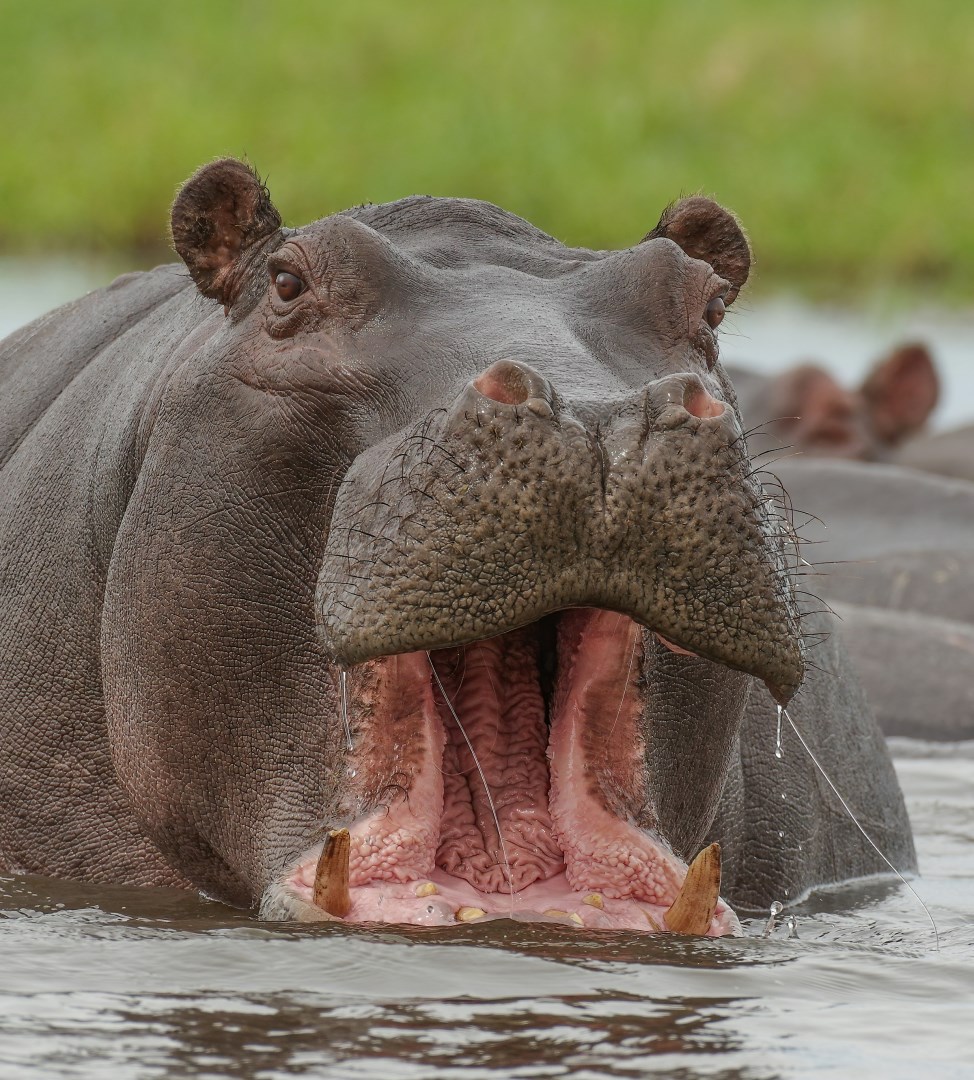
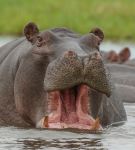
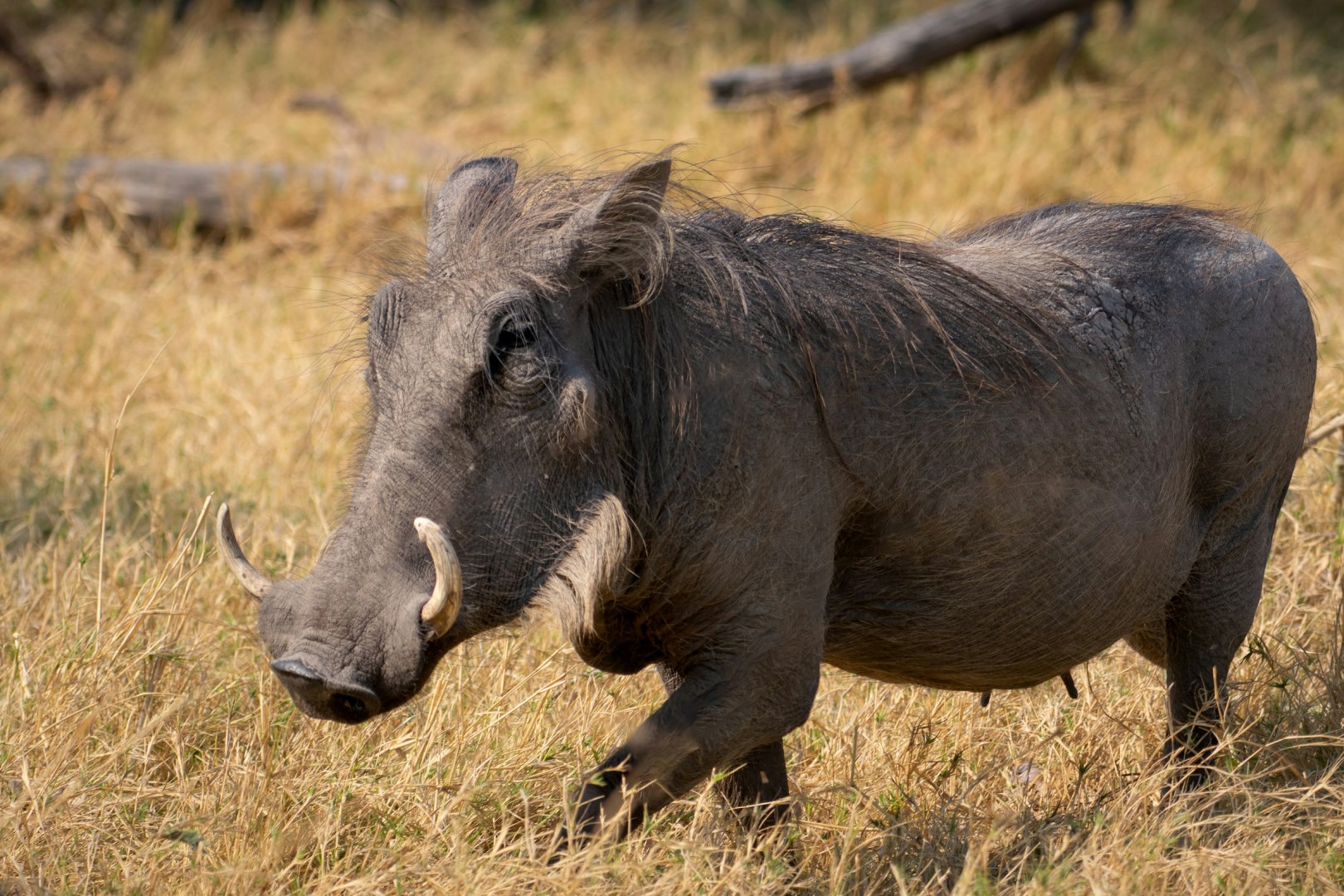
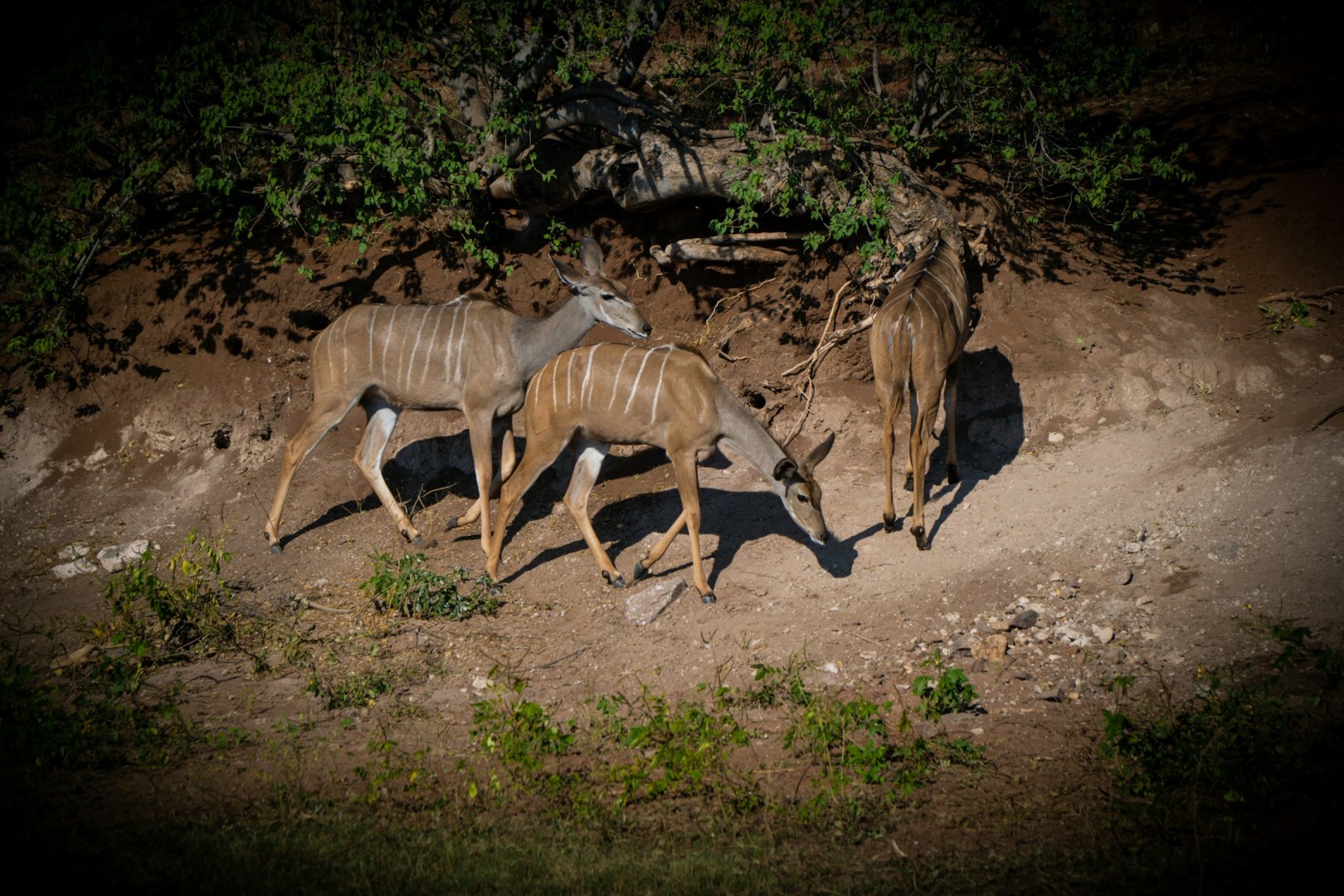
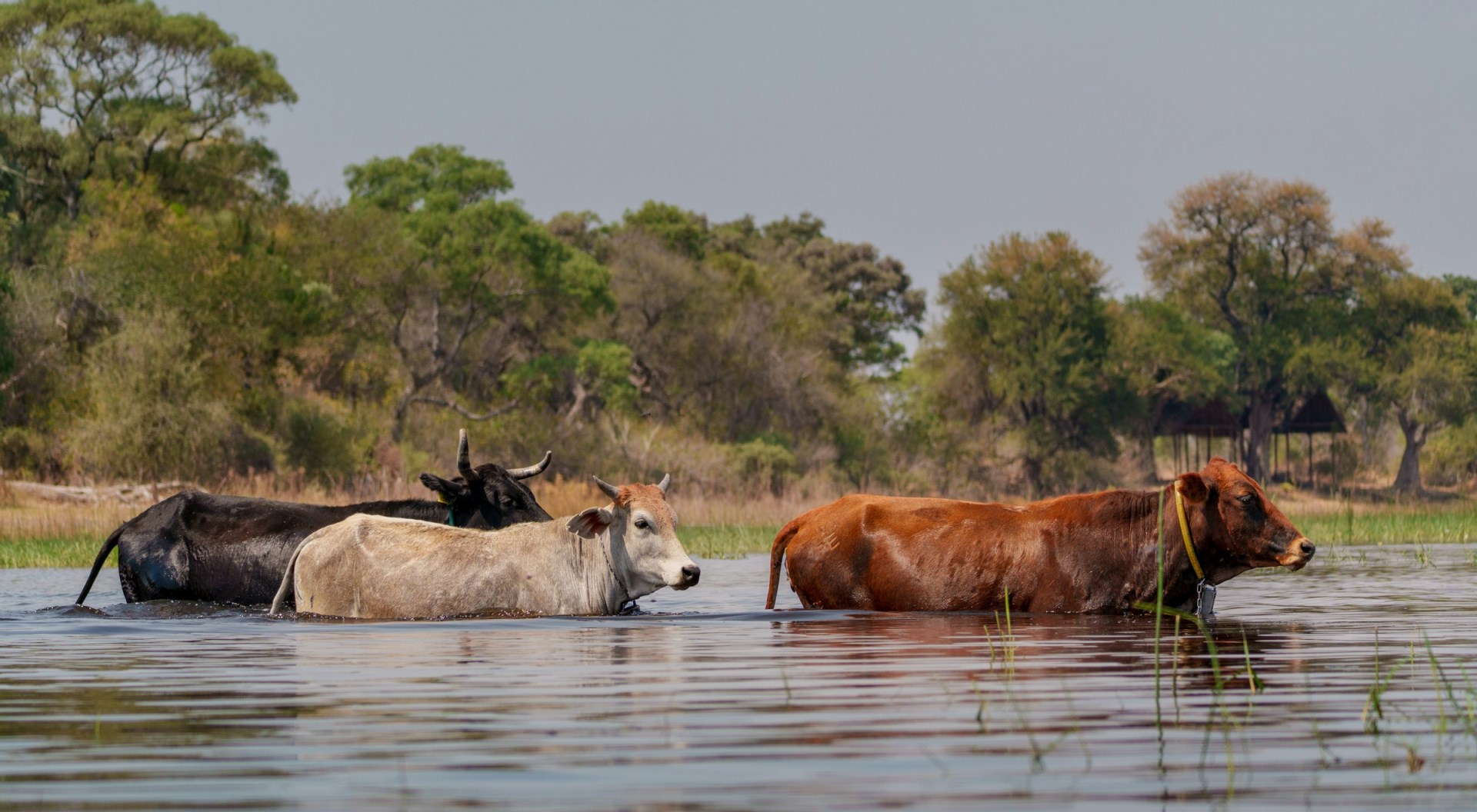
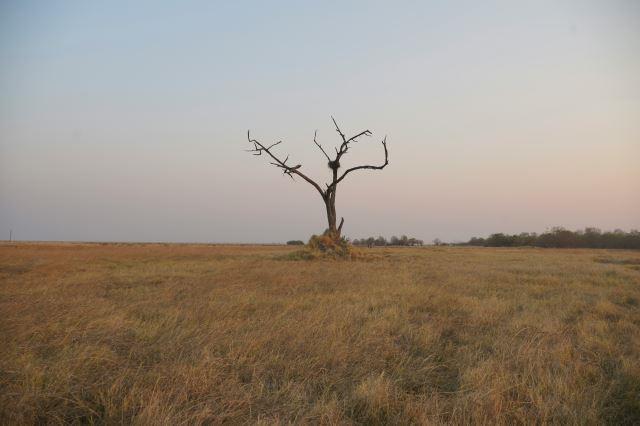
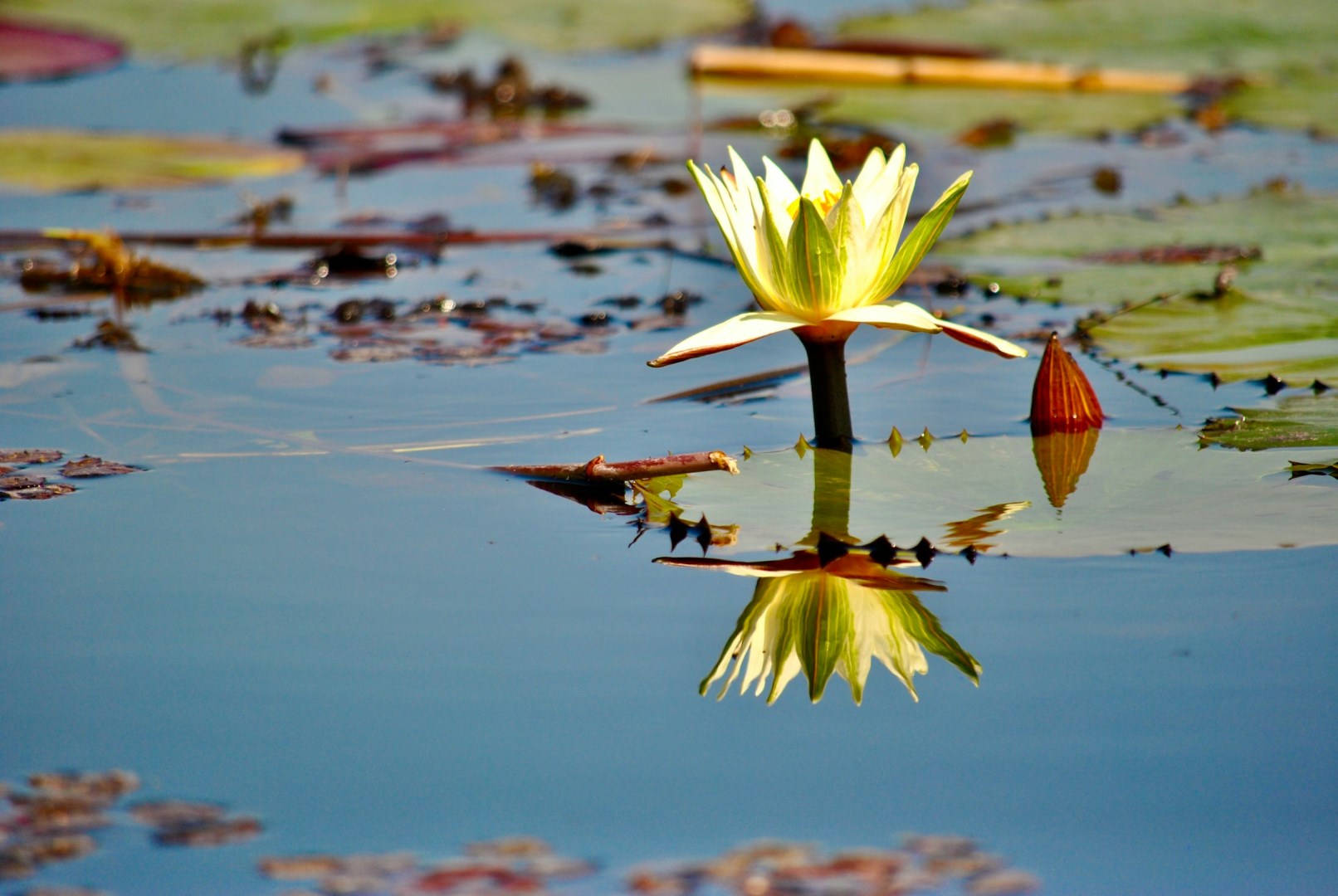
The Okavango Delta, located in Botswana, is one of Africa’s most extraordinary natural wonders. This vast inland delta, renowned for its rich biodiversity and stunning landscapes, offers a unique opportunity to experience a pristine wilderness. As the Okavango River meanders into the Kalahari Desert, it creates a sprawling floodplain that transforms into a lush oasis during the annual flood. The delta’s complex network of channels, lagoons, and islands provides diverse habitats for wildlife and spectacular views.
For an immersive experience, consider staying at one of the delta’s luxurious lodges, which blend seamlessly with the environment and offer exceptional wildlife viewing opportunities. The seasonal flood, which peaks between May and August, brings life to the delta and is the best time for wildlife sightings and photographic safaris.
Fun Fact: The Okavango Delta is the world’s largest inland delta and a UNESCO World Heritage Site. Its unique seasonal flooding pattern supports one of the most diverse ecosystems on the planet, making it a vital haven for both endemic and migratory species.
A visit to the Okavango Delta promises a mesmerizing adventure amidst some of the most breathtaking and unspoiled landscapes in Africa, offering unparalleled wildlife encounters and tranquil natural beauty.