Antiparos
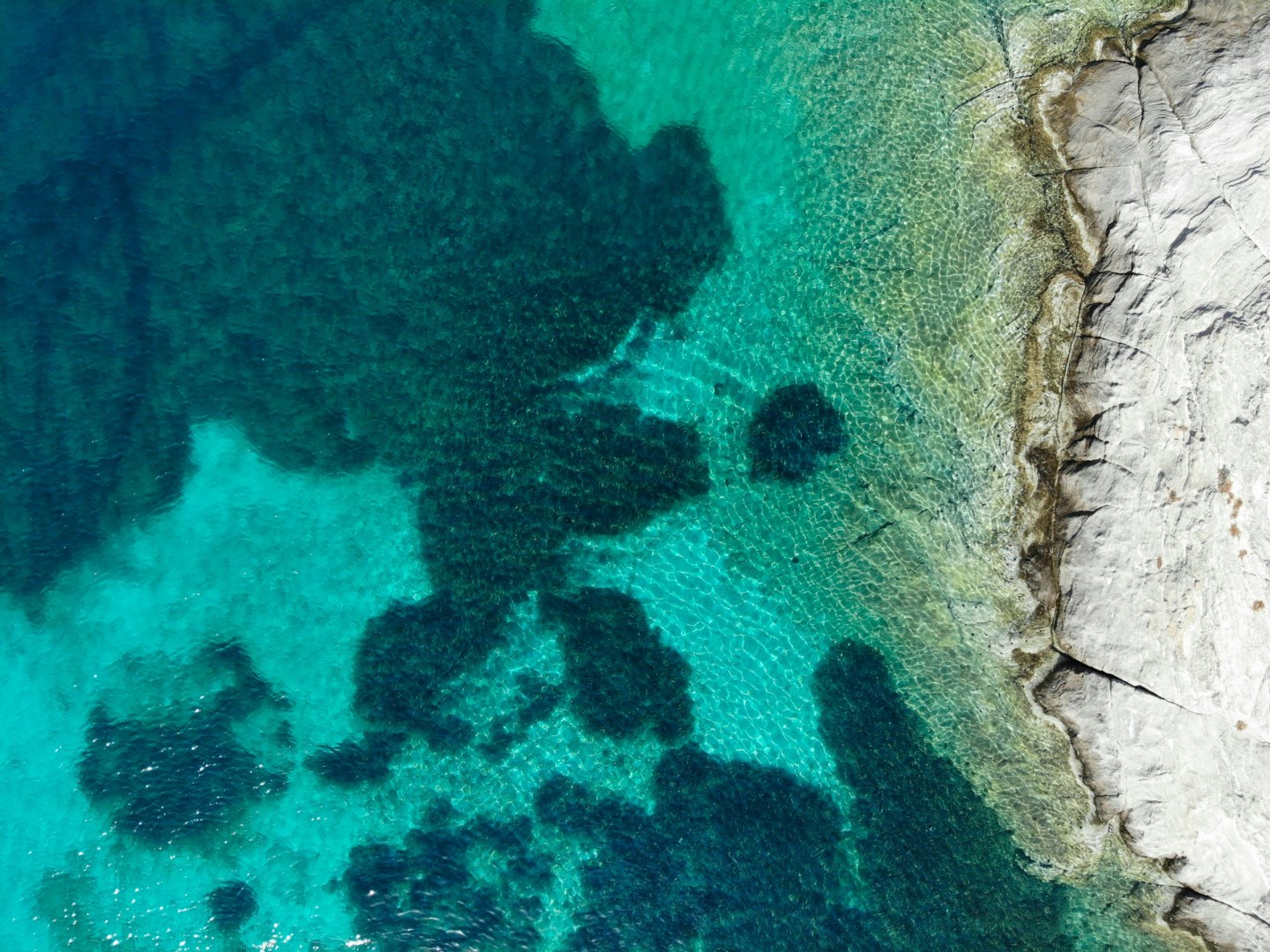
Antiparos is a small Cycladic island in the Aegean Sea, lying just southwest of Paros and reached by a short ferry crossing from the larger island. Its main settlement, Antiparos Town, is arranged around a traditional Venetian castle, with whitewashed houses, narrow lanes, small squares, and a pedestrianized waterfront.

Monte Carlo
Located just off the southern coast of France, Monte Carlo beckons you with glittering pebble beaches, old-world charm, and stunning architecture.

Mtskheta
Mtskheta is a historic town in central Georgia, located at the meeting point of the Mtkvari and Aragvi rivers, about 20 kilometers northwest of Tbilisi. It served as the ancient capital of the Georgian kingdom of Kartli and remains one of the country's most important religious and cultural centers. The town sits within a landscape of river valleys, wooded hills, and mountain slopes, with historic churches rising above its compact streets.

Los Cabos
Located on the southern end of Baja California Sur in Mexico, the Los Cabos municipality is a popular resort destination. Including the stunning city of Cabo San Lucas, Los Cabos offers spectacular beaches, panoramic ocean views, and a variety of fun activities, including golfing, hiking, and snorkeling.

Reeth
Reeth, a charming village in the Yorkshire Dales National Park, offers an idyllic retreat amidst stunning natural landscapes. Located in Swaledale, Reeth is renowned for its picturesque setting and as a gateway to outdoor adventures. The village’s stone cottages and traditional market square provide a quintessentially English village experience.