Las Vegas
Las Vegas, Nevada, is an electrifying city where glitz and glamour meet entertainment and excitement. Known as "The Entertainment Capital of the World," Las Vegas offers an unparalleled array of attractions, from its iconic casinos and luxurious hotels to its world-class dining and live shows. The city's entertainment scene is second to none, featuring legendary headliners, cutting-edge performances, and an array of themed attractions.
Custer State Park
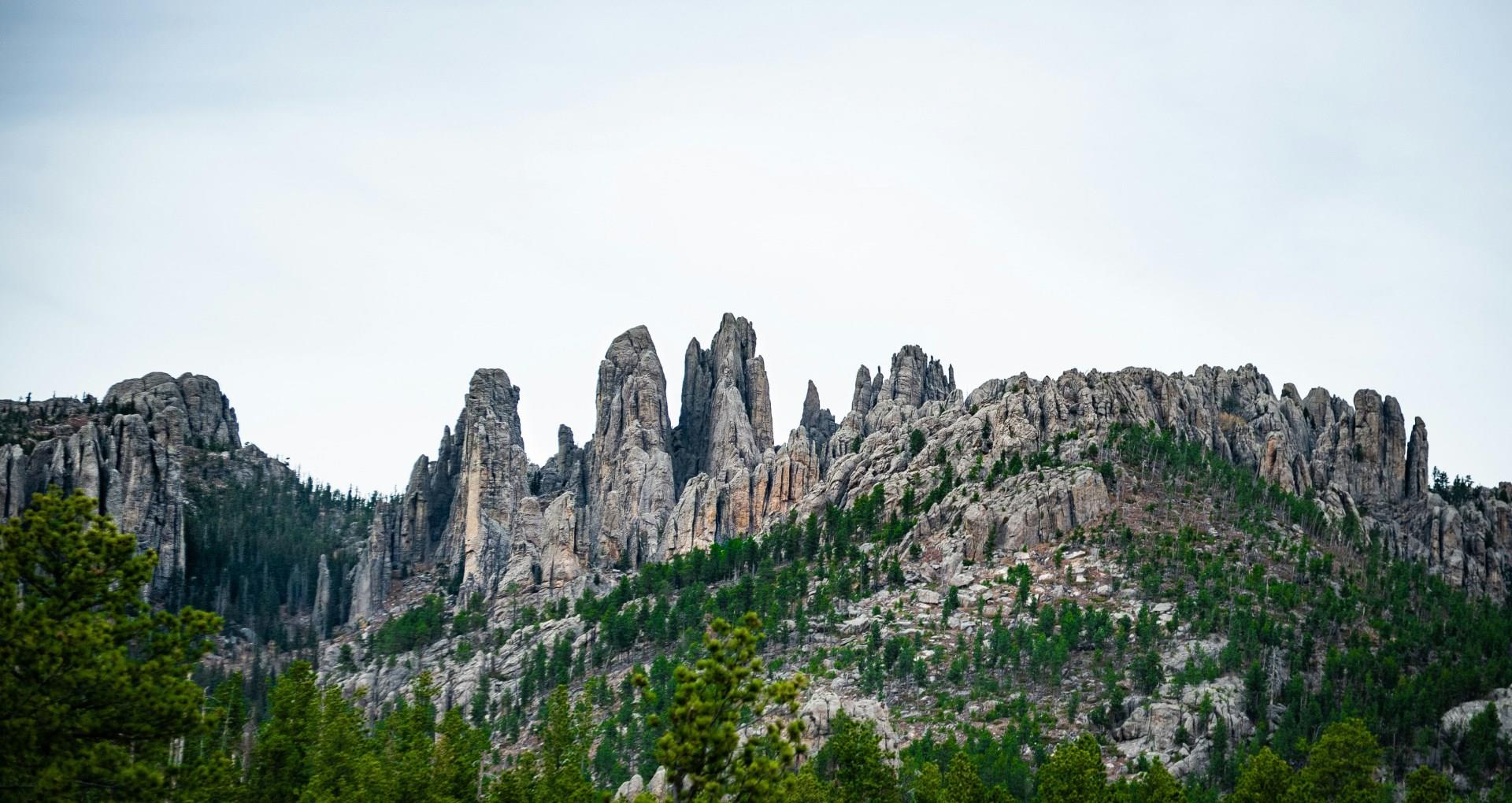
Custer State Park, nestled in the Black Hills of South Dakota, offers a tapestry of natural beauty and wildlife. Known for its scenic drives and outdoor activities, the park is a haven for nature enthusiasts and adventure seekers alike. One of its most famous routes, the Needles Highway, weaves through towering granite spires and narrow tunnels, providing breathtaking vistas of the rugged terrain.

Iguazu
Situated in the Parque Nacional Iguazú near Puerto Iguazú, these spectacular falls lie just east of the confluence of the Iguazu and Paraná rivers. At least 5000 cubic m of water per second plunge the 70m into the abyss below.

Galapagos Islands
Off the coast of Ecuador, the iconic and biodiverse Galápagos Islands, made famous by Charles Darwin’s nineteenth-century research expeditions on HMS Beagle, beckon you. This glittering archipelago, surrounded by vivid turquoise waves, abounds with stunning beaches and spectacular wildlife, perfect for the adventurous traveler.

Zákynthos
Zakynthos, also known as Zante, is a Greek island that captivates visitors with its stunning natural beauty and rich cultural heritage. Renowned for its breathtaking beaches, the island's most famous attraction is Navagio Beach, also known as Shipwreck Beach. This picturesque cove, accessible only by boat, features an iconic shipwreck lying on powdery white sand surrounded by dramatic limestone cliffs and crystal-clear turquoise waters.