This city is the last stop on one of the busiest artificial waterways in the world, the Kiel Canal. It is an important base for the German Navy and famous for its international sailing event, the "Kieler Woche", an annual sailing event that attracts millions of people around the world.
Nestled in the heart of County Clare, Shannon, Ireland, is a charming town renowned for its rich history and vibrant culture. Visit Shannon between May and September for the best weather and to enjoy local festivals and events that celebrate the town’s vibrant culture and community spirit.
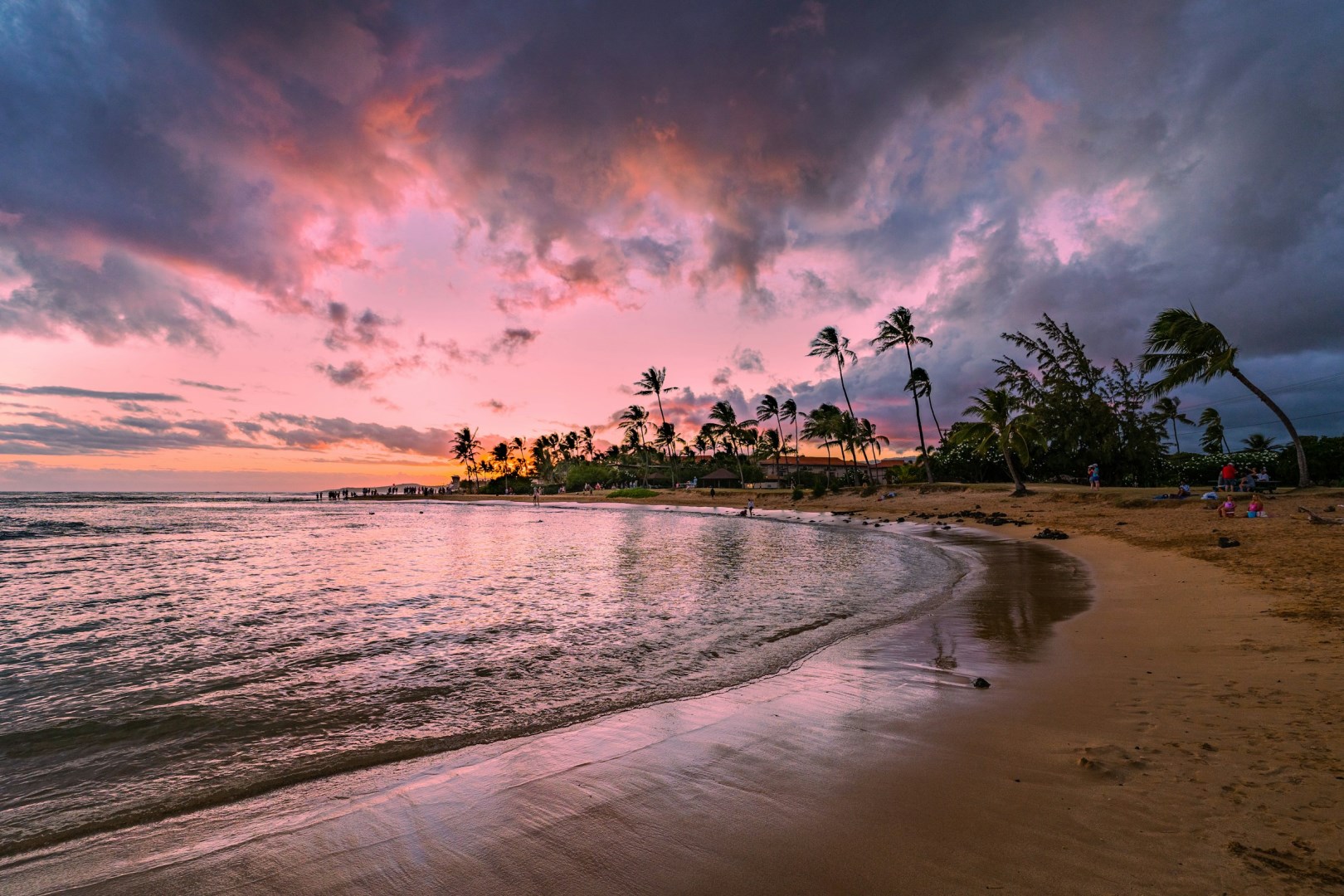
Poʻipū is a coastal community on the southern shore of Kauaʻi, known for sunny weather, sandy beaches, and access to the island’s sheltered southern coastline. Its landscape includes beaches, lava-rock formations, palm-lined resorts, residential neighborhoods, and open coastal areas. Poʻipū Beach Park is the main public gathering place, with several connected sandy areas and shallow water that can be suitable for swimming when ocean conditions allow.
If you find yourself in Rotterdam, there's a strong chance you've arrived by water. This popular port city (the second largest in the Netherlands) has gone through an architectural renaissance since World War II, with daring, innovative structures dotting the city (cube houses!) and defining its skyline. Café culture is on the rise here, so grab yourself a table and a cup.
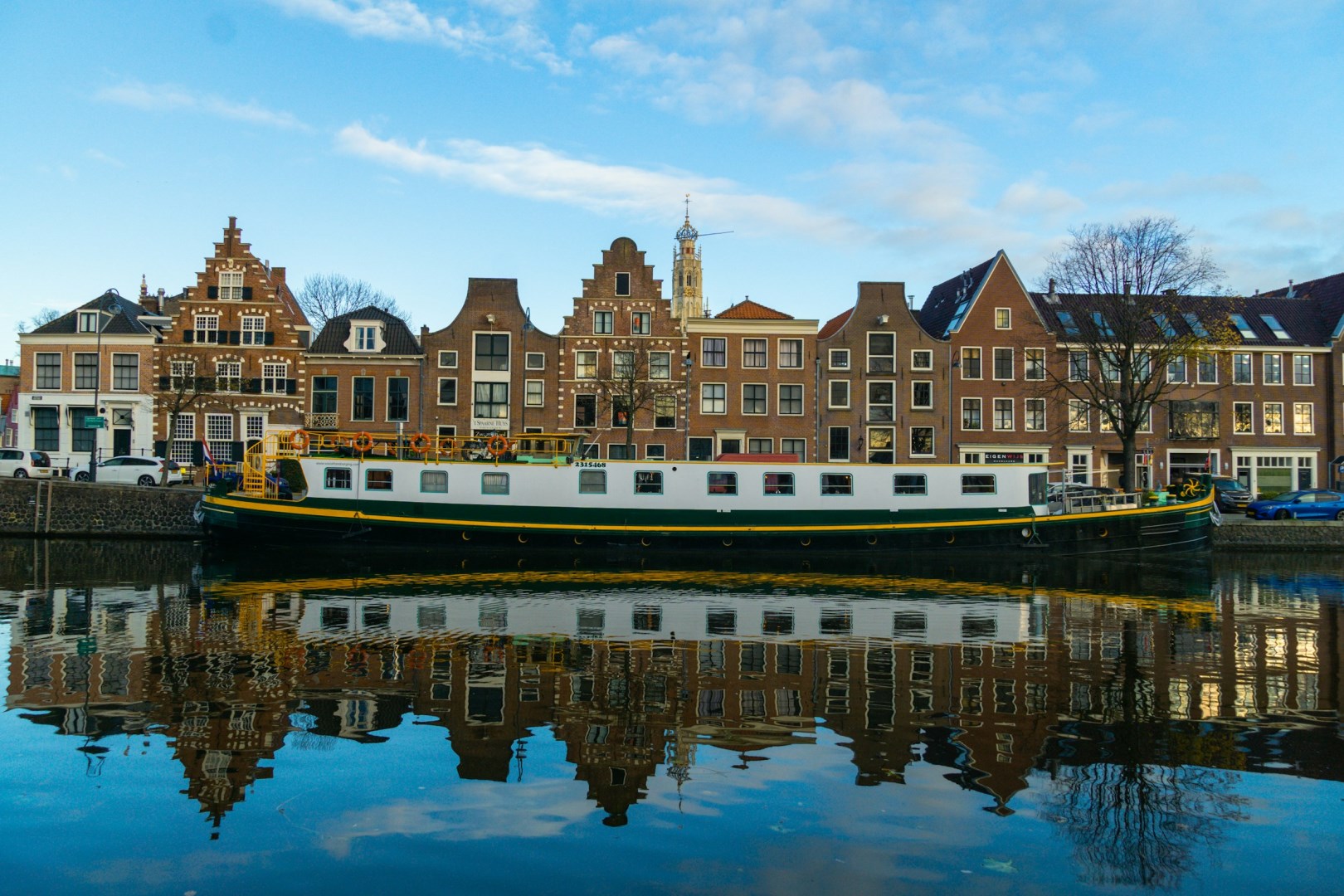
Haarlem is a historic city in the Dutch province of North Holland, located on the Spaarne River between Amsterdam and the North Sea coast. Its compact center contains canals, narrow streets, brick merchant houses, courtyards, and public squares, with the Grote Markt forming the traditional heart of the city. The Grote or St.-Bavokerk dominates the square with its tall tower and monumental organ.
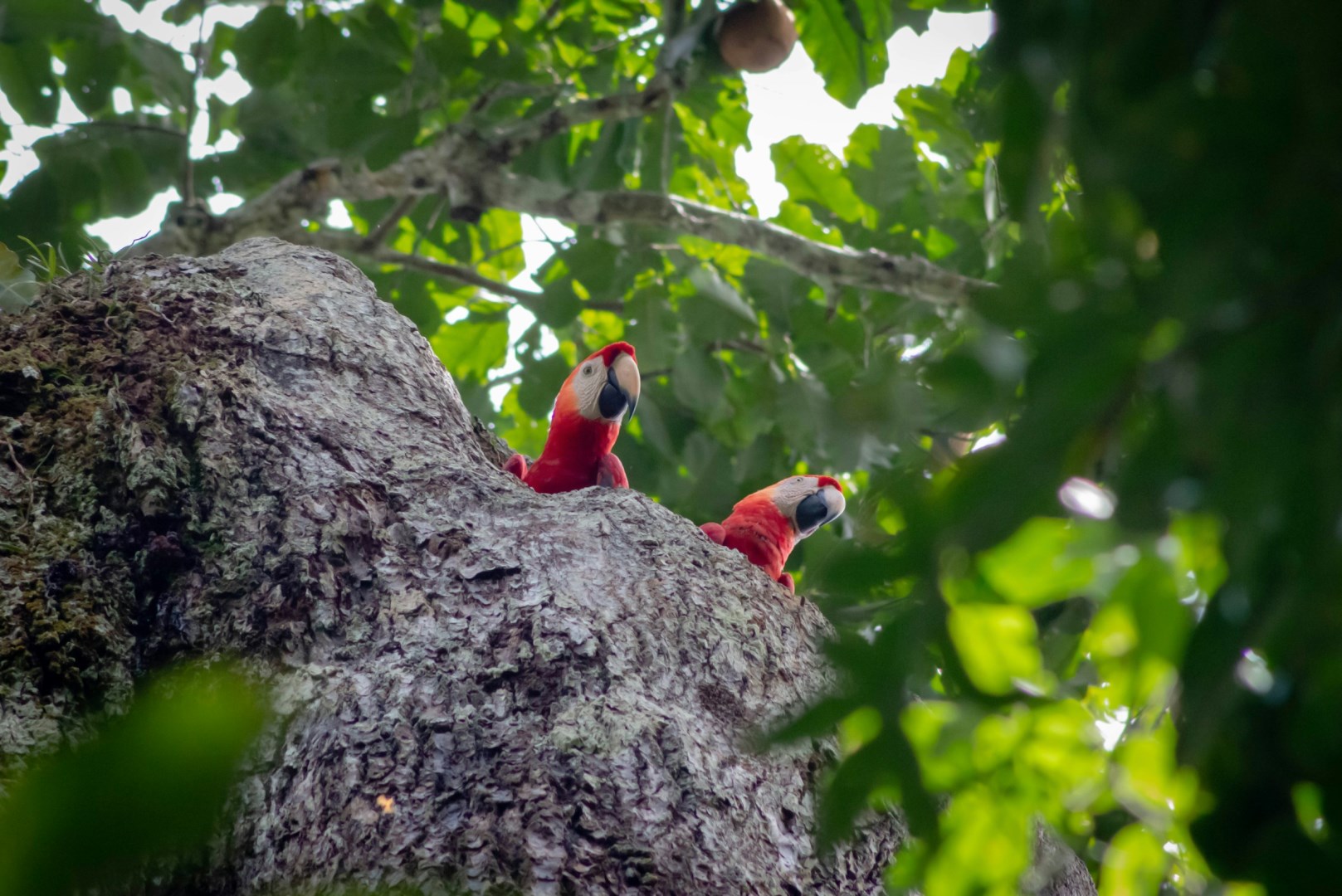
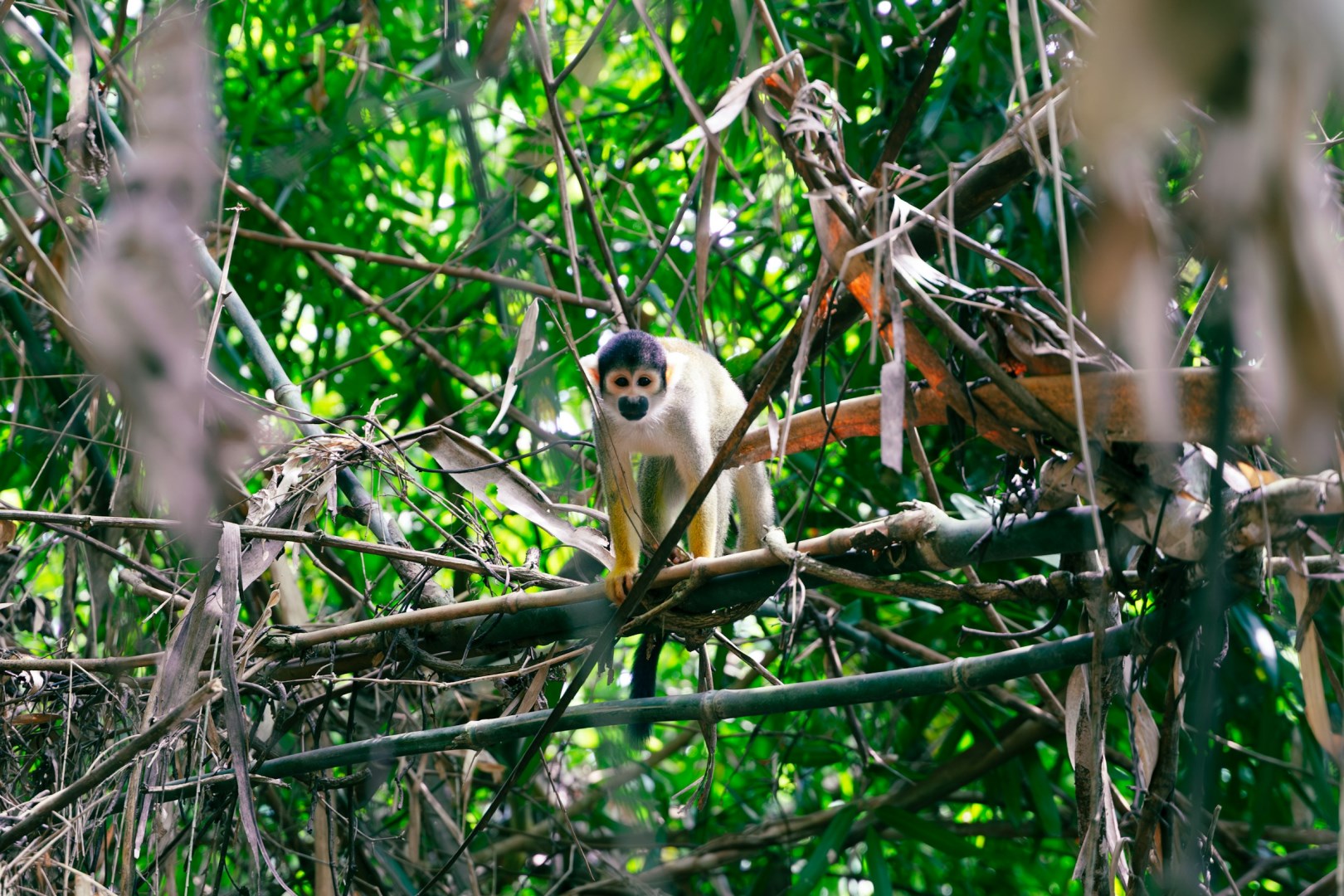
Nestled in the heart of Peru's Amazon rainforest, Puerto Maldonado serves as a gateway to one of the world's most biodiverse regions. This vibrant city, often referred to as the gateway to the Peruvian Amazon, offers a unique opportunity to explore lush rainforests, encounter exotic wildlife, and experience the rich culture of the Amazonian tribes. The nearby Tambopata National Reserve and Manu National Park are prime destinations for eco-tourists and adventurers alike.
Visitors to Puerto Maldonado can embark on thrilling jungle expeditions, where they may spot the elusive jaguar, playful monkeys, and colorful macaws. The city's location along the Madre de Dios River makes it ideal for boat tours, providing a serene way to explore the waterways and spot wildlife from the comfort of your vessel. Guided tours often include visits to local indigenous communities, where travelers can learn about traditional customs and crafts, enriching their understanding of Amazonian culture.
The area's natural beauty is complemented by its commitment to conservation and sustainable tourism. The lodges and eco-resorts around Puerto Maldonado are designed to blend seamlessly with their surroundings, offering eco-friendly amenities and immersive experiences that minimize environmental impact. This commitment helps preserve the pristine environment and supports local conservation efforts.
Fun fact: Puerto Maldonado is named after the Spanish explorer Pedro Maldonado, who was one of the first Europeans to explore the Amazon basin. The city’s name reflects its deep connection to the history and exploration of the Amazon, making it not only a destination for nature lovers but also for those fascinated by the legacy of early explorers
Other Popular Destinations in Peru
Cusco
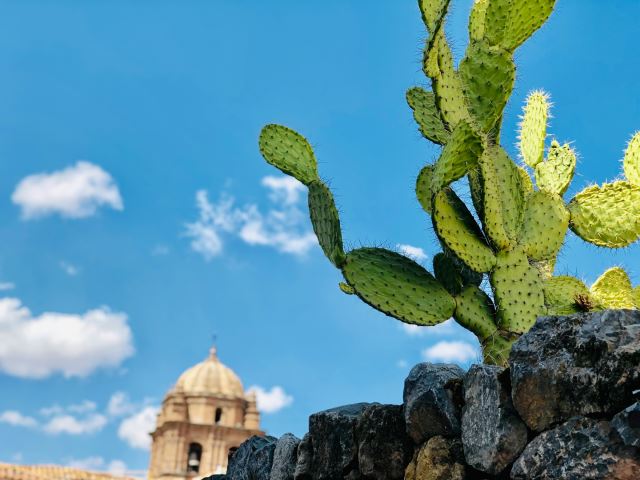
Cusco once served as the heart of the Inca Empire, and that legacy still shapes every corner of the city even as it serves as a gateway to Machu Picchu. Outside the historic center, the ruins of Sacsayhuamán overlook the city from a nearby hilltop. This ceremonial complex is best known for its massive zigzag stone walls, some weighing over 100 tons. During the Inti Raymi festival in June, thousands gather here to reenact ancient Andean rituals.
Machu Picchu
Machu Picchu is a story carved into stone, perched nearly 2,500 meters above sea level in the cloud forests of southern Peru. Built in the 15th century and later abandoned, this Inca citadel was unknown to the outside world until 1911, when explorer Hiram Bingham brought it to international attention. Today, it remains remarkably well-preserved, with more than 150 stone structures, terraced fields, ceremonial fountains, and temples aligned with astronomical events.