Belluno
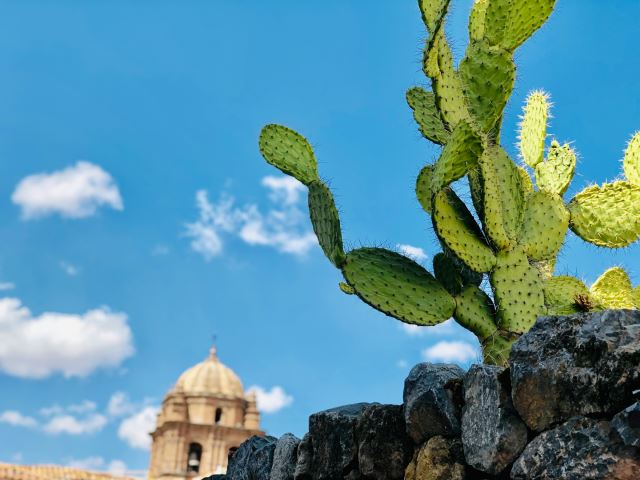
Nestled in the foothills of the Dolomites, the picturesque town of Belluno offers visitors a perfect blend of natural beauty, history, and culture. Known as the "gateway to the Dolomites," Belluno is surrounded by rugged mountains, making it a prime destination for hikers, climbers, and outdoor enthusiasts. The town’s position along the Piave River also offers stunning views and opportunities for riverside walks.
Cocoa Beach
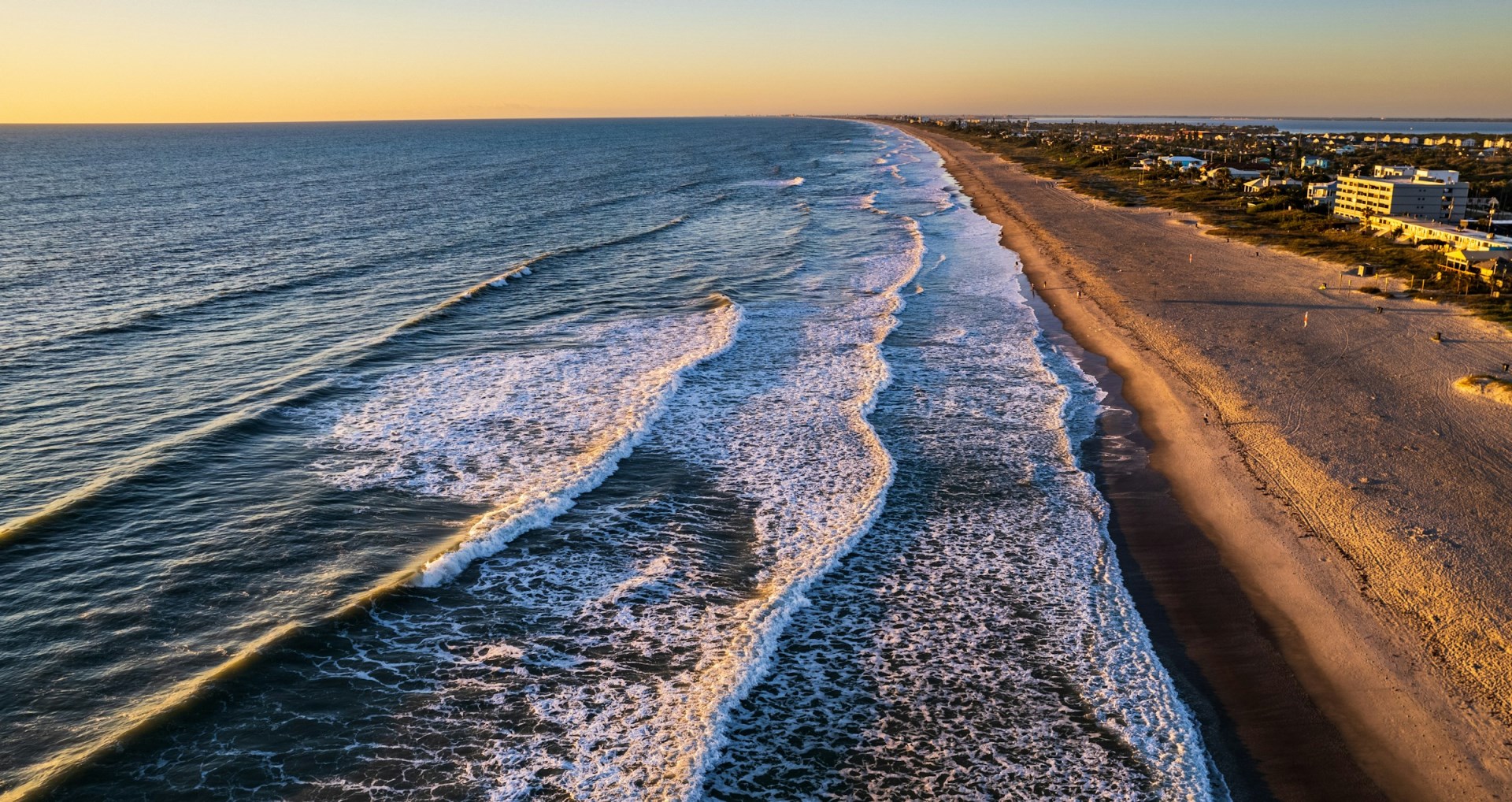
Cocoa Beach is a barrier-island community on Florida’s central Atlantic coast, located east of the Indian River Lagoon and just south of Cape Canaveral. The city is closely associated with surfing, beach recreation, and the nearby Kennedy Space Center, while its compact streets lead quickly from residential areas and restaurants to the Atlantic shoreline. The beach itself stretches along a broad, sandy coast, and the city’s position between the ocean and lagoon provides opportunities for swimmin

Dominica
Dominica, known as the “Nature Island of the Caribbean,” is a haven for eco-tourists and adventure seekers. Nestled between the French islands of Guadeloupe and Martinique, this lush island boasts a remarkable landscape of volcanic mountains, dense rainforests, and stunning waterfalls. Dominica’s most iconic natural wonder is the Boiling Lake, the second-largest hot spring in the world.
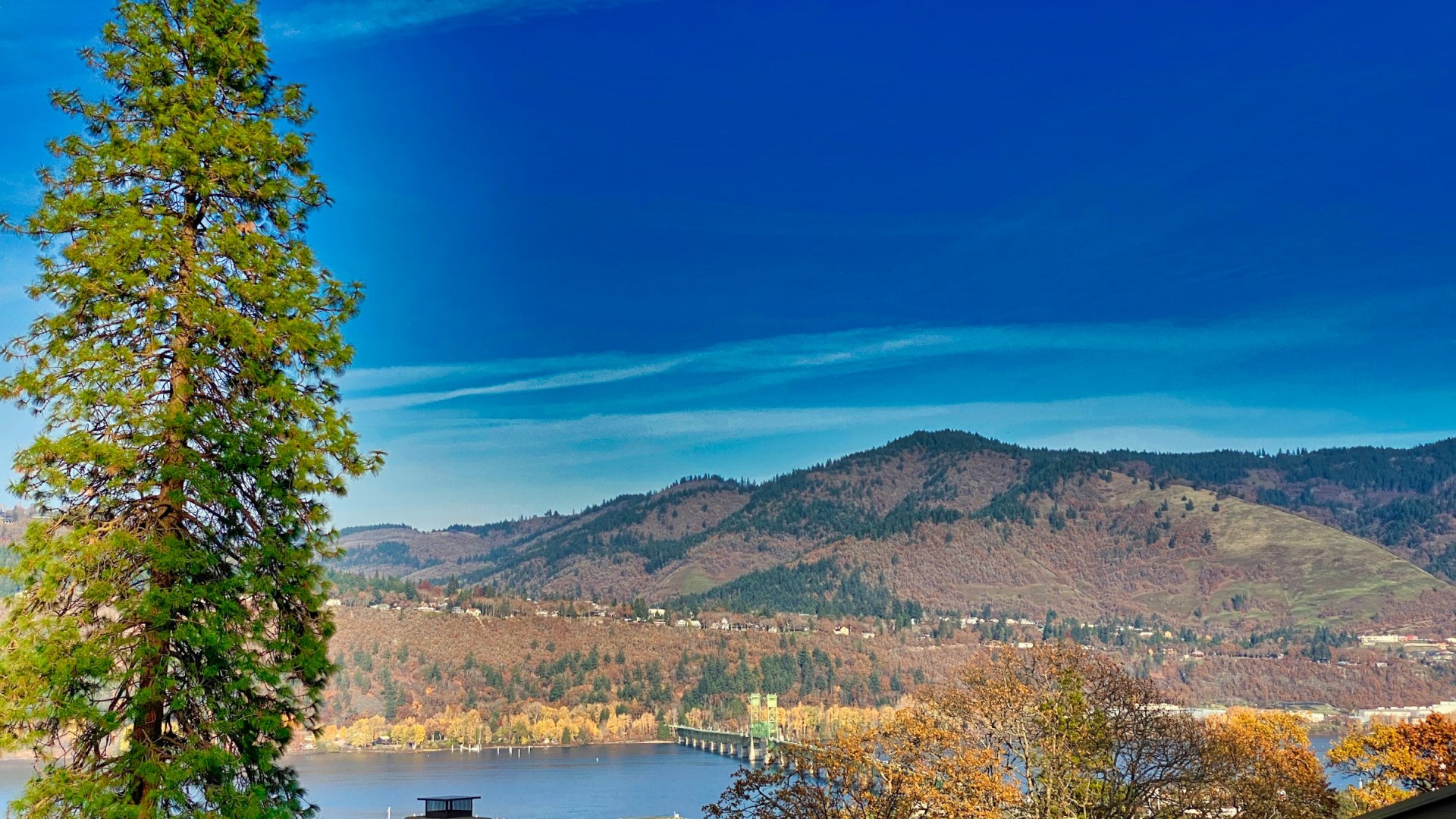
Hood River
Hood River, Oregon, is a vibrant city nestled on the banks of the Columbia River and surrounded by the majestic peaks of the Cascade Range. Known for its stunning natural beauty and outdoor adventure opportunities, Hood River is a paradise for those who love windsurfing, kiteboarding, and mountain biking. The city's location on the Columbia River Gorge provides exceptional conditions for these water sports, making it a premier destination for thrill-seekers.

New Zealand
New Zealand is a land of breathtaking landscapes and memorable cultural experiences. Located in the South Pacific, this island nation is famed for its dramatic mountain ranges, pristine beaches, and rolling farmlands. With its beauty, welcoming culture, and endless opportunities for adventure, New Zealand is sure to captivate travelers from around the globe.