Nile River
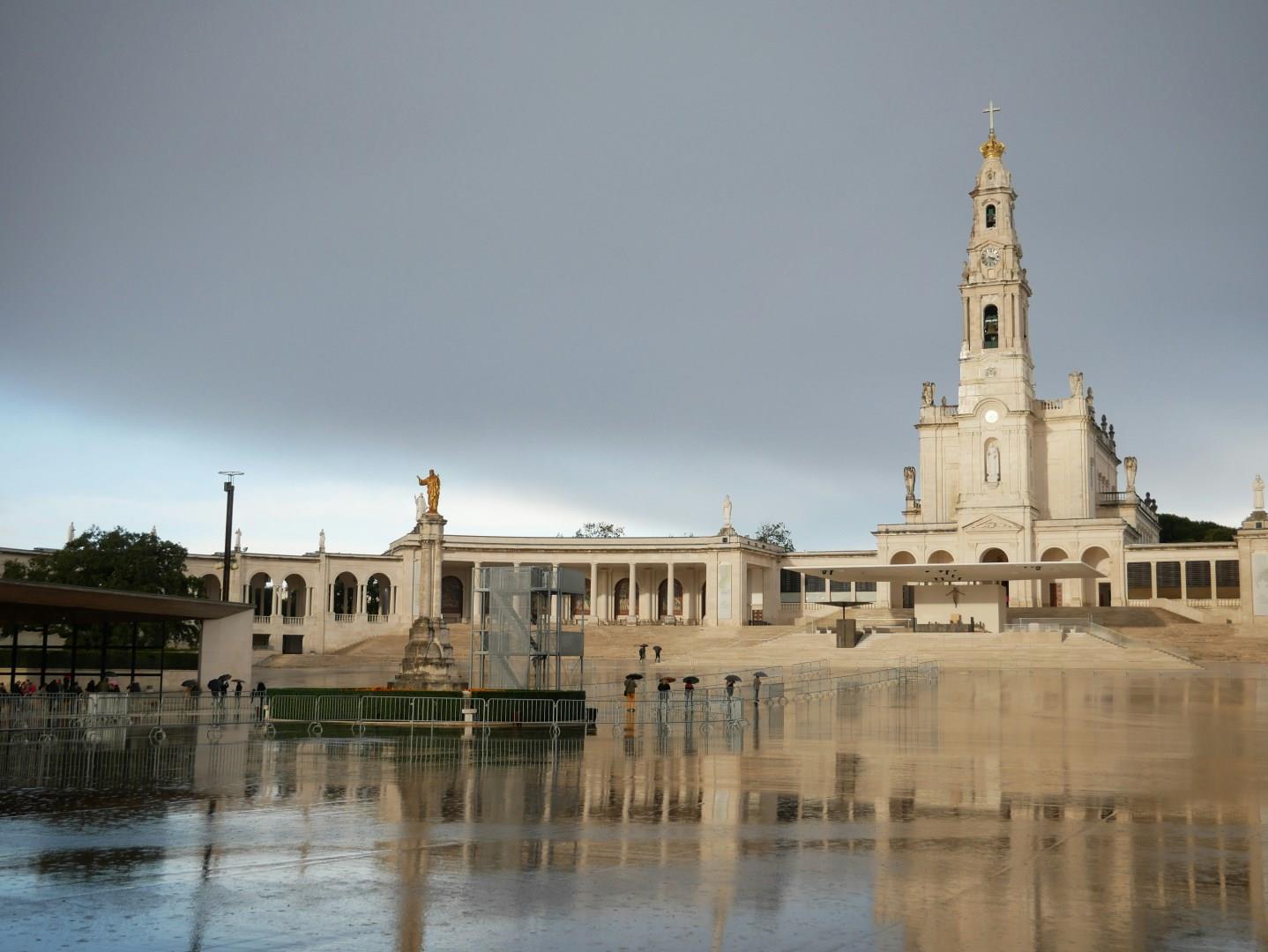
The River Nile, most often associated with Egypt and its ancient civilizations, actually flows through eight other countries including Uganda, Ethiopia, Sudan, and Kenya. It is formed by two major tributaries, the White Nile and Blue Nile, and is considered by many to be the longest river in the world when measured from its source waters in Rwanda and Burundi.
Mérida
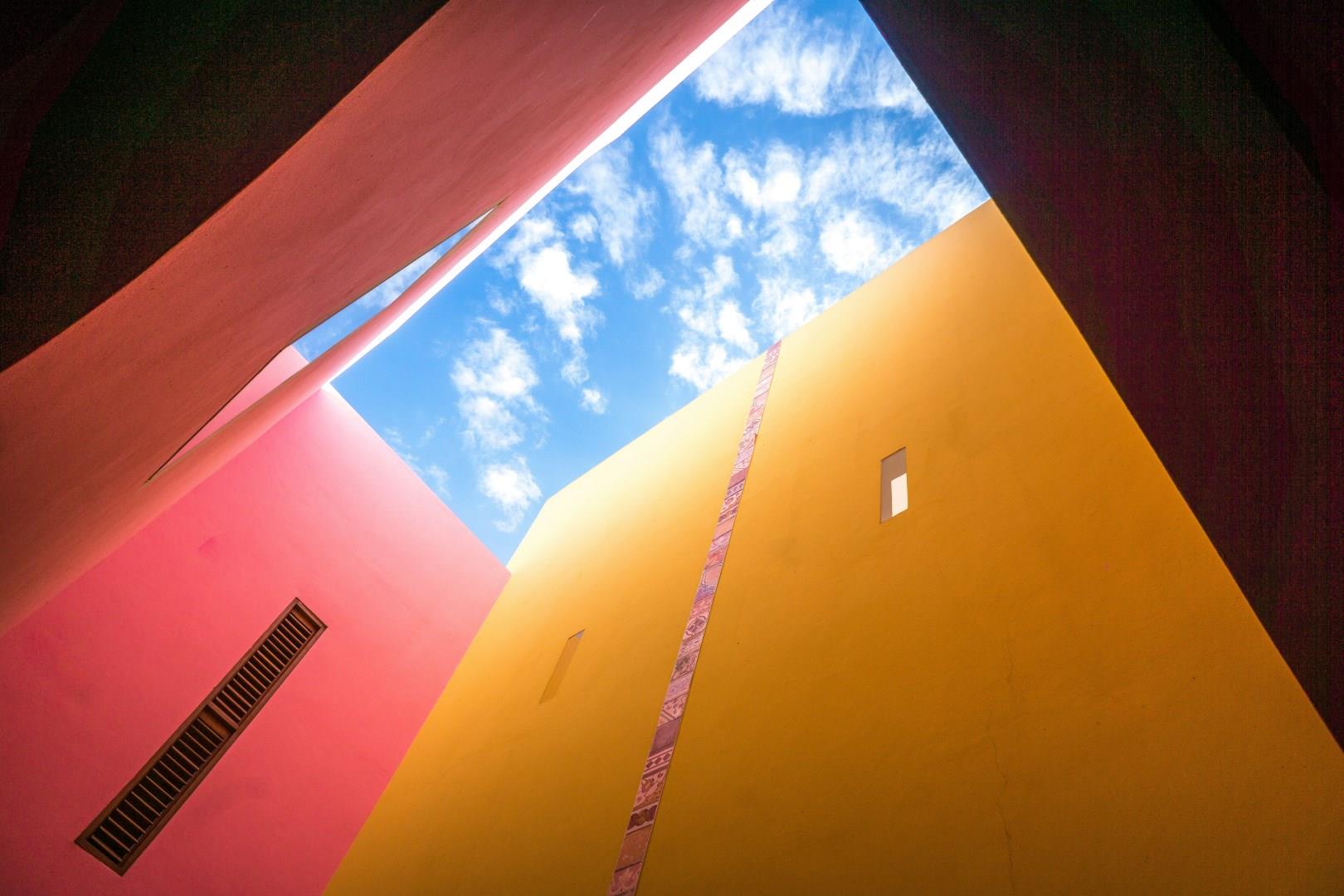
Merida was once the sprawling capital of the Mayan empire and the center of their universe. Merida is now the center of a cosmopolitan universe, built on Mayan heritage, and given a unique twist by French and Mediterranean immigrants. Days are spent exploring the city's many museums and equally fascinating shopping districts. At night, local music can be heard from just about every park in the city, inviting newcomers to enjoy a romantic and fun-filled evening.
Concepción
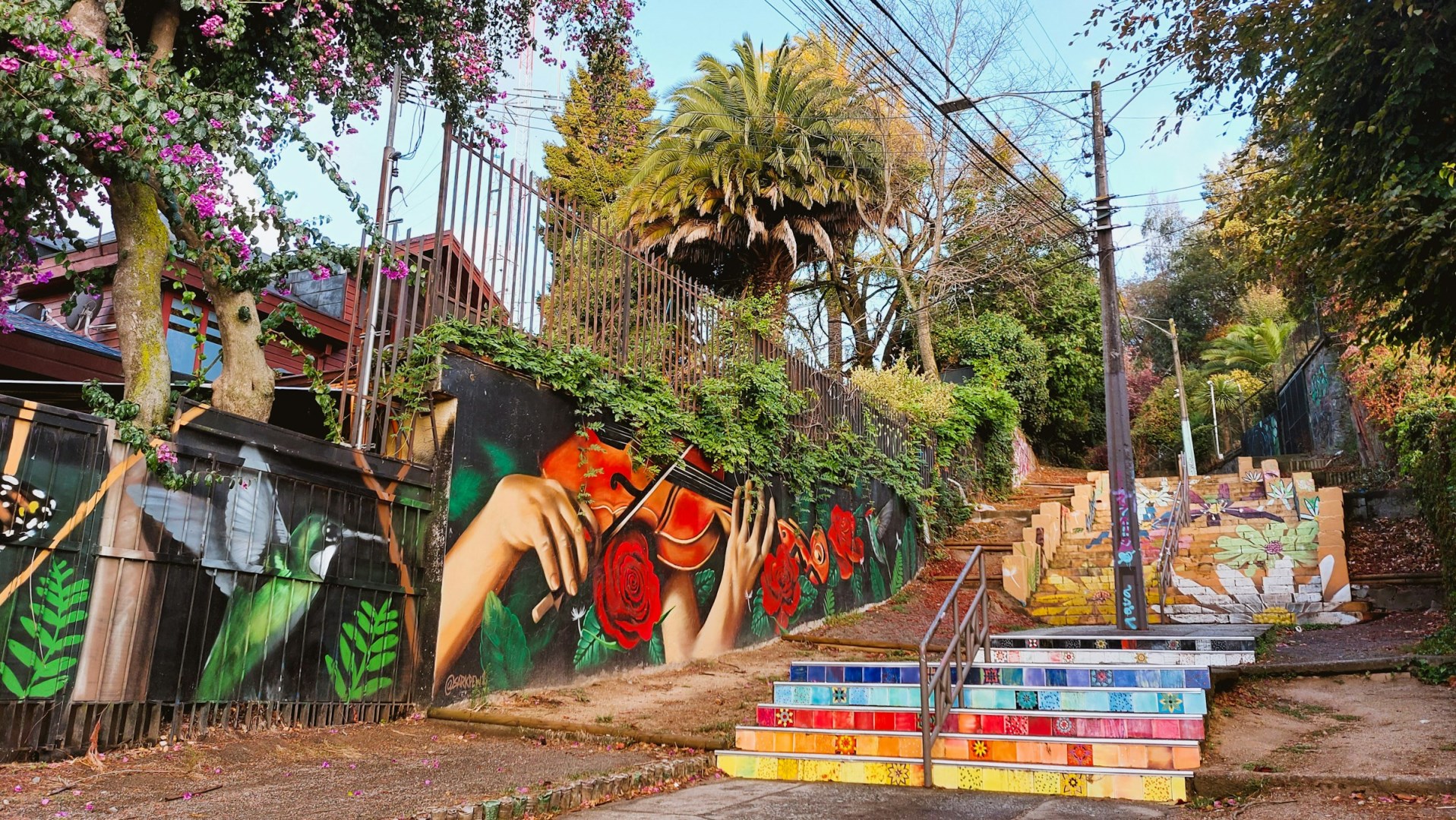
The capital of Bio Bio Province, it was founded in 1550 and is Chile's third largest city. It is a major industrial and rail center.
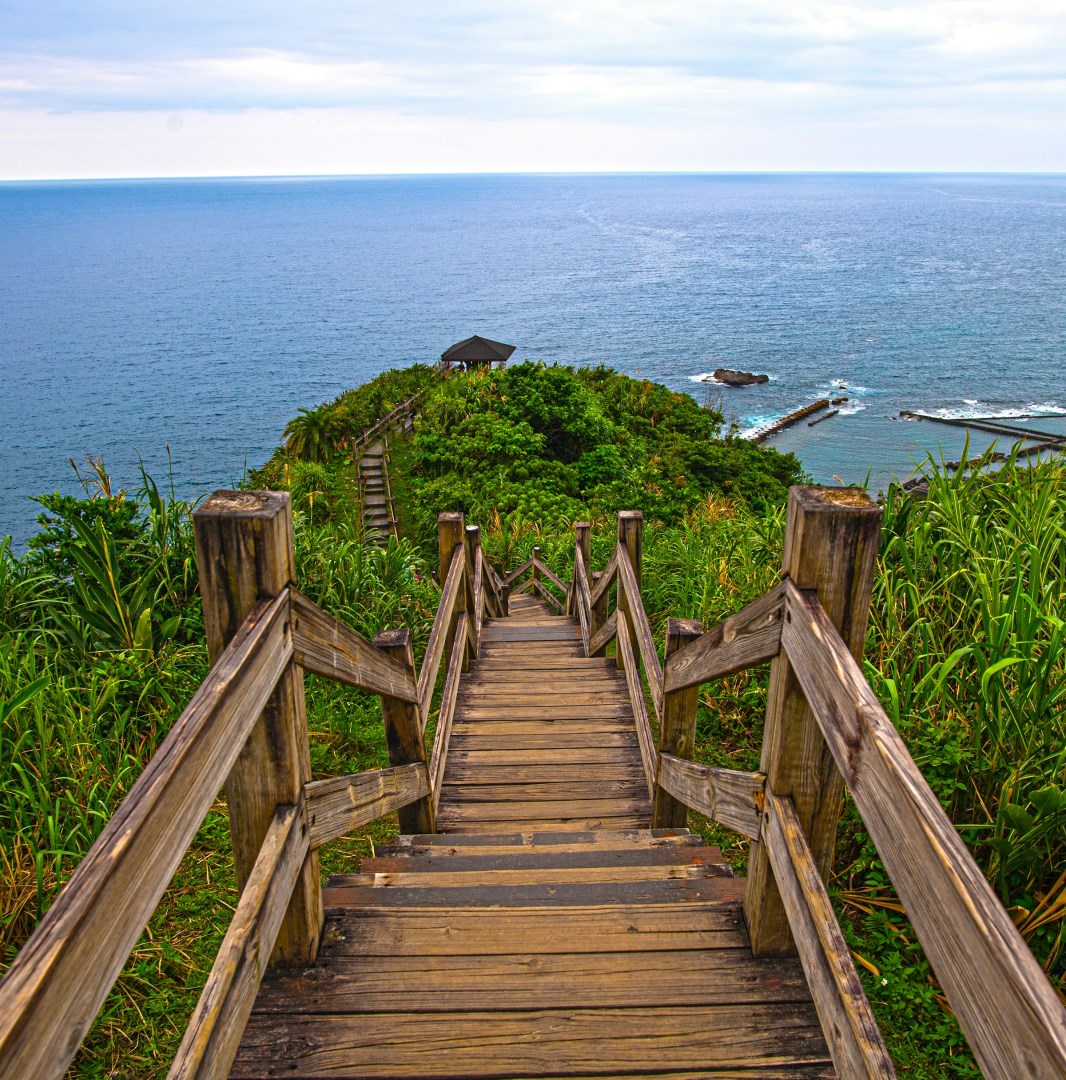
Hualien
Nestled between the Pacific Ocean and the towering Central Mountain Range, Hualien, Taiwan offers an enchanting blend of natural beauty and cultural richness. This coastal city is renowned for its proximity to the stunning Taroko Gorge, a marvel of nature where marble canyons and lush vegetation create a dramatic landscape. Visitors can embark on breathtaking hikes along the Swallow Grotto Trail and the Shakadang Trail, each offering spectacular views of waterfalls and unique rock formations.
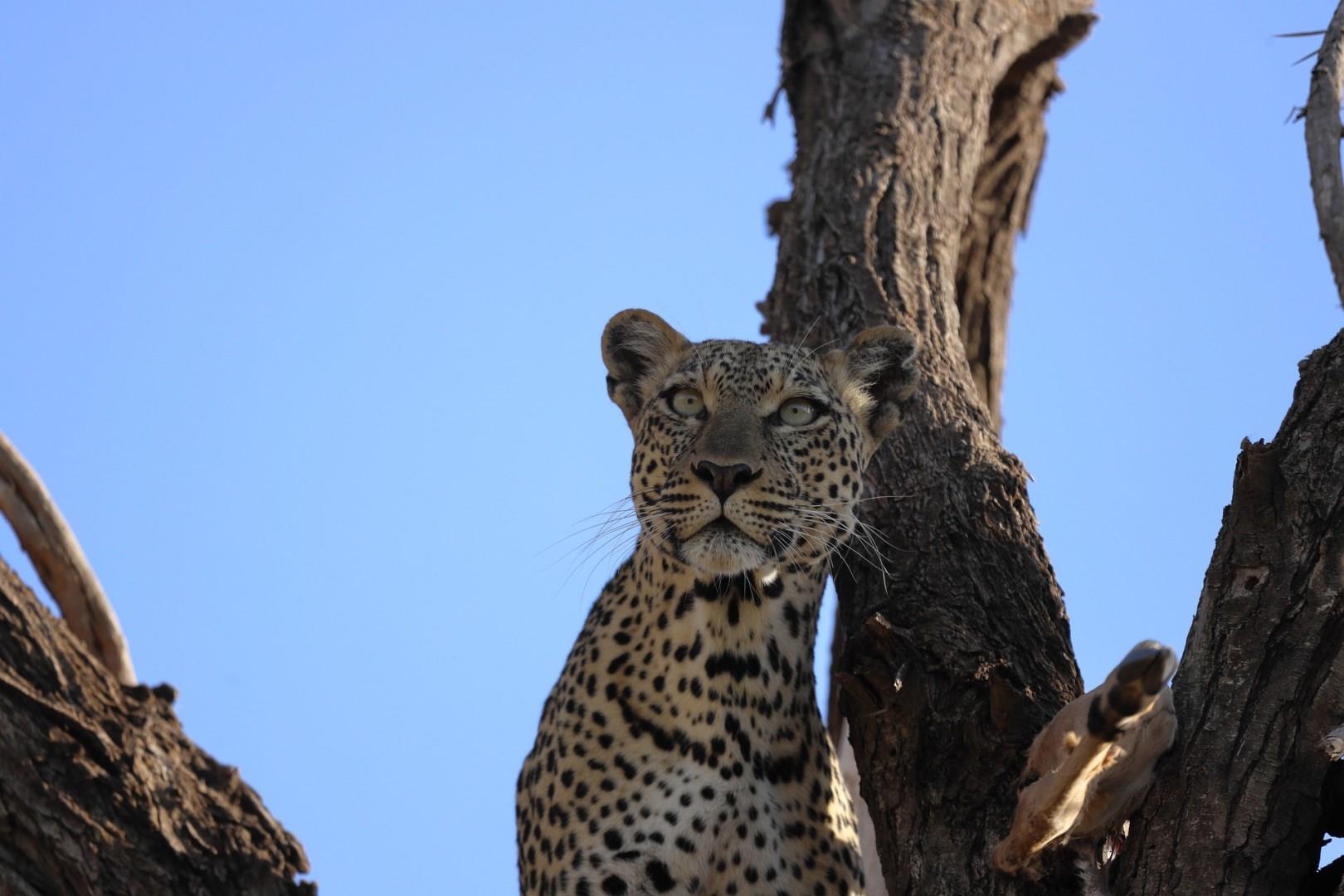
Samburu and Shaba Reserves
Samburu and Shaba Reserves are some of the most pristine reserves in Kenya, and protect a habitat surprisingly rich in wildlife. The Reserves provide the chance to see many species not found elsewhere in Kenya, such as Grey's zebra, the rare beisa oryx and the Somali ostrich.