Trakai
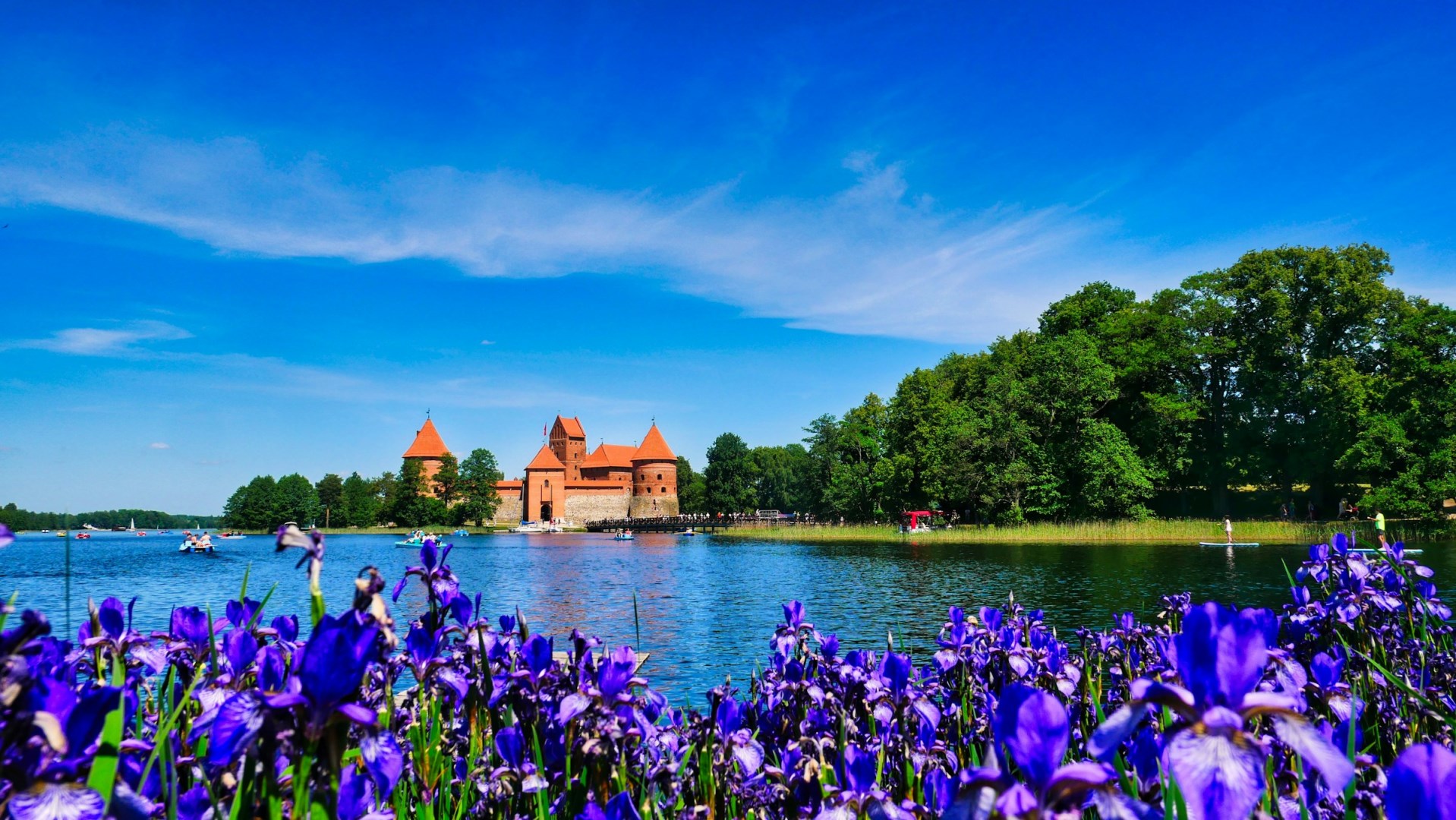
Trakai is a small historic town west of Vilnius, surrounded by lakes and wooded landscapes in southeastern Lithuania. Its most recognizable landmark is Trakai Island Castle, a red-brick fortress built on an island in Lake Galvė and connected to the shore by a wooden bridge. The town itself is set between several lakes, including Lake Galvė, Lake Totoriškės, and Lake Luka, giving its streets and waterfront a distinctly waterside setting.
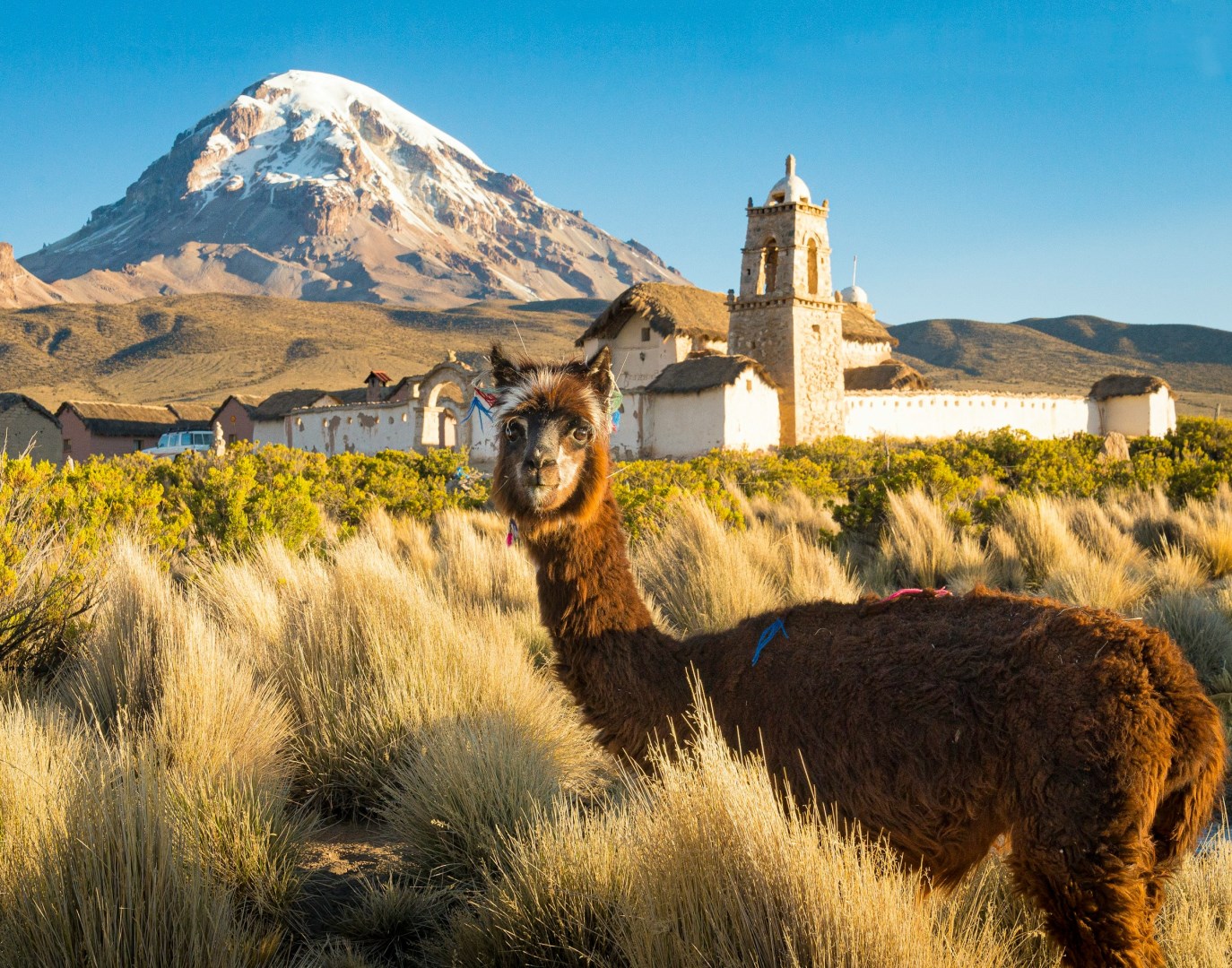
Sajama National Park
Sajama National Park lies in western Bolivia near the border with Chile, within the highlands of the Oruro Department. It protects a broad landscape of volcanoes, high-altitude grasslands, wetlands, volcanic formations, and native queñua forests. The park is centered on Nevado Sajama, Bolivia’s highest mountain, whose snow-covered summit rises above the surrounding Altiplano.

Guatemala
Guatemala is a country where ancient history and living tradition meet in unexpected ways. The ruins of Tikal, once a major center of the Maya civilization, rise from the dense Petén jungle. Visitors can climb stone temples that pierce the forest canopy and listen for howler monkeys echoing through the trees. Tikal National Park, a UNESCO World Heritage Site, contains over 3,000 structures and still holds secrets under layers of earth and vegetation.

Palma
Enchanting Palma is the capital of Mallorca, Spain’s island paradise in the Balearic Sea. This picturesque town boasts historic castles and cathedrals, glittering beaches, and some of the island’s best culinary delights. Don’t let this city’s small size fool you; Palma houses truly magnificent architectural gems that make this island getaway well worth exploring.
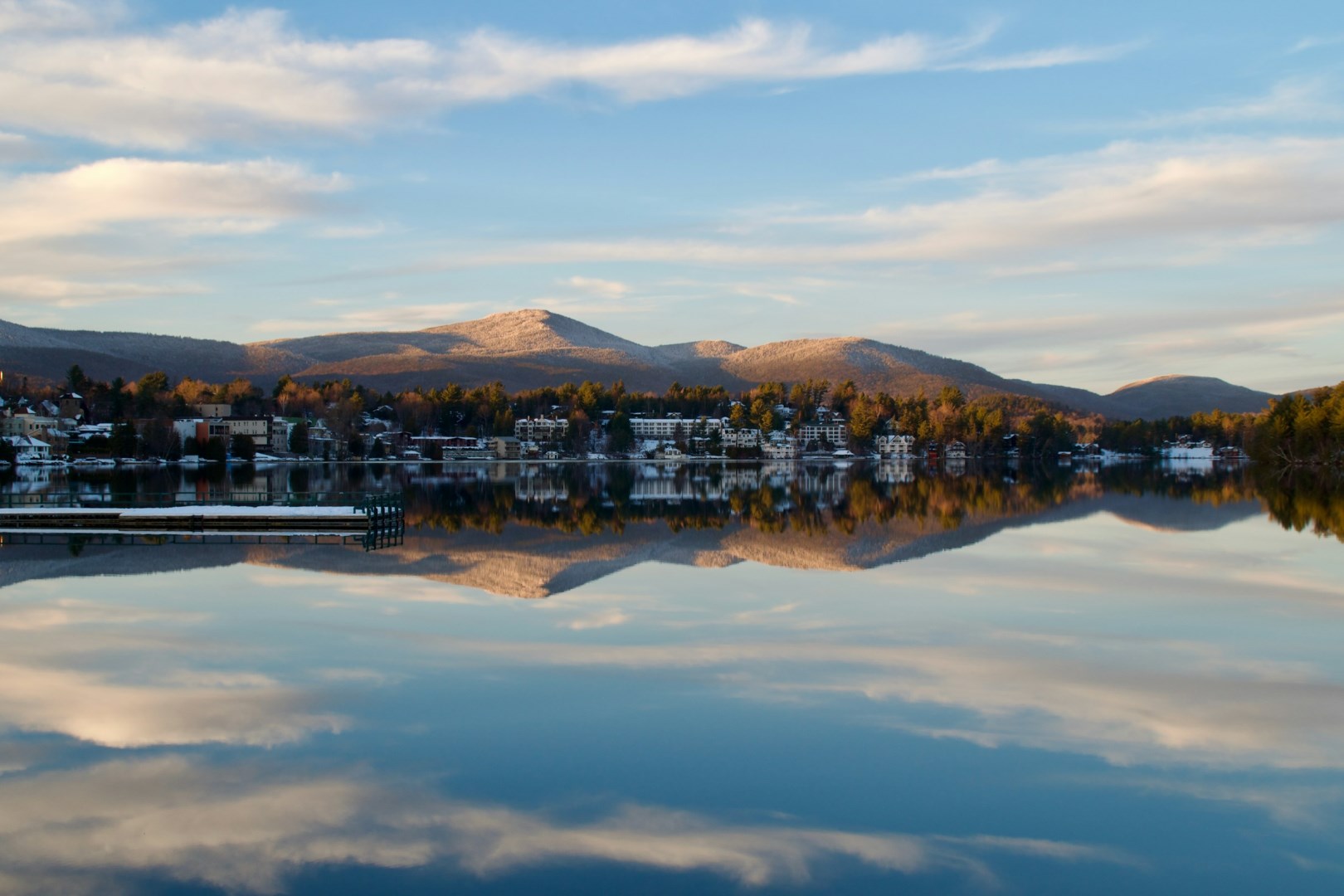
Lake Placid
Lake Placid is a village in the Adirondack Mountains of northern New York, set beside Mirror Lake and close to the larger Lake Placid. Surrounded by forested mountains, the community has a compact centre with shops, restaurants, galleries, and lodging along Main Street. The area is part of the Adirondack Park, a vast protected landscape of forests, lakes, rivers, and mountains.