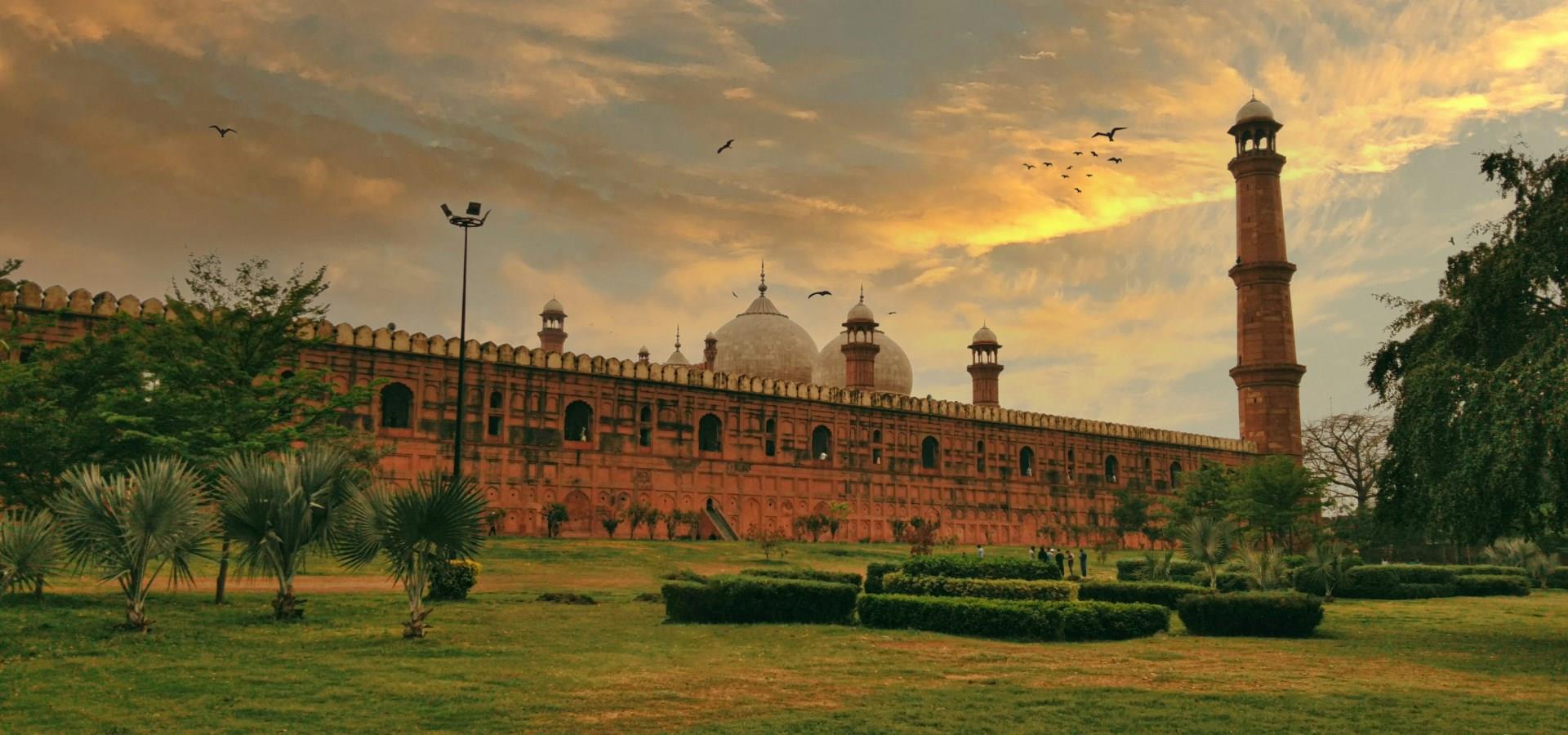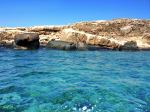
Set in the heart of the Aegean Sea, Skyros, Greek island, stands apart from its neighboring islands with a character shaped by both rugged landscapes and quiet coastal life. As part of the Sporades group, it offers a mix of pine-covered hills in the north and drier, open terrain in the south. The main town, Skyros Town, rises along a hillside crowned by a whitewashed monastery and a medieval-style castle, creating a striking view from the harbor below.
Known as "The City with Soul," Jackson is a popular hub for a variety of music genres, including jazz, gospel, and blues music. Highlights include the Jackson Zoo, the Mississippi Museum of Art, and the Mississippi Civil Rights Museum.
Chiriquí, a province in western Panama, offers a striking variety of landscapes, from highland cloud forests to golden Pacific beaches. Bordered by Costa Rica to the west, it’s known for its rich agriculture, coffee plantations, and impressive volcano views. The capital city, David, serves as the main hub for travelers, but many of the region’s most memorable experiences are found in its rural towns, mountain valleys, and coastal areas.
Lagos sits on the southern edge of Portugal’s Algarve where a lively old port town meets wide Atlantic skies. Just a short stroll from the heart of town, the coast drops away into a spectacle at Ponta da Piedade, where golden sandstone cliffs rise out of the Atlantic and have been shaped into stacks, natural arches and grottoes over millennia. At the top, the Ponta da Piedade Lighthouse watches over this dramatic shoreline and offers a great backdrop for photos as the sun sets into the ocean.
Chefchaouen, a picturesque city nestled in the Rif Mountains of northern Morocco, is renowned for its stunning blue-painted streets and buildings. Founded in 1471, Chefchaouen's medina—a maze of narrow, winding streets—is one of its most enchanting features, where every corner reveals a splash of blue, creating a serene and photogenic atmosphere. T
Photo Credit: Photo by Caroline Rodrigues on Unsplash
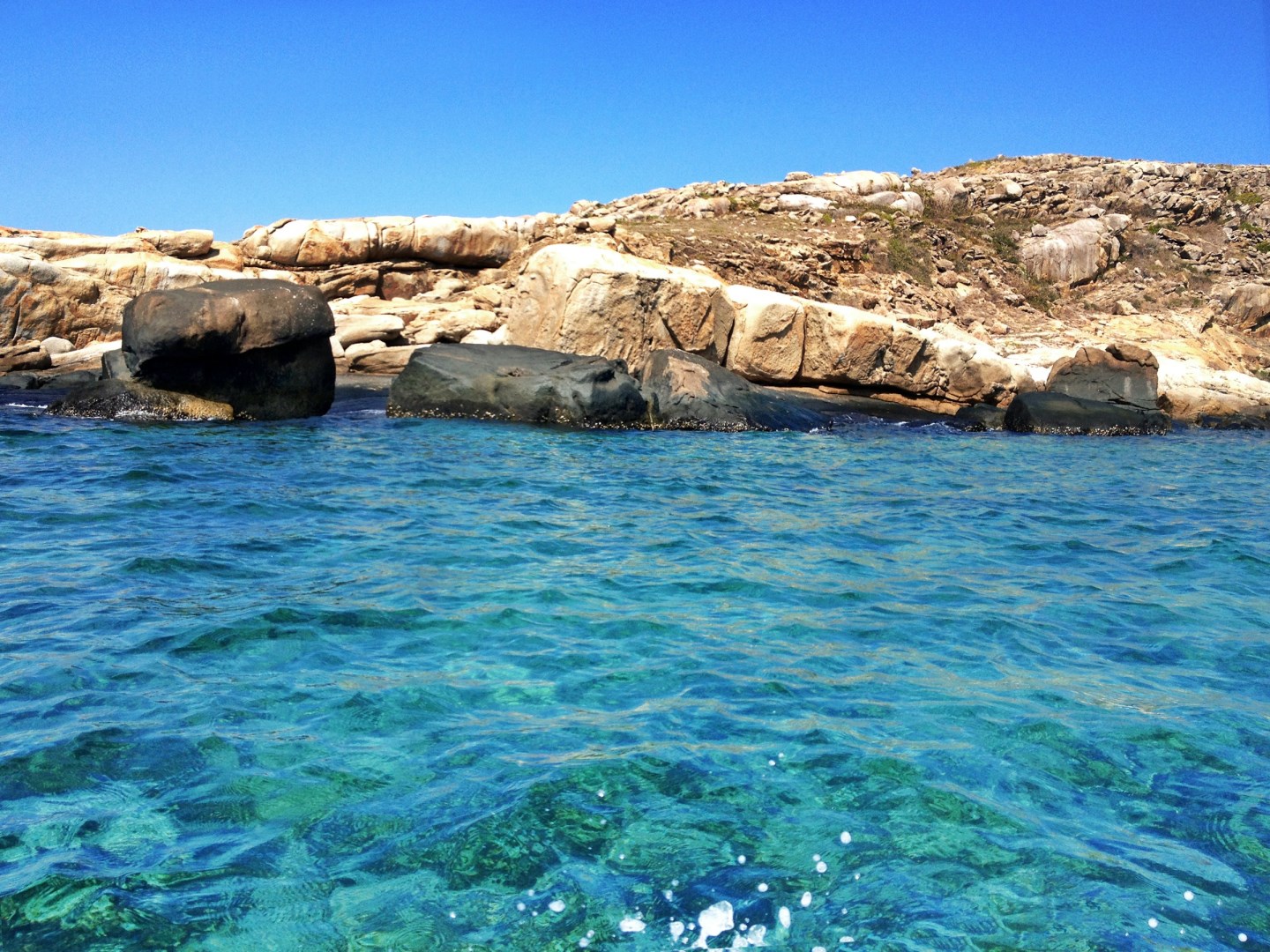
Seclusion is the name of the game on Lizard. It's a large national-park island (21 sq km), located 240km from Cairns and surrounded by Osprey Island, Seabird Islet, South and Palfrey islands. Lizard has special historical interest due to Captain Cook's visit. It also has fine diving and fishing possibilities (it's only 15km from the outer edge of the reef), 23 superb beaches (among the reef's best) and great swimming and snorkelling. However, seclusion and isolalion do not come cheaply, and children under the age of six are banned from the island's small resort.
The resort has the usual sporting facilities, including a floodlit tennis court and swimming pool. The use of all water-sports equipment is included in the daily tariff, but boating trips cost extra. There's also a small campsite, but campers must be entirely self-sufficient as the resort does not particularly welcome non-tariff-paying visitors. This is a pity, as it has an excellent reputation for its cuisine. There's great diving, even right off the beach, but again it isn't cheap. Heavy-tackle fishing is a big attraction, particularly from September to December, and many game-fishing boats use Lizard as a base
during this time. The island has many fine walks and abundant wildlife, such as the huge lizards which gave the island its name, five species of snakes, a small colony of bats and more than 40 species of birds. Almost all resort guests arrive from Cairns by air. There is no regular shipping or ferry service, and the only other possibility is to take a cruise, which will anchor offshore for a night or two. Lizard is one of the most popular anchorages along the reef, and it's the last really
good mooring place before you get to Thursday Island.