Orange Beach
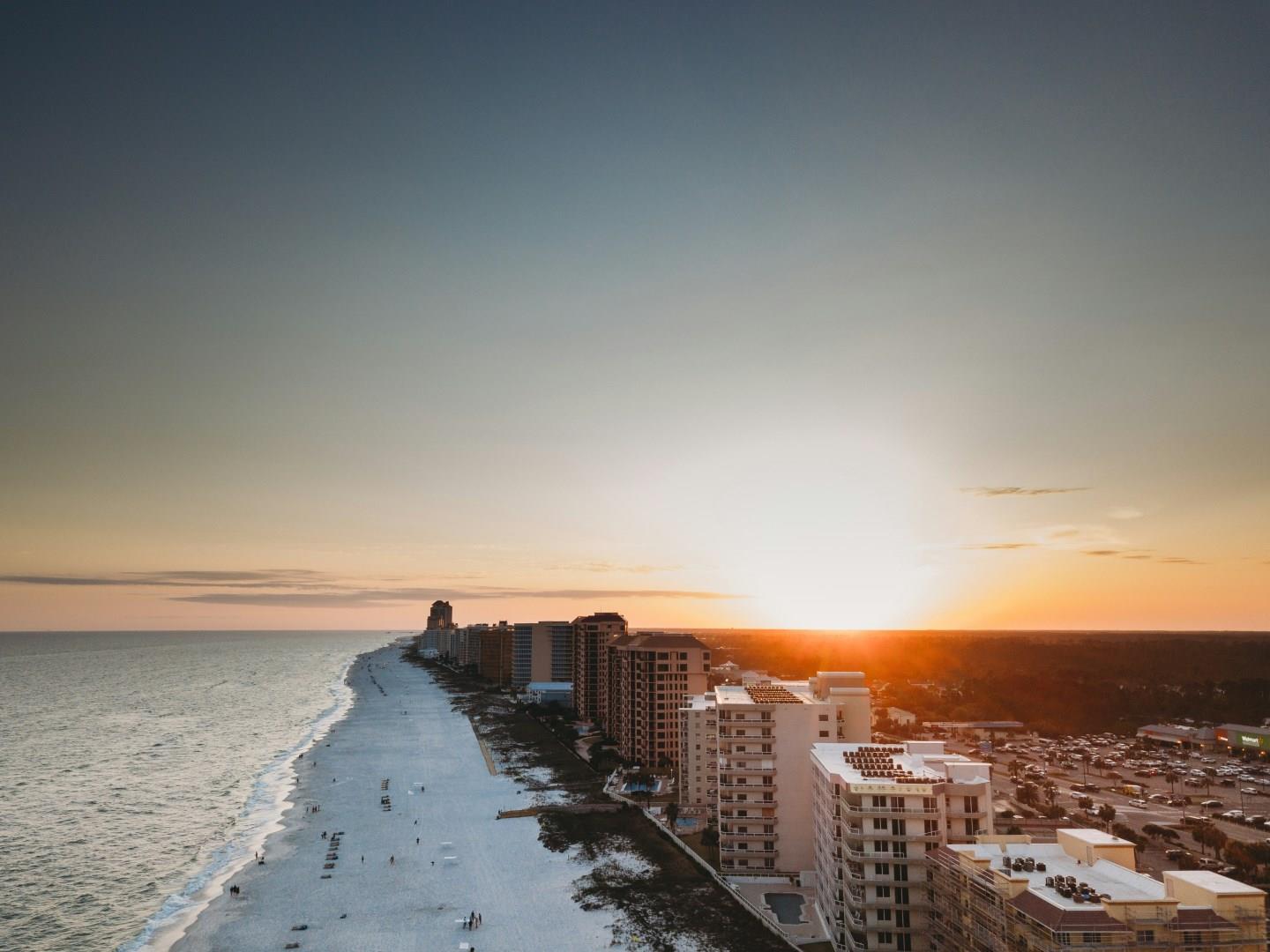
Orange Beach is a coastal city in southern Alabama, located along the Gulf of Mexico between Gulf Shores and Perdido Key. It is known for wide sandy beaches, coastal dunes, inland bays, and waterways that support boating and fishing. The city extends along a narrow barrier-island setting, with residential areas, restaurants, marinas, and recreation facilities close to the water. Cotton Bayou, Terry Cove, and Wolf Bay provide access to calmer inland waters, while the Gulf shoreline offers a diffe

St. Thomas
St. Thomas, the gateway to the U.S. Virgin Islands, is a vibrant mix of history, culture, and Caribbean charm. Its capital, Charlotte Amalie, features a waterfront lined with pastel-colored colonial buildings, narrow cobblestone streets, and historic forts such as Fort Christian, which offer glimpses into the island’s Danish colonial past.

London
London is among the world's most visited cities, with countless attractions and a history stretching back two millennia. Visitors will discover historic iconic structures like Westminster Abbey, Big Ben, and Tower Bridge, as well as recent marvels such as London Eye, a giant observation wheel that offers breathtaking views of the whole city.
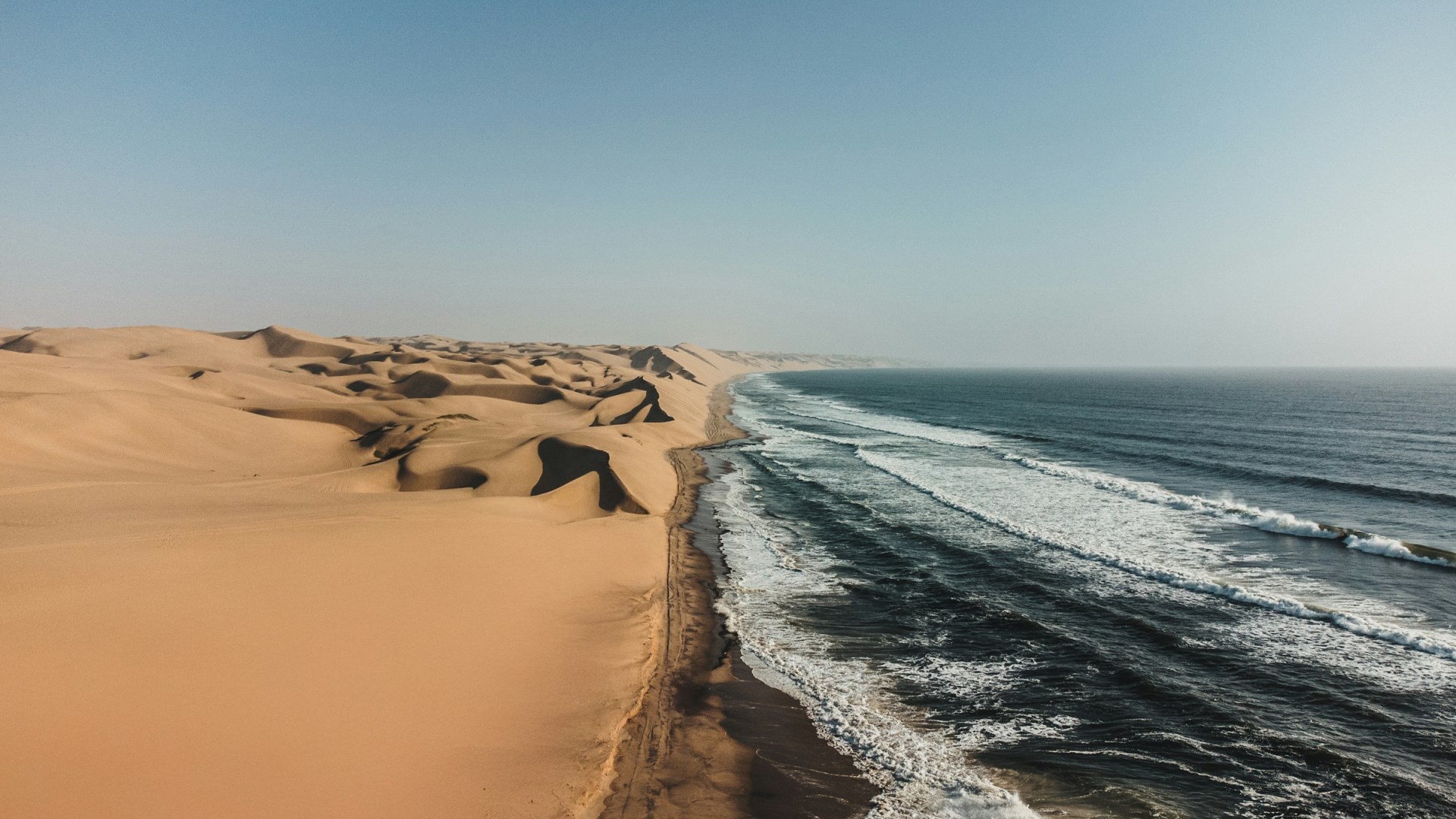
Sandwich Harbour
Sandwich Harbour is a remote coastal wetland within Namib-Naukluft National Park, about 55 kilometres south of Walvis Bay. It lies where the Namib Desert meets the Atlantic Ocean, with tall dunes rising beside a lagoon, mudflats, and shallow coastal waters. The area is part of the Namib Sand Sea, where wind and ocean moisture shape one of the world's most distinctive desert environments.
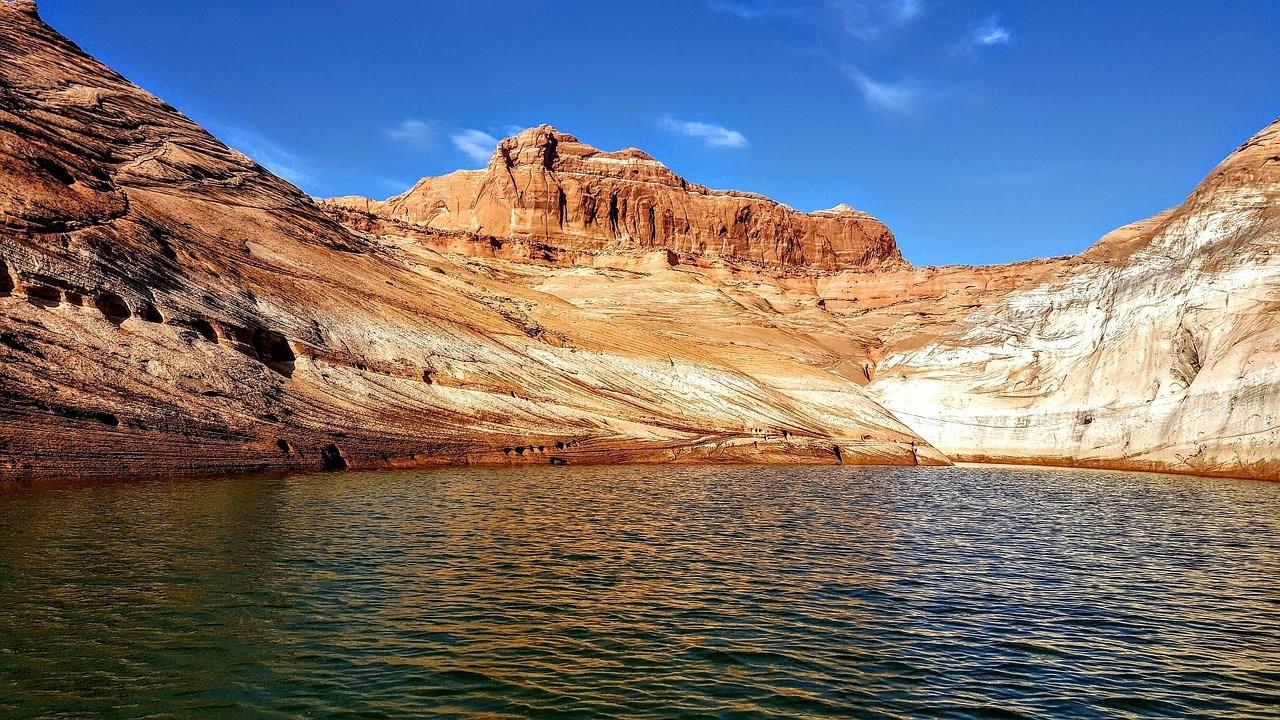
St. George
St. George, Utah, is a desert city in the state’s southwest corner, celebrated for its striking red rock landscapes, mild climate, and proximity to some of the American West’s most iconic natural wonders.