Manama pulses with stories from long ago and today. Just beyond the modern skyline lies Qal’at al‑Bahrain, a layered mound once the capital of Dilmun, used by societies from the Kassites to the Portuguese. Visitors can climb its crumbling stairways and imagine life across centuries there. Nearby, the Bahrain National Museum, opened in 1988 in a stately waterside building, displays archaeological finds from ancient Dilmun to modern-day artifacts and is one of the Gulf's first modern museums.
Manaus, capital of Brazil’s Amazonas state, is a city that rises unexpectedly from the rainforest. Once the center of the global rubber boom in the late 1800s, Manaus still holds onto that legacy with surprising elegance. The Teatro Amazonas, an opulent opera house imported piece by piece from Europe, sits at the heart of the city, its pink façade and domed roof tiled in the colors of the Brazilian flag. Today, it hosts concerts, festivals, and curious visitors eager to step back in time.
Austria is located just east of Switzerland; northeast of Italy. The foremost attraction is skiing or hiking the Alps--equally breathtaking whether you're among its glorious peaks or at ground level. Visit the capital of Vienna, with its original coffee houses and the opera; or take a country drive and visit its charming villages.
Denmark is a country shaped by water, wind, and centuries of human ingenuity. In places like Roskilde, visitors can see five original Viking ships at the Viking Ship Museum and even try rowing a replica longboat across the fjord. In Copenhagen, the harbor once used by merchants and sailors now welcomes swimmers, kayakers, and ferries, with historic warehouses repurposed into restaurants and museums.
Georgetown, Guyana’s capital, is a city of wooden cathedrals, tree-lined canals, and street corners alive with music, food, and political discussion. Located at the mouth of the Demerara River, the streets still follow the Dutch grid system, and the city’s architectural signature, with its elegant wooden buildings with louvered shutters and fretwork, make it one of the most visually distinct capitals in South America.
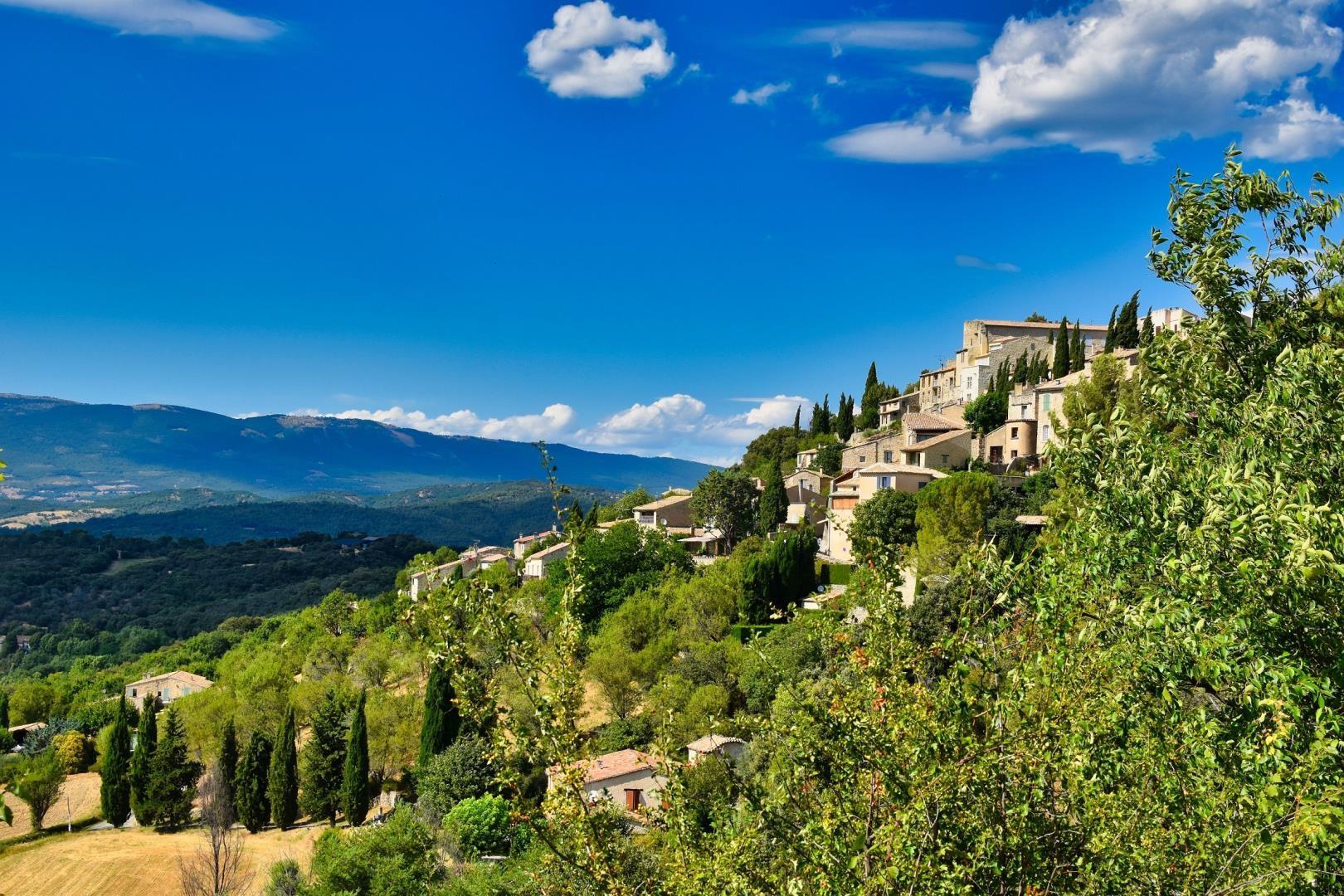
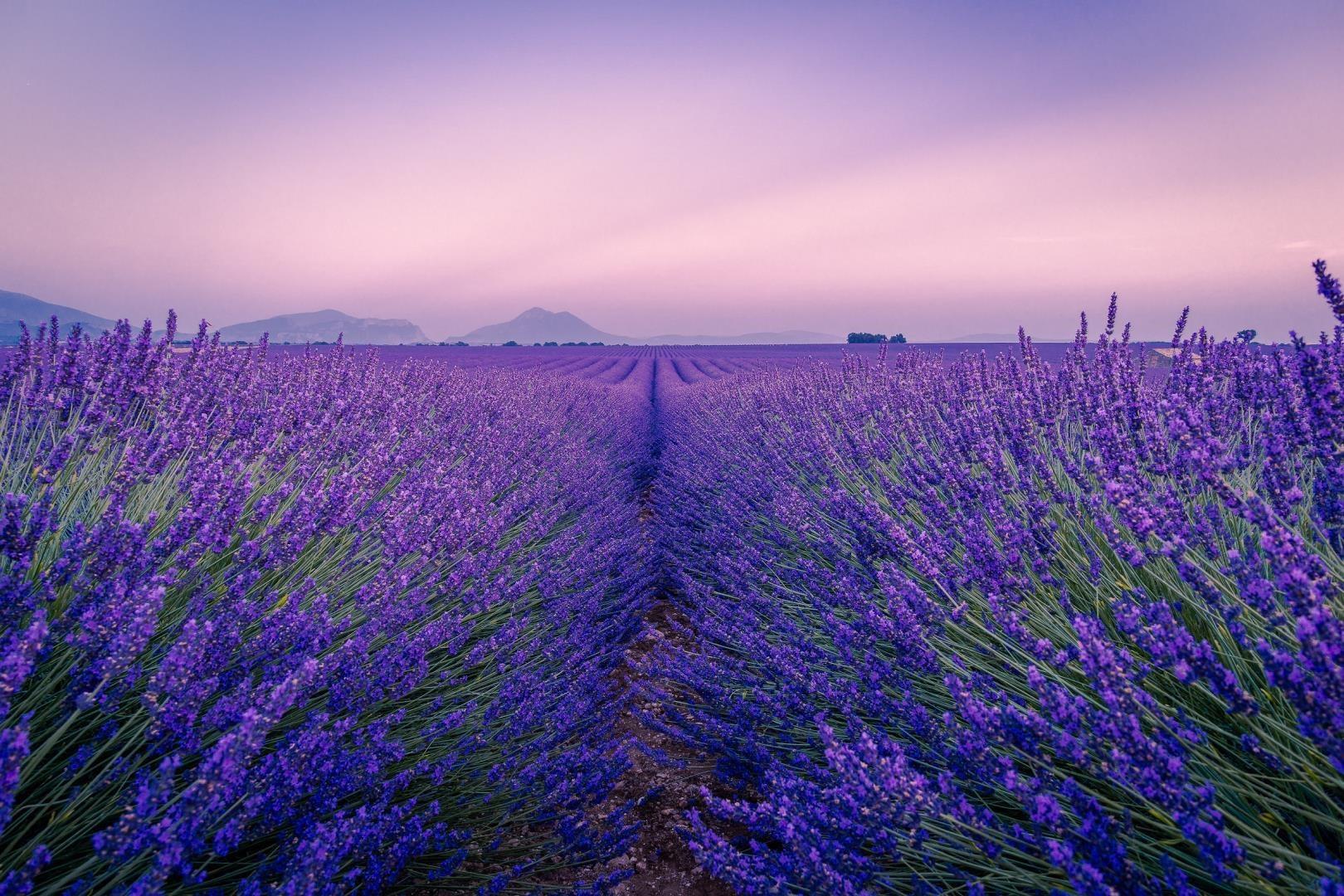
Situated in the French administrative region of Provence-Alpes-Côte d'Azur, Provence is a picturesque delight and one of France's most beloved provinces. Replete with sprawling lavender fields, lush vineyards, cobbled streets, and medieval architecture, Provence will surely capture your heart and mind.
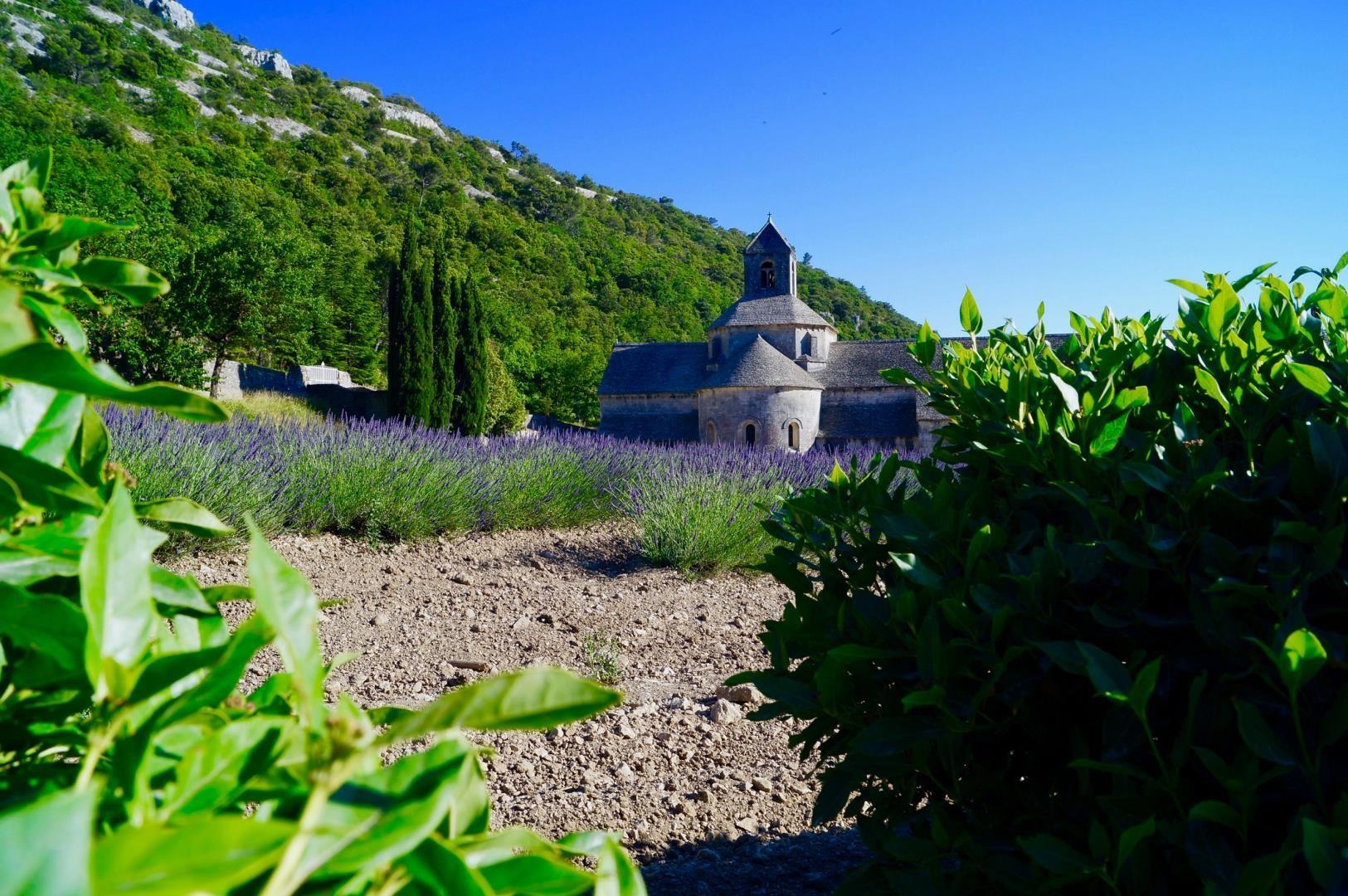
Senanque Abbey is a must-see for any visitor to Provence. Located in the charming village of Gordes, this twelfth-century abbey is surrounded by stunning fields of lavender, with vivid hues of purple that nearly glow in the warm sunlight. The historic Palais des Papes, once the seat of the Avignon papacy, is a UNESCO World Heritage Site whose Gothic walls sit over the city of Avignon in opulent glory.
Venture south of the countryside to the French Riviera, or Côte d'Azur, for a taste of luxury and some of France's finest cuisine. Head to Marseille for fresh seafood and delectable eats, from bouillabaise, to bourride, to tagine. Better yet, whisk yourself away to Cannes or Nice for fine dining and designer shopping.
Provence's natural beauty provides the perfect setting for those who love outdoor activities. The Parc National des Calanques offers challenging hikes surrounded by white limestone formations, well-suited for the adventurous traveler. For a calmer experience, kayak down the Gorges du Verdon and marvel at its steep limestone cliffs and the vibrant turquoise waters of the Verdon River.
From the cosmopolitan coasts of the French Riviera, to the peaceful countryside of Gordes and Uzès, to the winter-white slopes of the Alps, there's something for everyone in Provence.