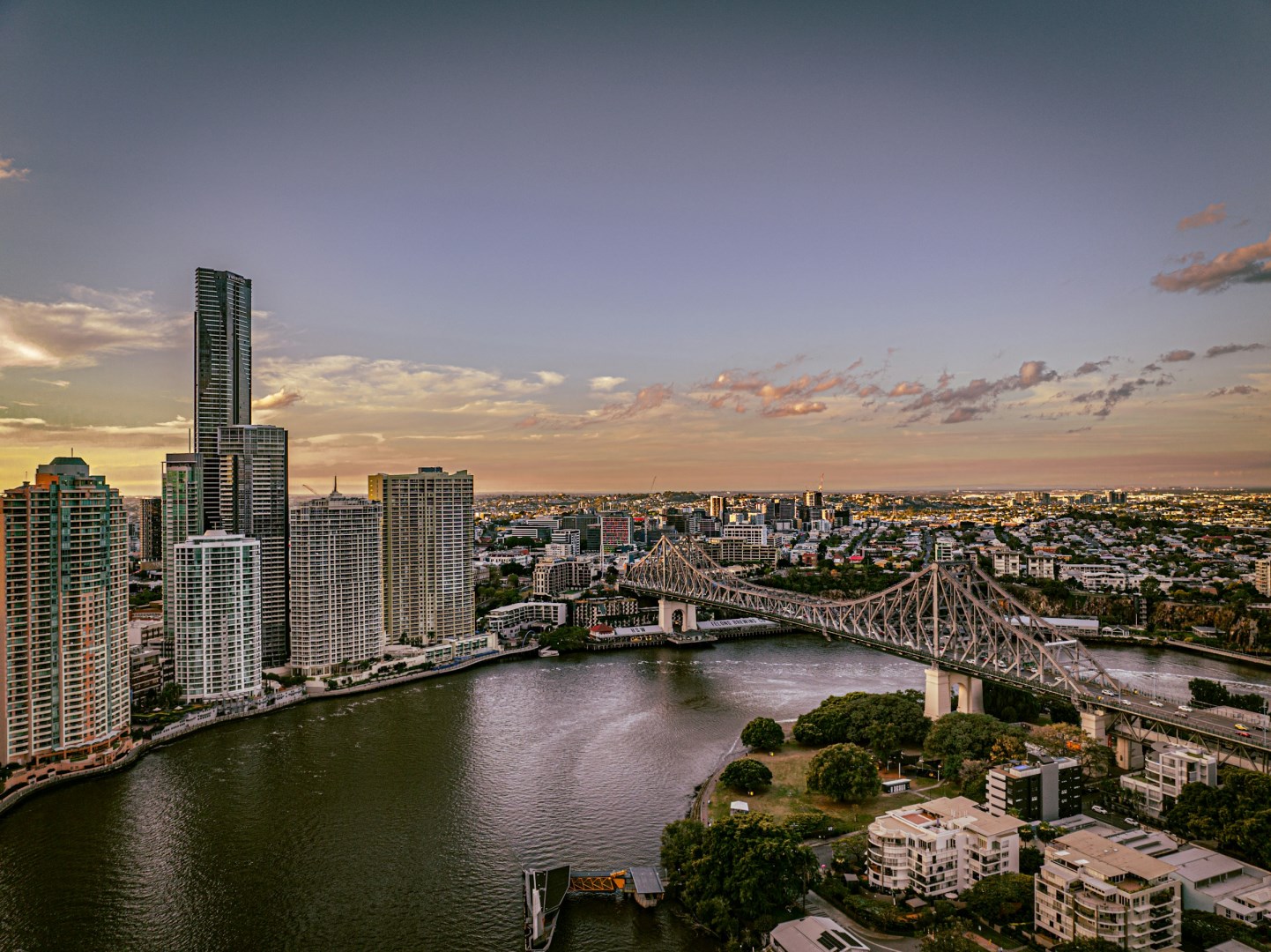
Culture, dining and nightlife are just a few of the reasons to find yourself in sunny Brisbane. This sprawling, constantly-evolving river city is for the young and the young at heart. Shop at the outdoor markets, where you'll find fashion, crafts and produce. Beaches are the order of the day here, too, with North Stradbroke Island and Moreton Island attracting hordes of sunbathers.
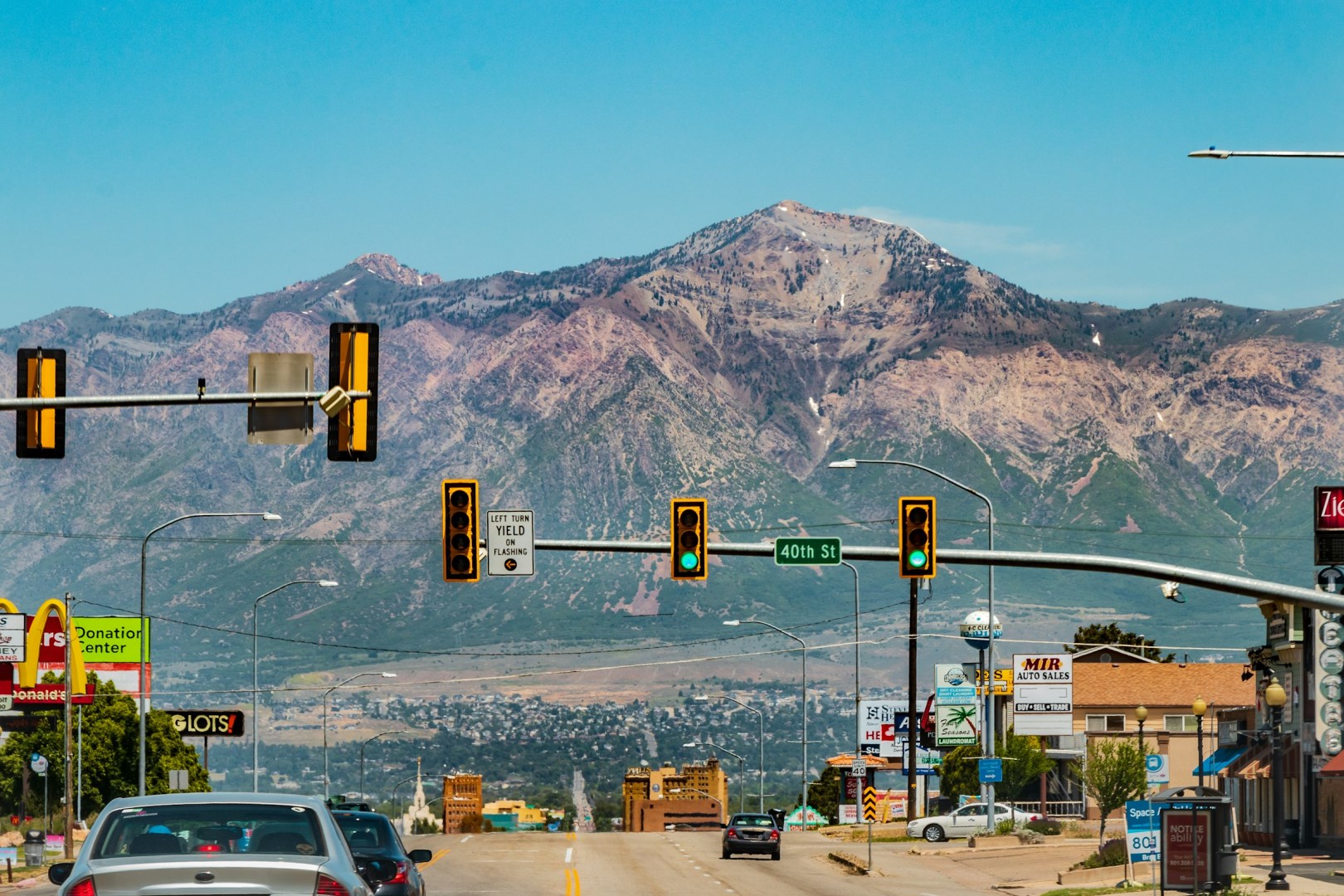
Ogden, city, seat of Weber County, northern Utah, at the confluence of the Ogden and Weber rivers, near Salt Lake City; incorporated 1851. It is an industrial and transportation center. Major manufactures include aerospace equipment, high-technology products, and motor-vehicle products. Construction, tourism, Hill Air Force Base, and the Ogden Defense Depot are of economic importance. Ogden is the site of Weber State University (1889); the Ogden Tabernacle and Temple; the Daughters of Utah Pione
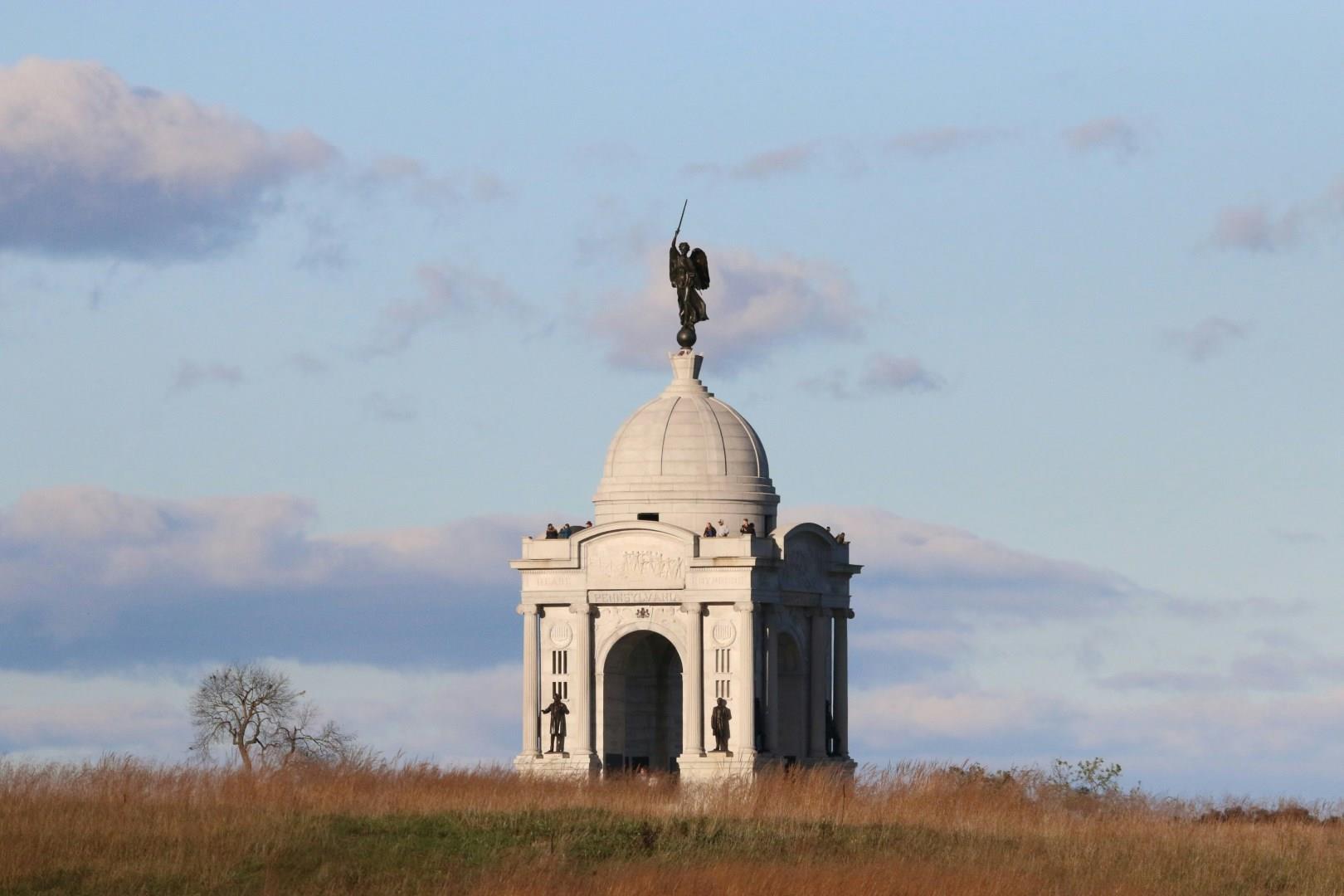
Gettysburg, Pennsylvania is best known as the site of the most significant battle of the American Civil War, fought over three days in July 1863. Today, visitors can explore the 6,000-acre Gettysburg National Military Park, which preserves the battlefield in remarkable detail. Over 1,300 monuments, cannons, and markers dot the landscape, each telling a piece of the story. One of the most visited spots is Little Round Top, where Union forces held their ground in a pivotal moment of the battle.
Looe is a small seaside town on the south coast of Cornwall, England, divided by the River Looe into East and West Looe and connected by a graceful stone bridge. With origins as a medieval port, the town has long been shaped by fishing and seafaring, traditions that still define its identity today.
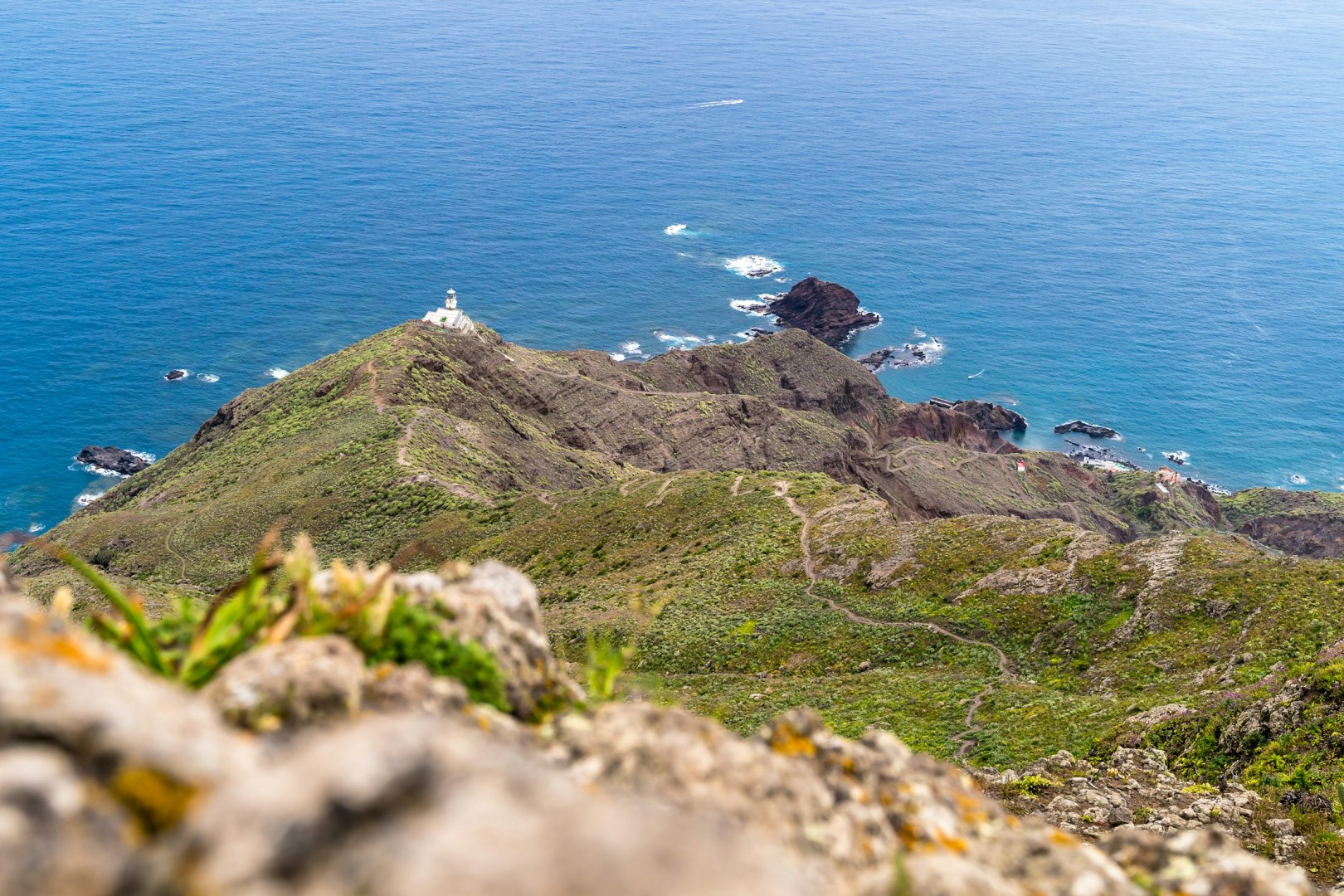
The city of Santa Cruz De Tenerife, located on the island of Tenerife, is a favorite stop for Transatlantic voyagers. Tenerife is both the largest and most populated of the seven Canary Islands and of Spain itself. As the island's main city, Santa Cruz De Tenerife is home to almost half of the island's population.
Photo Credit: Photo by Zoltan Rakottyai on Unsplash
Photo Credit: Photo by Andy Arbeit on Unsplash
Valea Cetății
Photo Credit: Photo by Adrian Ciocalau on Unsplash
Photo Credit: Photo by Michelangelo Azzariti on Unsplash
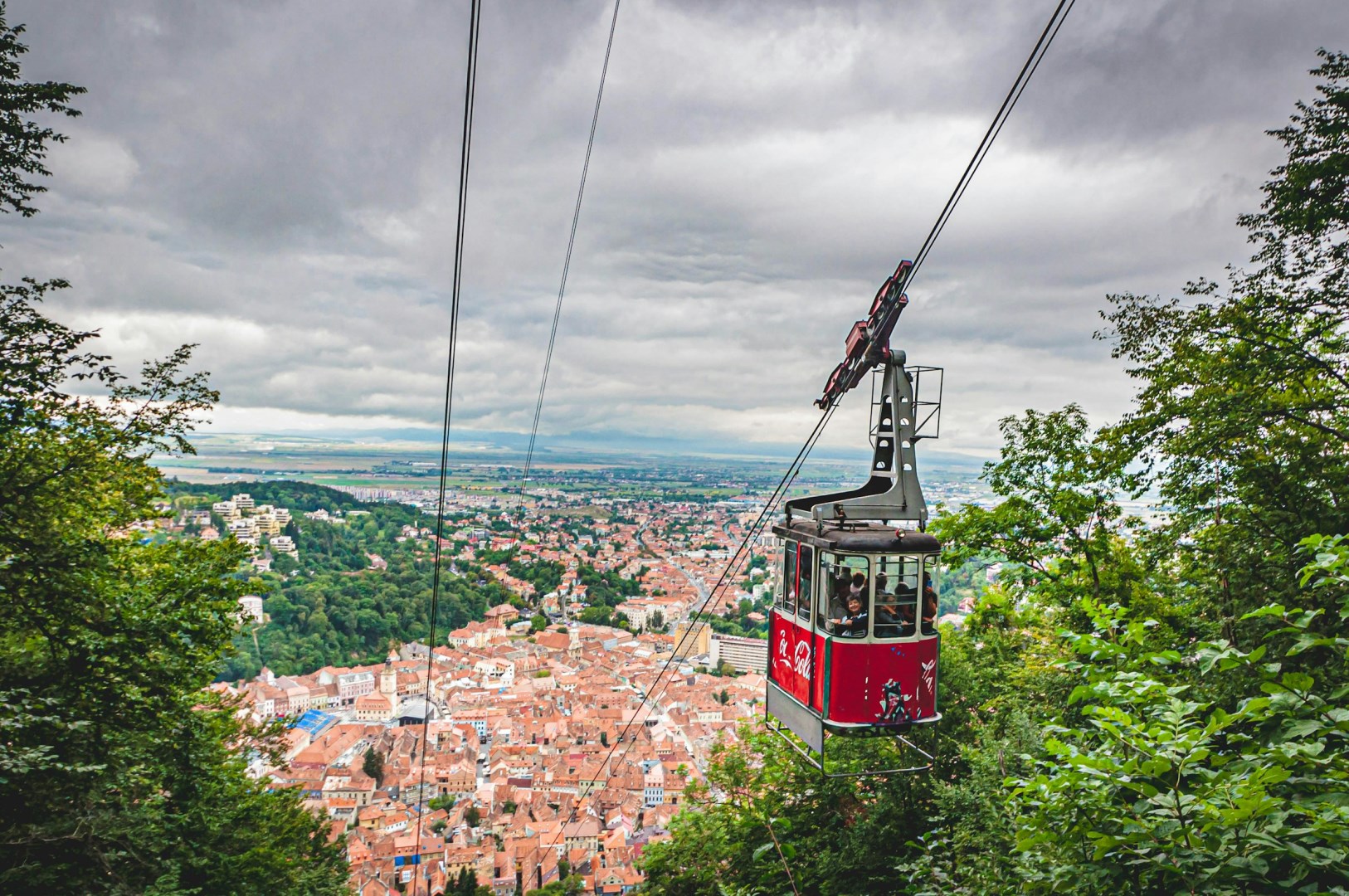
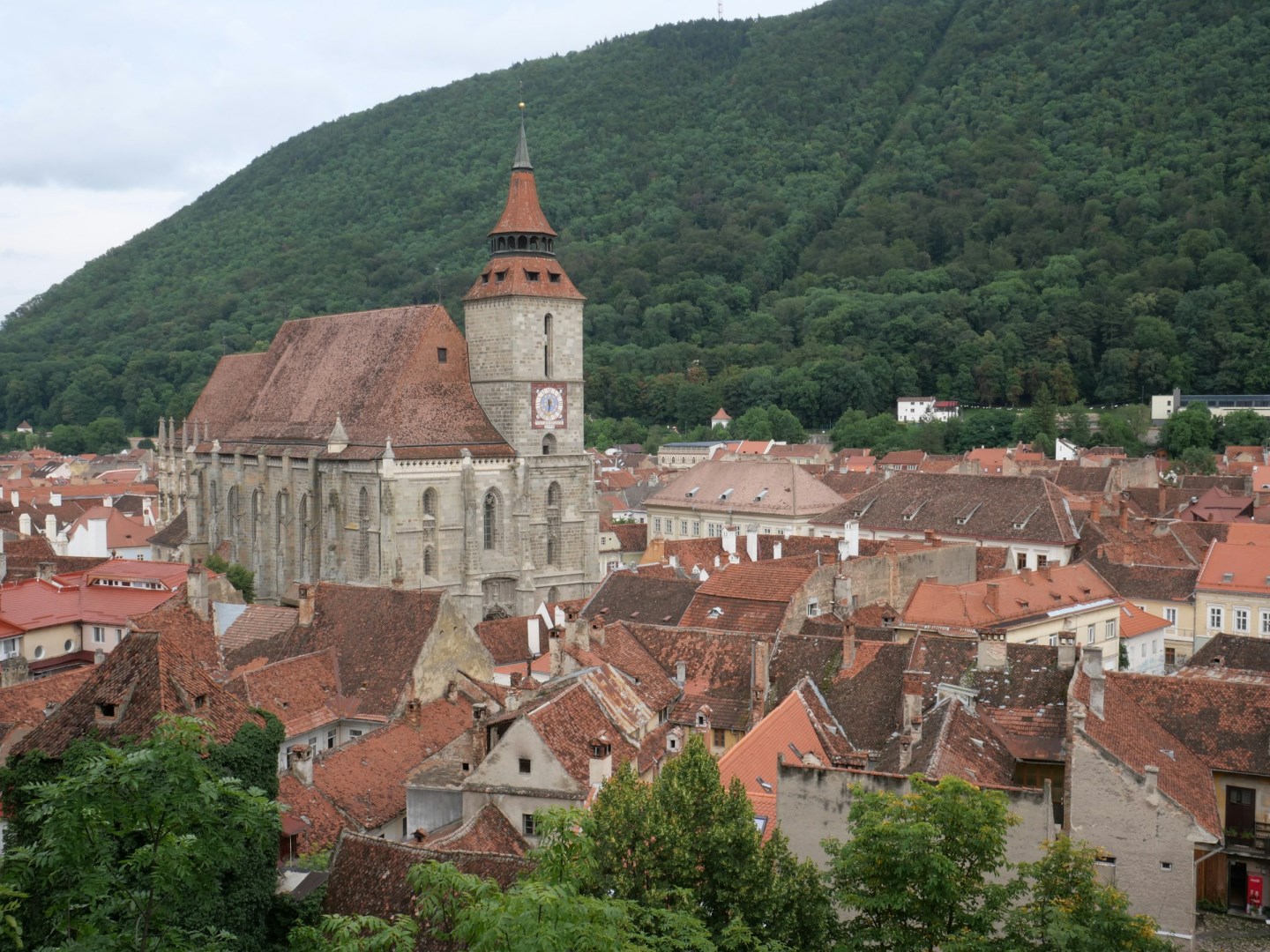
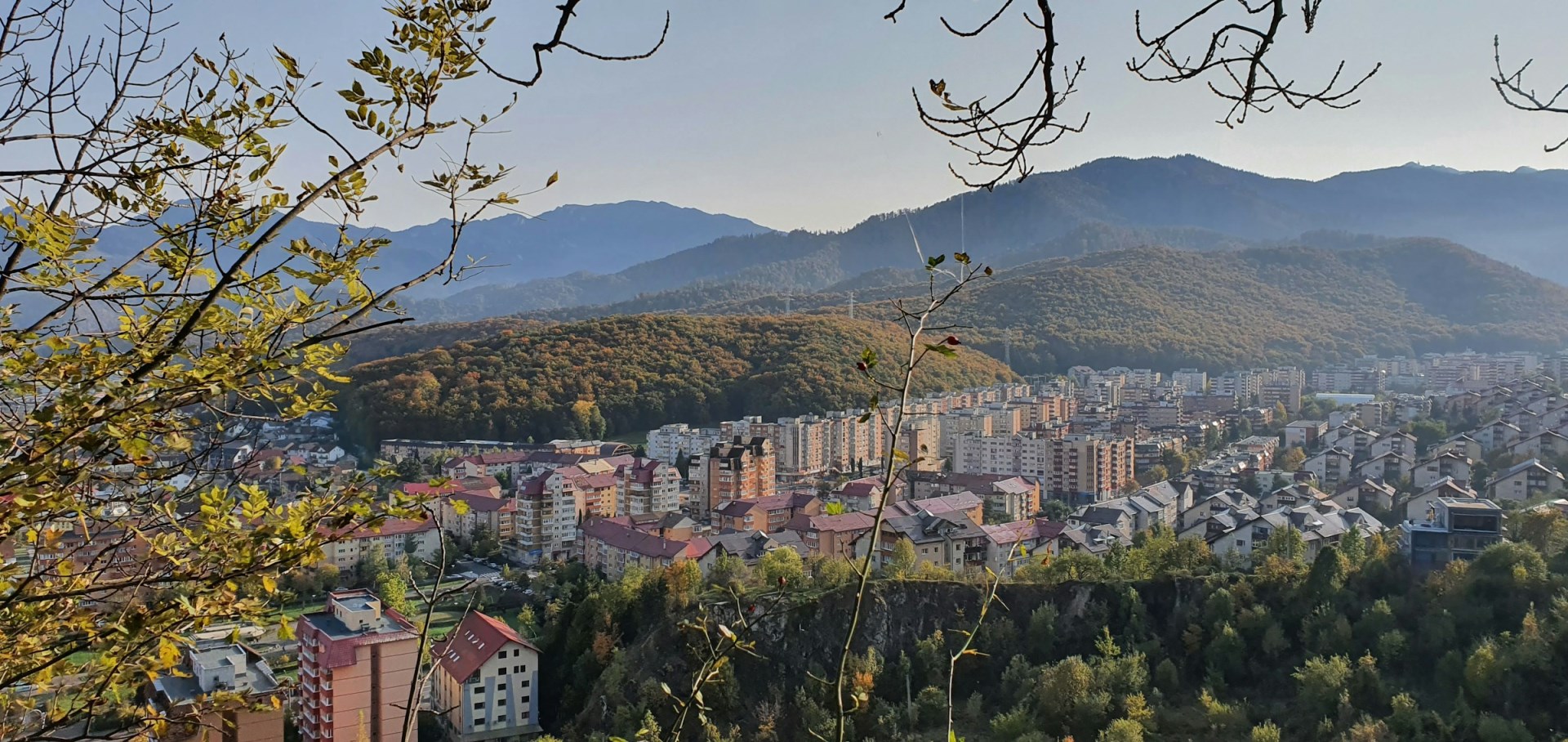
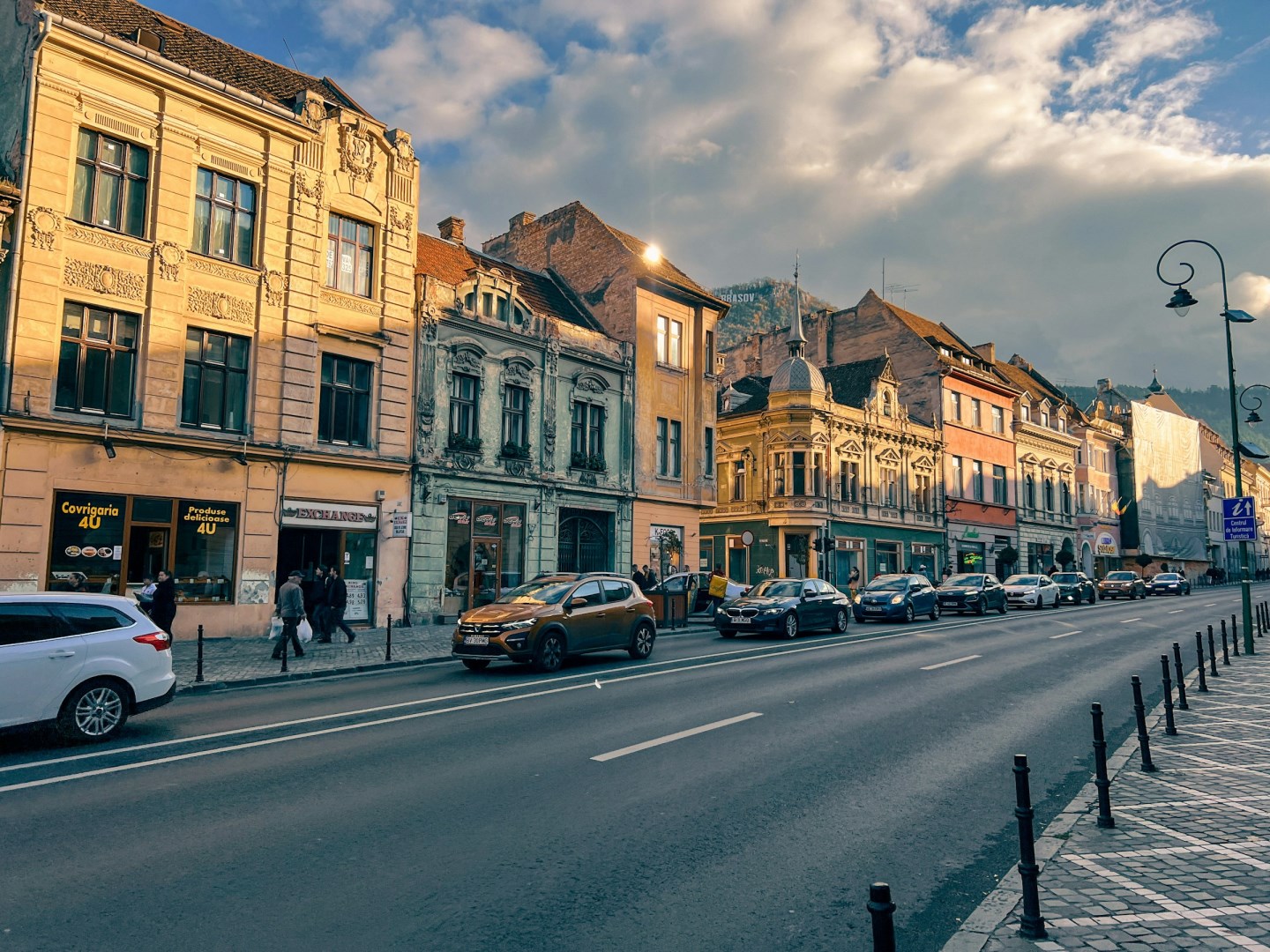
Nestled in the heart of Romania, Brașov is a charming city that effortlessly blends medieval history with stunning natural beauty. Encircled by the Carpathian Mountains, Brașov's well-preserved medieval architecture and vibrant cultural scene make it a must-visit destination. The centerpiece of the city is the stunning Black Church, a Gothic marvel that dates back to the 14th century. This iconic landmark, known for its massive blackened walls, is the largest Gothic church in Eastern Europe and houses an impressive collection of 4,000 volumes of the Protestant Reformation.
The city's Old Town, with its cobbled streets and colorful buildings, exudes a fairytale charm. Stroll through Piața Sfatului, the main square, where you can admire the historical Council House and the vibrant street life. Brașov’s medieval fortifications, including the impressive city walls and the Tampa Fortress, offer panoramic views of the city and the surrounding landscapes. For a taste of local history and culture, the Brașov History Museum, housed in the former Council House, provides a fascinating insight into the city's past.
Nature enthusiasts will find plenty to explore in Brașov’s surrounding landscapes. The nearby Piatra Craiului National Park offers exceptional hiking trails, while the scenic Poiana Brașov resort is perfect for skiing and mountain activities year-round. The nearby Dracula’s Castle, or Bran Castle, is a short drive away and is a popular attraction steeped in legend and myth.
Fun Fact: Brașov is home to one of the narrowest streets in Europe, Strada Sforii. Measuring just 1.2 meters wide, it’s a delightful curiosity and a perfect spot for a memorable photo.
Other Popular Destinations in Romania
Bucharest
Tree-lined avenues, grand architecture, and the imperative to live well defines Bucharest, a bustling city that is rebounding and expanding. In the 1900s, this vibrant Romanian capital was nicknamed "Little Paris" and that jubilant, raise-a-glass spirit carries over to this day.
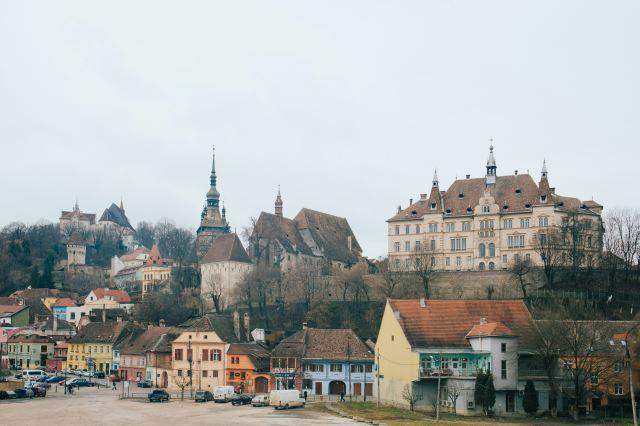
Sighisoara
Sighisoara rises above the Târnava Mare River as one of the few medieval citadels in Europe that is still lived in and admired today. Its historic center has been on the UNESCO World Heritage List since 1999, recognized for its long history as a fortified Saxon settlement and its role in trade and defense on the edges of central Europe. Wander through cobbled alleys framed by pastel-colored houses, and the layers of time feel close at hand, from the city walls and guild towers to busy cafés.