Newcastle
Newcastle is the capital of the Hunter Valley Region, in New South Wales. Lakes, beaches, rivers and bays, combine with lush countryside to make the Hunter region surrounding Newcastle almost unlimited in its appeal.

Salisbury
Salisbury, nestled in the heart of Wiltshire, England, is a city rich with history and charm. Dominated by the stunning Salisbury Cathedral, this medieval masterpiece boasts the tallest spire in the UK, reaching 123 meters (404 feet). The Cathedral houses one of the original copies of the Magna Carta, an essential document in English history. Visitors can explore the intricate Gothic architecture, serene cloisters, and the captivating Chapter House where the Magna Carta is displayed.
Wahiba Sands
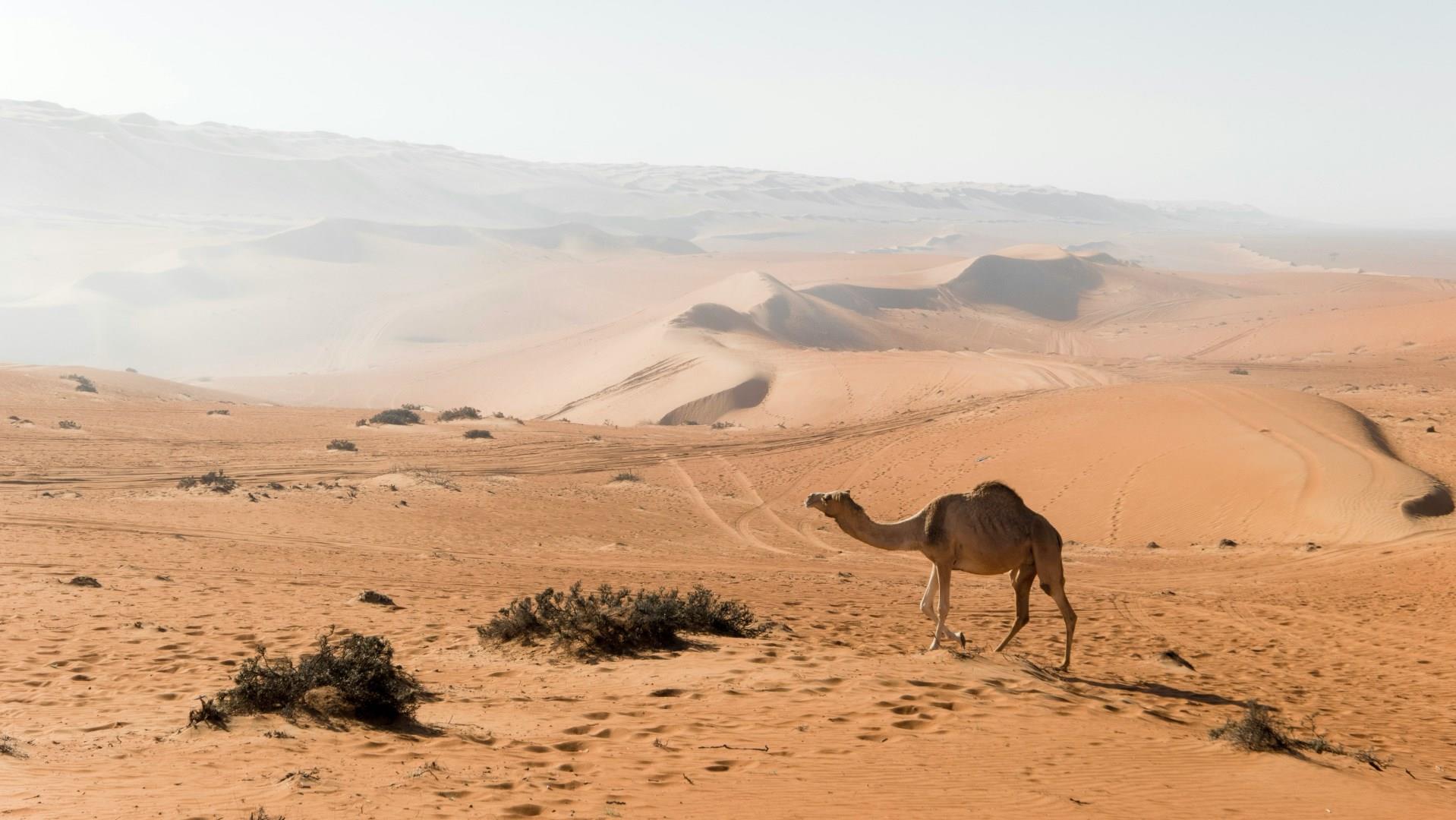
Stretching across central Oman, the Wahiba Sands offer a dramatic desert landscape of rolling dunes that shift in color with the changing light. This vast sea of sand is home to towering ridges and open plains, creating an otherworldly backdrop for exploration.
Wick
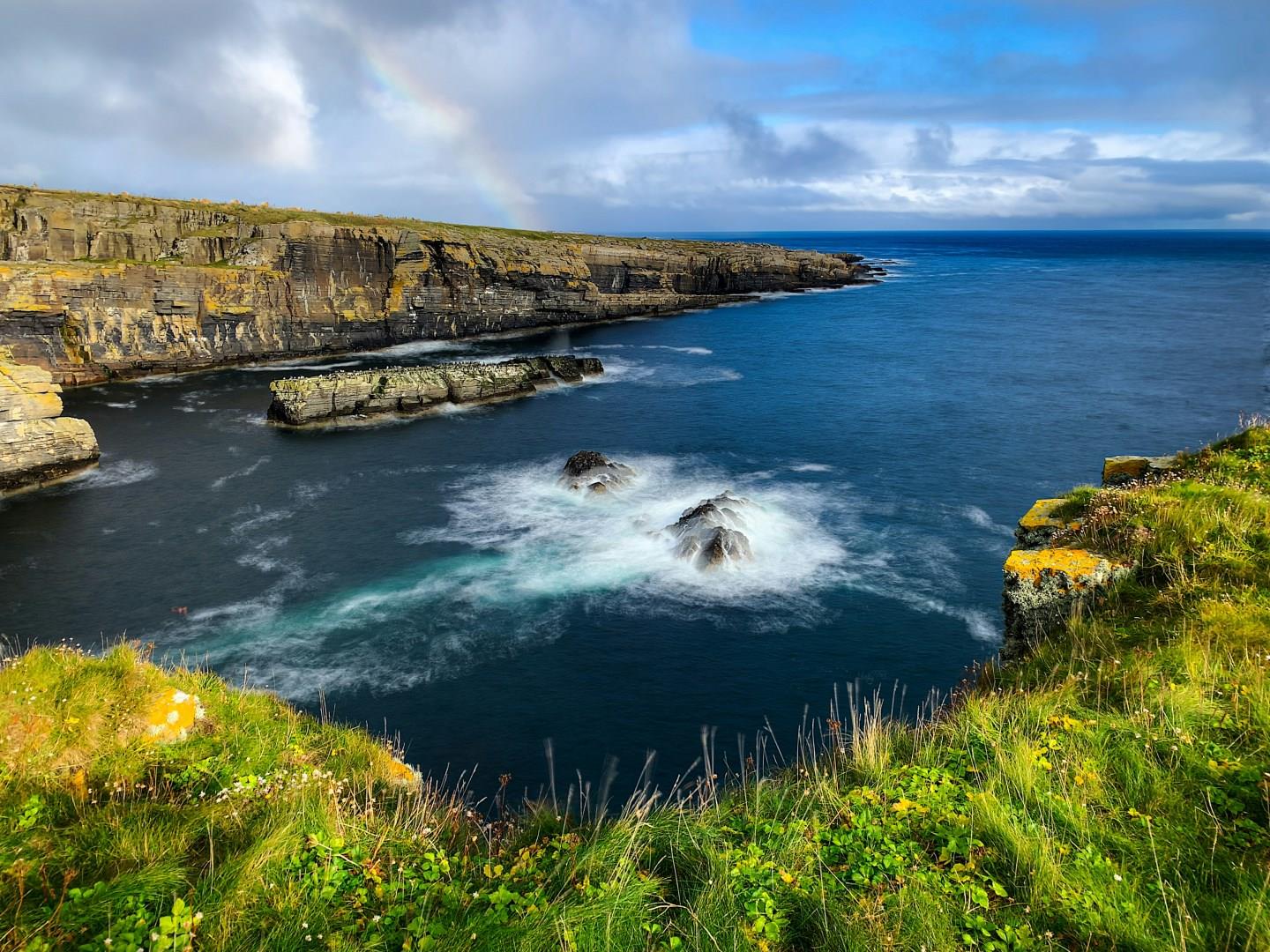
Wick’s location at the mouth of the River Wick provides a dramatic coastal setting, with cliffs, sandy beaches, and the North Sea stretching into the horizon.

Semarang
Semarang is a port city on the north coast of Java, shaped by centuries of trade, migration, and cultural exchange. As an important hub during the Dutch colonial period, it developed into a city where Javanese traditions intersect with European and Chinese influences.