
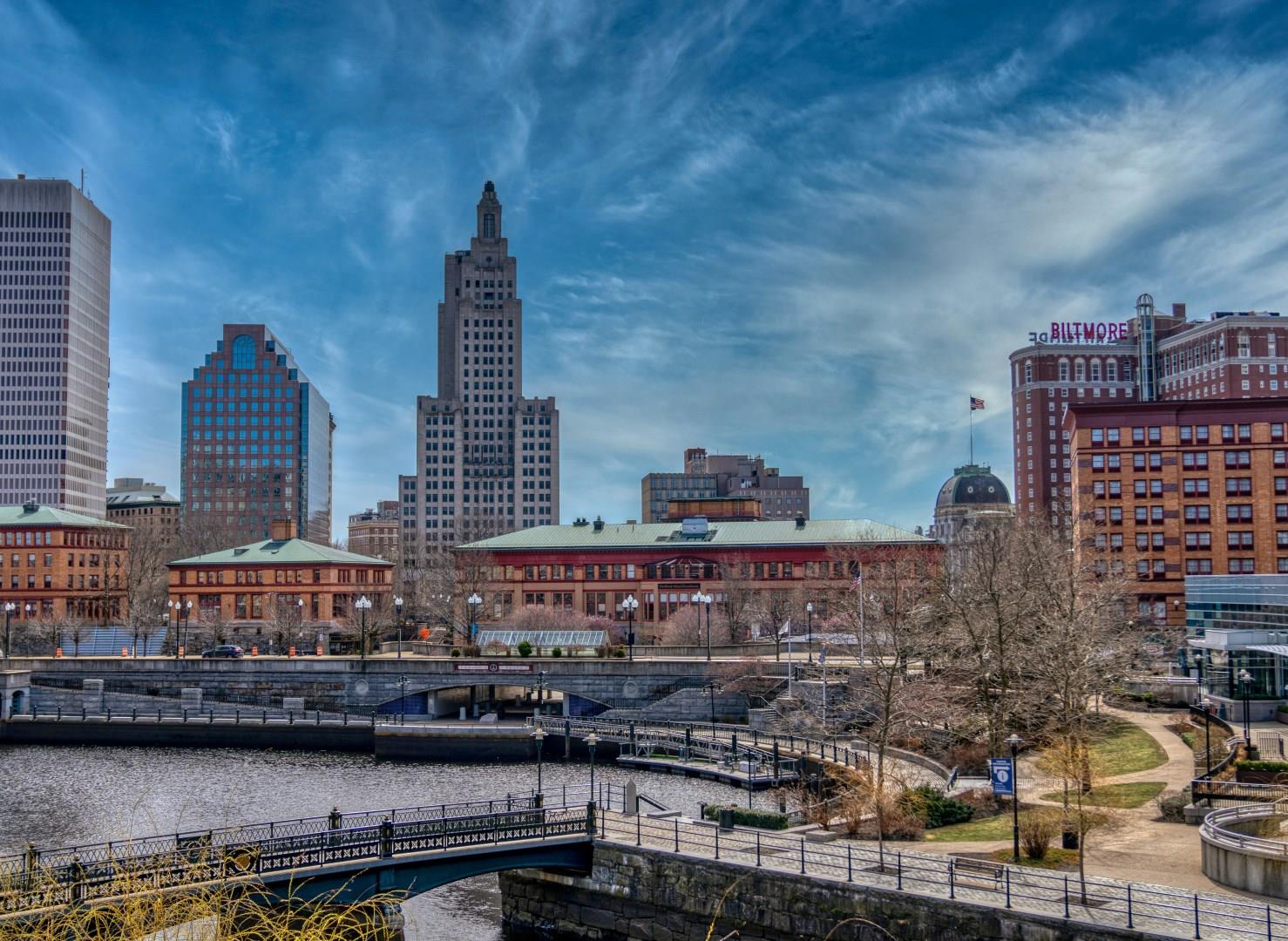
Providence
Providence, Rhode Island blends deep colonial roots with a strong creative pulse. Founded in 1636 by Roger Williams, the city became known for its dedication to religious freedom and independent thought. Walking along Benefit Street, visitors pass rows of 18th- and 19th-century homes, many of which are impeccably preserved and marked with historical plaques. The Rhode Island State House, with one of the world’s largest self-supported marble domes, towers over the downtown area and offers public
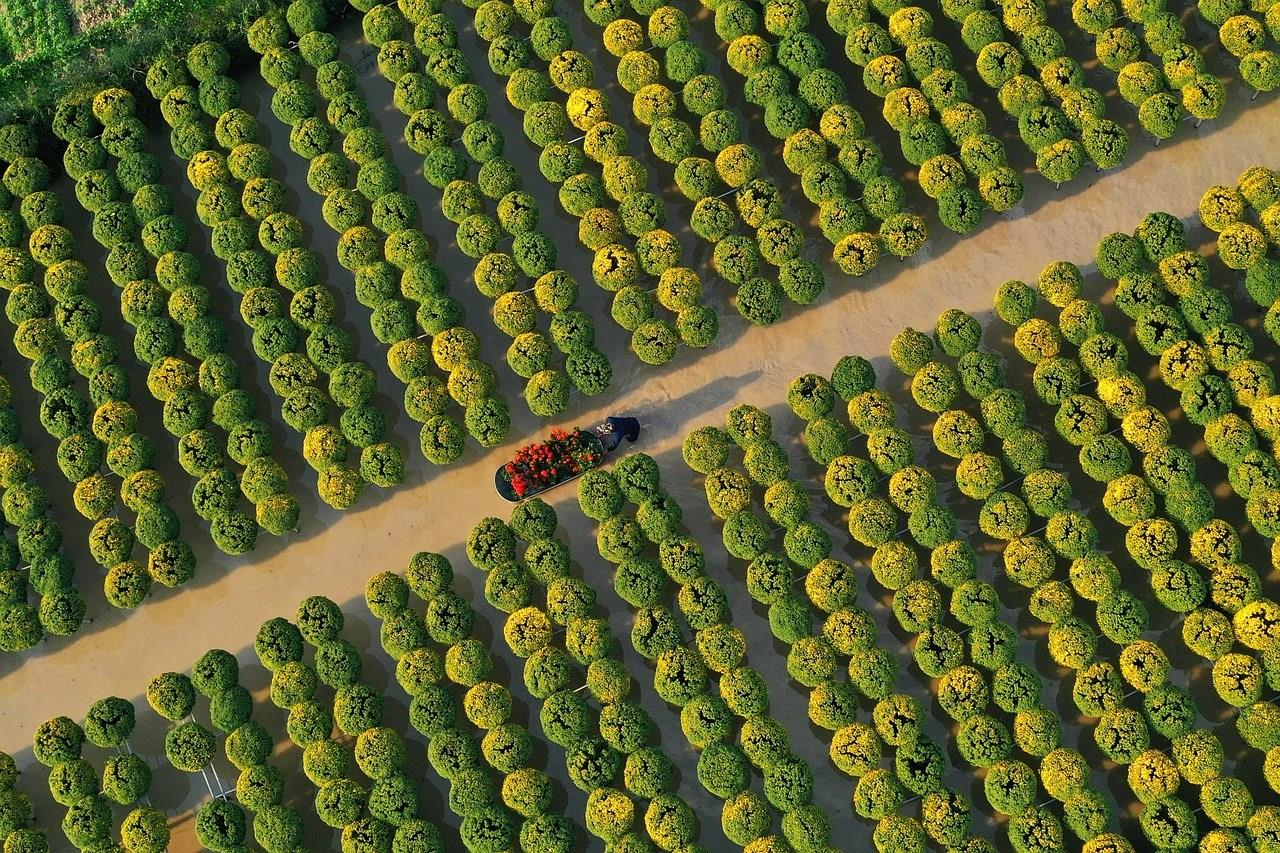
Sa Dec
A lesser-known river port in the Mekong Delta, Sa Dec was once the capital of Dong Thap province of southern Vietnam. Today, it is best known for its flower gardens and authentic bustling market. The city is also famous as the setting for French writer Marguerite Duras' 1984 novel, The Lover, and its 1991 film adaptation of the same name.

Taormina
Taormina, with its hilltop location above the Ionian Sea, is easily one of Italy's most beautiful places. As it's packed with people in the summertime, recommended months to visit include April and September.

Canary Islands
The Canary Islands, a Spanish archipelago off the northwest coast of Africa, offer far more than just sunshine and beaches. Made up of eight main islands, each with its own personality, the Canaries are a place where lunar landscapes, cloud forests, volcanic peaks, and historic towns coexist within short travel distances. On Tenerife, Mount Teide looms over a landscape of solidified lava and craters that look like a science fiction set.
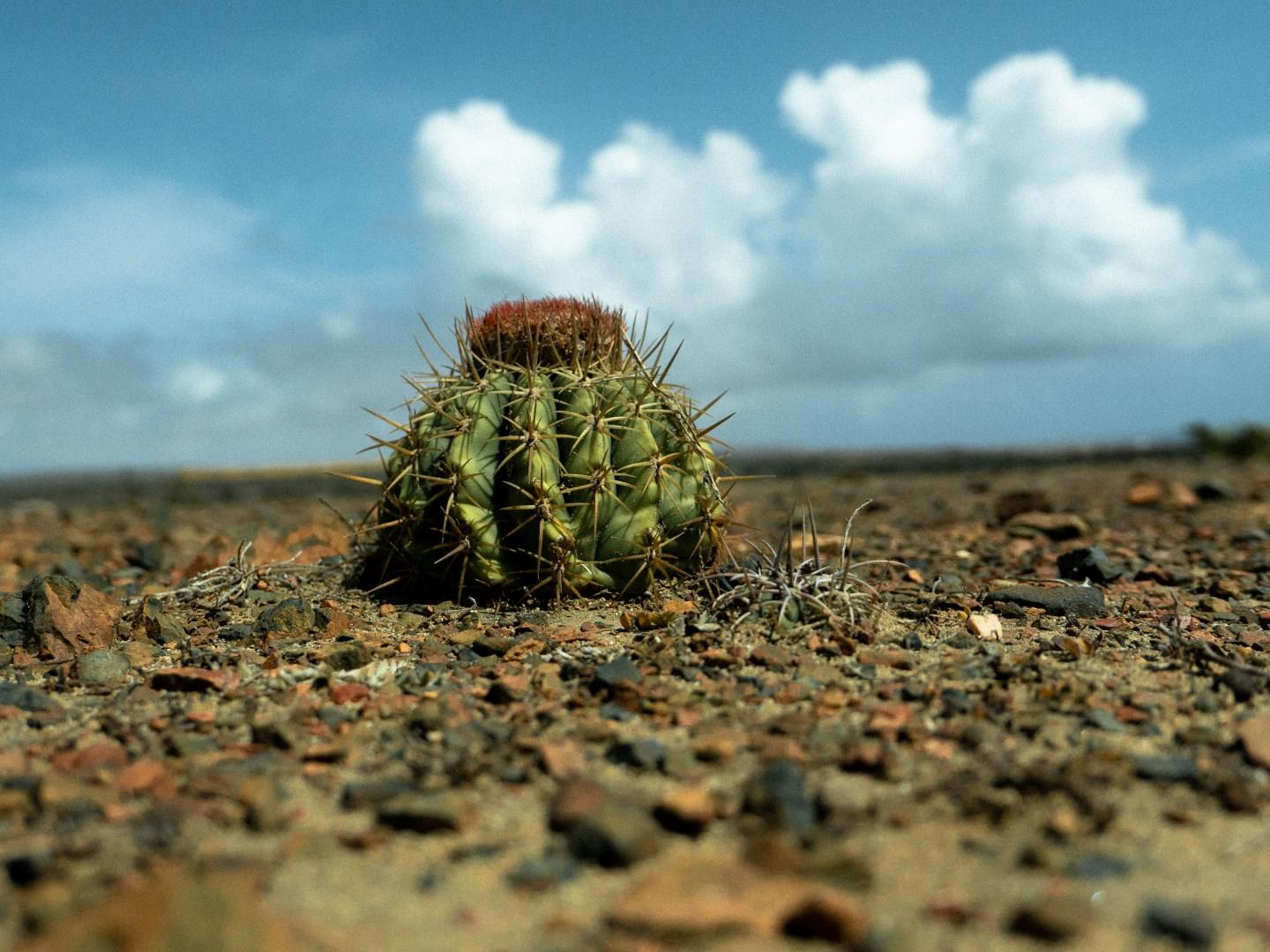
Arikok National Park
Arikok National Park, covering nearly 20% of Aruba, is a striking showcase of the island’s rugged landscapes, cultural history, and biodiversity. Unlike the postcard image of Aruba’s white-sand beaches, Arikok reveals a wilder side, with windswept hills, desert-like terrain, and dramatic limestone cliffs meeting the sea.


