Tunis
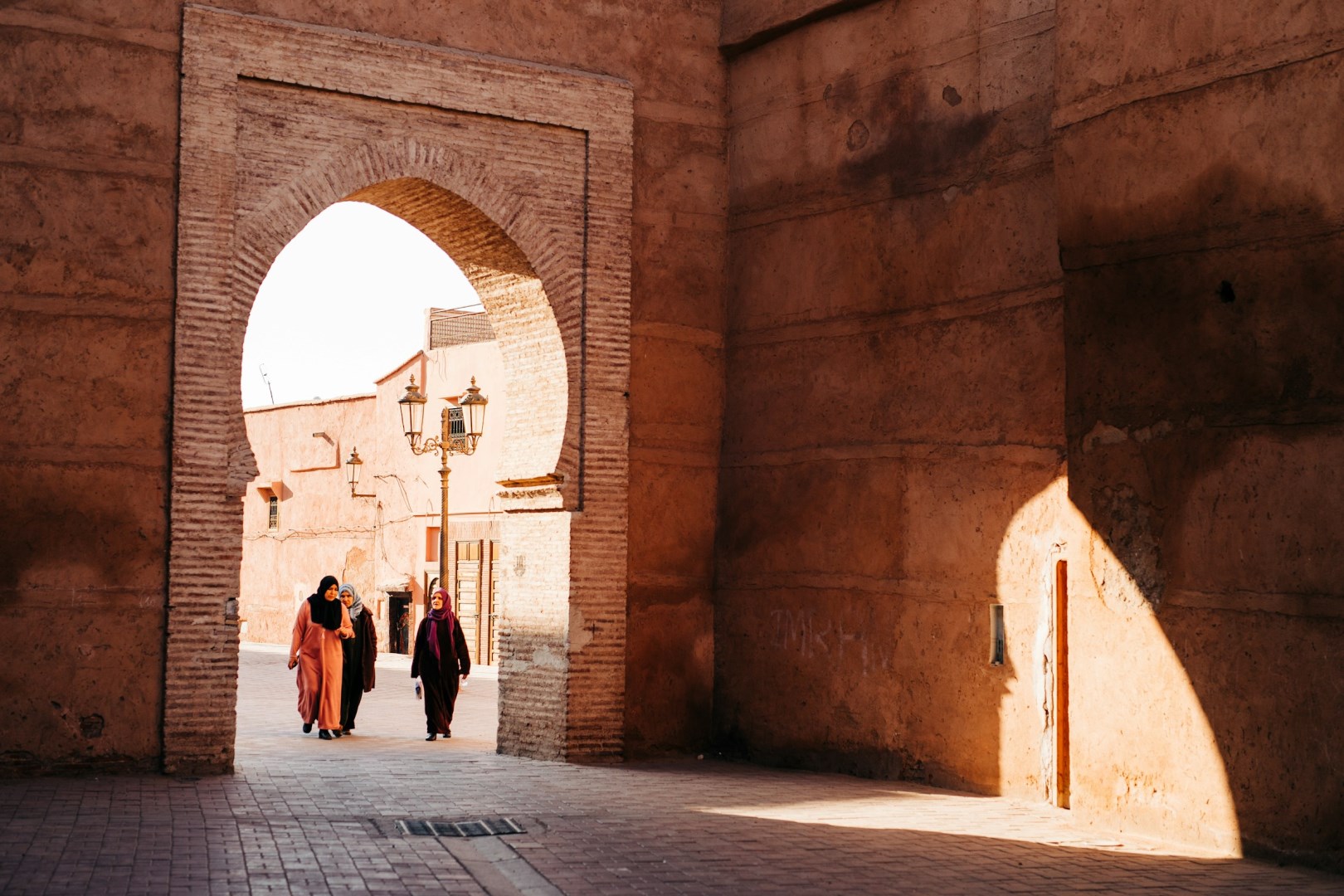
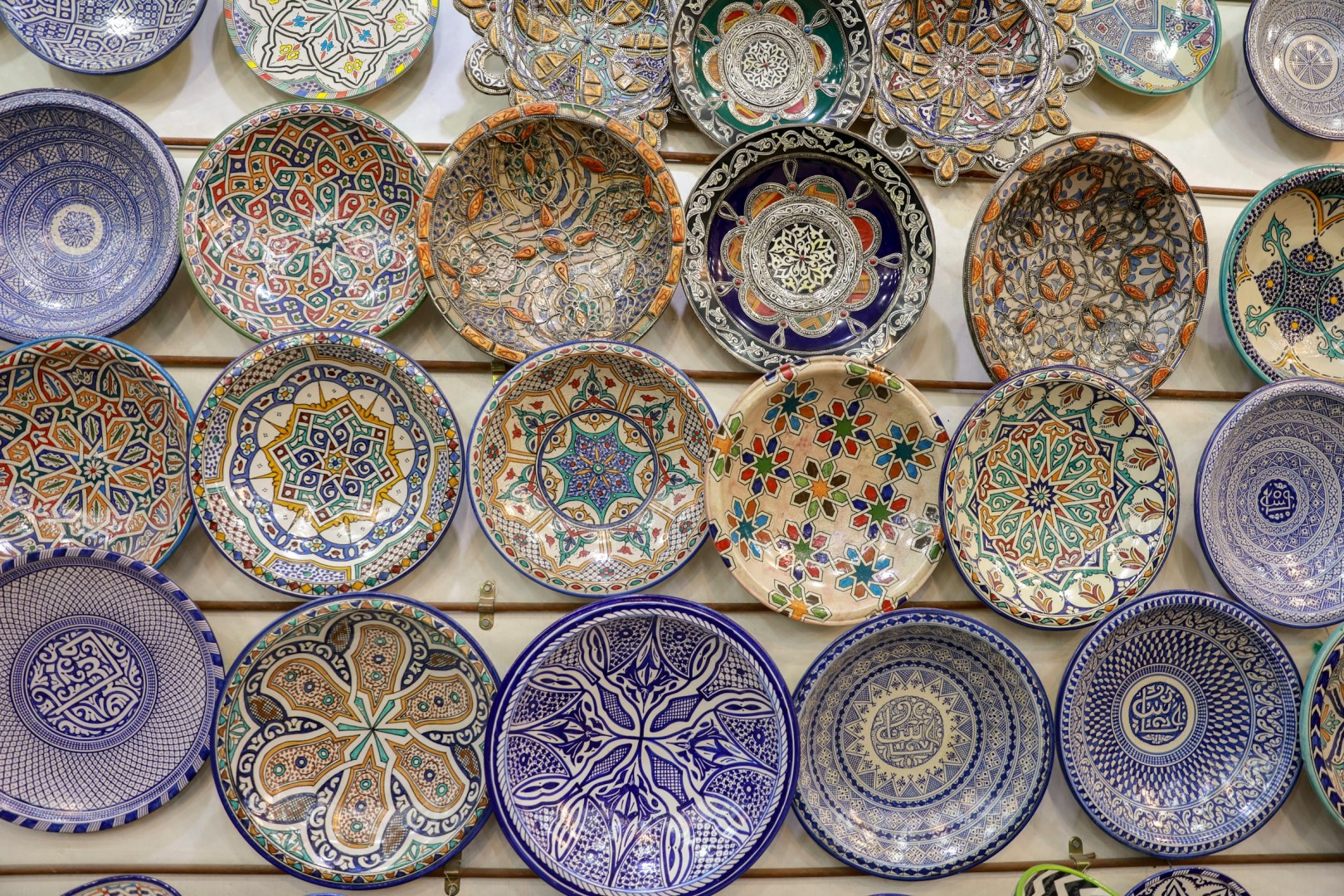
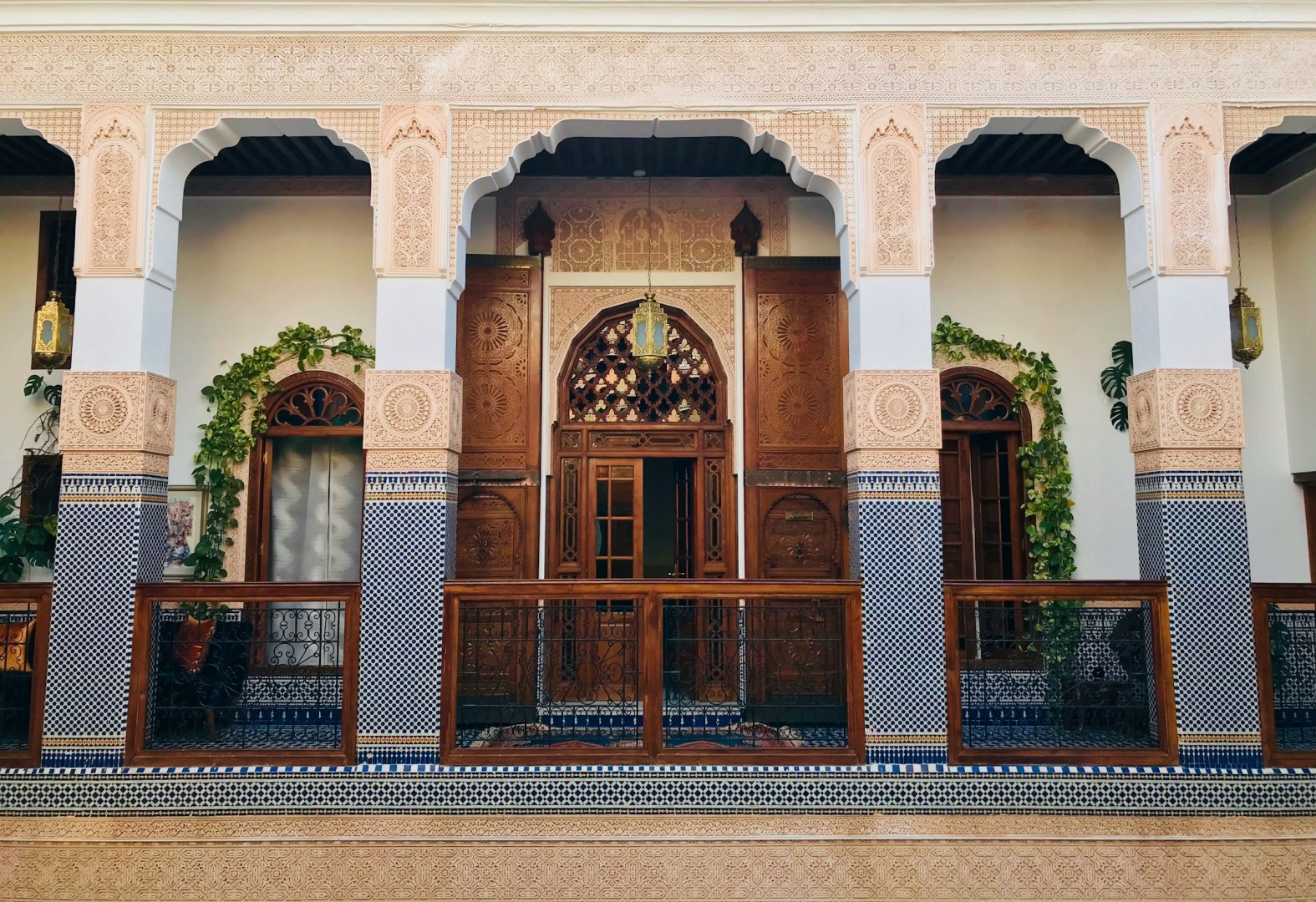
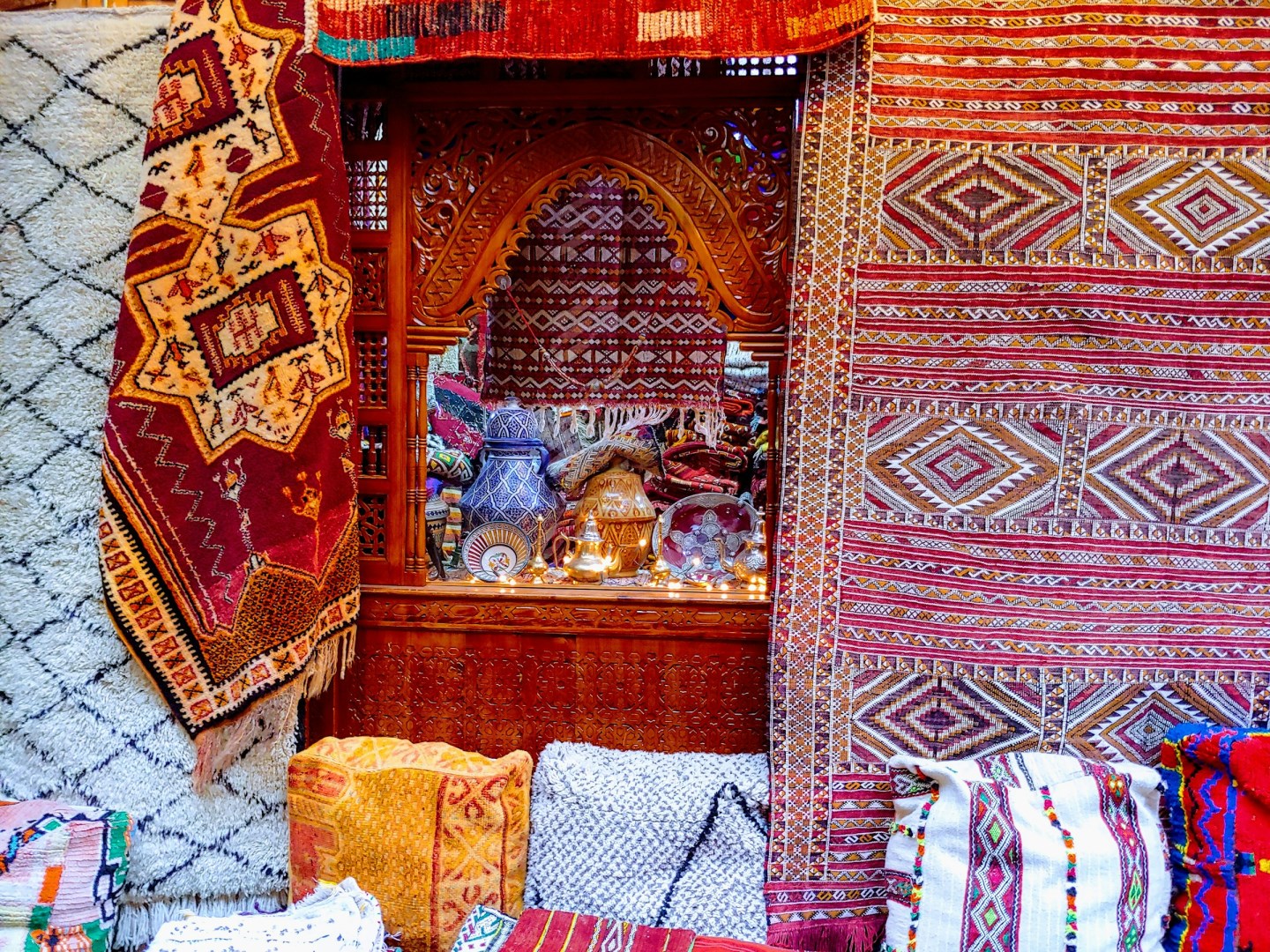
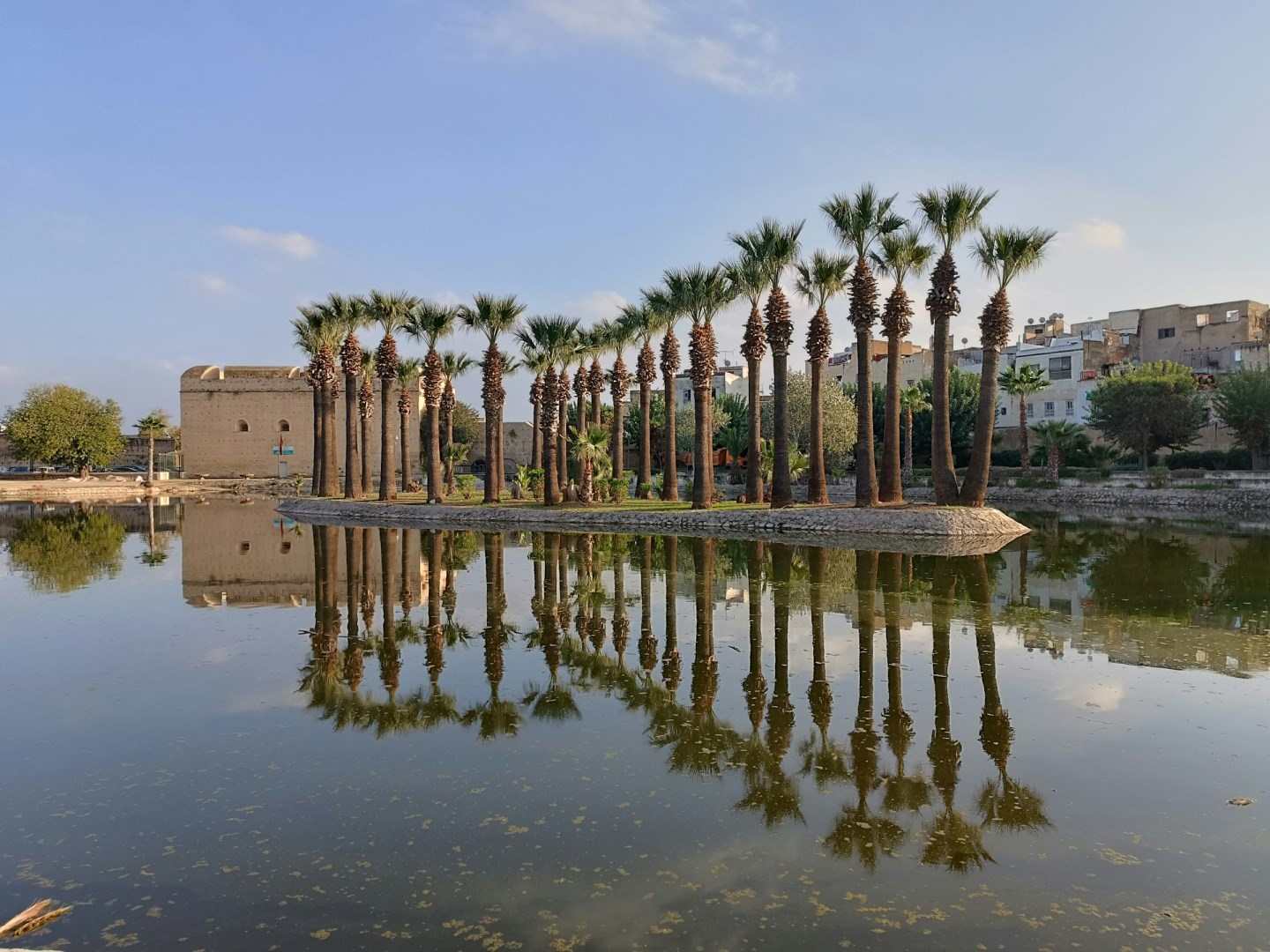
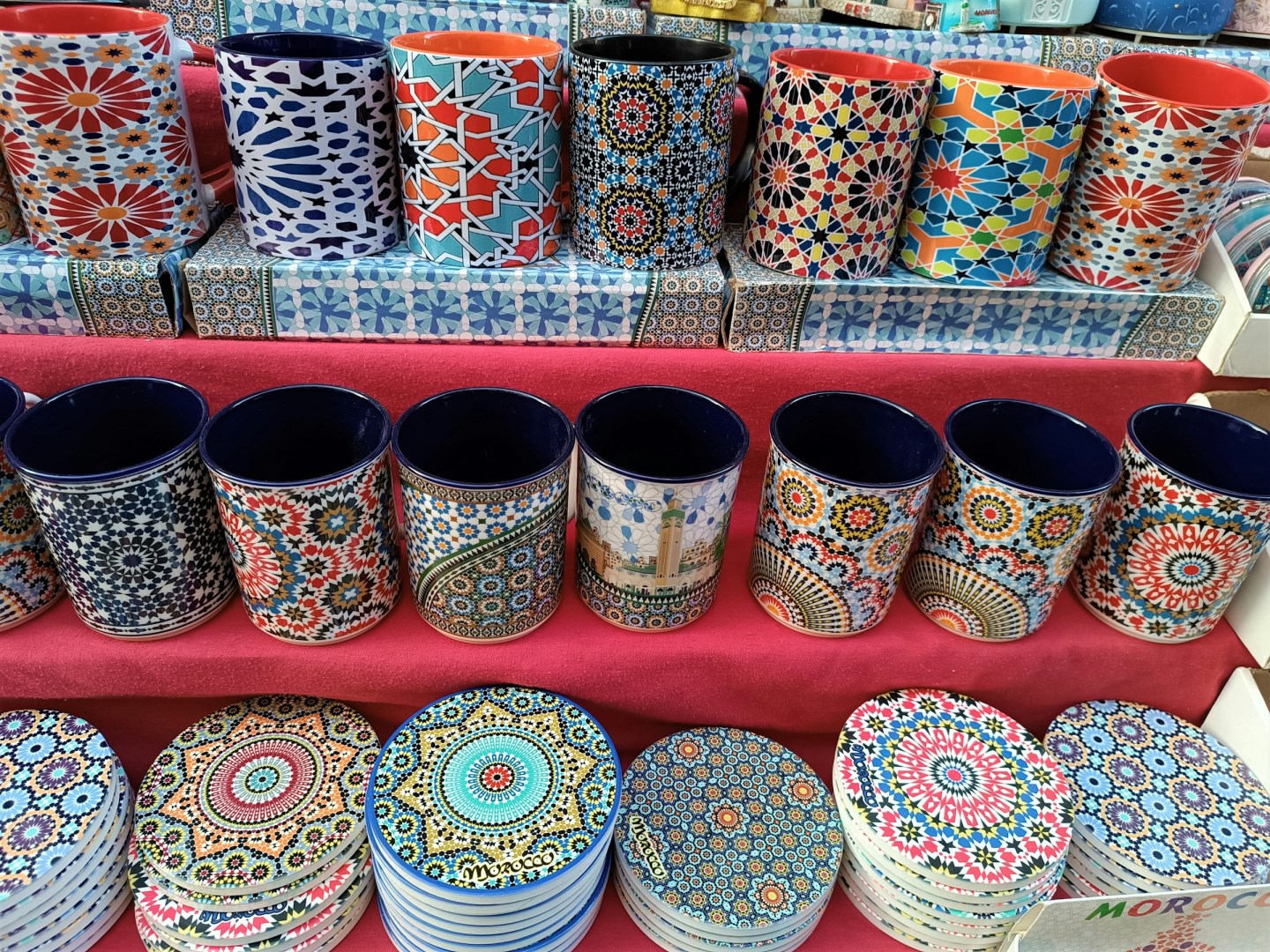
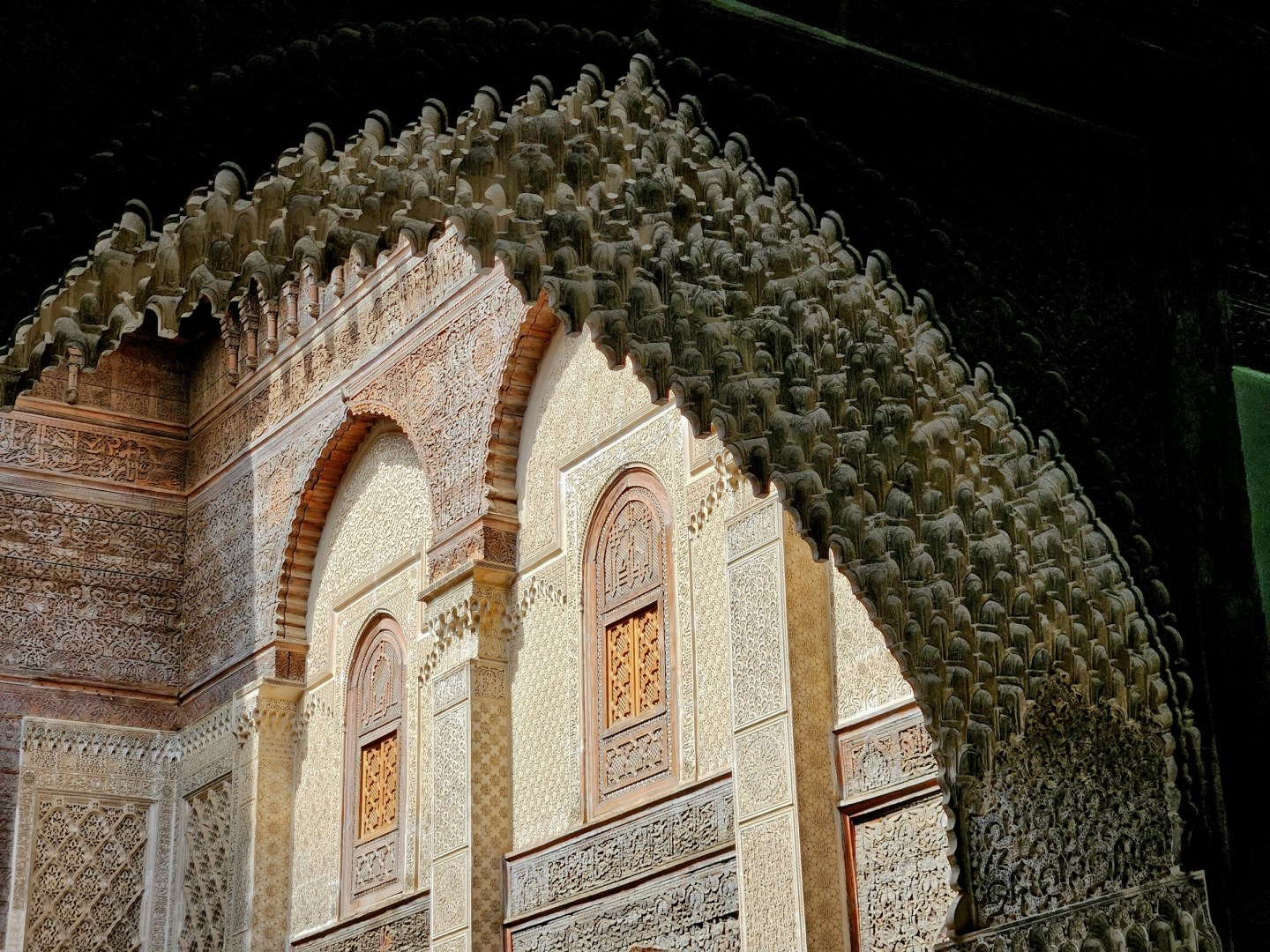
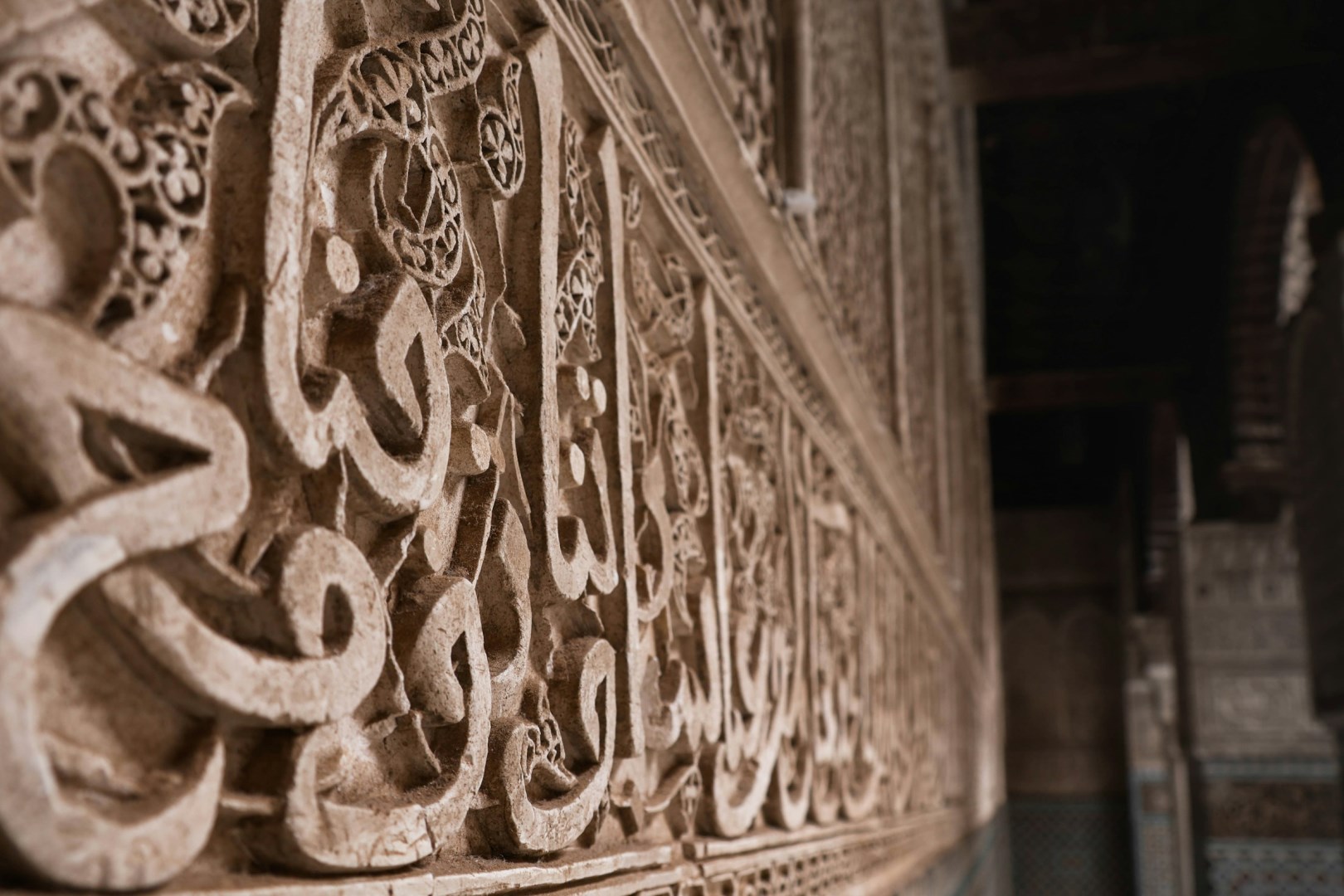
Tunis' white-washed, blue-shuttered buildings hide a treasure trove of Arabic and Ottoman art. Inspect illuminated manuscripts from the Koran, follow the twists and turns of the fascinating old Medina (inner city), marvel at the ornate Palace of Dar Ben Abduallah and the magnificent Djamaa-Ez-Zitouna Mosque, whose 184 columns were "recycled" from the rocky ruins of Carthage.
New Castle
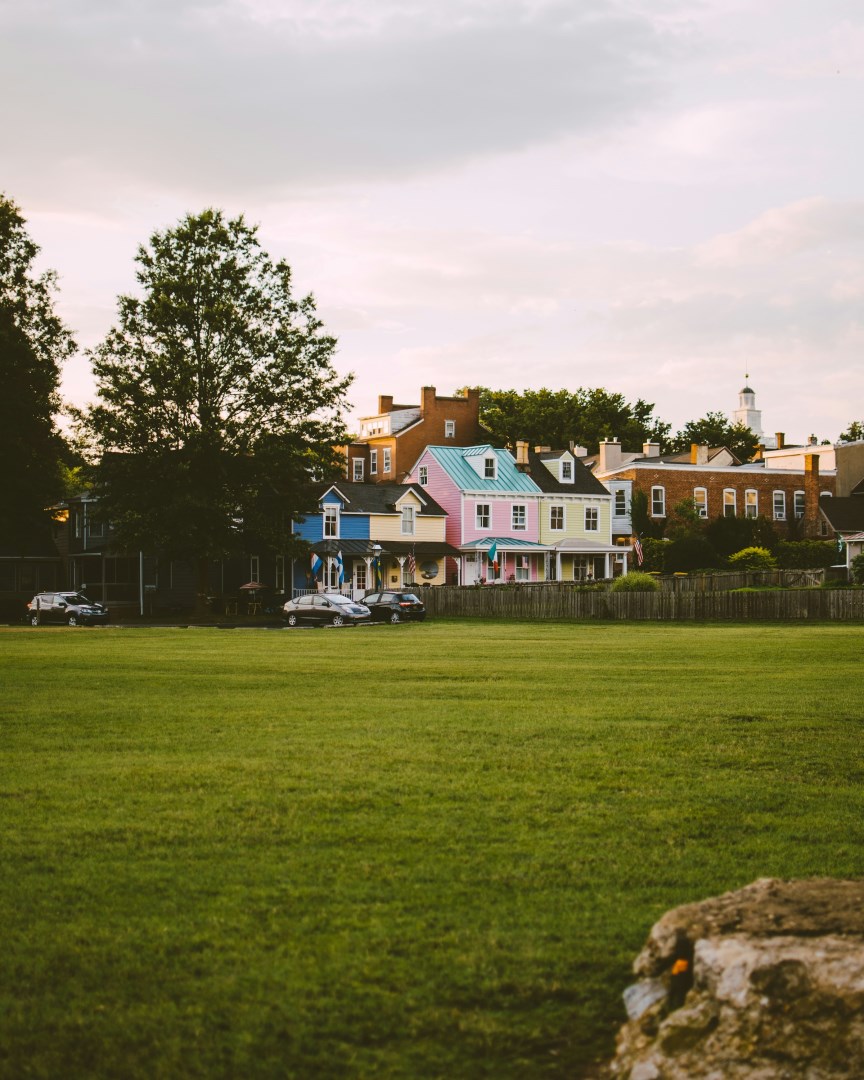
New Castle, Delaware, is a hidden gem for history lovers and anyone seeking a picturesque, colonial-era experience along the Delaware River. Founded in 1651 by the Dutch, New Castle boasts an impressive collection of well-preserved 17th and 18th-century buildings that tell the story of early American history.
Larnaca
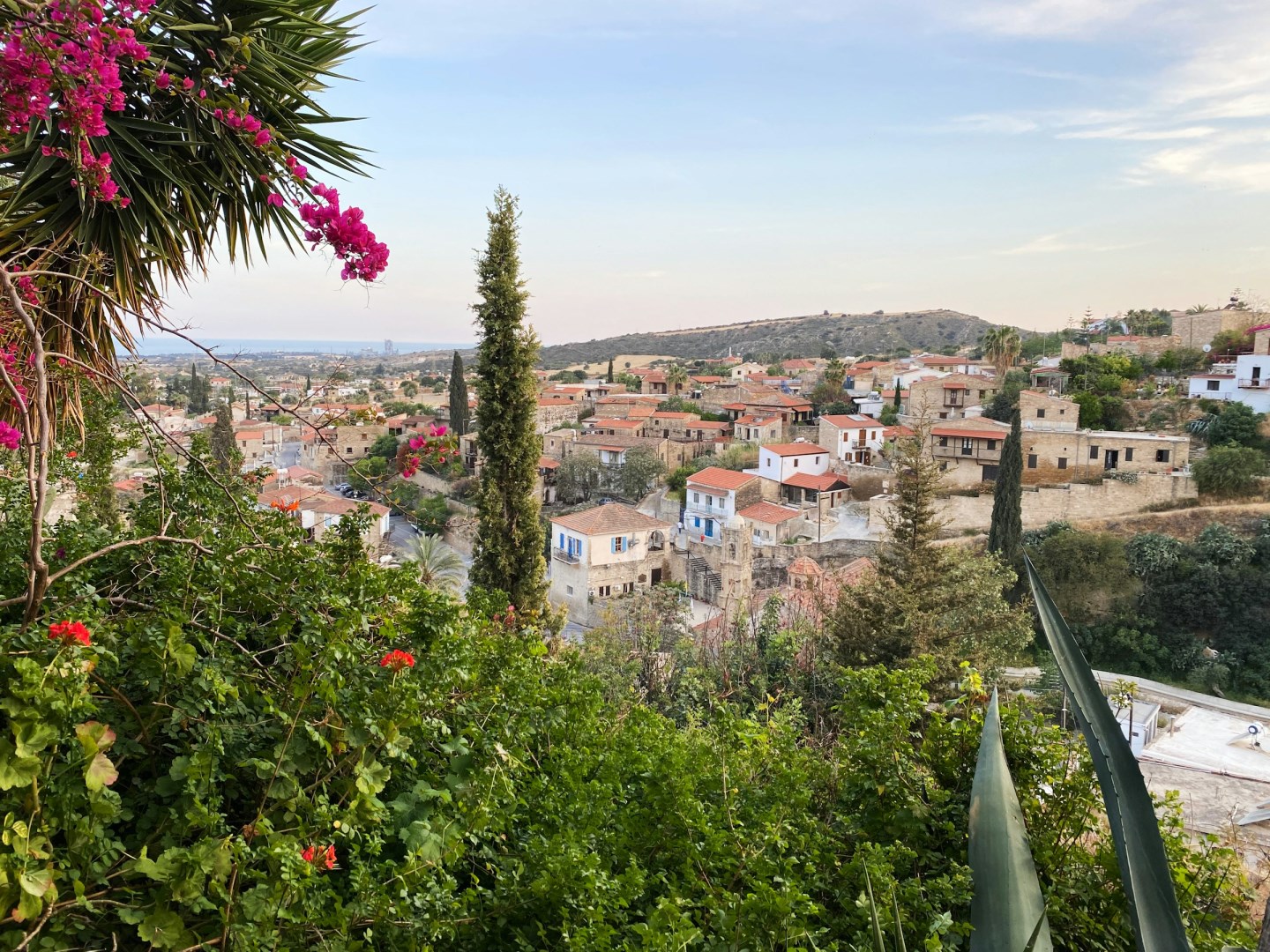
Larnaca is a coastal city in southeastern Cyprus, built around a broad bay on the Mediterranean Sea. It is one of the island's main urban centers and combines a long waterfront, sandy beaches, historic neighborhoods, and archaeological sites. The palm-lined Finikoudes promenade runs beside the central beach and continues toward the old harbor and medieval castle.

Šibenik
Sibenik, located on Croatia's stunning Adriatic coast, is a hidden gem that blends rich history with a vibrant atmosphere. The town's cobblestone streets and captivating architecture, including the famous Cathedral of St. James, offer a glimpse into its storied past. Visitors can explore the medieval St. Michael's Fortress, which provides panoramic views of the city and sea.
Carlsbad
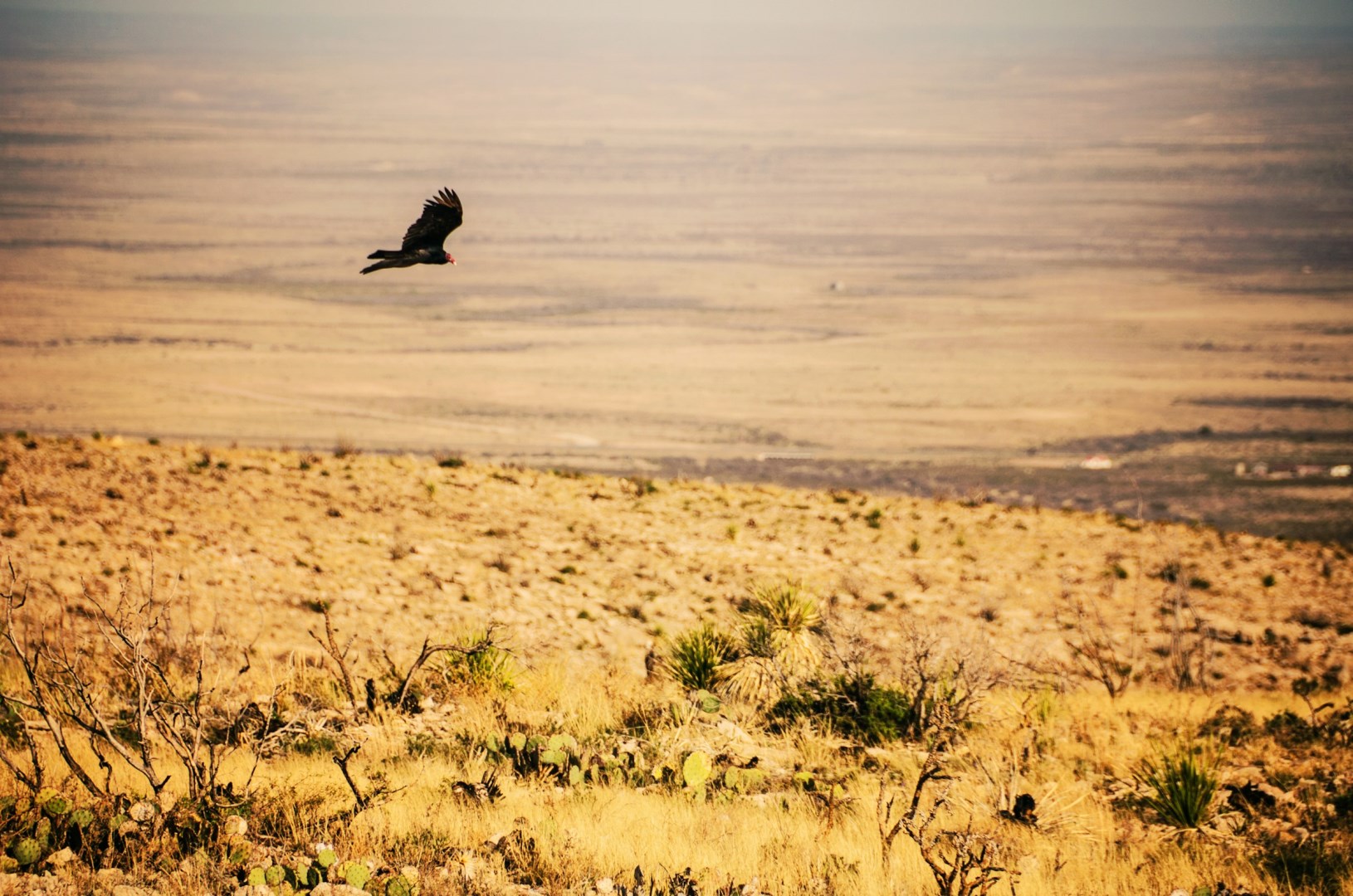
Carlsbad is the gateway to the famous Carlsbad Caverns National Park and the Guadalupe Mountains National Park. Carlsbad offers a variety of outdoor recreation, and its location on the Pecos River opens the door to great fun on the water. This friendly small city is a wonderful place to visit.