
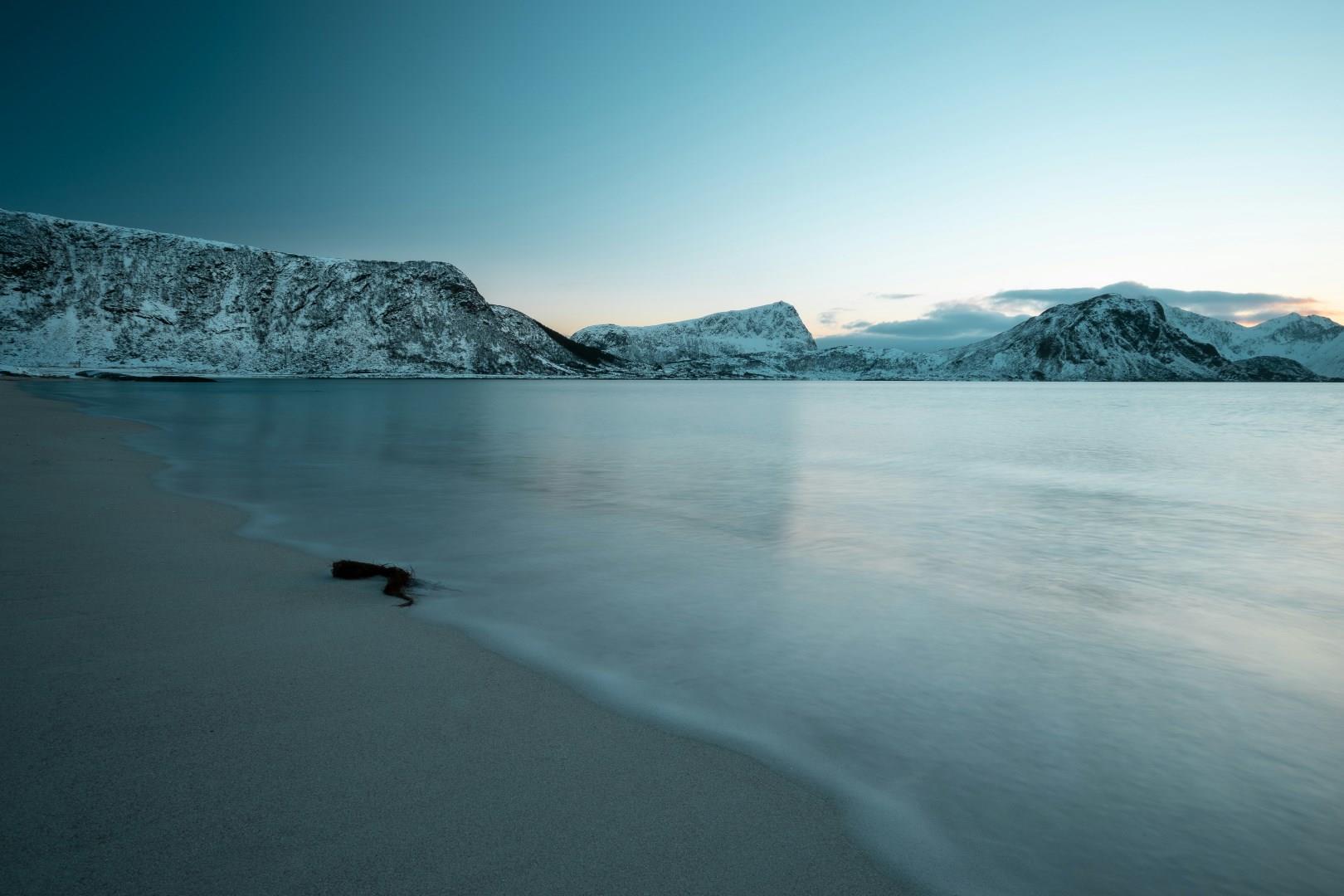
Leknes
Leknes sits in the heart of Norway’s Lofoten Islands, a small town shaped more by geography than by long urban history. It developed as a regional hub for farming, fishing, and transport, serving surrounding villages spread across Vestvågøy. Rather than presenting a preserved past, Leknes reflects contemporary life in the north, practical and closely tied to seasonal rhythms.

Symi
Symi, a charming island in the Dodecanese, Greece, offers a picturesque escape with its striking neoclassical architecture and vibrant Mediterranean colors. The town of Symi, a designated protected cultural heritage site, is renowned for its beautifully preserved pastel-colored mansions that line the harbor.

Mâcon
Mâcon is a riverside town in the Saône et Loire department of southern Burgundy, set where the Saône River curves gently through the countryside. Walking through the town naturally leads visitors from the riverfront toward its historic streets, where the past seems to linger in every corner. In the heart of Mâcon’s historic district, pedestrians find streets lined with notable sites.

Qatar
Qatar invites discovery through both its modern ambition and traces of its desert heritage. In Doha, the Museum of Islamic Art, designed by I. M. Pei, rises over the waterfront to display centuries of calligraphy, ceramics, textiles, and metalwork. Nearby, the National Museum of Qatar presents the nation's story through exhibits and architecture shaped like the desert rose. Each space offers both insight and reflection.

Walvis Bay
Walvis Bay, set along Namibia’s Atlantic coast, is a vibrant port town where desert and ocean converge in striking contrast. Once under German and later South African administration, the bay has long been valued for its deep natural harbor, which remains central to Namibia’s fishing and shipping industries today.


