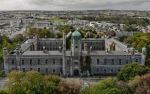
Albania
Albania offers travelers a surprising and diverse experience shaped by centuries of influence. Visitors can explore the ancient city of Butrint, a UNESCO World Heritage Site with Greek, Roman, Byzantine, and Venetian ruins set against a lagoon. In Berat and Gjirokastër stone houses stack along steep hillsides, giving visitors the sense of walking through a living museum. These towns offer an authentic window into daily Albanian life.
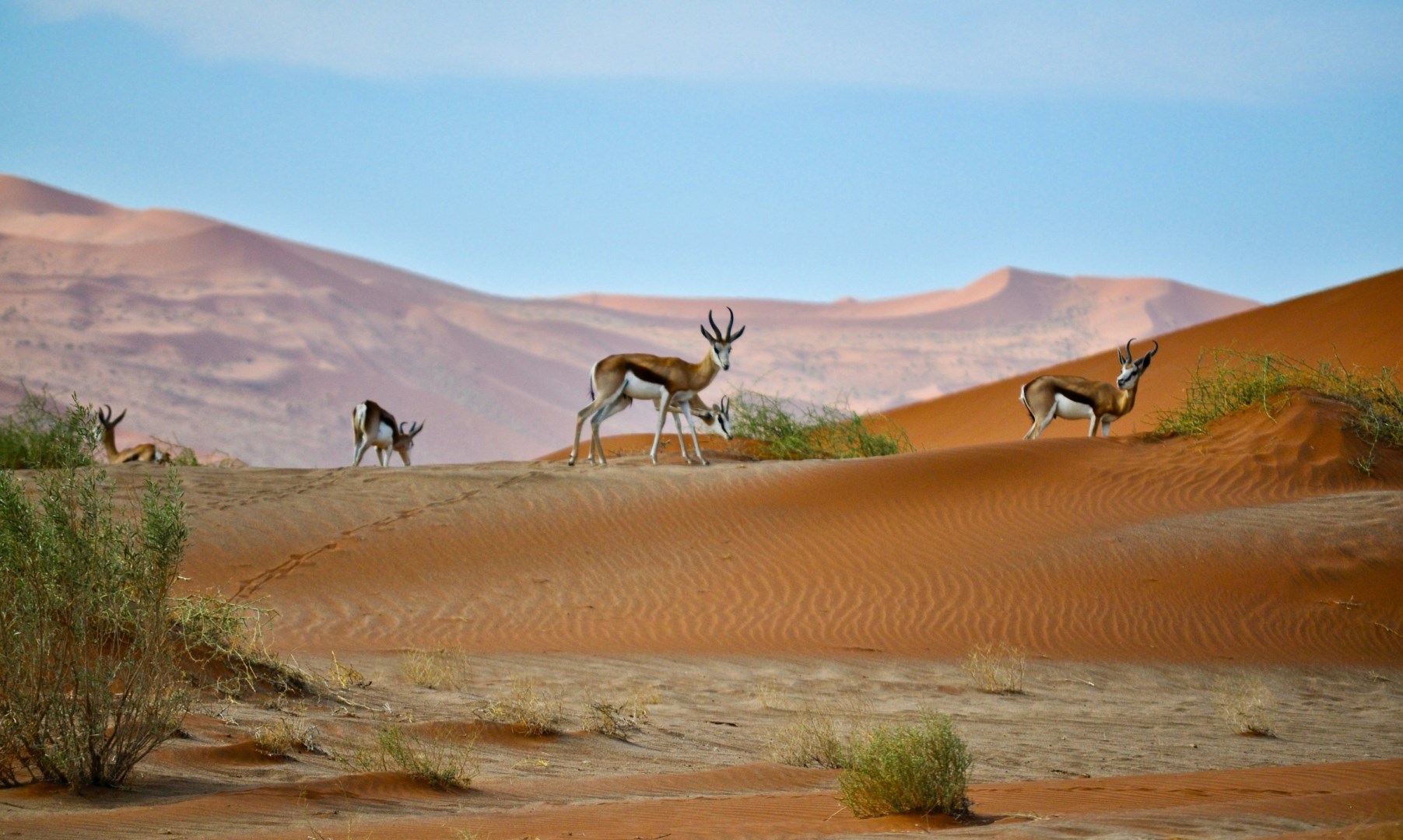
Sesriem
Sesriem, located in the heart of Namibia’s Namib Desert, serves as the gateway to the world-famous Sossusvlei and Deadvlei, two of Namibia’s most iconic landscapes. The dramatic red dunes of the Namib Desert, some of the highest in the world, are an awe-inspiring sight, particularly at sunrise when the light casts long shadows, creating an otherworldly contrast of colors.
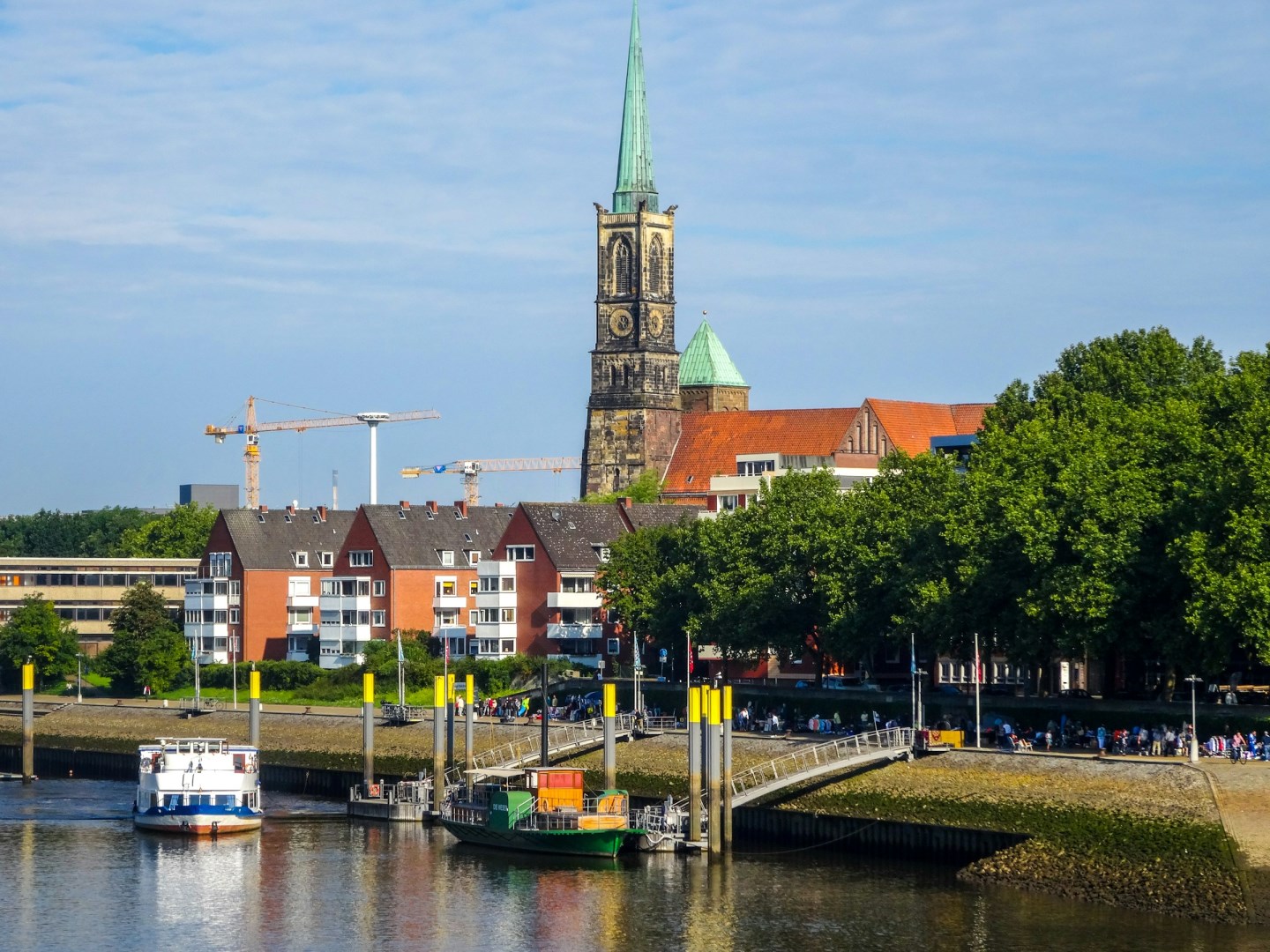
Bremen
In Bremen's oldest quarter, the Schnoor district, little 15th and 16th century houses are lined up shoulder to shoulder. Found in its charming twisting lanes are artists' studios, goldsmiths' workshops and galleries. Past and present flow seamlessly together in Bremen. This is prominently demonstrated by delightful Böttcherstrasse - a unique, world-famous architectural ensemble.

Alice Springs
Alice Springs, located in the heart of Australia’s Red Centre, is a town deeply connected to the desert landscapes and Aboriginal culture that define the region. Long an important meeting place for the Arrernte people, it remains a center of Indigenous art and traditions, with galleries and cultural institutions showcasing some of the world’s most renowned Aboriginal artworks and stories.
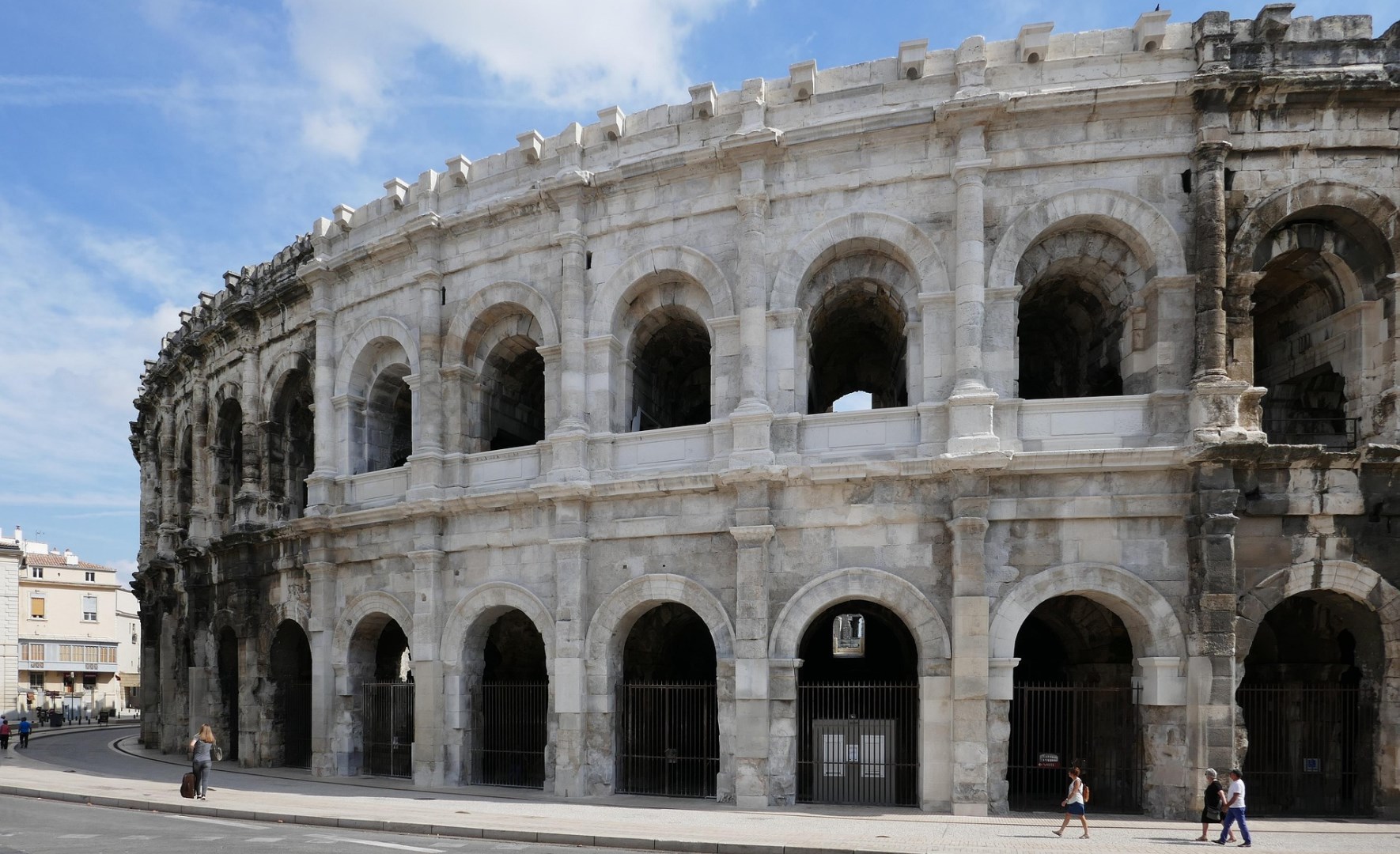
Nîmes
Located among the calcareous plateaus covered with Mideterranean scrub and alluvial deposites from the coastal plains, Nîmes appears as a city with various faces. First and foremost, the city is known as the 'French Roma', because of its famous history and its well conserved antique monuments. Nîmes is also, for many 'aficionados', the 'French Madrid'.