Oaxaca, nestled in the heart of southern Mexico, is a city where ancient traditions and vibrant culture thrive. Renowned for its rich history and indigenous heritage, Oaxaca offers a unique blend of pre-Columbian, colonial, and modern influences. The city's historic center, a UNESCO World Heritage site, is a testament to its past, featuring stunning colonial architecture such as the Santo Domingo de Guzmán Church, a masterpiece of Baroque art.
San Jose is the capital city of Costa Rica and is located in the province of San Jose, which is in the Central Valley. The city is surrounded by high green mountains. There are numerous museums as well as art galleries, theaters, exhibitions, parks and garden in the city. All regions in Costa Rica are accessible from the capital city of San Jose, which makes its an ideal starting point for touring the country.
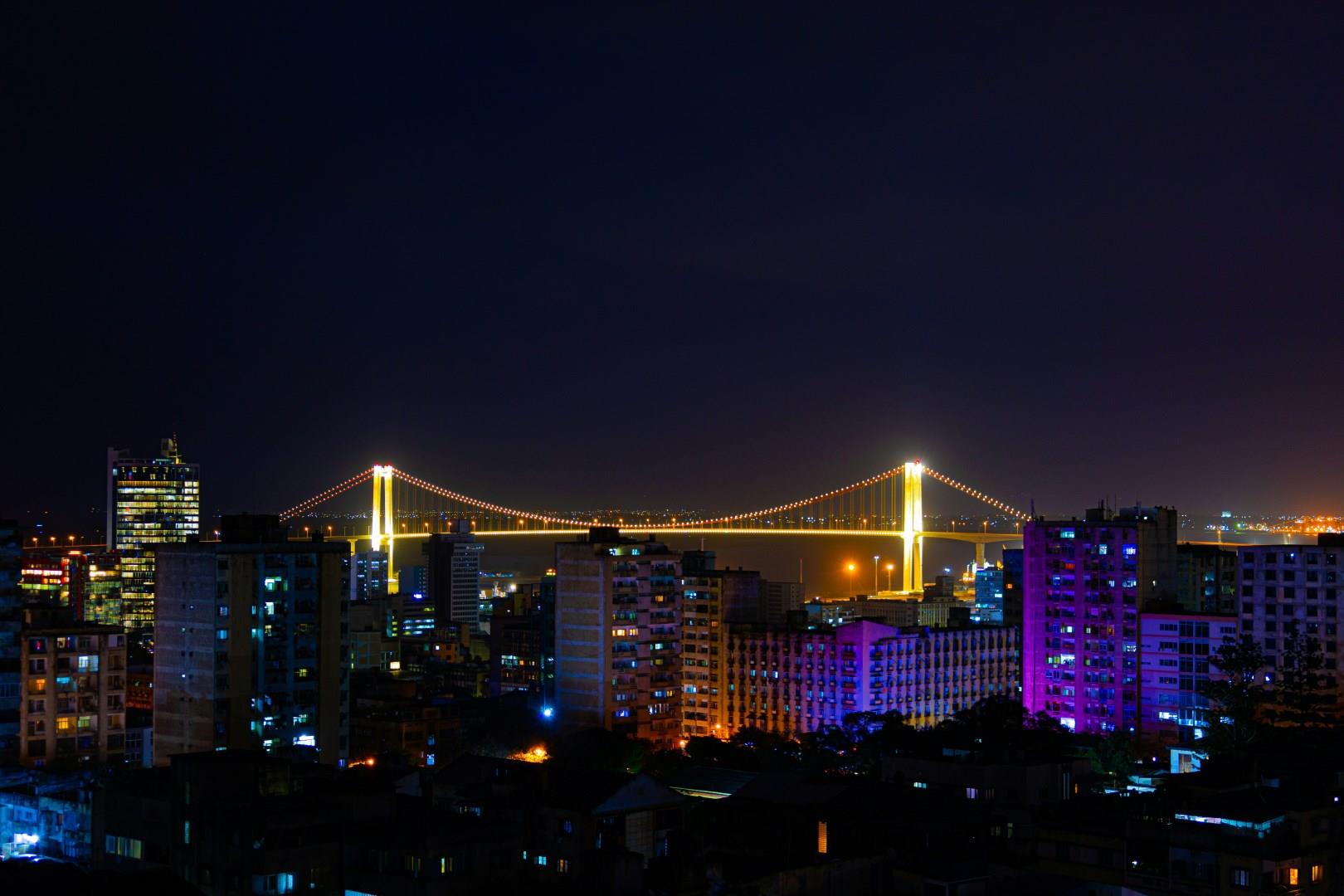
Lagos, Nigeria’s largest city and economic hub, is located on the country’s southwestern coast along the Atlantic Ocean. It is a bustling metropolis where modern skyscrapers and commercial centers meet historic neighborhoods and lively markets.
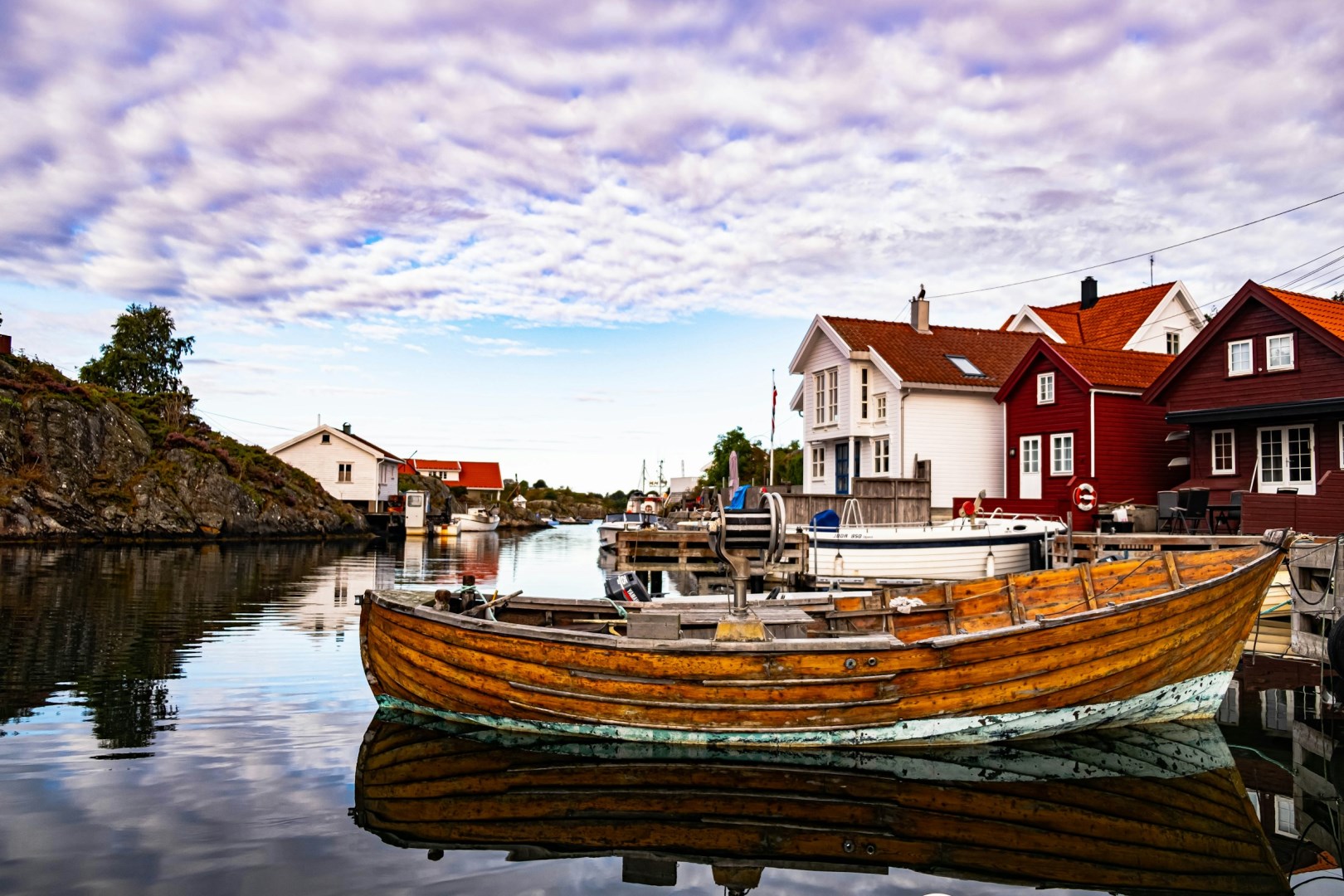
Jūrmala, Latvia’s famed seaside resort, stretches along 33 kilometers of white sandy beaches kissed by the Baltic Sea. Its wooden architecture, featuring colorful villas from the early 20th century, tells the story of its history as a retreat for the well-to-do during the Russian Empire. Visitors strolling the Jomas Street promenade will find a lively atmosphere filled with cafes, boutiques, and galleries, alongside peaceful spots where the sea breeze encourages relaxation.
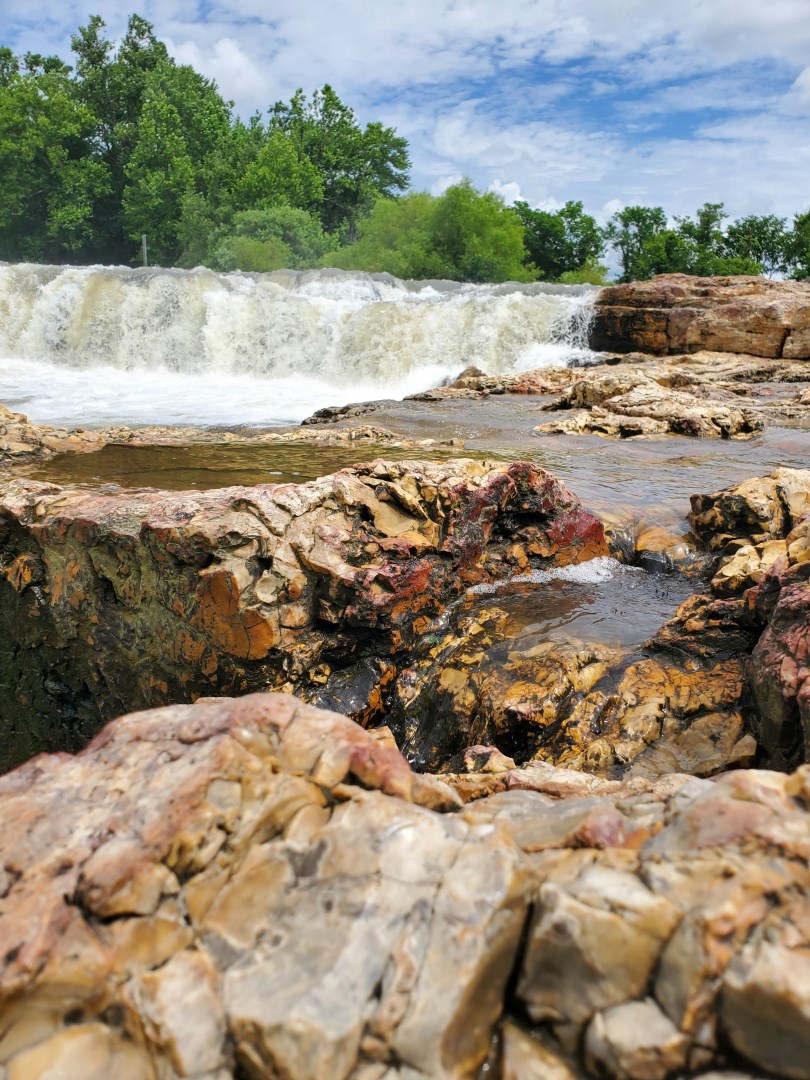
Together with neighboring Glacier National Park in the United States, Waterton Lakes National Park is part of the world's first international Peace Park, which was recognized as a UNESCO World Heritage Site in 1955. The Waterton-Glacier Peace Park protects an important biological crossroads where the Rocky Mountains reach their narrowest width. Waterton's bedrock is much older than that of the mountains to the north found in Jasper and Banff.
Photo Credit: Photo by Dahlia E. Akhaine on Unsplash
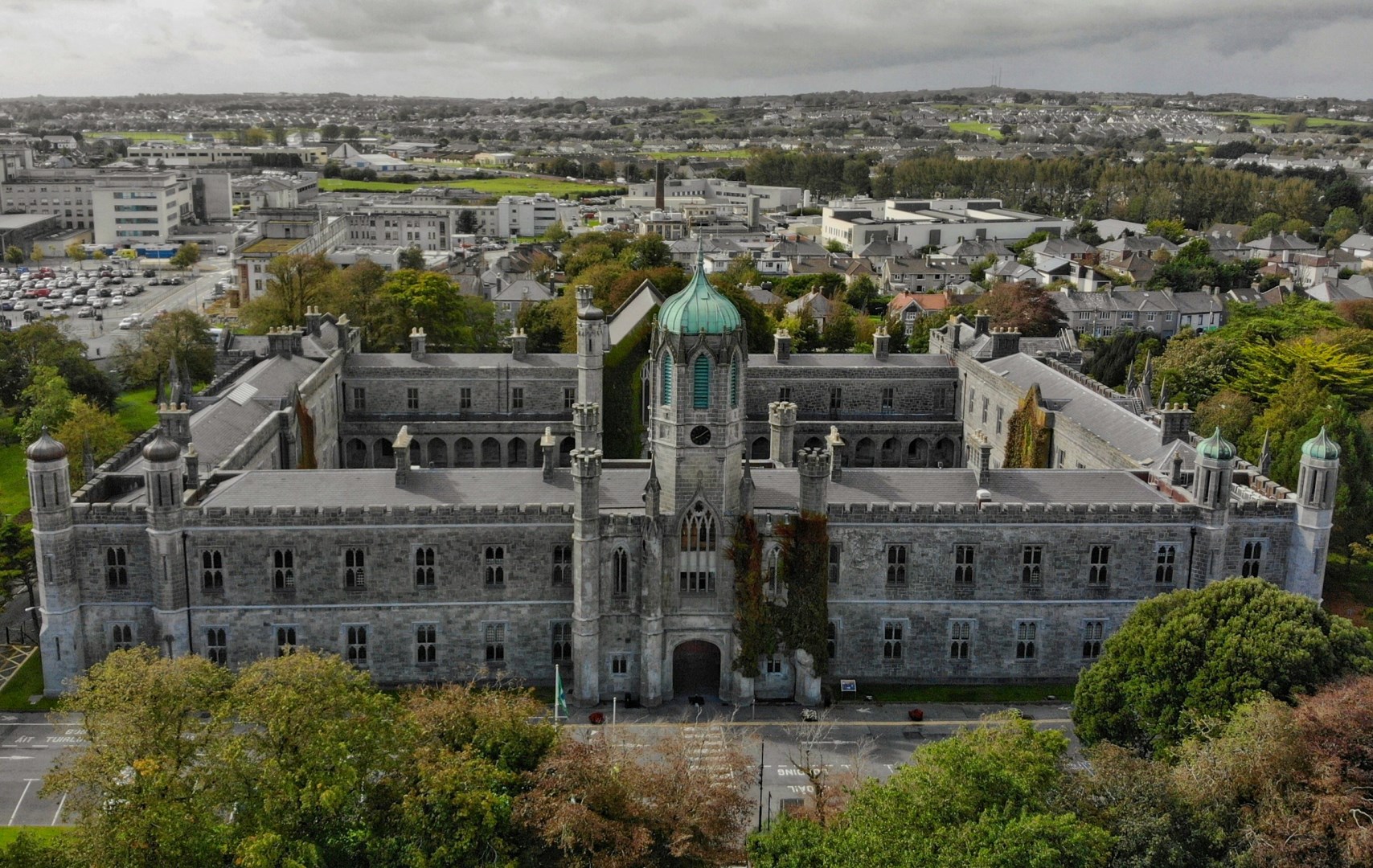
National University of Ireland
Photo Credit: Photo by James Jones on Unsplash
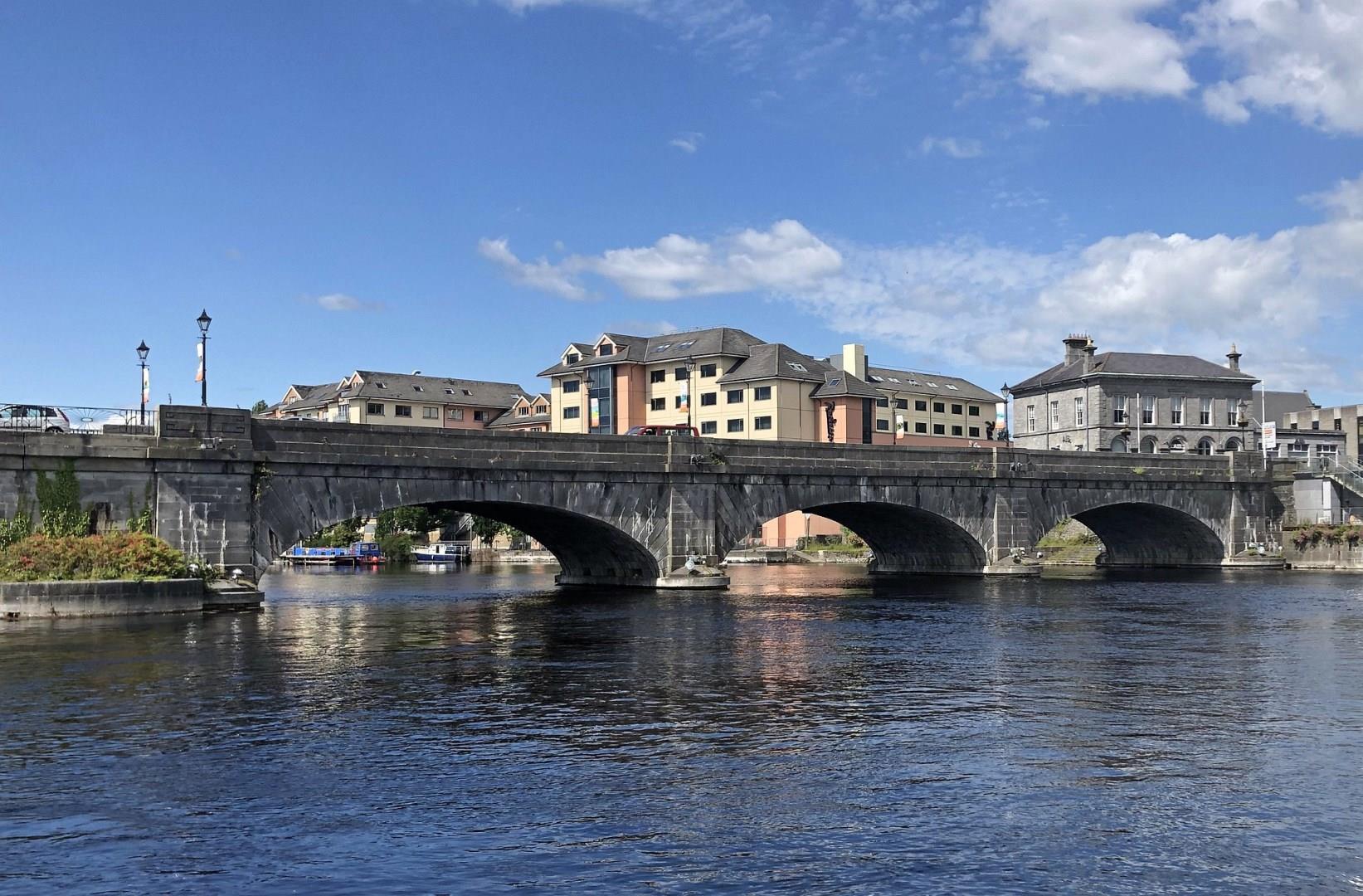
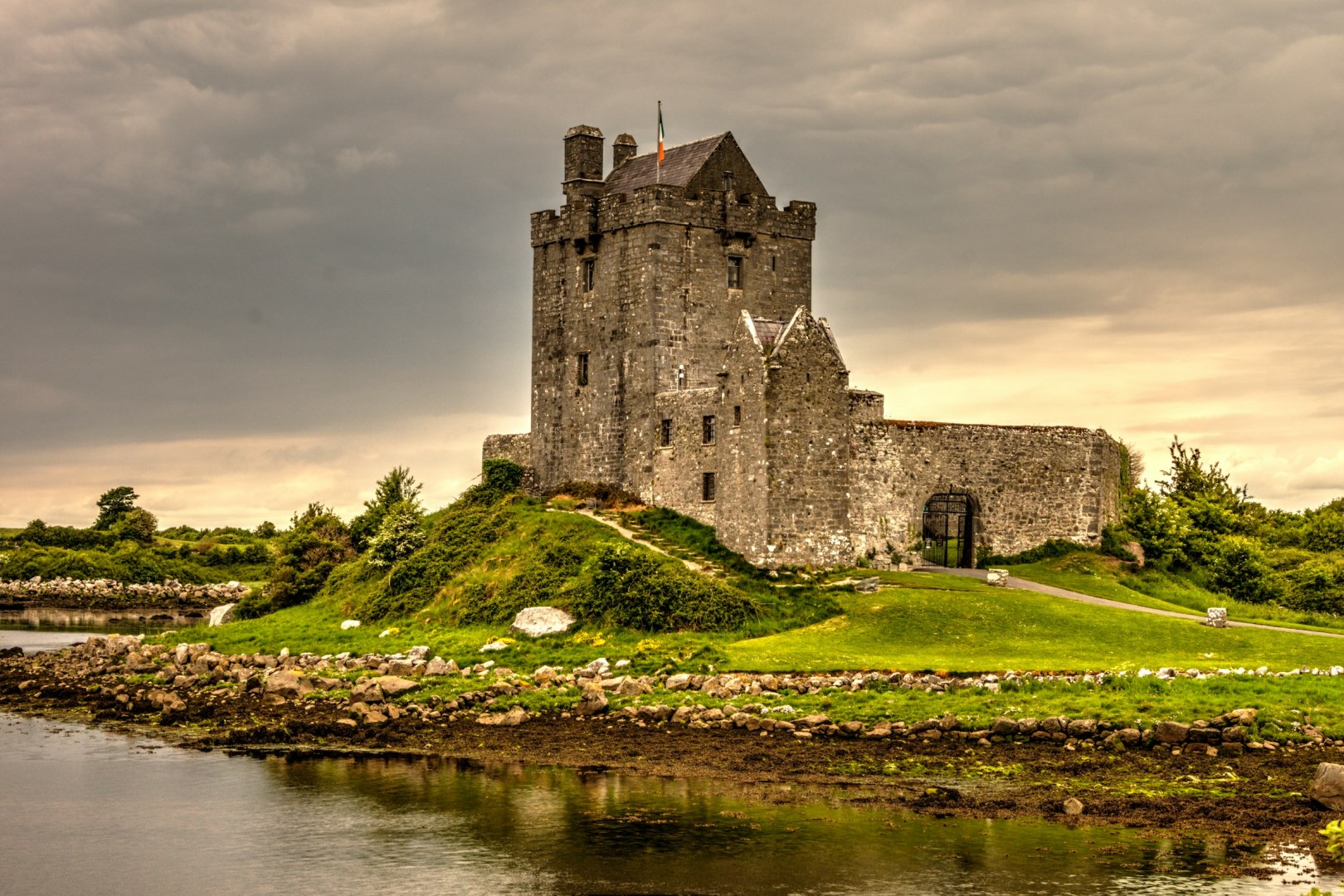
Galway, on Ireland's picturesque west coast, offers a vibrant blend of culture, history, and natural beauty that enchants visitors from around the world. This historic city, often referred to as the "City of the Tribes," was shaped by the seven tribes that dominated it during the medieval period. The city's lively atmosphere is a fusion of traditional Irish charm and modern creativity, evident in its colorful streets and dynamic cultural scene.
Stroll through the bustling Quay Street and discover an array of charming shops, lively pubs, and cozy restaurants. The area's vibrant market and street performers add to its festive ambiance, making it a perfect spot to soak up Galway's unique spirit. Nearby, the Galway Cathedral, a stunning example of neo-Romanesque architecture, stands majestically on the banks of the River Corrib. Its interior, adorned with colorful mosaics and intricate stonework, is a testament to the city's rich artistic heritage.
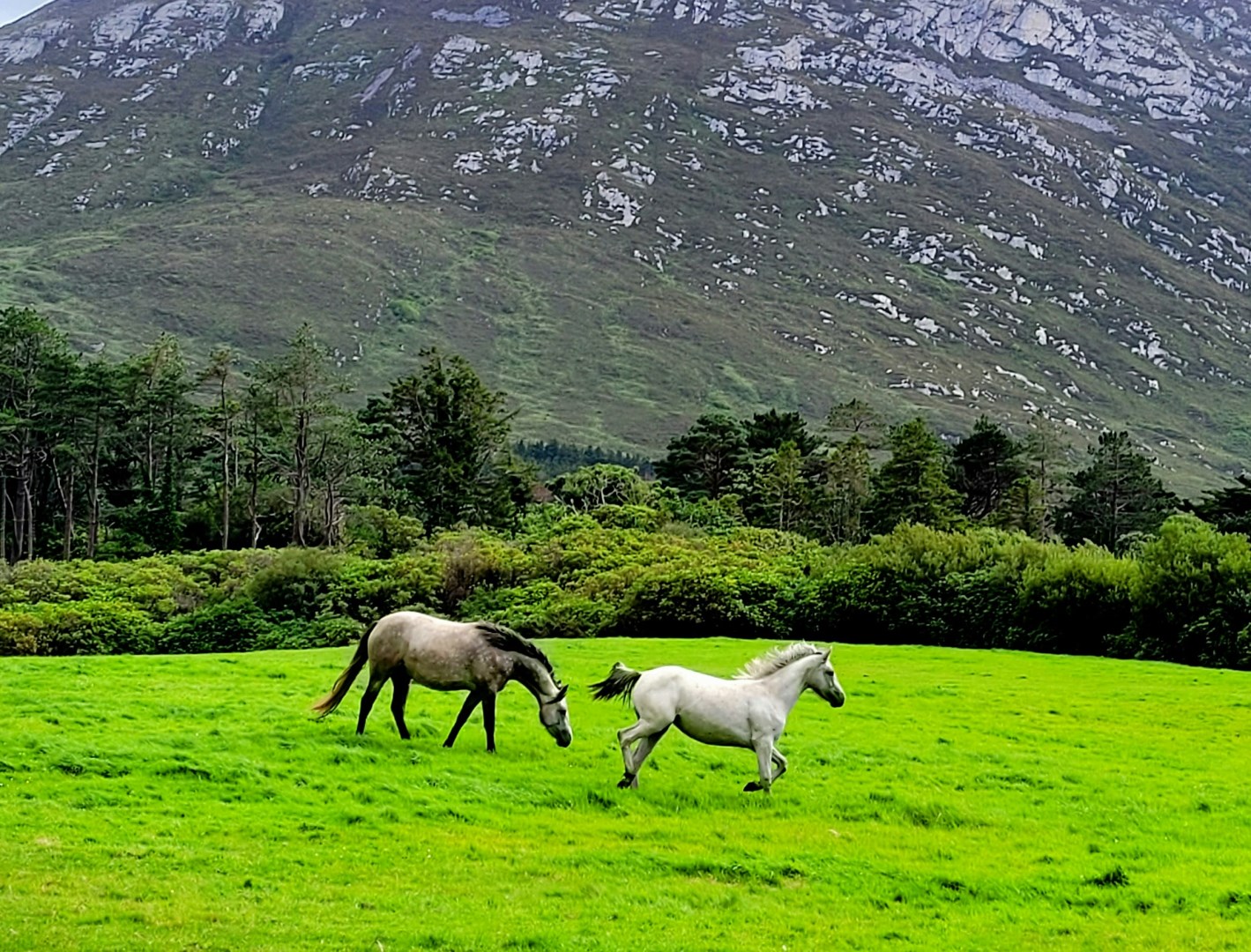
Galway is also renowned for its proximity to the Cliffs of Moher, one of Ireland’s most iconic natural landmarks. These dramatic cliffs rise over 700 feet above the Atlantic Ocean, offering breathtaking views and thrilling walks along the edge. Additionally, the nearby Connemara National Park presents a rugged landscape of mountains, lakes, and wild boglands, ideal for hiking and exploring.
Fun Fact: Galway is known for its vibrant arts scene and is home to the annual Galway International Arts Festival, which attracts performers and artists from around the globe. The festival’s eclectic mix of theater, music, and visual arts underscores Galway’s status as a cultural hub in Ireland.