
Nepal, nestled in the heart of the Himalayas, is a land of dramatic landscapes, rich traditions, and spiritual depth. Known as the gateway to the world’s tallest peaks, including Mount Everest, it offers both breathtaking natural beauty and profound cultural heritage.
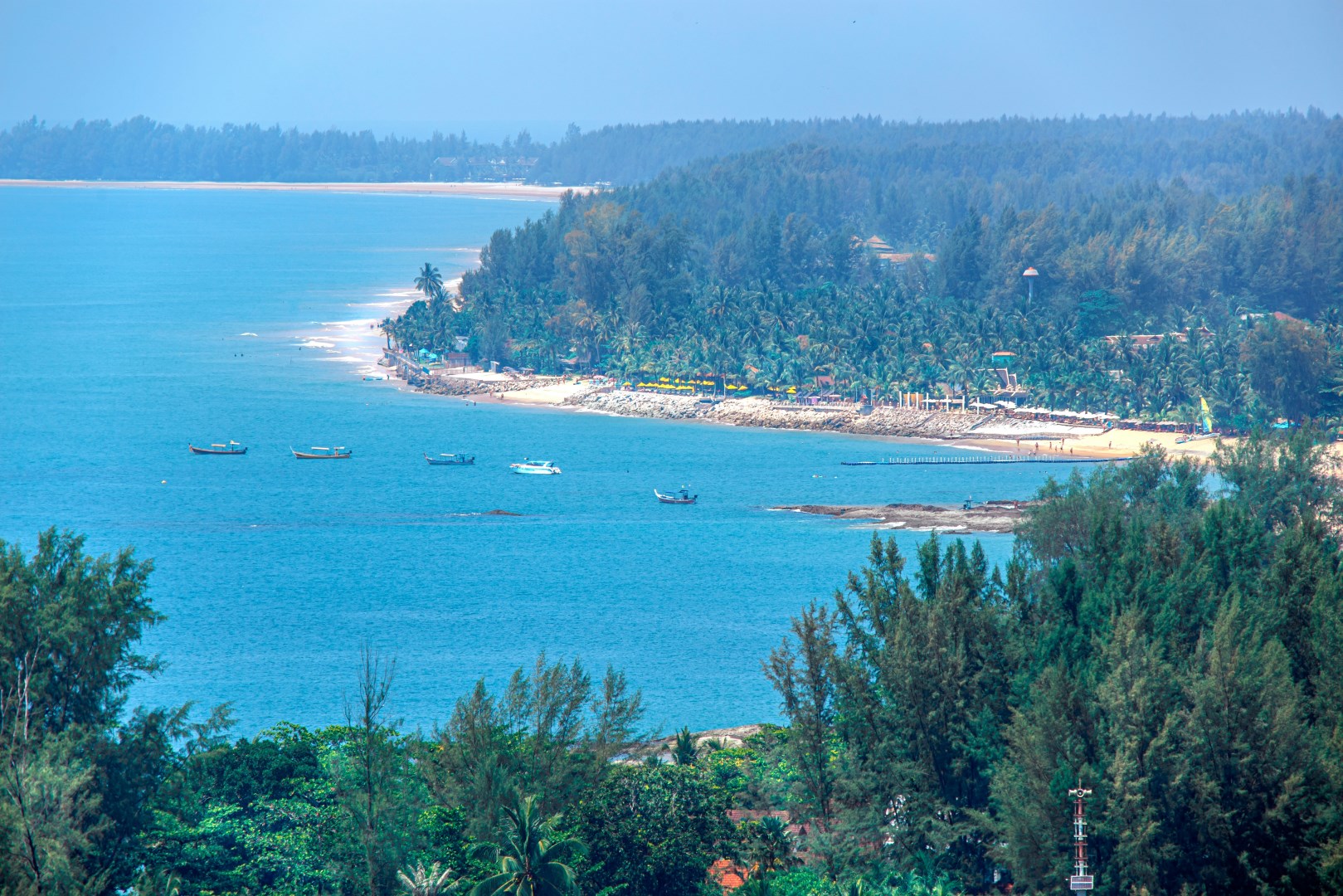
Khao Lak rests quietly along Thailand’s Andaman coastline, about an hour north of Phuket, yet it feels worlds apart. This stretch of shoreline runs for miles, with wide sandy beaches that often seem almost untouched. The name itself comes from the nearby mountain that rises behind the coast, giving the area a dramatic backdrop where forest meets sea.
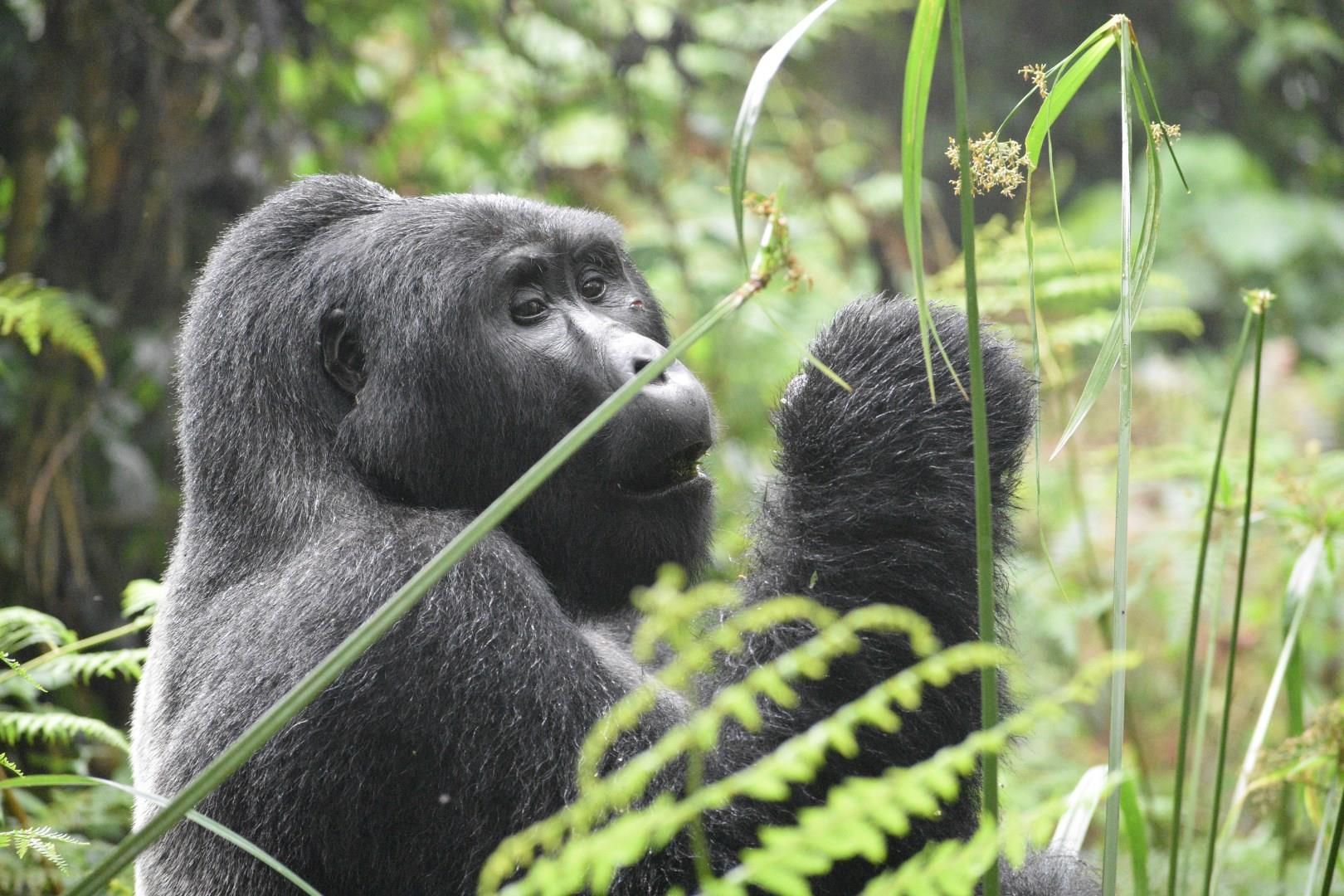
Volcanoes National Park, in northwestern Rwanda, is a place where dramatic volcanic landscapes meet extraordinary wildlife encounters. Stretching across the Virunga Mountains, the park is dominated by five towering volcanoes whose slopes are cloaked in rainforest and bamboo.
Chișinău, the capital of Moldova, is a city rich in history and full of surprises for travelers seeking a blend of culture, architecture, and natural beauty. As you wander the tree-lined boulevards, you’ll discover the city’s intriguing mix of Soviet-era buildings, elegant Orthodox churches, and modern structures.
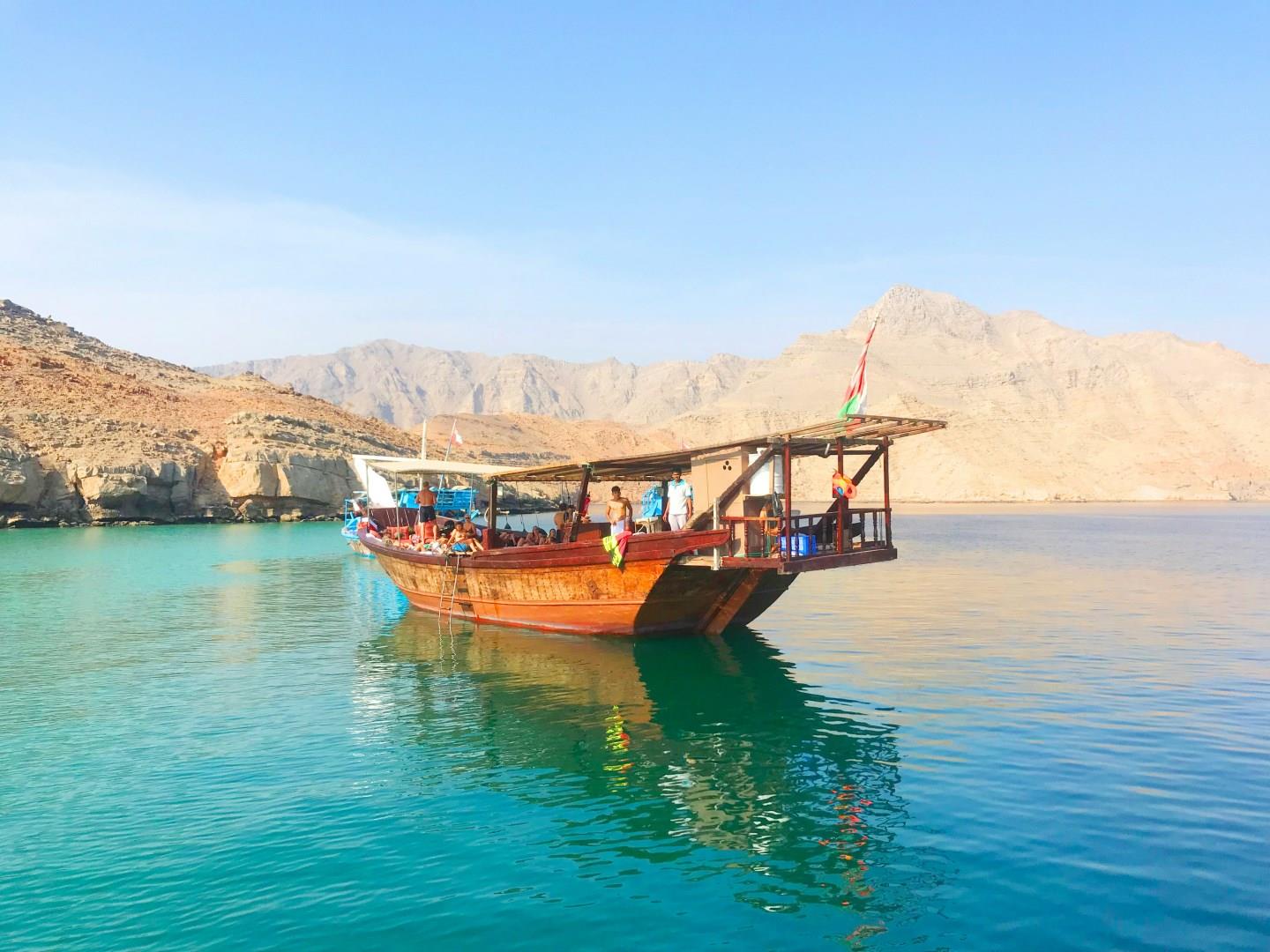
Khasab stands at the edge of Oman’s Musandam Peninsula, where rocky inlets carve into the land like desert fjords and earning it the nickname "Norway of Arabia." A short dhow ride uncovers soaring cliffs and narrow waterways, often mirrored by pods of dolphins gliding beside the wooden vessel. These traditional dhows, used for centuries by traders, now carry visitors into those coastal arms for snorkeling, swimming, and quiet reflection.
La Digue, the fourth-largest island in the Seychelles, offers a quintessential tropical paradise experience. Known for its idyllic beaches and charming laid-back atmosphere, La Digue is a haven for nature lovers and those seeking a serene escape. The island’s most iconic beach, Anse Source d'Argent, is renowned for its stunning granite boulders and crystal-clear waters, making it one of the most photographed beaches in the world. The beach's unique rock formations and soft white sands create a picturesque setting that’s perfect for both relaxation and photography.
Exploring La Digue is a journey through natural beauty and traditional Seychellois life. Cycling is the primary mode of transportation on the island, adding to its charm. Visit the L’Union Estate, a historic plantation where you can see traditional coconut oil production and encounter giant tortoises (L’Union Estate). Nearby, the Veuve Nature Reserve provides a sanctuary for the endangered Seychelles Paradise Flycatcher, allowing bird enthusiasts to witness this rare species in its natural habitat.
For those interested in local culture, the island’s small village atmosphere is welcoming and authentic. Stroll through the village markets to sample fresh local produce and handmade crafts, or enjoy traditional Creole cuisine at local eateries. The vibrant local culture and the slow pace of life on La Digue offer a delightful contrast to the more bustling tourist spots of the Seychelles.
Fun Fact: La Digue is renowned for its distinctive 'Vallée de Mai' palm trees, which are not found on the island itself but are unique to the Seychelles. These trees, famous for their large seeds called coco de mer, can be seen on nearby Praslin Island.
For the best experience, visit La Digue during the cooler, drier months of May to October, when the weather is perfect for beach activities and exploring the island’s natural wonders. This time of year also ensures fewer crowds, allowing for a more tranquil and enjoyable stay.