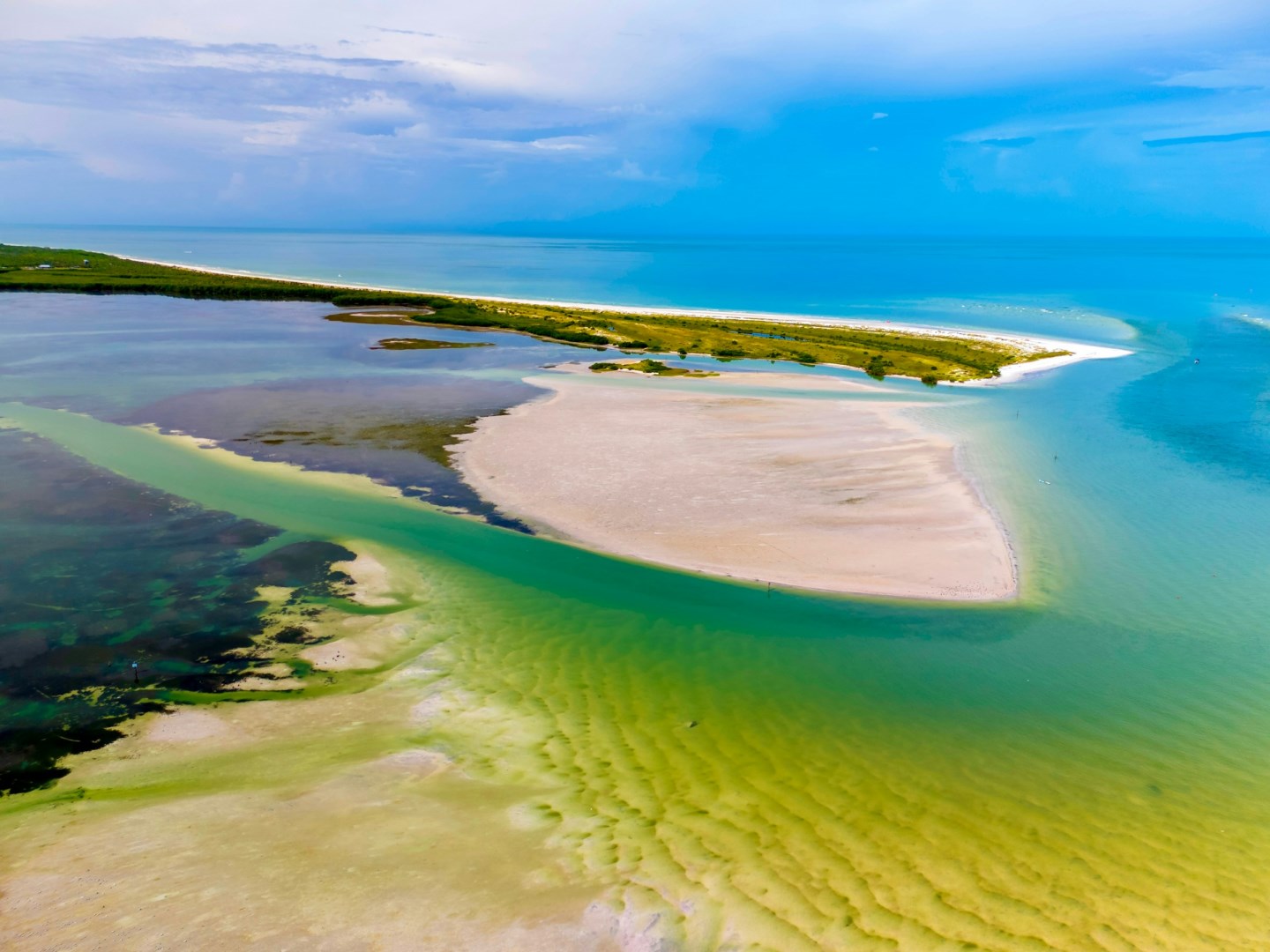
Dunedin
Dunedin is a coastal city on Florida’s Gulf Coast in Pinellas County, positioned along St. Joseph Sound and surrounded by barrier islands, beaches, and waterways. Its compact downtown is known for independent shops, restaurants, breweries, galleries, and a walkable main street, while the Pinellas Trail provides a popular route for cycling and walking through the community.

Phoenix
The capital and largest city in Arizona, Phoenix, also known as the "Valley of the Sun", offers warm weather for the winter months, excellent golf and tennis resorts, access to Oak Creek Canyon, Grand Canyon and the desert.
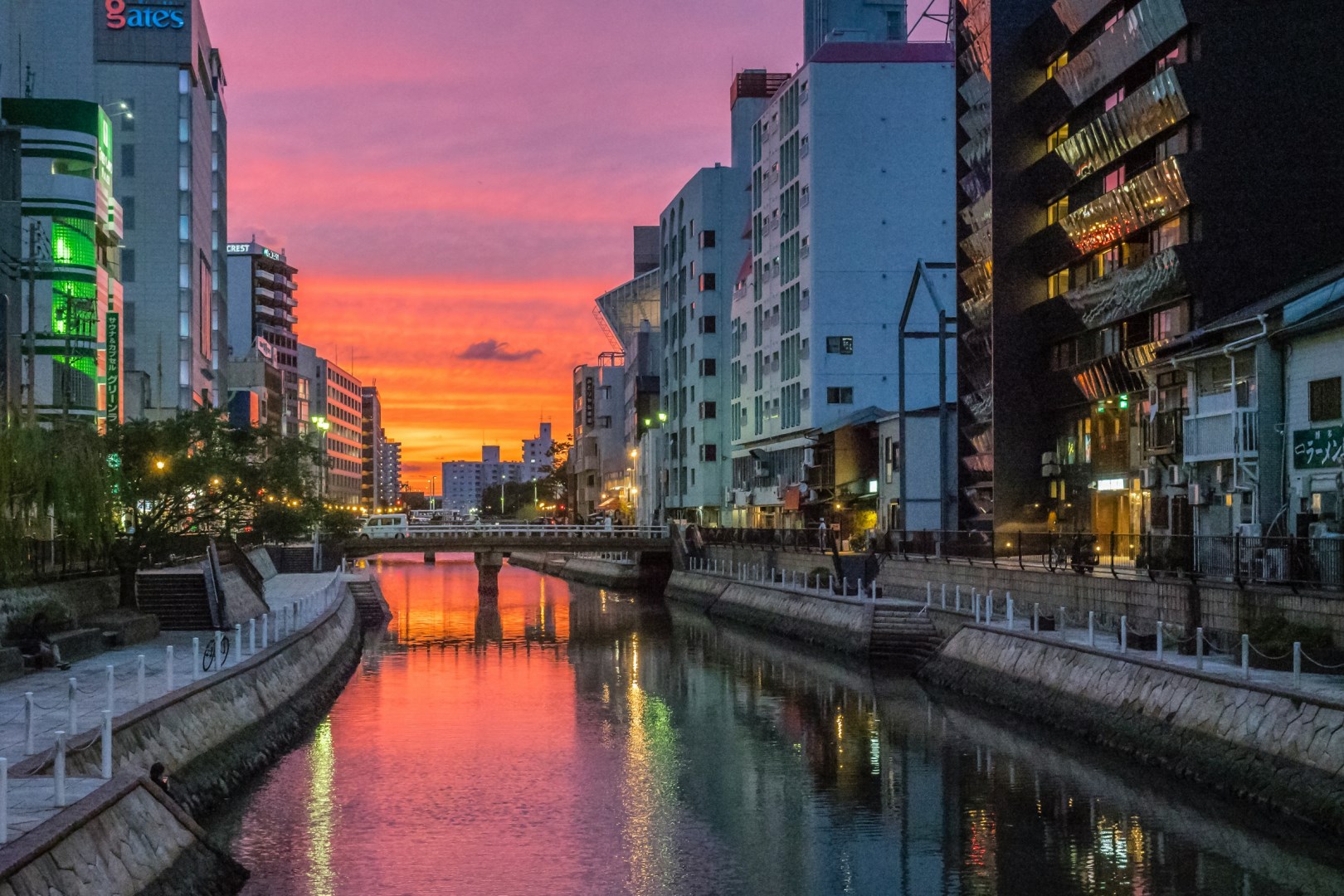
Hakataku Fukuoka
Hakata-ku, a central ward of Fukuoka City in Japan’s Kyushu region, is a lively blend of history, commerce, and culture. Once an independent merchant town, Hakata played a major role in Japan’s early international trade with China and Korea, shaping its cosmopolitan identity.
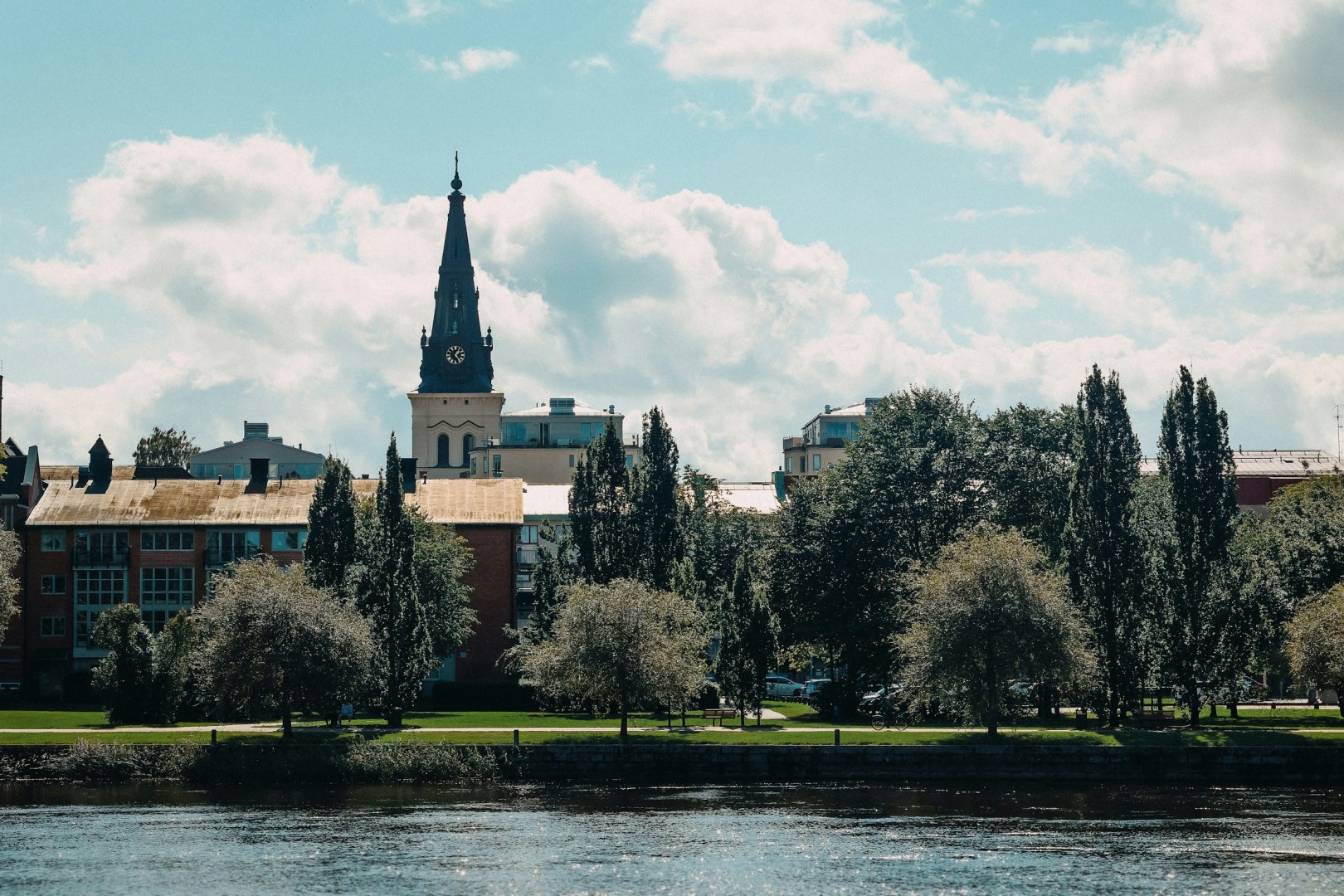
Karlstad
Karlstad, Sweden, is a city that elegantly combines natural beauty with cultural charm. Situated on the banks of Lake Vänern, Sweden’s largest lake, Karlstad is renowned for its picturesque waterfront and abundant sunshine. The city’s Värmlands Museum provides an enriching experience with its exhibits on local history, art, and the region's unique cultural heritage.
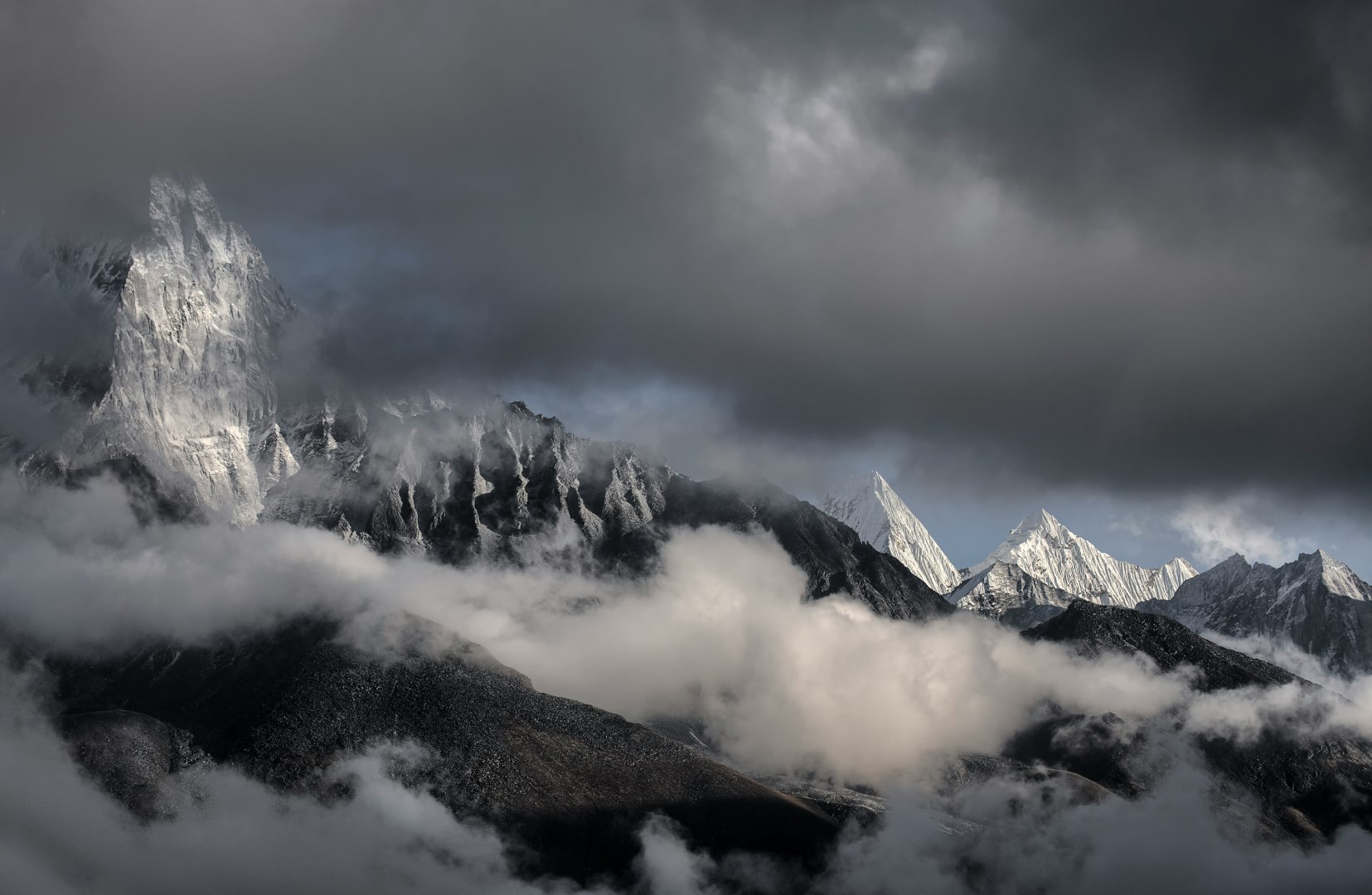
Pheriche
Set high in the Khumbu Valley, Pheriche offers a quiet yet striking stop along the route toward Mount Everest. Surrounded by wide landscapes and rugged peaks, this small settlement sits in a windswept valley where the air is crisp and the views stretch for miles. Unlike busier stops along the trail, Pheriche gives travelers space to pause, adjust to the altitude, and take in the scale of the Himalayas without distraction.