
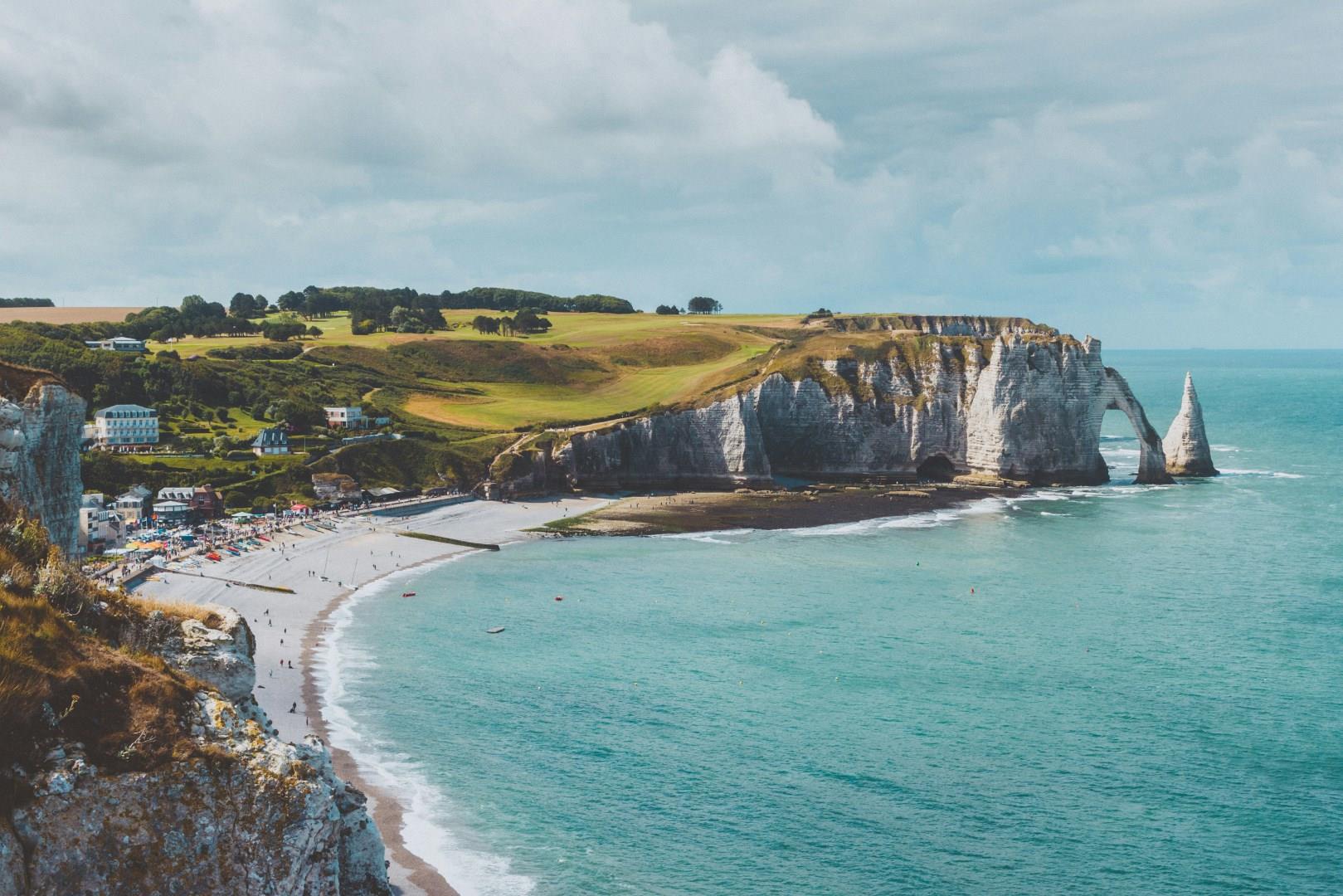
Étretat, a small coastal town in Normandy, France, is celebrated for its dramatic white chalk cliffs and natural rock arches that rise strikingly above the English Channel.
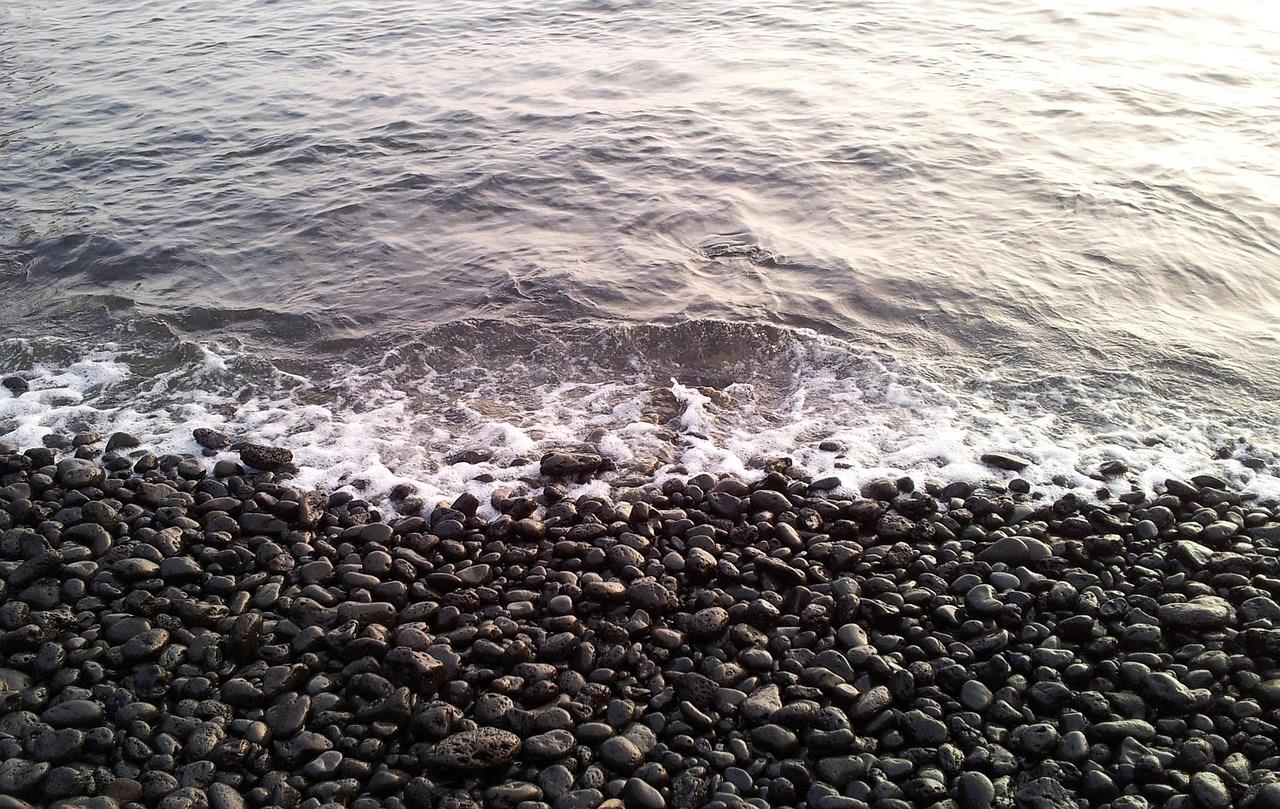
Keauhou, located on the Kona Coast of Hawai‘i Island, is recognized as the birthplace of King Kamehameha III, and many nearby sites still reflect its royal past.
Perched on a clifftop overlooking the Mediterranean Sea, Sidi Bou Said is a postcard-perfect village in Tunisia that enchants visitors with its striking white and blue architecture. Known for its iconic Andalusian-style buildings, Sidi Bou Said is a haven for artists, poets, and those seeking tranquility. Strolling through its narrow cobblestone streets, you’ll be greeted by the scent of jasmine and the vibrant colors of bougainvillea cascading from balconies.
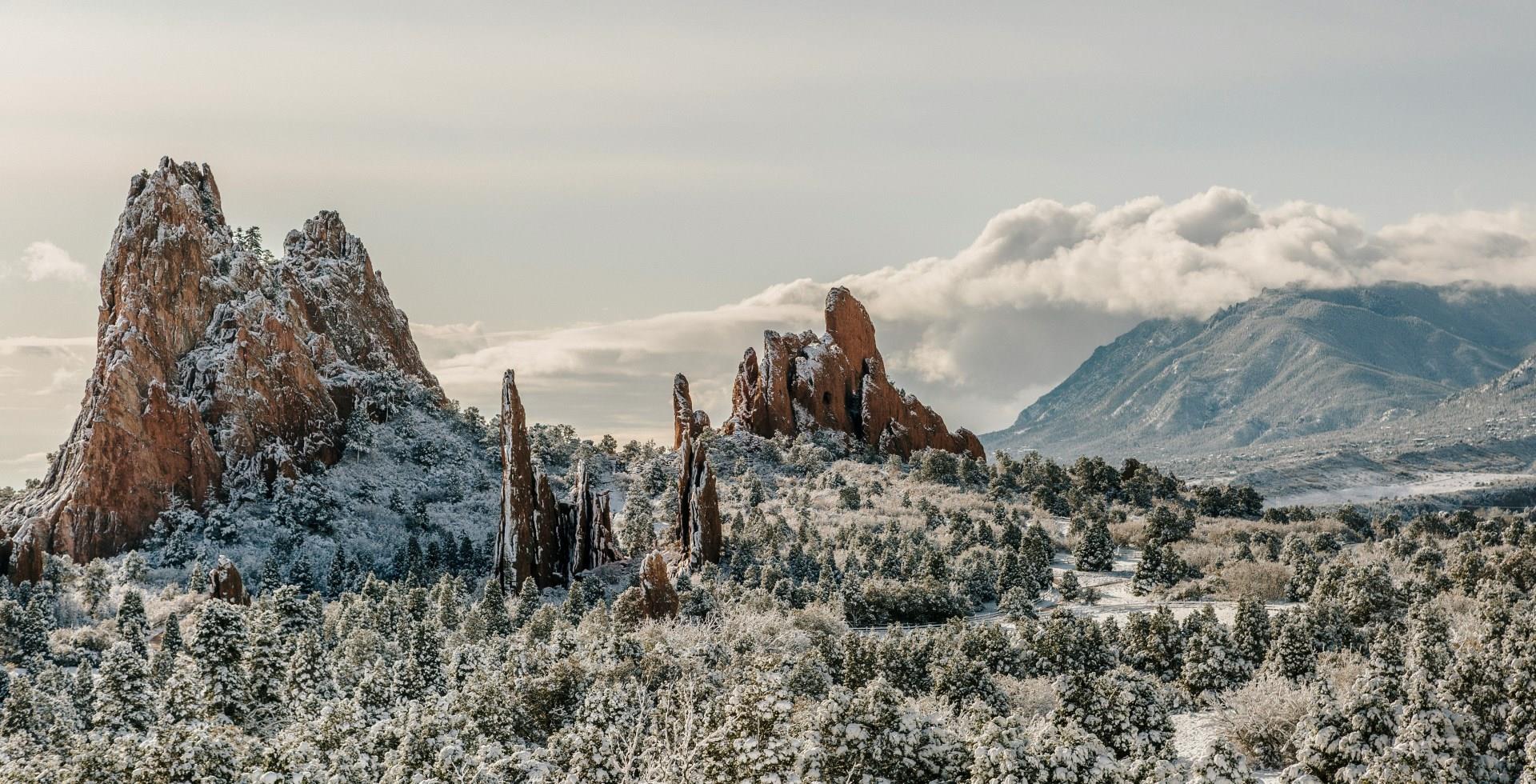
Modern-day Colorado Springs is flourishing, as the second largest city in Colorado. Fortunately, the unique features which attracted people long ago still remain. Nature entices with her array of textures and striking colors. People from all over the world visit to appreciate the countless natural and man-made attractions the Pikes Peak region has to offer.
Cusco once served as the heart of the Inca Empire, and that legacy still shapes every corner of the city even as it serves as a gateway to Machu Picchu. Outside the historic center, the ruins of Sacsayhuamán overlook the city from a nearby hilltop. This ceremonial complex is best known for its massive zigzag stone walls, some weighing over 100 tons. During the Inti Raymi festival in June, thousands gather here to reenact ancient Andean rituals.
Longyearbyen, the northernmost settlement of its size in the world, offers a unique and captivating experience in the Arctic archipelago of Svalbard, Norway. Nestled between icy peaks and sprawling glaciers, this remote town is a gateway to exploring the rugged beauty of the Arctic landscape. Visitors can marvel at the dramatic scenery and embark on thrilling adventures such as dog sledding, snowmobiling, and glacier hiking. The town's striking contrasts between the stark white snow and vibrant colorful buildings create a visually stunning backdrop, making it a photographer's paradise.
A visit to Longyearbyen is also a journey into the history and culture of Arctic exploration. The Svalbard Museum provides insights into the region’s rich history, from its early Arctic expeditions to its current status as a hub for scientific research. Additionally, the Global Seed Vault, located nearby, is an essential stop. This high-tech facility stores seeds from around the world as a safeguard against global crises, highlighting the area’s role in global conservation.
For nature enthusiasts, Longyearbyen offers a rare chance to witness the polar bear, a symbol of Arctic wildlife. Guided tours often include educational sessions about polar bears and their habitat, ensuring both safety and respect for these majestic creatures.
Fun Fact: Despite its polar location, Longyearbyen has a surprisingly rich culinary scene. The town is known for its unique Arctic delicacies, including reindeer and king crab, which you can enjoy at local restaurants. The town’s vibrant community and its blend of cultures contribute to a memorable Arctic culinary experience.
Traveling to Longyearbyen between March and May is ideal for experiencing the full range of Arctic adventures while enjoying extended daylight hours. This period offers an excellent opportunity to explore the pristine landscapes and immerse yourself in the extraordinary Arctic lifestyle.