
Newcastle is the capital of the Hunter Valley Region, in New South Wales. Lakes, beaches, rivers and bays, combine with lush countryside to make the Hunter region surrounding Newcastle almost unlimited in its appeal.
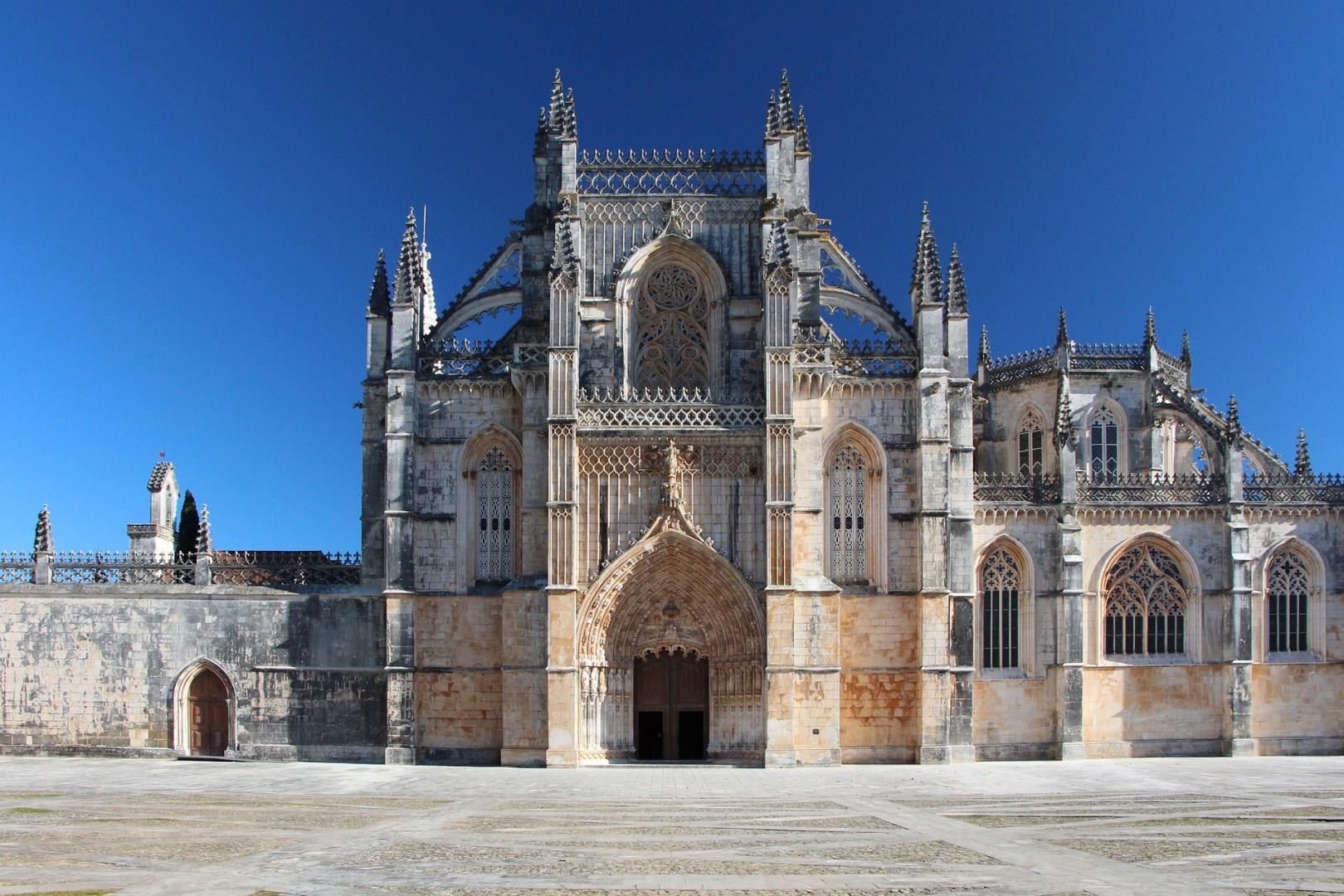
Batalha, a small town in central Portugal, is steeped in history and home to one of the country’s most magnificent monuments, the Batalha Monastery. This UNESCO World Heritage Site, also known as the Monastery of Santa Maria da Vitória, was built to commemorate the Portuguese victory over Castile at the Battle of Aljubarrota in 1385. I
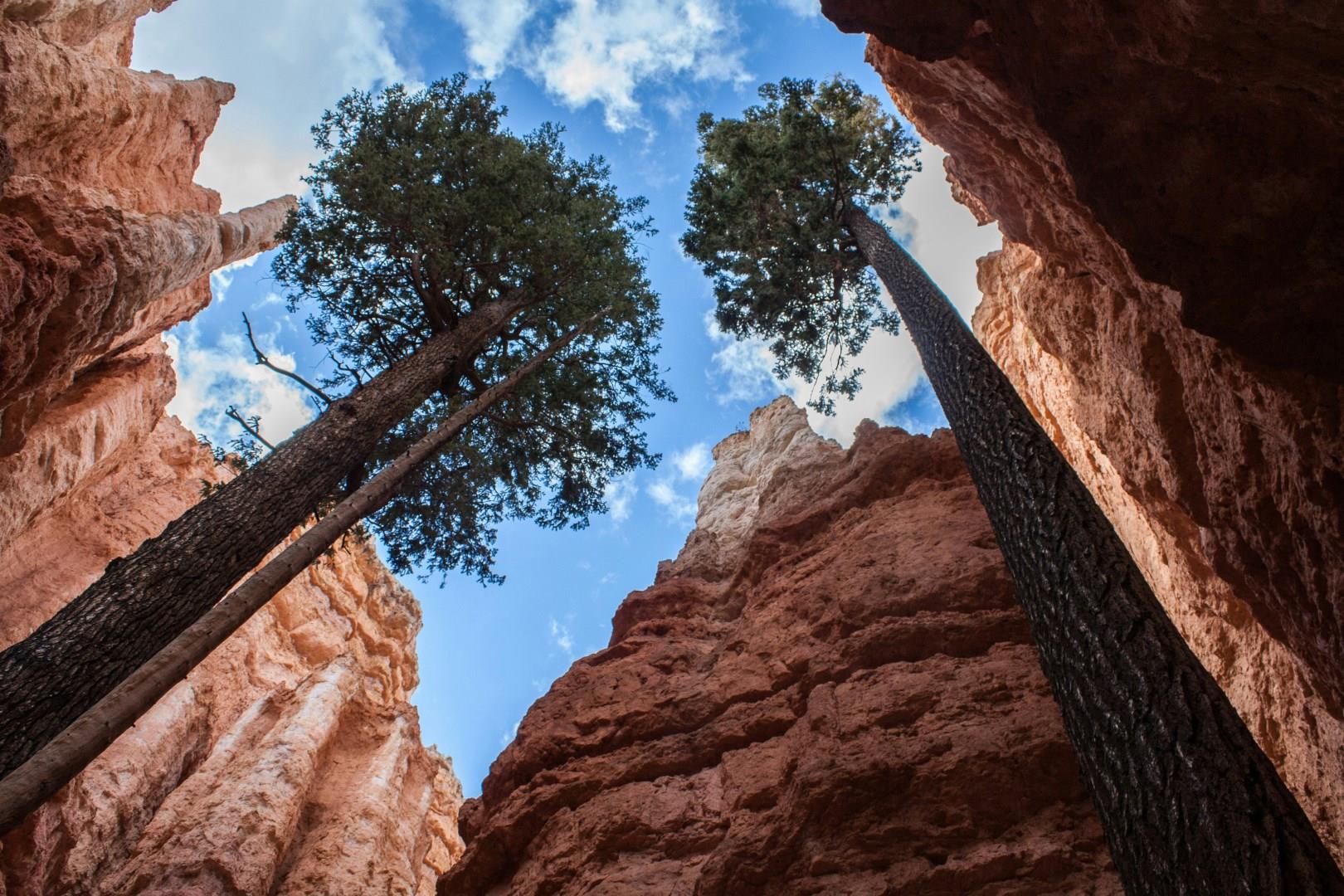
Bryce Canyon, tucked into the high plateaus of southern Utah, offers one of the most unusual landscapes in the American Southwest. It’s not actually a canyon but a series of natural amphitheaters carved into the edge of the Paunsaugunt Plateau. What makes Bryce unique is its dense collection of hoodoos which are tall, thin spires of rock formed over millions of years by frost-wedging and erosion.
Abel Tasman National Park, located at the northern tip of New Zealand's South Island, is a paradise for nature lovers and outdoor enthusiasts. Renowned for its golden beaches, lush forests, and crystal-clear waters, the park offers an array of activities, from hiking to kayaking. The Abel Tasman Coastal Track, one of New Zealand's Great Walks, stretches over 60 kilometers and provides breathtaking views of the coastline, making it a must-do for visitors.
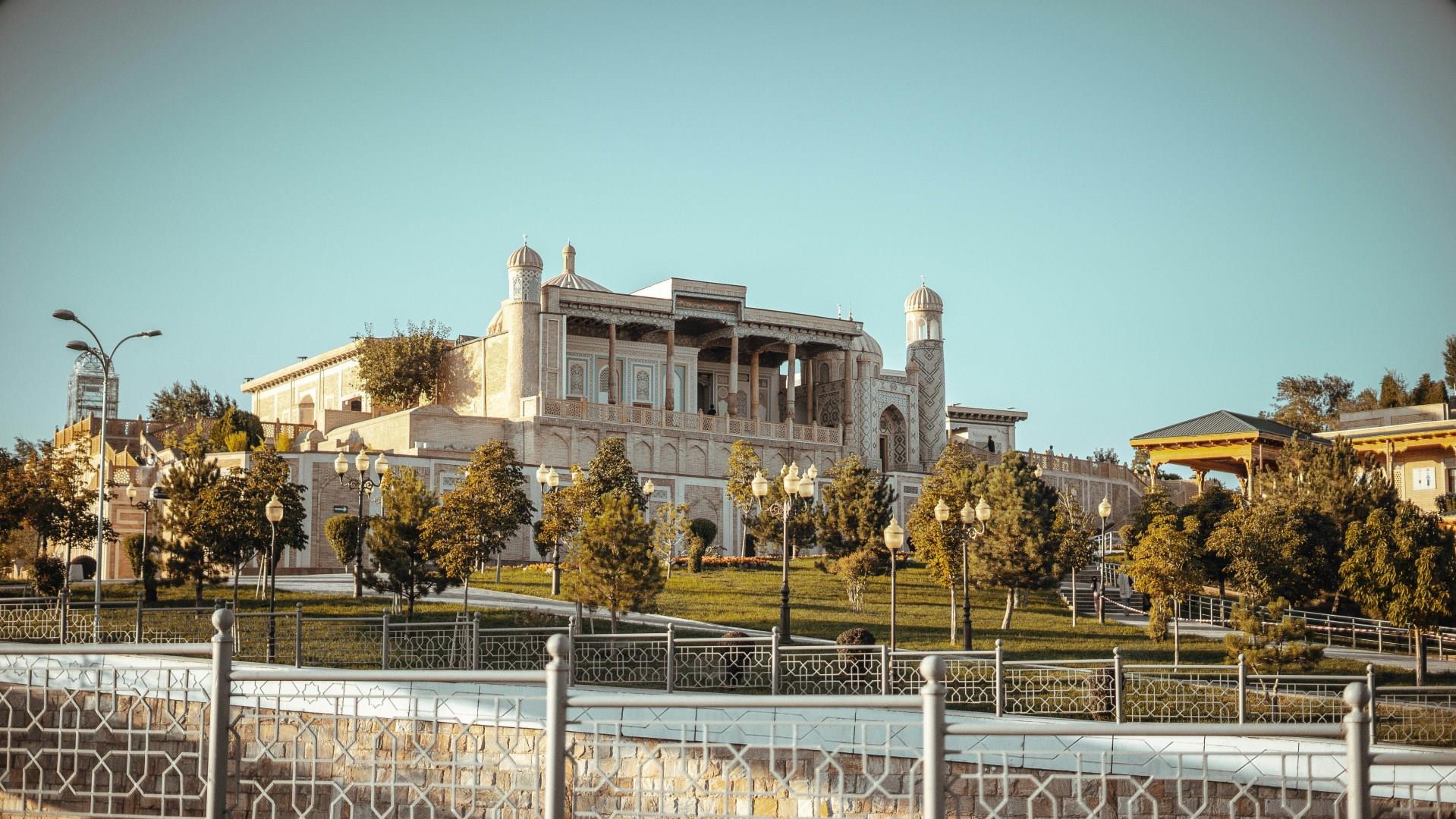
Samarkand is one of Central Asia’s most storied cities, famed for its role as a crossroads of culture, science, and trade along the Silk Road. The heart of the city is the Registan, a grand square framed by three ornate madrasas decorated with vivid mosaics, intricate tilework, and soaring arches.
Longyearbyen, the northernmost settlement of its size in the world, offers a unique and captivating experience in the Arctic archipelago of Svalbard, Norway. Nestled between icy peaks and sprawling glaciers, this remote town is a gateway to exploring the rugged beauty of the Arctic landscape. Visitors can marvel at the dramatic scenery and embark on thrilling adventures such as dog sledding, snowmobiling, and glacier hiking. The town's striking contrasts between the stark white snow and vibrant colorful buildings create a visually stunning backdrop, making it a photographer's paradise.
A visit to Longyearbyen is also a journey into the history and culture of Arctic exploration. The Svalbard Museum provides insights into the region’s rich history, from its early Arctic expeditions to its current status as a hub for scientific research. Additionally, the Global Seed Vault, located nearby, is an essential stop. This high-tech facility stores seeds from around the world as a safeguard against global crises, highlighting the area’s role in global conservation.
For nature enthusiasts, Longyearbyen offers a rare chance to witness the polar bear, a symbol of Arctic wildlife. Guided tours often include educational sessions about polar bears and their habitat, ensuring both safety and respect for these majestic creatures.
Fun Fact: Despite its polar location, Longyearbyen has a surprisingly rich culinary scene. The town is known for its unique Arctic delicacies, including reindeer and king crab, which you can enjoy at local restaurants. The town’s vibrant community and its blend of cultures contribute to a memorable Arctic culinary experience.
Traveling to Longyearbyen between March and May is ideal for experiencing the full range of Arctic adventures while enjoying extended daylight hours. This period offers an excellent opportunity to explore the pristine landscapes and immerse yourself in the extraordinary Arctic lifestyle.