
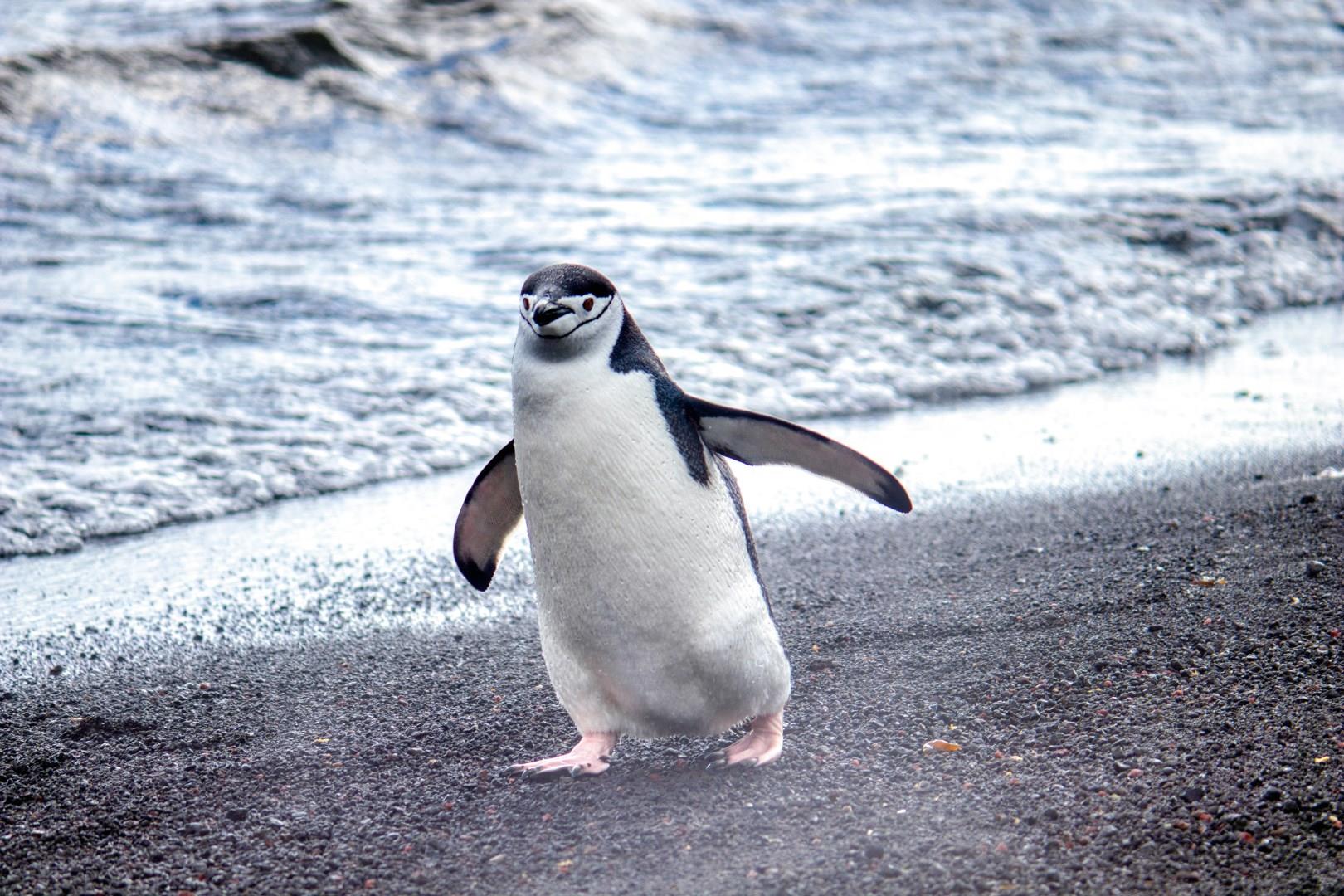
Elephant Island
Elephant Island, a remote outcrop off the coast of Antarctica, is not your average travel destination. Known for its dramatic cliffs, towering glaciers, and wild, ice-laced seas, this island is both stark and unforgettable. Located 245 kilometers northeast of the Antarctic Peninsula, Elephant Island is rarely visited except by specialized expedition cruises.
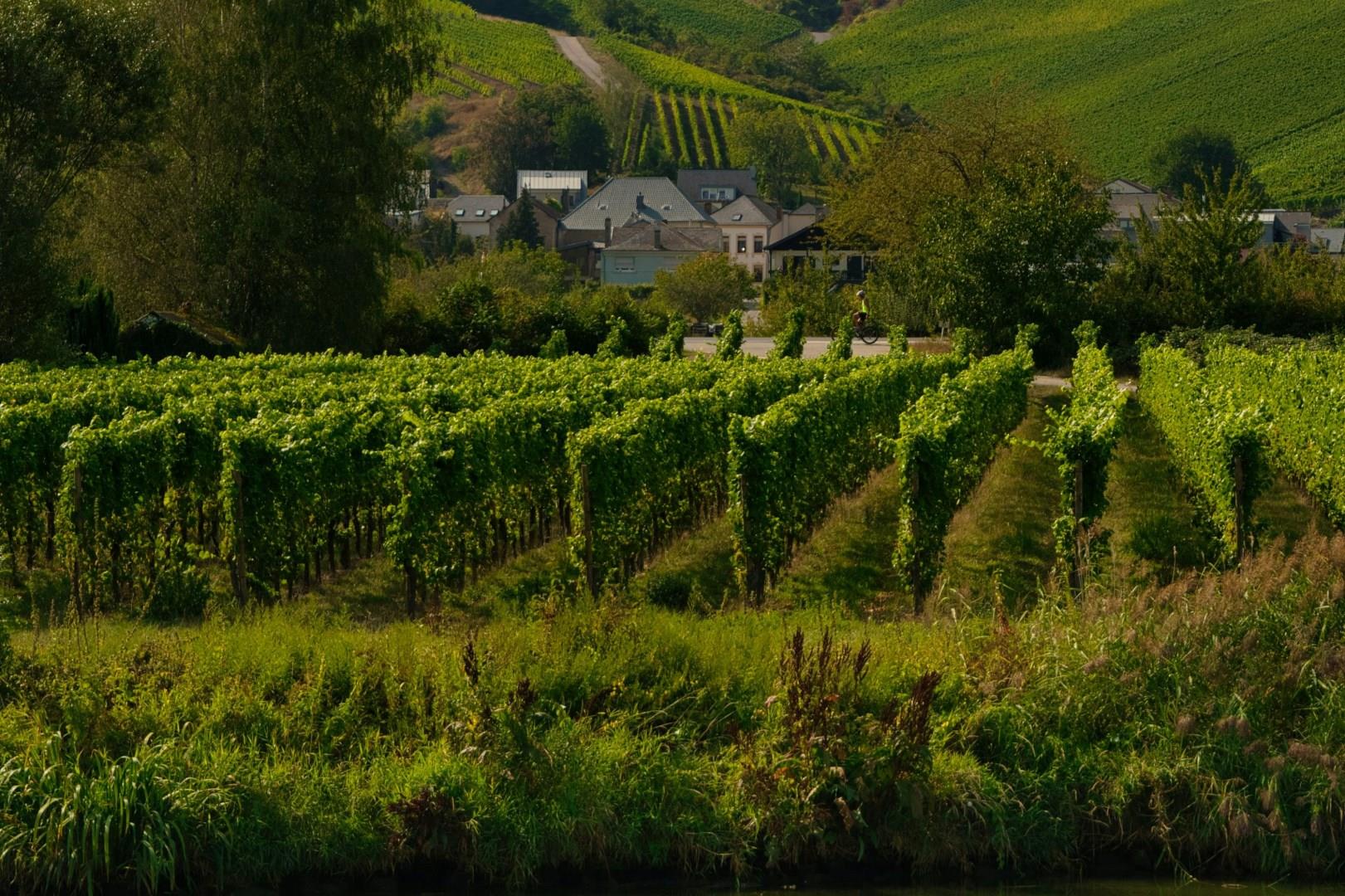
Remich
Remich, often referred to as the “Pearl of the Moselle,” is a captivating town nestled along the Moselle River in Luxembourg. This riverside gem is known for its historic vineyards that have shaped the region’s culture for centuries. Visitors can stroll along the river promenade, enjoying views of the gently flowing water framed by rolling hills covered in vineyards that produce some of Luxembourg’s finest wines.
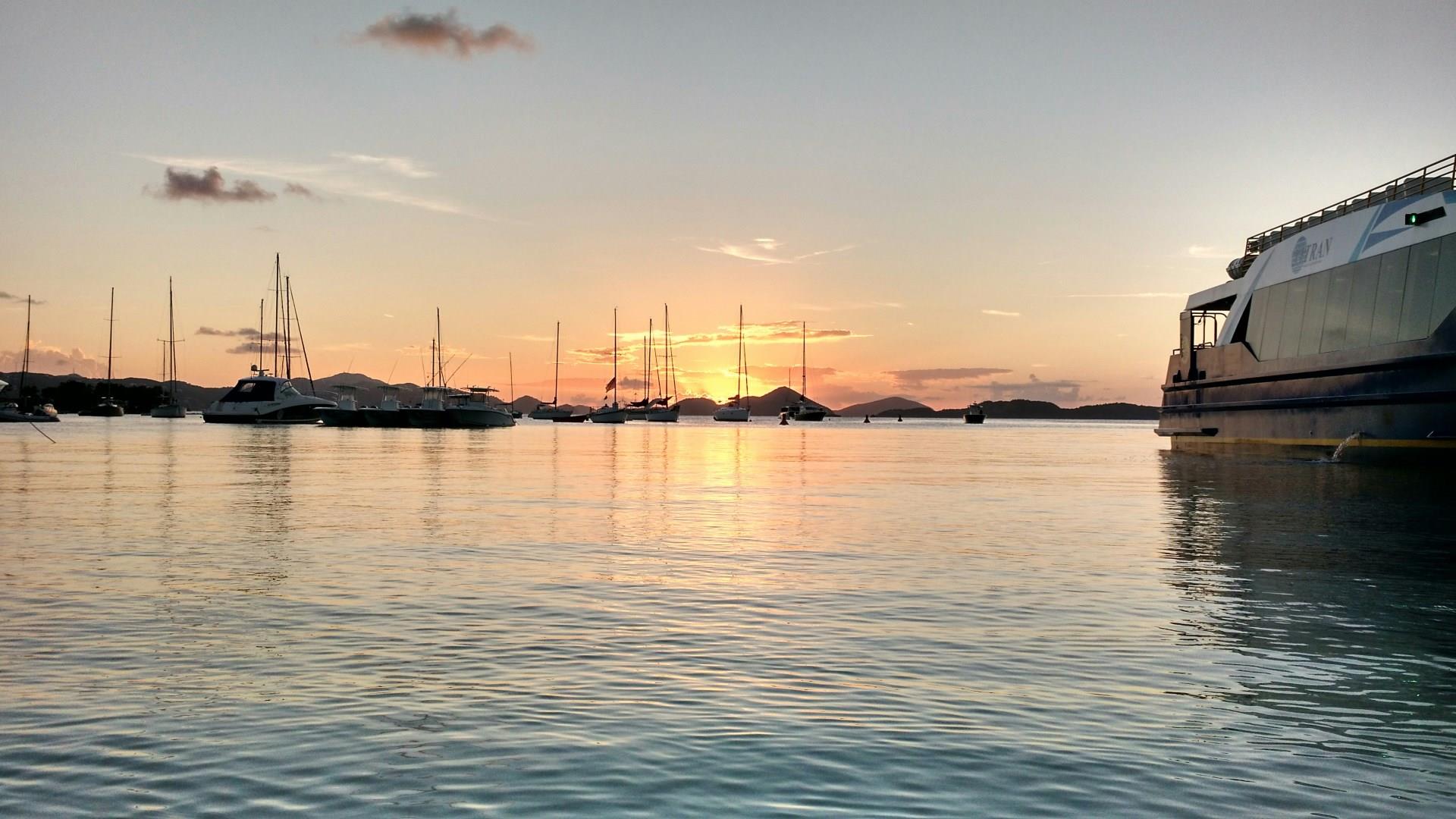
Cruz Bay
Cruz Bay is the welcoming gateway to St. John in the U.S. Virgin Islands, where vibrant Caribbean life meets rich island history. Stepping off the ferry from nearby St. Thomas, visitors find themselves in a lively waterfront town filled with cafés, bars and boutiques that lead toward sandy streets and shimmering views of the bay. This small town is also home to the Cruz Bay Visitor Center, a helpful place to start planning outings into Virgin Islands National Park and to learn about the island.

Ollantaytambo
Most commonly reached via travel from Cusco, Ollantaytambo is an Incan archaeological site in the Sacred Valley of southern Peru. The town dates from the late 15th century and is home to some of the oldest continuously-occupied dwellings in South America.
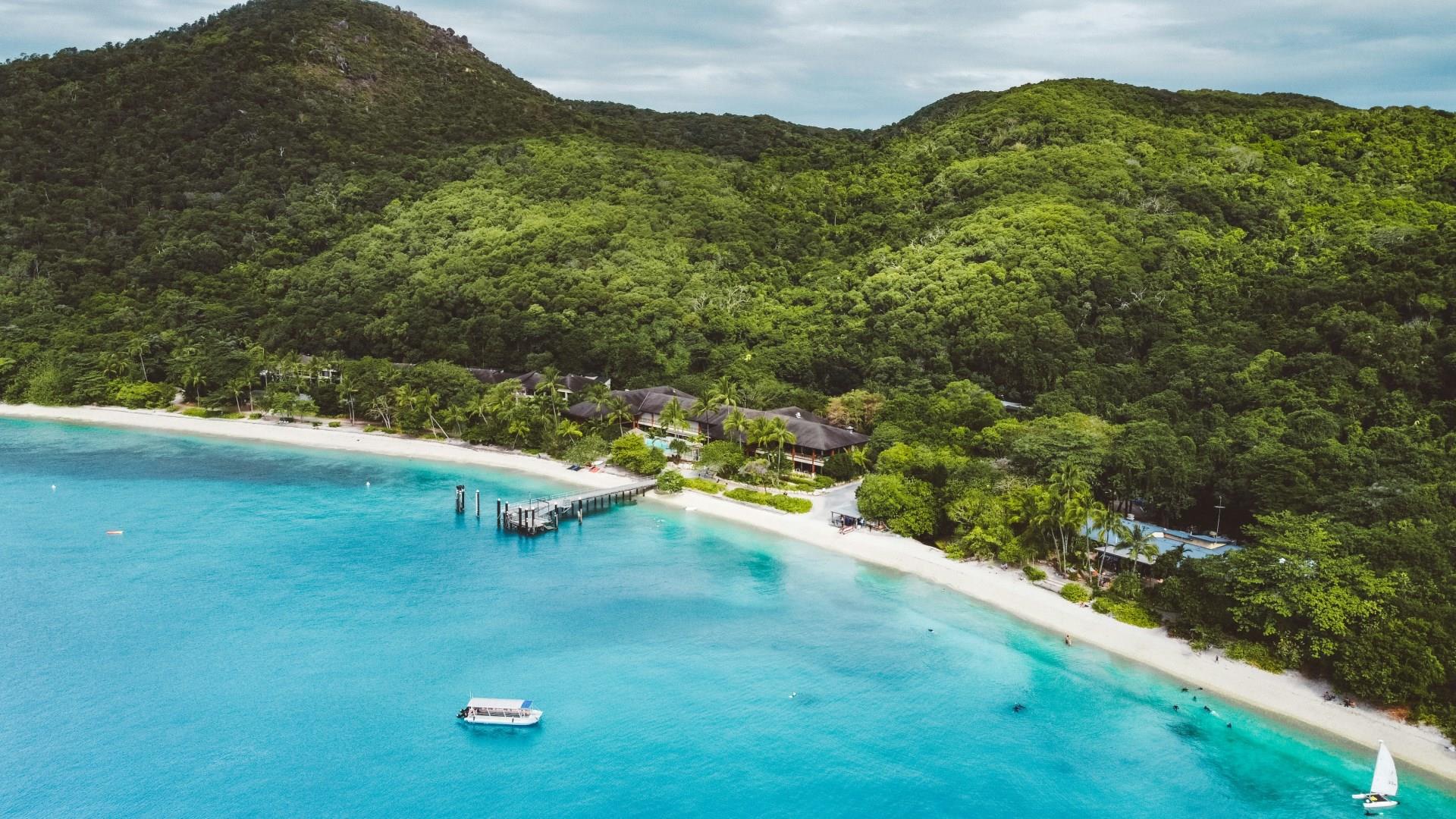
Fitzroy Island
Fitzroy Island sits off the coast from Cairns in Queensland, Australia, rising from the Coral Sea with rainforest and beaches that draw visitors year-round. A short, scenic ferry ride from Cairns’ marlin marina brings visitors to this tropical island, part of the Fitzroy Island National Park where rainforest meets reef.


