Lake Buena Vista
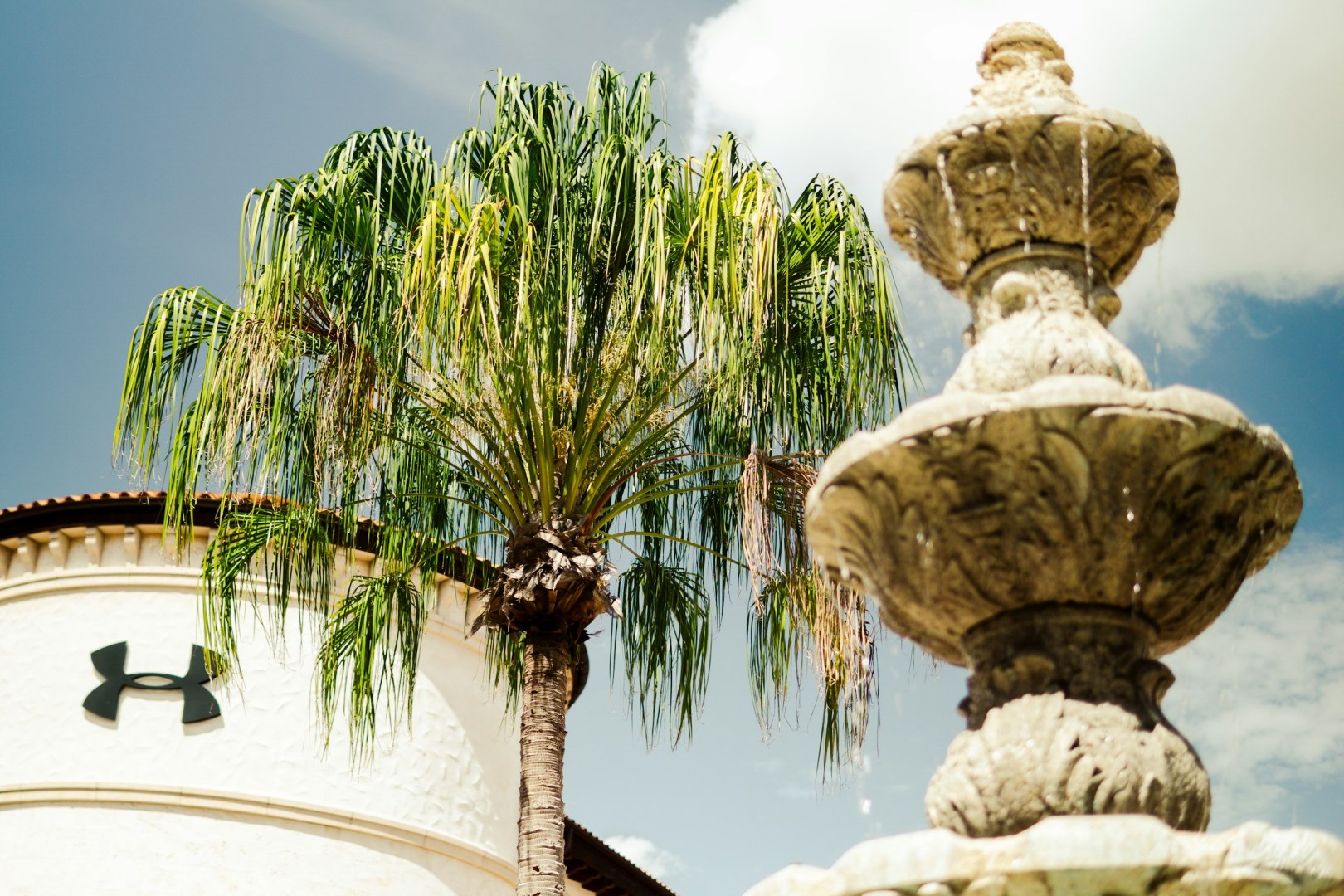
Lake Buena Vista, Florida, is the gateway to magic and adventure, nestled in the heart of the Sunshine State. Known primarily as the home of the Walt Disney World Resort, this vibrant city offers a wealth of experiences for visitors of all ages. From the enchanting Cinderella Castle in Magic Kingdom to the futuristic rides of EPCOT, Lake Buena Vista promises a world of wonder.
Marina del Rey
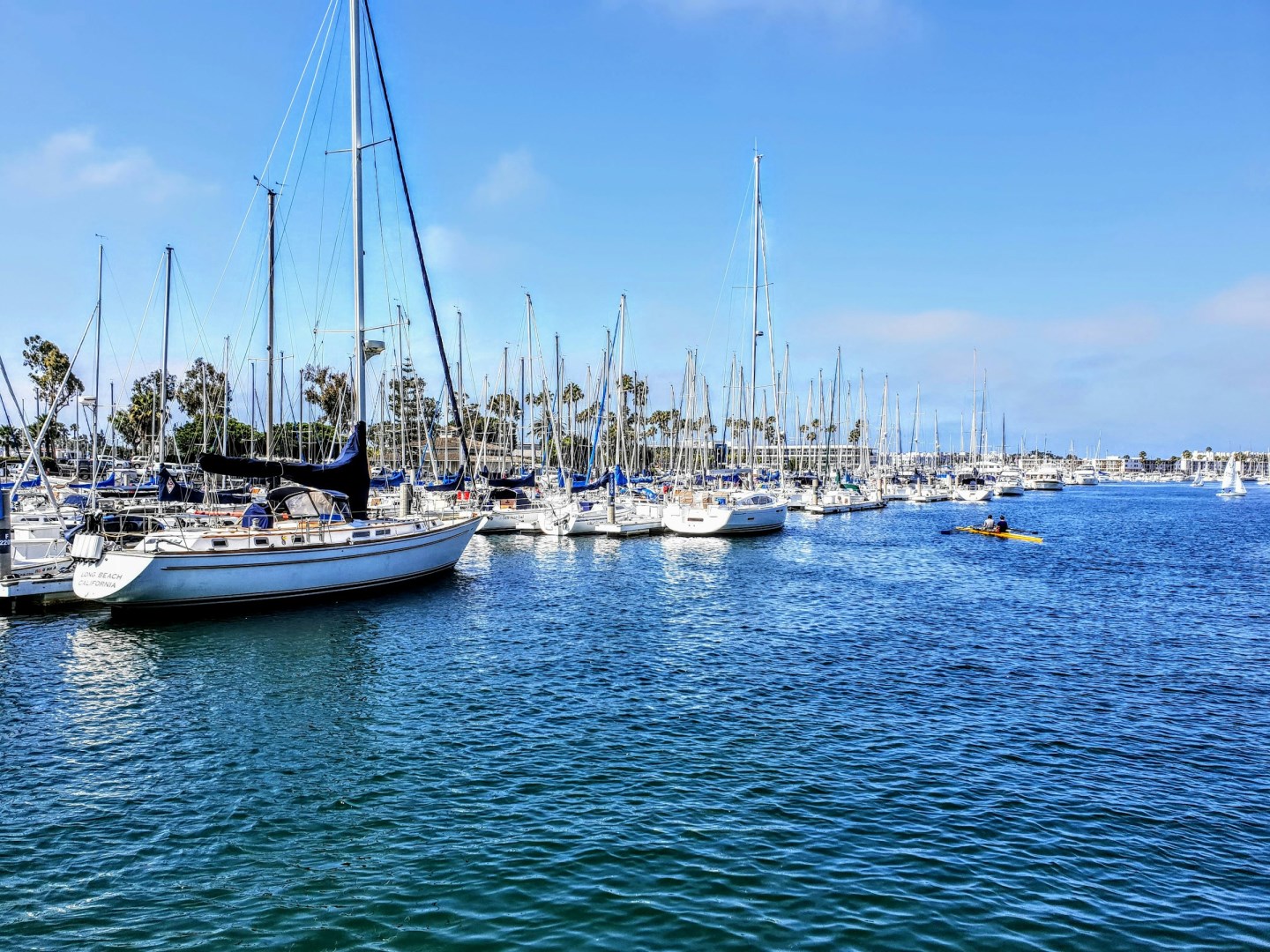
Marina del Rey is a coastal community in Los Angeles County, California, centered on one of the largest artificial small-craft harbors in North America. Located beside Santa Monica Bay, the area combines a network of marina basins with residential buildings, restaurants, parks, and waterfront paths. Its position between Los Angeles and the Pacific Ocean makes it closely connected to the wider Southern California coastline.

Aurangabad
Aurangabad, now officially known as Chhatrapati Sambhajinagar, is a historic city in Maharashtra’s Deccan region, surrounded by dry hills, agricultural land, and the basalt landscapes of the Deccan Plateau. It is best known as a gateway to some of India’s most important rock-cut monuments, including the UNESCO-listed Ajanta and Ellora Caves. The city itself combines Mughal-era architecture, Buddhist cave sites, historic gateways, and traditional craft industries. I
Fujairah
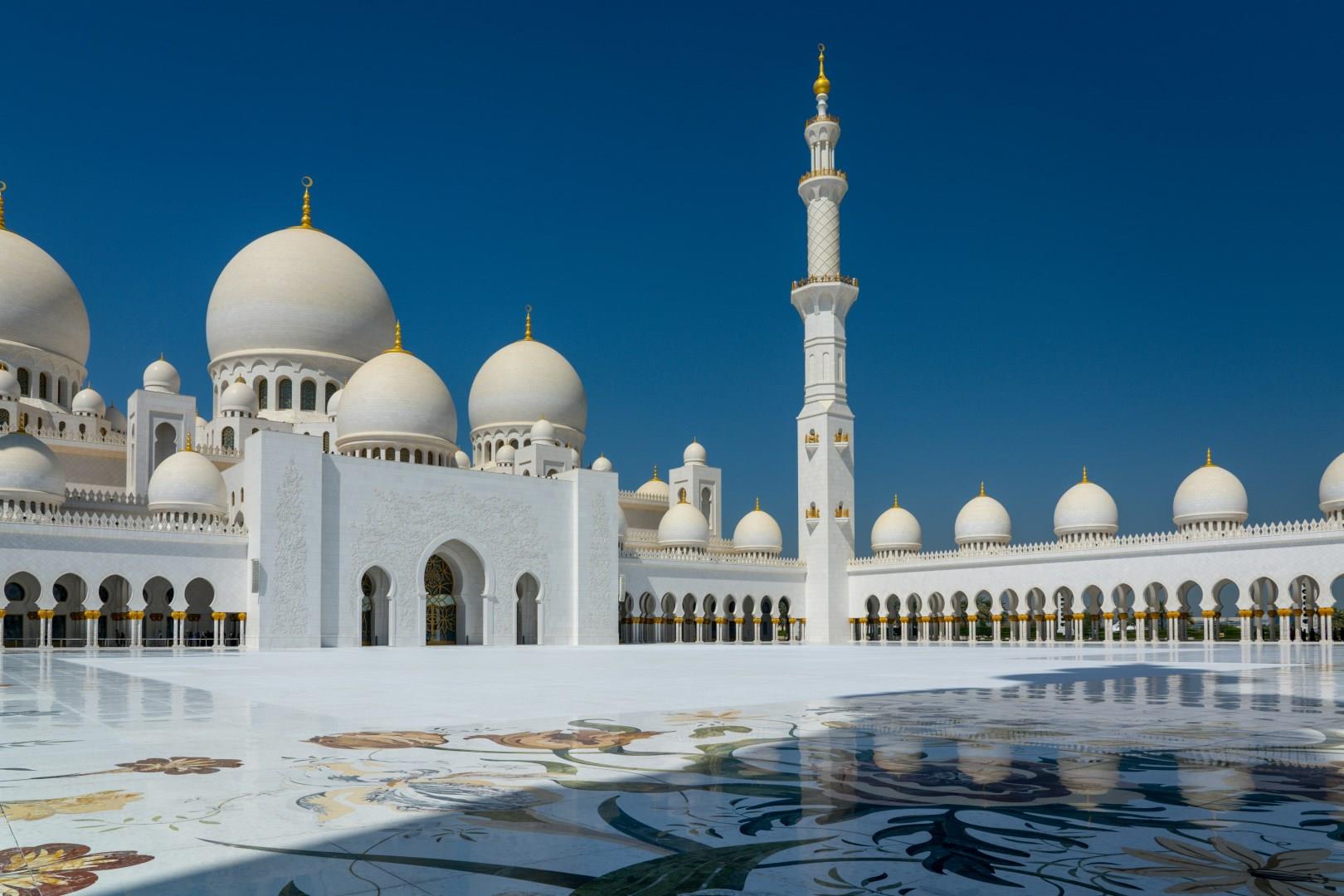
Fujairah stands apart among the emirates as the only one on the UAE’s eastern shore, where waves roll in from the Gulf of Oman and the Hajar Mountains rise sharply behind the city. Life here moves between sea and mountain, where coastal breeze meets rugged terrain, and echoes of ancient trade routes still shape the rhythm of settlements.

Caye Caulker
Caye Caulker lies off the coast of Belize, a small island that was once a quiet fishing village and today still feels wonderfully uncrowded compared to many Caribbean destinations. Its name likely comes from an English twist on “Hicaco,” the old Spanish name meaning coco plum, a nod to the island’s early days and bilingual roots.