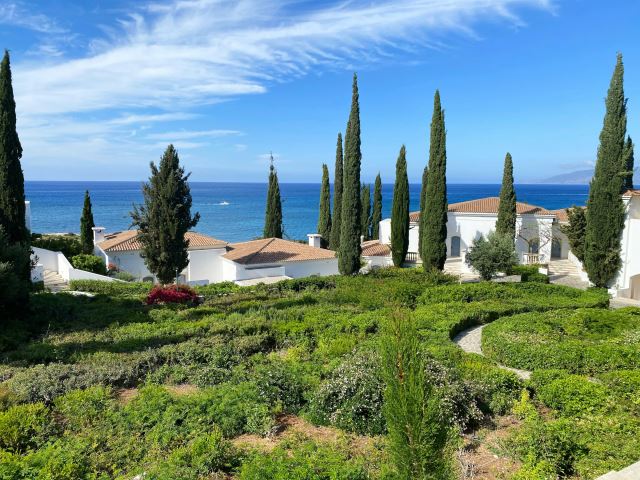
Ankara
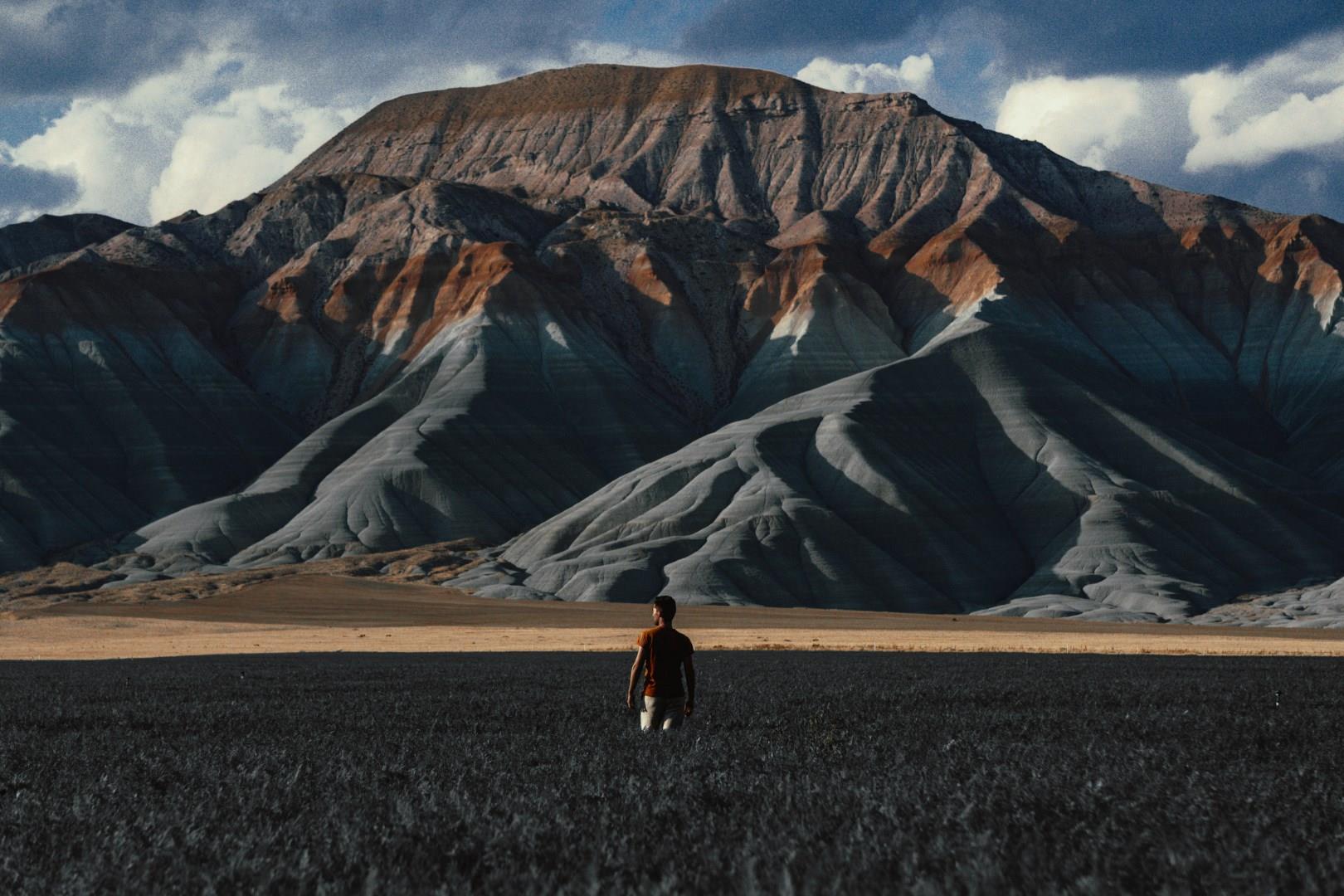
Ankara, the capital of Turkey, sits on the Anatolian plateau and reflects the country’s layered history more quietly than Istanbul, yet with equal depth. Once an important settlement for the Hittites, Phrygians, Romans, and Byzantines, Ankara rose to national prominence in the 20th century when Mustafa Kemal Atatürk chose it as the heart of the modern Turkish Republic. Today, it functions as Turkey’s political center while preserving traces of its ancient and Ottoman past.
Rotorua
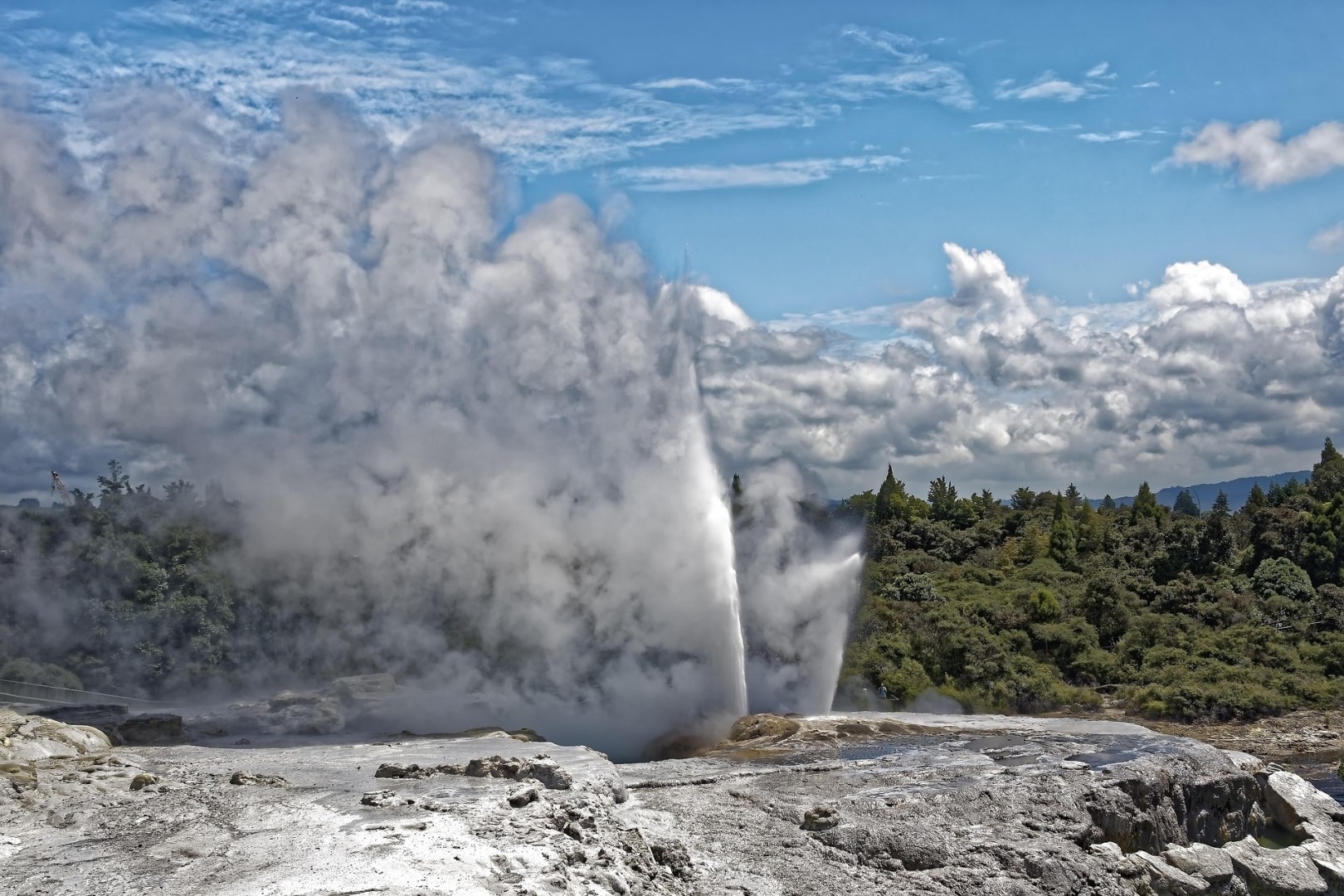
Natural wonders await you in the steaming, geothermally active North Island city of Rotorua, New Zealand. Pohutu Geyser erupts several times per day, and blistering mud pools provide a truly unique sightseeing experience. When in Rotorua, tourists also visit its living Maori village, as well as Te Puia (New Zealand Maori Arts and Crafts institute), where weaving and woodcarving is featured.
Ooty
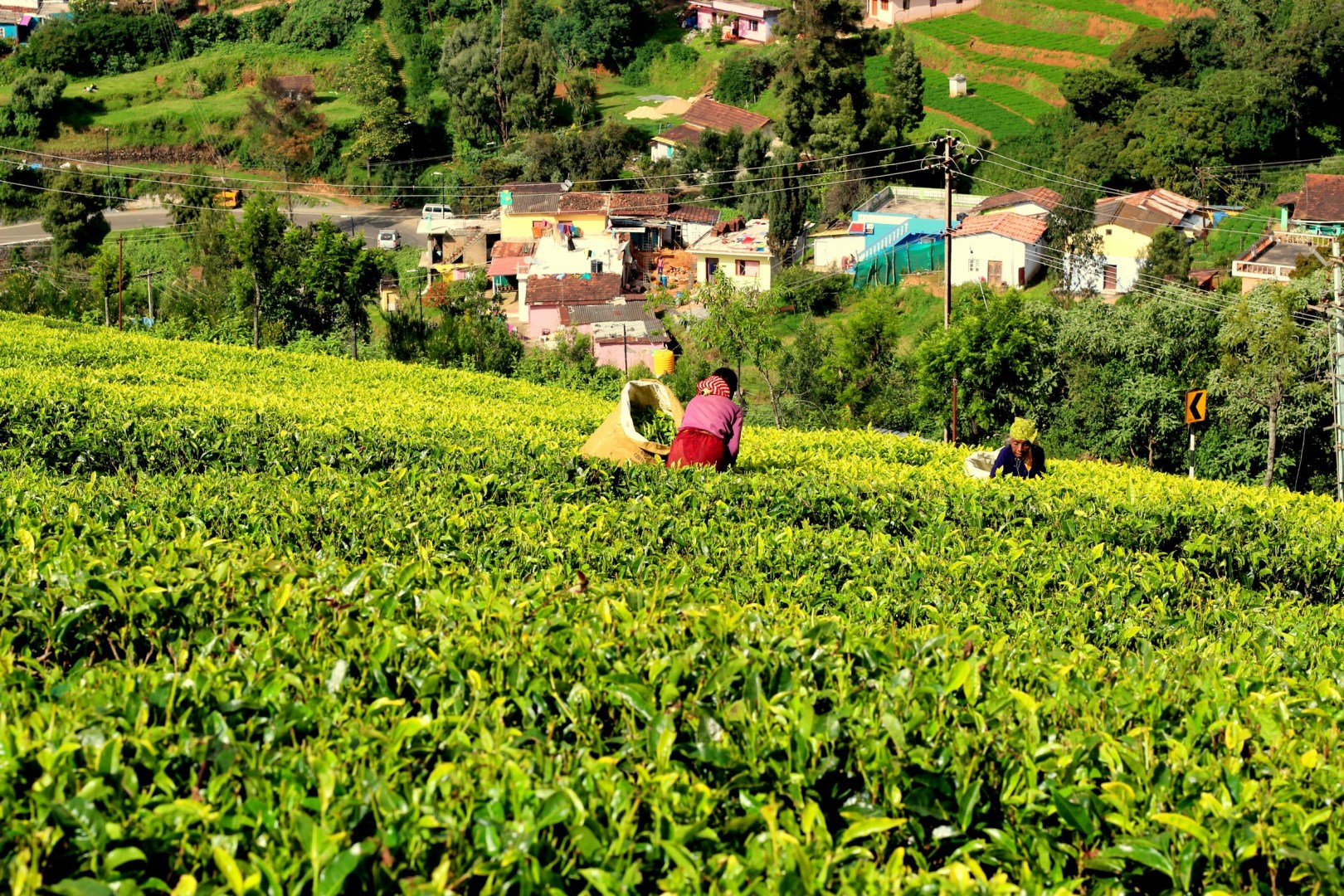
Ooty, officially known as Udhagamandalam, is a hill town in Tamil Nadu’s Nilgiri Hills, surrounded by tea estates, eucalyptus-covered slopes, shola vegetation, and rolling mountain scenery. Sitting at more than 2,000 metres above sea level, it has a notably cooler climate than the plains of southern India. The town developed as an important hill settlement and remains the main urban centre of the Nilgiris.
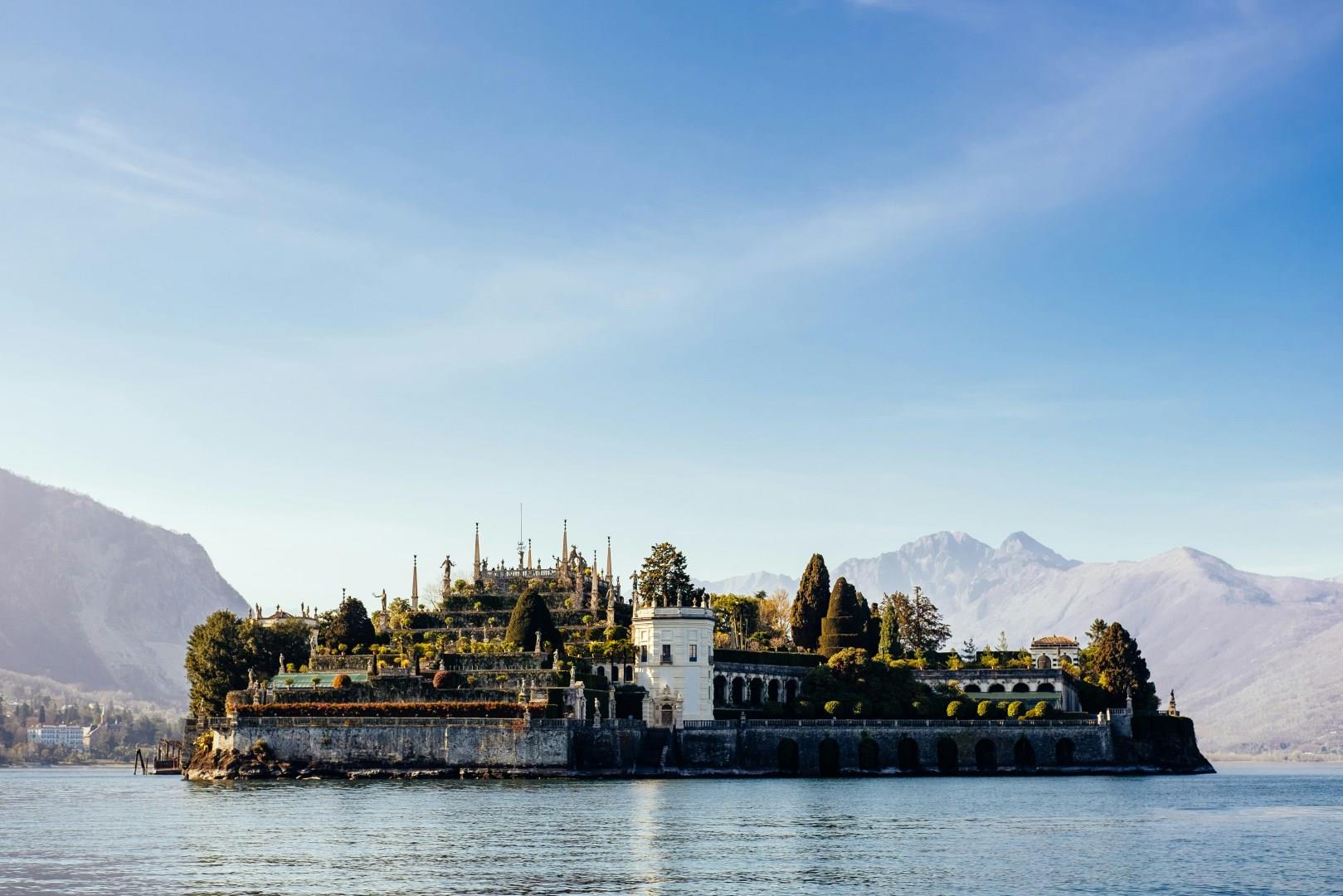
Lake Maggiore
Lake Maggiore, straddling the border of northern Italy and southern Switzerland, is the second-largest lake in Italy and one of the most scenically diverse. Surrounded by Alpine peaks and dotted with elegant towns, the lake has attracted visitors for centuries, including literary figures like Stendhal and Ernest Hemingway. The western shore is home to the Borromean Islands, a group of three small islands known for palaces, terraced gardens, and white peacocks that roam freely across the lawns.
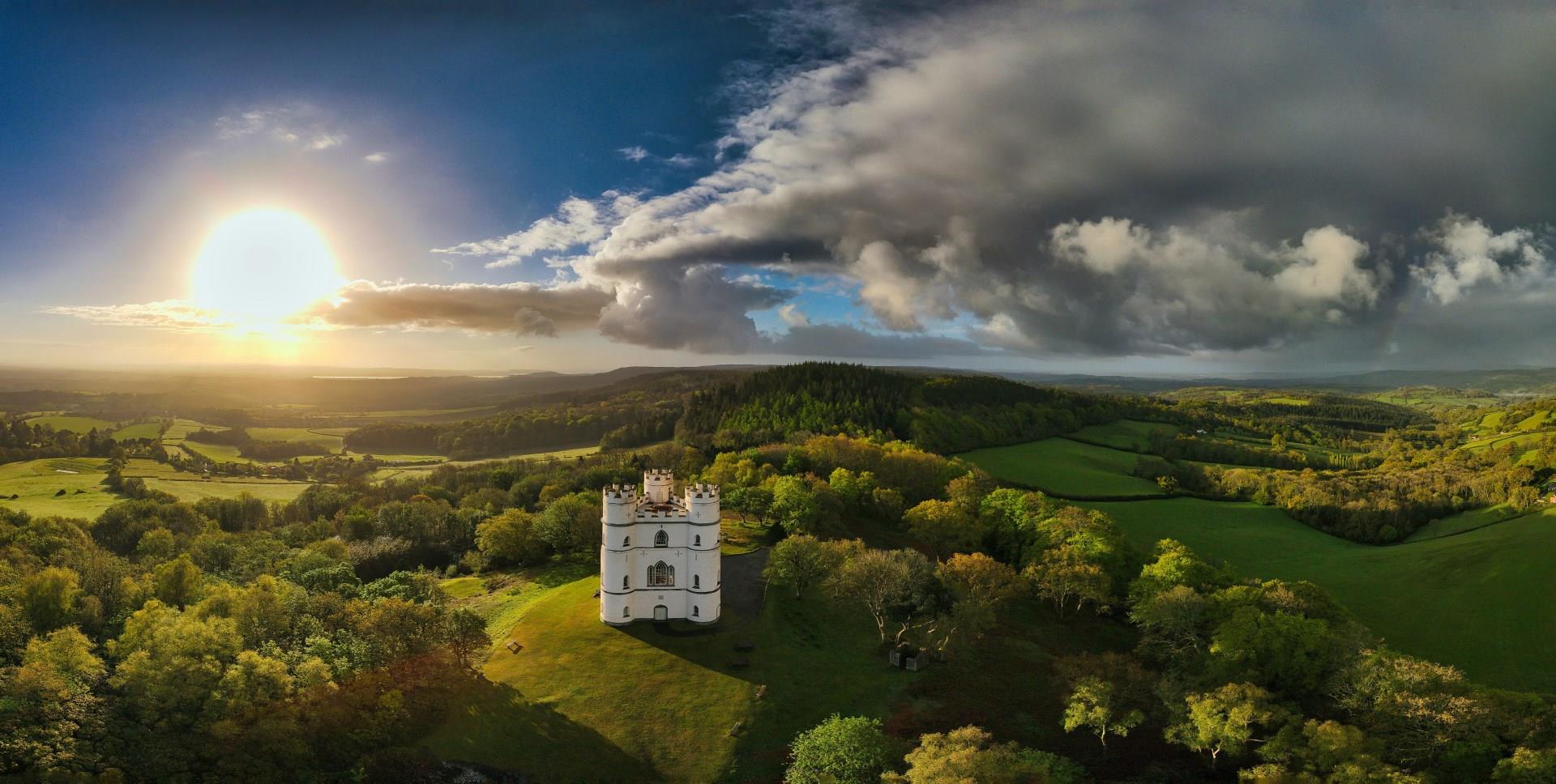
Exeter
Exeter sits in southwest England at a natural crossing of the River Exe, a position that has shaped its role since Roman times.