Snowdonia, a majestic national park in North Wales, offers a stunning tapestry of natural beauty and adventure. At its heart is Mount Snowdon, the highest peak in Wales, reaching 1,085 meters (3,560 feet). The mountain is accessible via several well-marked trails, with the Snowdon Mountain Railway providing a scenic ride to the summit. From the top, panoramic views stretch over rugged landscapes and, on clear days, to the distant peaks of Ireland.
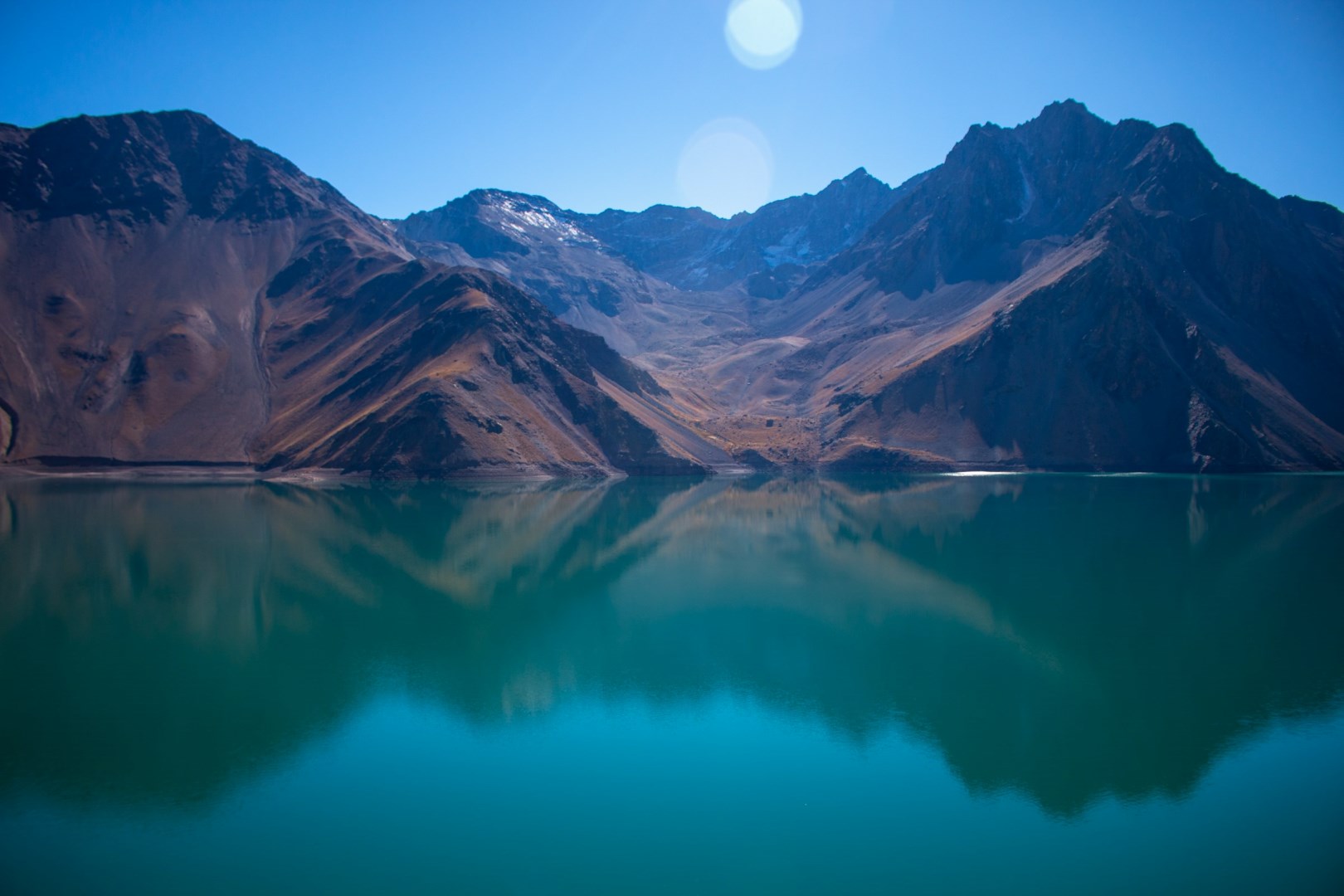
Maipo is a rural area south of Santiago in Chile's Metropolitan Region, centered on the Maipo River and the agricultural communities of the Maipo Valley. The landscape combines vineyards, orchards, farmland, and foothills that rise toward the Andes. The area is particularly associated with wine production, especially Cabernet Sauvignon and other red varieties grown in the valley's warm, dry climate.
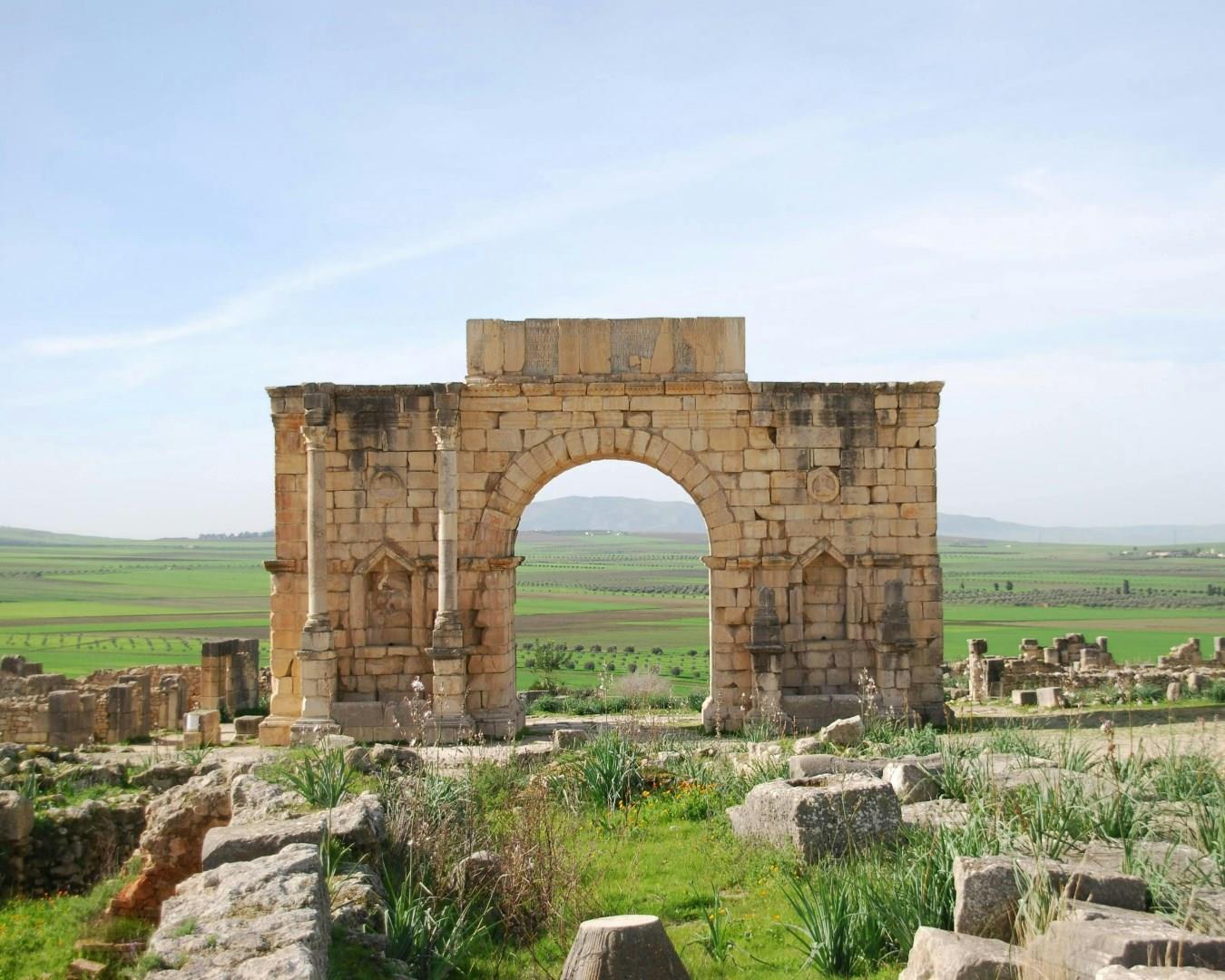
Meknes, one of Morocco’s four imperial cities, is a historic jewel known for its blend of grandeur and tradition. Once the capital under Sultan Moulay Ismail in the 17th century, the city was envisioned as the “Versailles of Morocco,” filled with monumental gates, sprawling walls, and lavish palaces.
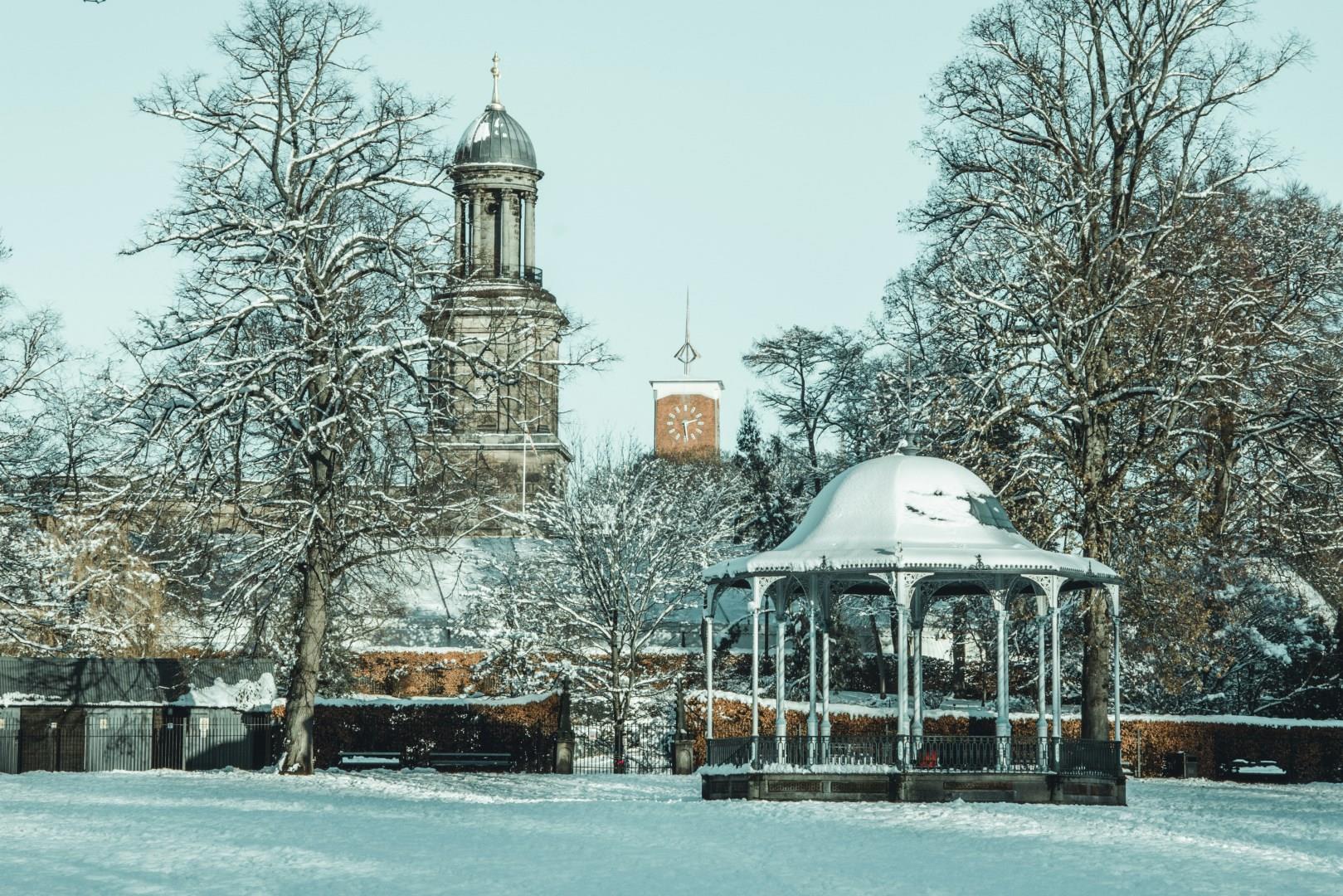
Shrewsbury, a picturesque market town in Shropshire, England, is celebrated for its medieval charm, riverside setting, and remarkably well-preserved architecture. Encircled almost entirely by a loop of the River Severn, the town’s winding streets and timber-framed buildings transport visitors back through centuries of English history.
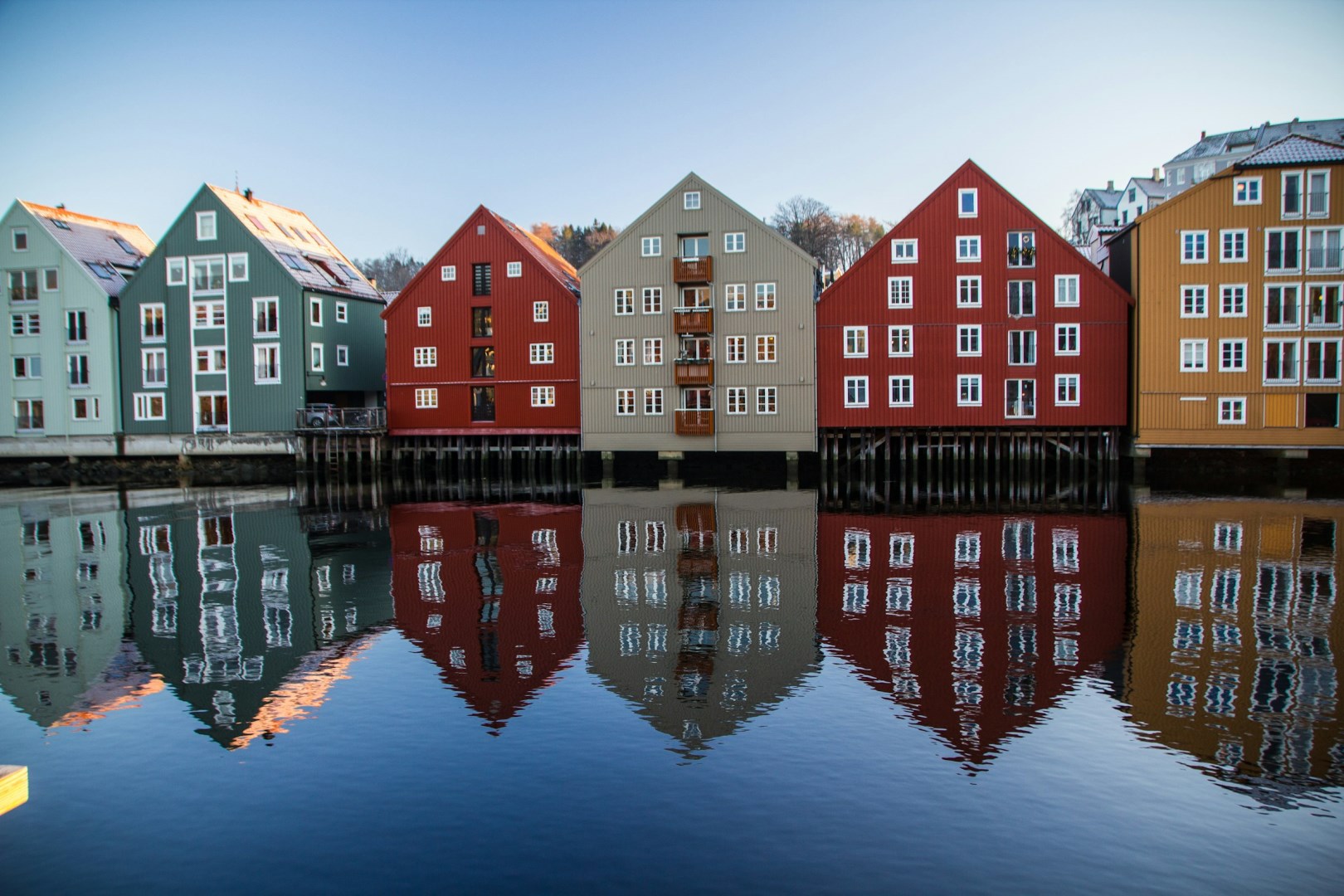
Nestled along the Trondheim Fjord in central Norway, Trondheim offers a captivating blend of rich history and vibrant modern life. As Norway’s first capital, Trondheim boasts a legacy that includes the striking Nidaros Cathedral, an iconic landmark whose construction began in the 11th century.
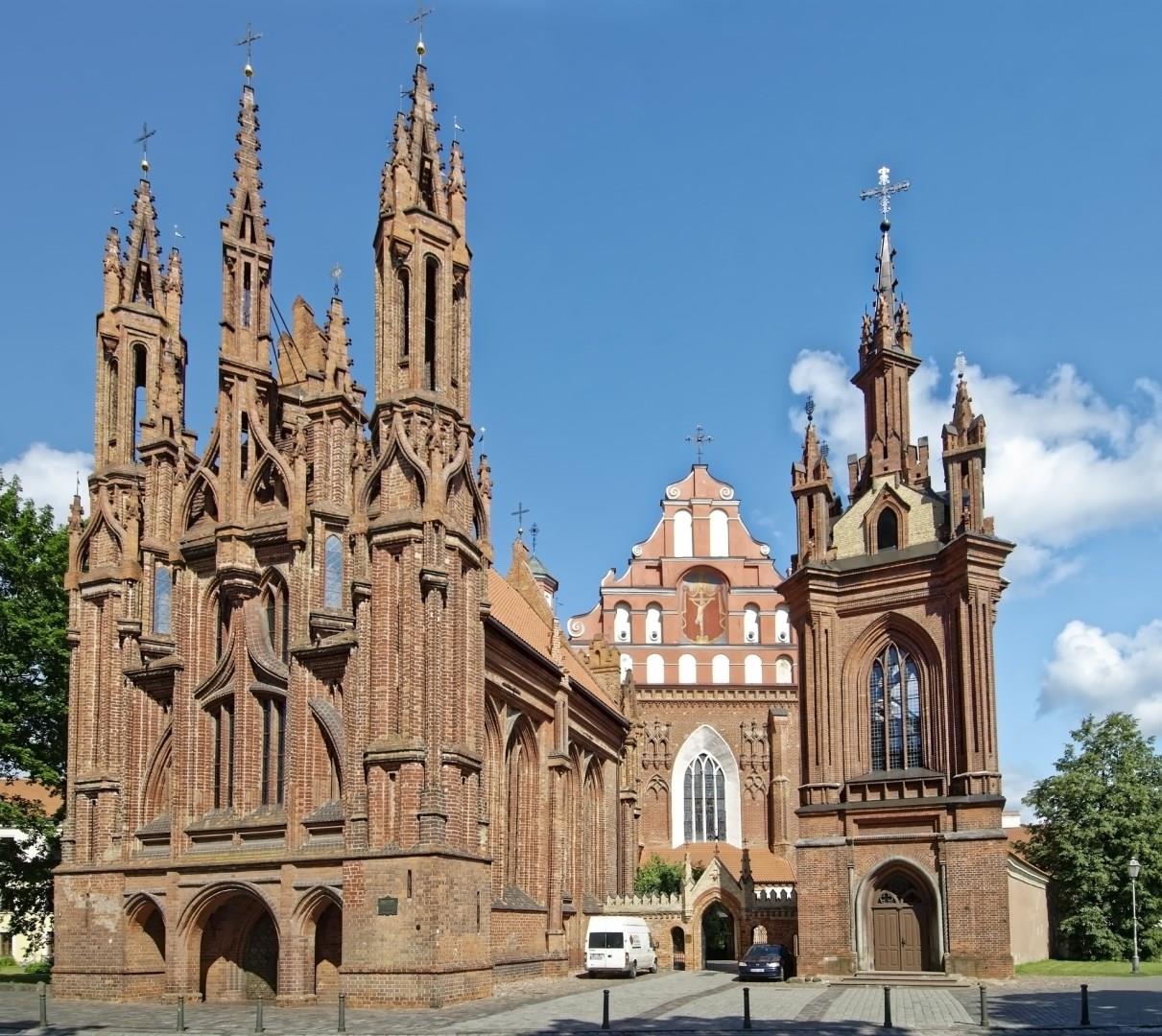
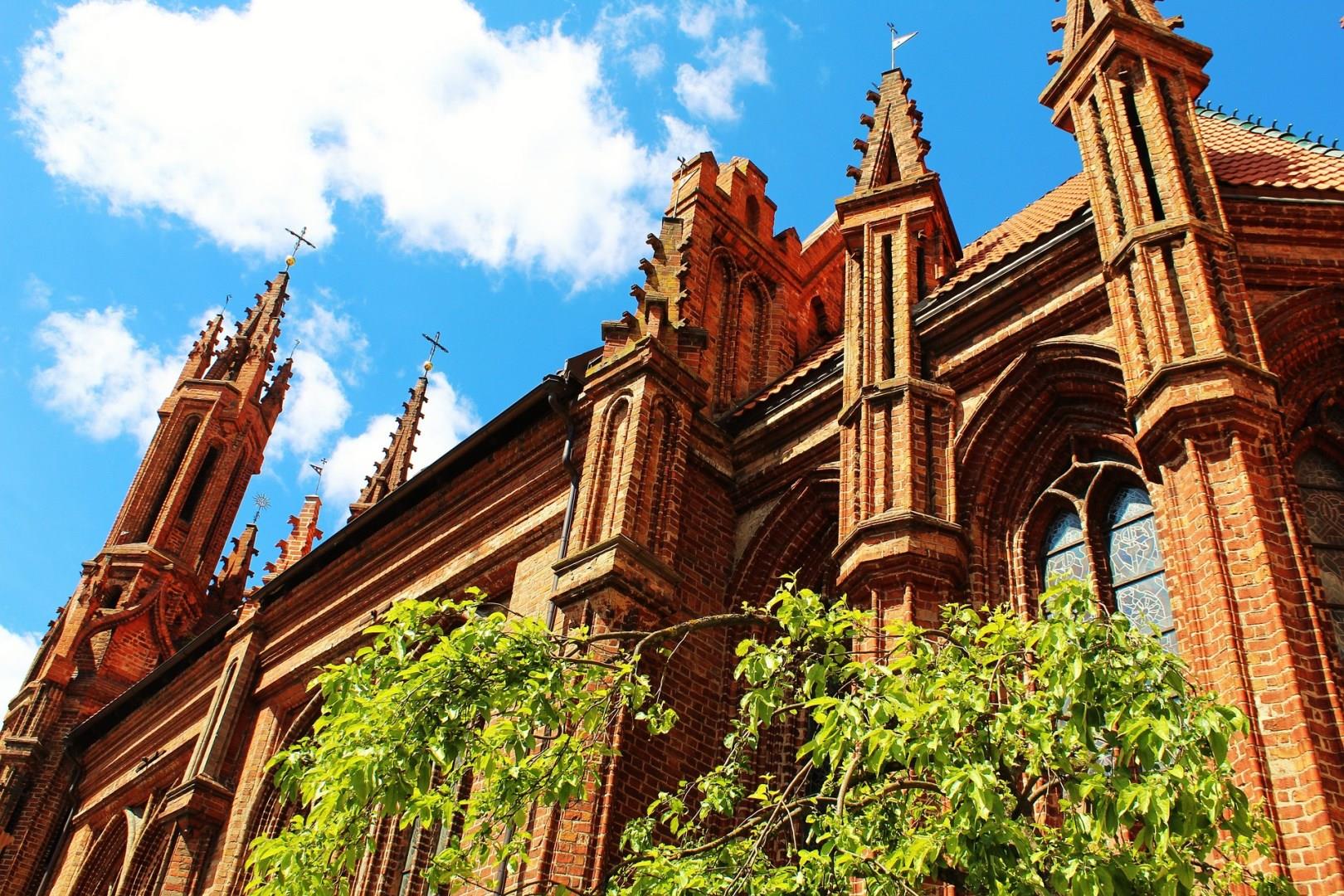
Vilnius, the charming capital of Lithuania, is a city where historical grandeur meets vibrant modernity. The heart of Vilnius is its UNESCO-listed Old Town, one of the largest and most well-preserved medieval city centers in Europe. Wander through its cobblestone streets and admire the stunning Baroque architecture. This architectural gem is renowned for its intricately decorated interior and the delicate plasterwork that graces its walls.
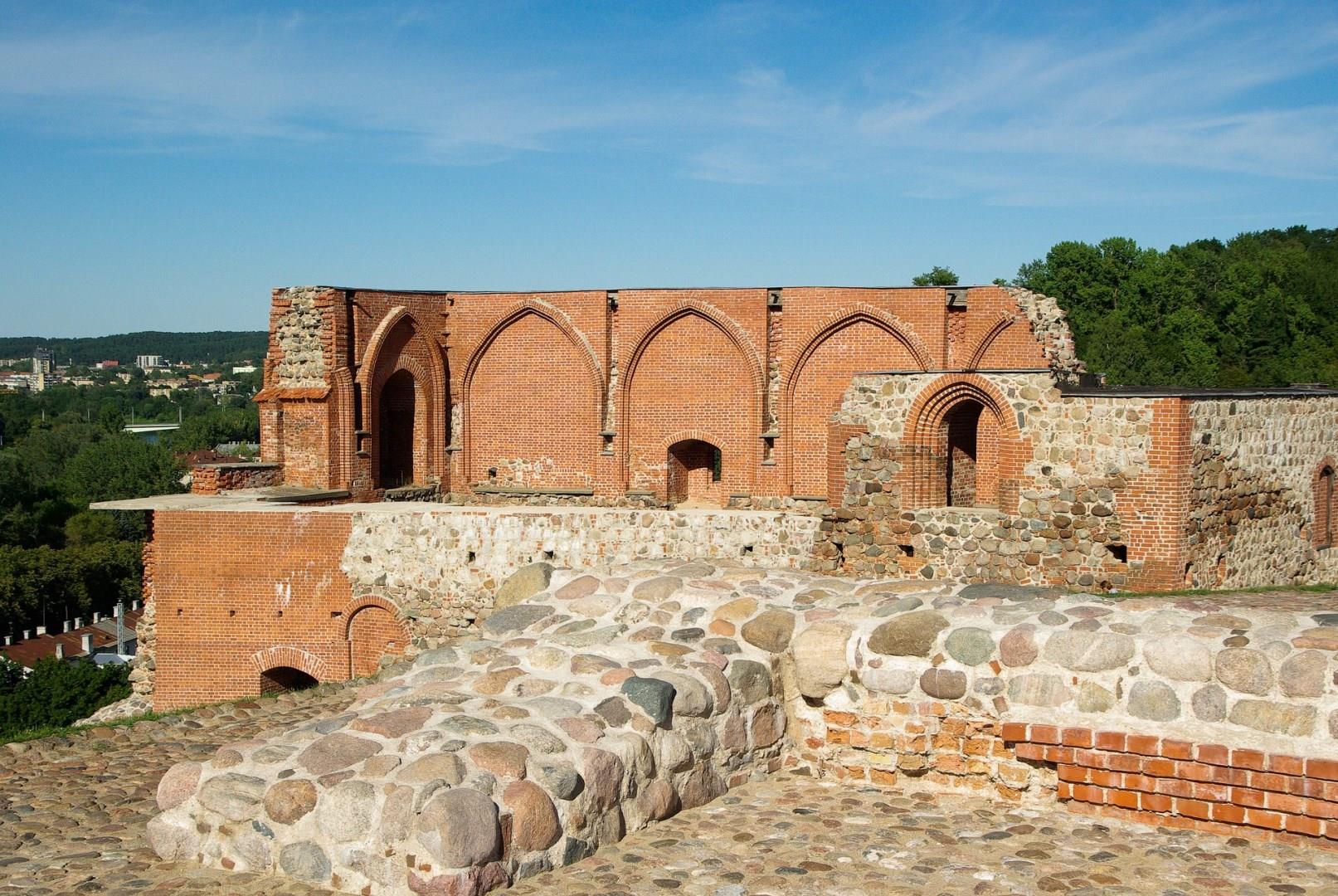
Vilnius is also home to Gediminas’ Tower, a historical fortress offering panoramic views of the city. The tower is a remnant of the Upper Castle and provides a fascinating glimpse into Lithuania's medieval past. It's an ideal spot for those interested in history and photography alike. For more details on this landmark, visit the Vilnius Tourism Gediminas' Tower page.
A stroll through the Uzupis district reveals a quirky and artistic side of Vilnius. Often compared to Paris's Montmartre, this bohemian enclave has declared itself an independent republic with its own constitution and artistic spirit. The district's vibrant murals and lively art scene make it a unique spot for exploration. Discover more about Uzupis at the Uzupis Art Incubator.
Fun Fact: Vilnius is known for its impressive number of churches, with over 40 in the Old Town alone. This makes it a paradise for architecture enthusiasts and those seeking spiritual and historical insights.
Other Popular Destinations in Lithuania
Klaipeda
Klaipeda, Lithuania’s only port city, is a place where history, nature, and the sea come together. Located on the coast of the Baltic Sea, this charming city has a unique old town filled with cobblestone streets.
Trakai
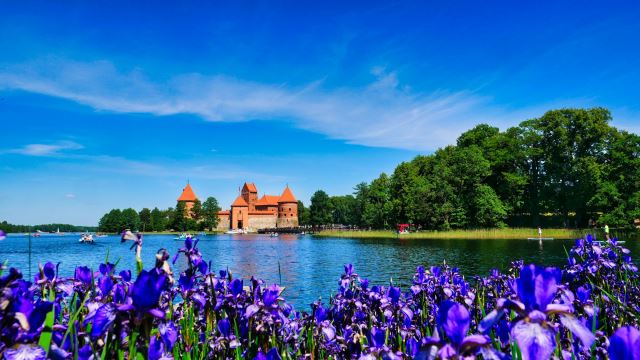
Trakai is a small historic town west of Vilnius, surrounded by lakes and wooded landscapes in southeastern Lithuania. Its most recognizable landmark is Trakai Island Castle, a red-brick fortress built on an island in Lake Galvė and connected to the shore by a wooden bridge. The town itself is set between several lakes, including Lake Galvė, Lake Totoriškės, and Lake Luka, giving its streets and waterfront a distinctly waterside setting.