Tournus
Nestled in the picturesque Burgundy region of France, Tournus offers a charming glimpse into both its rich medieval history and its delightful contemporary culture. One of the city’s standout landmarks is the Abbey of Saint-Philibert, a remarkable example of Romanesque architecture. Founded in the 10th century, this abbey features stunning stone carvings and a tranquil cloister, making it a must-visit for history and architecture enthusiasts.

College Fjord
East of Anchorage and Chugach State Park, College Fjord offers a glimpse into some of Alaska's most beautiful natural landscapes. Located in Prince William Sound, College Fjord is filled with stunning glaciers and is a popular site for Alaskan cruises.
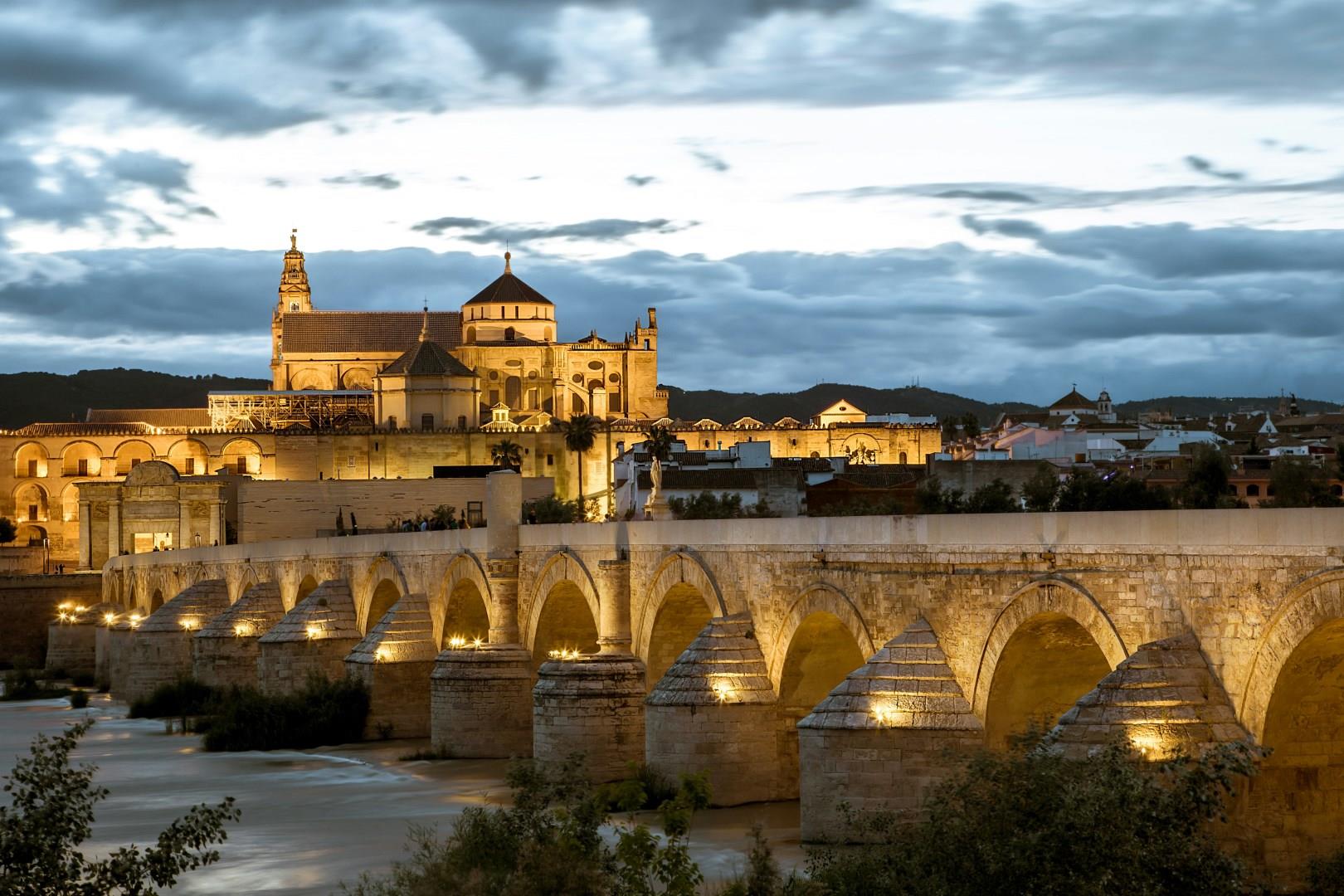
Córdoba
Córdoba, located in the heart of Andalusia, was once the most advanced city in Western Europe. During the 10th century, it served as the capital of Al-Andalus and was a center for learning, science, and art. Today, visitors walk the same streets that philosophers, poets, and physicians once crossed. The city’s most famous landmark, the Mezquita-Catedral, reflects its layered past. The red and white horseshoe arches inside are one of the most photographed interiors in Spain.

United Arab Emirates
The United Arab Emirates rolls history and invention into a seamless experience. In Abu Dhabi, the Sheikh Zayed Grand Mosque stands out with its reflective pools, marble columns inlaid with floral patterns, and the world’s largest hand-knotted carpet beneath domes that glow by night. On Saadiyat Island, the Louvre Abu Dhabi shelters art that spans civilizations, all beneath a dome designed to scatter sunlight like palm fronds.

Vietnam
Vietnam is a country where dramatic landscapes and deep-rooted traditions intertwine, creating a mosaic of experiences that stretch from misty northern mountains to the lush waterways of the Mekong Delta. Its history is marked by ancient kingdoms, colonial legacies, and a remarkable story of resilience in the face of conflict.