Pamukkale
Pamukkale is a fairyland of dazzling white, petrified castles. It is a magical and spectacular natural site, unique in the world. Thermal spring waters laden with calcareous salts running off the plateau's edge, have created this fantastic formation of stalactites, cataracts and basins.
Cong
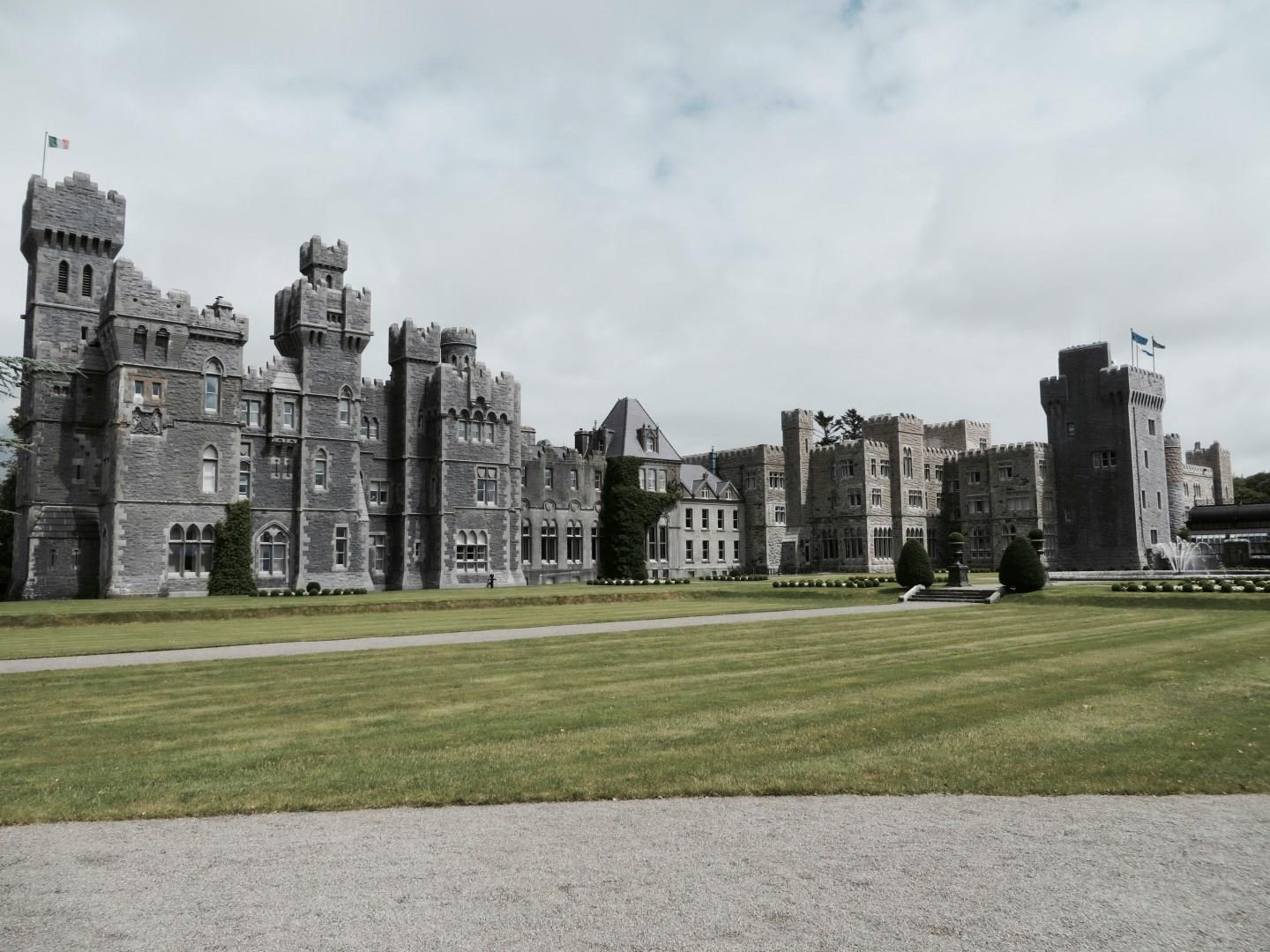
Cong is a small village in western Ireland, set where the River Cong flows between Lough Corrib and Lough Mask. Its history is closely tied to monastic settlement, most notably Cong Abbey, founded in the 12th century and later shaped by Norman influence.
Munnar
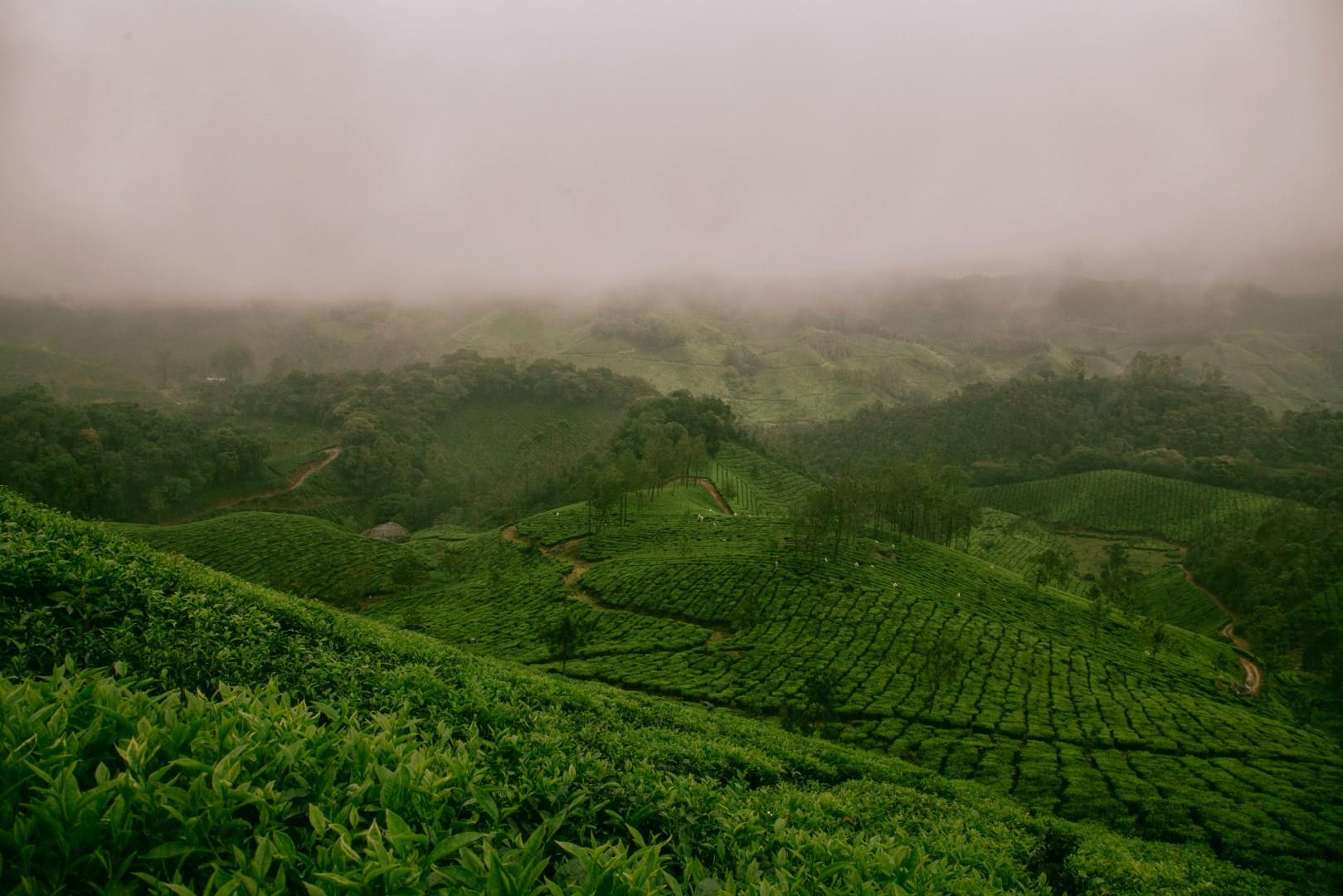
Munnar, located in the Western Ghats of Kerala, India, sits at around 1,600 meters above sea level and was once the summer resort of British colonial officers. Today, it’s known for its vast tea plantations, many of which date back to the 19th century. Visitors can walk through estates like Kolukkumalai, the highest tea plantation in the world, where traditional methods are still used to process leaves by hand.

Maho Beach
Maho Beach, on the Dutch side of Sint Maarten, is one of the Caribbean’s most thrilling and unconventional beach experiences. Situated directly beside Princess Juliana International Airport, the beach is world-famous for its low-flying airplanes that descend just overhead before landing.
Guam
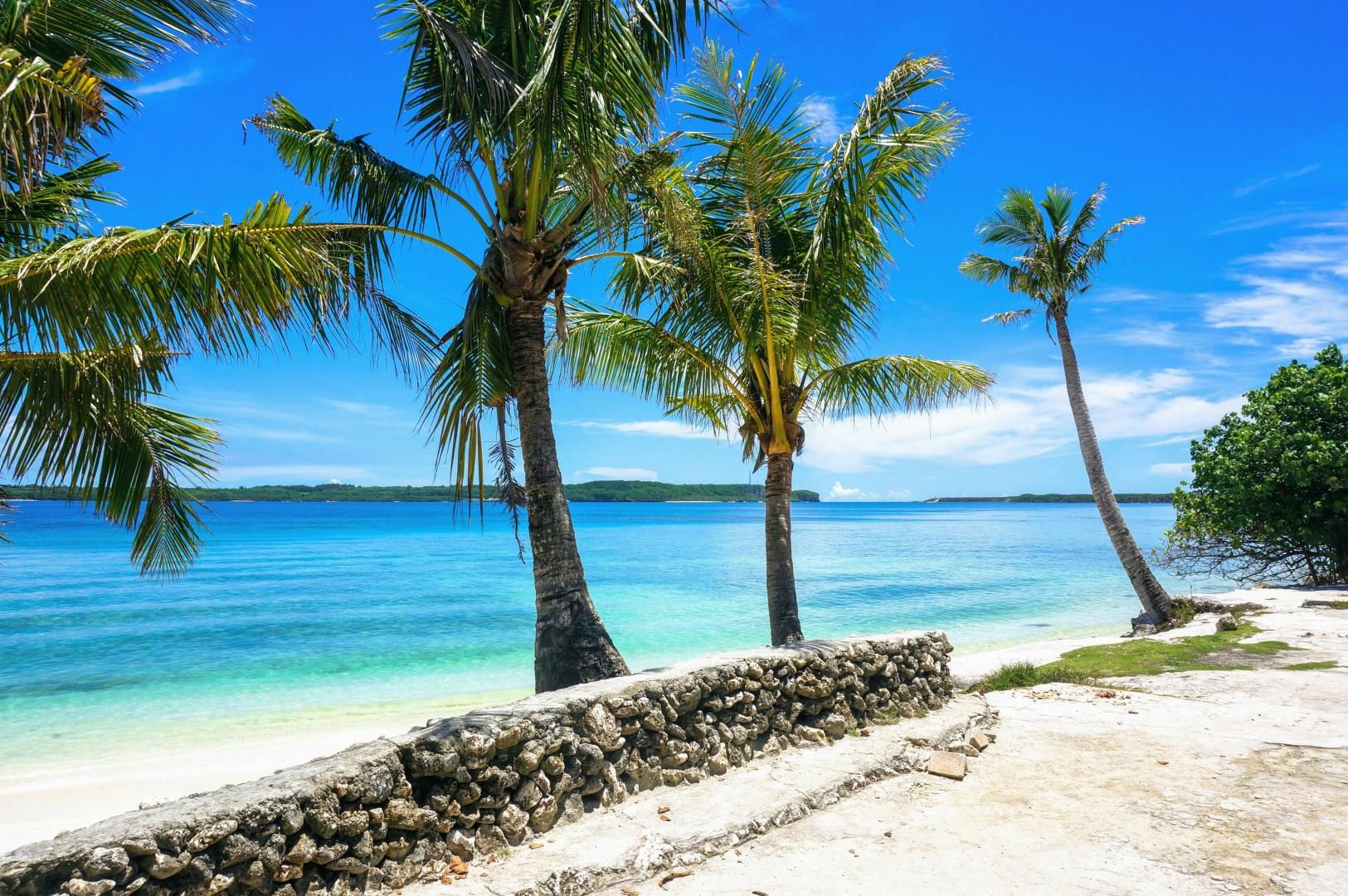
Guam, a vibrant island territory in the Western Pacific, offers travelers more than just sandy beaches and turquoise water. As the largest island in Micronesia, Guam has a dynamic past that’s shaped its present. Evidence of ancient Chamorro settlements can be found at sites like Latte Stone Park, where limestone pillars dating back over a thousand years stand tall.