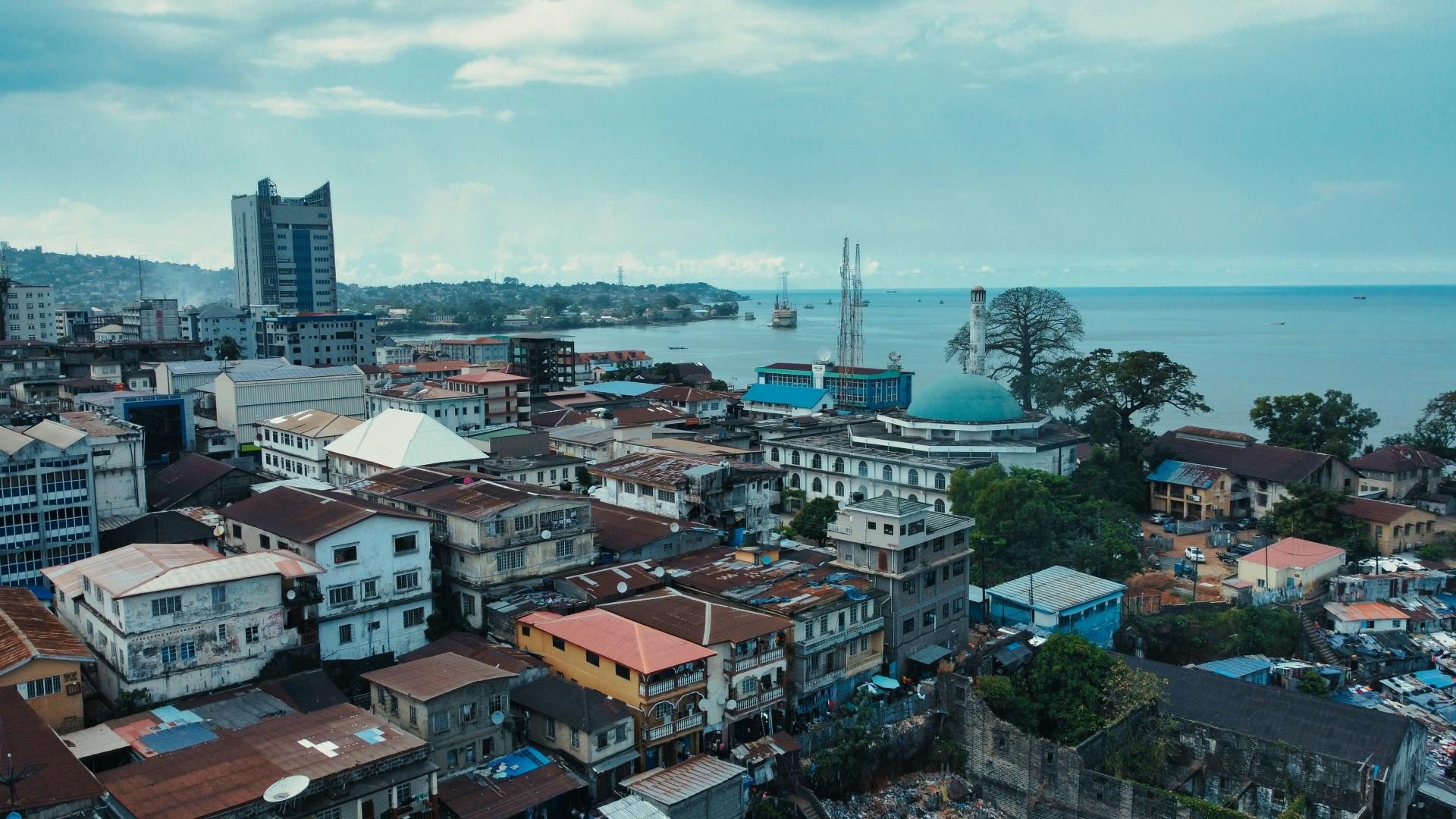
Sierra Leone
Sierra Leone, on the coast of West Africa, is a country of striking contrasts, where white-sand beaches meet green mountains and vibrant cities. Its Atlantic shoreline stretches for miles, offering quiet escapes as well as lively coastal communities.
Kanchanaburi
Kanchanaburi, a province in western Thailand, is best known for its poignant history and lush landscapes. It was here that Allied prisoners of war and Asian laborers were forced to build the infamous Death Railway during World War II, including the Bridge over the River Kwai, which remains a powerful symbol of resilience.
Mission Beach
One of the most unspoilt and undeveloped tourism destinations in the area - ideal for the visitor looking for both pristine natural beauty and a relaxed quiet getaway. The coastal fringe has wide sandy beaches, lined with small resorts and more than 25 offshore islands, while bushwalking and camping opportunities abound throughout the adjacent Wet Tropics rainforest areas.

Brecon Beacons
The Brecon Beacons, officially known as Bannau Brycheiniog, rise through south-central Wales as a landscape shaped by myth, grazing, and long human presence.
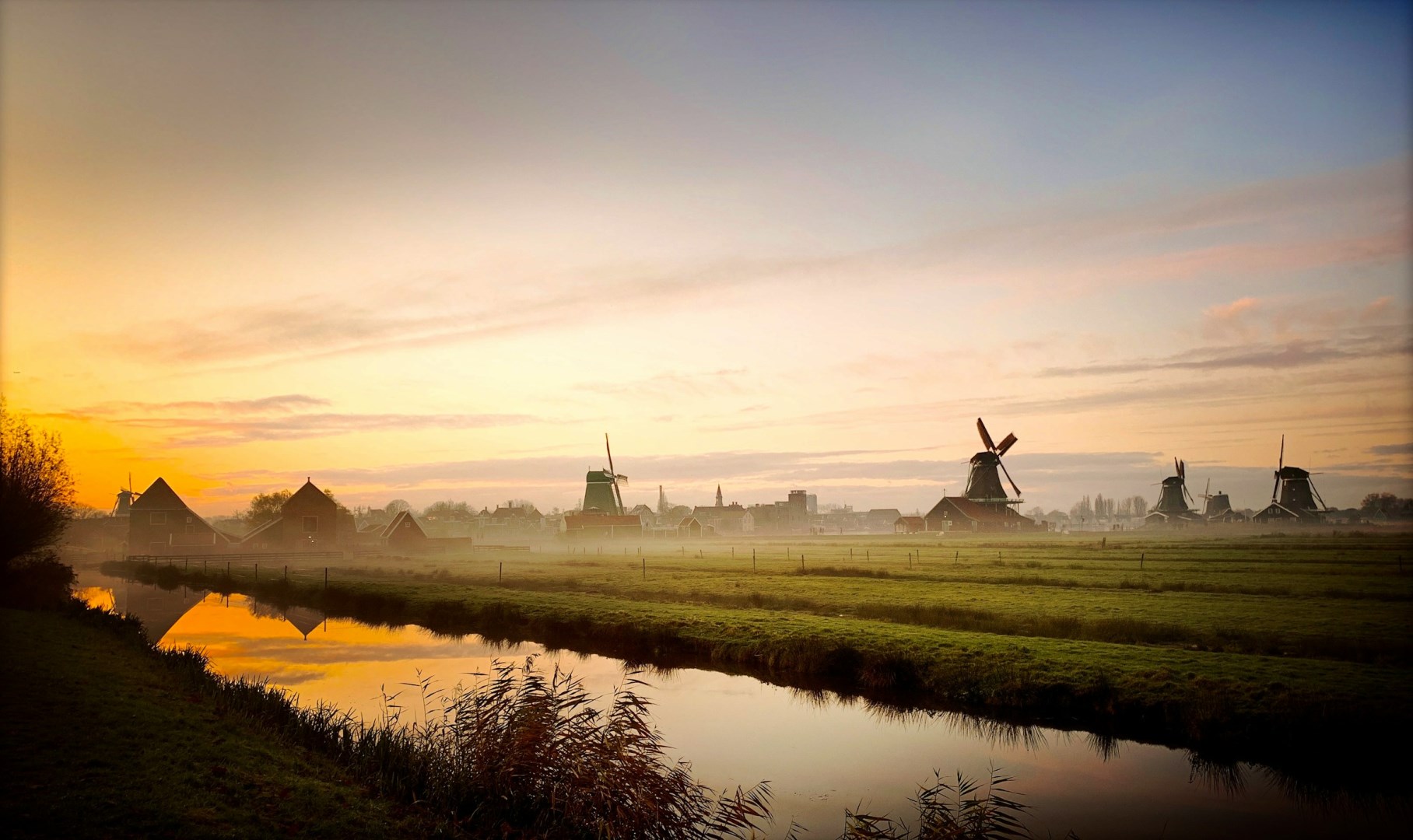
Zaandam
Zaandam is a city in North Holland, situated along the Zaan River just north of Amsterdam. Its identity is closely connected to the waterways, windmills, timber construction, and industrial activity that shaped the wider Zaan region. The city center combines historic streets and canals with contemporary architecture, including the distinctive Inntel Hotel, whose façade is formed from stacked versions of traditional Zaan houses.