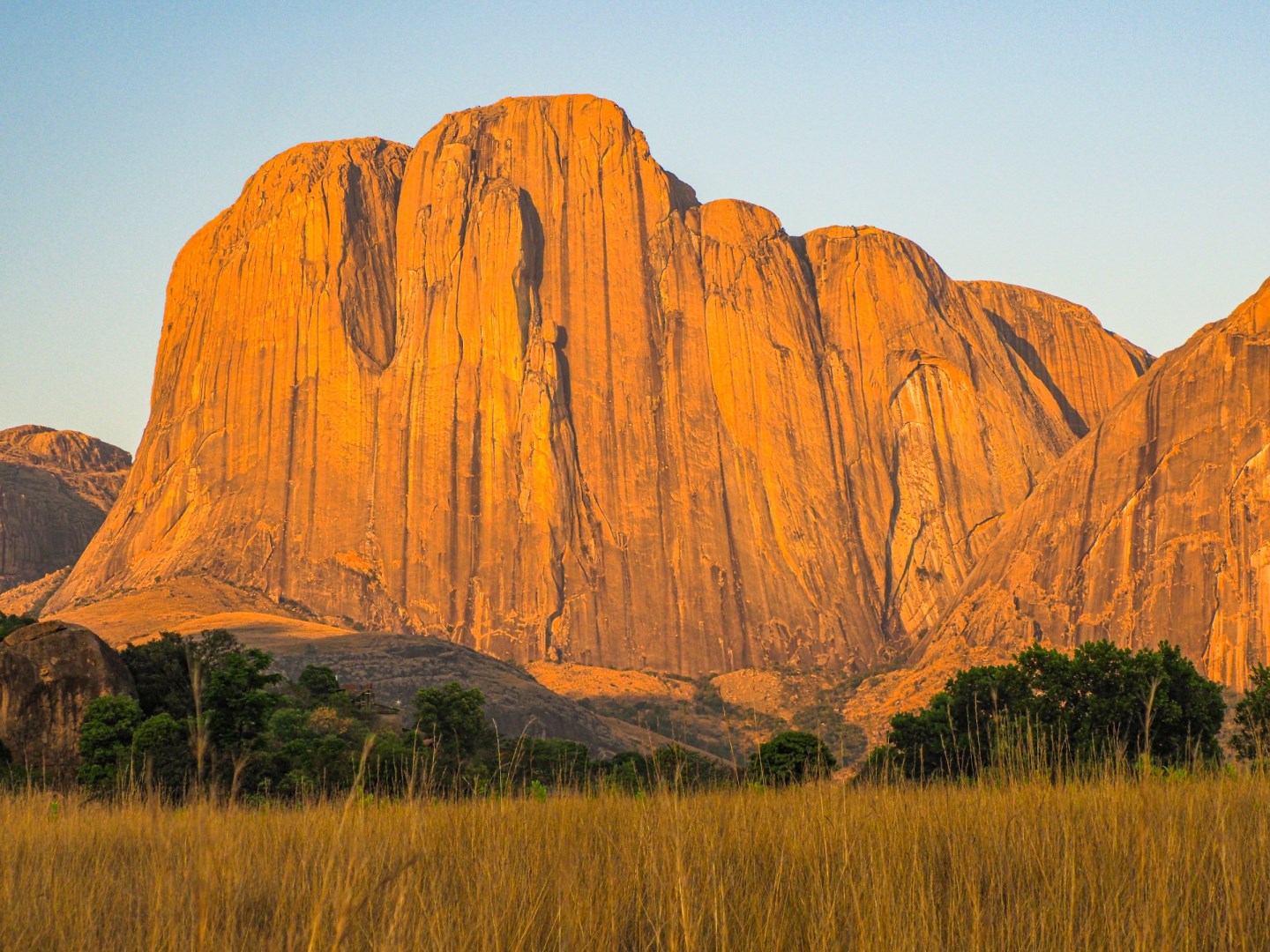
Andringitra National Park
Andringitra National Park lies in southeastern Madagascar across the regions of Haute Matsiatra and Ihorombe, protecting about 31,160 hectares of mountains, valleys, forests, and high-altitude grasslands. The park is part of the Andringitra Massif, where granite ridges and steep cliffs rise above deep valleys. Its elevation creates several distinct environments, ranging from humid forest to exposed mountain vegetation. The park is also part of the UNESCO-listed Rainforests of the Atsinanana.
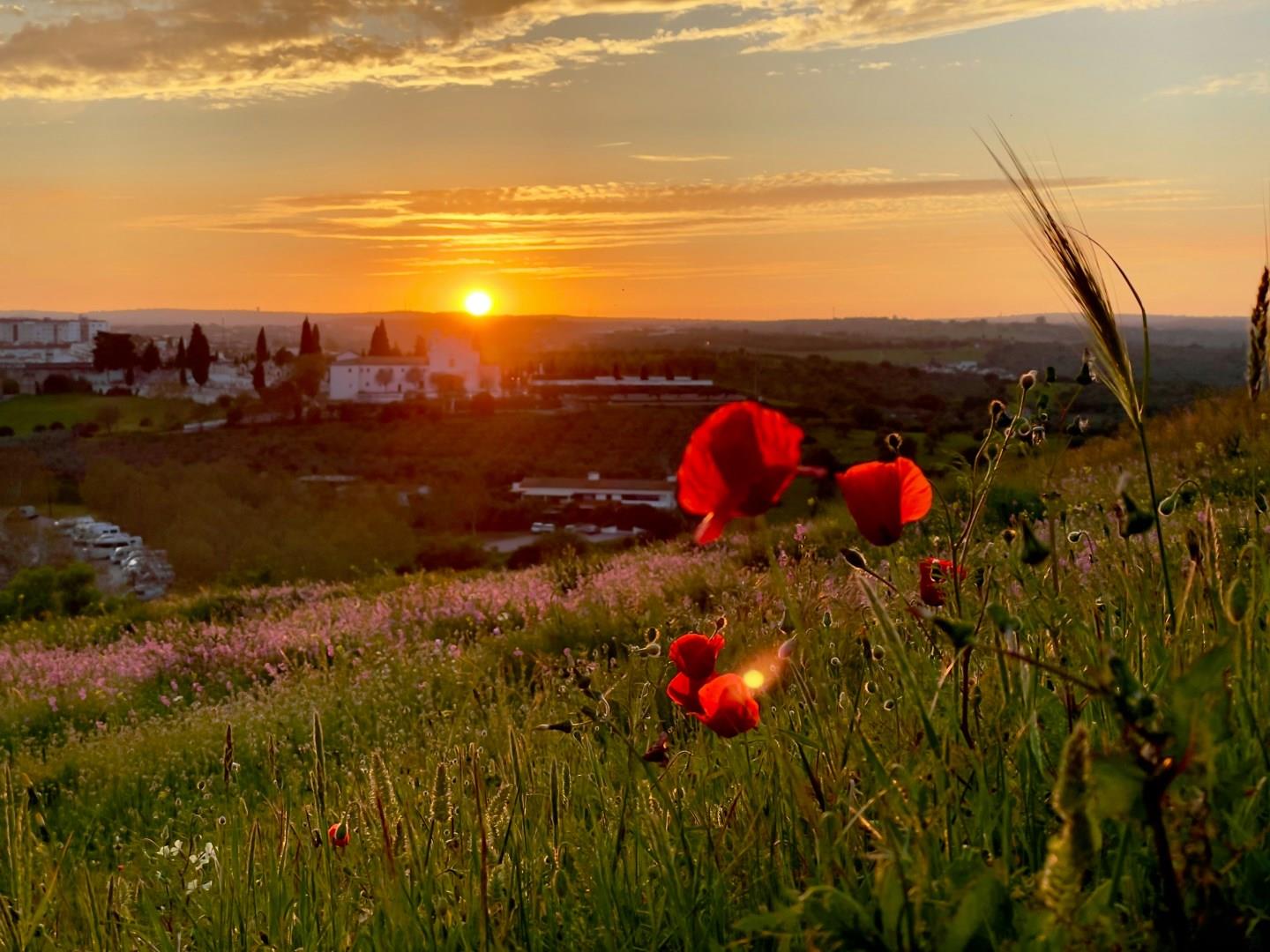
Elvas
Elvas rises from the Alentejo plains near the Spanish border as one of Portugal’s most striking fortified towns, shaped by centuries of defense, resilience, and daily life along the frontier. Encircled by an immense network of walls, bastions, and hilltop forts, the town tells a clear story of strategy and survival, from the sweeping views at Forte da Graça to the quiet streets within the historic center.
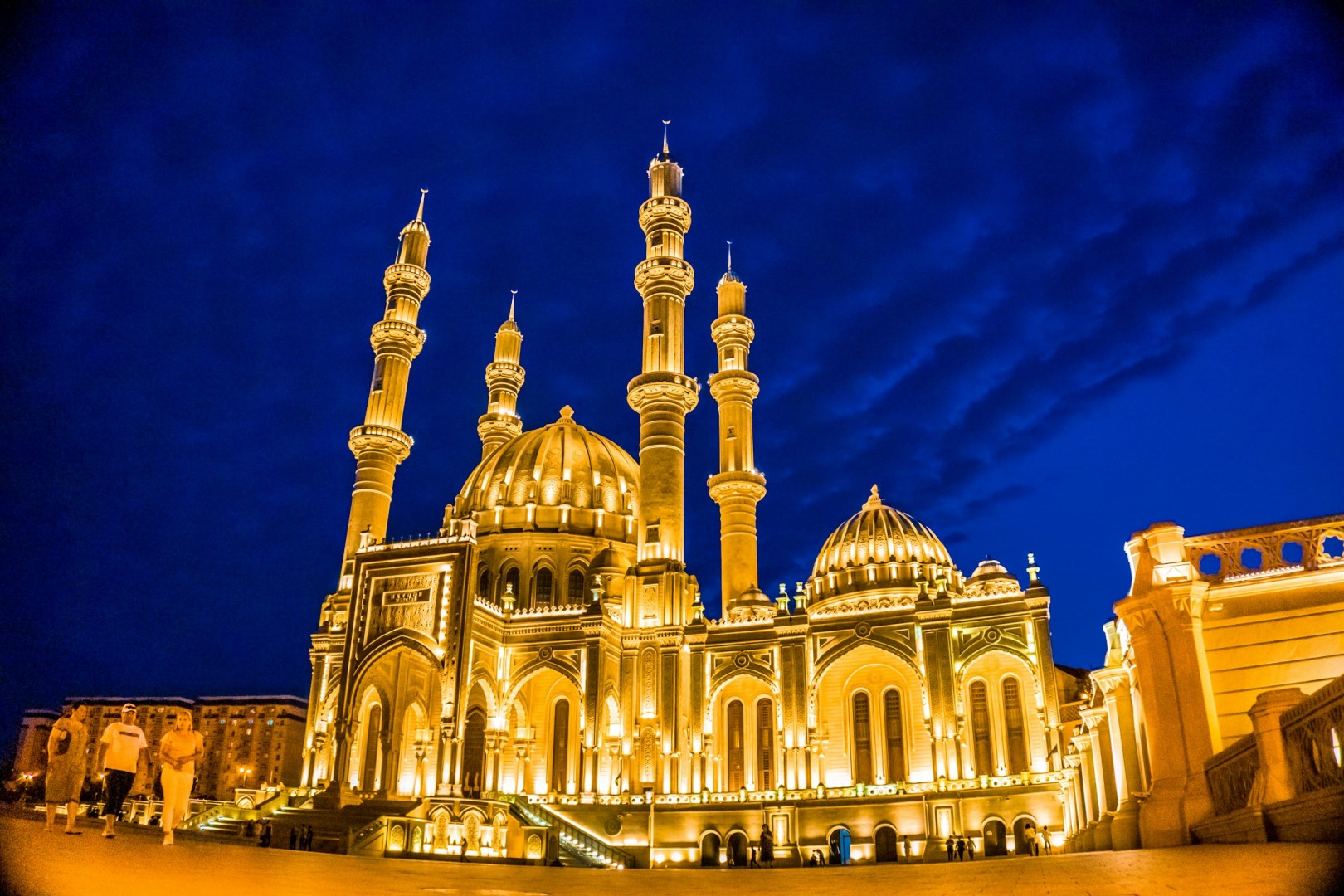
Baku
Baku, the capital of Azerbaijan, rises on the shores of the Caspian Sea as a city of striking contrasts. Its futuristic skyline, defined by the Flame Towers, glows each evening in waves of light, while the UNESCO-listed Old City preserves centuries of history within its fortified walls.

Olden
Nestled along the stunning Sognefjord in Norway, the charming town of Olden offers a gateway to some of Scandinavia’s most breathtaking landscapes. This picturesque settlement is renowned for its proximity to the Jostedalsbreen Glacier, the largest glacier in mainland Europe.
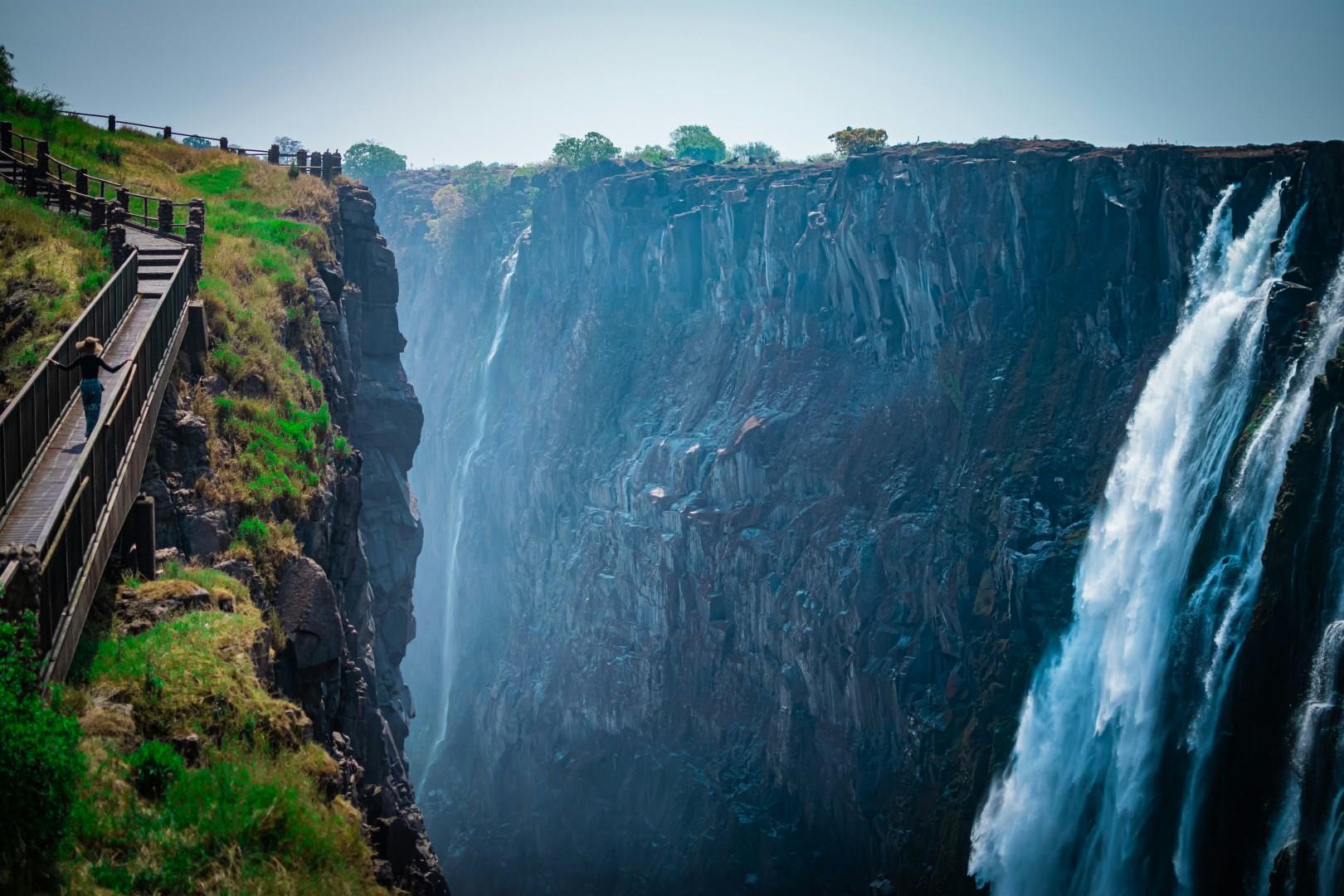
Livingstone
In the heart of Zambia lies Livingstone, a city that serves as the gateway to one of the most spectacular natural wonders in the world: Victoria Falls. This UNESCO World Heritage Site, often referred to as "The Smoke That Thunders," is renowned for its breathtakingly powerful waterfalls on the Zambezi River. The falls, which span over 1,700 meters wide and plunge 108 meters deep, offer a mesmerizing display of nature's might.