Arnhem
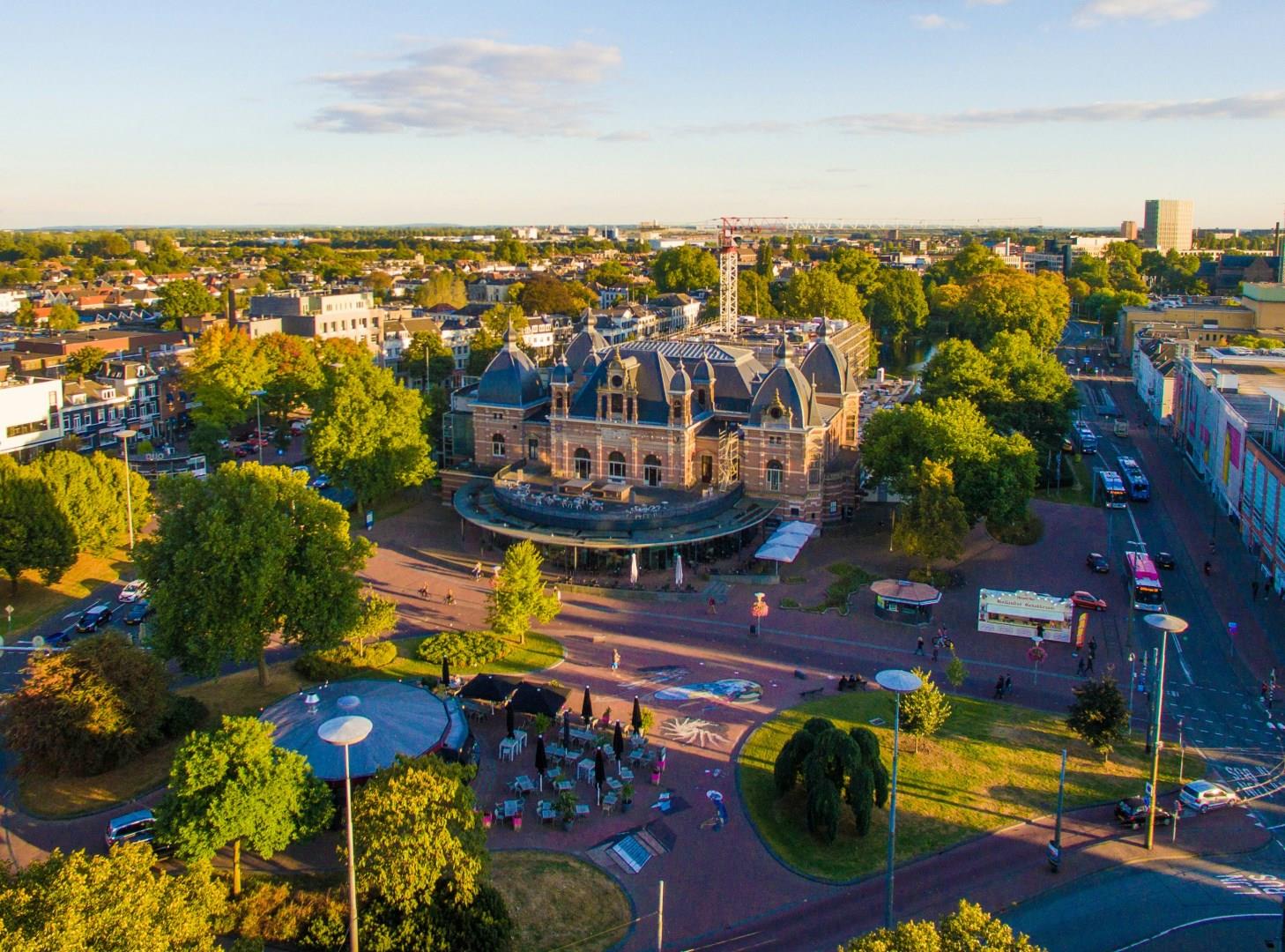
Arnhem has strong ties to Dutch fashion and design, thanks to ArtEZ University of the Arts. Graduates from its fashion department have gone on to international acclaim, and their influence is visible in boutiques and creative spaces throughout the Modekwartier (Fashion Quarter). This district features workshops, studios, and cafes where visitors can meet designers and even purchase one-of-a-kind pieces made on-site.
Eden
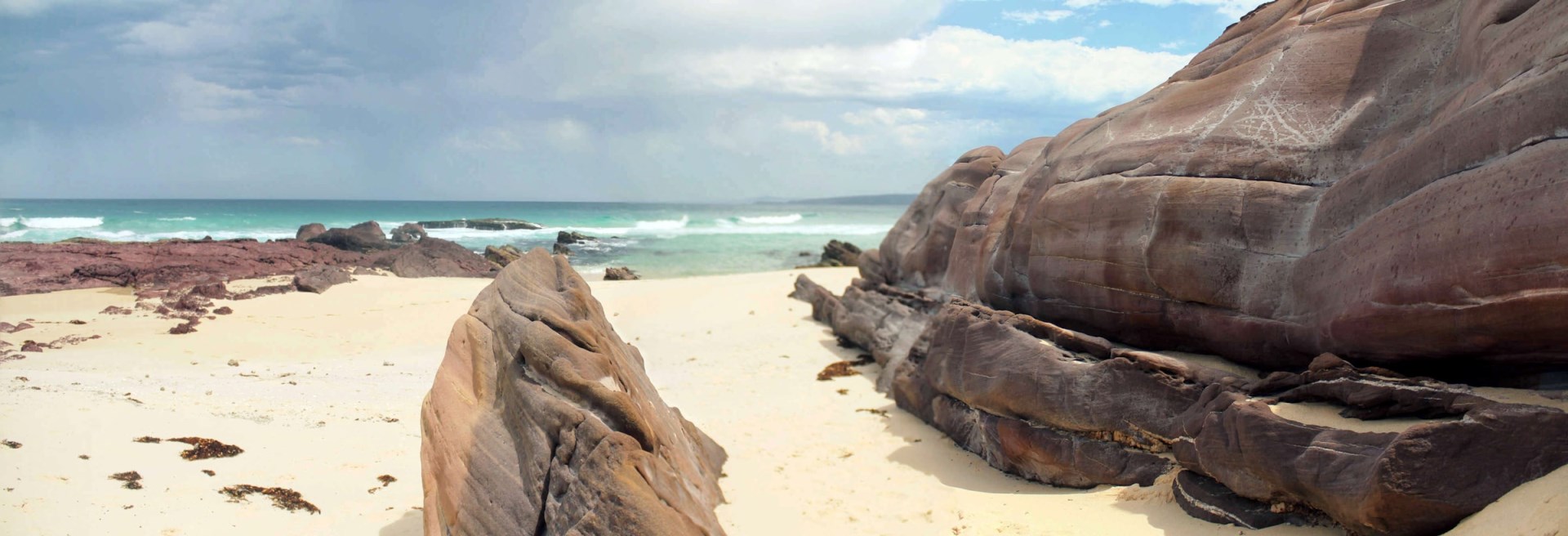
Eden is a coastal town on the Sapphire Coast of New South Wales, set around the deep waters of Twofold Bay near the Victorian border. Its location combines a working harbour, beaches, forested headlands, and a strong connection with the sea. Twofold Bay is one of the deepest natural harbours in the Southern Hemisphere and remains central to the town’s fishing, boating, and whale-watching activities.

Thessaloniki
A rich experience awaits you in this wealthy, energetic and youthful Greek city. Revel in cosmopolitan pleasures: sophisticated shops and cafes, markets hidden away beyond historic city squares, and the superlative Archaeological Museum are but a few.
St. Moritz
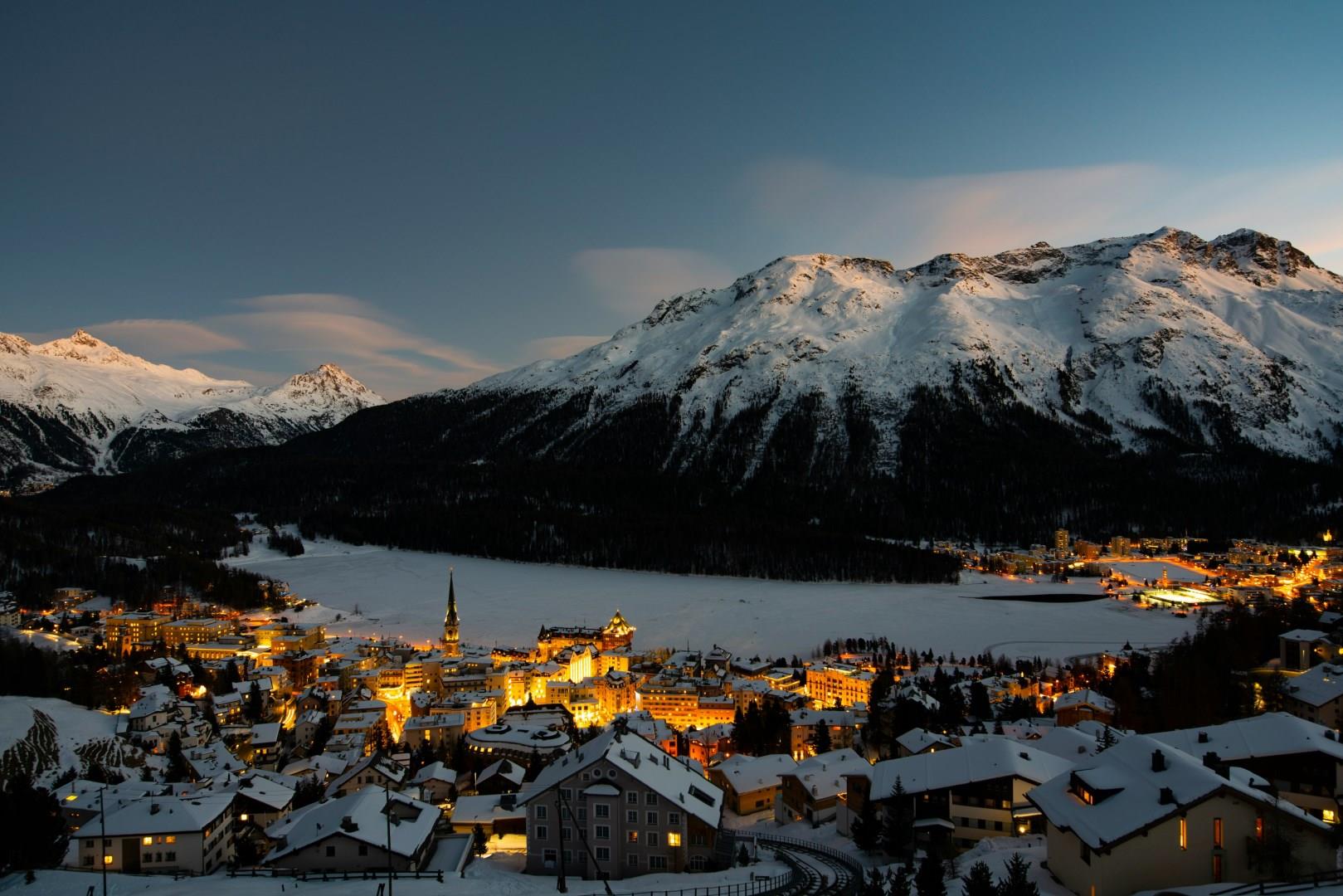
St. Moritz, located in Switzerland’s Engadin Valley, has been attracting visitors for over 150 years, long before the term "alpine resort" became common. It was here in 1864 that winter tourism was born, when a hotelier made a wager with British guests that they would enjoy the snow just as much as the summer sun. They returned, and the rest is history. The town has since hosted the Winter Olympics twice (in 1928 and 1948) and remains a favorite for skiing, snowboarding, and ice sports.
Hermanus
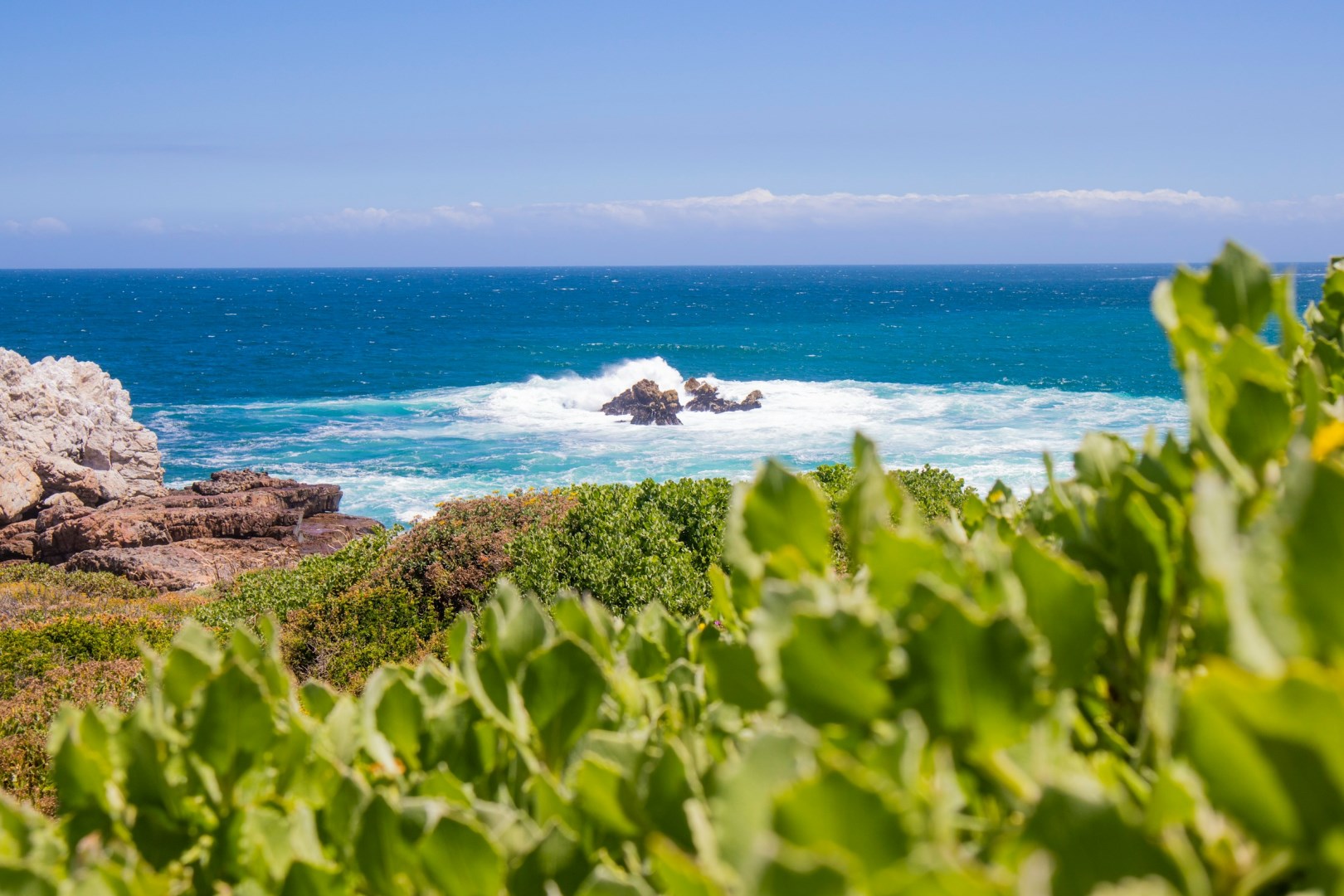
Hermanus is a coastal town in the Western Cape, set along Walker Bay between the Kleinrivier Mountains and the Atlantic Ocean. It is best known for its land-based whale watching, with southern right whales regularly entering the sheltered waters of the bay. The town combines a compact centre with a long coastal cliff path, beaches, coves, and residential areas extending along the shoreline.