Deauville
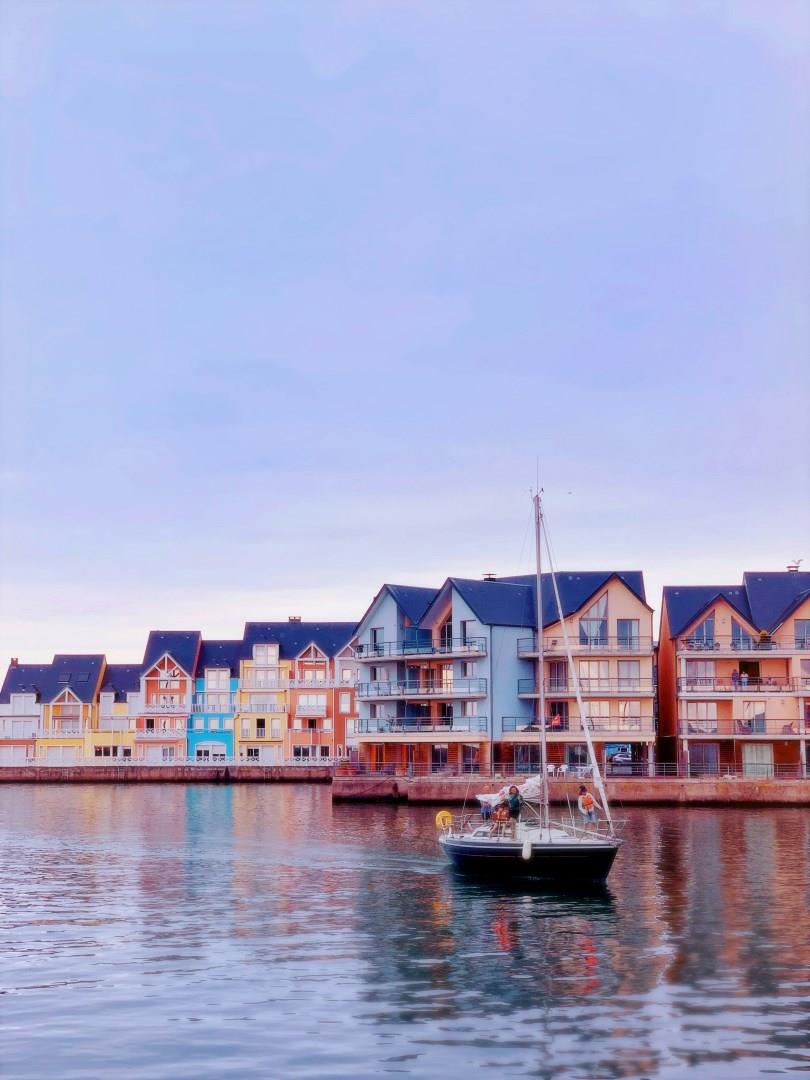
Deauville sits on the Normandy coast of northern France and has long been associated with seaside leisure, elegance, and cultural life. Developed in the mid-19th century as a resort for Parisian society, the town quickly became a place where architecture, fashion, and social rituals shaped its identity.
Uxmal
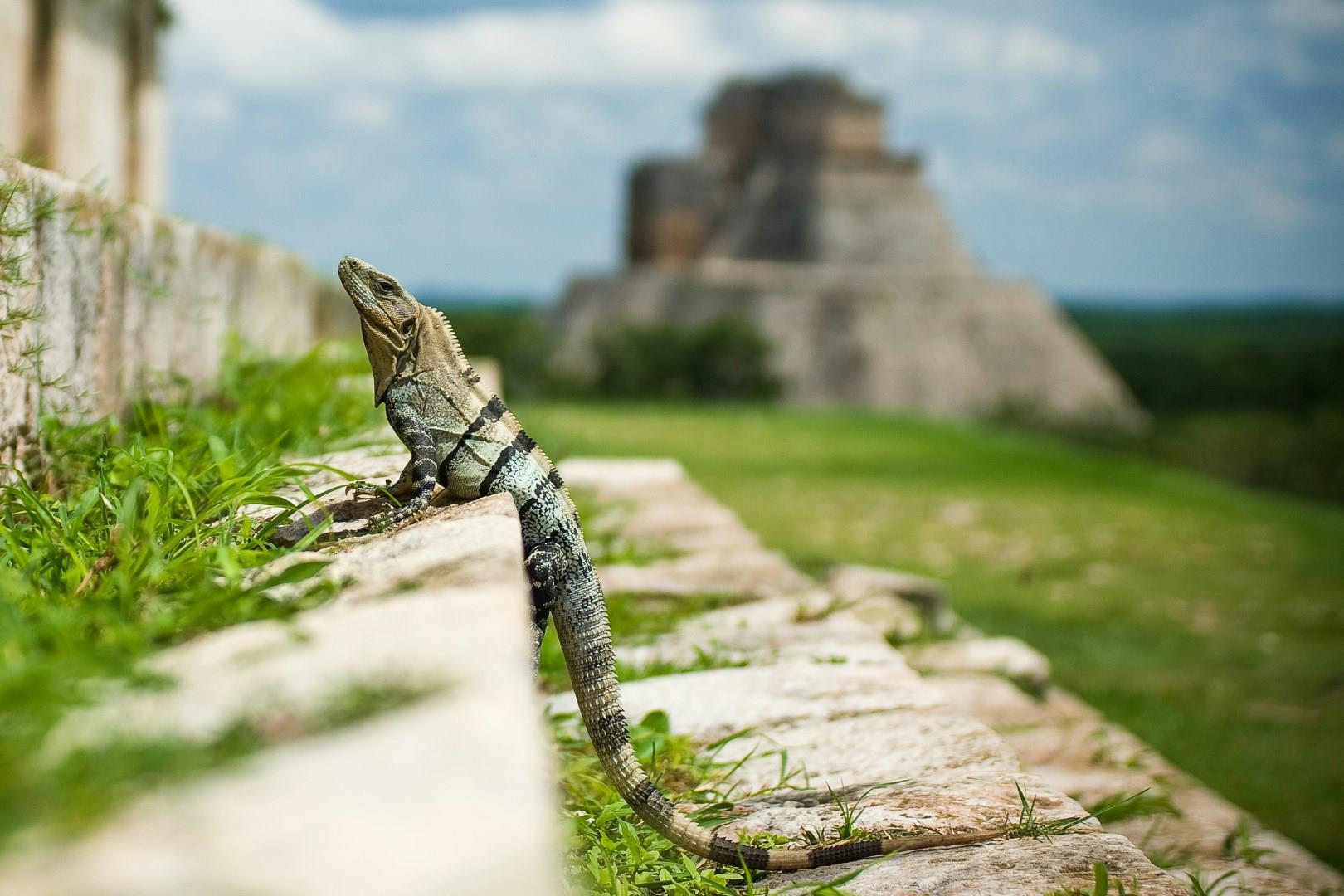
Uxmal, located about 80 kilometers south of Mérida in the Puuc region of Yucatán, is one of the most architecturally refined ancient Maya cities. Unlike other major Maya sites built with steep pyramids and narrow passageways, Uxmal is known for its smooth limestone structures, wide plazas, and intricate stone mosaics. One unique experience available to visitors is the nightly light and sound show, which uses colored projections to highlight carvings and narrate local legends and Maya cosmology.

Soufriere
Soufriere sits on the southwest coast of St. Lucia, framed by steep hills and the twin Pitons that rise sharply from the sea. Once the island’s original capital, the town carries deep historical roots tied to colonial rivalries and the development of plantation culture.
Pointe Denis
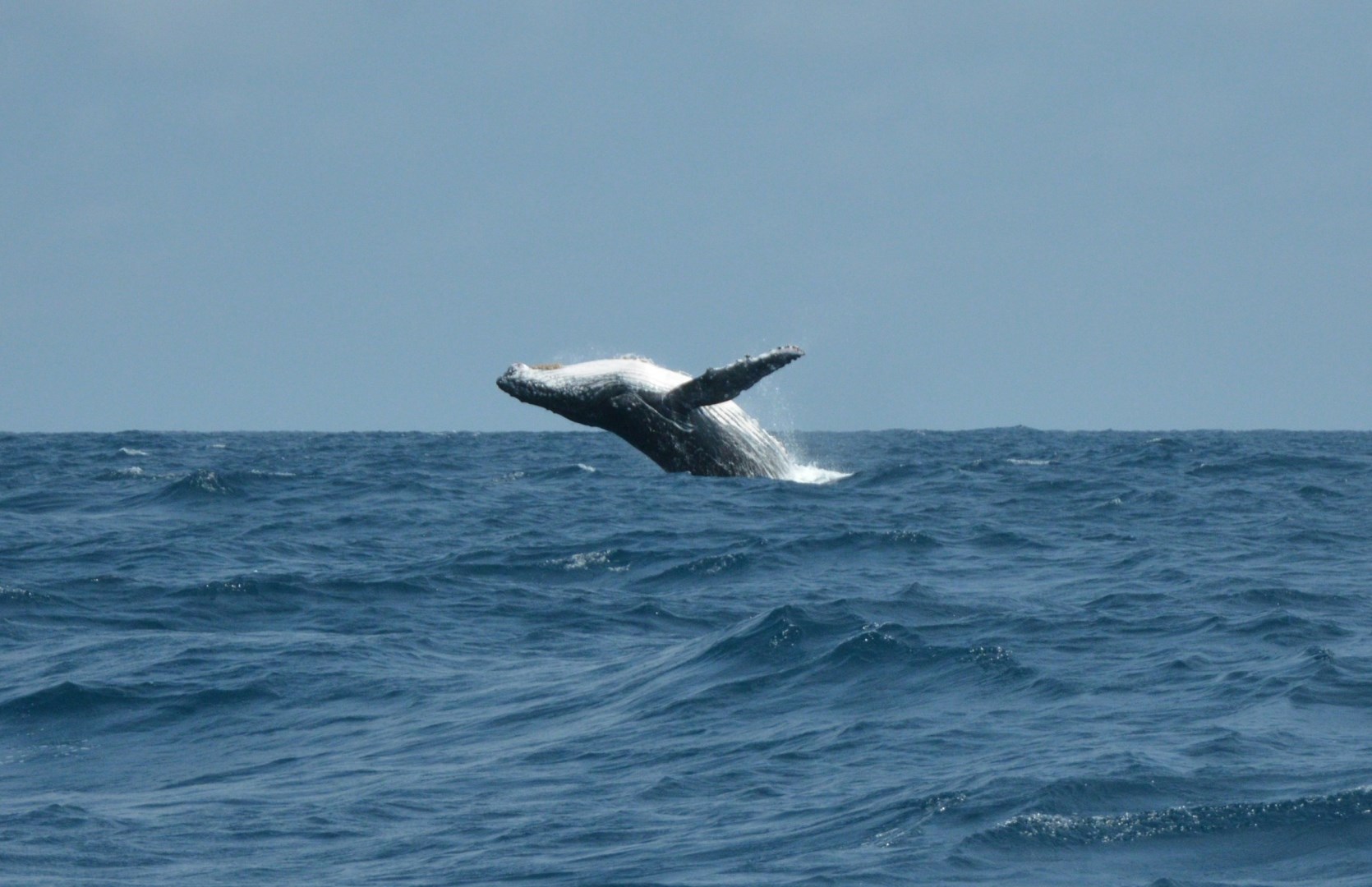
Pointe Denis is a small coastal settlement and beach area on the Pointe Denis peninsula in Gabon, across the Komo Estuary from Libreville.

Kingston
Kingston is Jamaica’s capital and largest city, occupying a broad coastal plain beneath the Blue Mountains and beside one of the Caribbean’s largest natural harbours. It is the country’s main center for government, business, education, music, art, and food, with neighborhoods ranging from historic downtown streets to the commercial districts of New Kingston and the hillside communities above the city.