Kumamoto
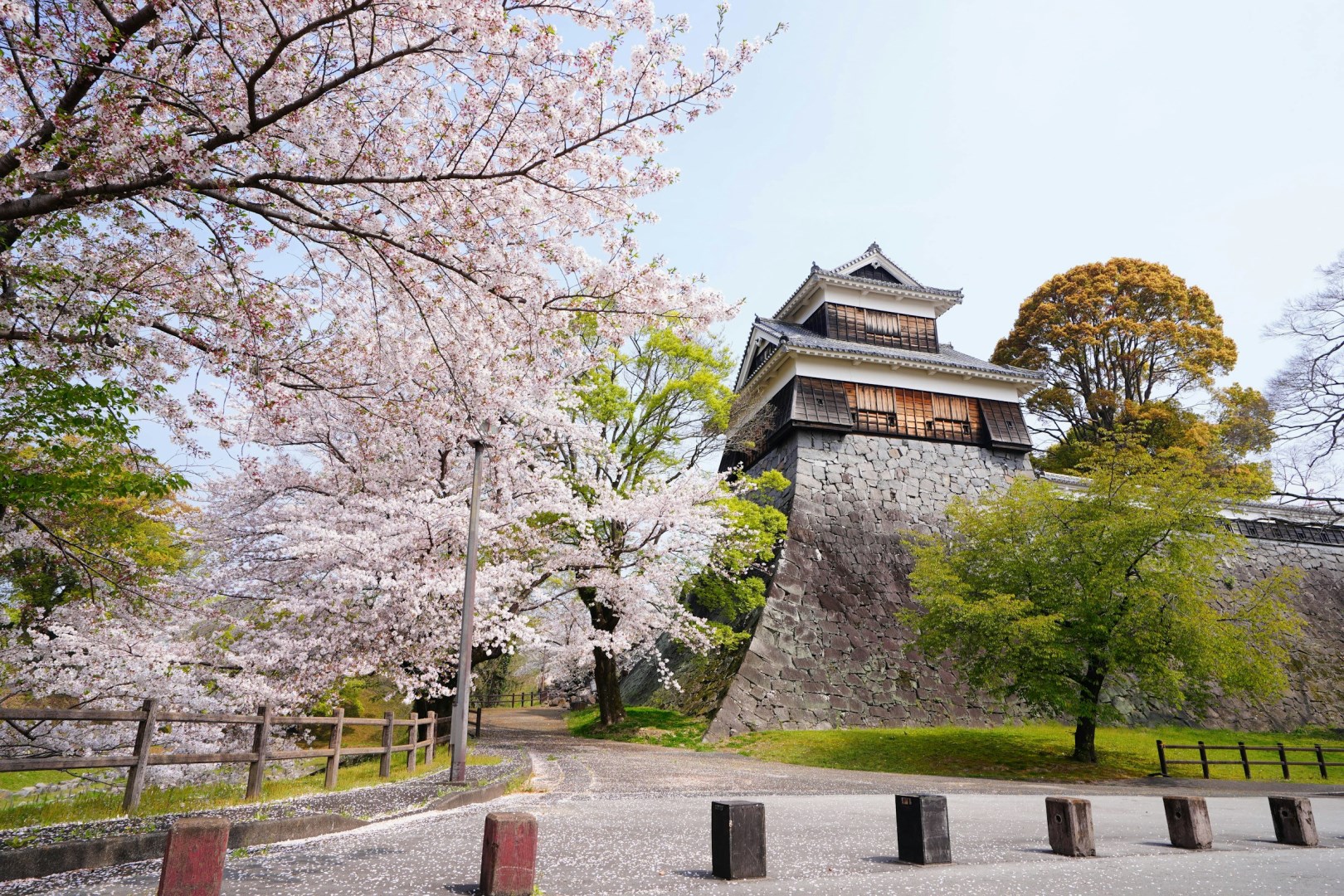
Kumamoto is a city on Japan’s southern island of Kyushu, known for its castle, volcanic landscapes, and traditional gardens. It serves as the capital of Kumamoto Prefecture and lies on the western side of Mount Aso’s broader volcanic region. The city center combines historic districts with modern shopping streets, tram lines, and riverside neighborhoods.
Dikili
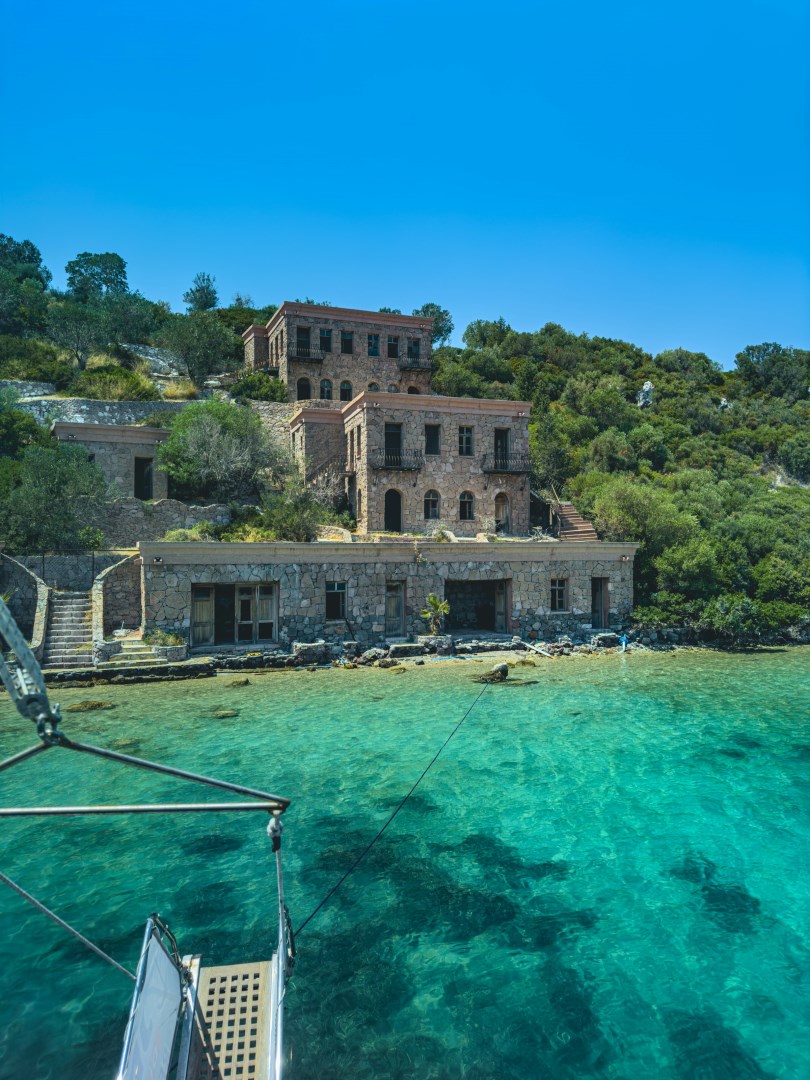
Dikili leads the way to the ancient city of Pergamum, also known as Bergma. This city thrived under the Romans from the 2nd century BC to the 2nd century AD. One of the most fascinating aspects of the ancient site is the medical complex, Asklepieon, where advanced psychological treatments were practiced.
Viscri
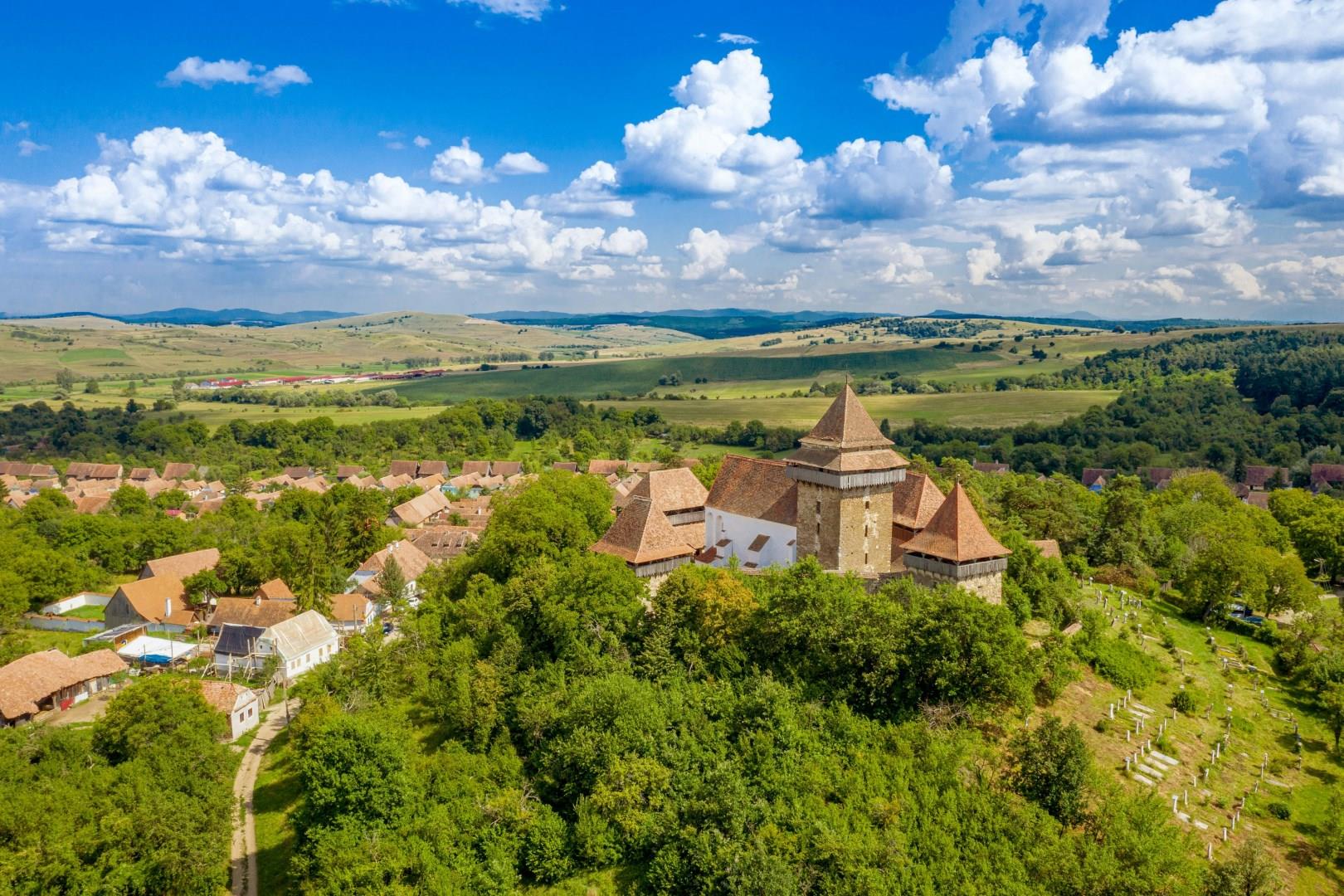
Viscri is a small village in Brașov County, Transylvania that feels like a place untouched by time, where centuries-old traditions remain alive in everyday life. Best known for its Saxon fortified church, the church of Viscri is one of the oldest and most impressive buildings in Transylvania, built of white-green limestone and strengthened with two rings of defensive walls added over the 16th and 18th centuries.
Sal
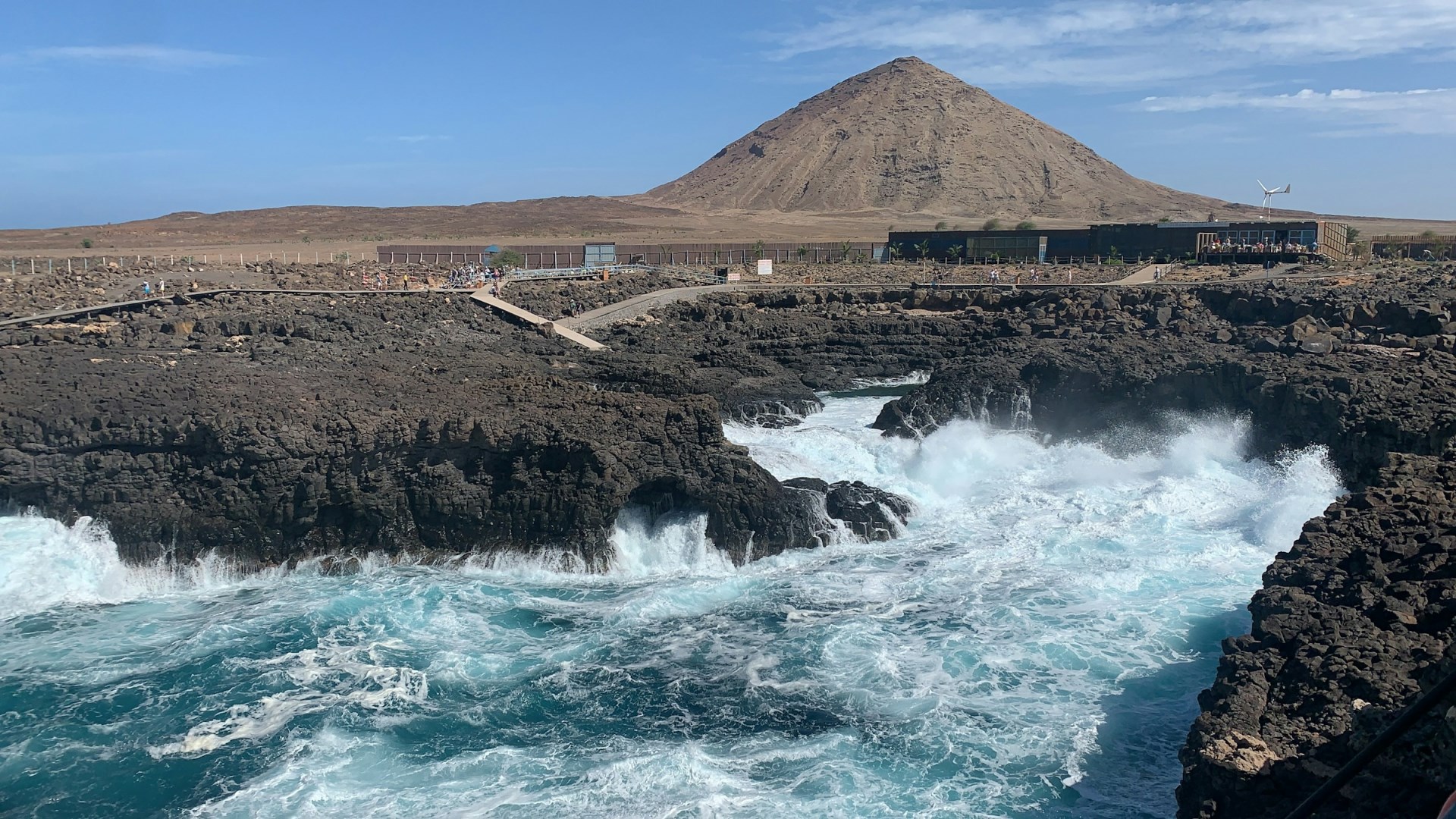
Sal is a relatively flat, dry island in Cabo Verde, known for its broad beaches, volcanic landscapes, and strong connection with the sea. Its main urban centers are Espargos, the island’s administrative capital, and Santa Maria, a coastal town that developed around fishing and salt production and is now the island’s principal tourism center.
Kanmon Straits
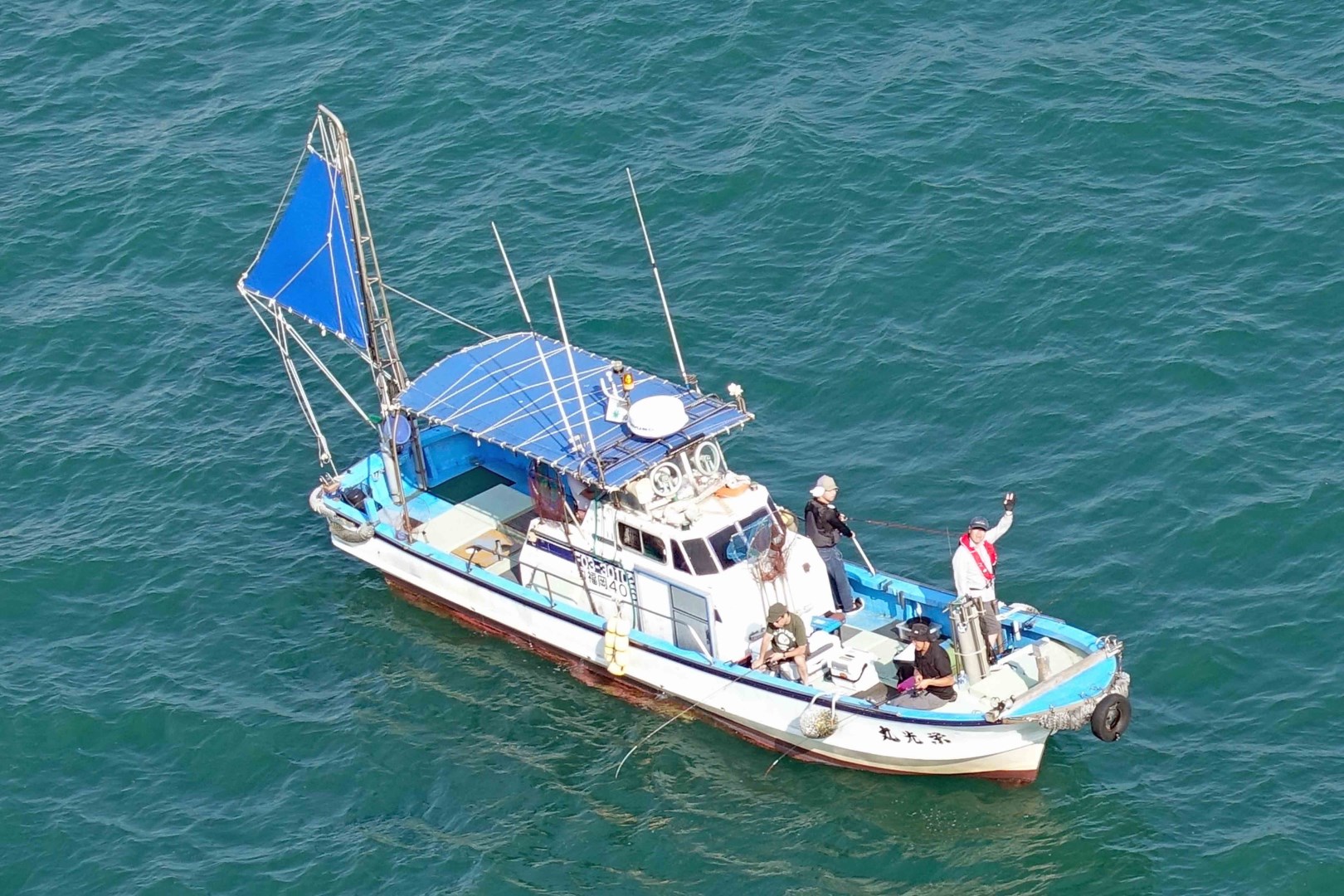
The Kanmon Straits are a narrow waterway in Japan that separates the island of Honshu from Kyushu and connects the Sea of Japan with the Seto Inland Sea.