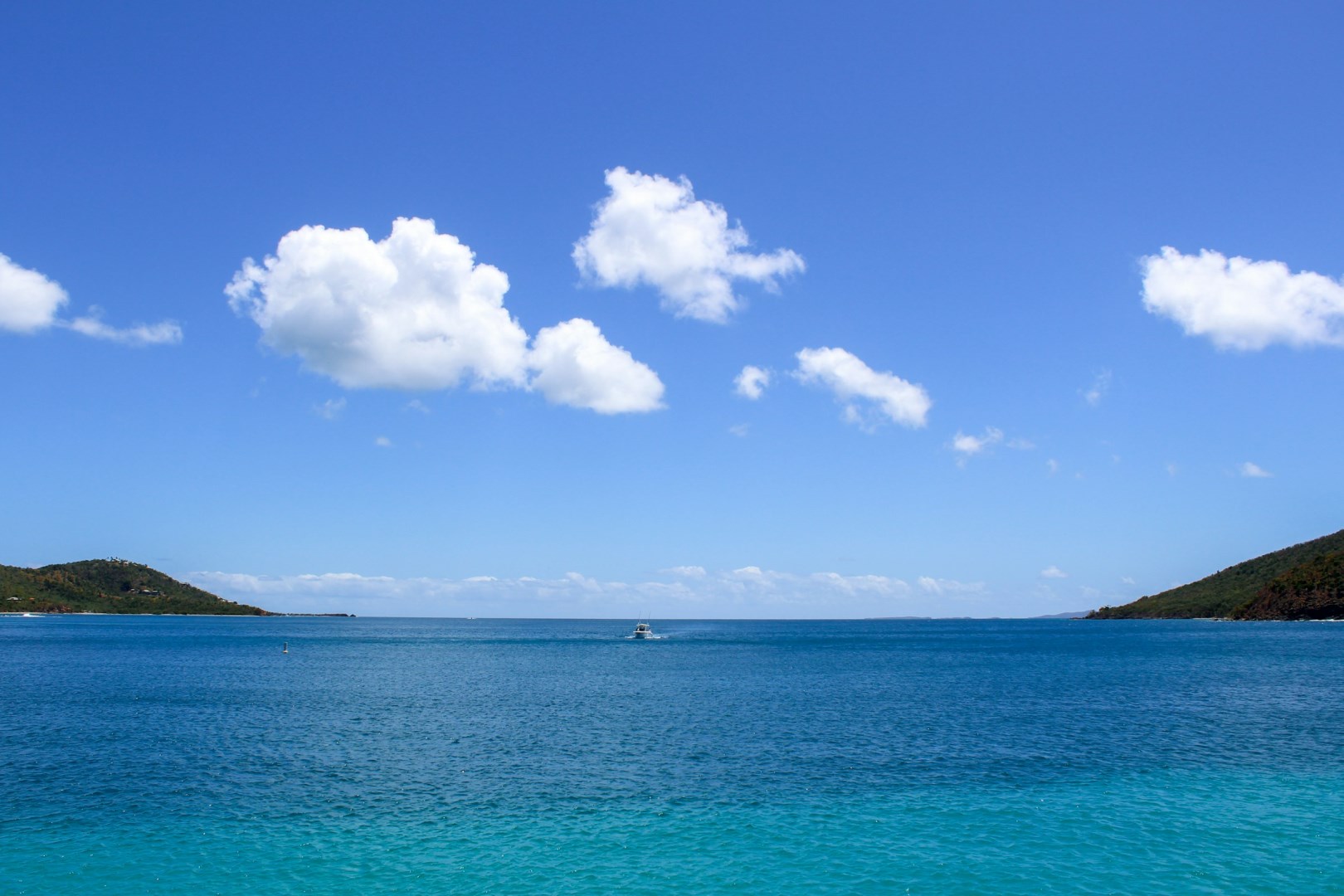
Called "La Metropolis del Sol Naciente" (The City that guards the Sun of the Caribbean), Fajardo was founded in 1772 as Santiago de Fajardo. Fajardo's perfect beaches are bounded by calm, clear water ideal for snorkeling, Seven Seas Beach, offers plentiful water sports facilities, offshore points for sailing, snorkeling and plenty of scuba diving.
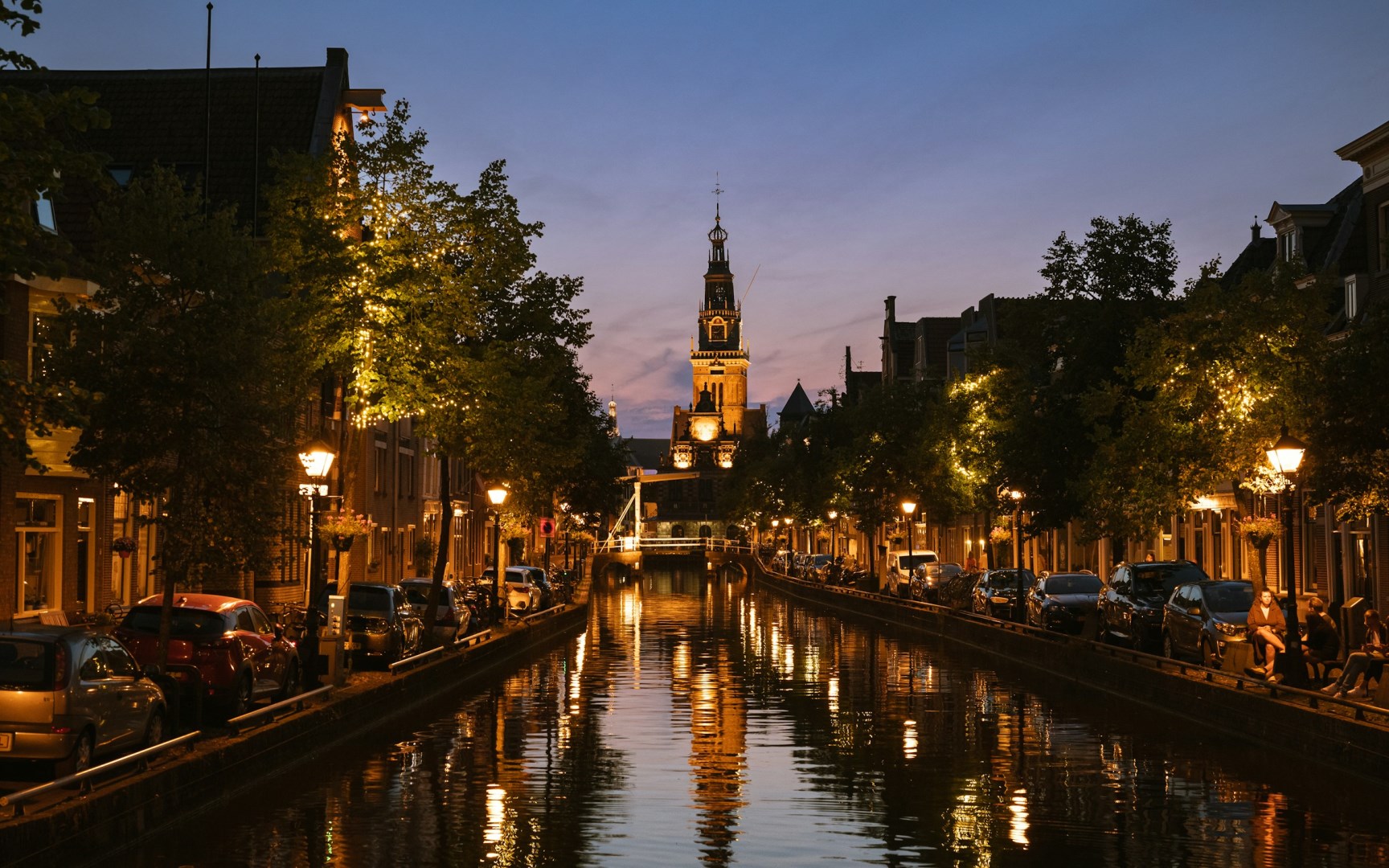
Alkmaar is a historic city in the Dutch province of North Holland, known for its canals, narrow streets, traditional gabled houses, and long association with cheese trading. The old center is compact and largely walkable, with the Waagplein at its heart and the Waag building providing one of the city’s most recognizable landmarks. Canals such as the Oudegracht and Luttik Oudorp wind through the center, while bridges connect streets lined with shops, cafés, and historic buildings.
Frederiksted is a historic coastal town on the western end of St. Croix in the U.S. Virgin Islands, set beside a deep-water bay and a long waterfront. Pastel-colored buildings, palm-lined streets, the Frederiksted Pier, and nearby beaches give the town a distinctly maritime setting. The compact community is closely associated with Fort Frederik, a red-brick Danish fort overlooking the harbor.
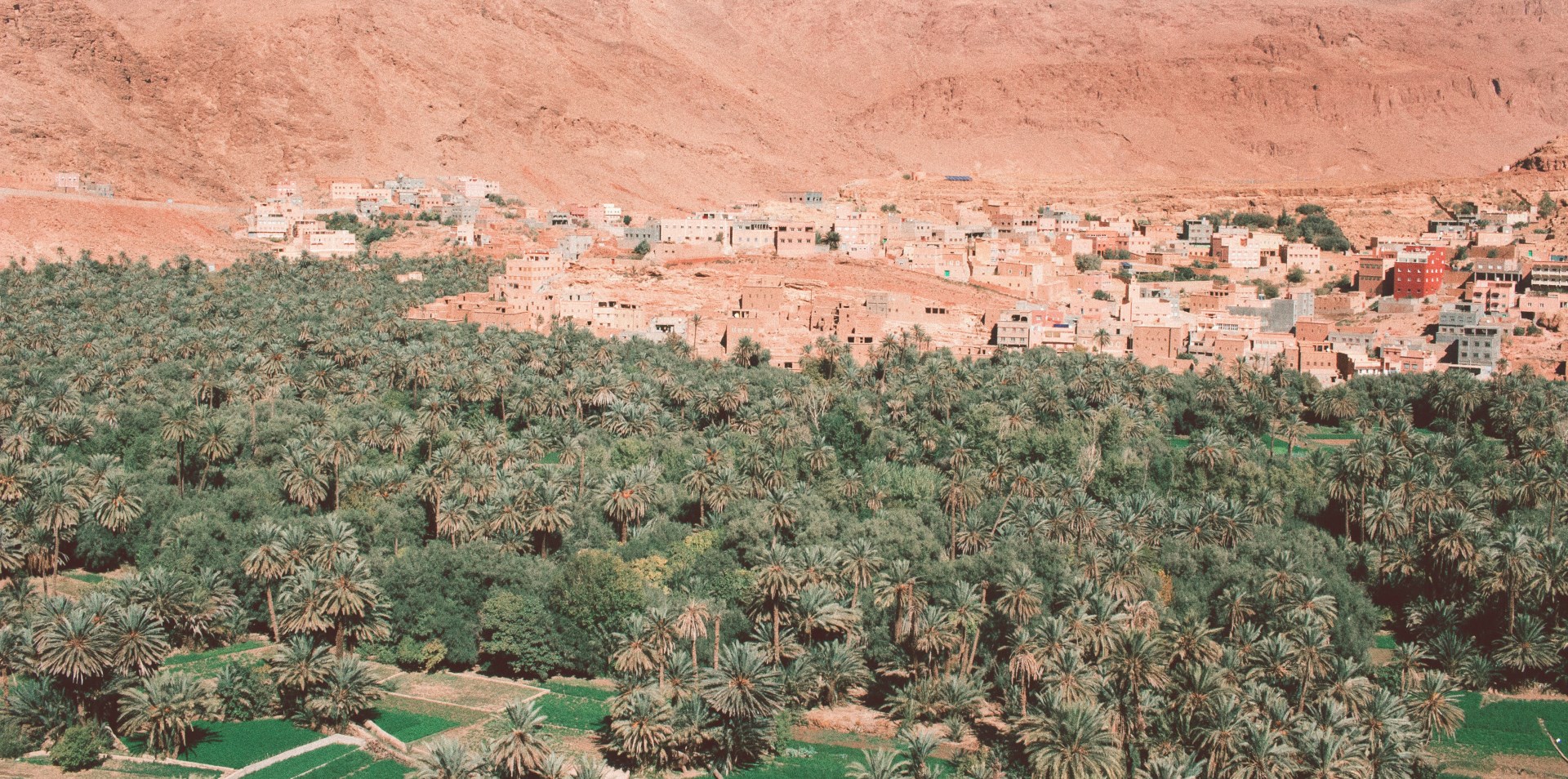
At the edge of the High Atlas Mountains, Boumalne Dades stands as a gateway to one of Morocco’s most striking landscapes. The town stretches along a broad valley where the Dades River cuts through layers of red and ochre rock. This setting creates a dramatic backdrop that shifts in color throughout the day. Travelers often arrive here as a stopping point, but many stay longer after discovering the slower rhythm of village life and the easy access to nearby valleys and gorges.
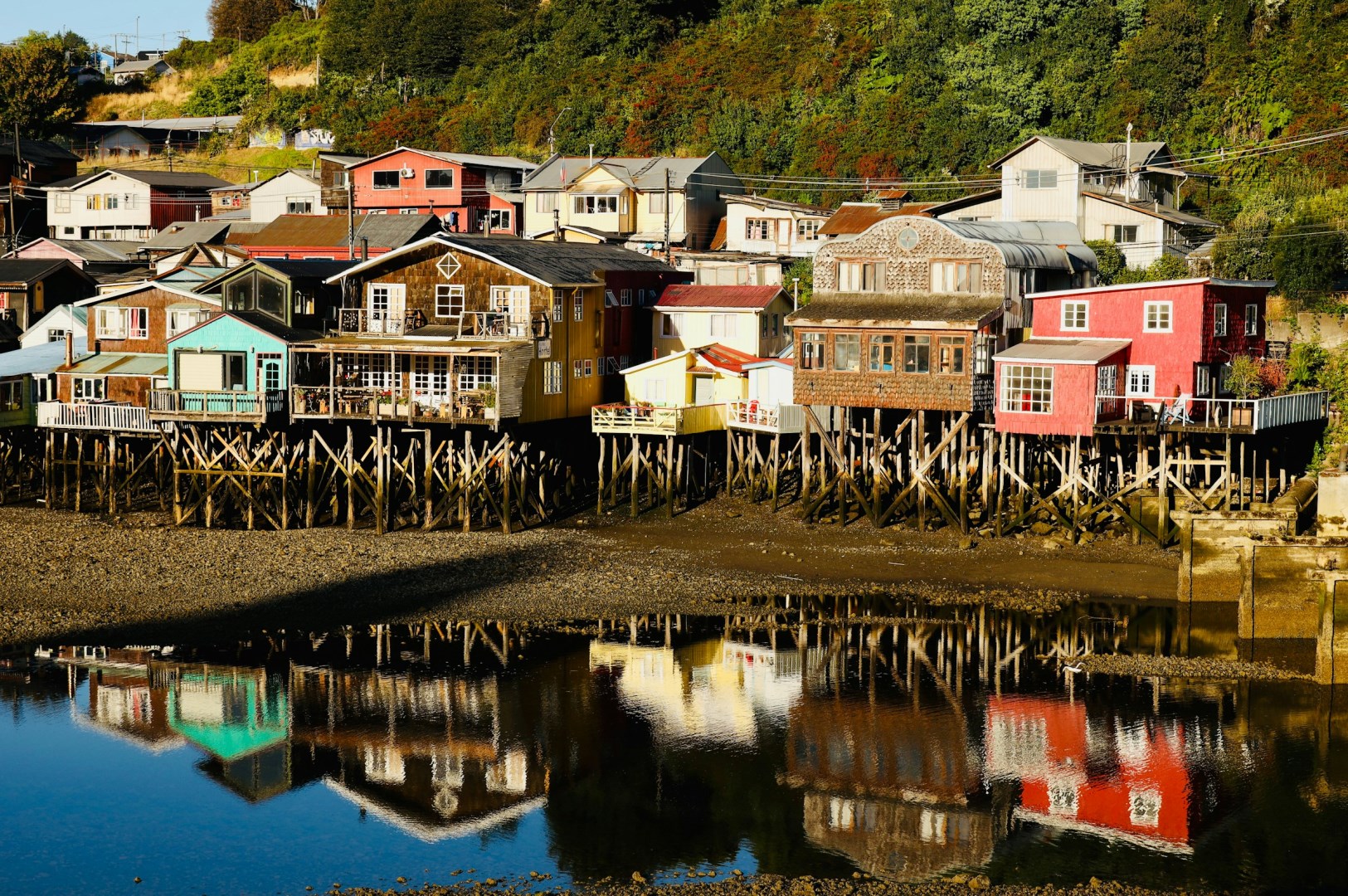
Castro is the capital of Chiloé Province on the island of Chiloé in southern Chile, set along the eastern shore of the Gulf of Corcovado. The city is recognized for its distinctive waterfront, hillside neighborhoods, and traditional wooden architecture. Its most recognizable feature is the palafitos, houses built on wooden stilts above the tidal edge, particularly around the Gamboa and Río neighborhoods.
Photo Credit: Photo by Michael Jerrard on Unsplash
Photo Credit: Photo by Dylan Shaw on Unsplash
Photo Credit: Photo by Marcela Baca on Unsplash
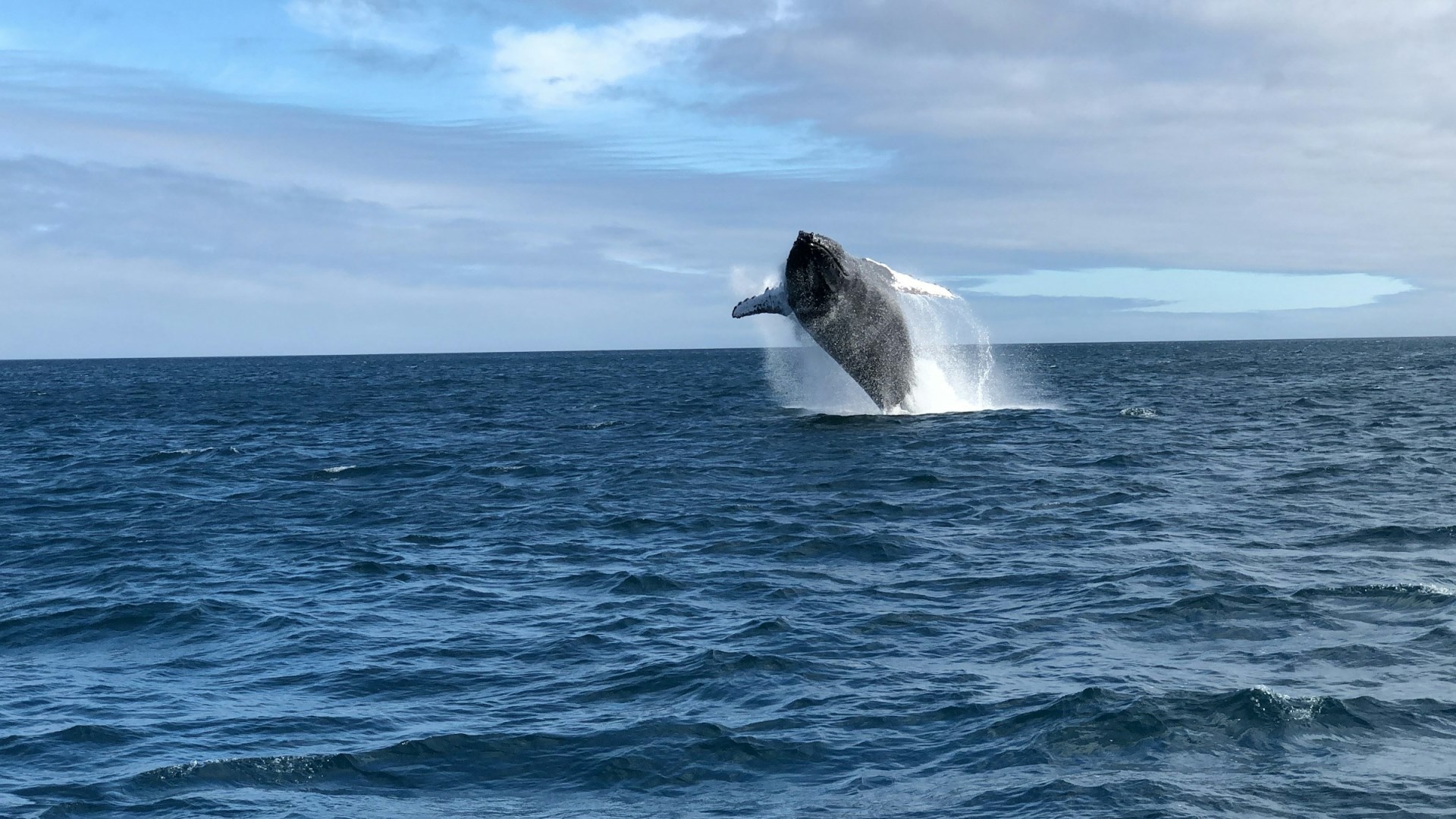
Whale
Photo Credit: Photo by Bryan Thompson on Unsplash
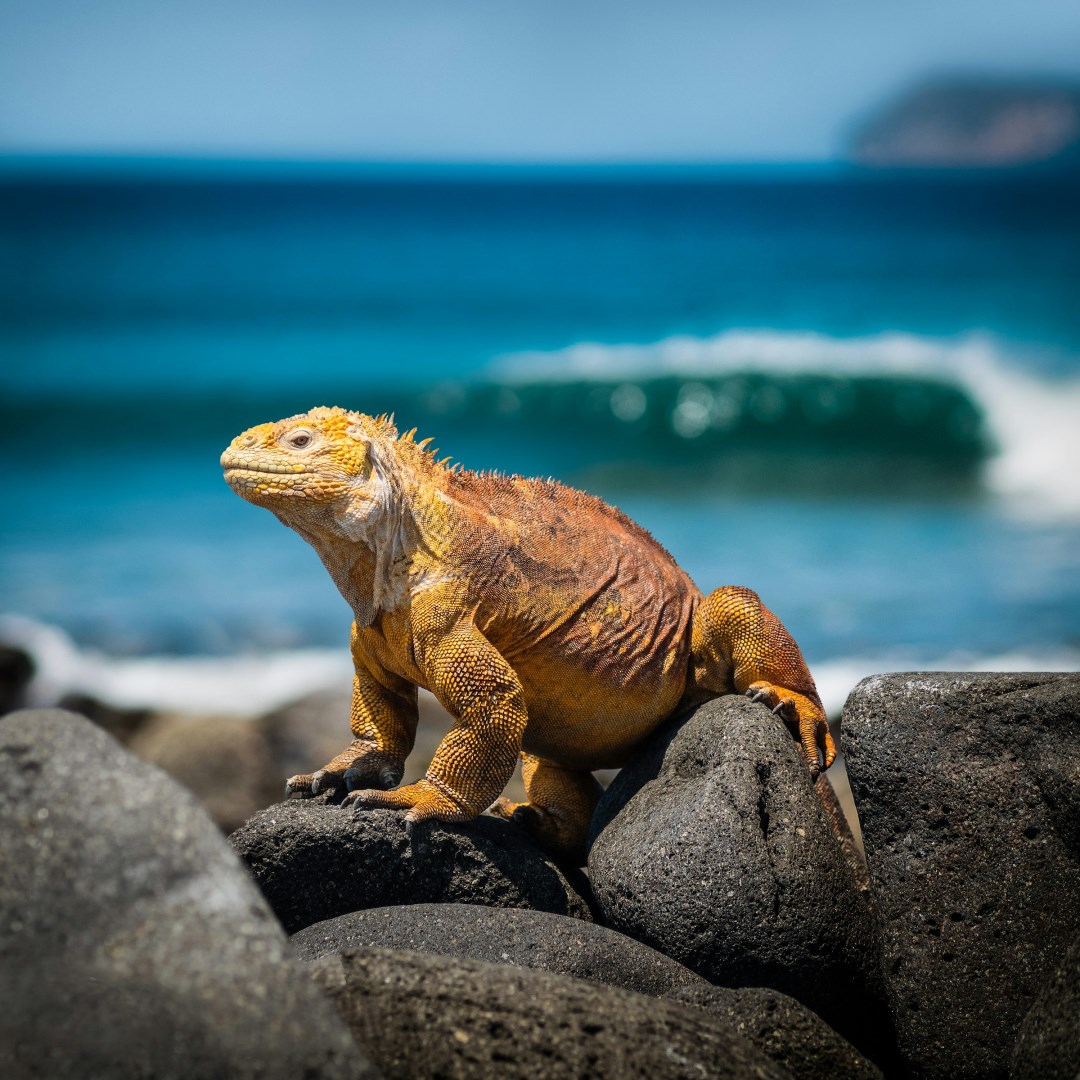
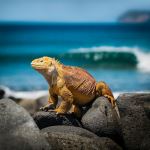
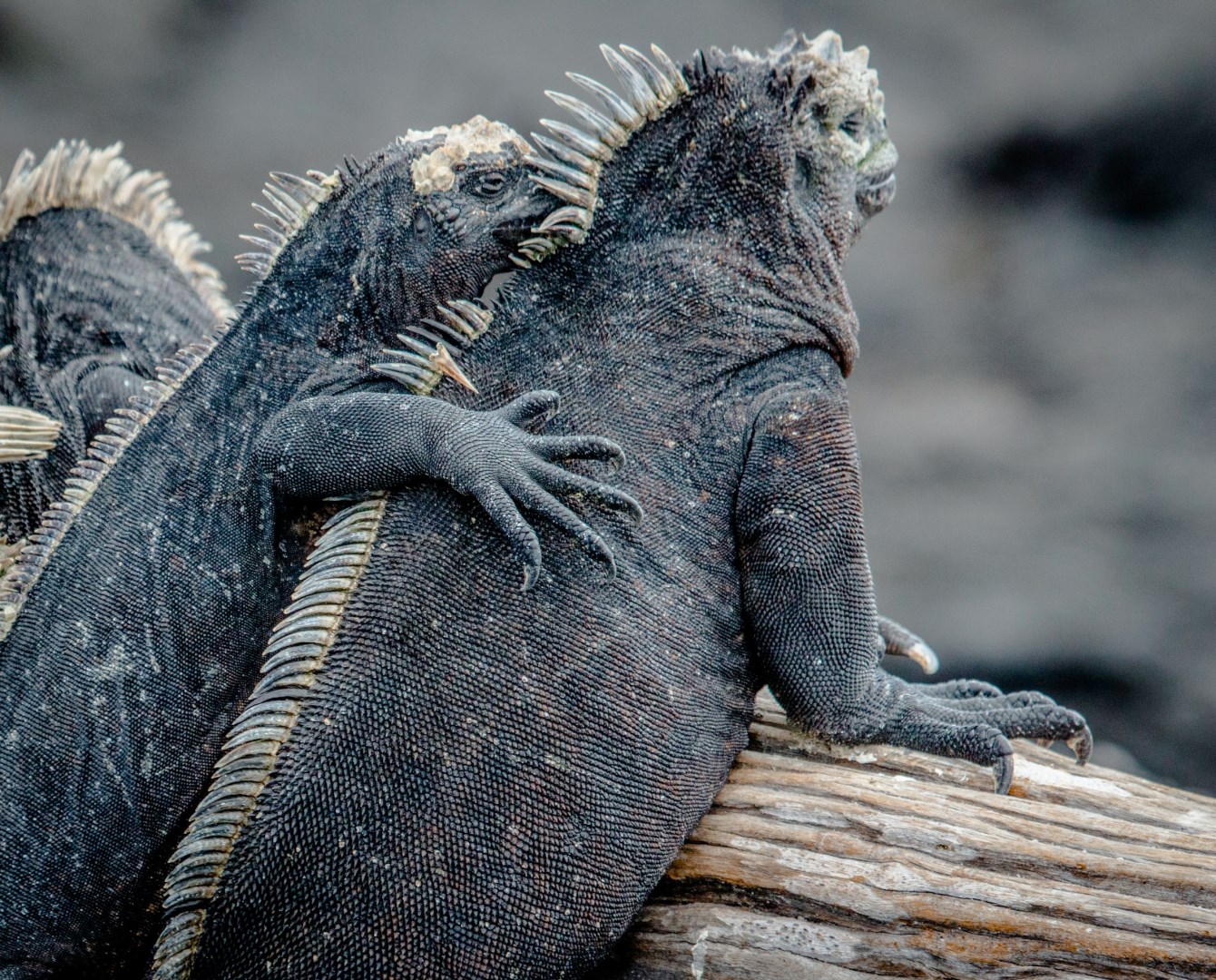
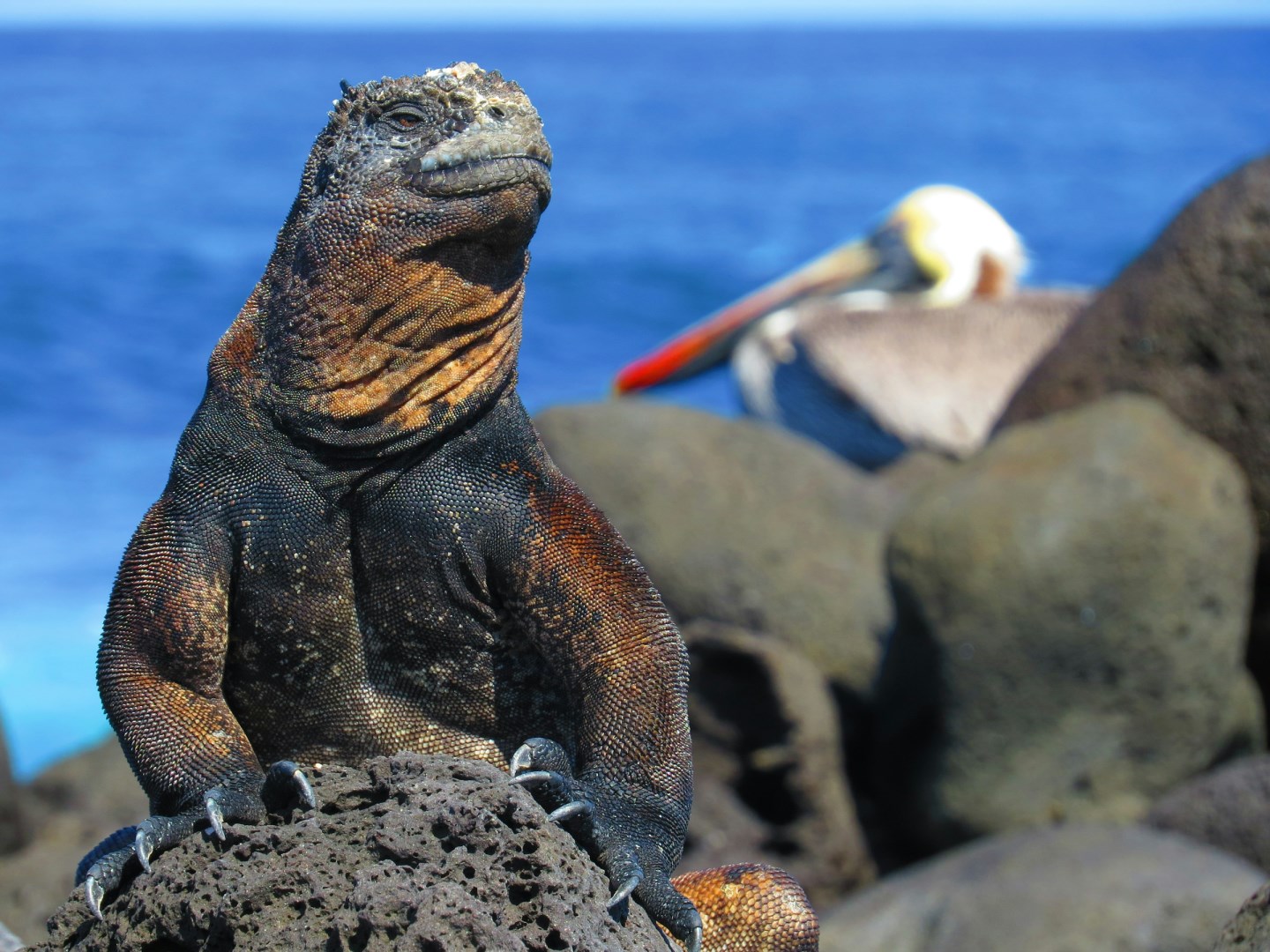
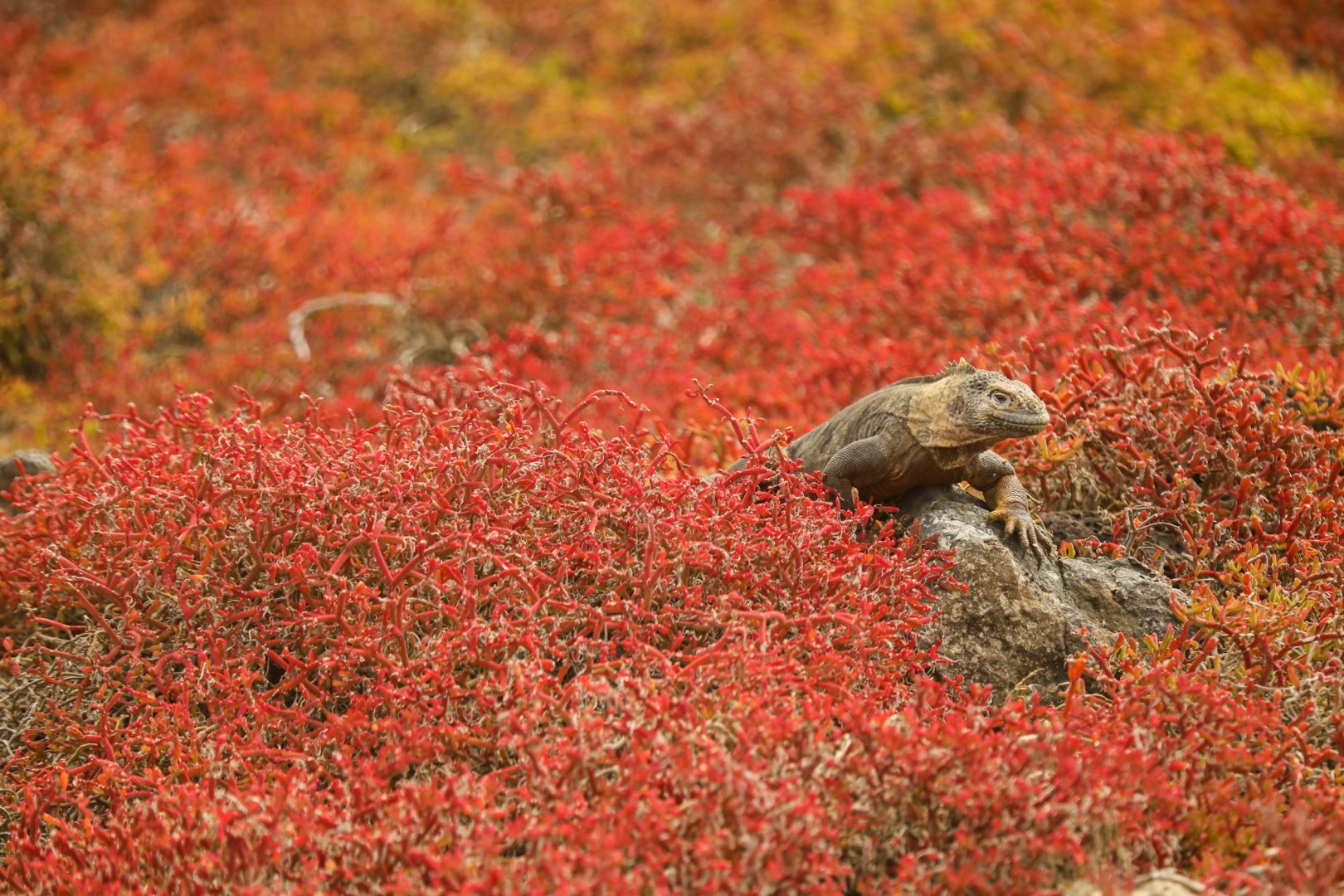
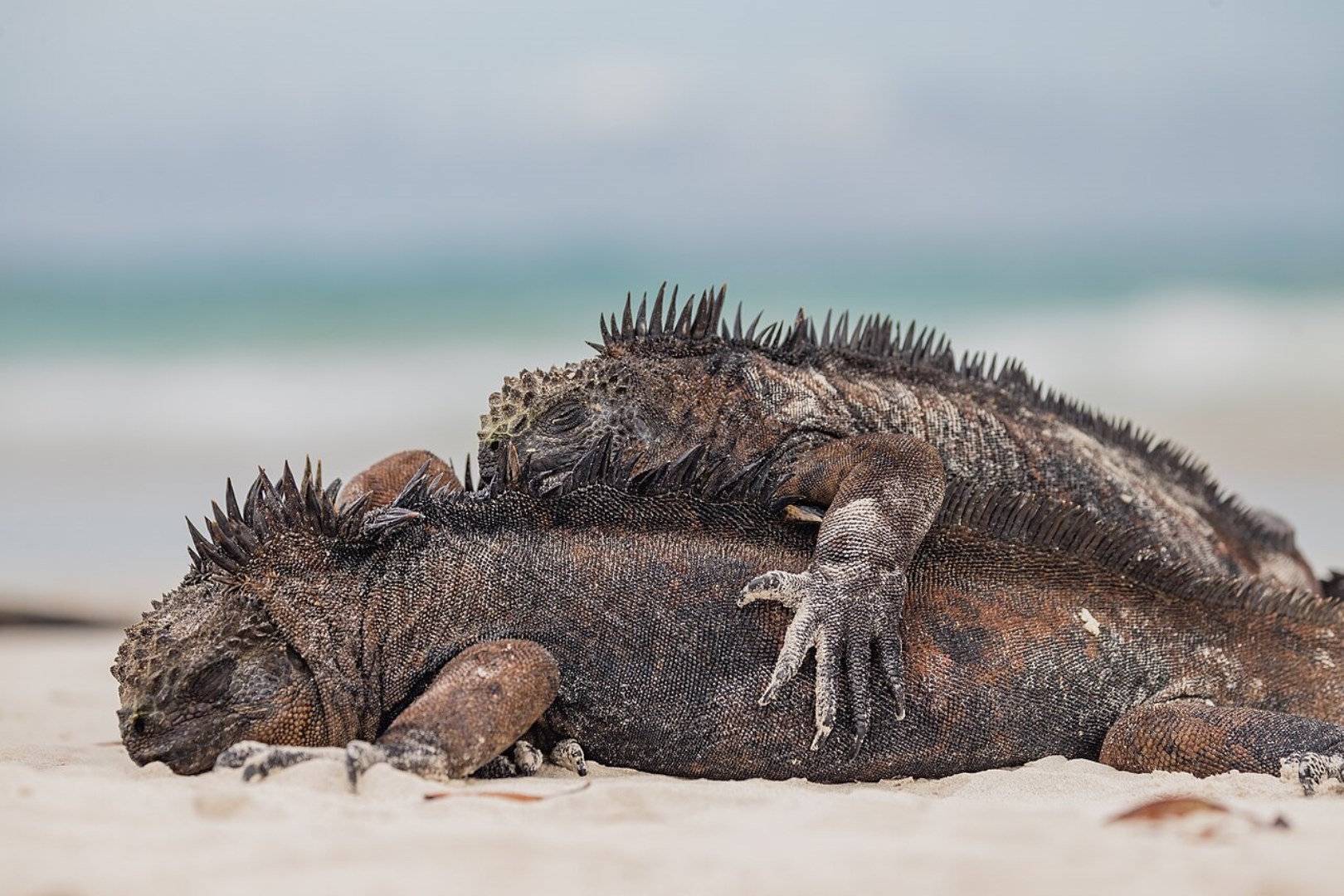
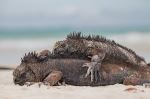
Iguana
Photo Credit: Photo by Dylan Shaw on Unsplash
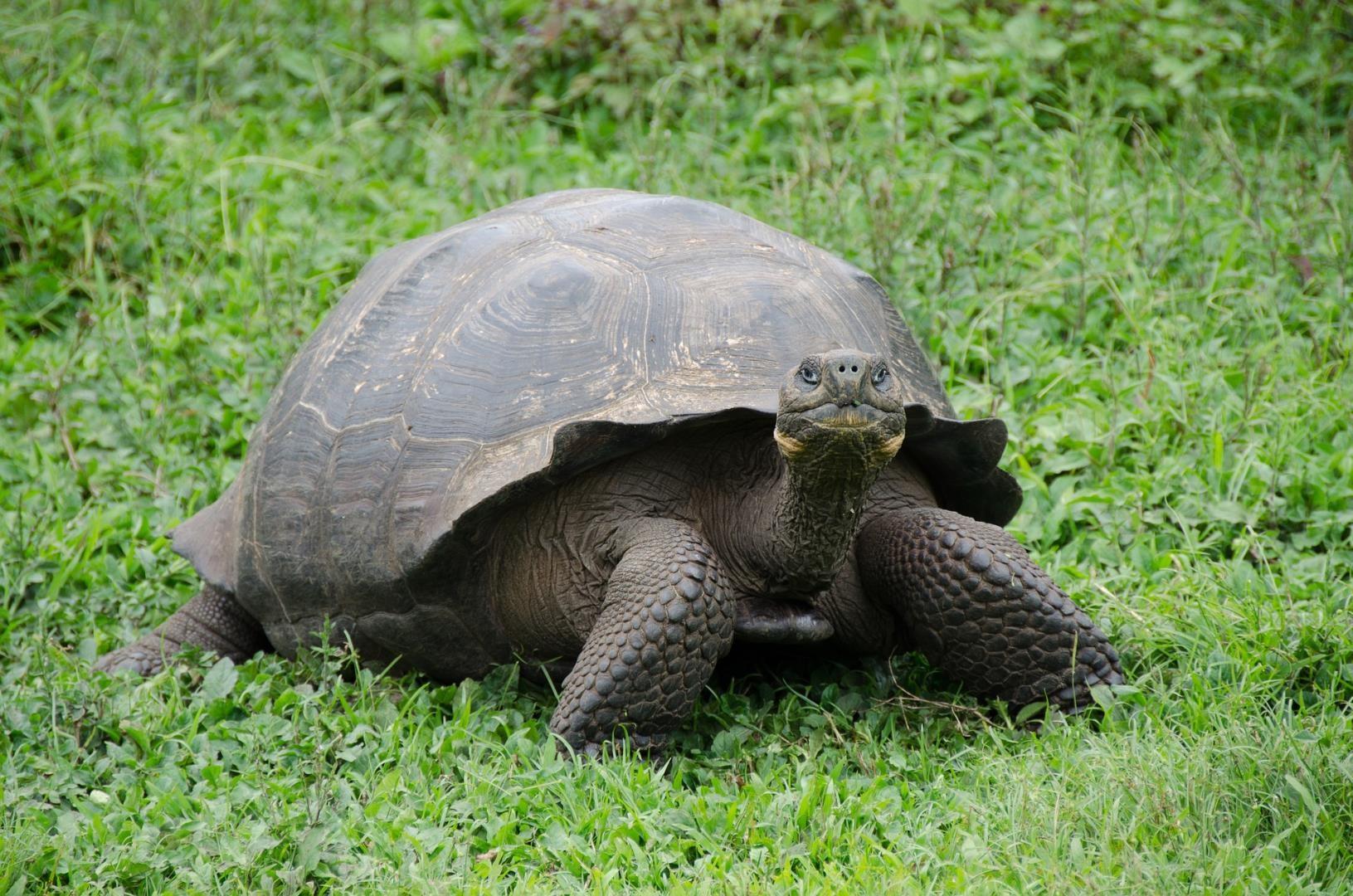
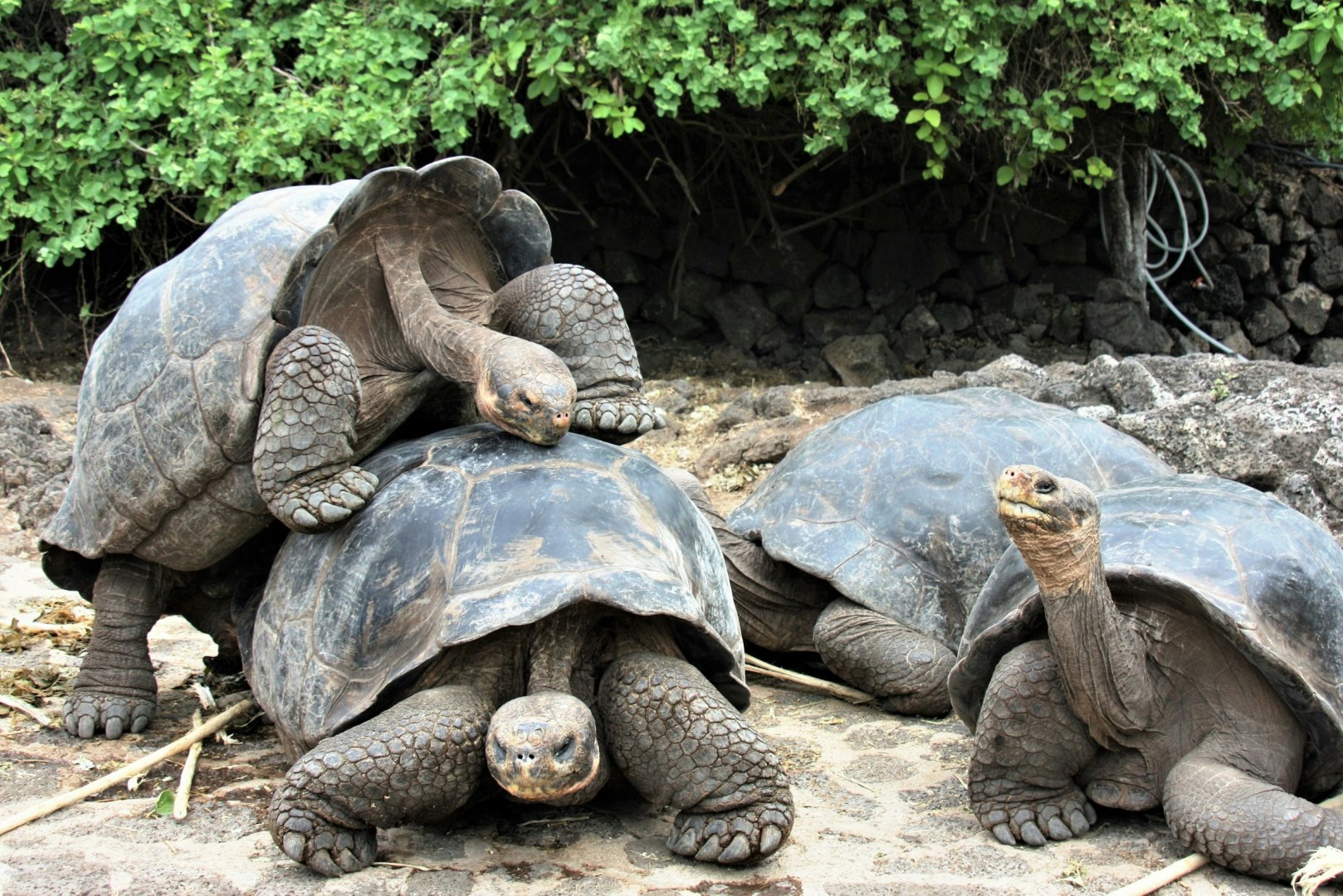
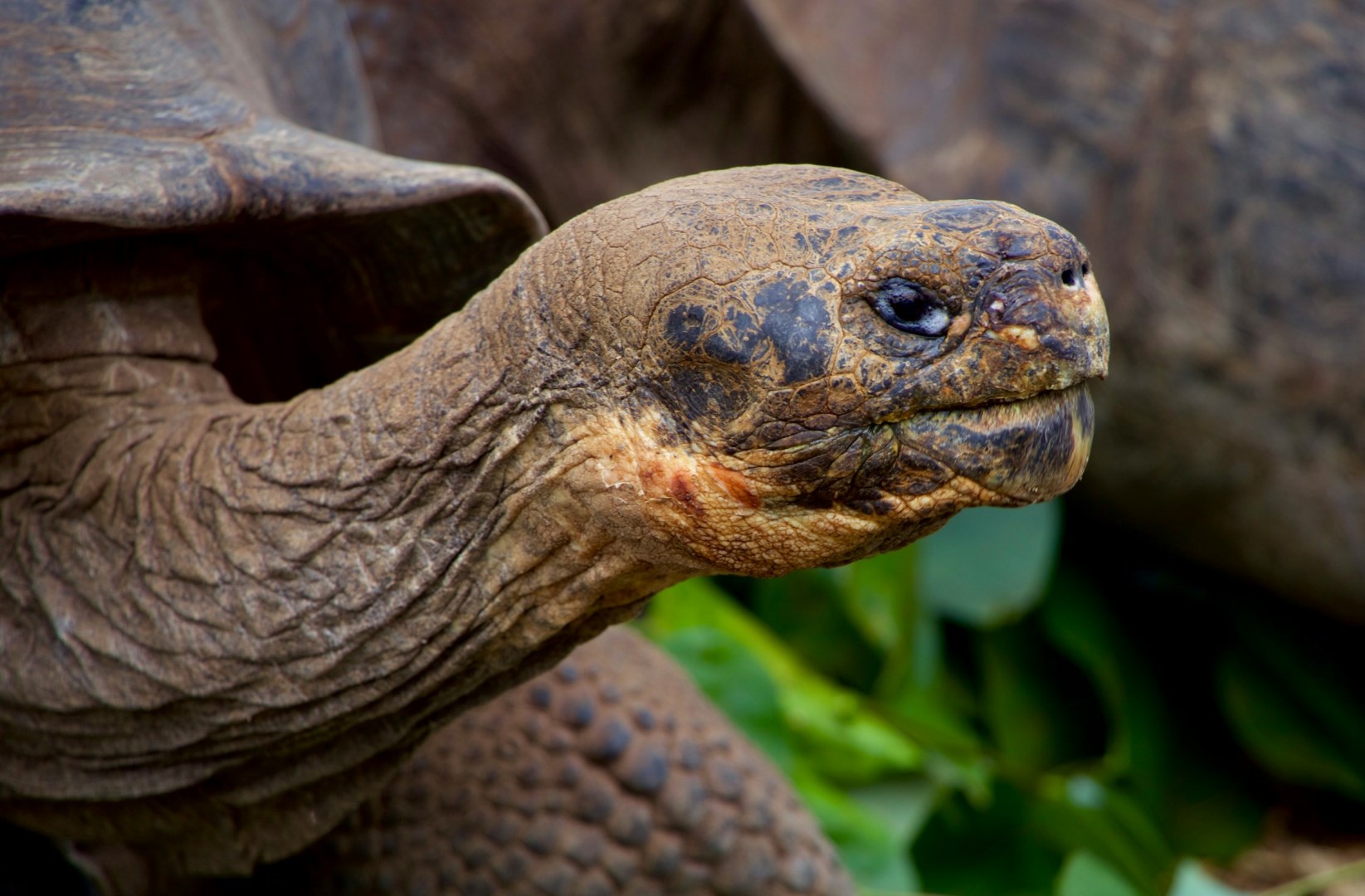
Galapagos Tortoise
Photo Credit: Photo by Magdalena Kula Manchee on Unsplash
Photo Credit: Photo by Heidi Bruce on Unsplash
Photo Credit: Photo by Sofia on Unsplash
Photo Credit: Photo by The Official CTBTO Photostream on Wikimedia
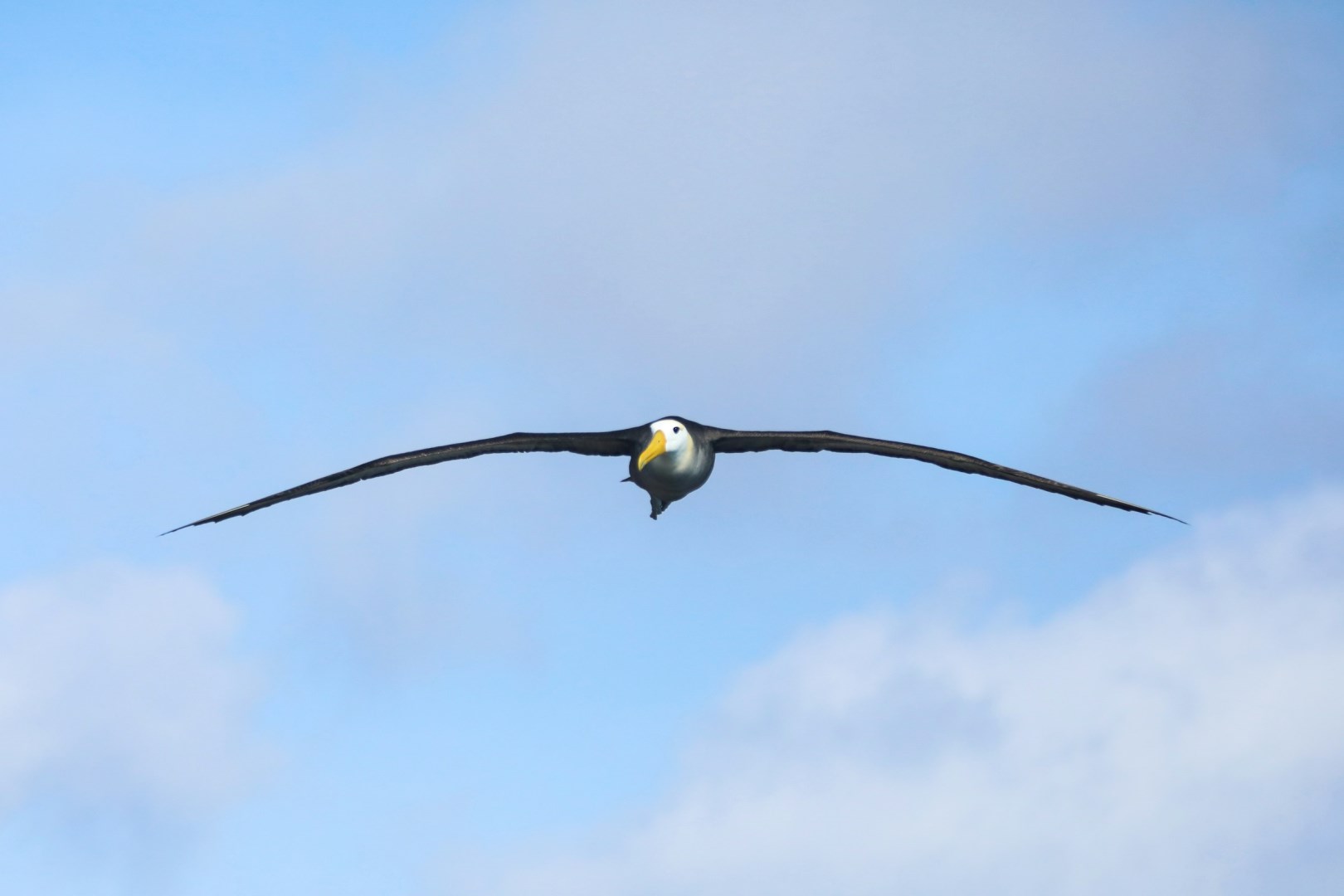
Albatross in flight
Photo Credit: Photo by Dylan Shaw on Unsplash
Photo Credit: Photo by Heidi Bruce on Unsplash
Photo Credit: Photo by Emma on Unsplash
Photo Credit: Photo by Claus Giering on Unsplash
Photo Credit: Photo by Sofia on Unsplash
Photo Credit: Photo by Mac Gaither on Unsplash
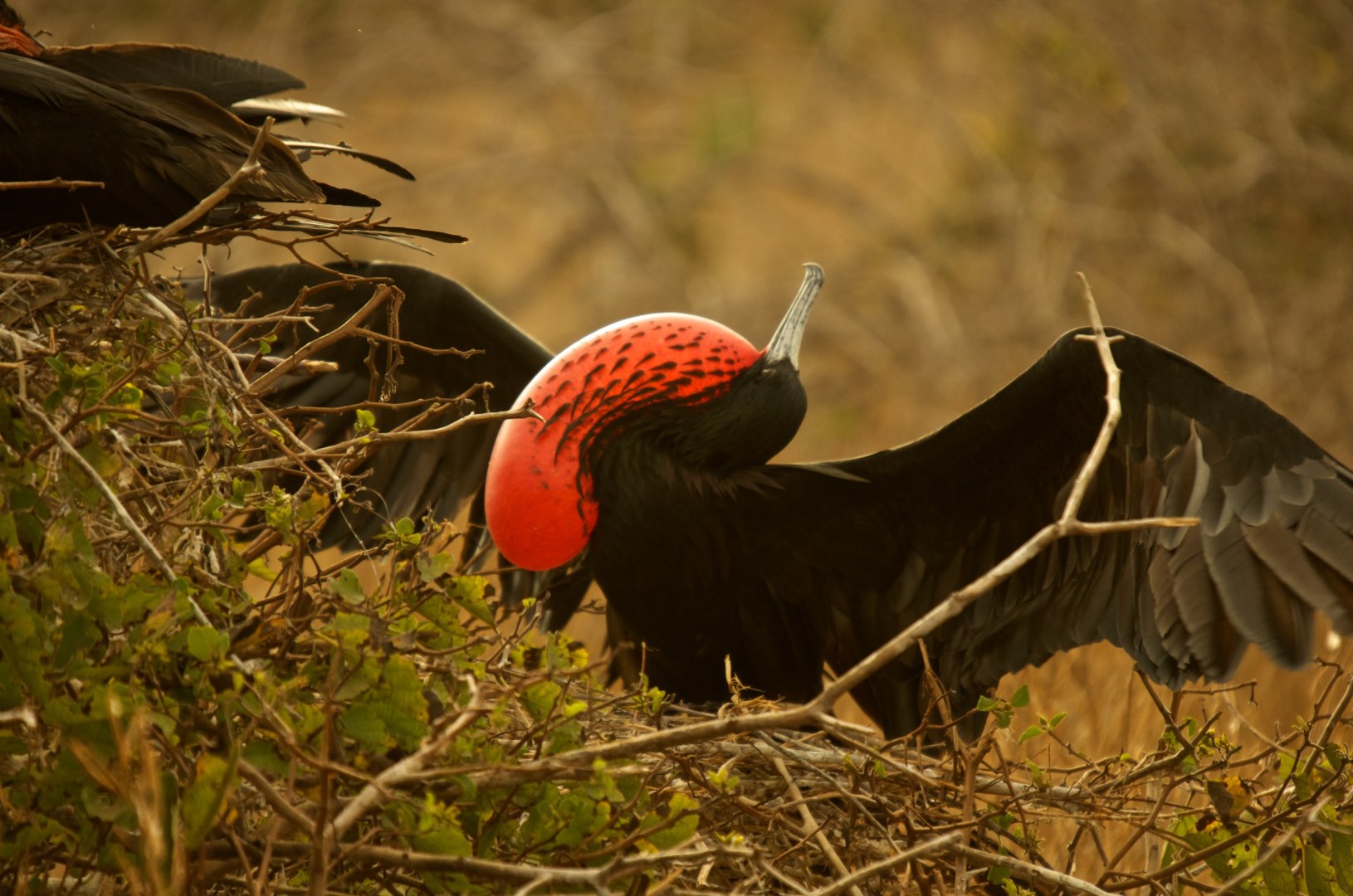
A male Magnificent Frigatebird
Photo Credit: Photo by Andrew Turneron Wikimedia
Photo Credit: Photo by Lieutenant Elizabeth Crapo, NOAA Corps. Wikimedia

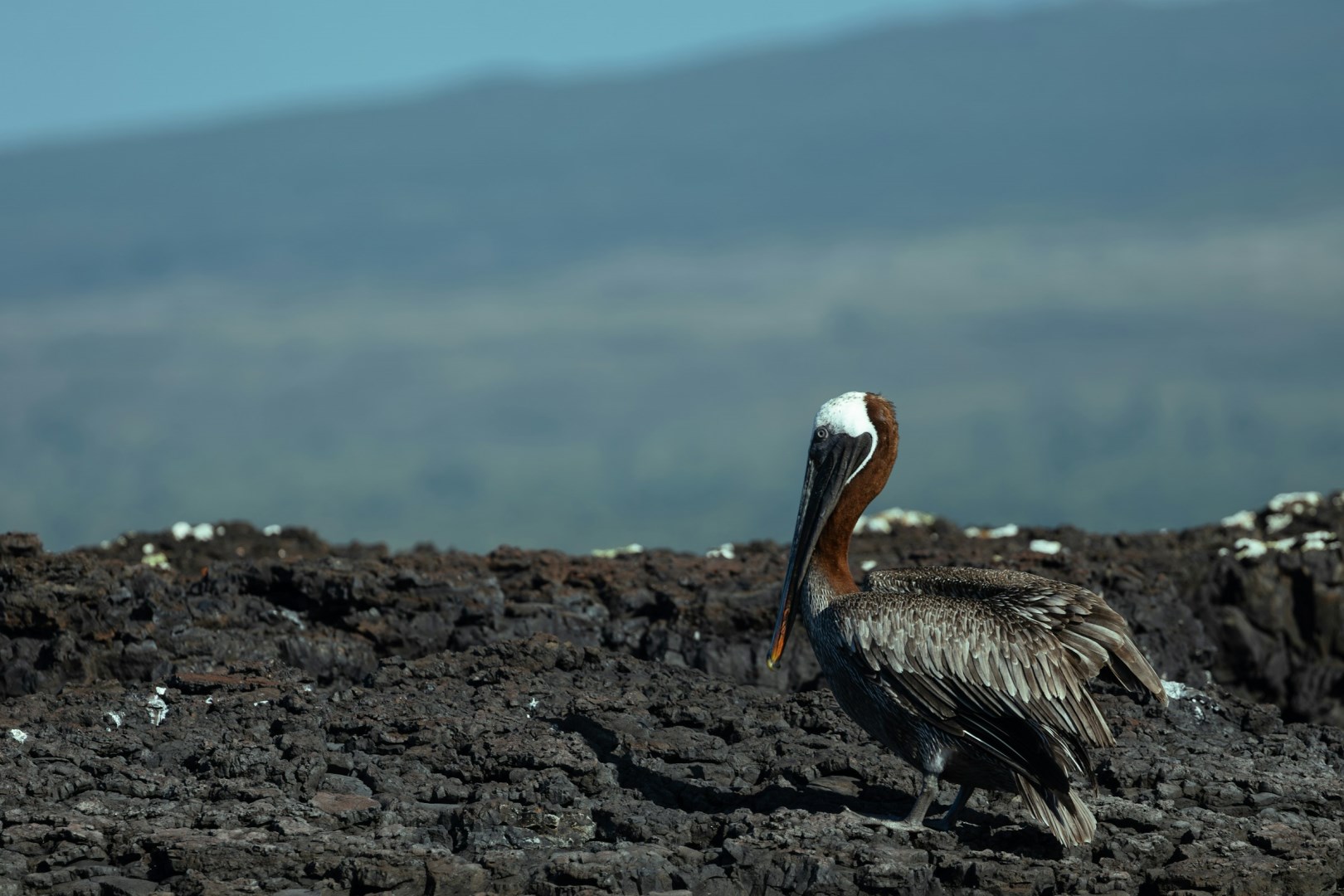
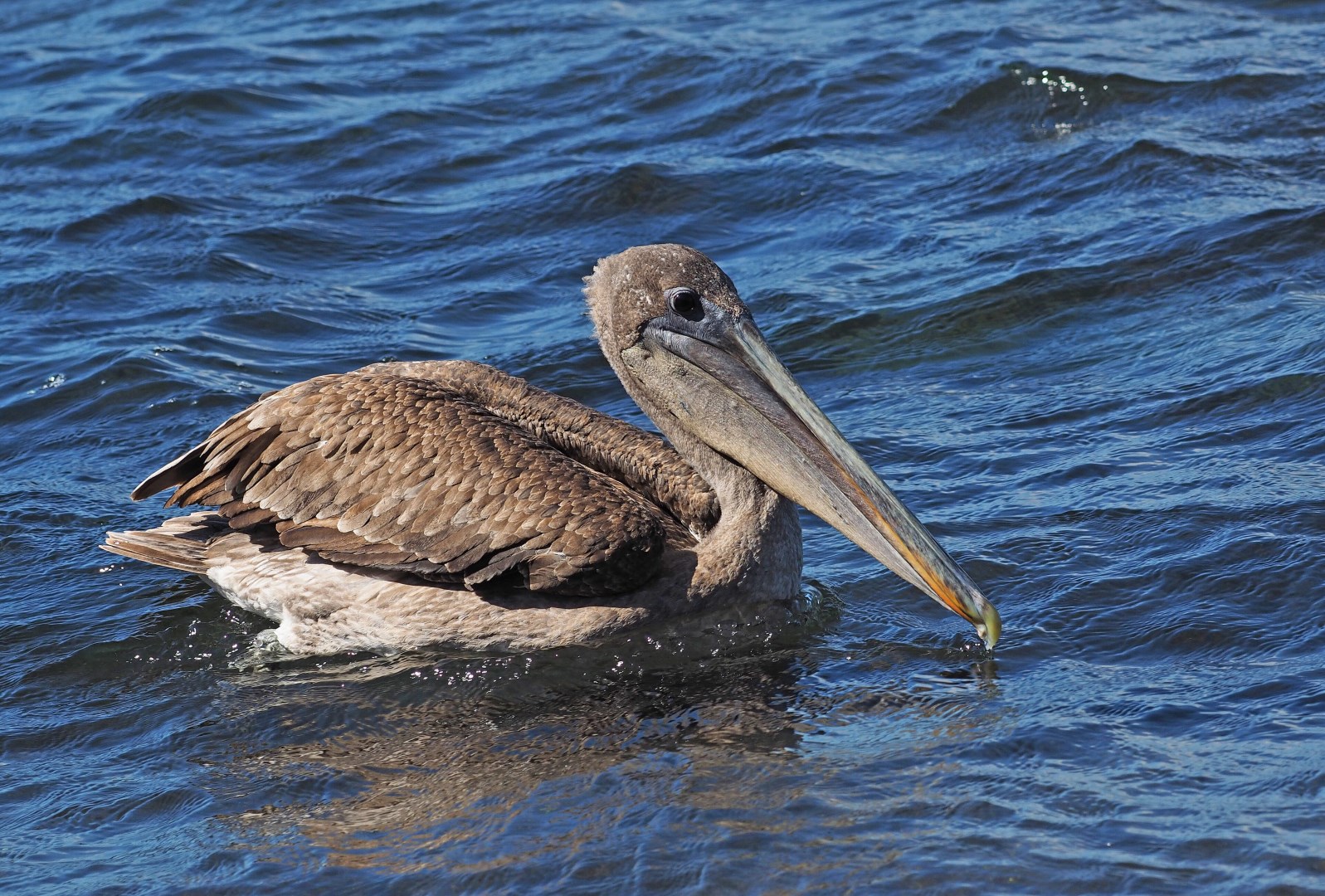
Galapagos Brown Pelican - Pelecanus occidentalis urinator
Photo Credit: Photo by Judy Gallagher from Wikimedia
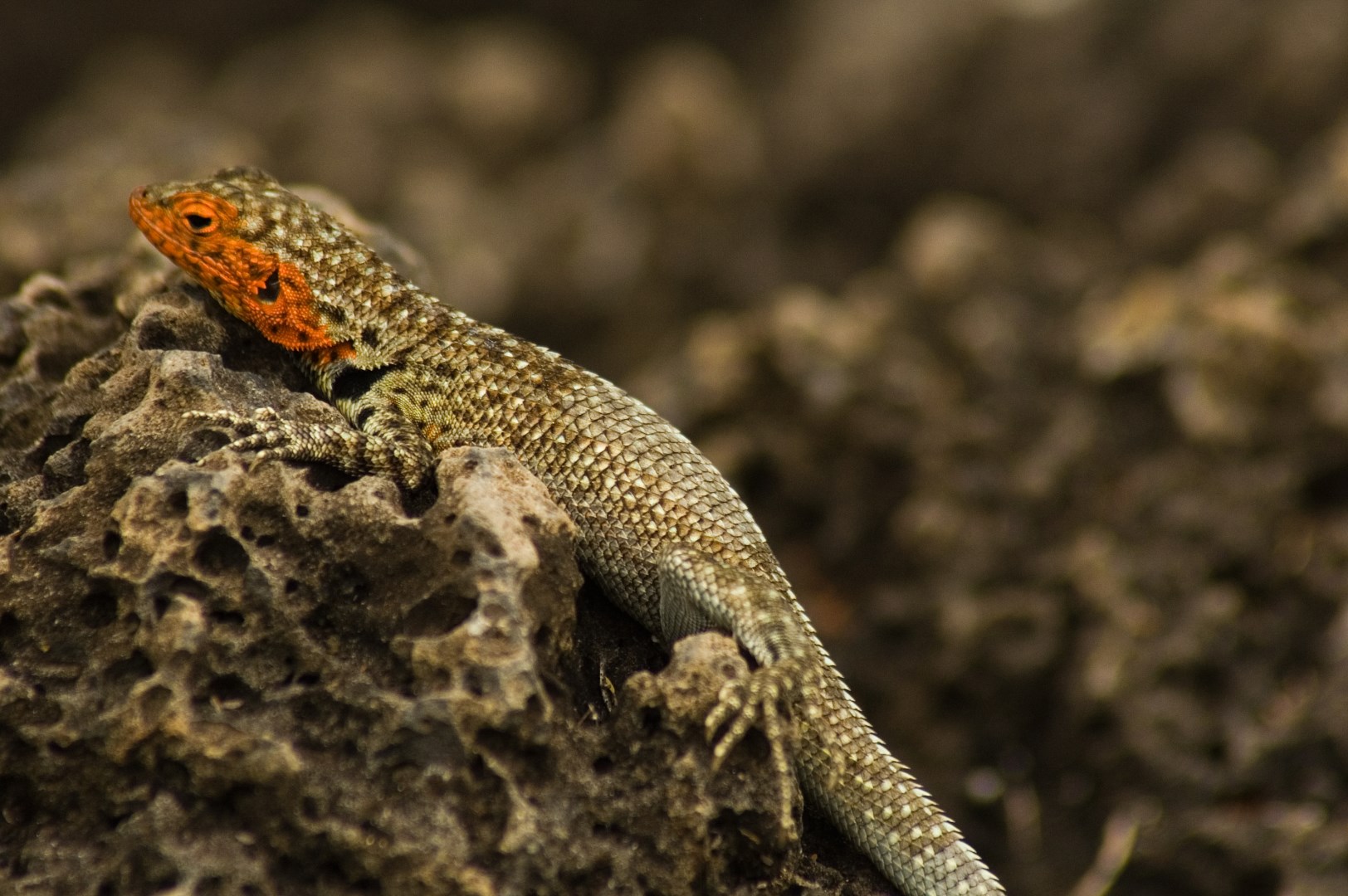
Galápagos lava lizard
Photo Credit: Photo by Peter Wilto from Wikimedia
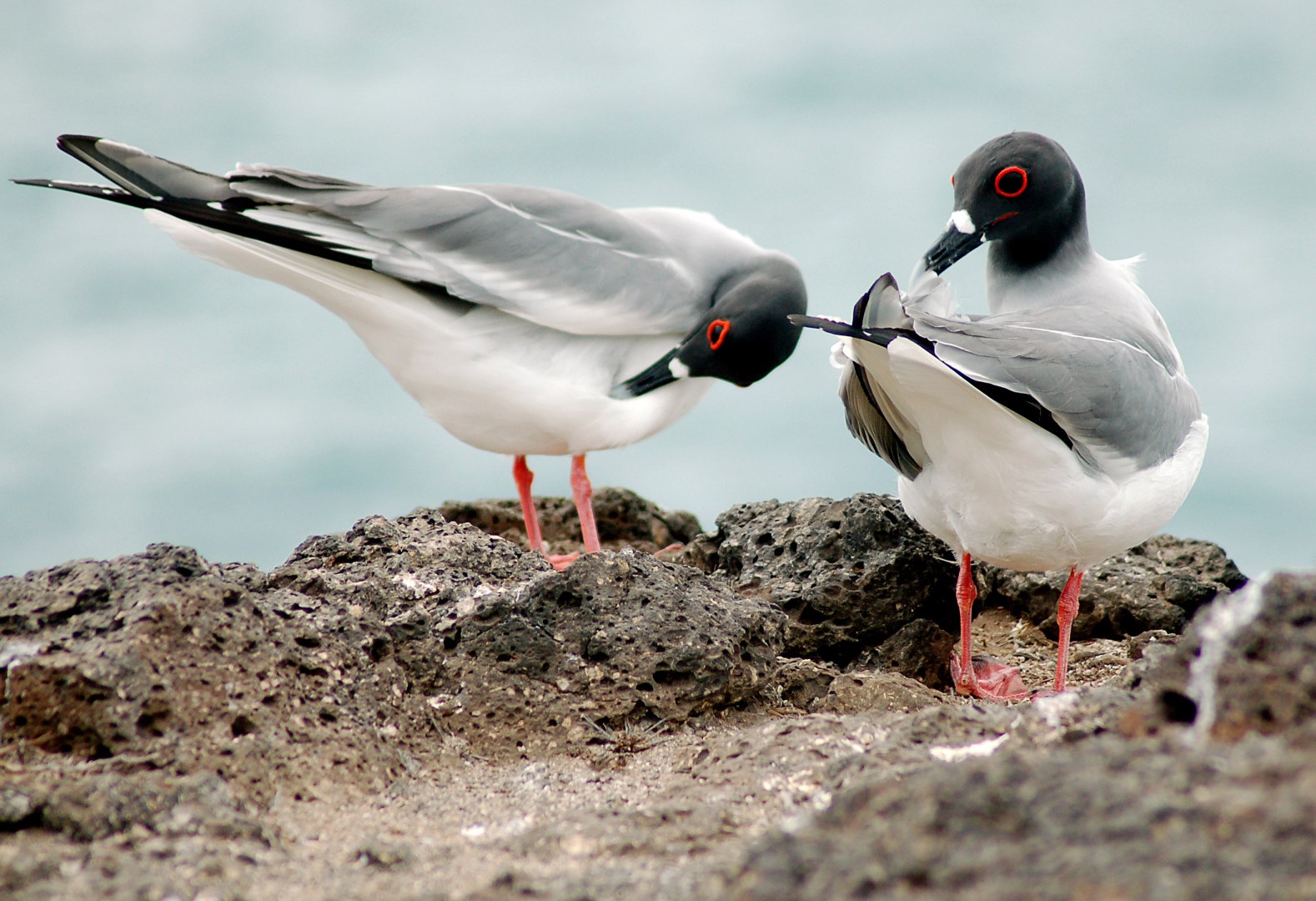
Swallow-tailed Gulls
Photo Credit: Photo by suecan1 from Wikimedia
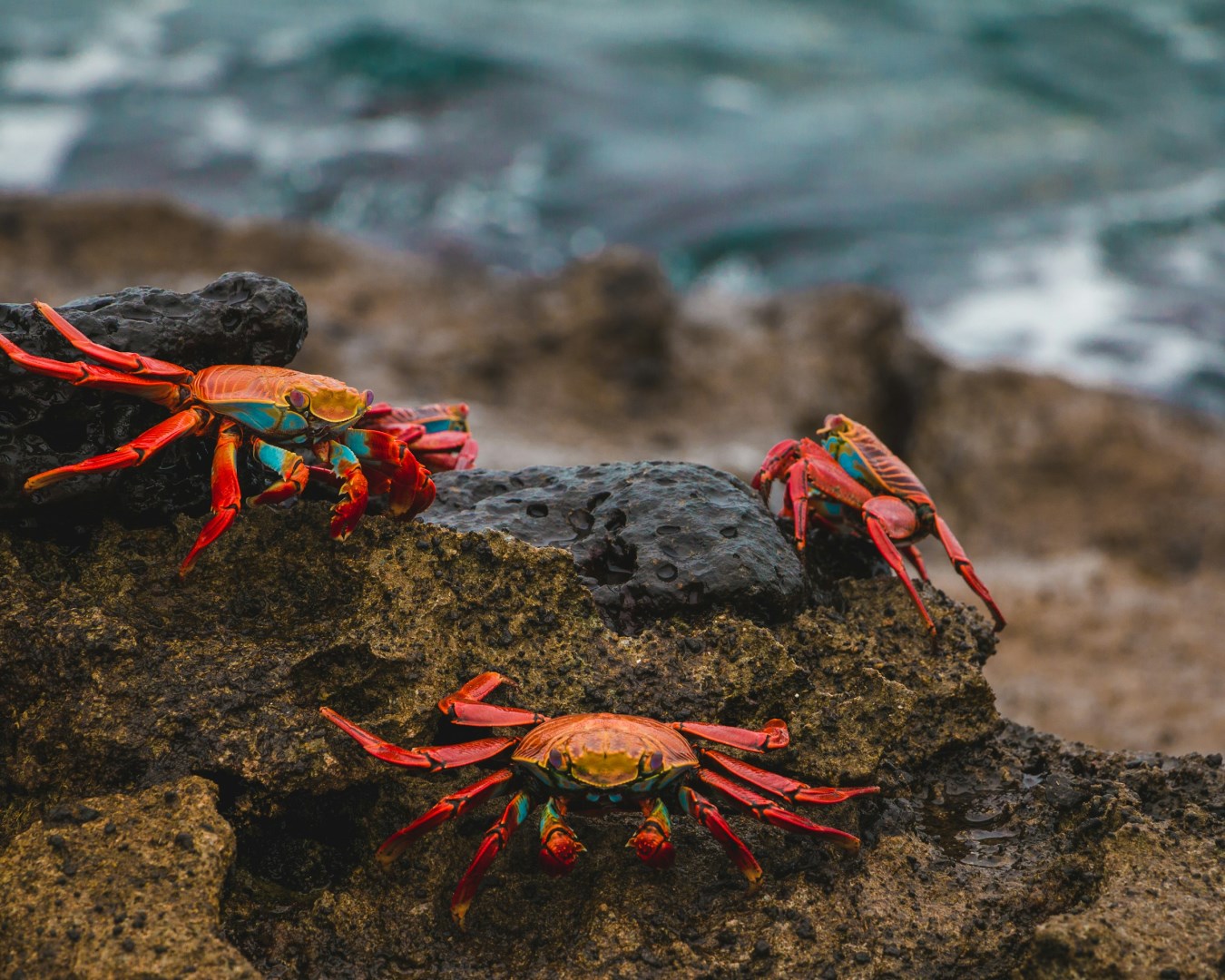
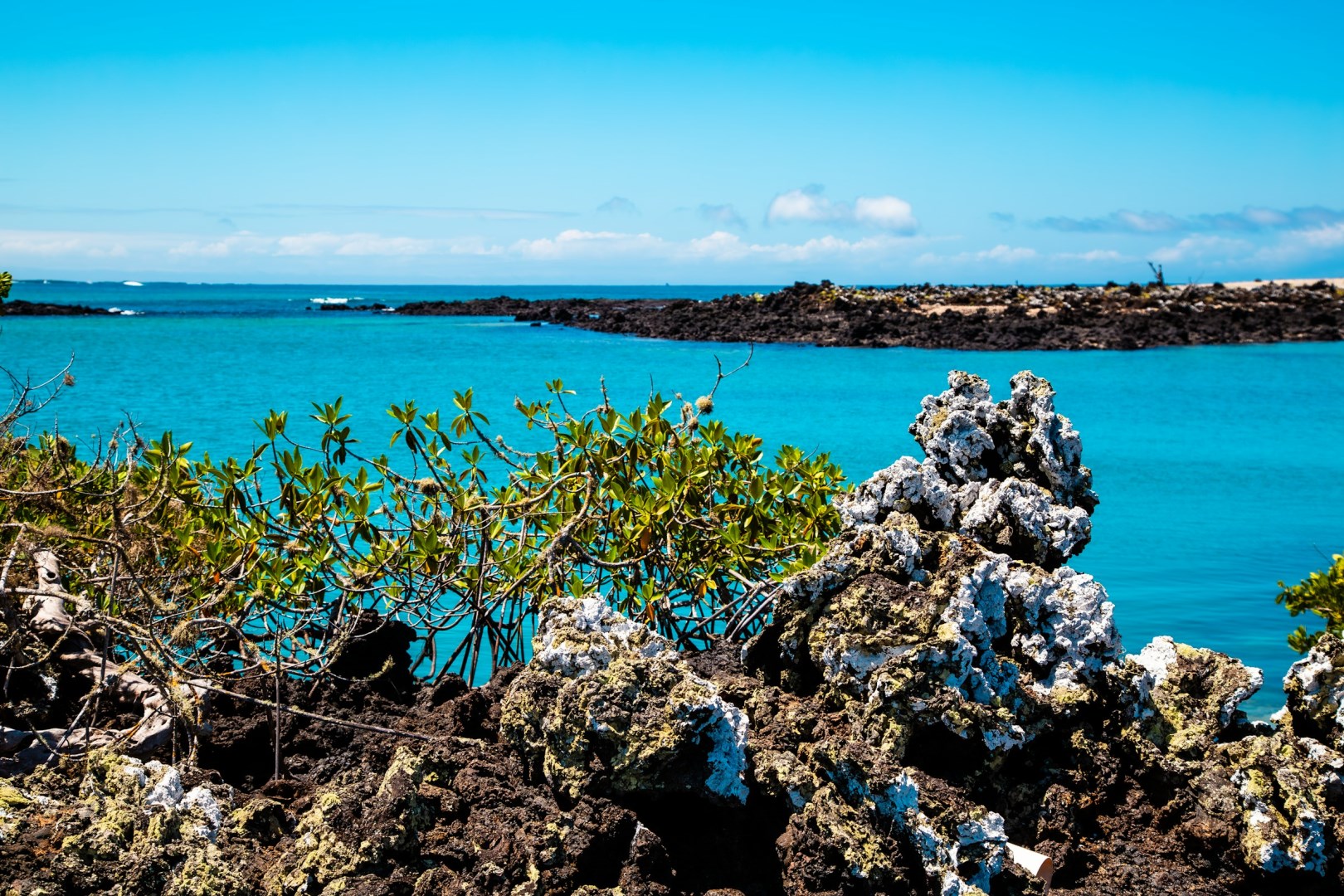
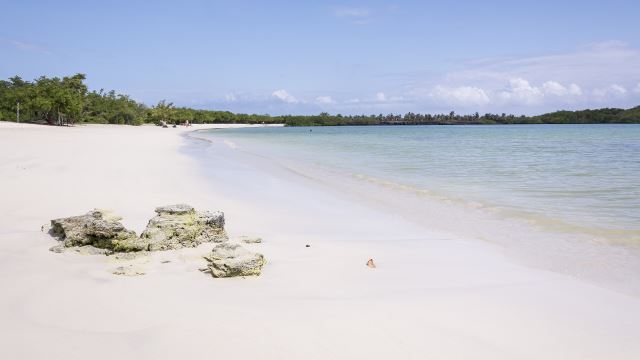
Off the coast of Ecuador, the iconic and biodiverse Galápagos Islands, made famous by Charles Darwin’s nineteenth-century research expeditions on HMS Beagle, beckon you. This glittering archipelago, surrounded by vivid turquoise waves, abounds with stunning beaches and spectacular wildlife, perfect for the adventurous traveler.
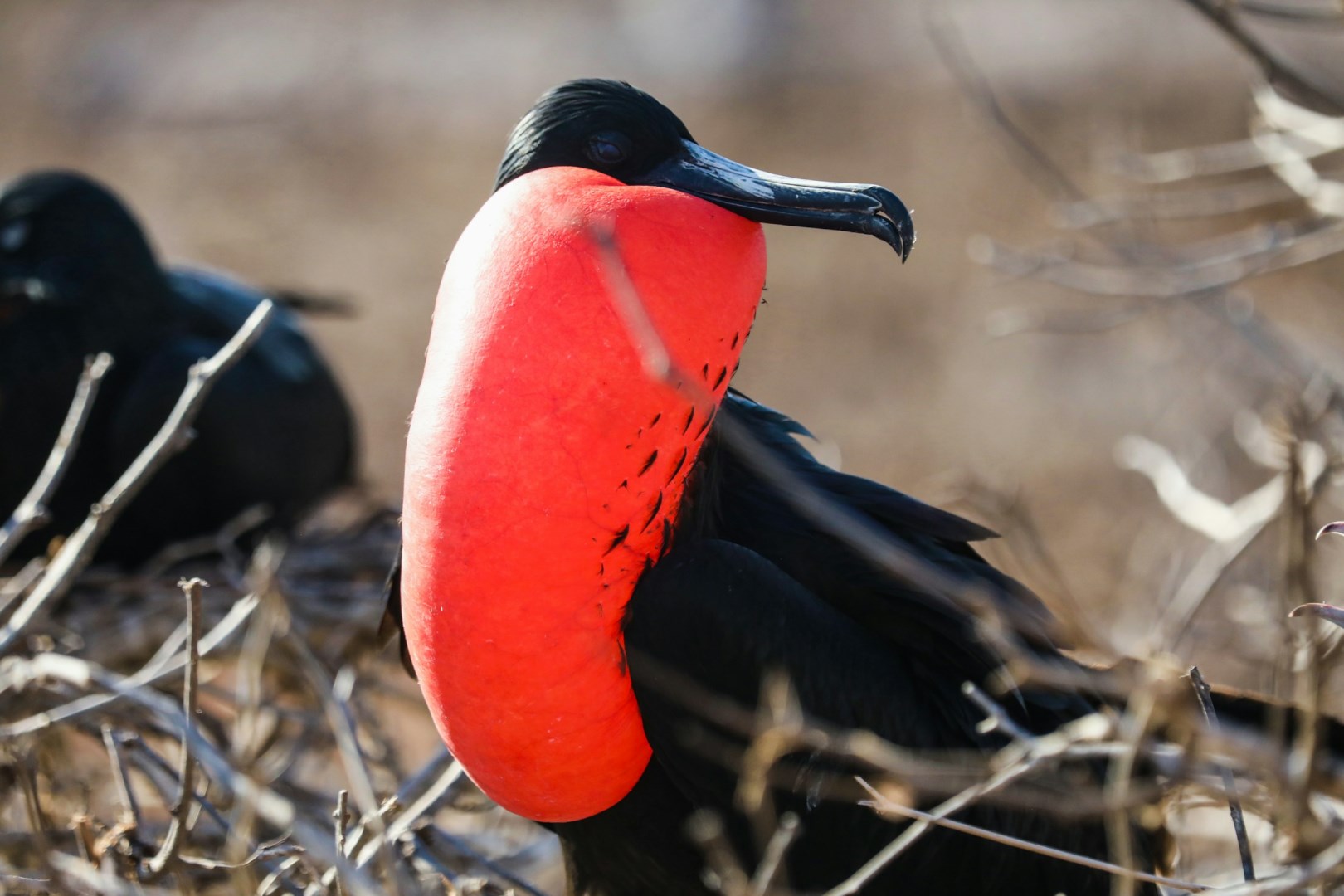
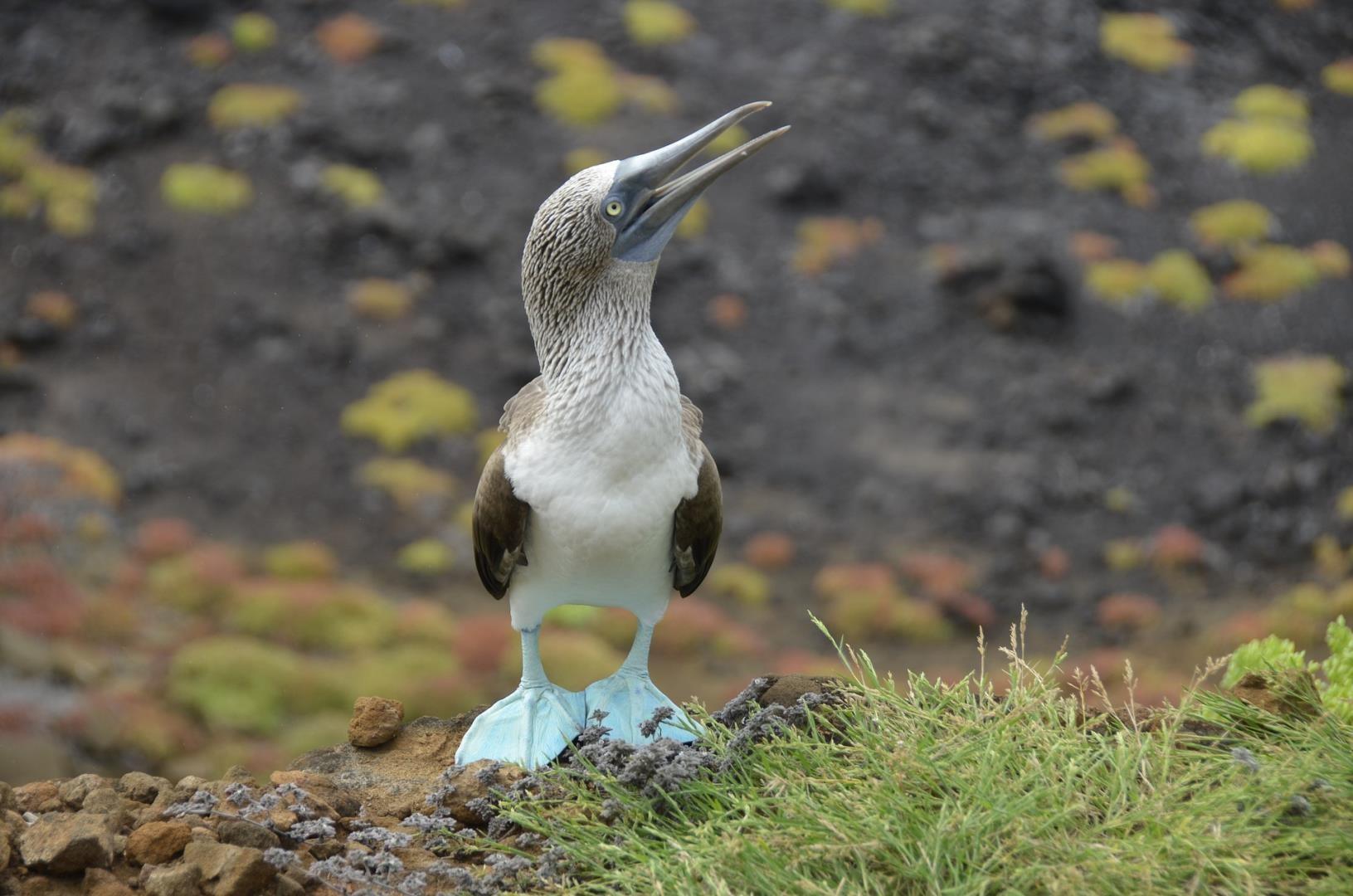
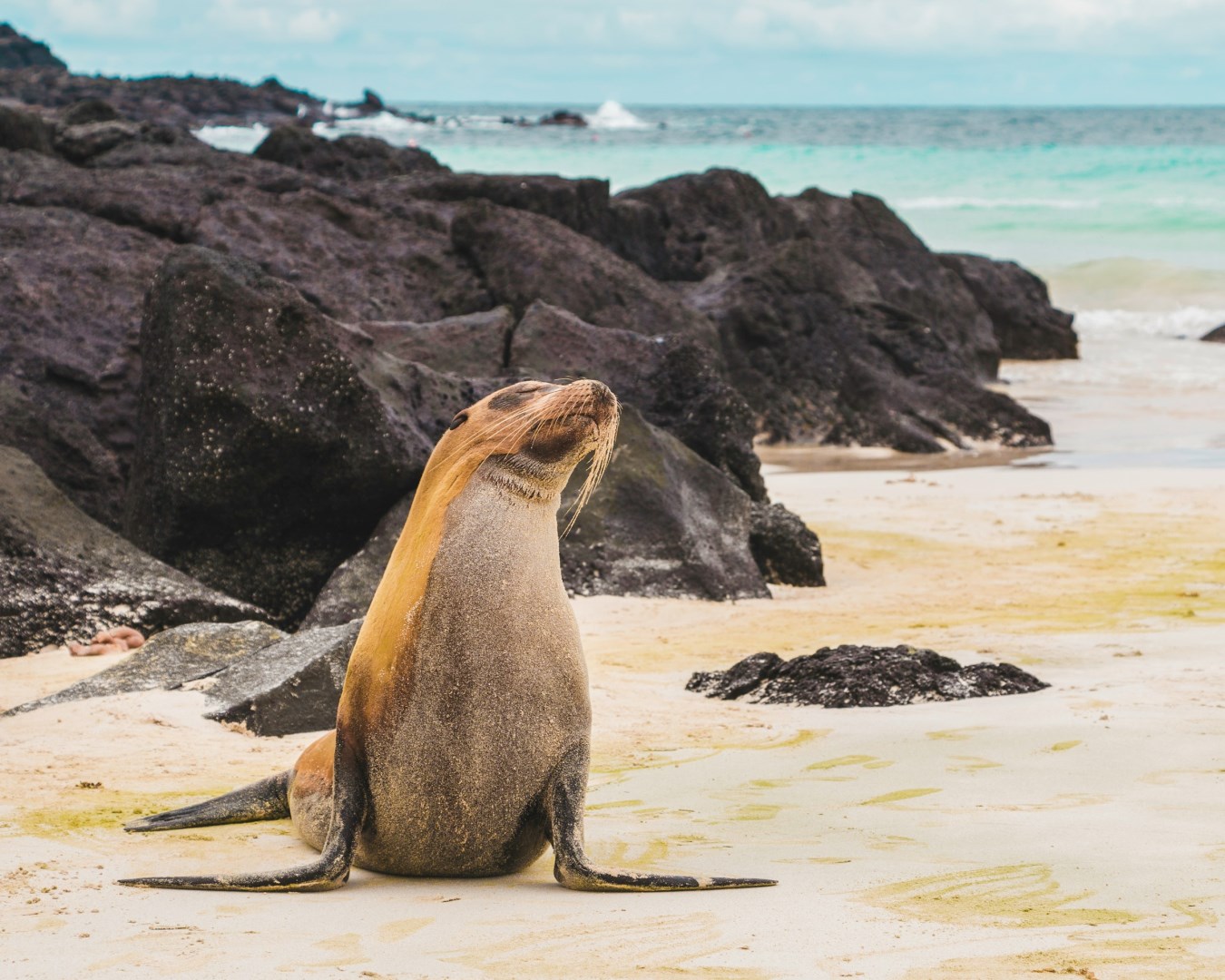
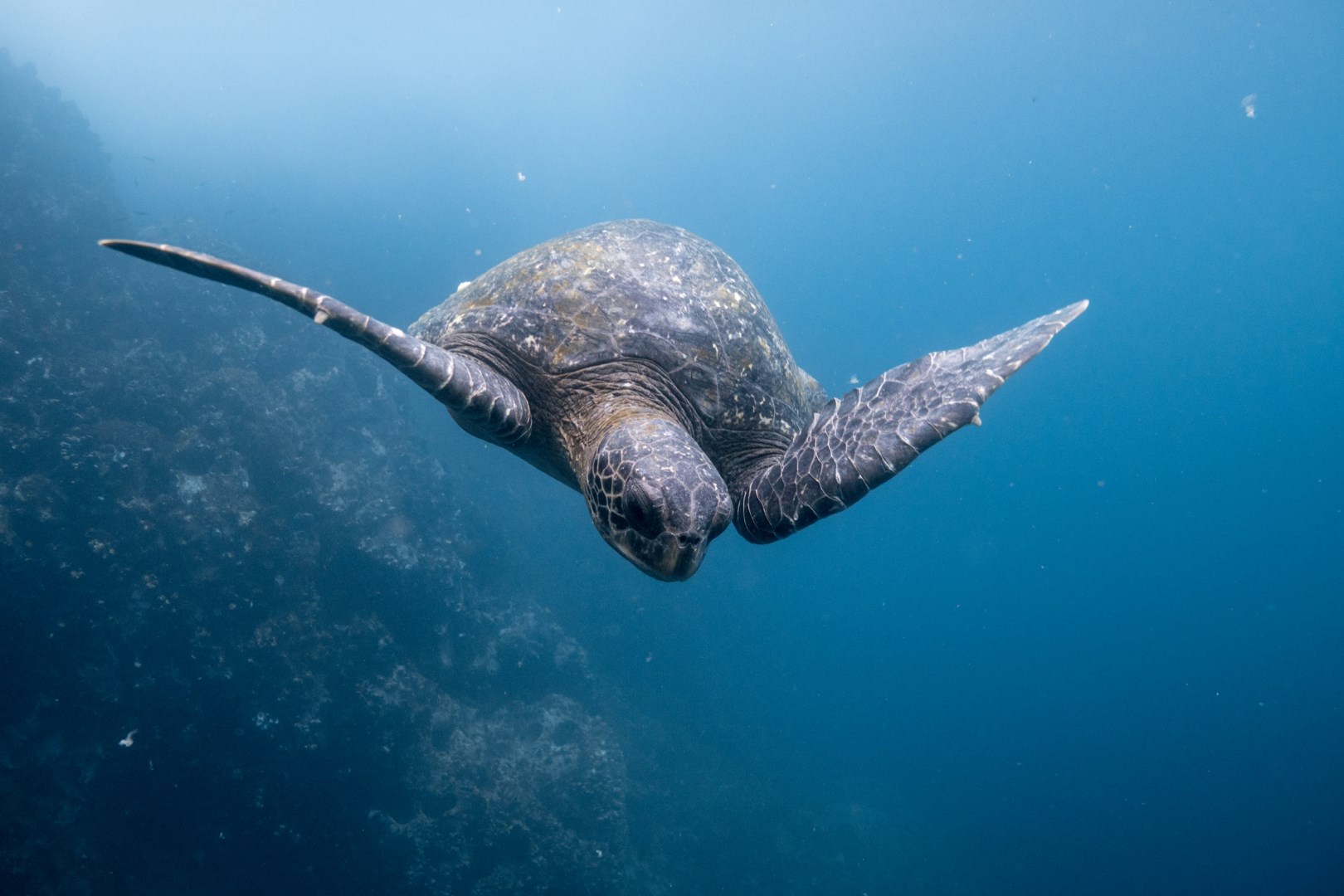
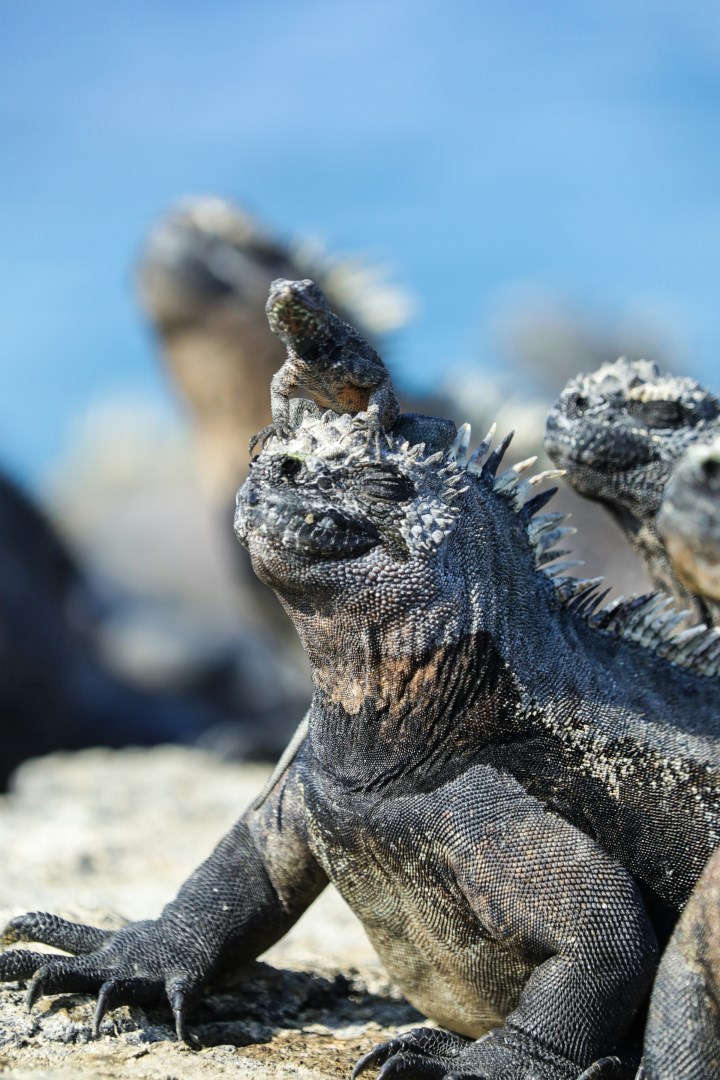
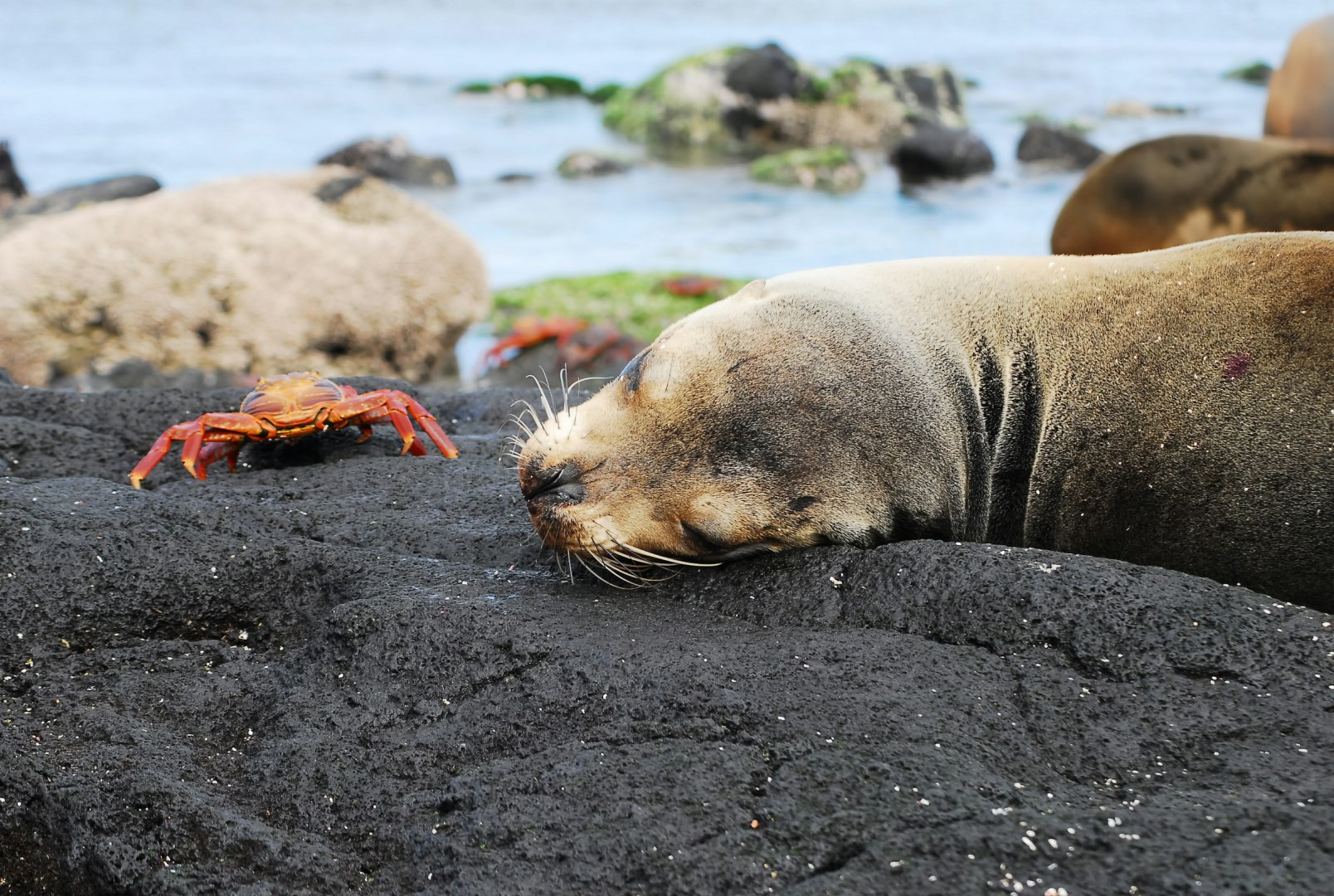
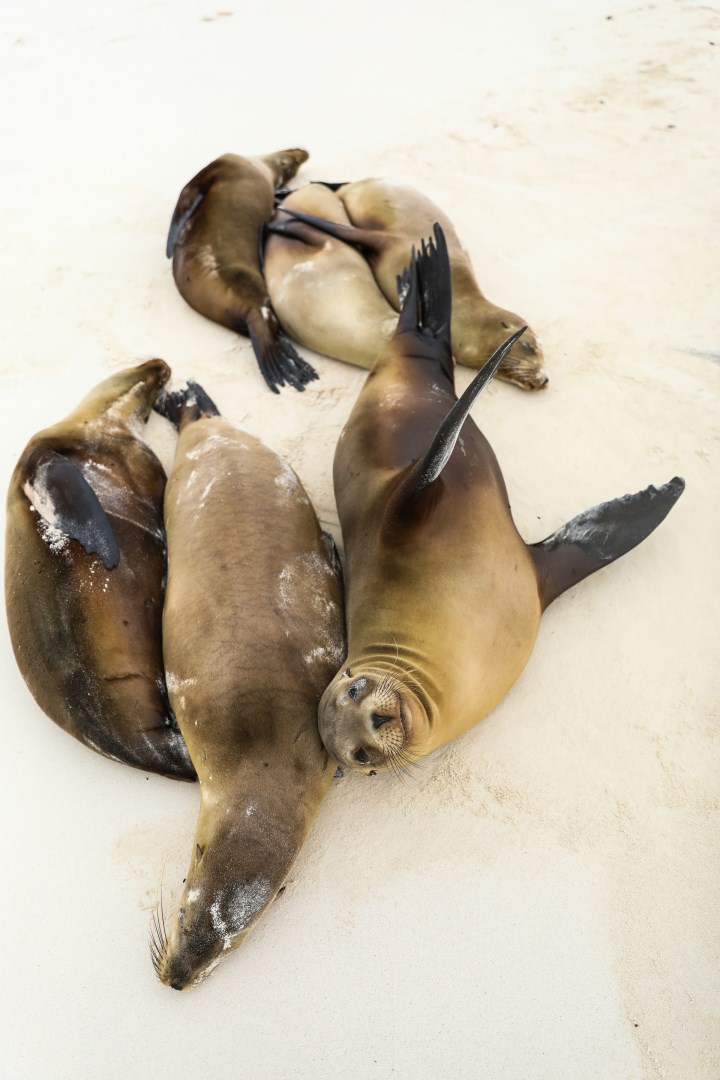
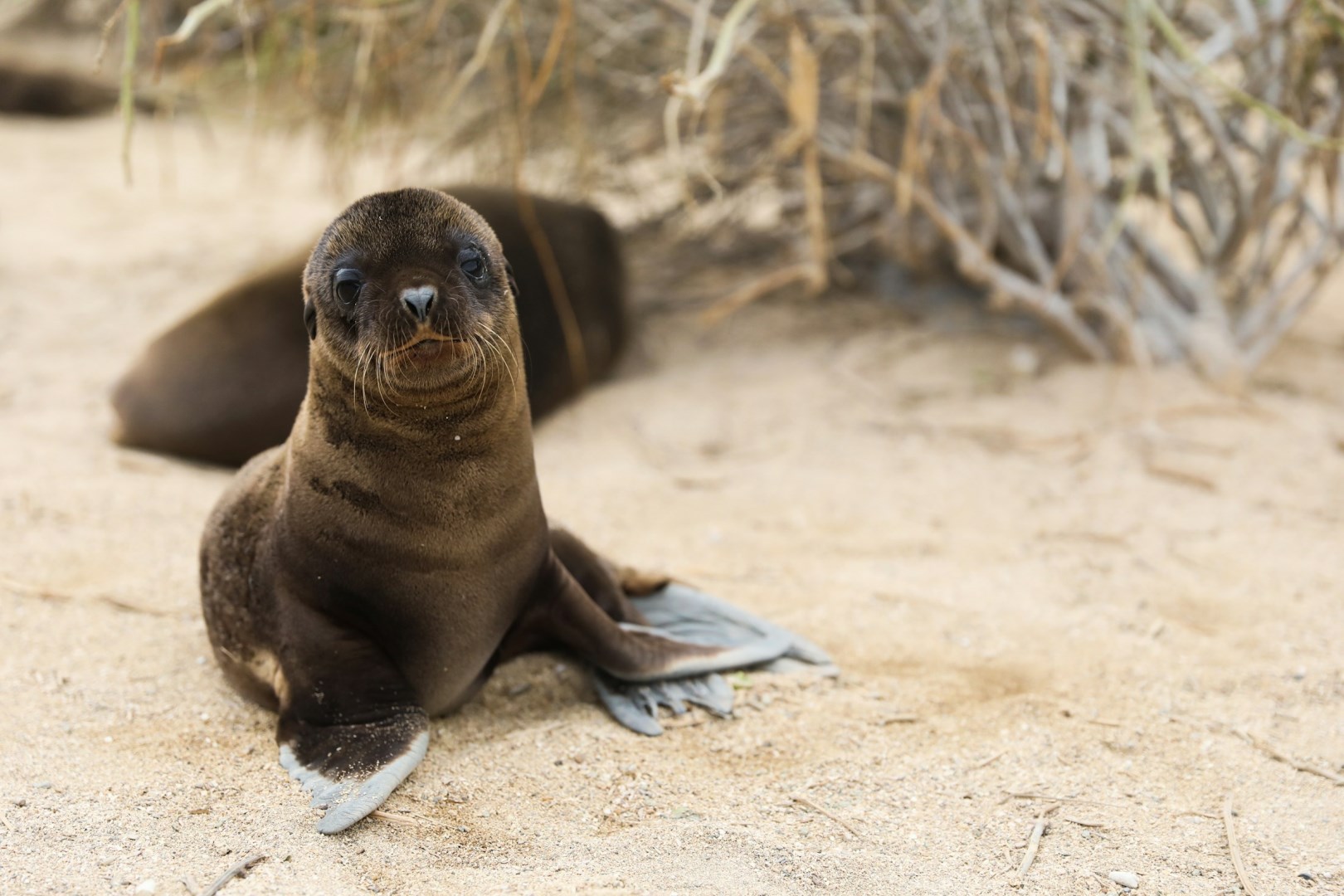
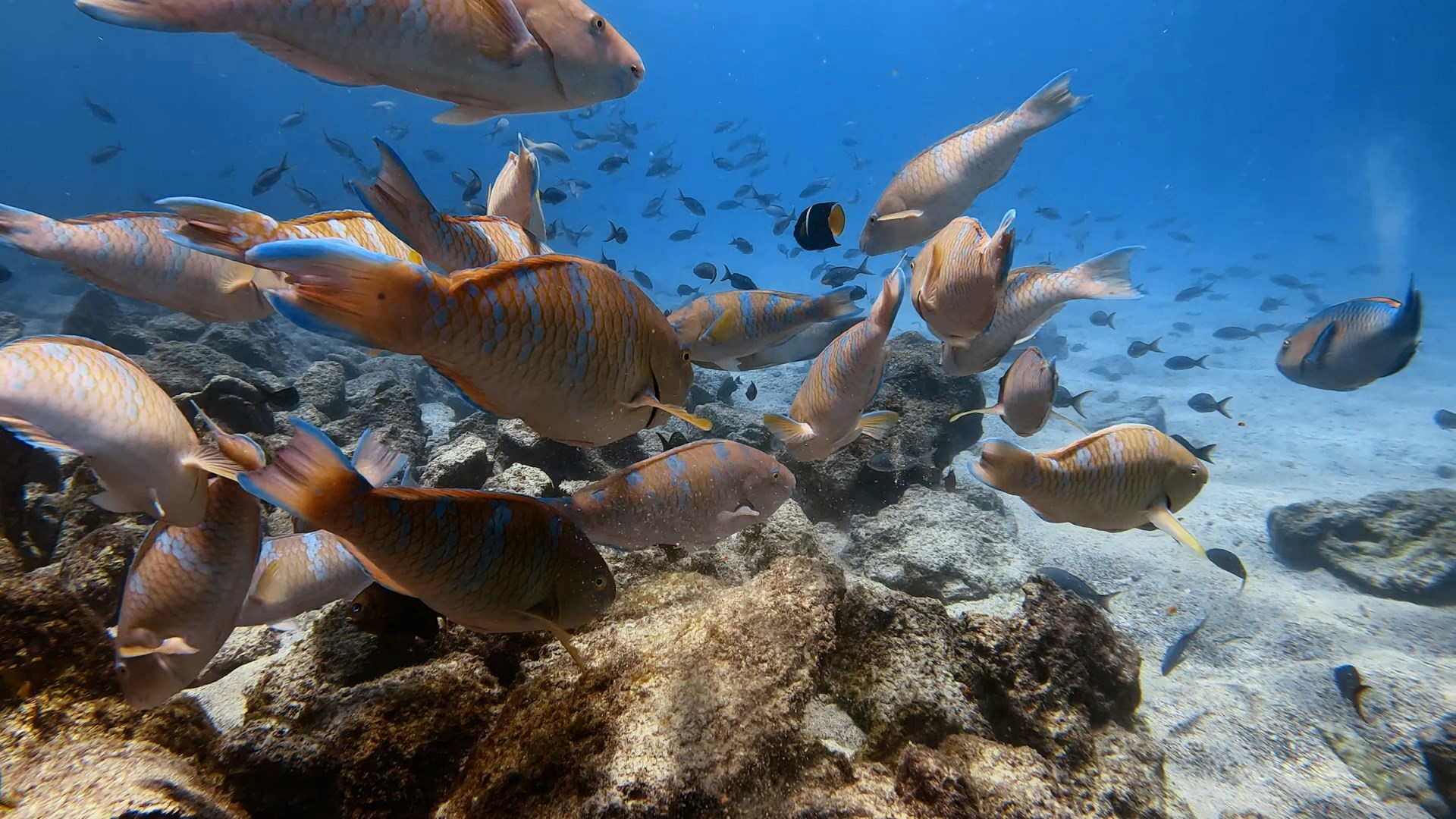
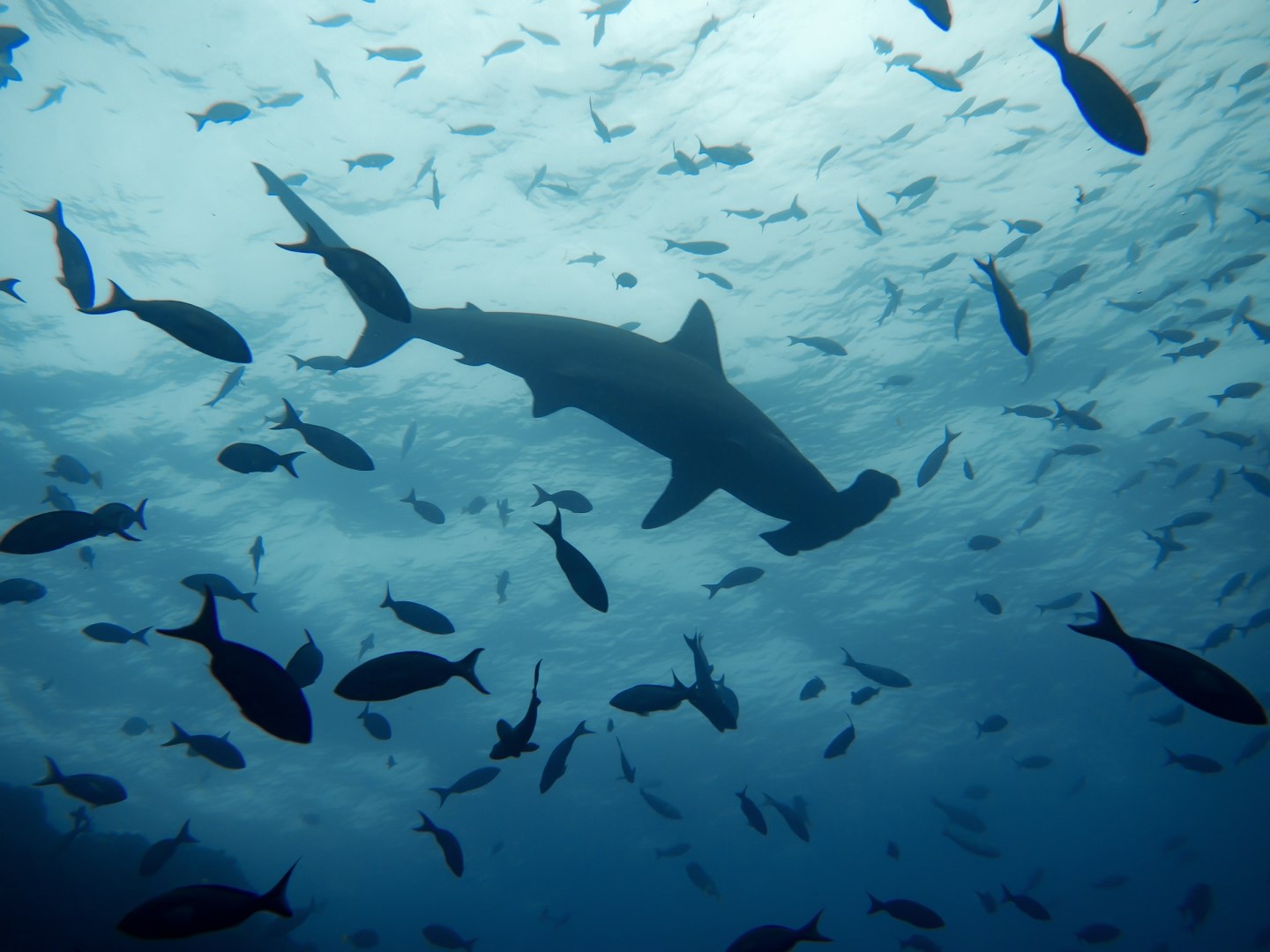
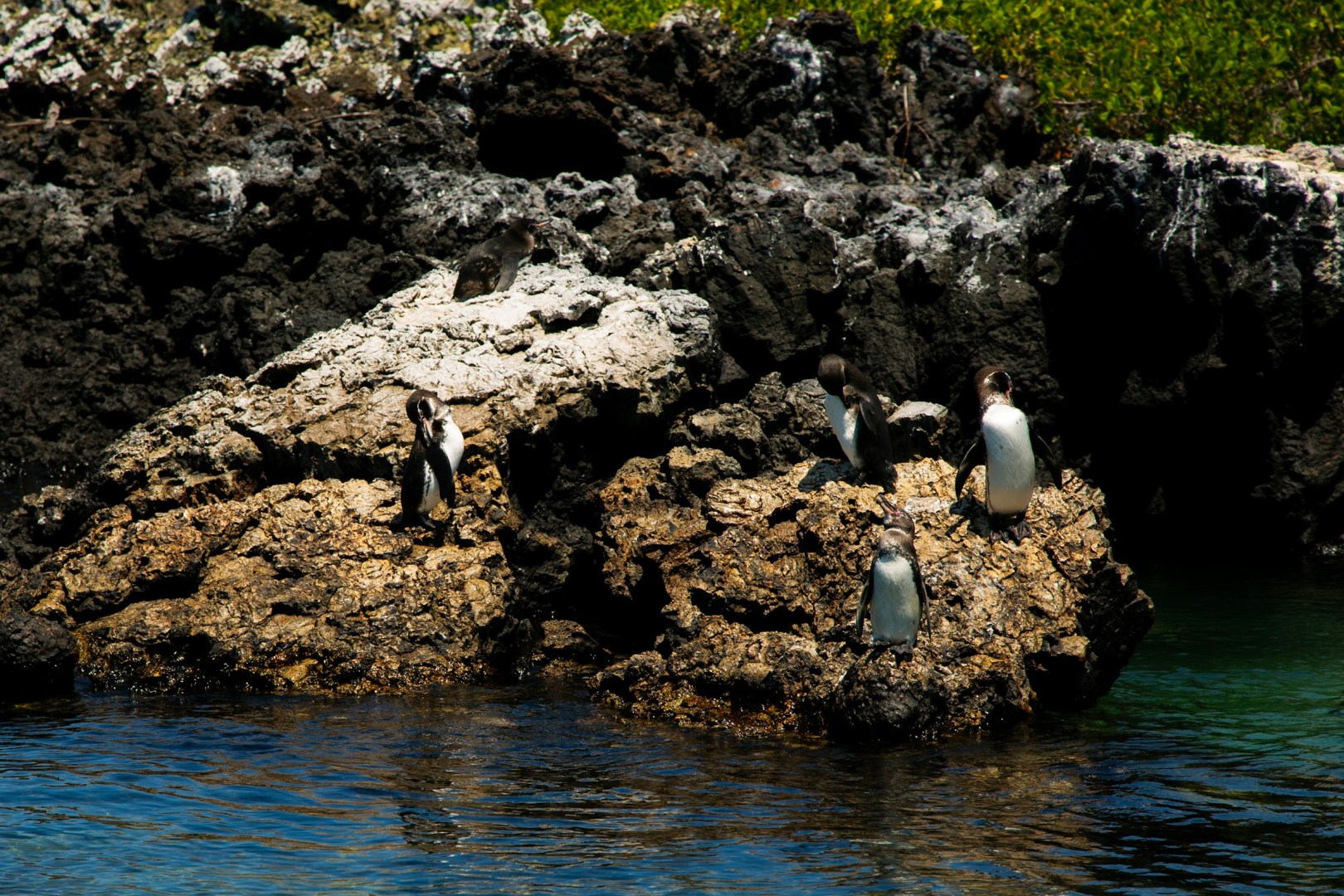
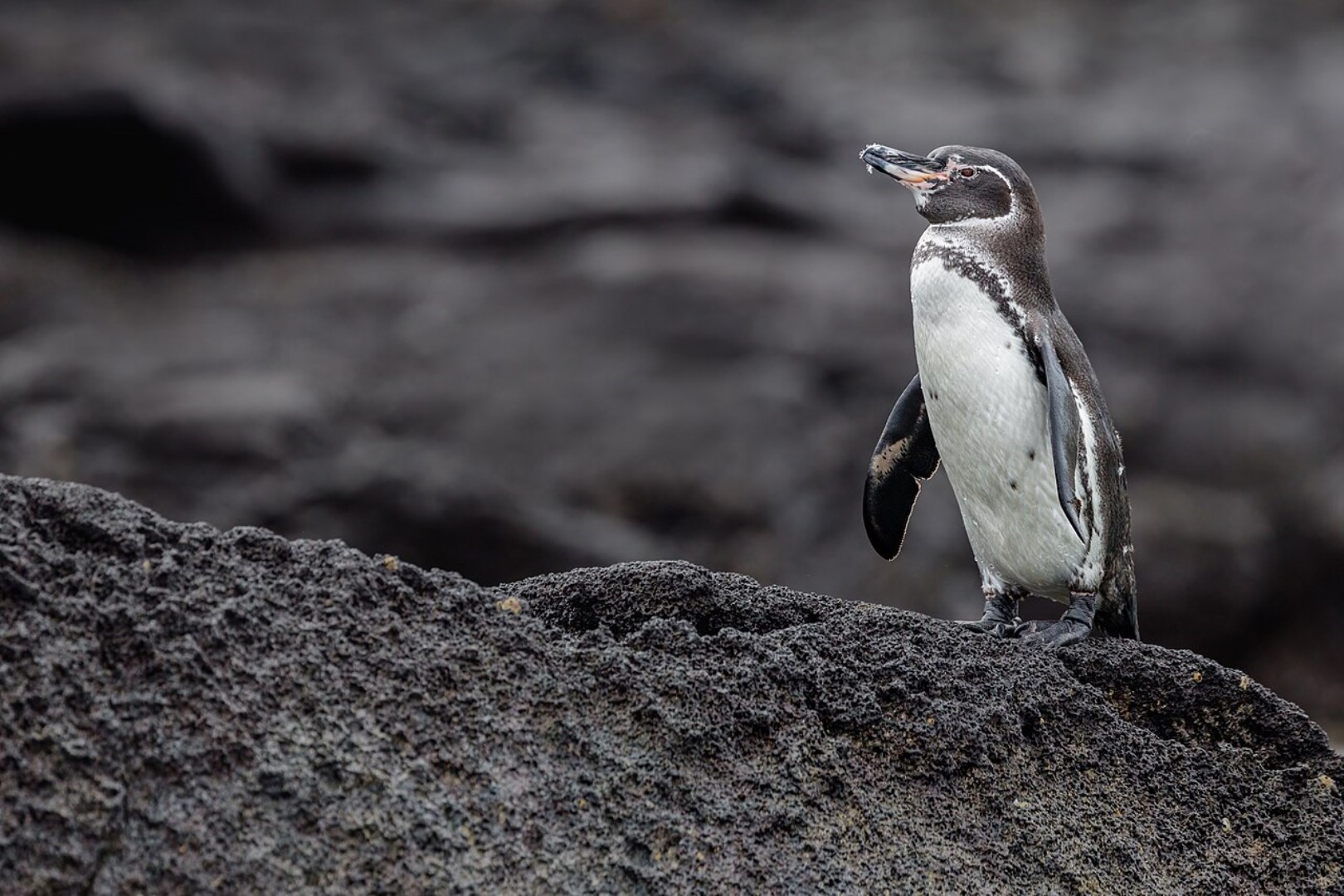
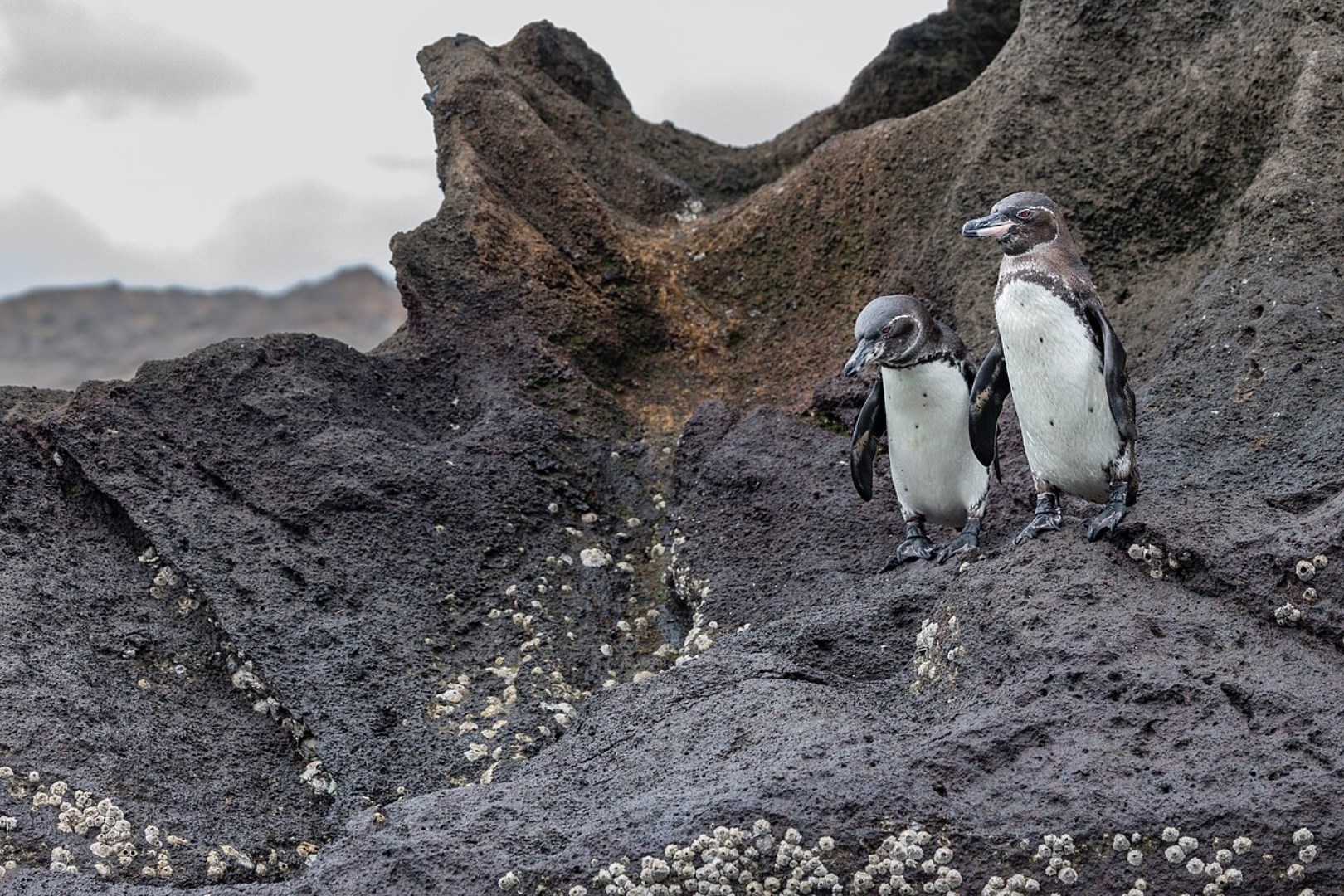
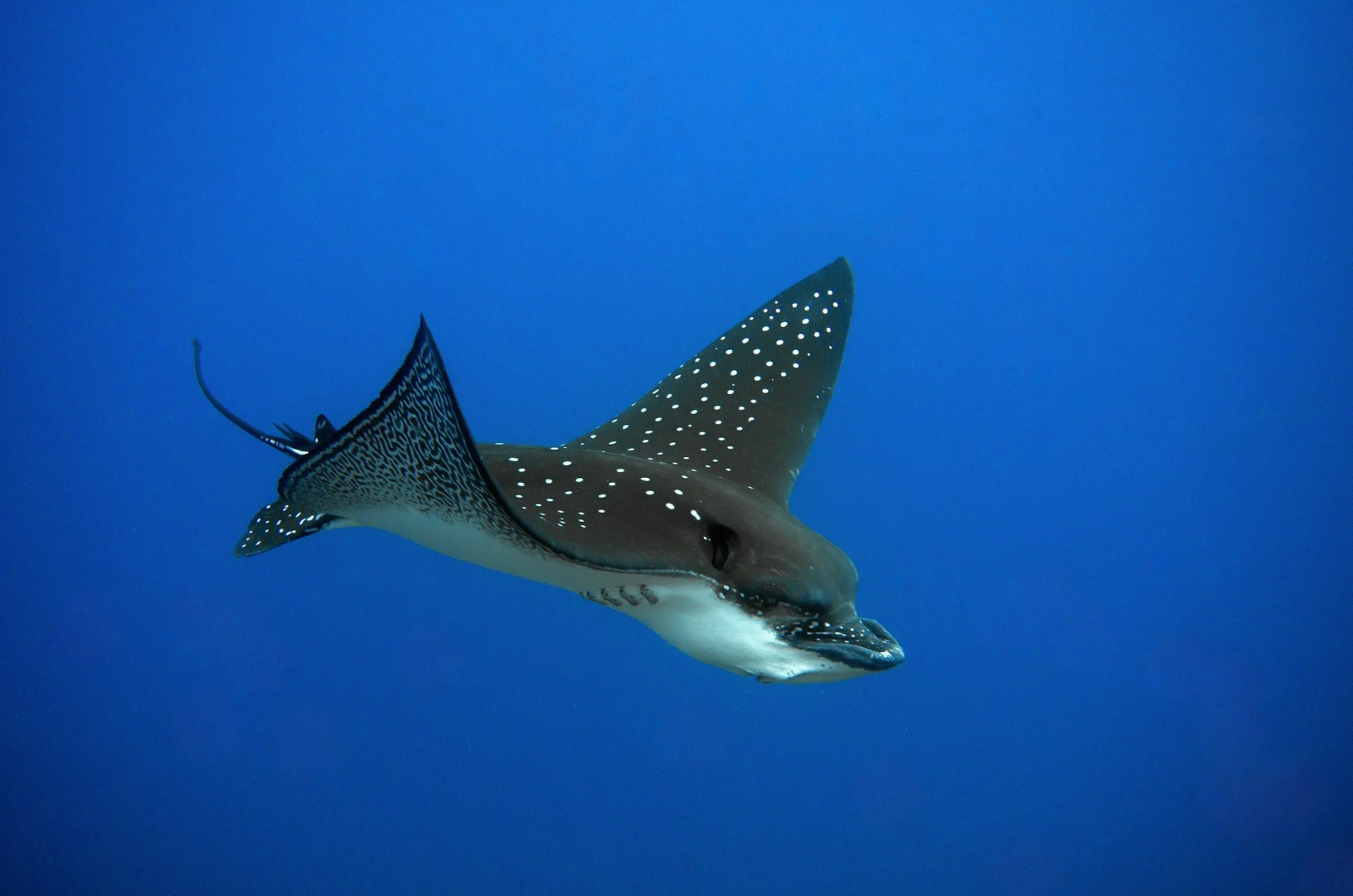
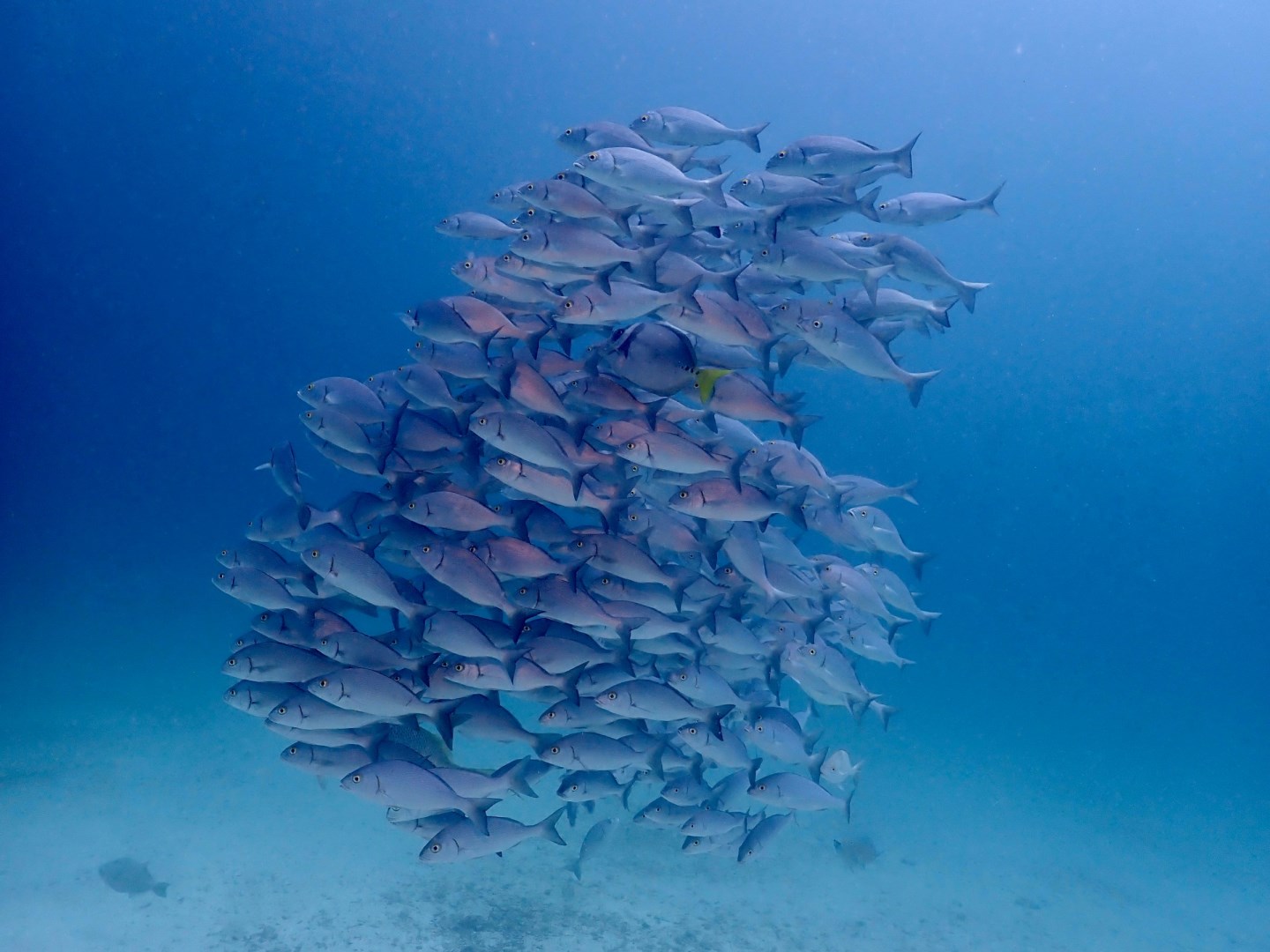
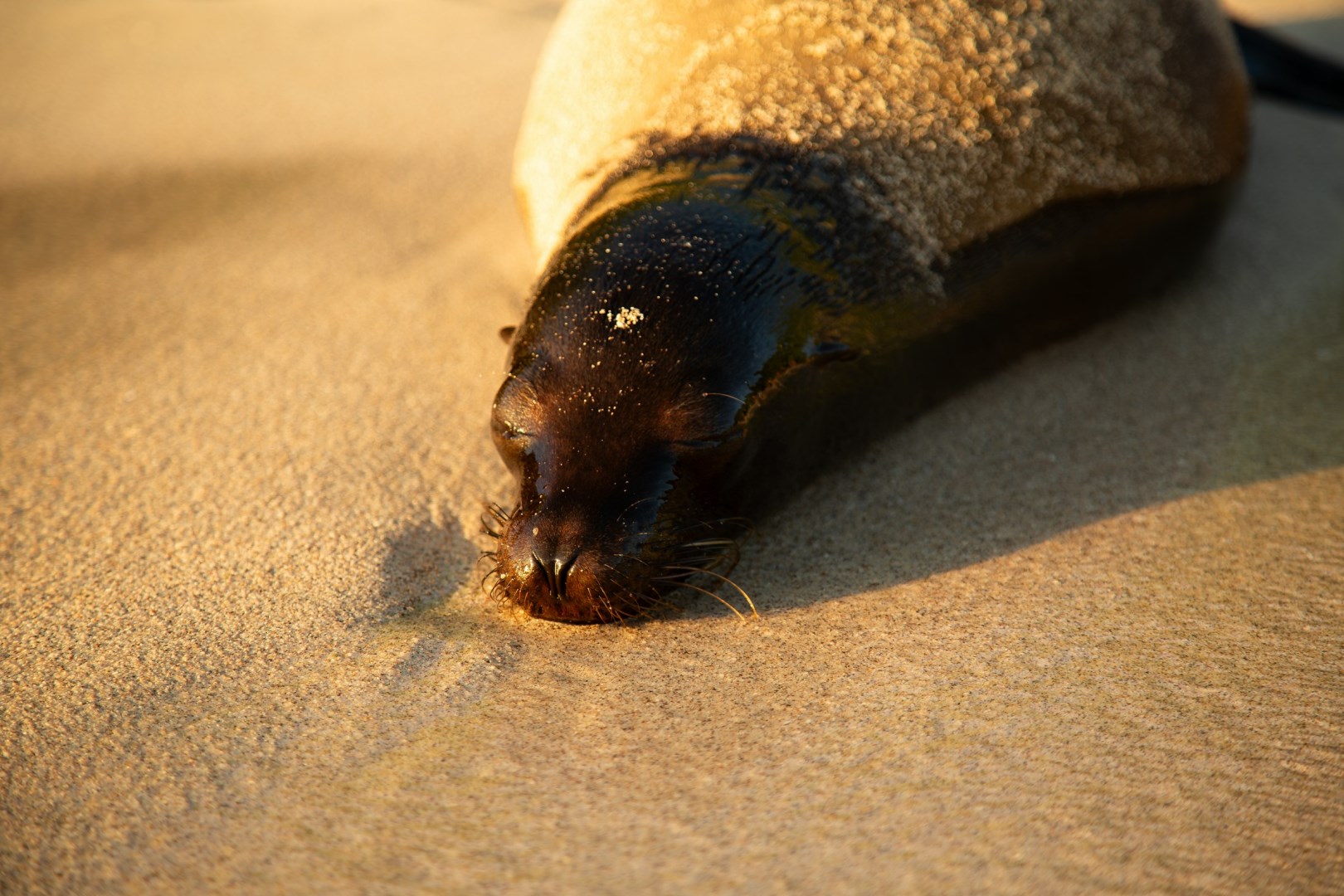
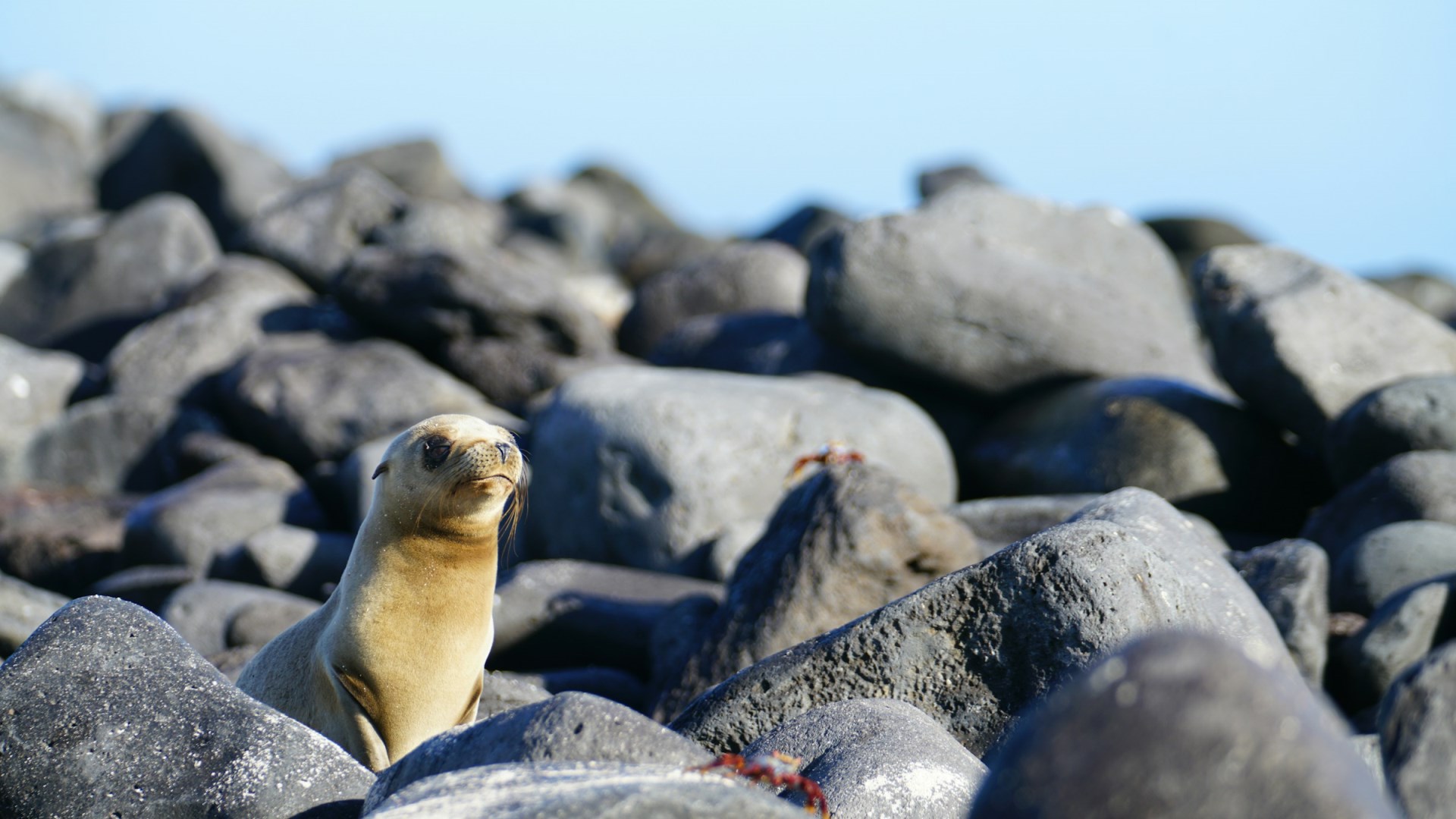
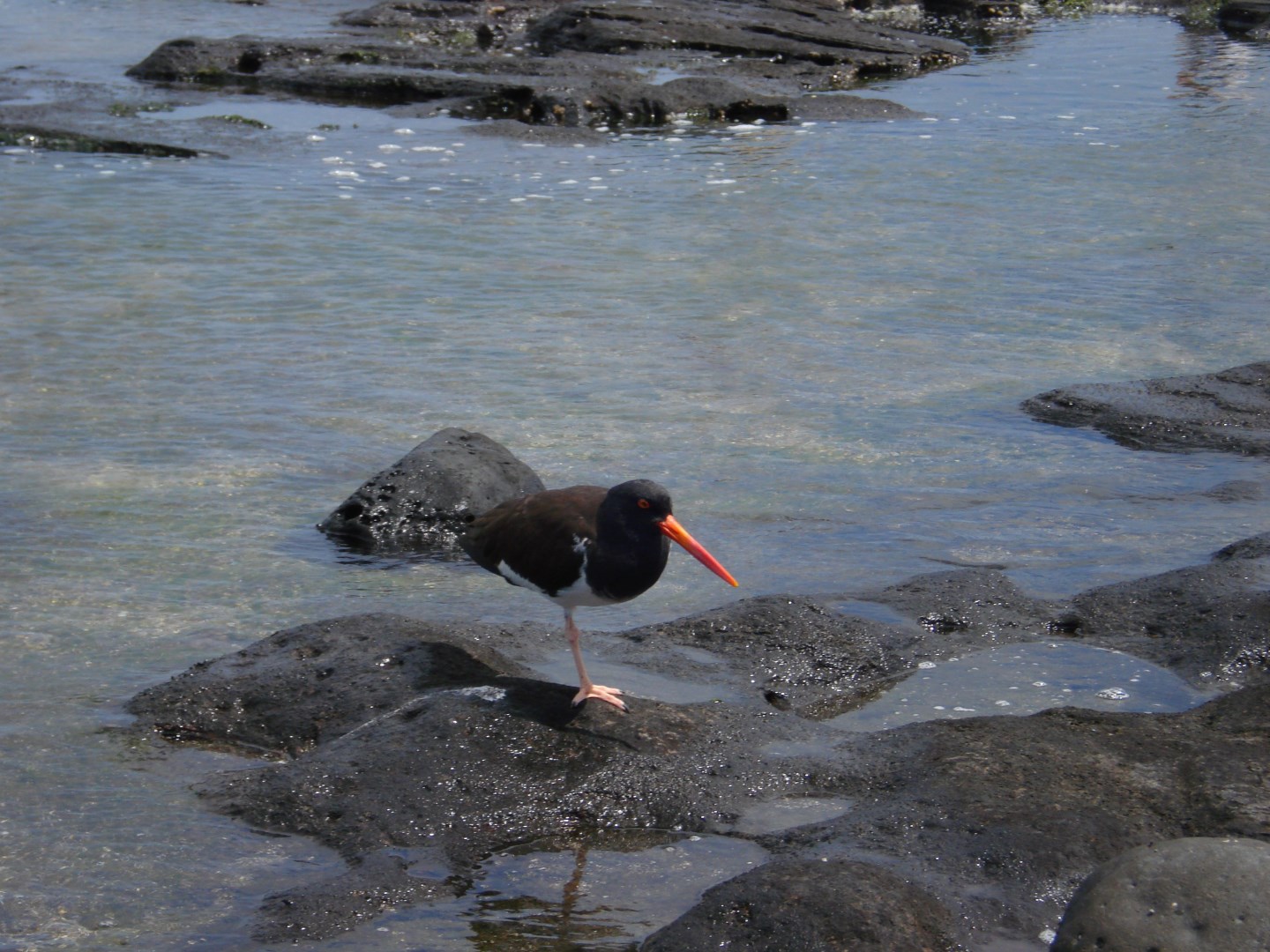
A popular destination for South American cruises, you’ll find plenty to see and do on each island. Sea lions, iguanas, blue-footed boobies, penguins, and the infamous Galápagos tortoises are just a few of the many indigenous wildlife that make these islands home. Favorite spots for animal watching include Tortuga Bay, Reserva El Chato (a tortoise reserve), and Parque Nacional Galápagos. Venture to San Cristóbal Island and Isabela Island for the archipelago’s best snorkeling or trek up the Sierra Negra volcano, the only Galápagos volcano accessible to hikers, for panoramic island views. Unwind in the island’s picturesque towns, including Puerto Ayora and Puerto Villamil, and be sure to sample authentic Ecuadorian cuisine and fresh seafood dishes.
Discover your next adventure in the Galápagos Islands!
Other Popular Destinations in Ecuador
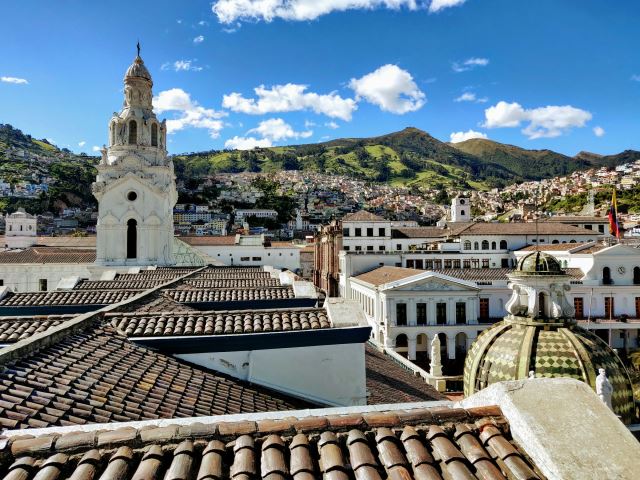
Quito
Situated on the equator and nestled beneath an imposing volcano, the rugged, sprawling, and vibrant city of Quito offers adventure galore. A South American gem and Ecuador’s capital, Quito combines the best of its Incan and Spanish influences in fascinating cultural attractions, and the city’s surrounding natural beauty will surely astound you.
Santa Cruz Island
Santa Cruz Island is the beating heart of the Galápagos and is home to the largest town in the archipelago, Puerto Ayora, and a key access point for travelers exploring this unique region. But beyond its small port and shops, the island reveals a surprising range of ecosystems, from black lava shores to lush highlands where giant tortoises roam freely.