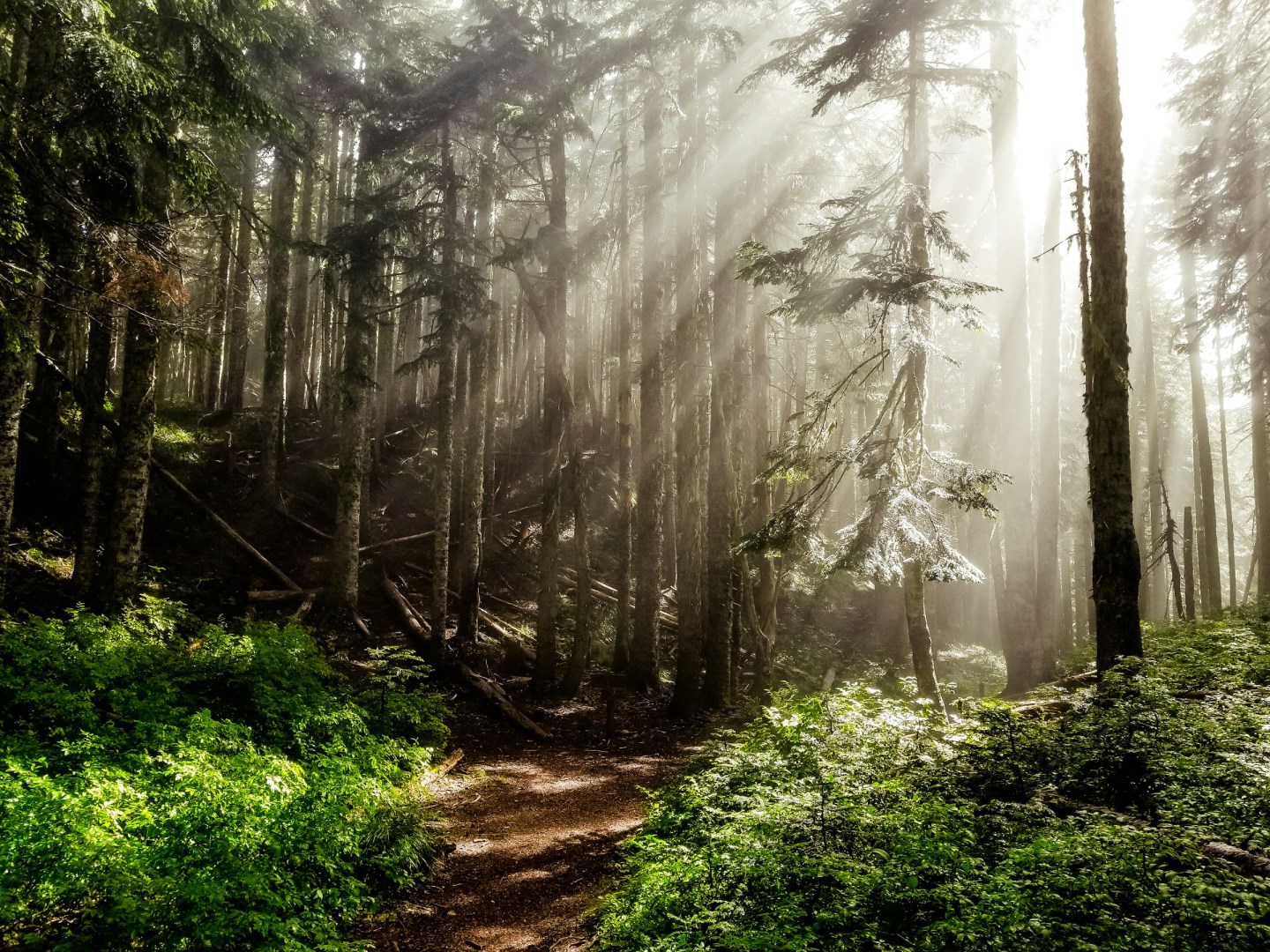
Mount Hood National Forest covers a large area of the Cascade Range east of Portland, centered on Mount Hood, Oregon’s highest peak. The forest contains volcanic mountains, deep river valleys, alpine meadows, dense conifer forests, and numerous lakes and streams. Mount Hood itself dominates the landscape, rising above surrounding foothills and visible from many parts of the region.
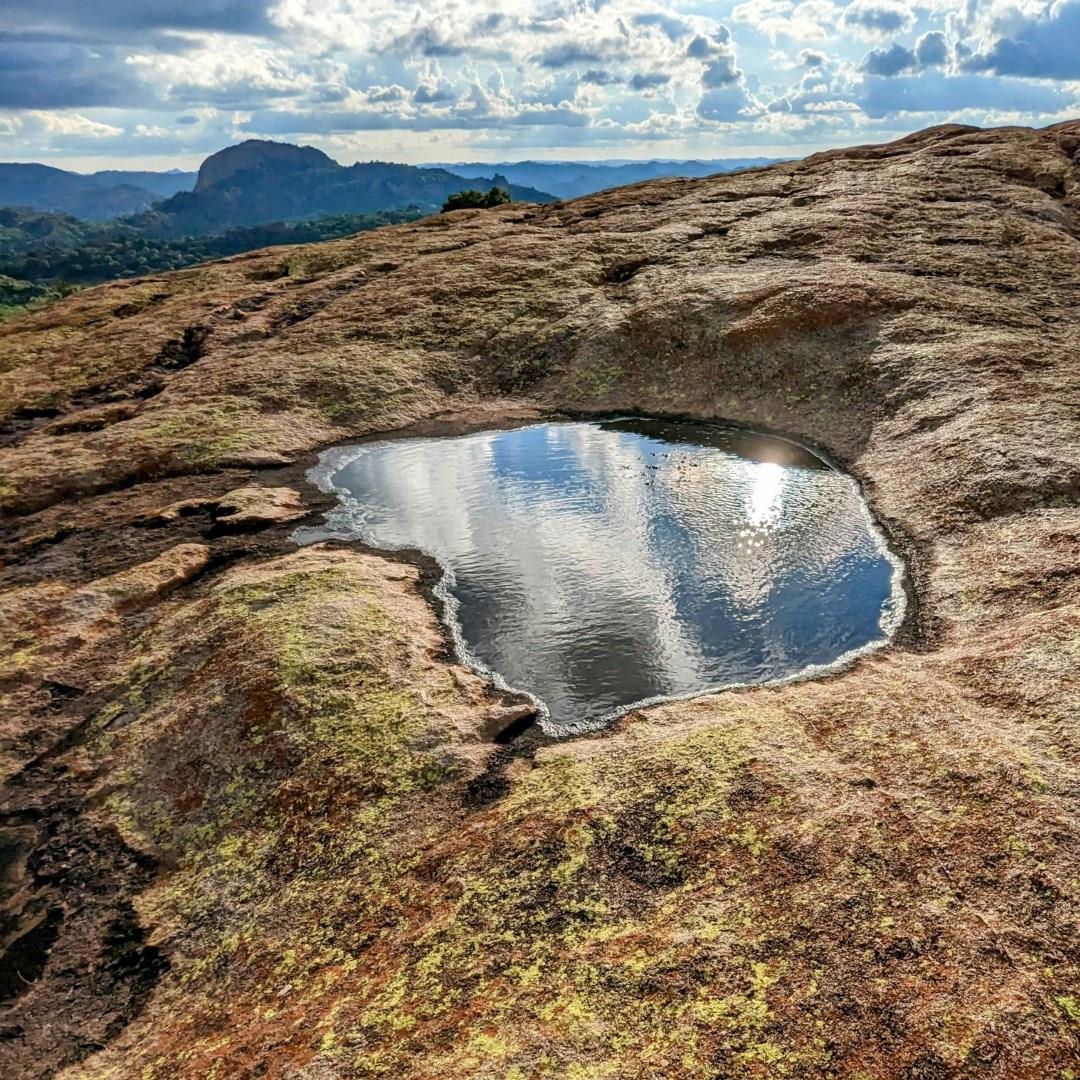
Matobo National Park sits in the rolling hills of southern Zimbabwe stands as one of the country’s most remarkable landscapes. Its granite domes, balancing rocks and wooded valleys have formed over more than two billion years, creating a setting that feels both ancient and alive. As a UNESCO World Heritage cultural site, the park preserves a landscape that has shaped human life here for millennia, drawing travelers to explore its unusual terrain and storied past.
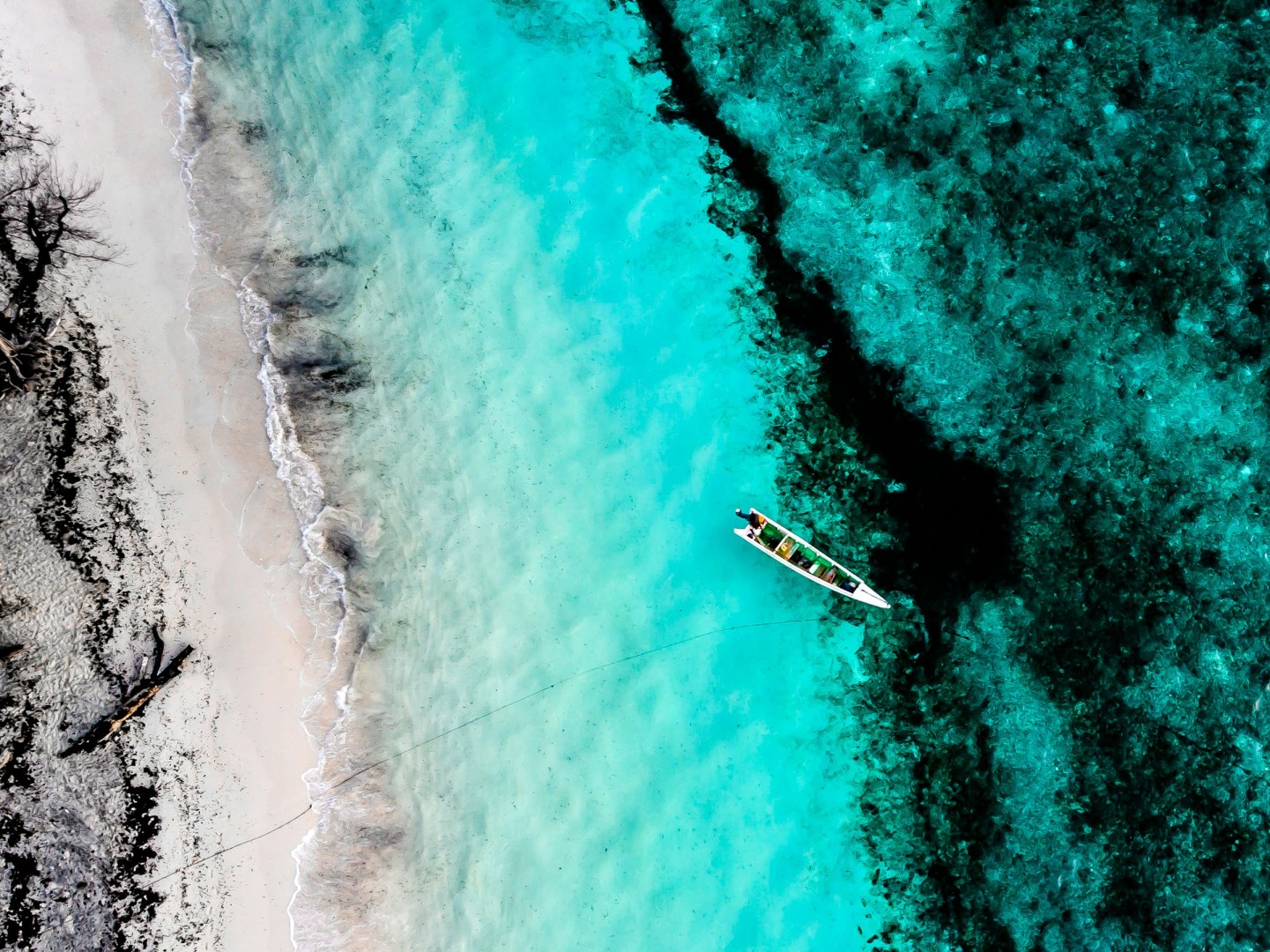
Atauro Island is a mountainous island north of Dili in Timor-Leste, separated from the mainland by the Ombai Strait. Its landscape includes dry hills, forested slopes, grassy areas, rocky cliffs, and small coastal villages. The island is surrounded by exceptionally diverse coral reefs and clear tropical waters, making its marine environment one of its defining features.

Winnipeg sits at the meeting point of the Red and Assiniboine rivers, a location that has shaped its role as a gathering place for thousands of years. Long before it became a modern city, the area was central to Indigenous trade networks, a legacy that remains visible today through institutions like The Forks and the Canadian Museum for Human Rights.
Phillip Island, a serene escape located just 90 minutes from Melbourne, Australia, is a natural wonderland that entices visitors with its stunning coastal landscapes and unique wildlife experiences. The island is most famous for its Penguin Parade, where every evening at sunset, hundreds of little penguins—the smallest penguin species in the world—waddle ashore to their burrows on Summerland Beach.
Photo Credit: Photo by Michael Jerrard on Unsplash
Photo Credit: Photo by Dylan Shaw on Unsplash
Photo Credit: Photo by Marcela Baca on Unsplash
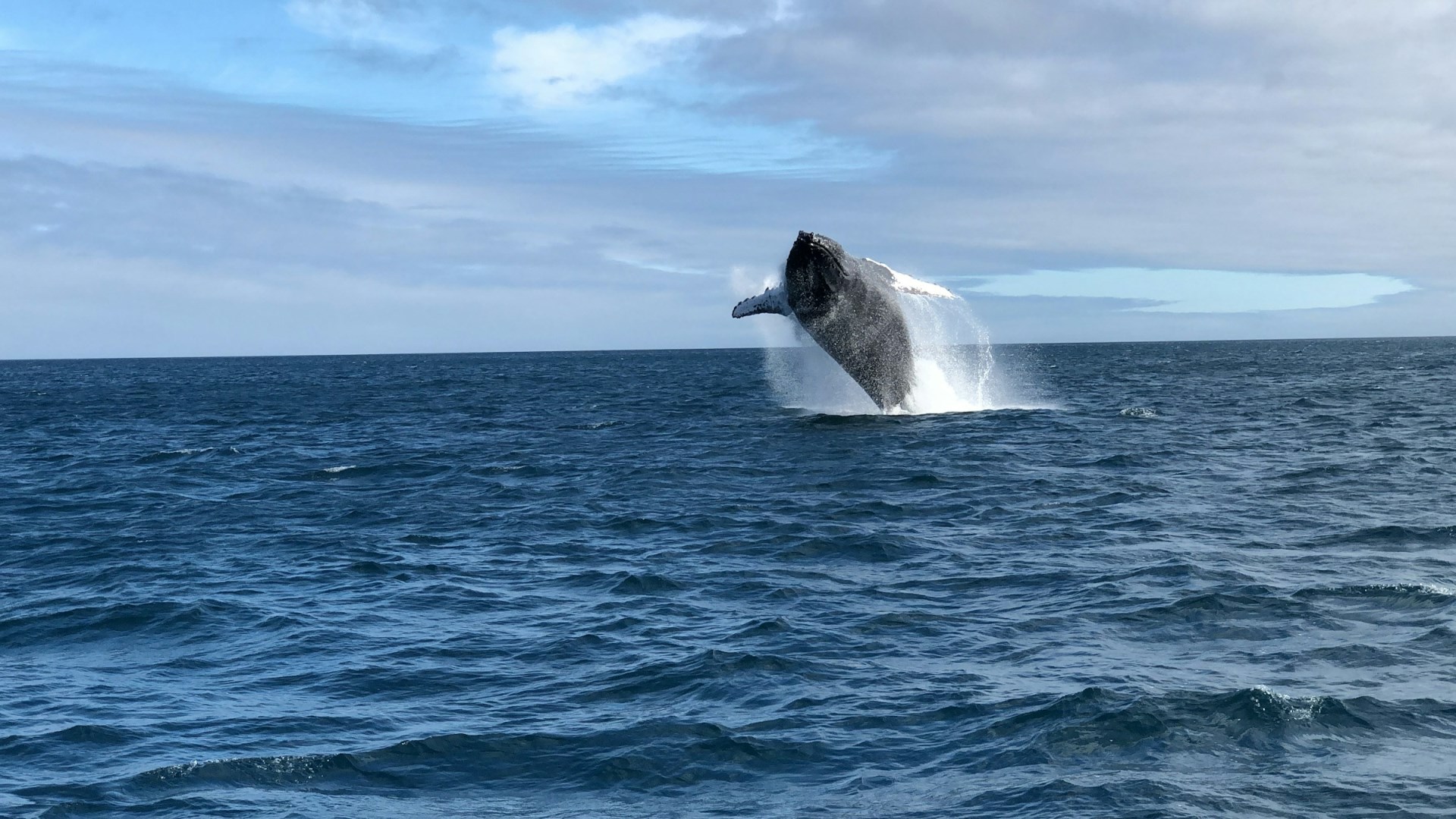
Whale
Photo Credit: Photo by Bryan Thompson on Unsplash
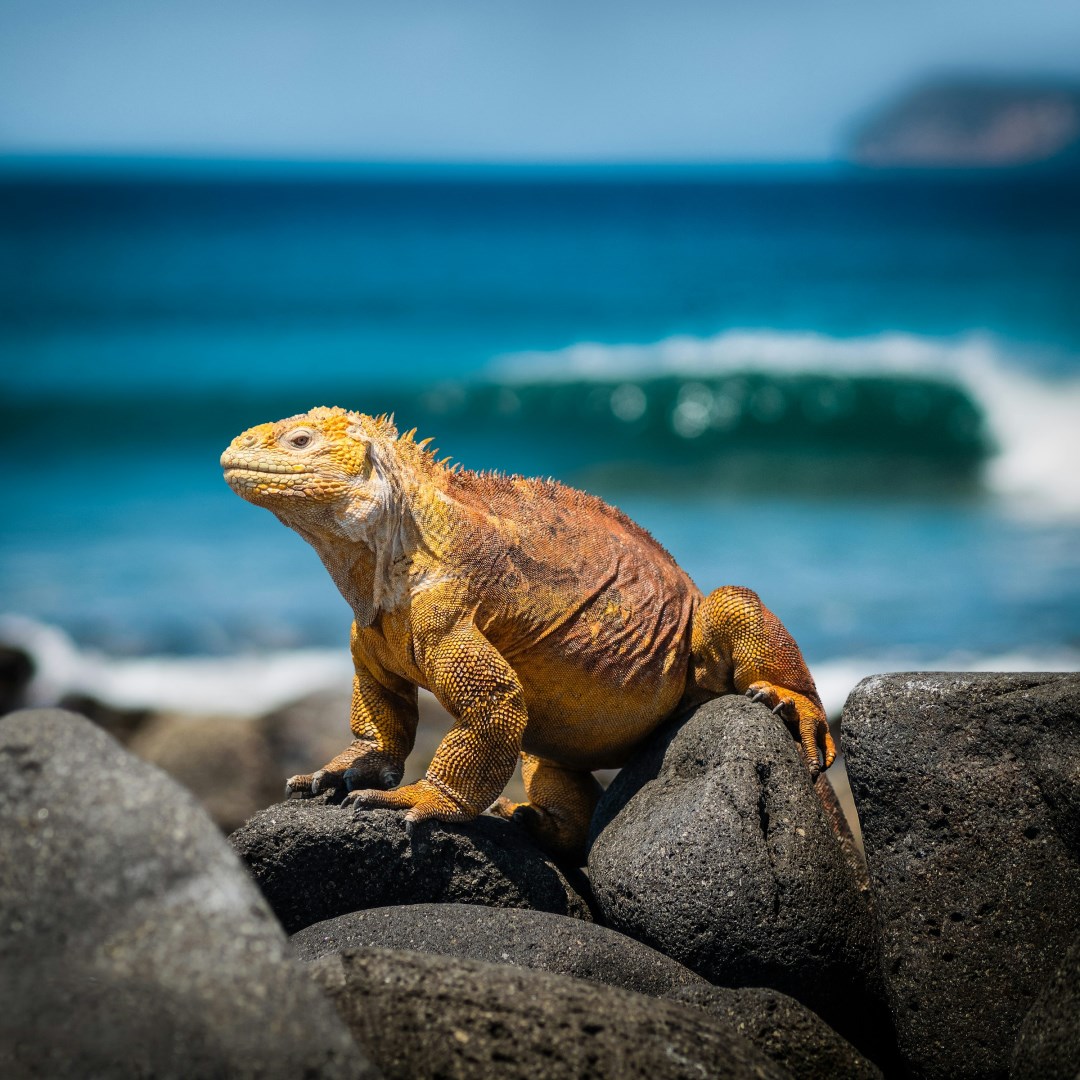
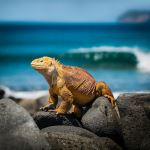
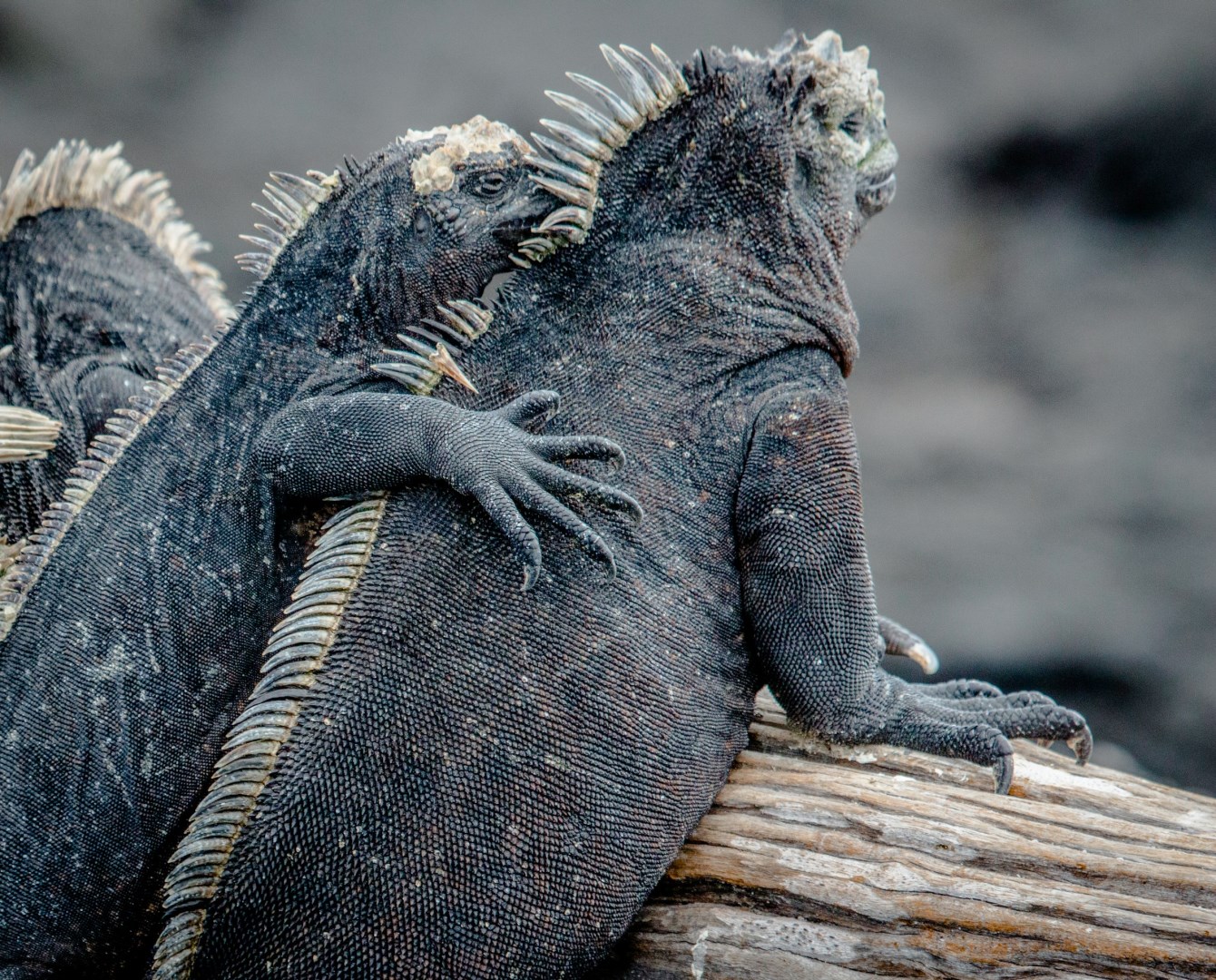
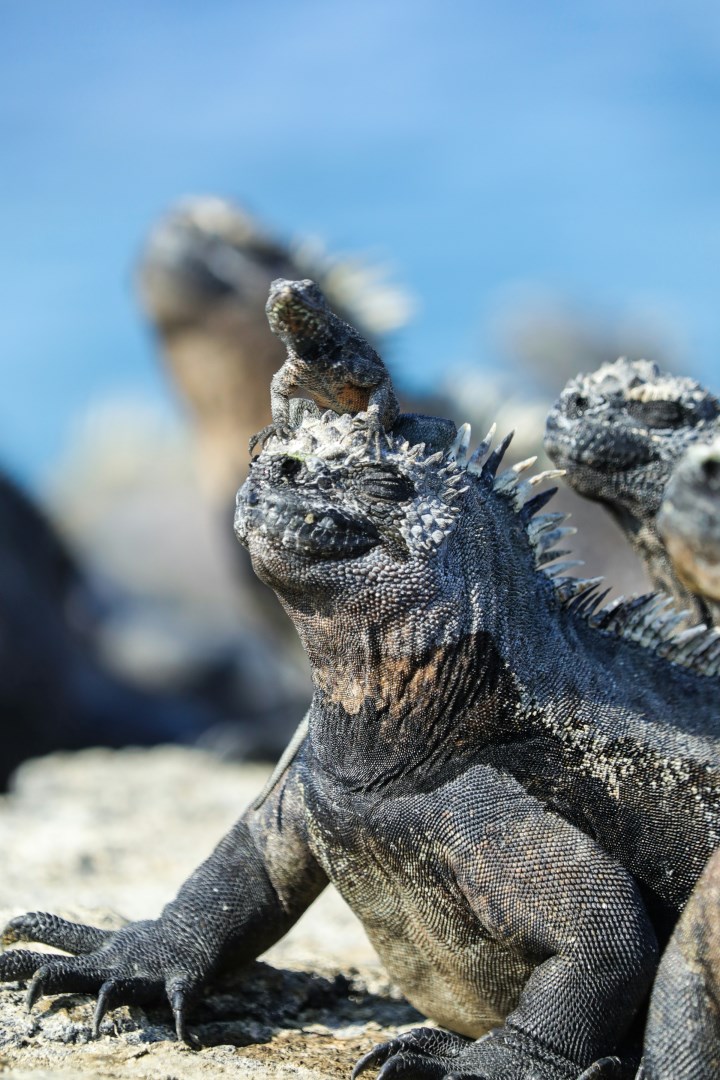
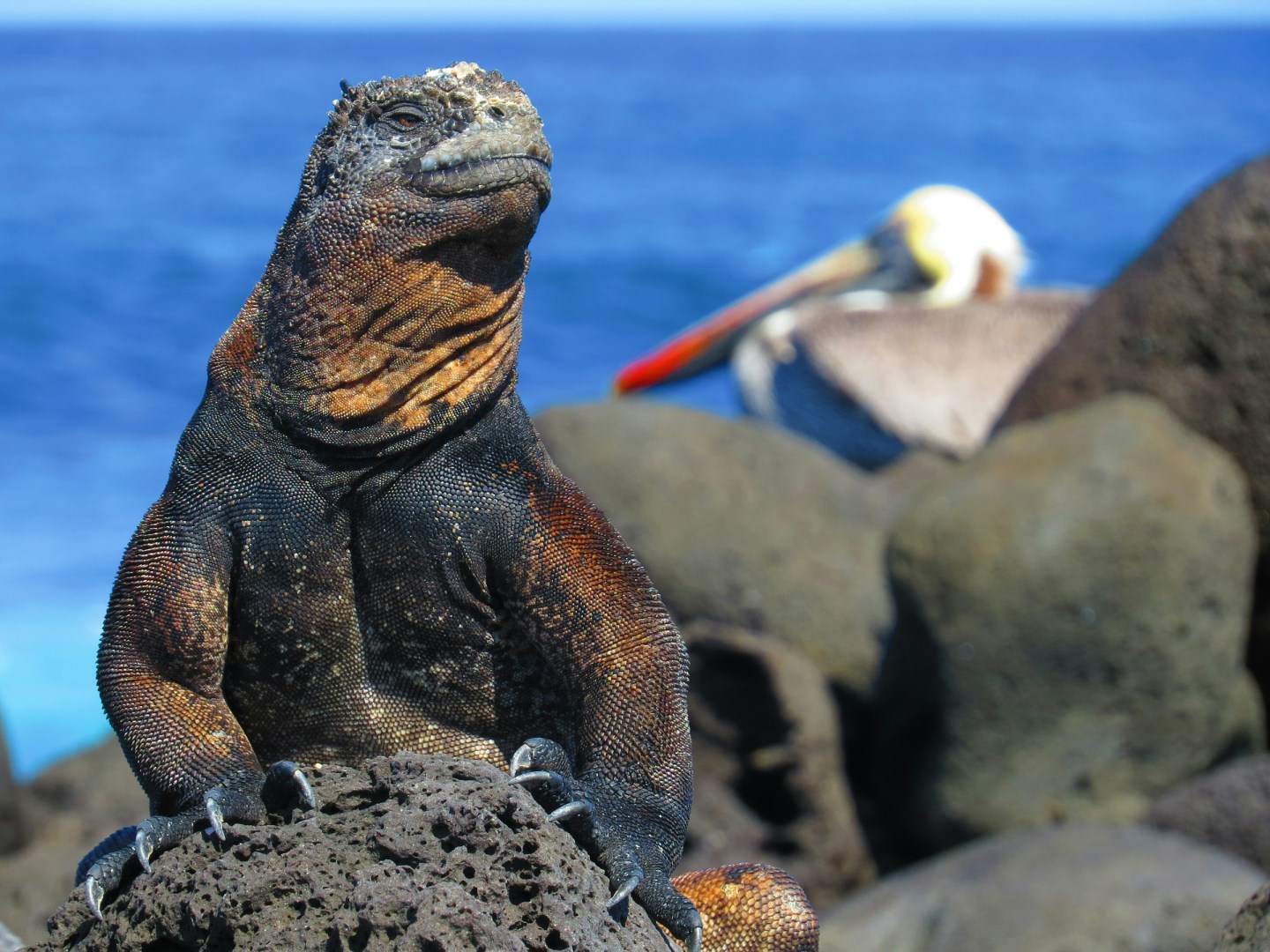
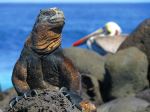
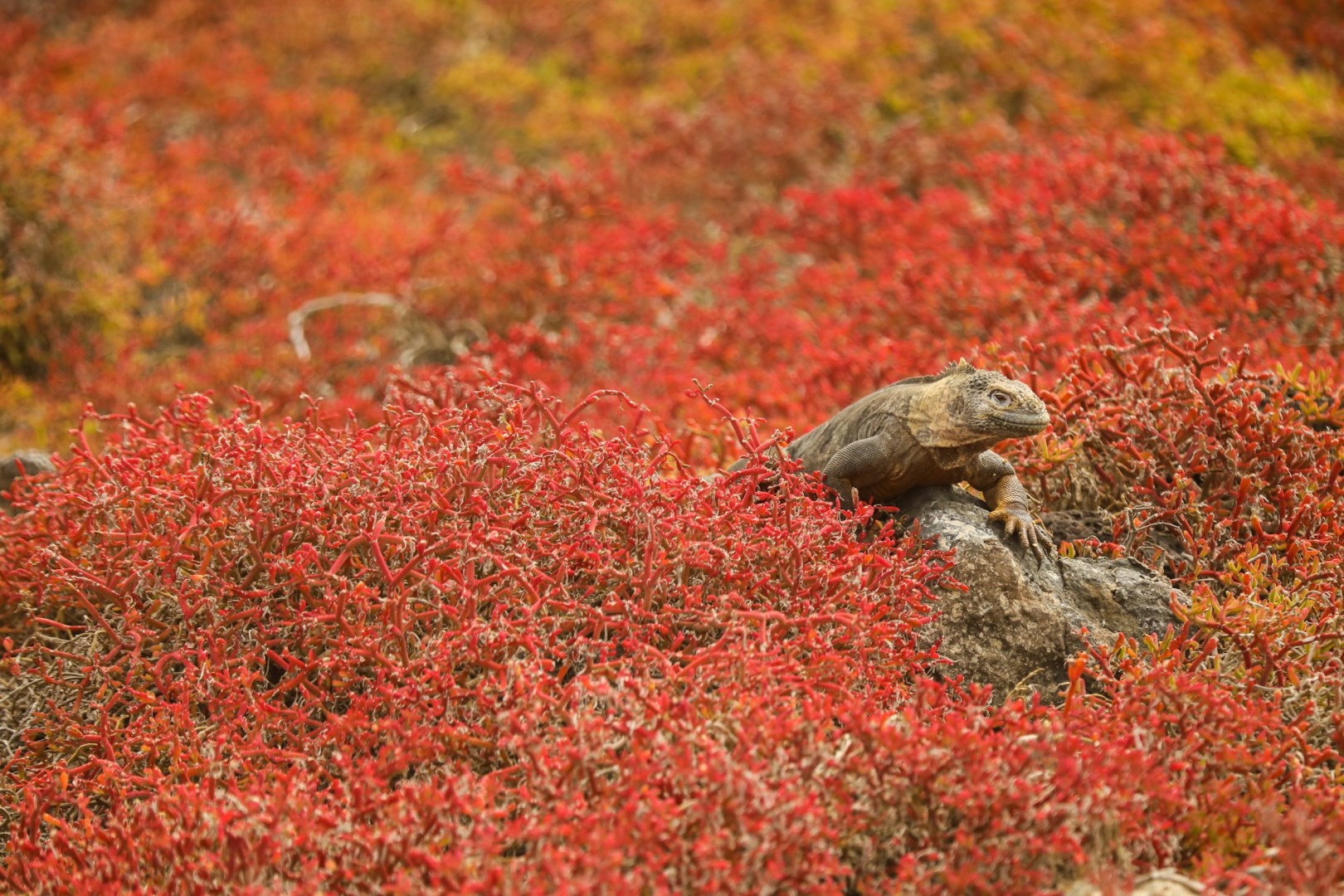
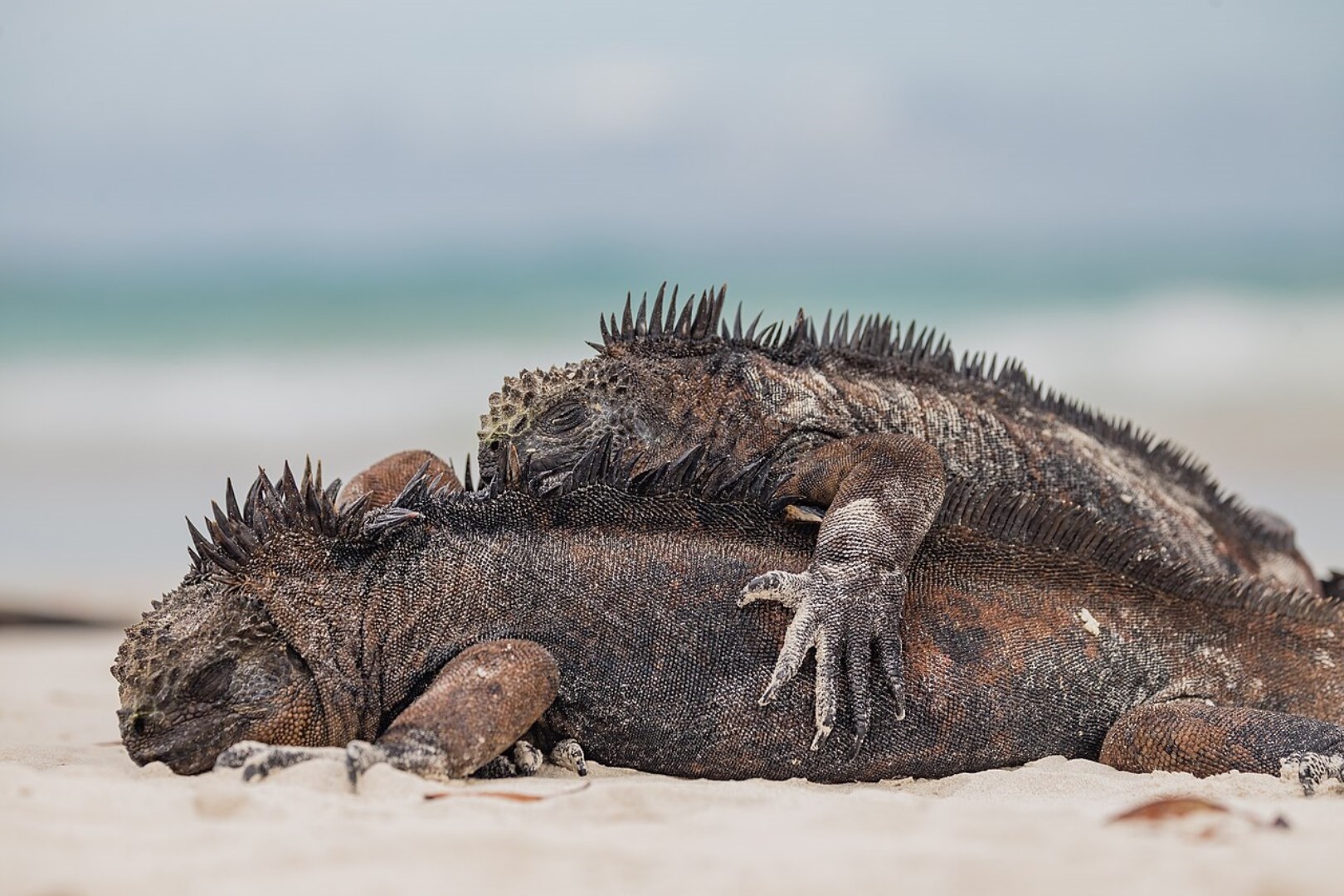
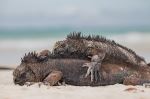
Iguana
Photo Credit: Photo by Dylan Shaw on Unsplash
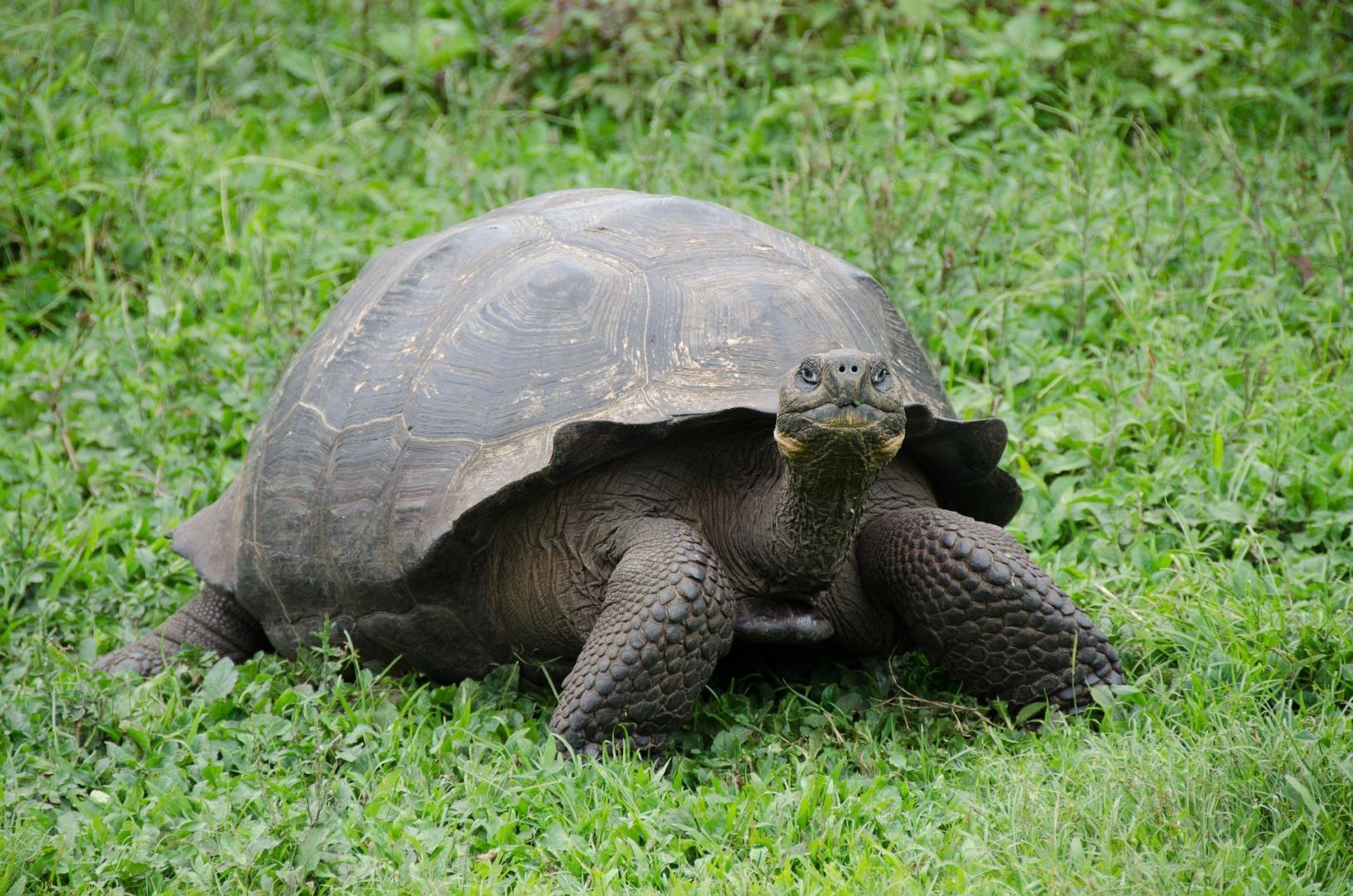
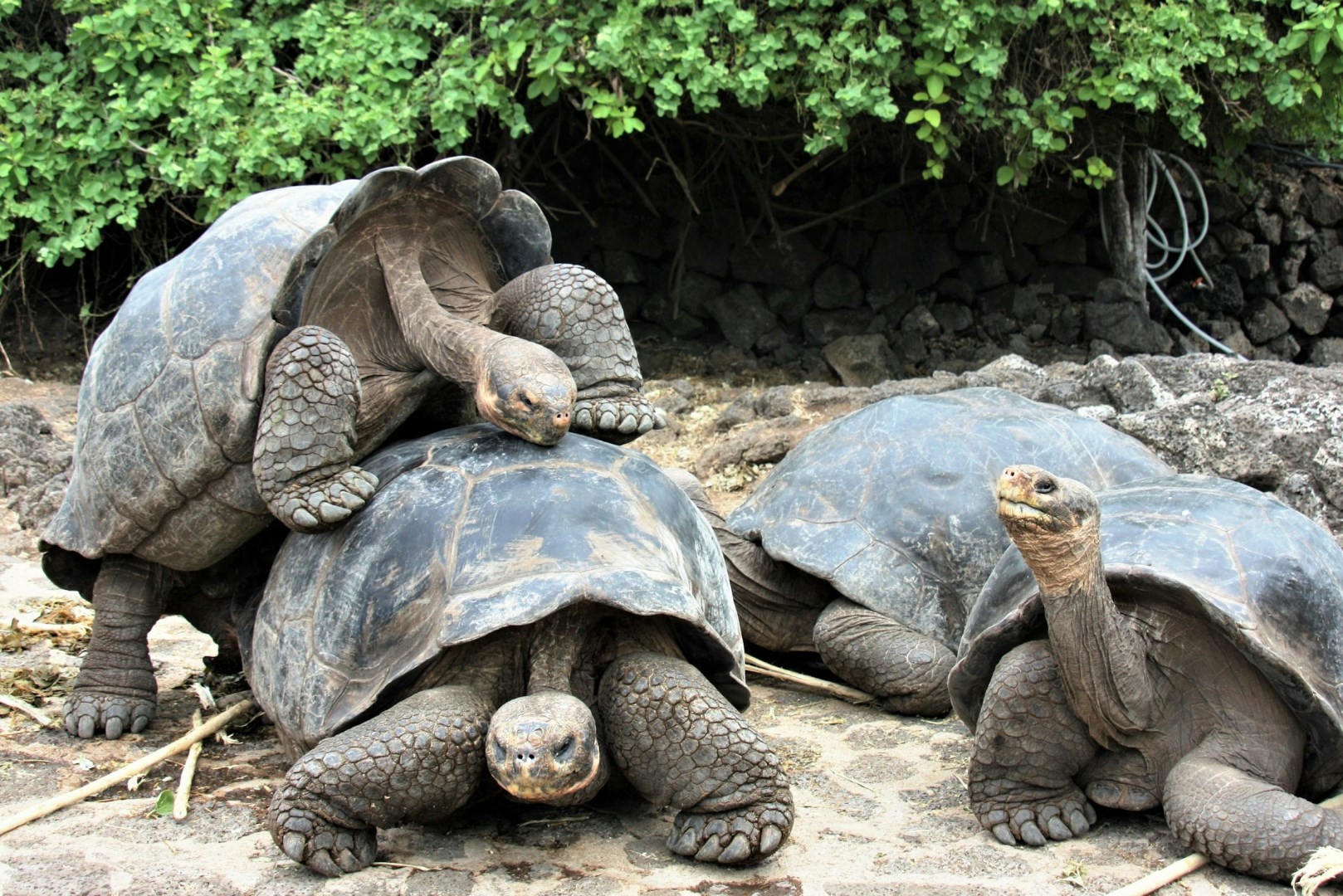
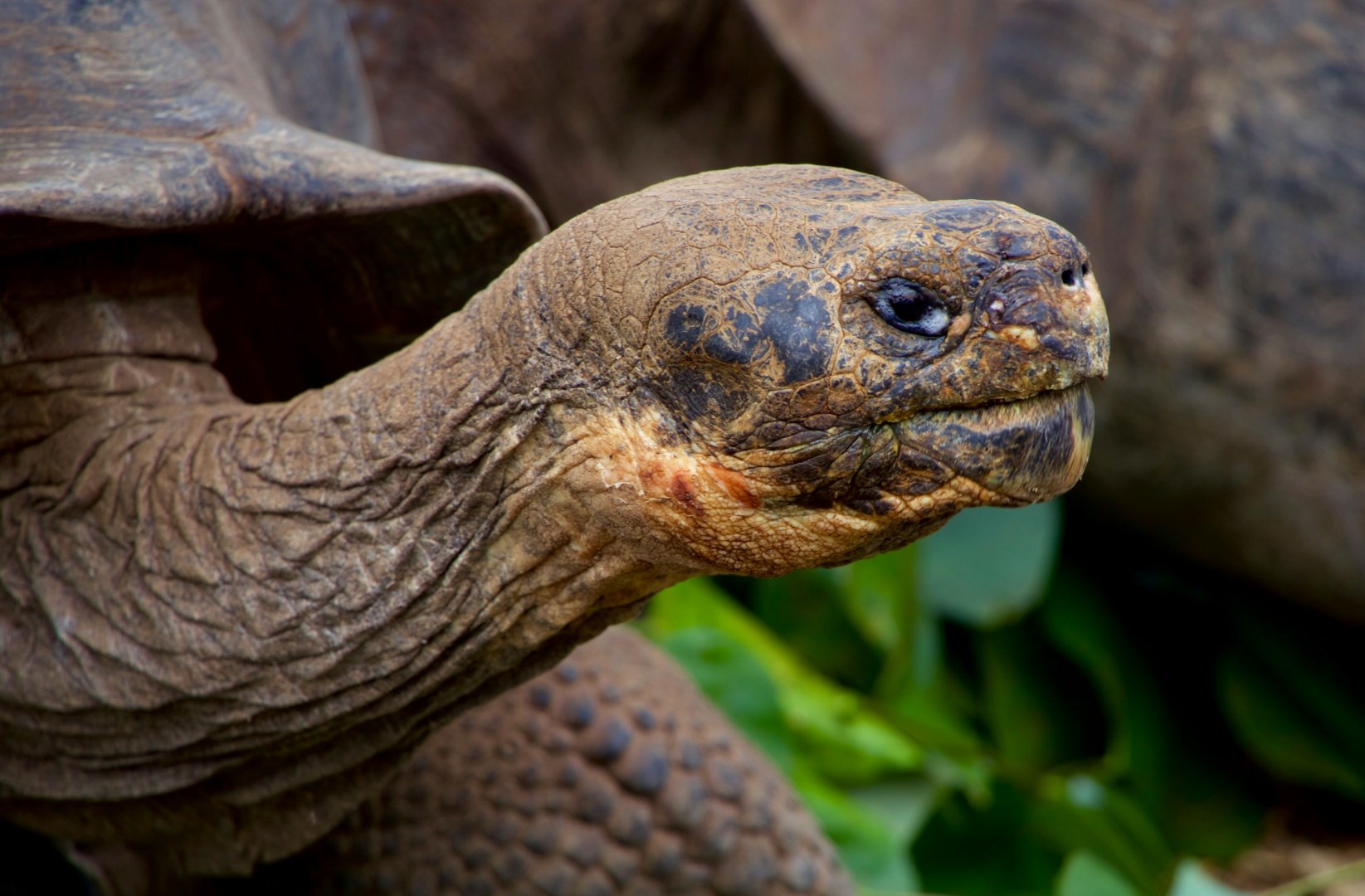
Galapagos Tortoise
Photo Credit: Photo by Magdalena Kula Manchee on Unsplash
Photo Credit: Photo by Heidi Bruce on Unsplash
Photo Credit: Photo by Sofia on Unsplash
Photo Credit: Photo by The Official CTBTO Photostream on Wikimedia
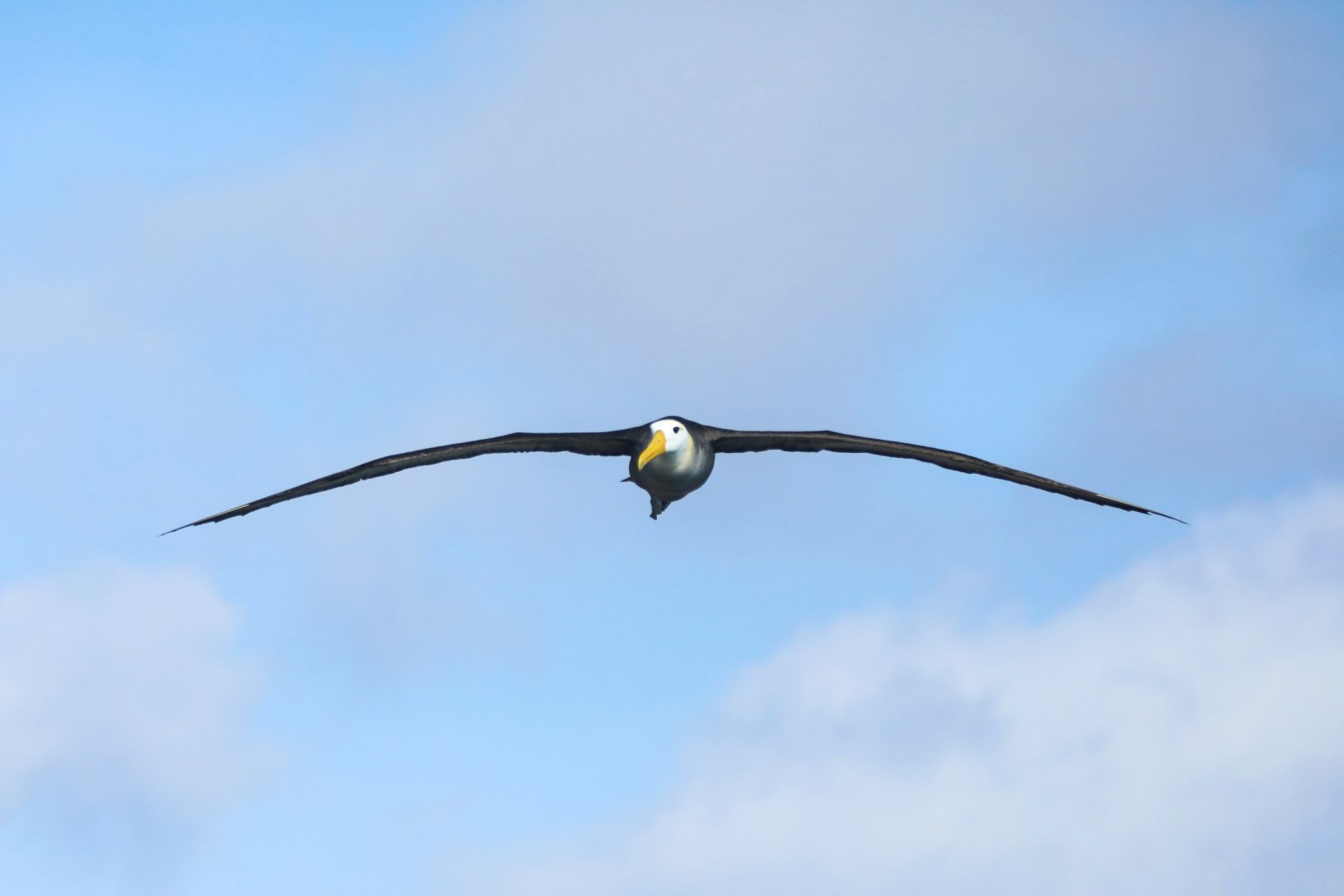
Albatross in flight
Photo Credit: Photo by Dylan Shaw on Unsplash
Photo Credit: Photo by Heidi Bruce on Unsplash
Photo Credit: Photo by Emma on Unsplash
Photo Credit: Photo by Claus Giering on Unsplash
Photo Credit: Photo by Sofia on Unsplash
Photo Credit: Photo by Mac Gaither on Unsplash
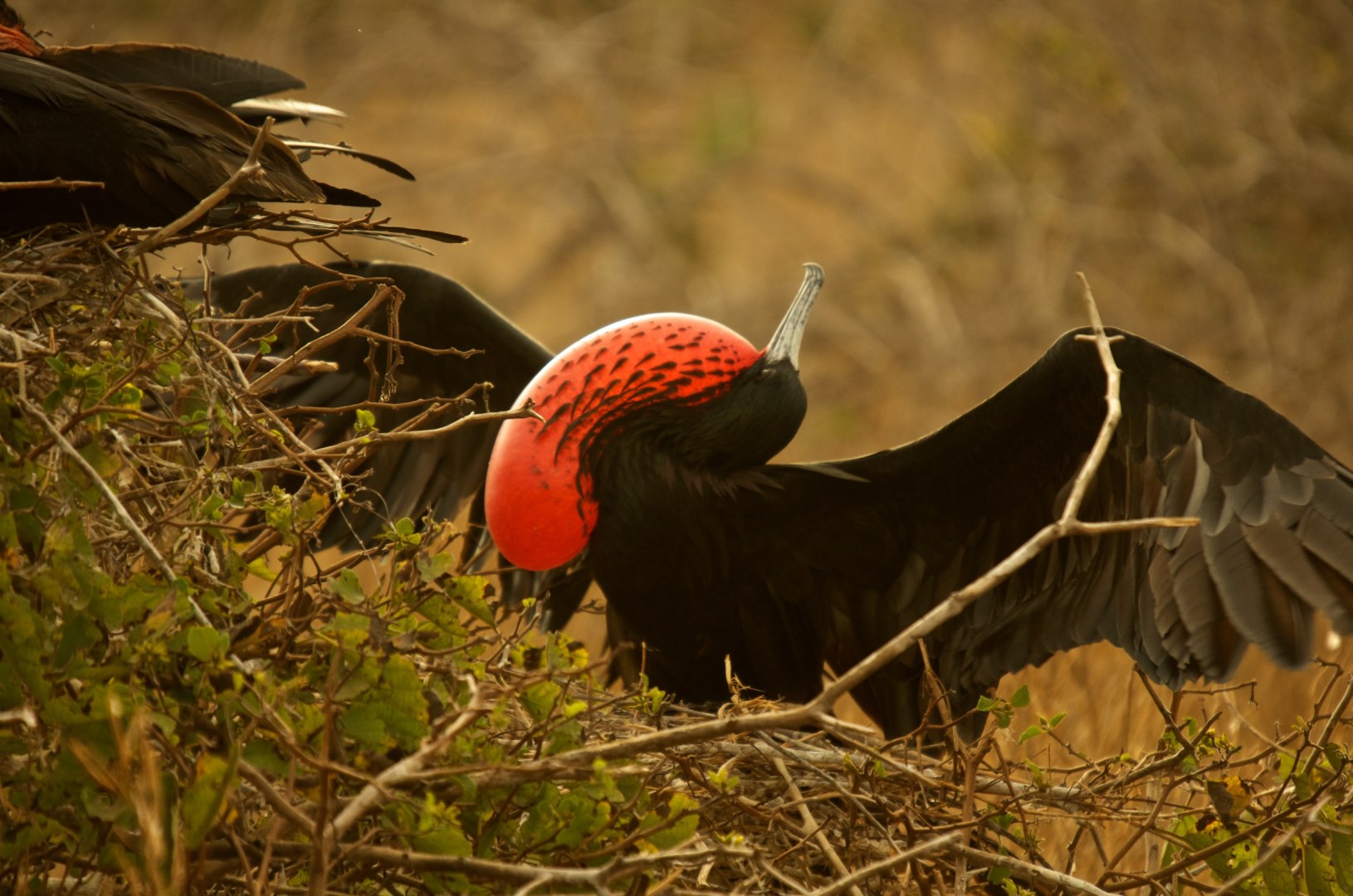
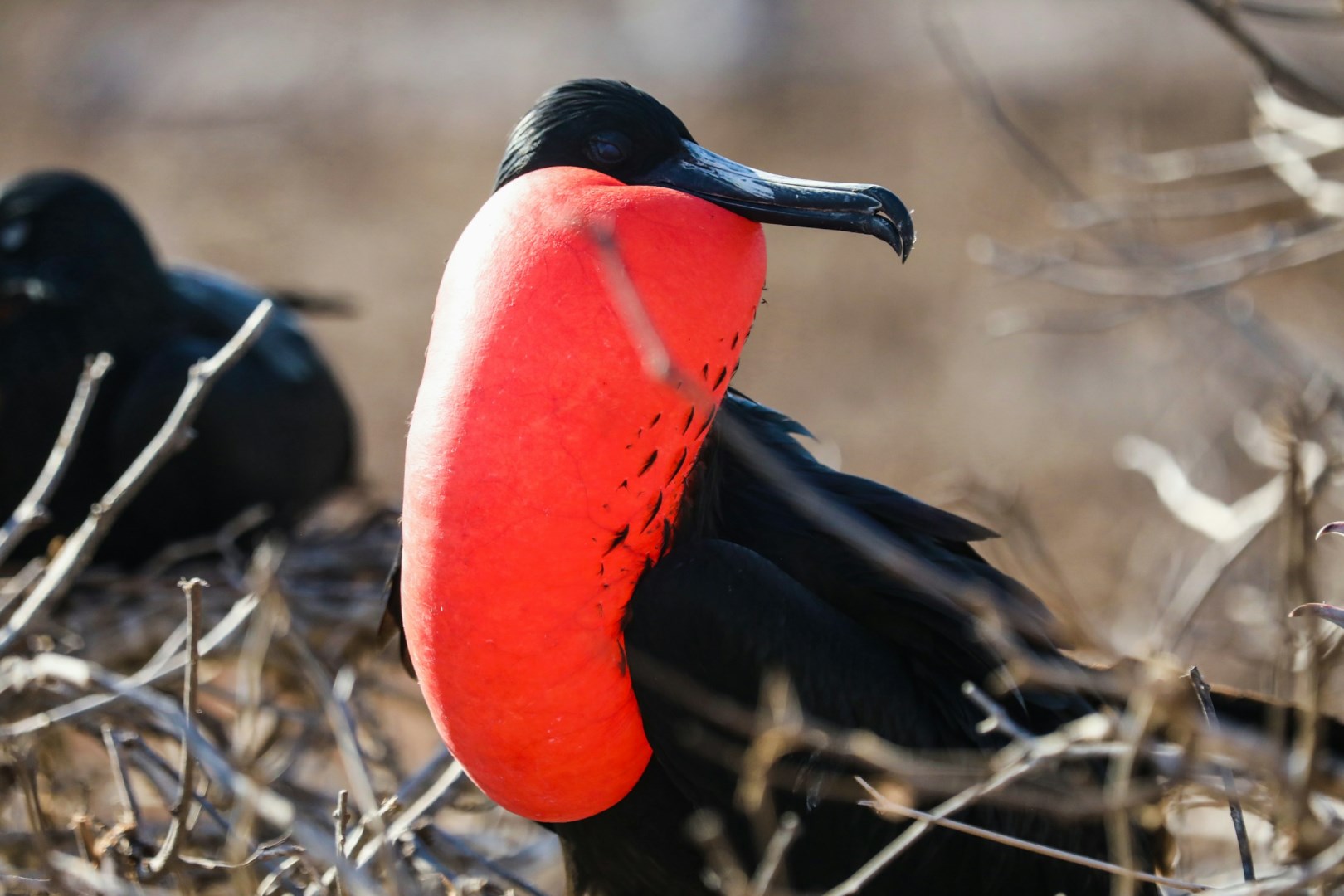
A male Magnificent Frigatebird
Photo Credit: Photo by Andrew Turneron Wikimedia
Photo Credit: Photo by Lieutenant Elizabeth Crapo, NOAA Corps. Wikimedia
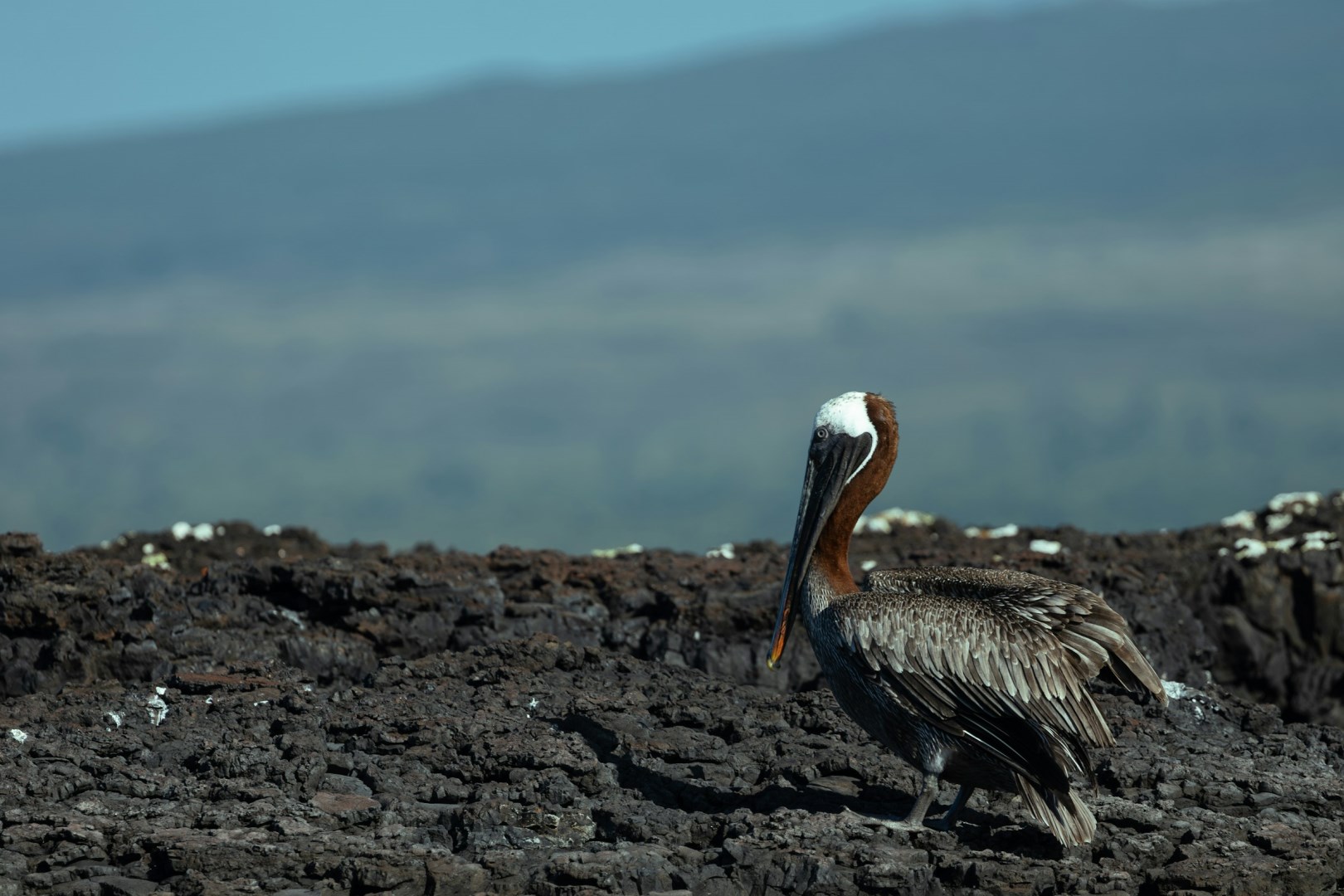
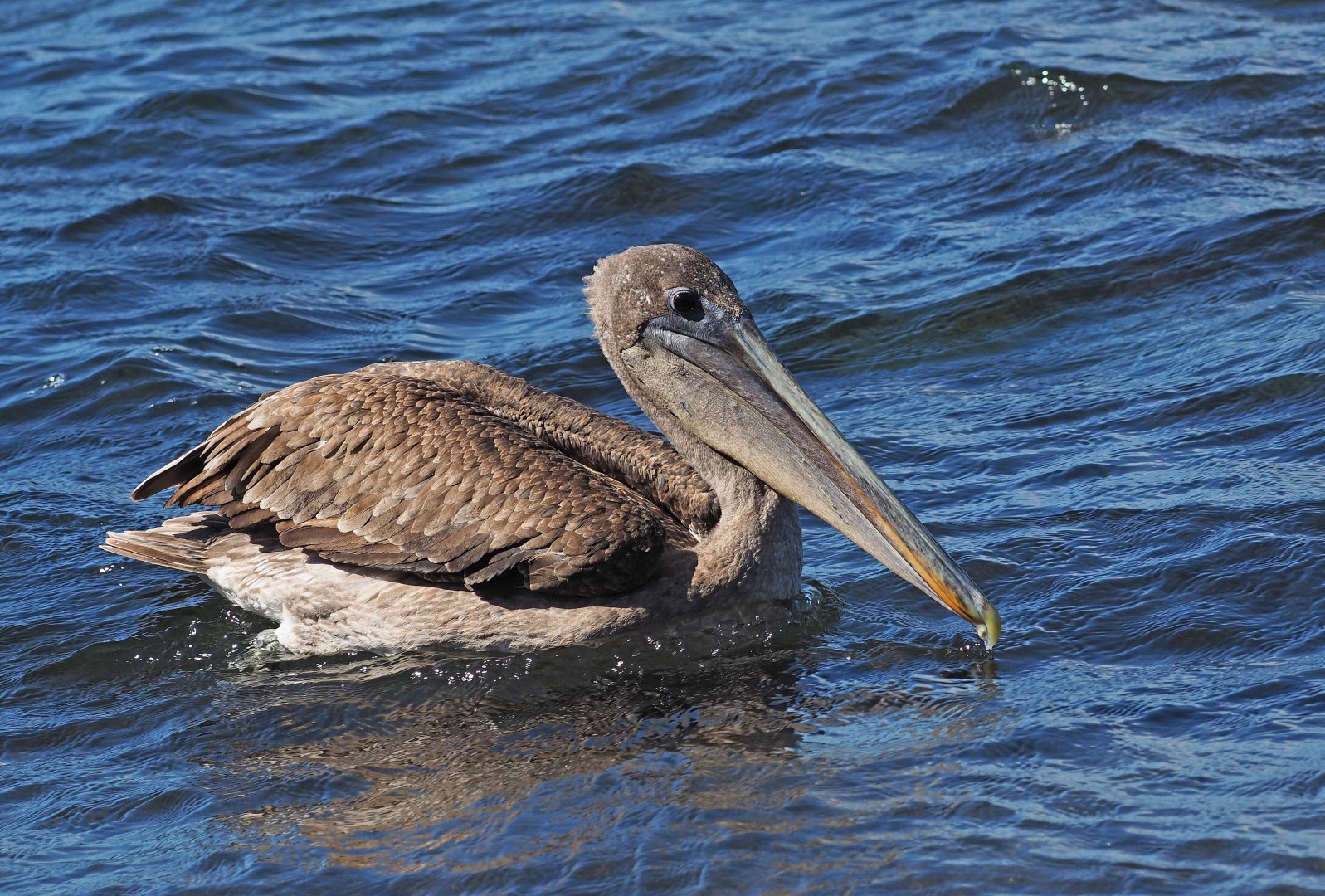
Galapagos Brown Pelican - Pelecanus occidentalis urinator
Photo Credit: Photo by Judy Gallagher from Wikimedia
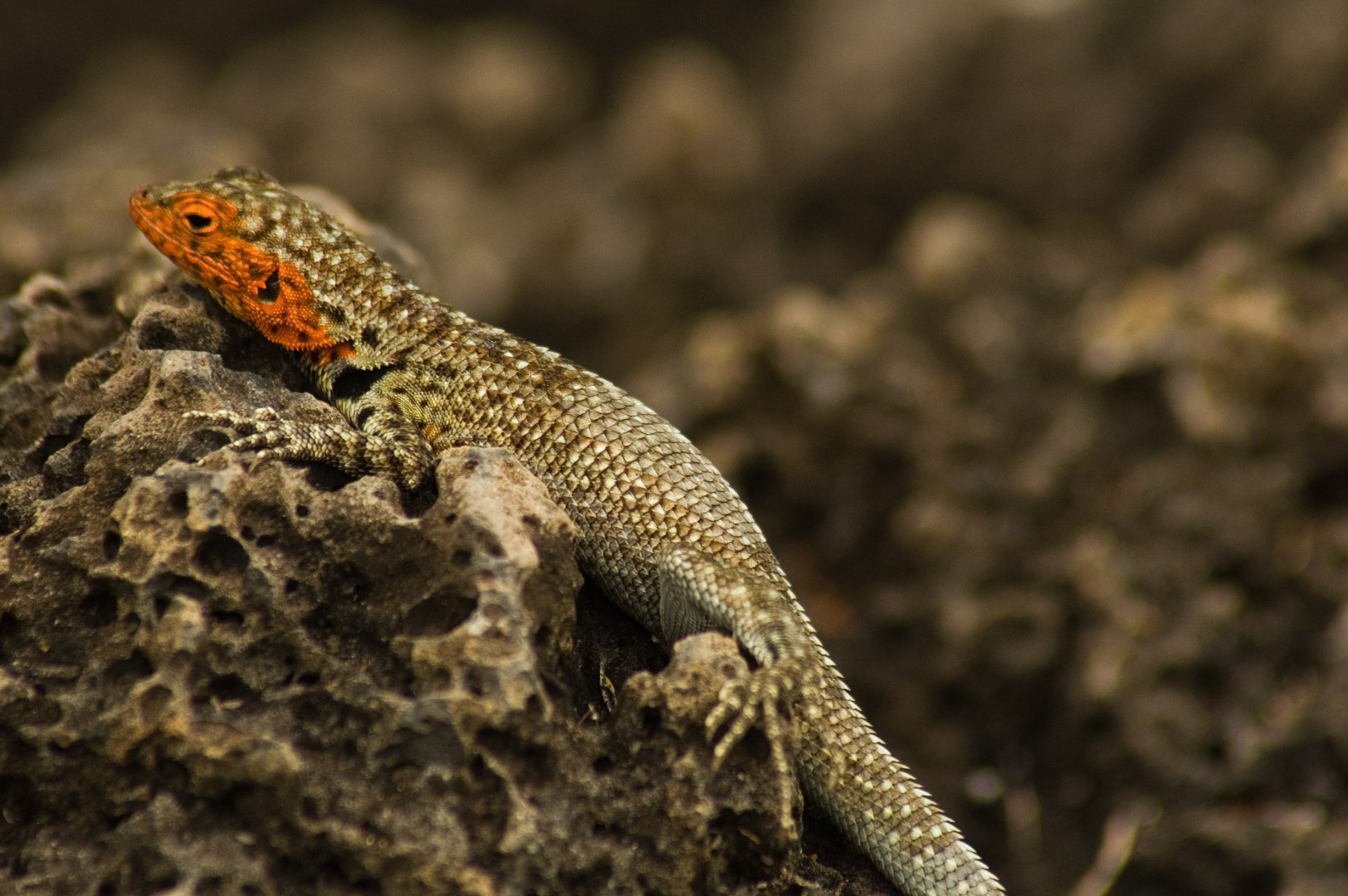
Galápagos lava lizard
Photo Credit: Photo by Peter Wilto from Wikimedia
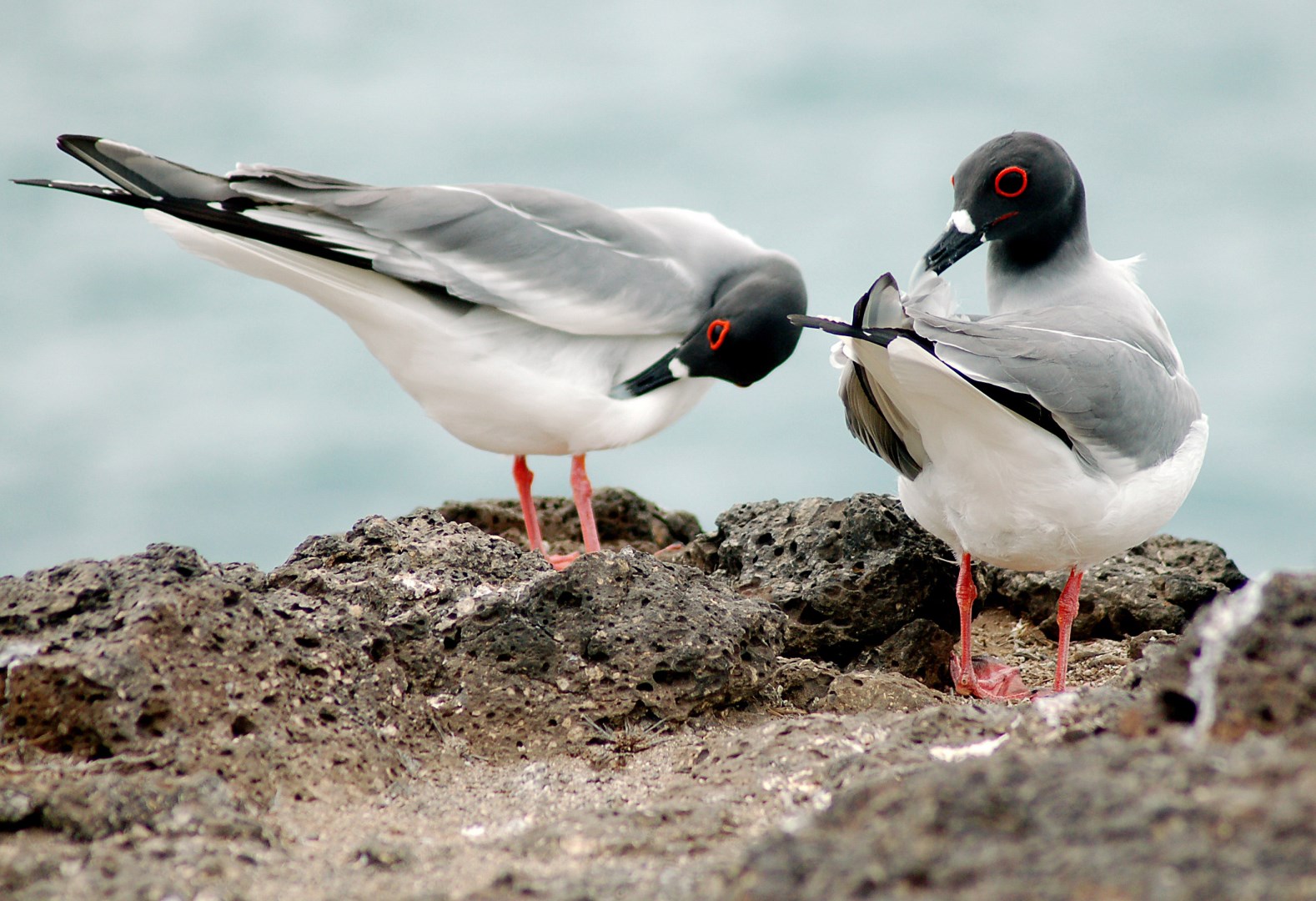
Swallow-tailed Gulls
Photo Credit: Photo by suecan1 from Wikimedia
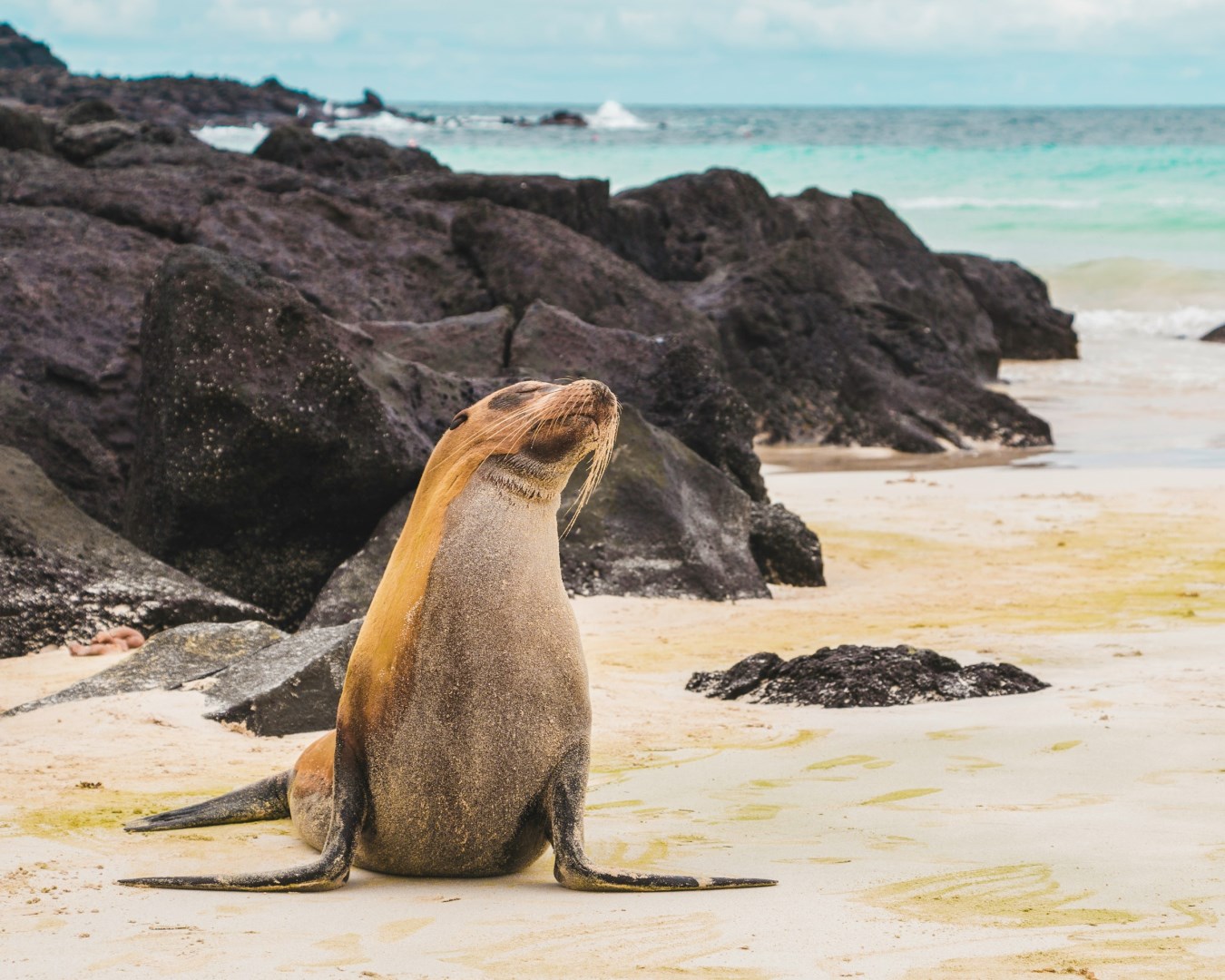
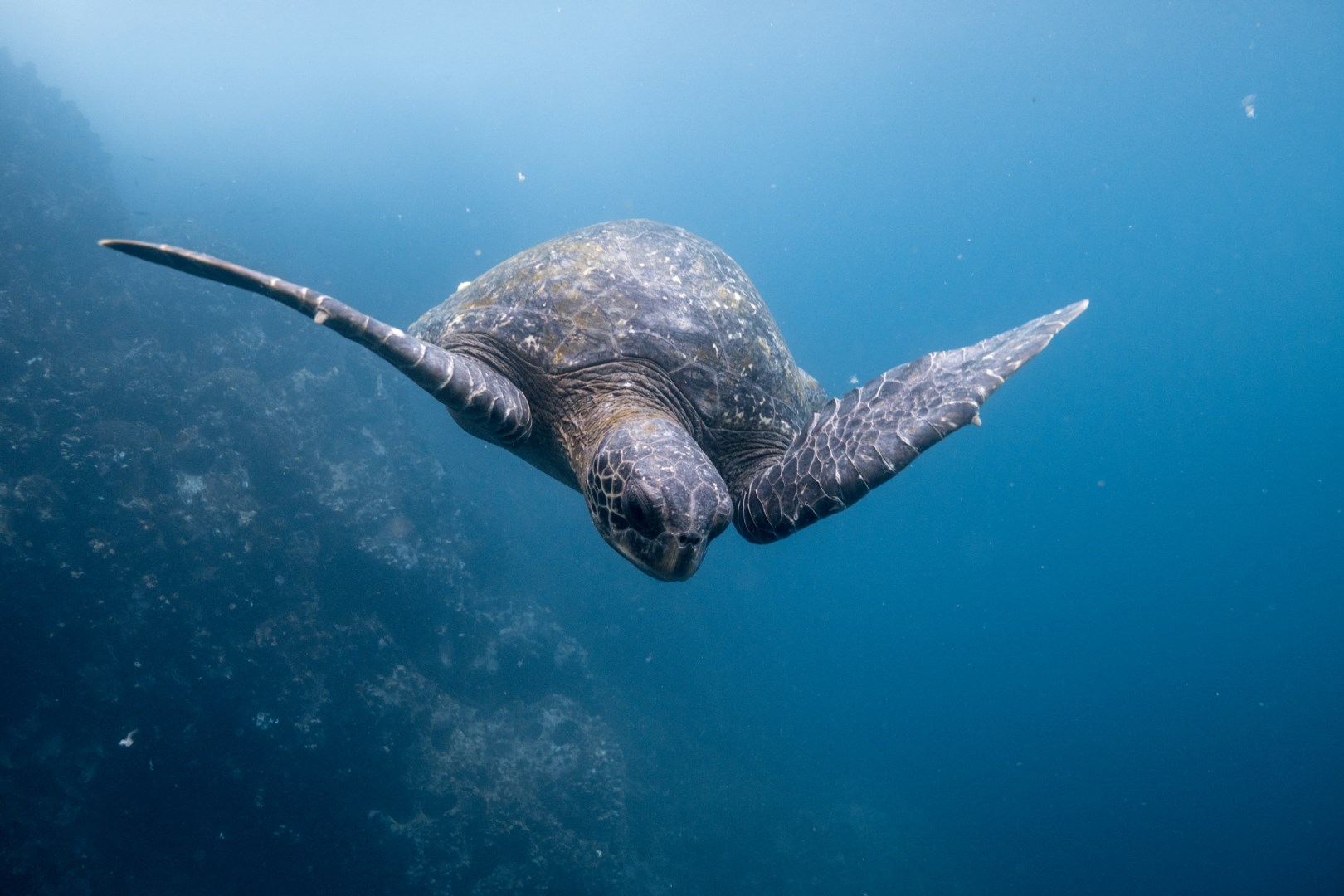
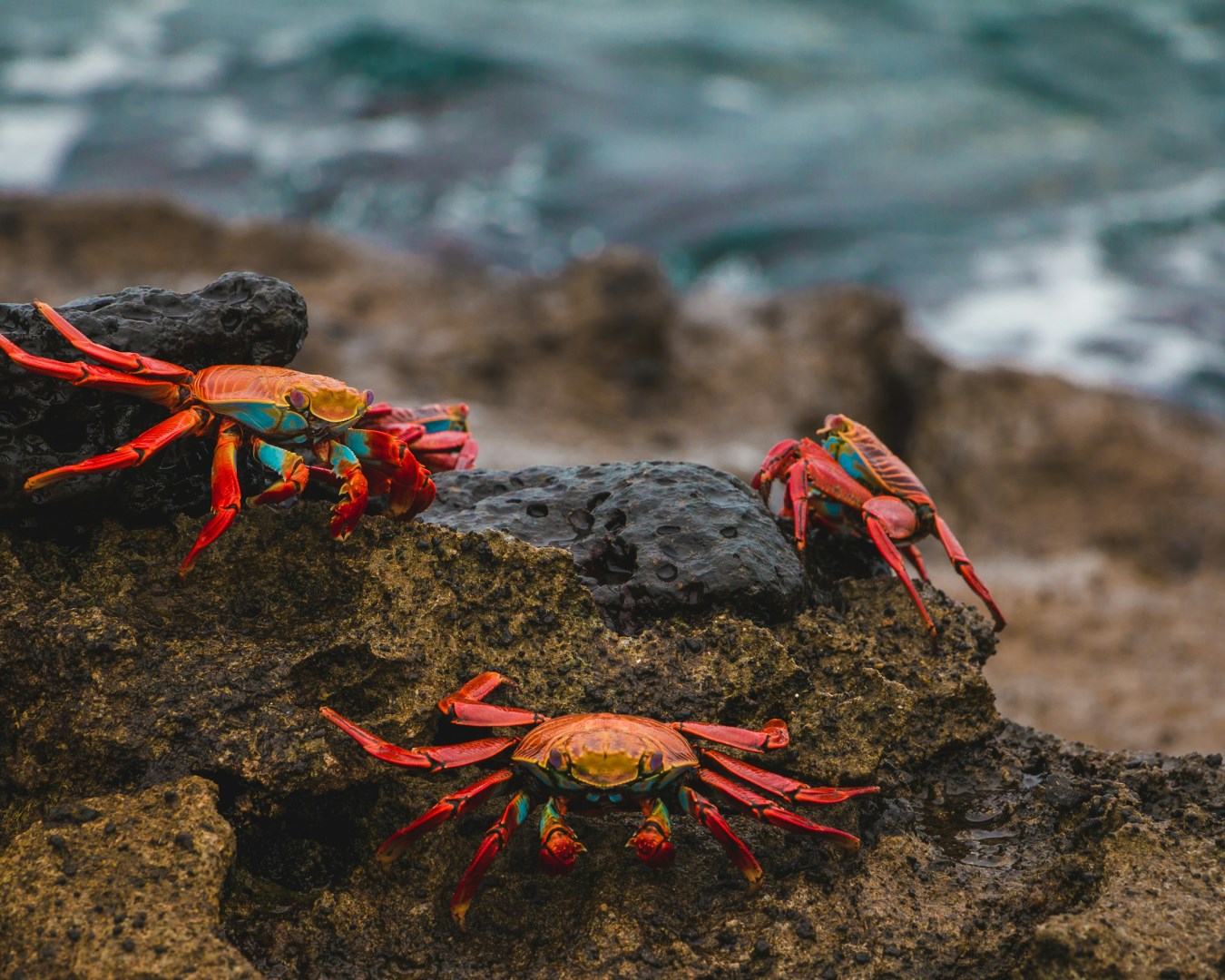
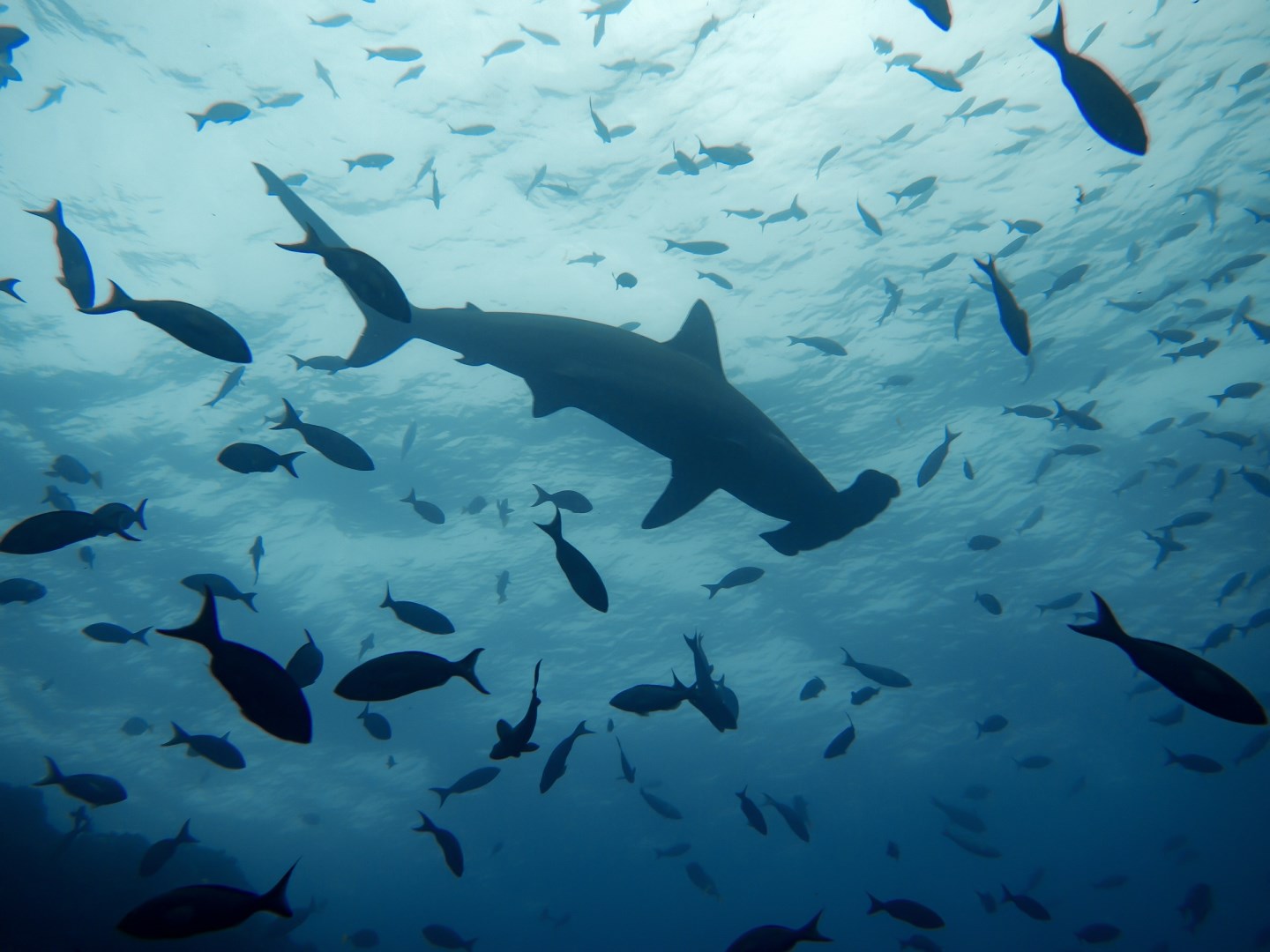
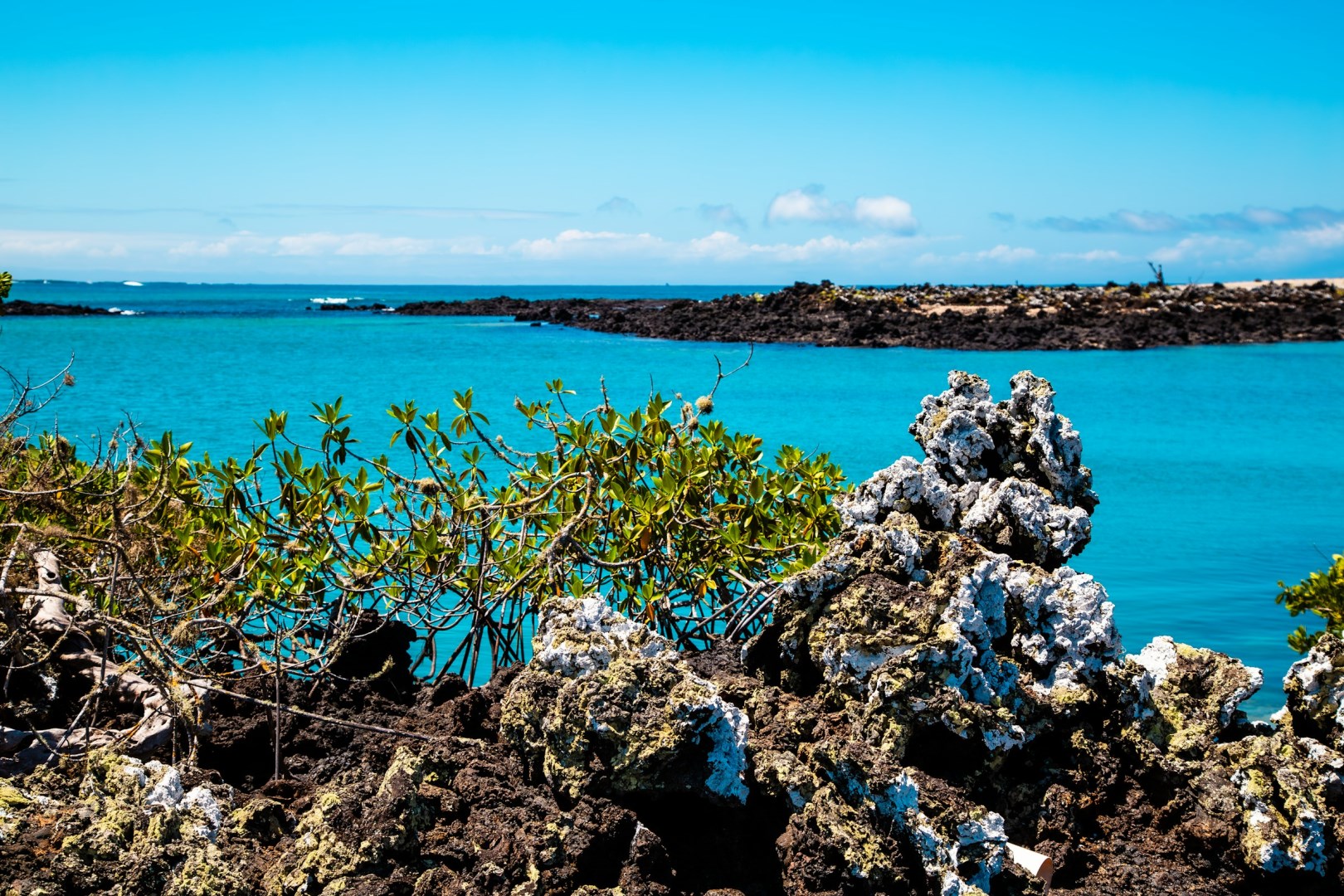
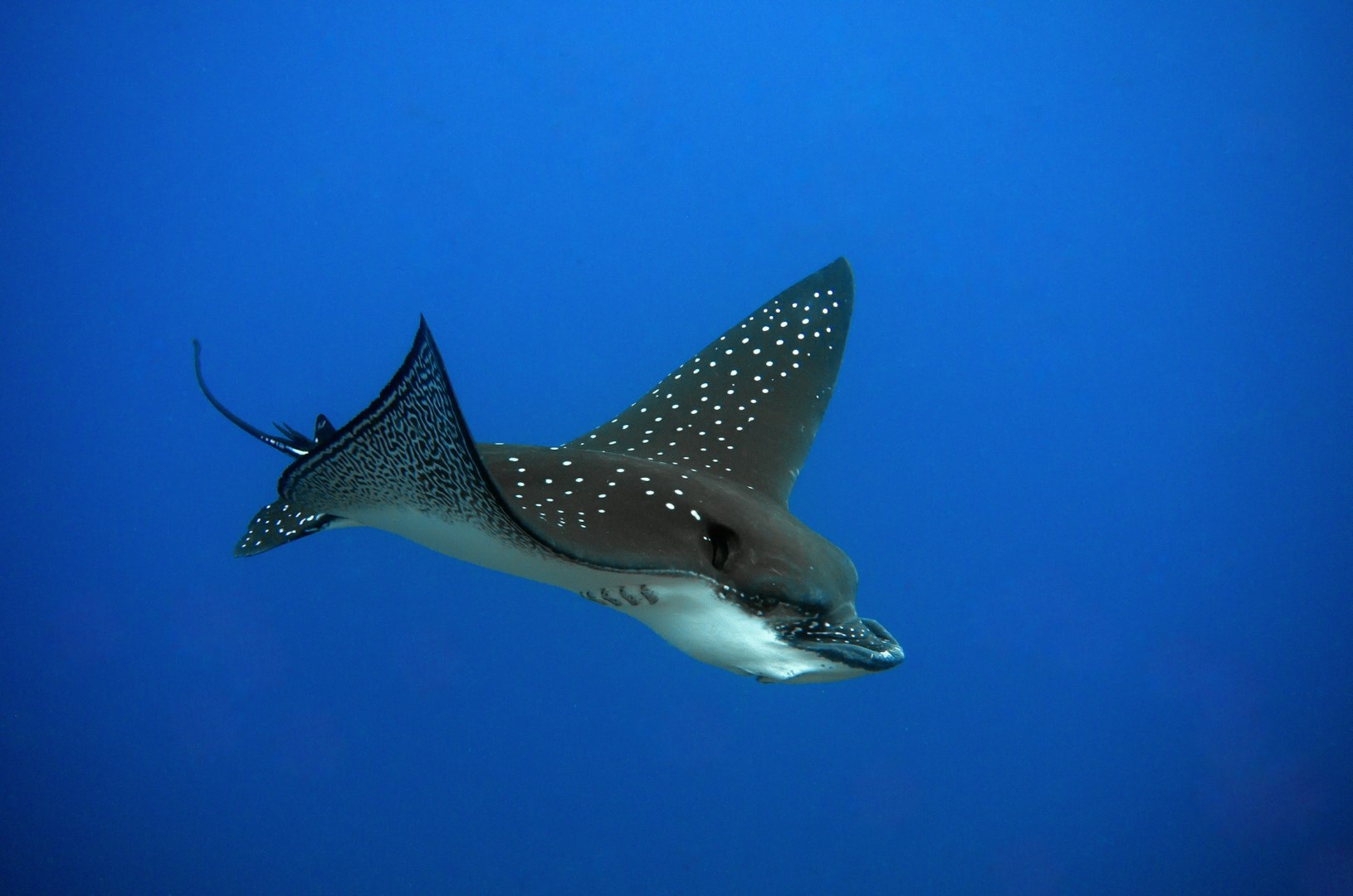
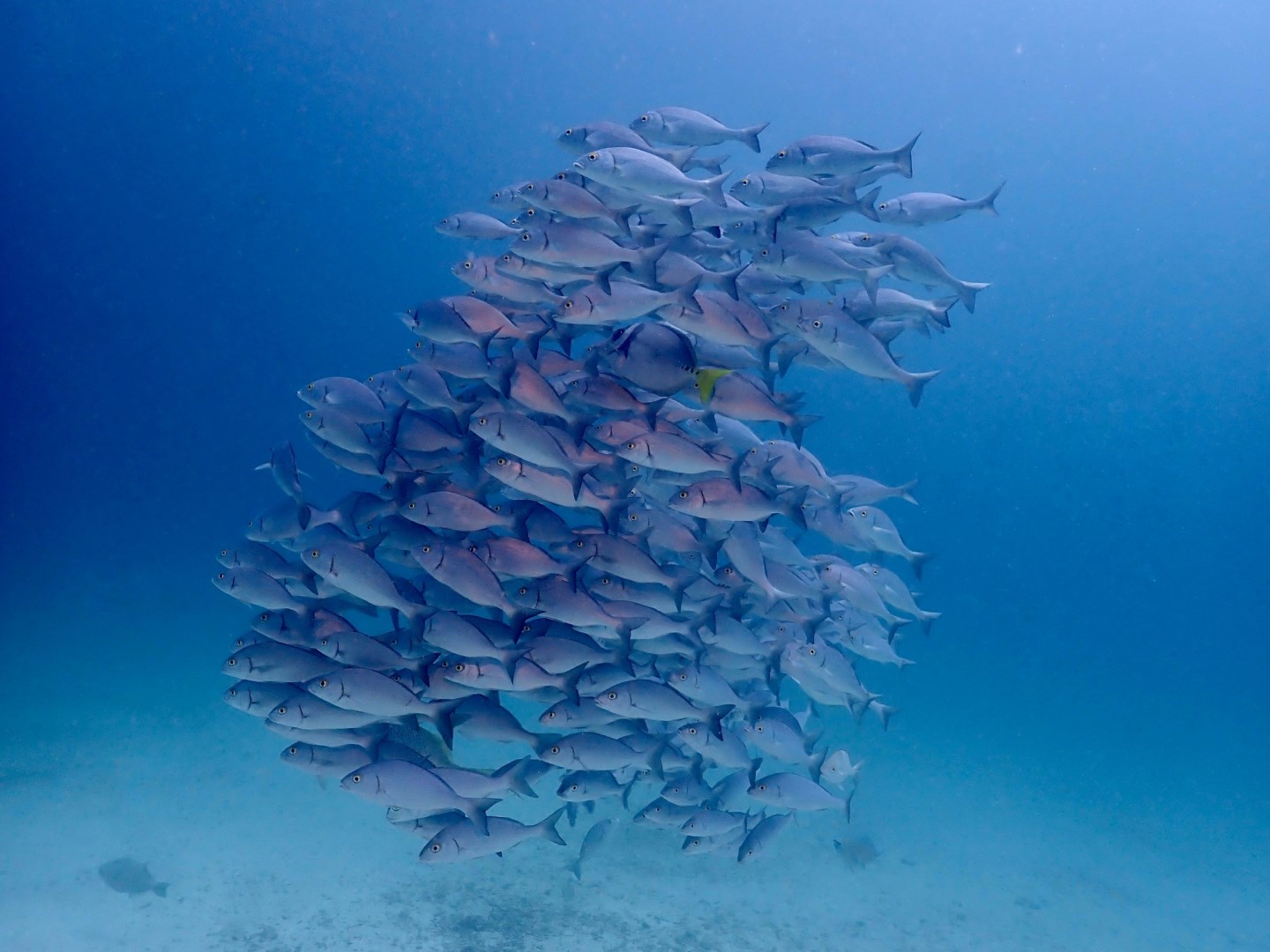
Off the coast of Ecuador, the iconic and biodiverse Galápagos Islands, made famous by Charles Darwin’s nineteenth-century research expeditions on HMS Beagle, beckon you. This glittering archipelago, surrounded by vivid turquoise waves, abounds with stunning beaches and spectacular wildlife, perfect for the adventurous traveler.
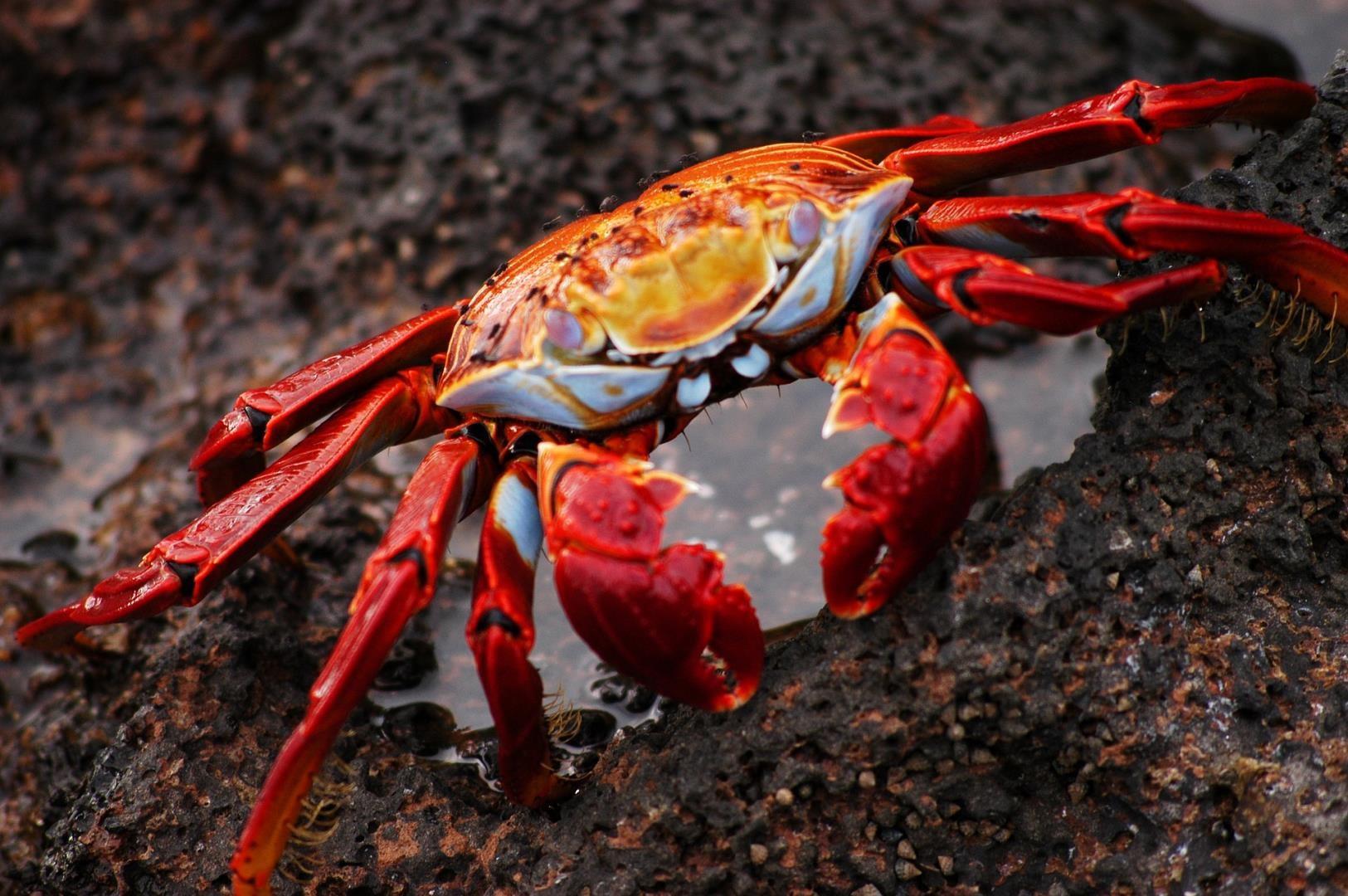
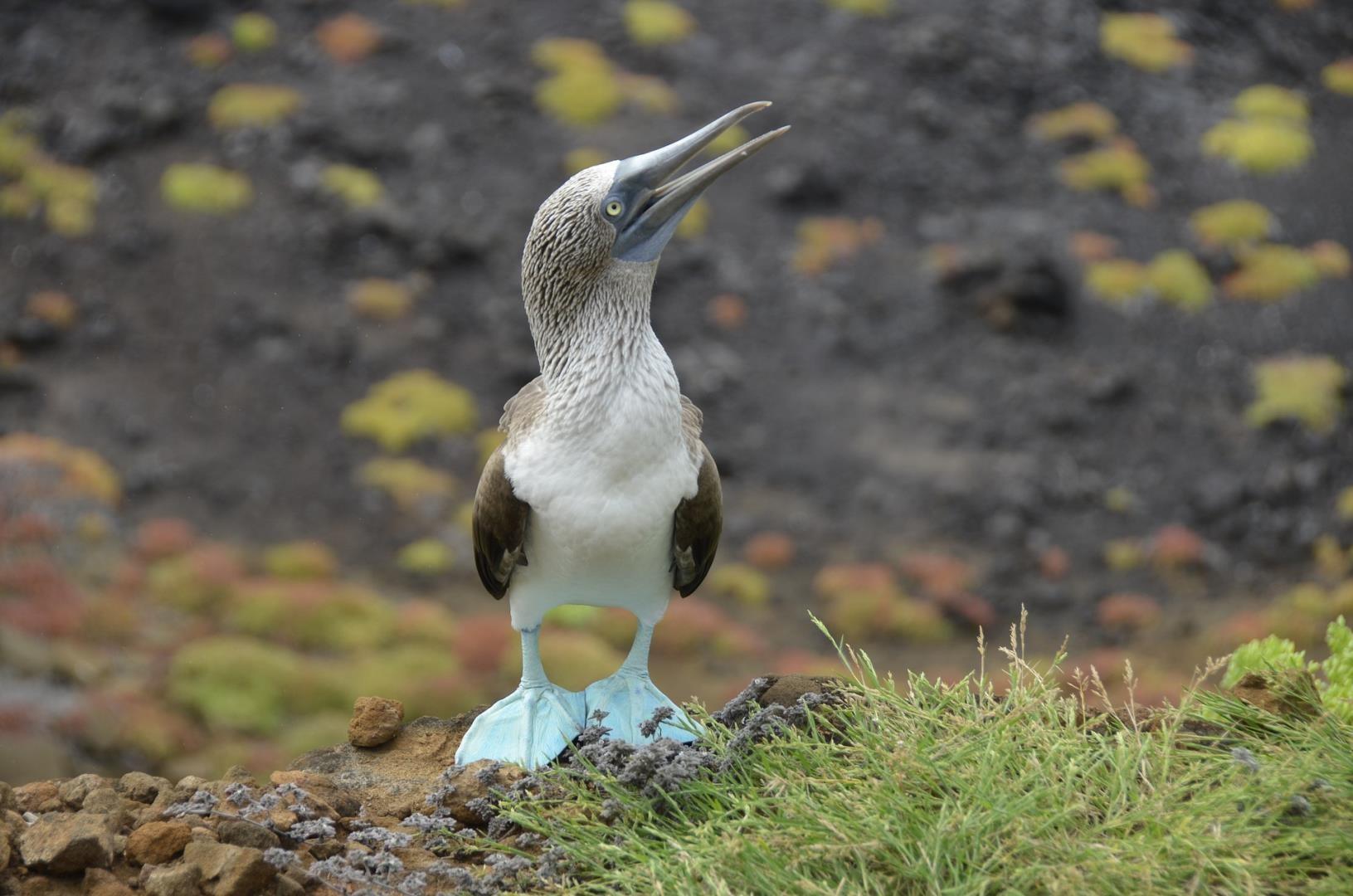
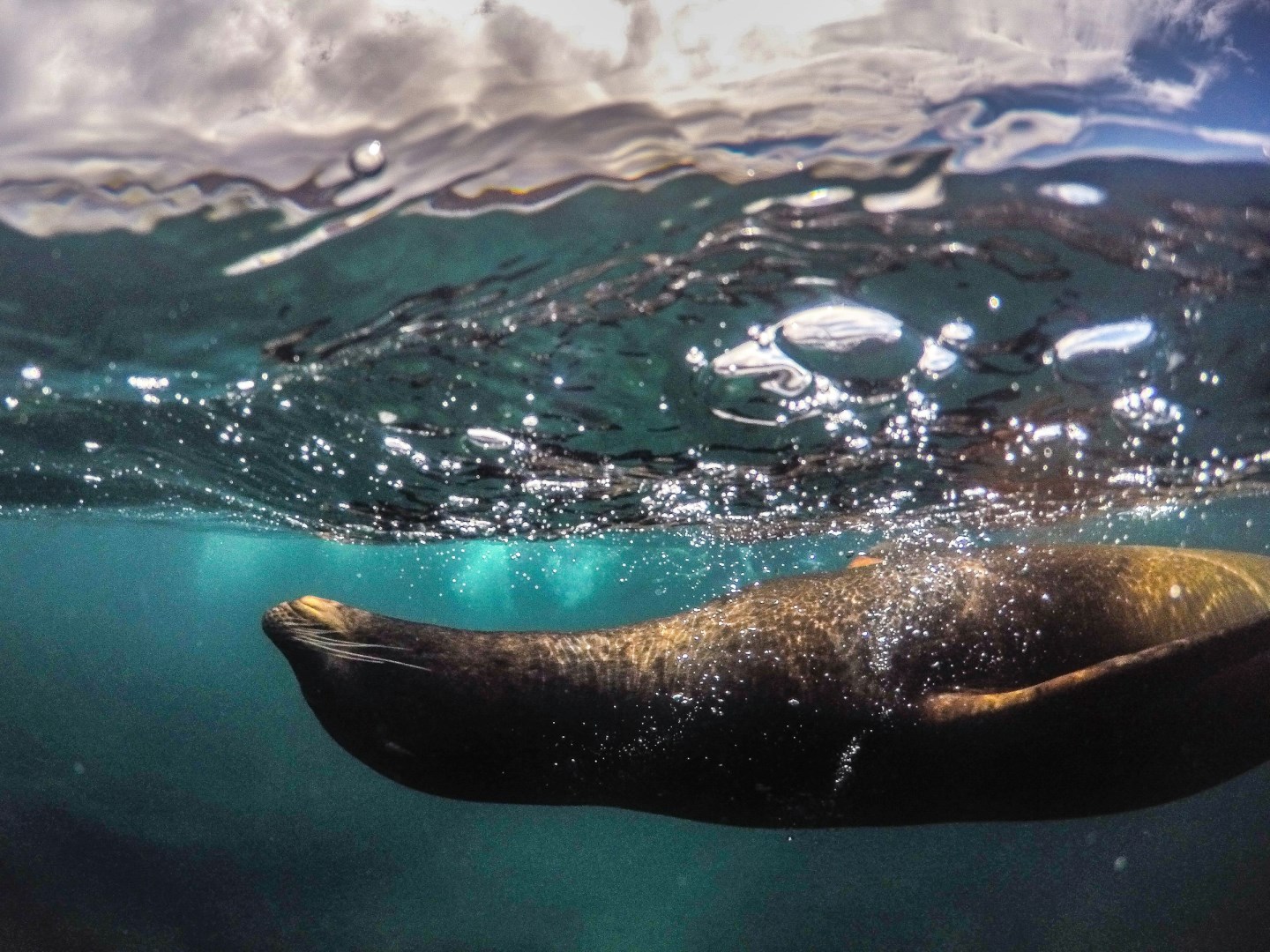
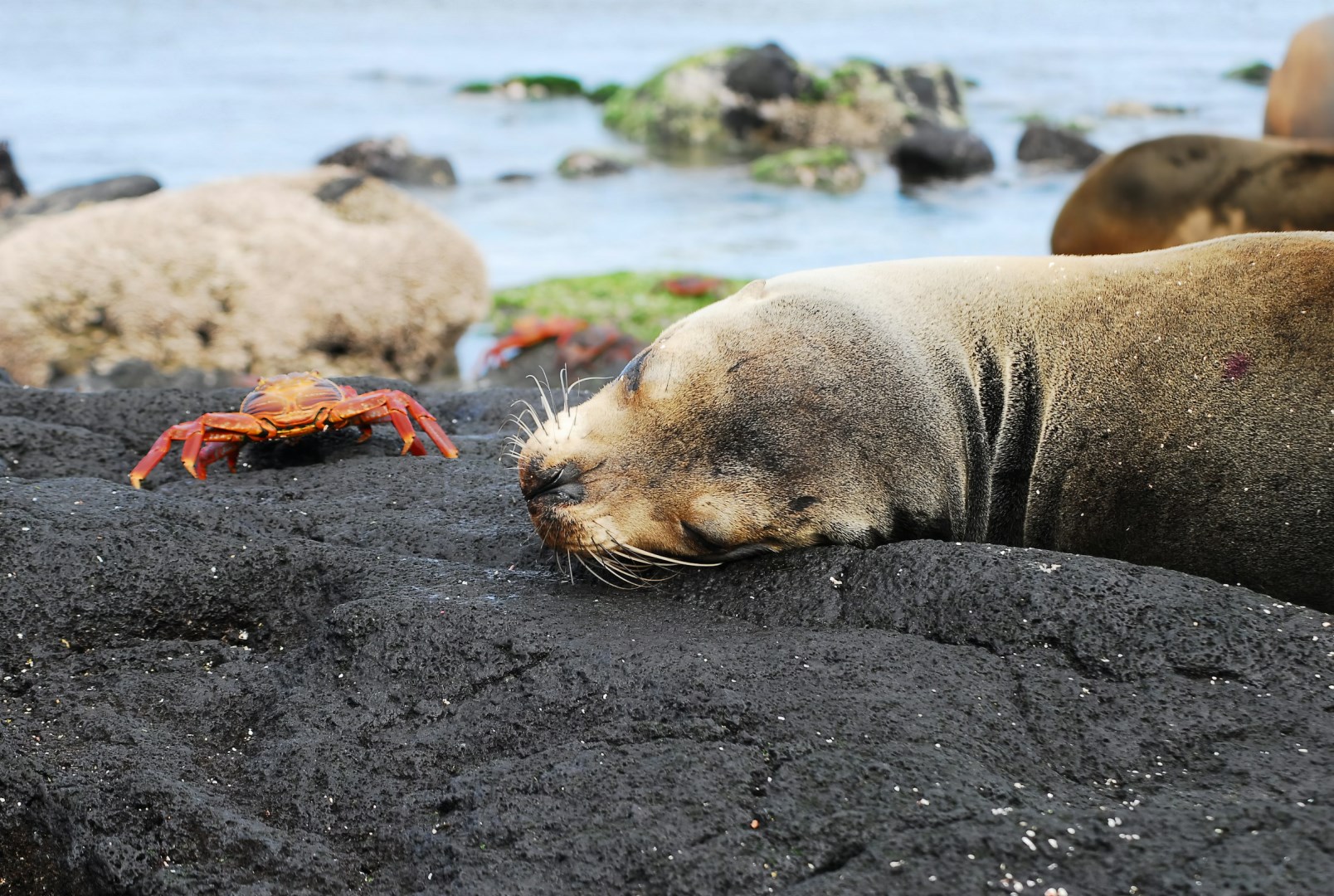
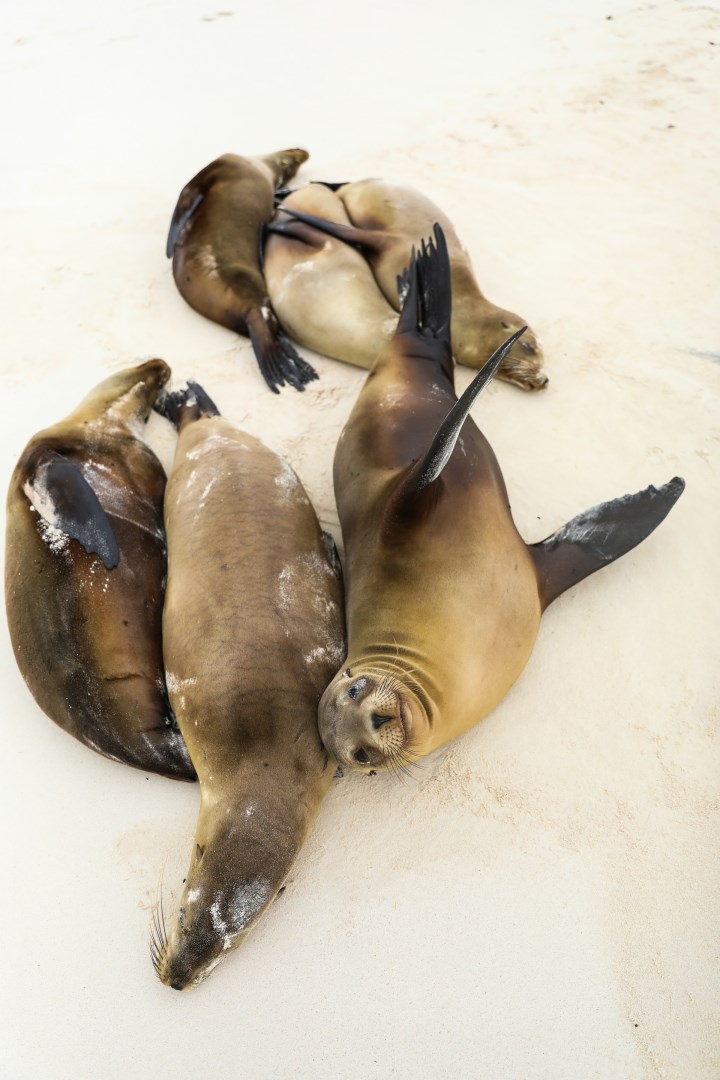
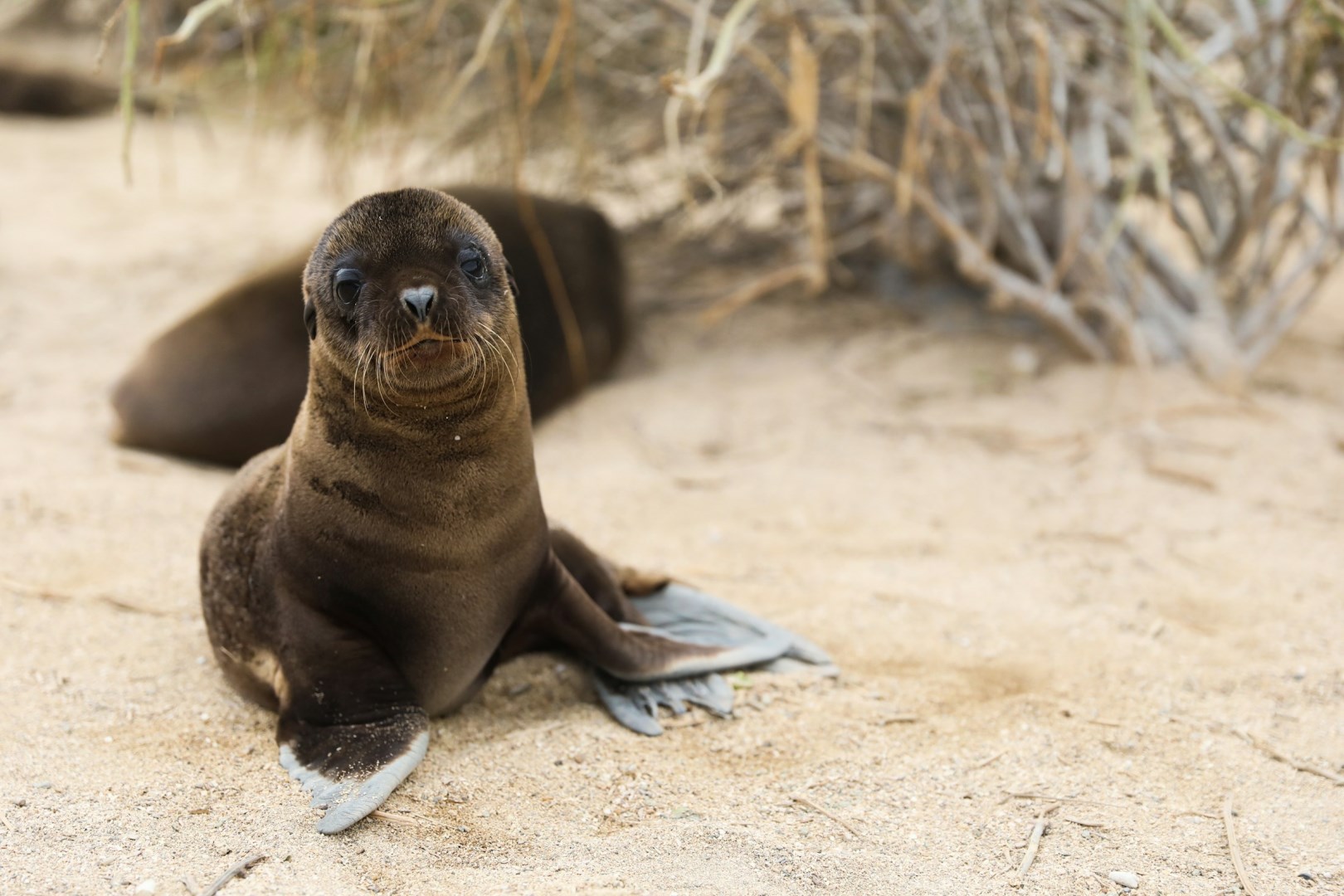
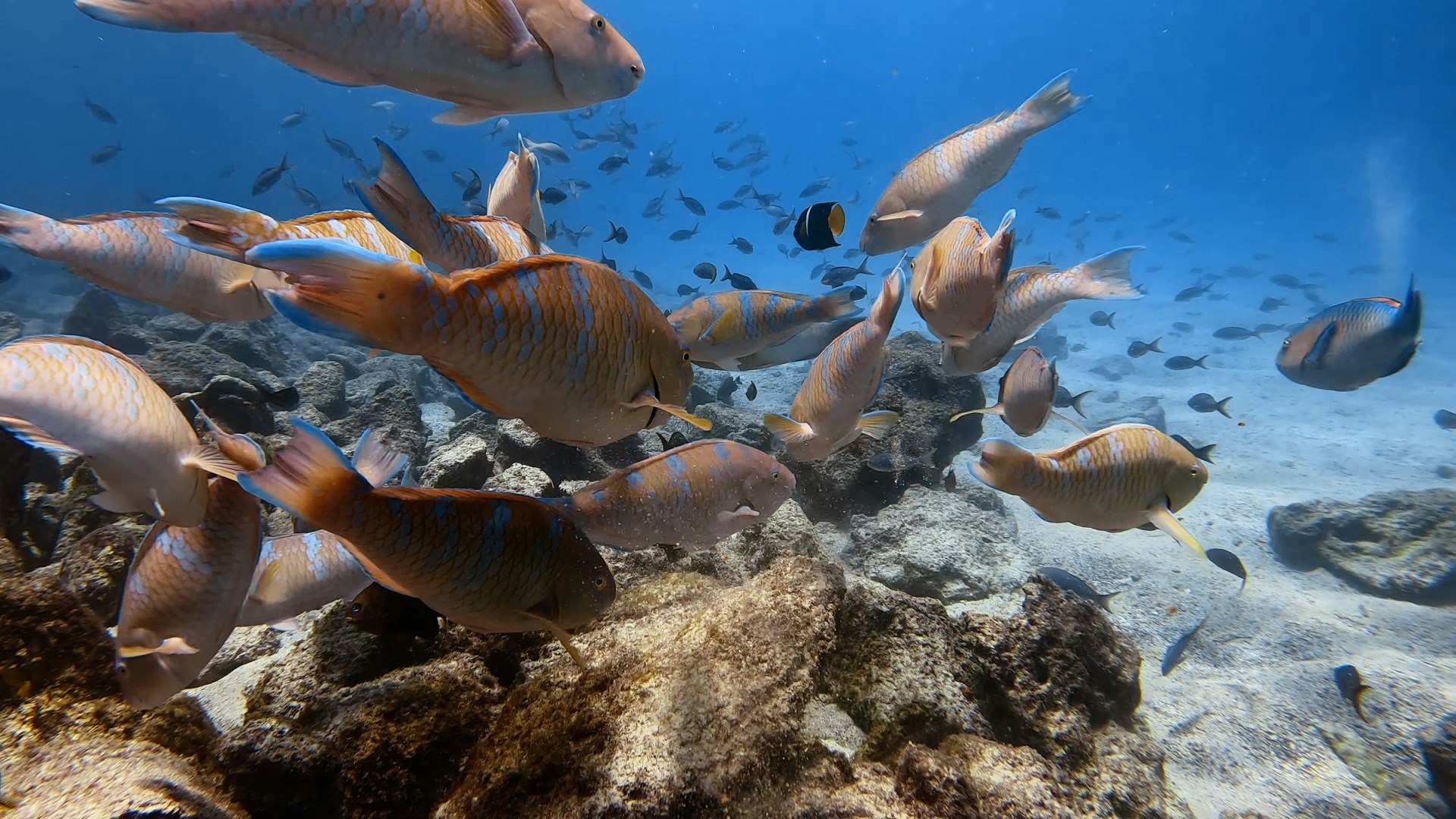
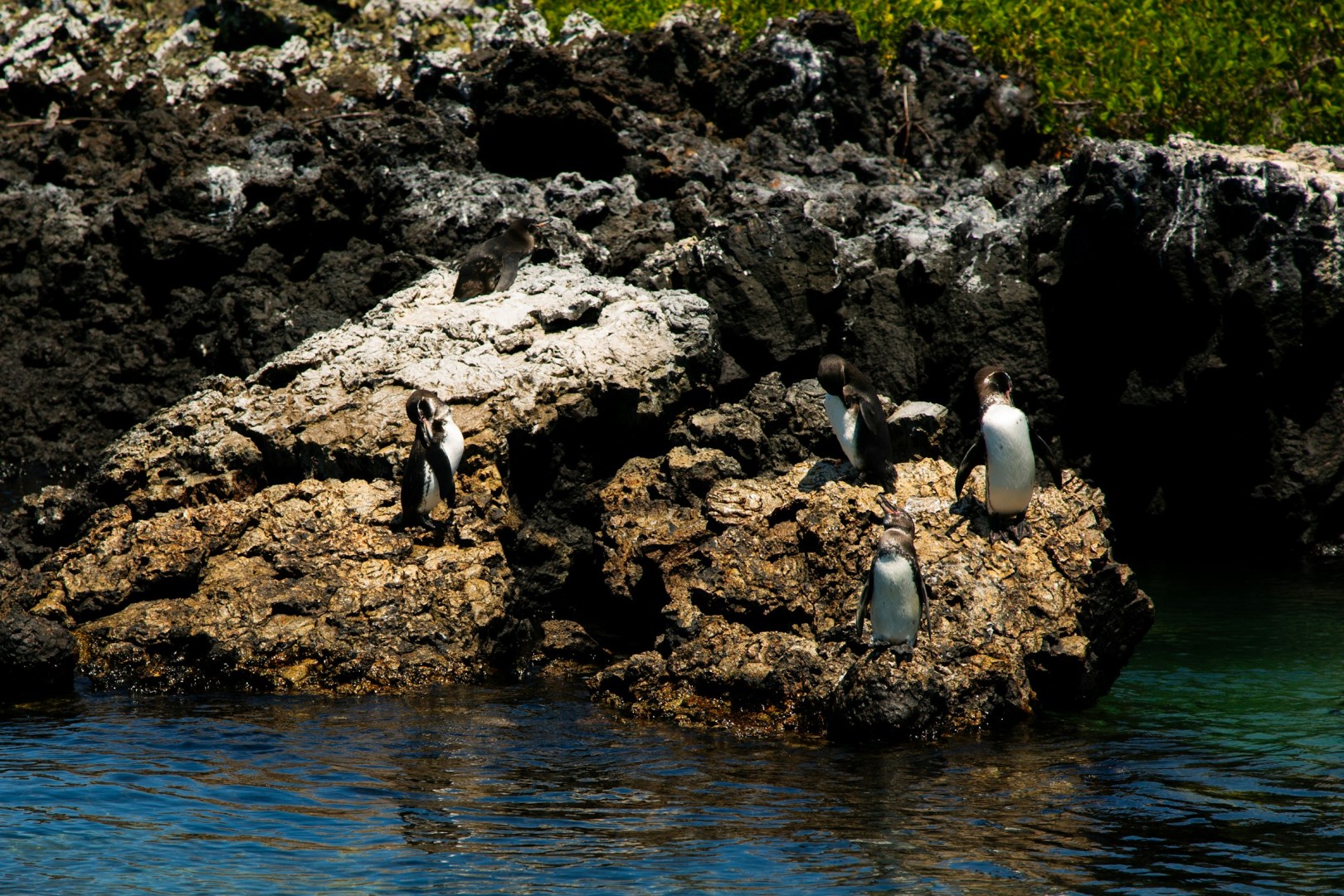
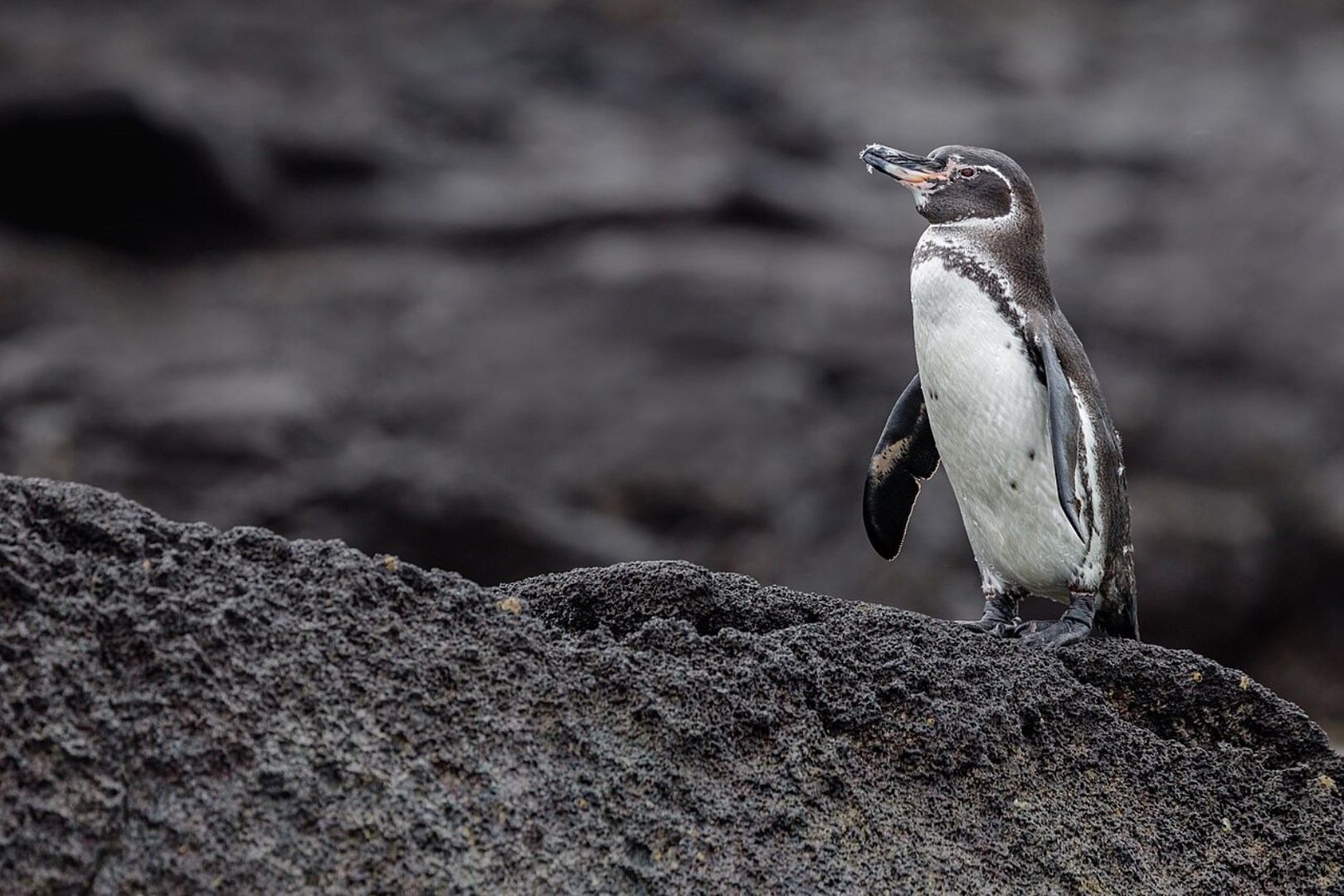
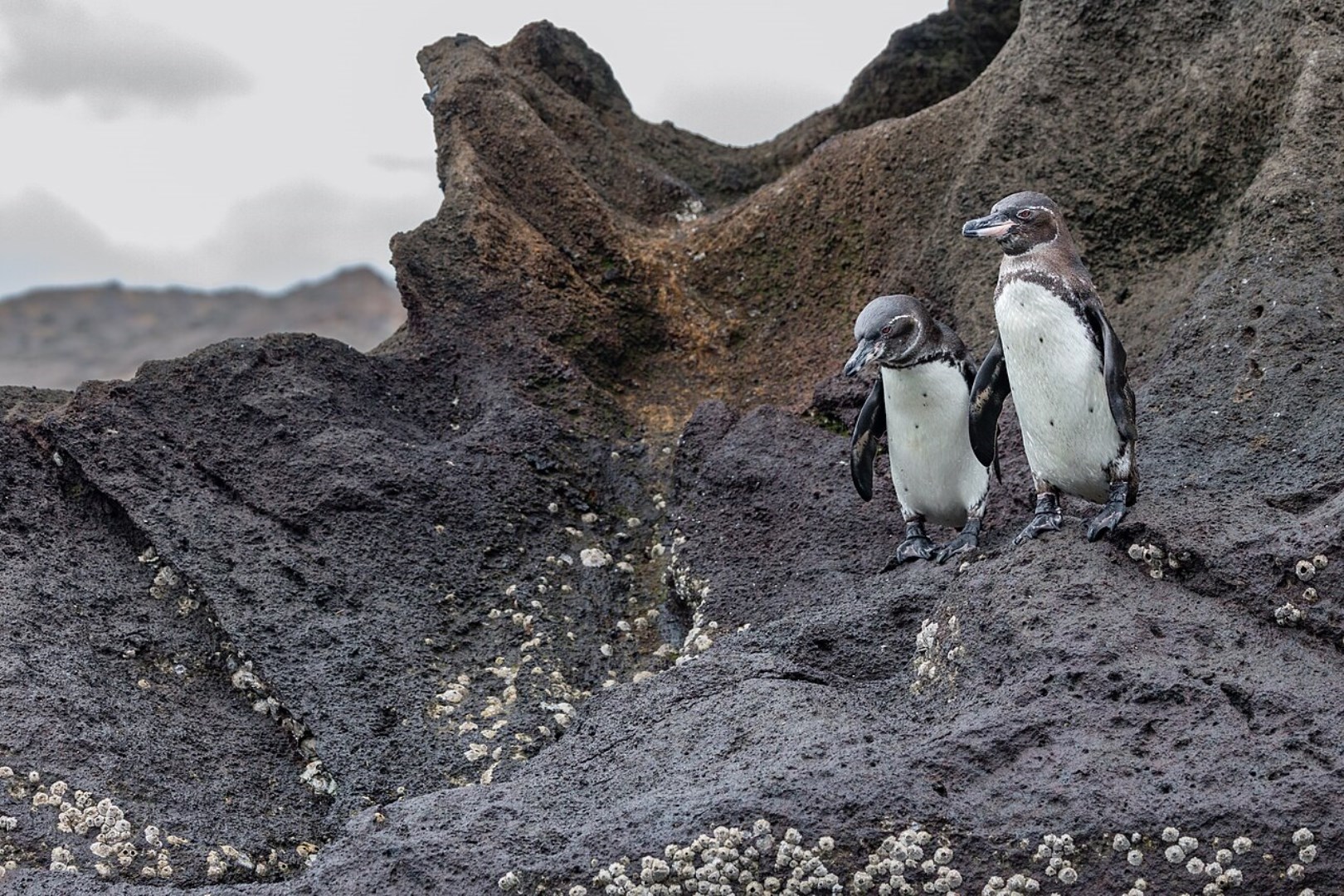
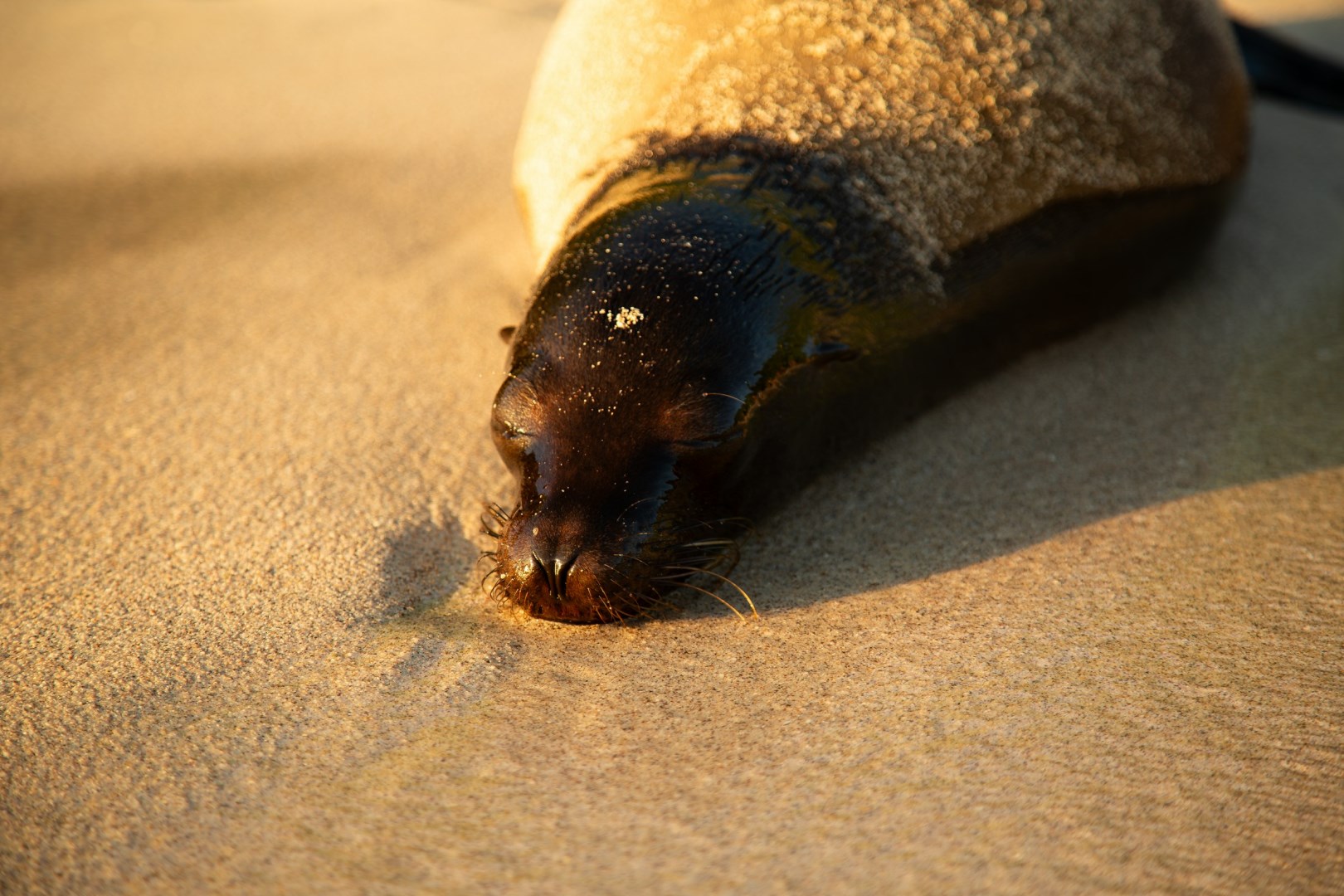
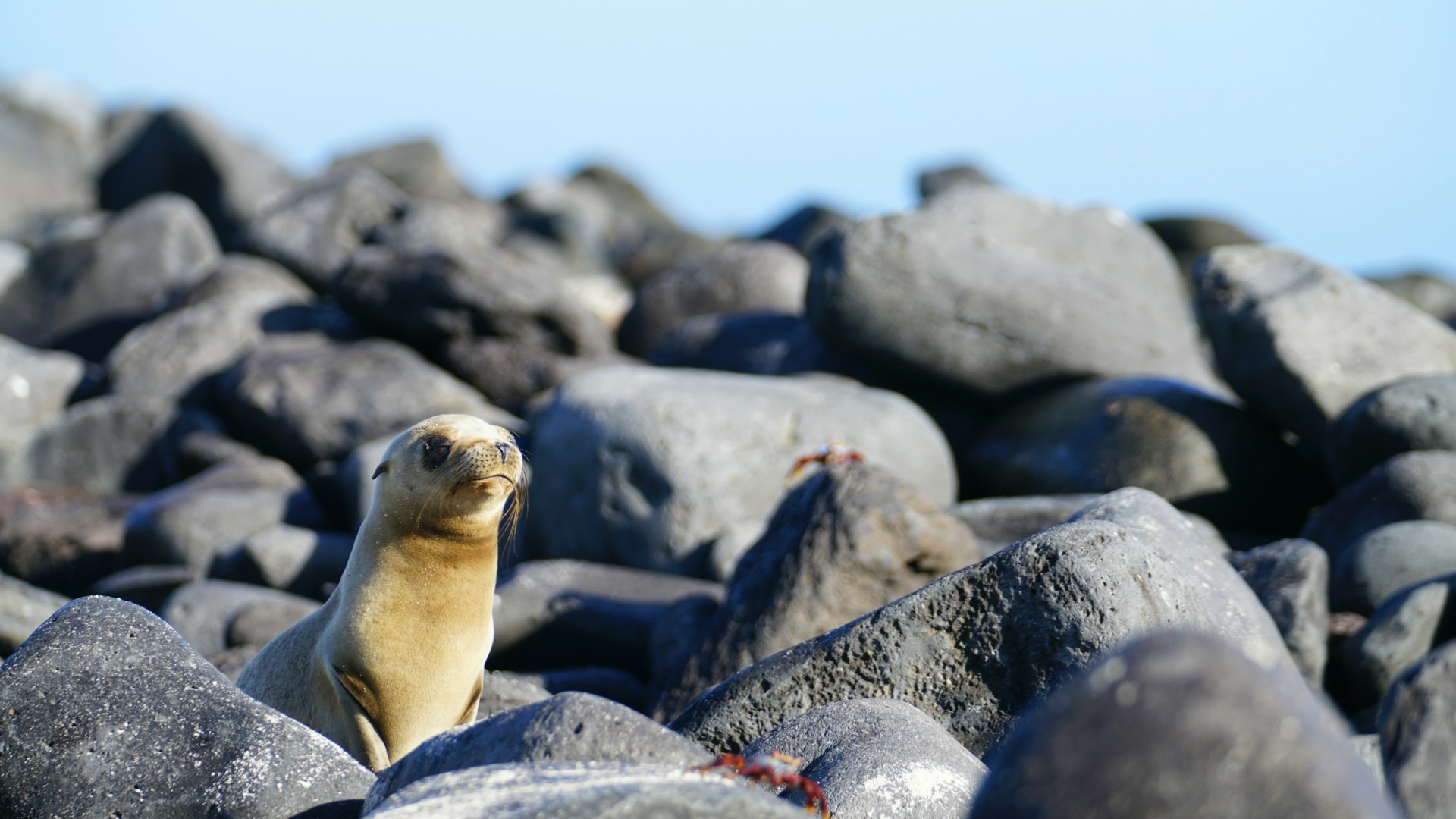
A popular destination for South American cruises, you’ll find plenty to see and do on each island. Sea lions, iguanas, blue-footed boobies, penguins, and the infamous Galápagos tortoises are just a few of the many indigenous wildlife that make these islands home. Favorite spots for animal watching include Tortuga Bay, Reserva El Chato (a tortoise reserve), and Parque Nacional Galápagos. Venture to San Cristóbal Island and Isabela Island for the archipelago’s best snorkeling or trek up the Sierra Negra volcano, the only Galápagos volcano accessible to hikers, for panoramic island views. Unwind in the island’s picturesque towns, including Puerto Ayora and Puerto Villamil, and be sure to sample authentic Ecuadorian cuisine and fresh seafood dishes.
Discover your next adventure in the Galápagos Islands!
Other Popular Destinations in Ecuador
Guayaquil
Guayaquil, Ecuador, is a vibrant port city and a frequent starting point for cruises to the Galapagos Islands.
Quito
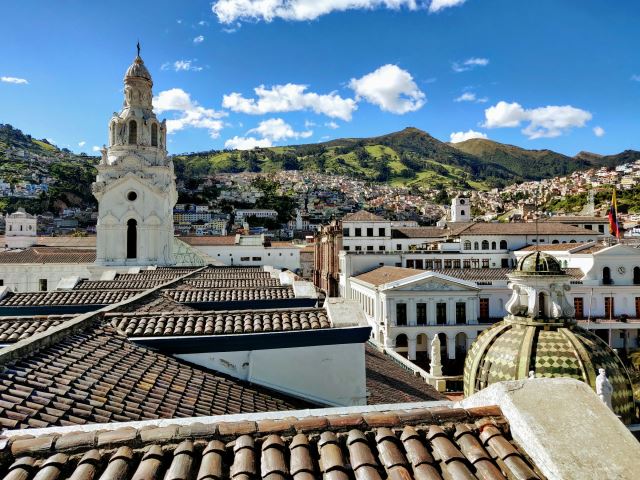
Situated on the equator and nestled beneath an imposing volcano, the rugged, sprawling, and vibrant city of Quito offers adventure galore. A South American gem and Ecuador’s capital, Quito combines the best of its Incan and Spanish influences in fascinating cultural attractions, and the city’s surrounding natural beauty will surely astound you.