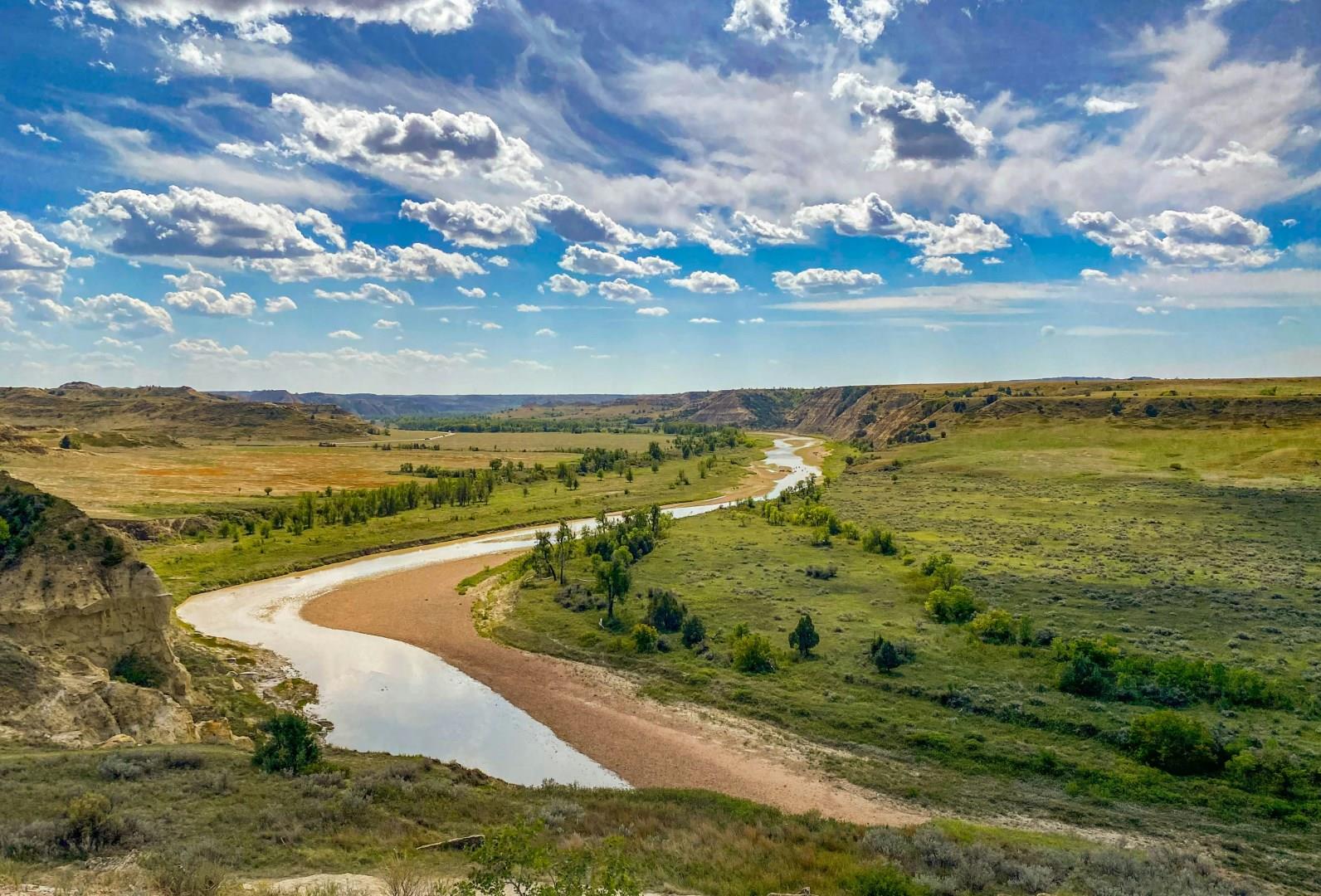
Theodore Roosevelt National Park
Theodore Roosevelt National Park, tucked into the rugged badlands of western North Dakota is where a young Theodore Roosevelt came to recover after the loss of his wife and mother in the same day. He bought a ranch, rode the open plains, and found the resolve that would later define his presidency. Today, the park named in his honor preserves that same wild spirit. Visitors can still see Roosevelt’s original Maltese Cross Cabin near the park's entrance and walk trails he once rode on horseback.

Monteverde
Monteverde, located in the Tilarán Mountains of northwestern Costa Rica, is known for its cloud forests, winding trails, and biodiversity that has drawn researchers and travelers for decades. The area was settled in the 1950s by Quakers from the United States who were looking for a peaceful place to raise dairy cattle. They also played a major role in preserving the local ecosystem, helping to establish the Monteverde Cloud Forest Reserve in 1972.
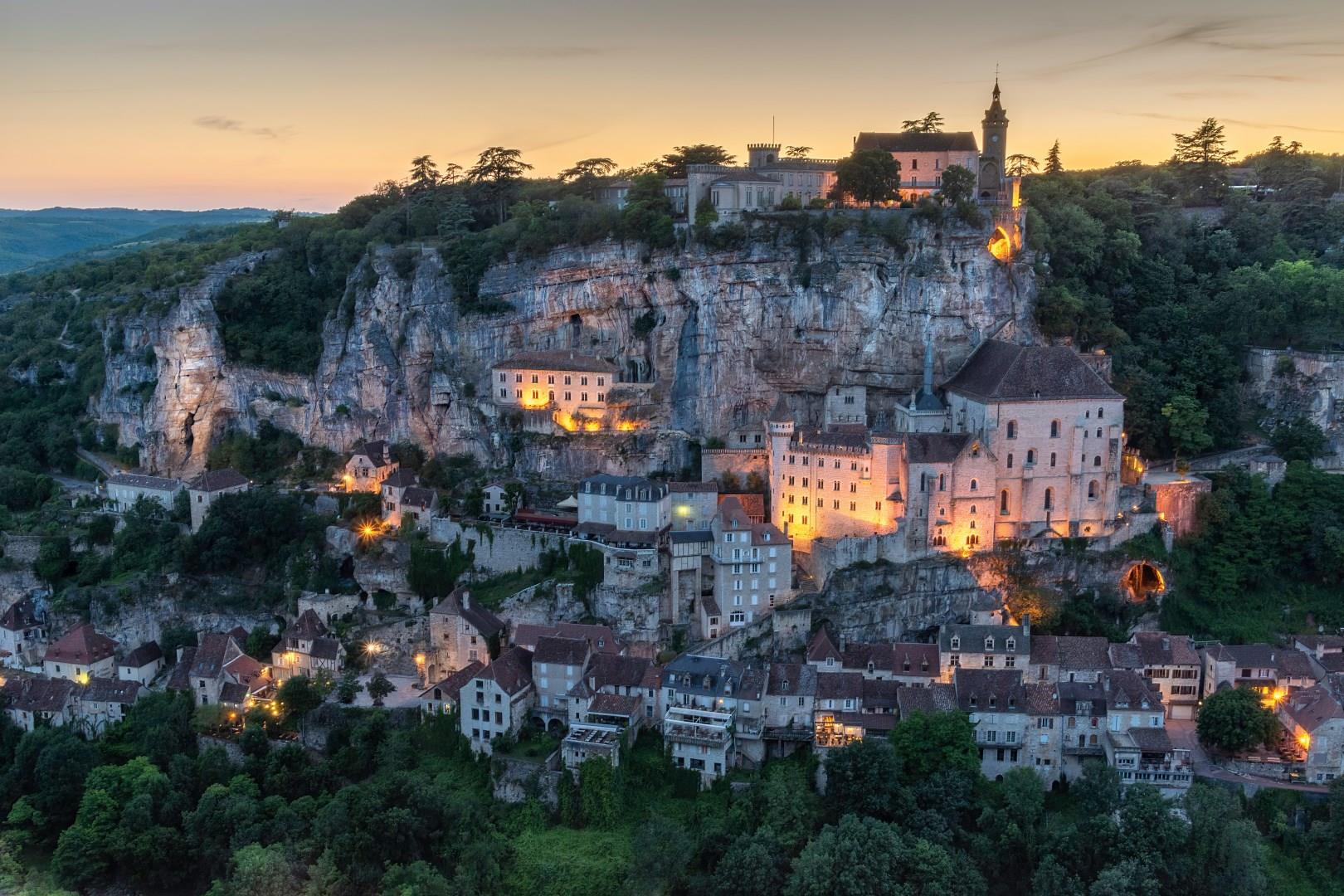
Rocamadour
Rocamadour is a remarkable village set against a steep limestone cliff in the Lot department of southwestern France. Its stone buildings, narrow lanes and ancient sanctuaries rise in stages above the Alzou River valley, giving the settlement a striking silhouette that has drawn visitors for centuries. Pilgrims have come here since the Middle Ages to see the Black Madonna in the Chapelle Notre-Dame and to walk the Chemin de Croix.
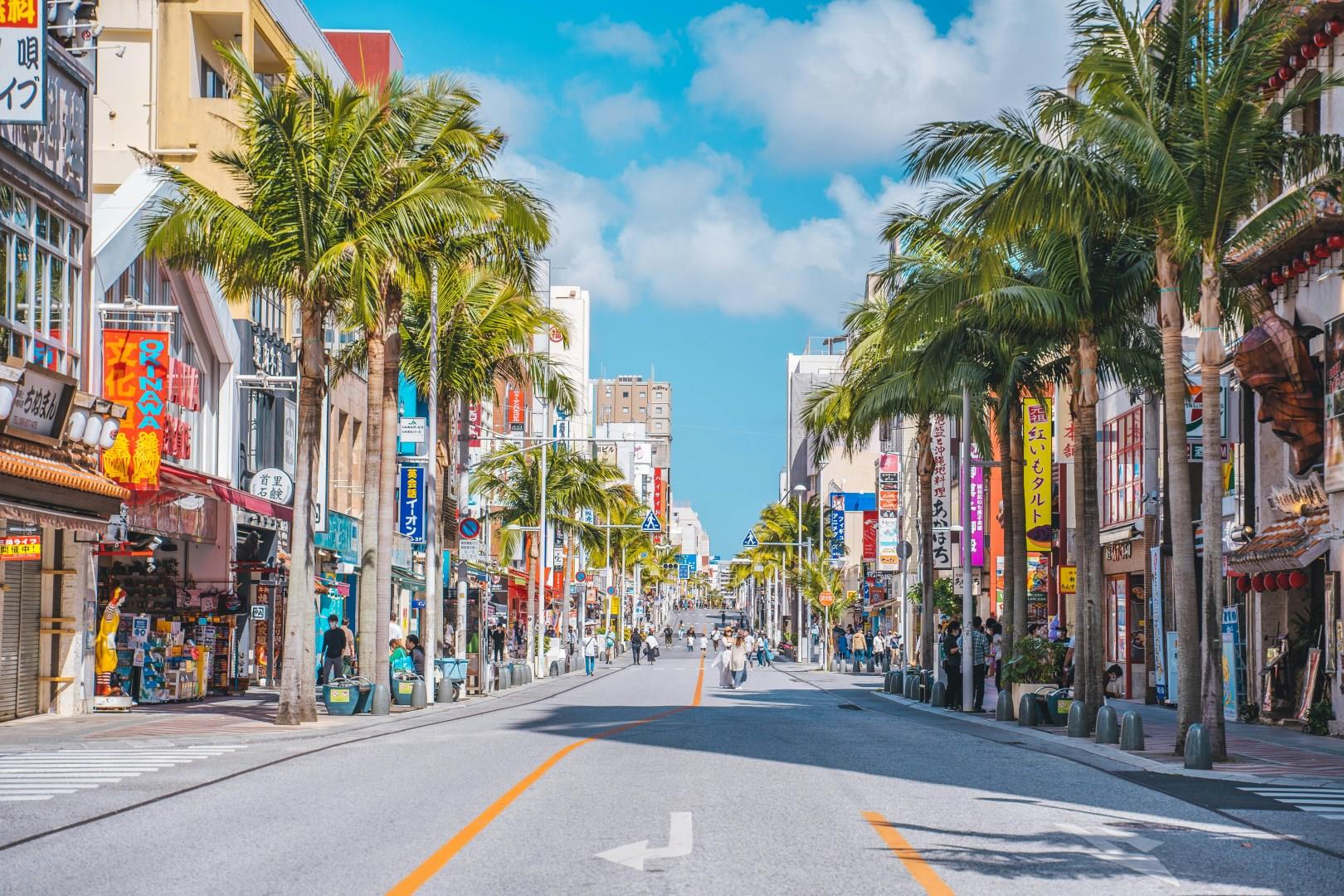
Naha Okinawa Island
Naha is the cultural and administrative heart of Okinawa Island, shaped by its past as the capital of the Ryukyu Kingdom.

South Africa
South Africa is a country where landscapes and cultures unfold in remarkable variety. From the rugged cliffs of the Cape of Good Hope to the open plains of Kruger National Park, it offers experiences shaped by both nature and history.