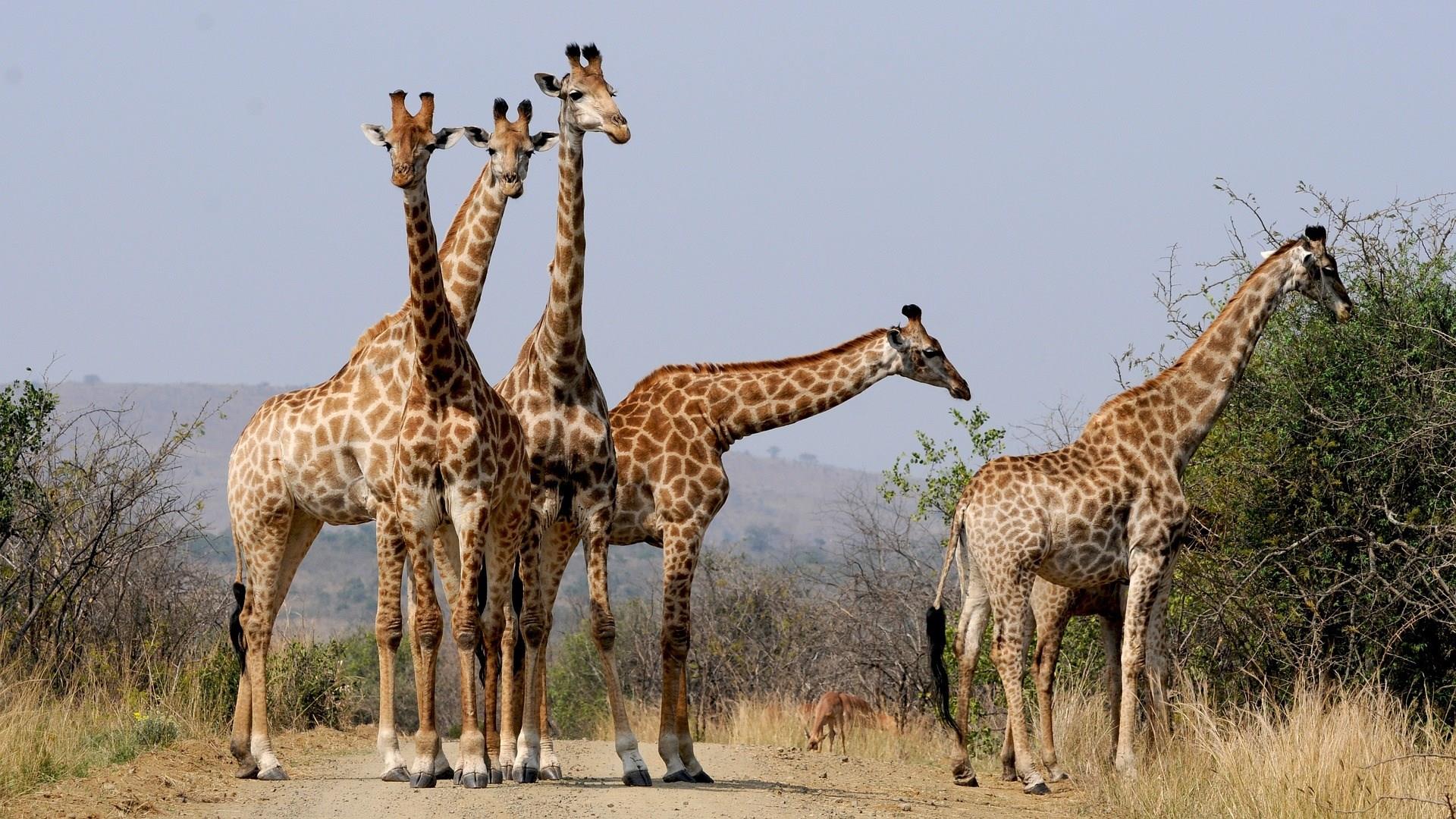
Nestled in the heart of KwaZulu-Natal, South Africa, Hluhluwe is a gateway to one of the country’s most remarkable conservation areas, the Hluhluwe-iMfolozi Park. This park, renowned for its successful rhino conservation efforts, offers visitors an unparalleled wildlife experience. As the oldest proclaimed reserve in Africa, Hluhluwe-iMfolozi Park is a haven for both the critically endangered white rhino and the more elusive black rhino.
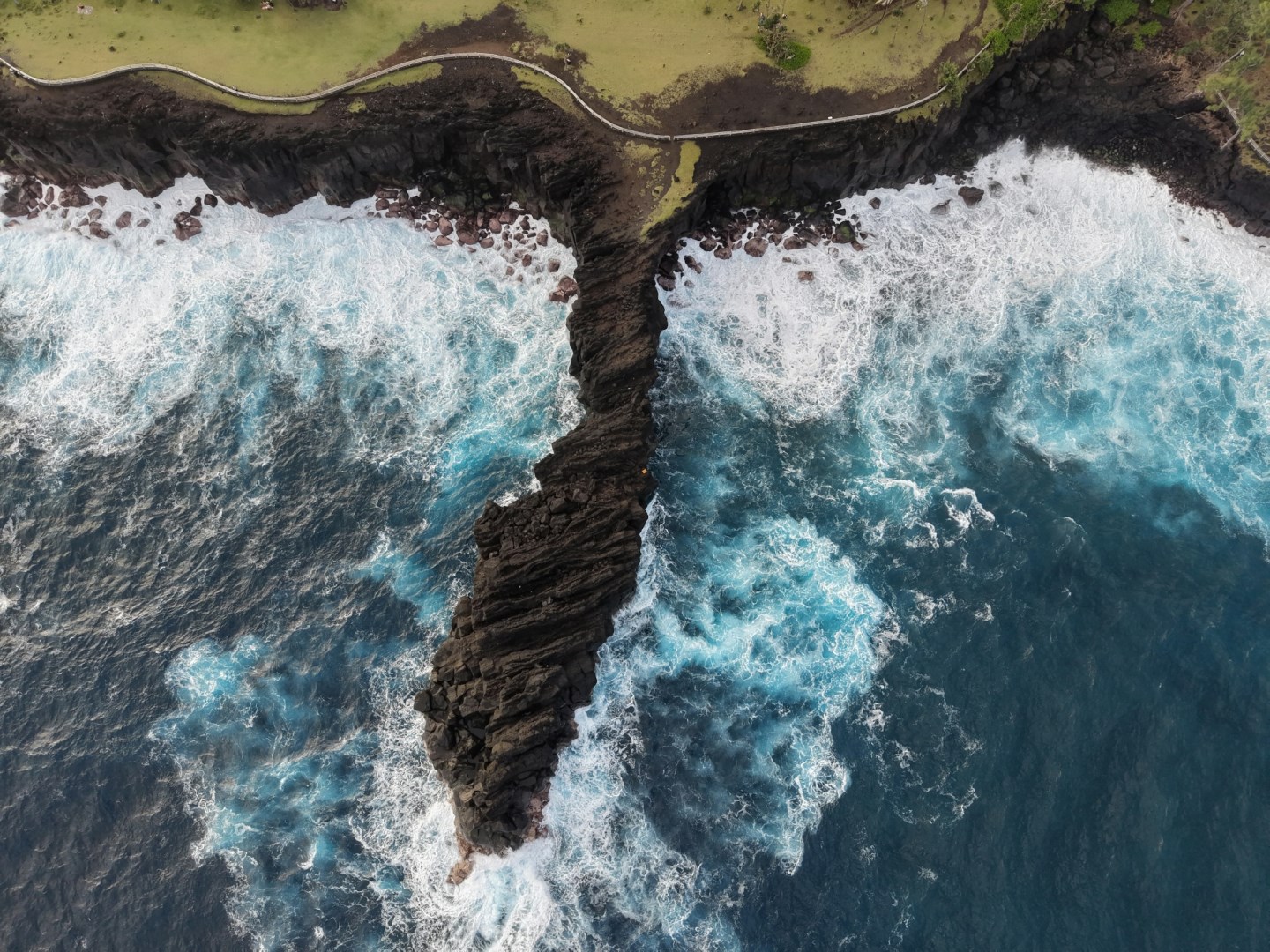
Saint-Philippe is a commune on the southeastern coast of Réunion, a French island in the southwestern Indian Ocean. Situated between Saint-Joseph and Sainte-Rose, it lies along the lower slopes of Piton de la Fournaise, one of the world’s most active volcanoes.
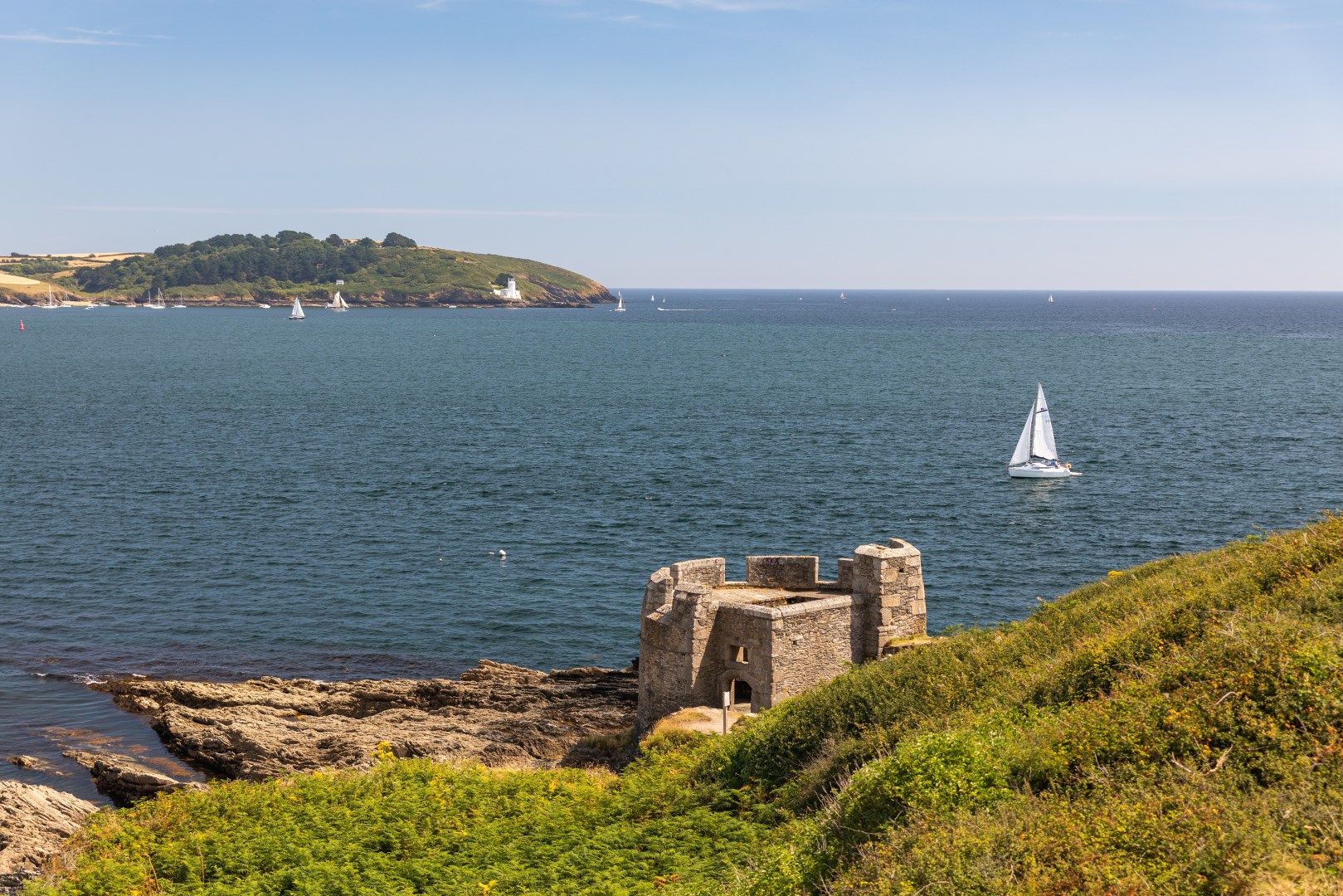
Falmouth is a small harbour settlement on the southern coast of Antigua, adjoining English Harbour and surrounded by hills and sheltered bays. Its waterfront is closely connected to Antigua's sailing industry, with marinas, boatyards, restaurants, and services lining the harbour.
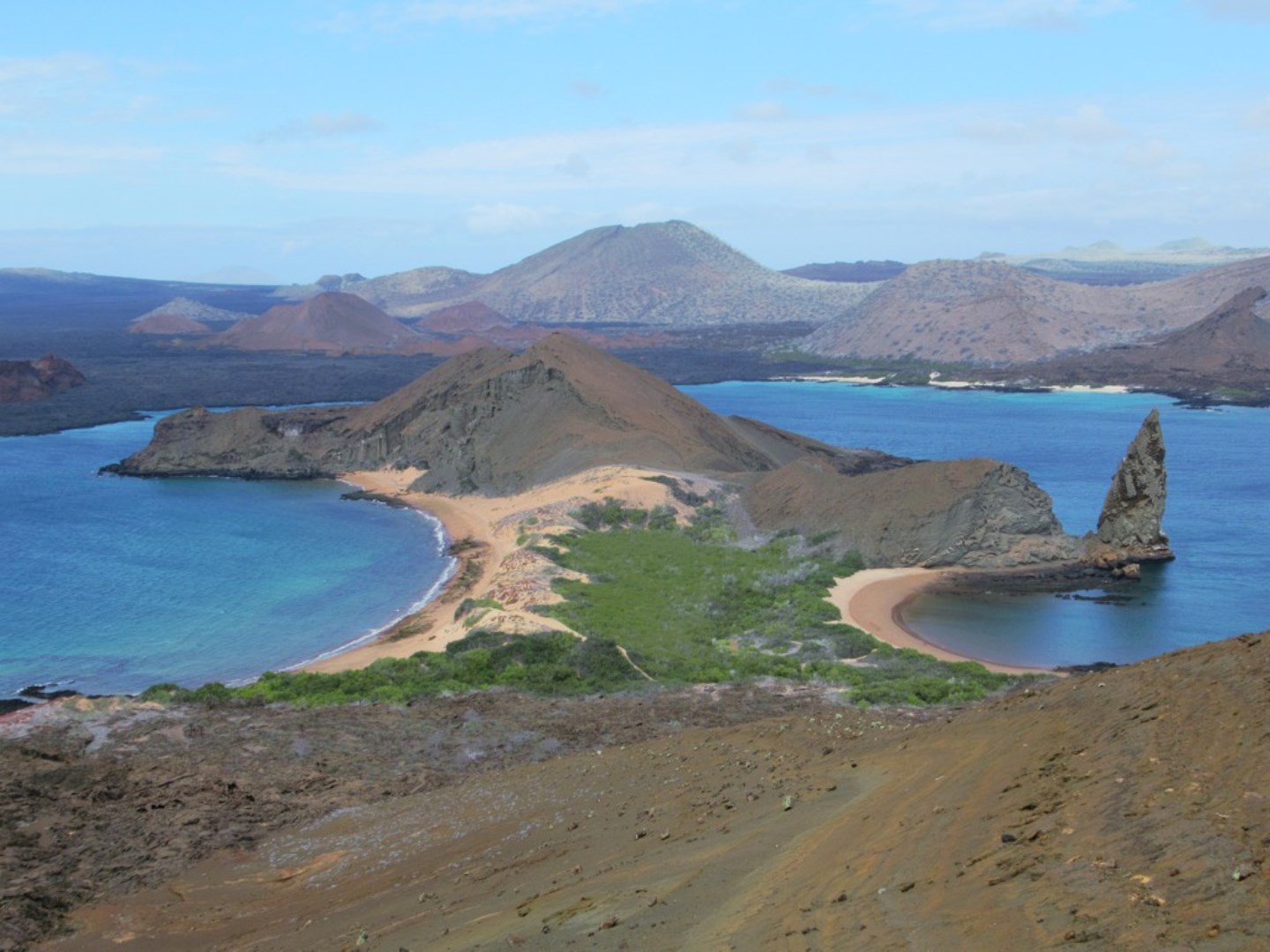
Sullivan Bay, located on the eastern shore of Santiago Island in Ecuador’s Galápagos archipelago, offers a landscape that feels almost otherworldly at first glance. Instead of lush greenery, visitors are greeted by wide stretches of hardened lava. These black, rippled fields tell a story written in fire, where molten rock once flowed freely before cooling into intricate patterns that can still be traced today.
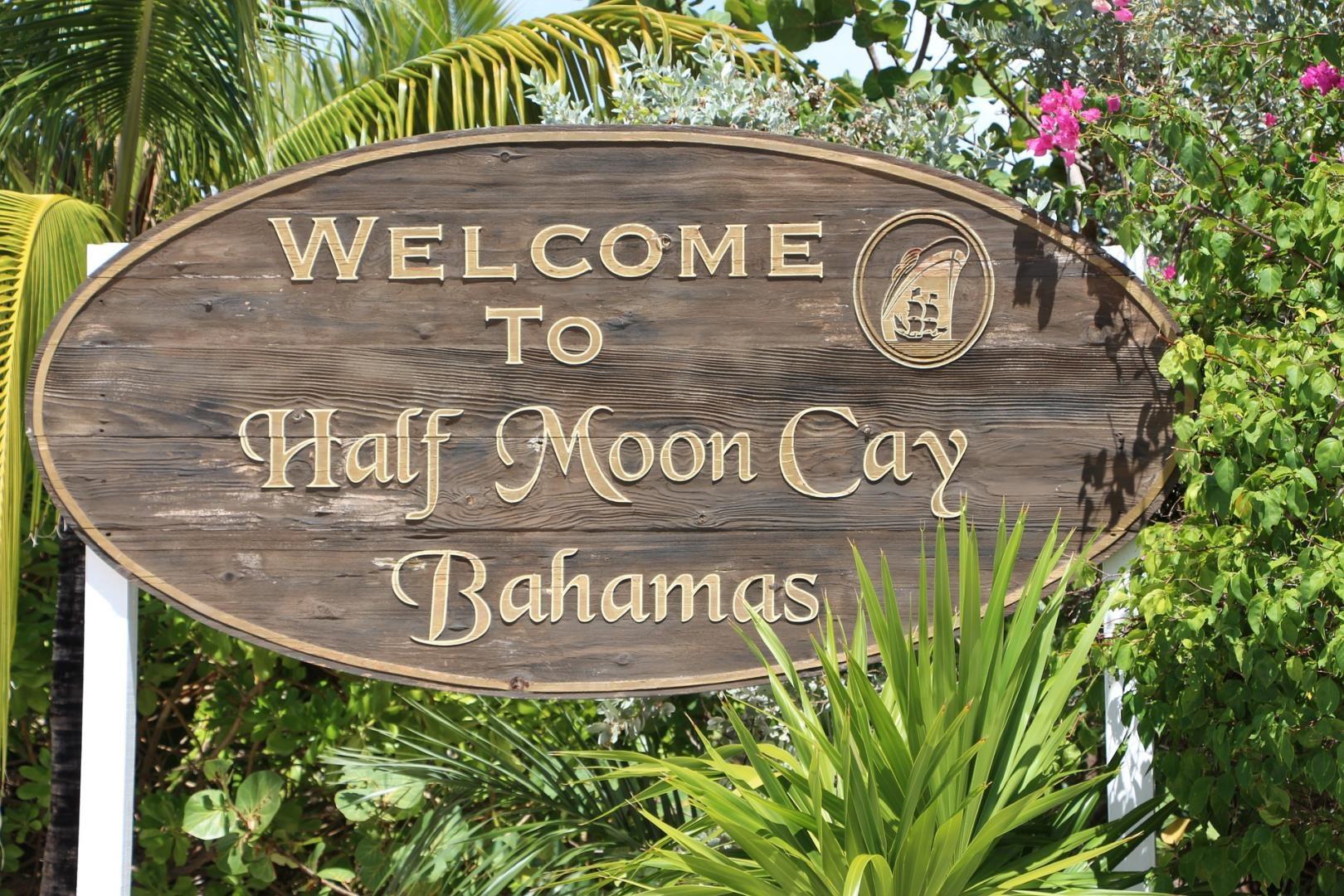
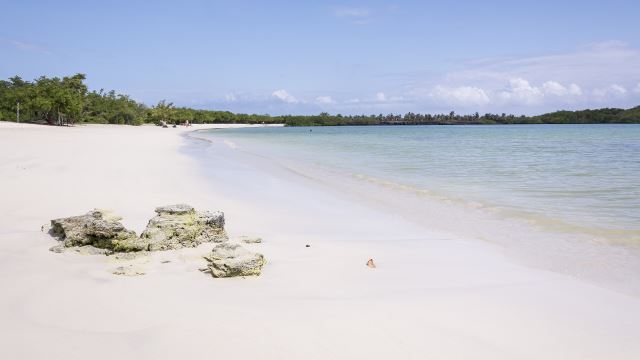
Half Moon Cay, also known as Little San Salvador Island, is a private island in the Bahamas that offers an escape into turquoise waters and soft, powdery sands. Surrounded by shallow lagoons and vibrant coral reefs, the island is framed by a sweeping crescent-shaped beach that stretches for miles, making it a striking destination for those arriving by cruise or private yacht. Its calm waters and gentle tides create ideal conditions for swimming, snorkeling, and exploring marine life.
Photo Credit: Photo by Michael Jerrard on Unsplash
Photo Credit: Photo by Dylan Shaw on Unsplash
Photo Credit: Photo by Marcela Baca on Unsplash
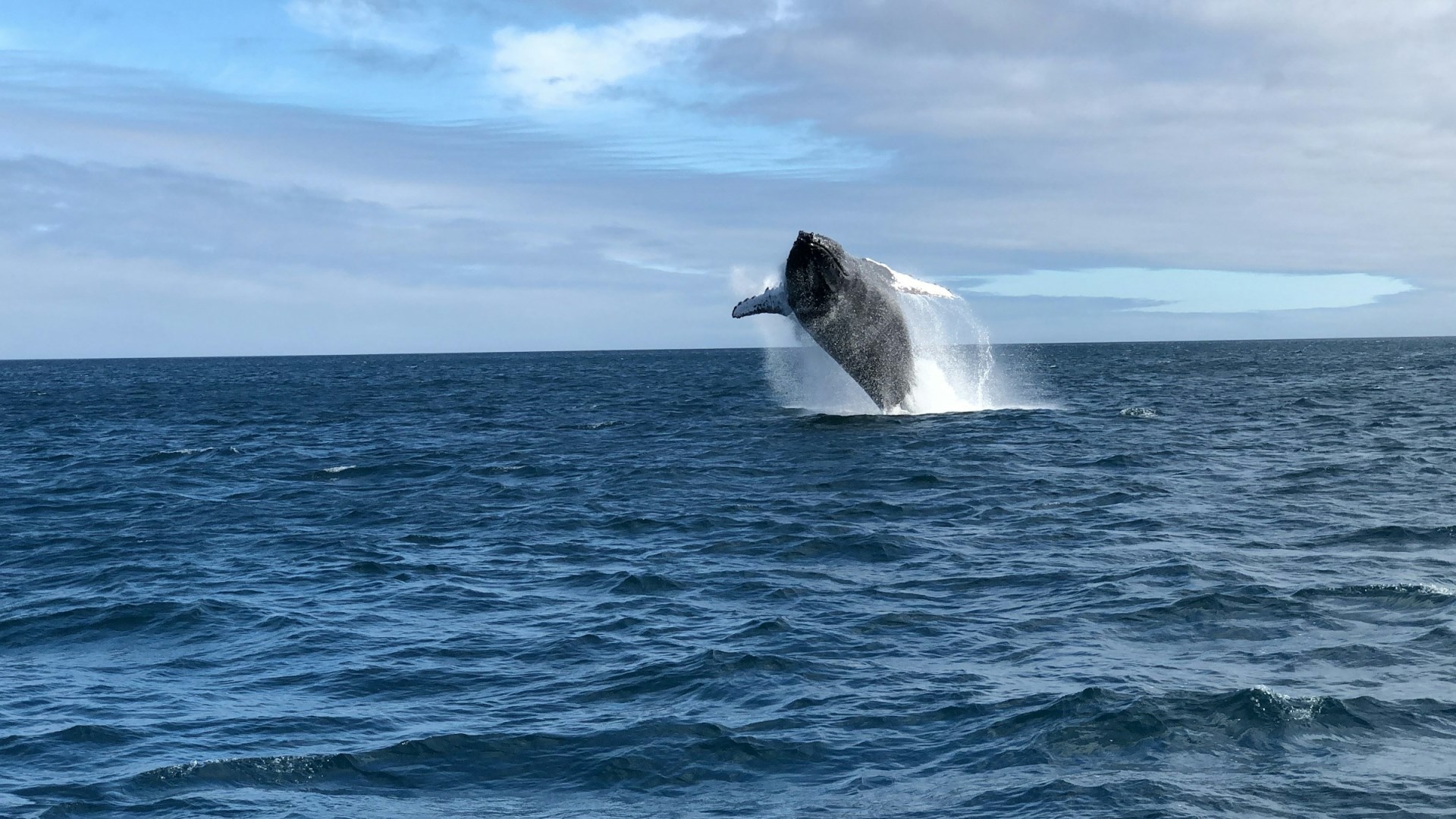
Whale
Photo Credit: Photo by Bryan Thompson on Unsplash
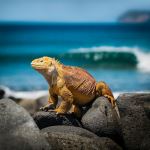
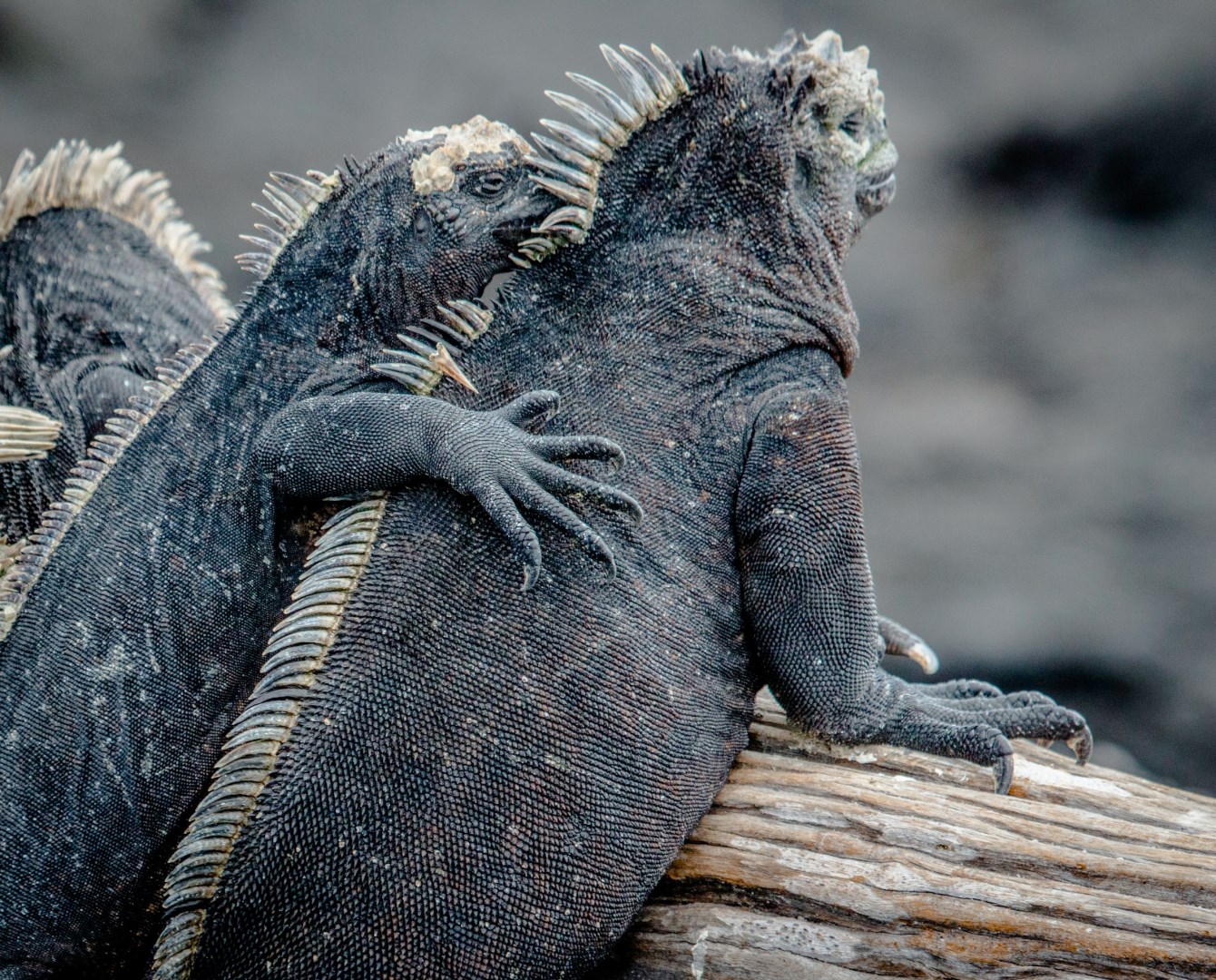
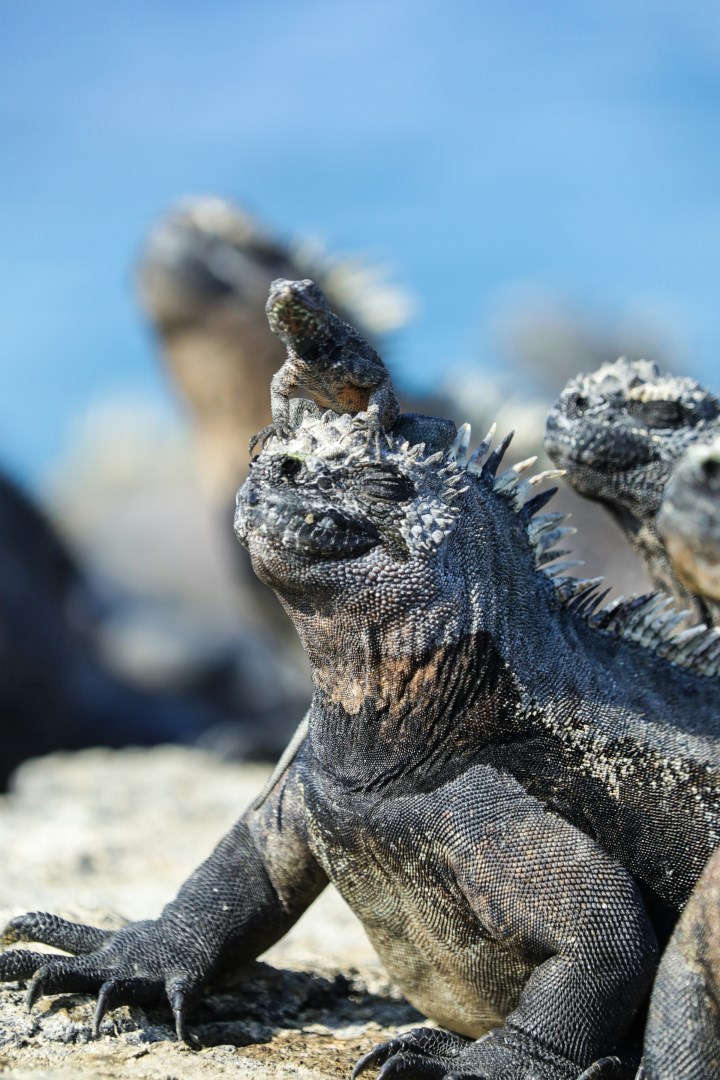
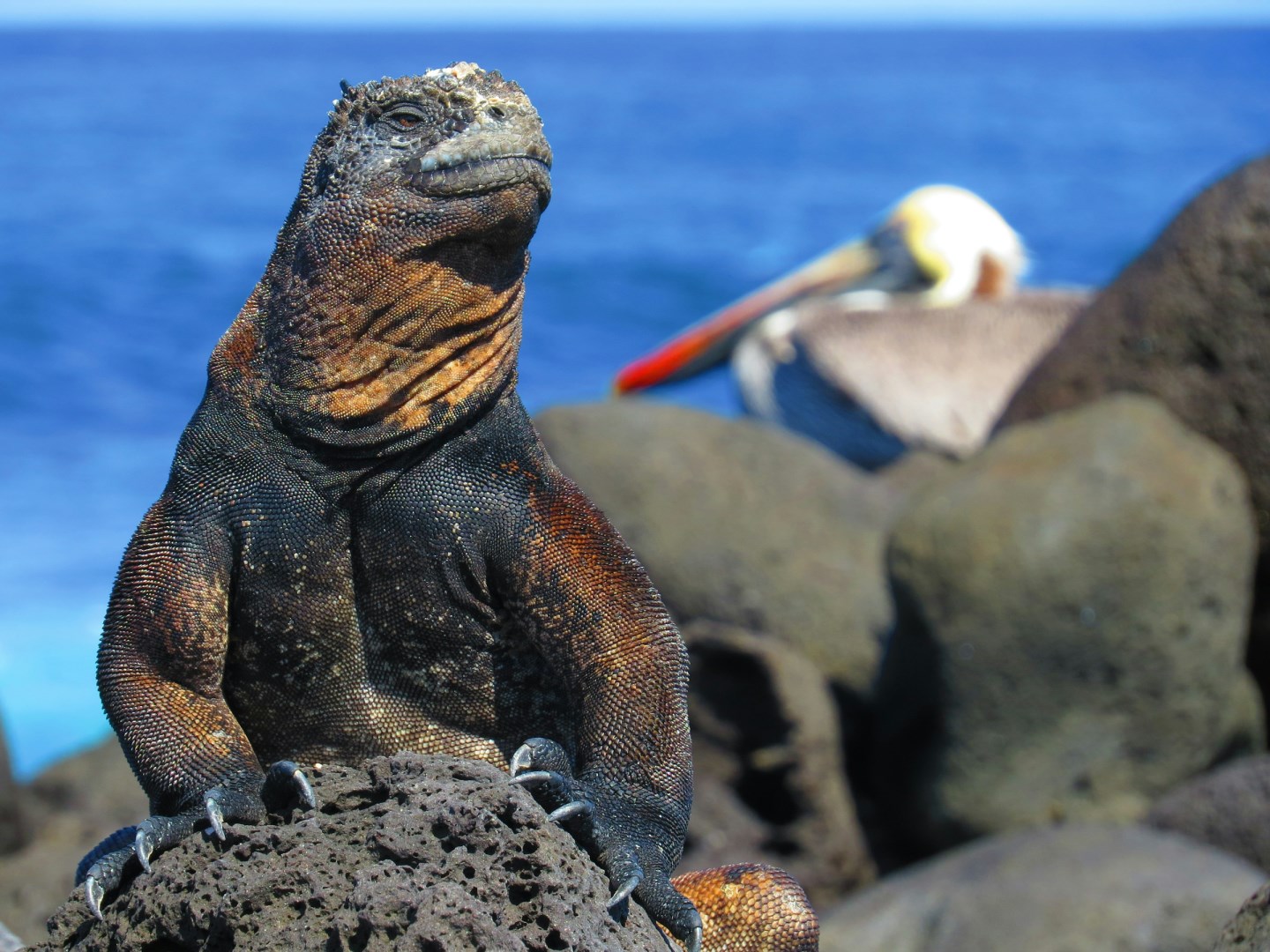
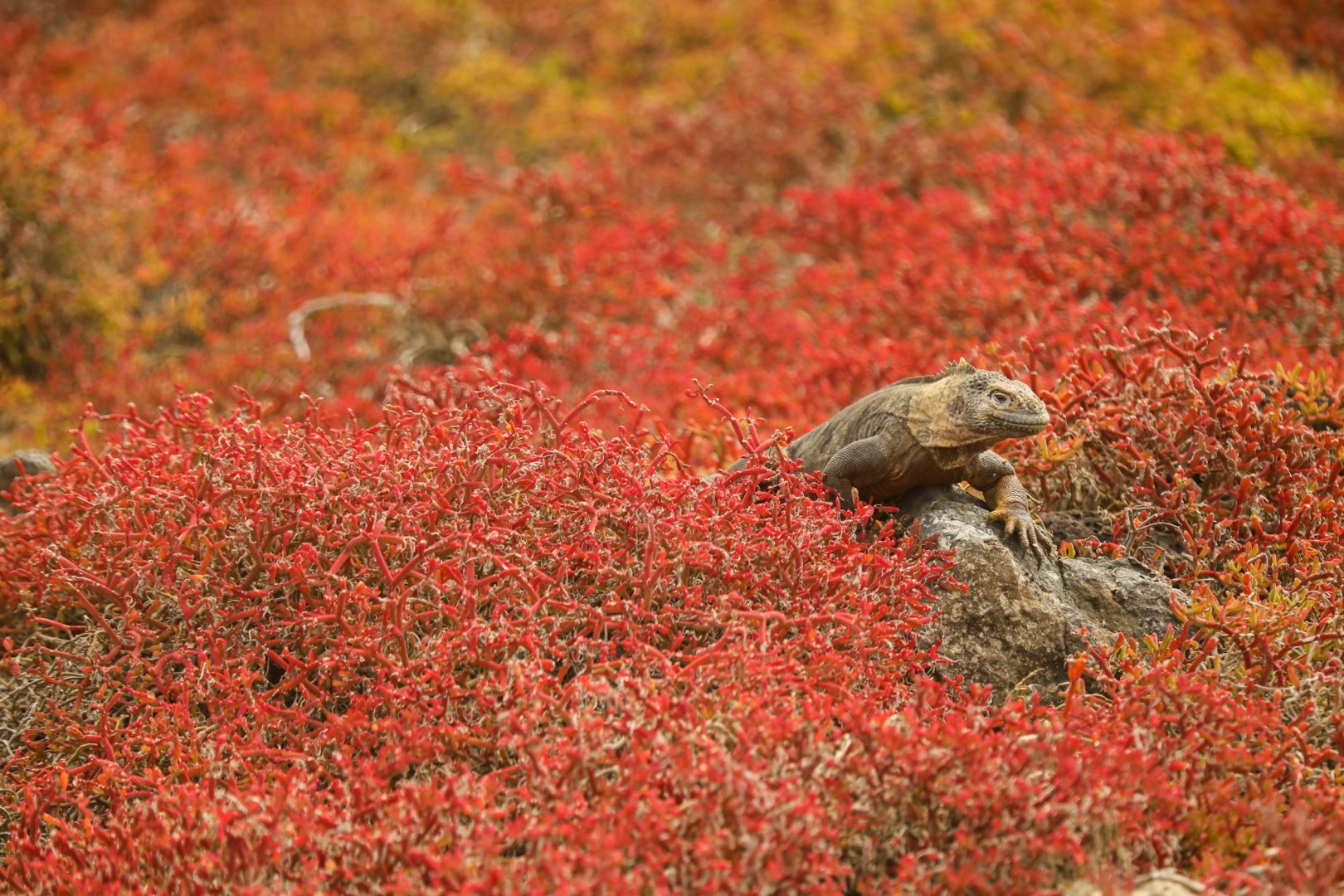
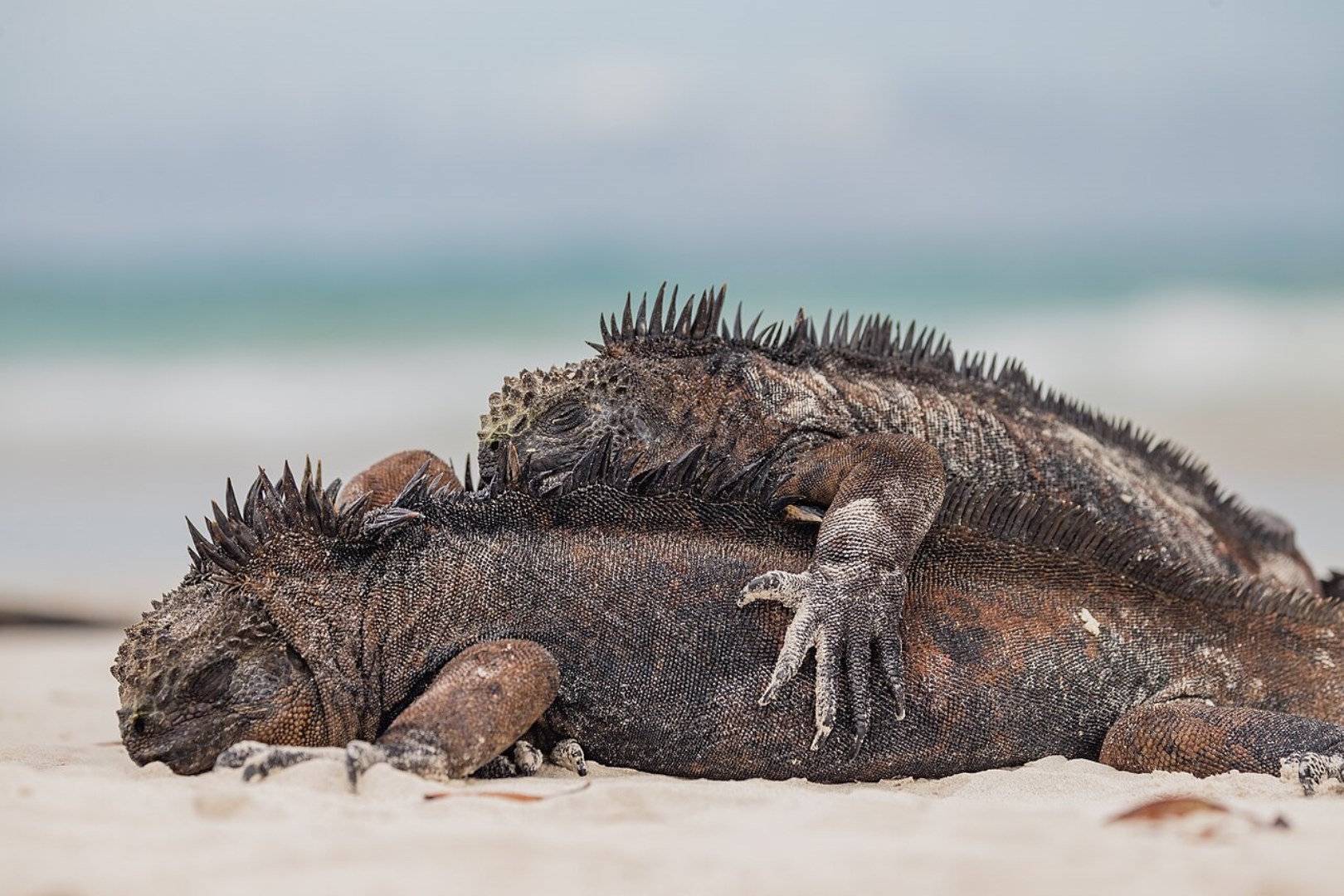
Iguana
Photo Credit: Photo by Dylan Shaw on Unsplash
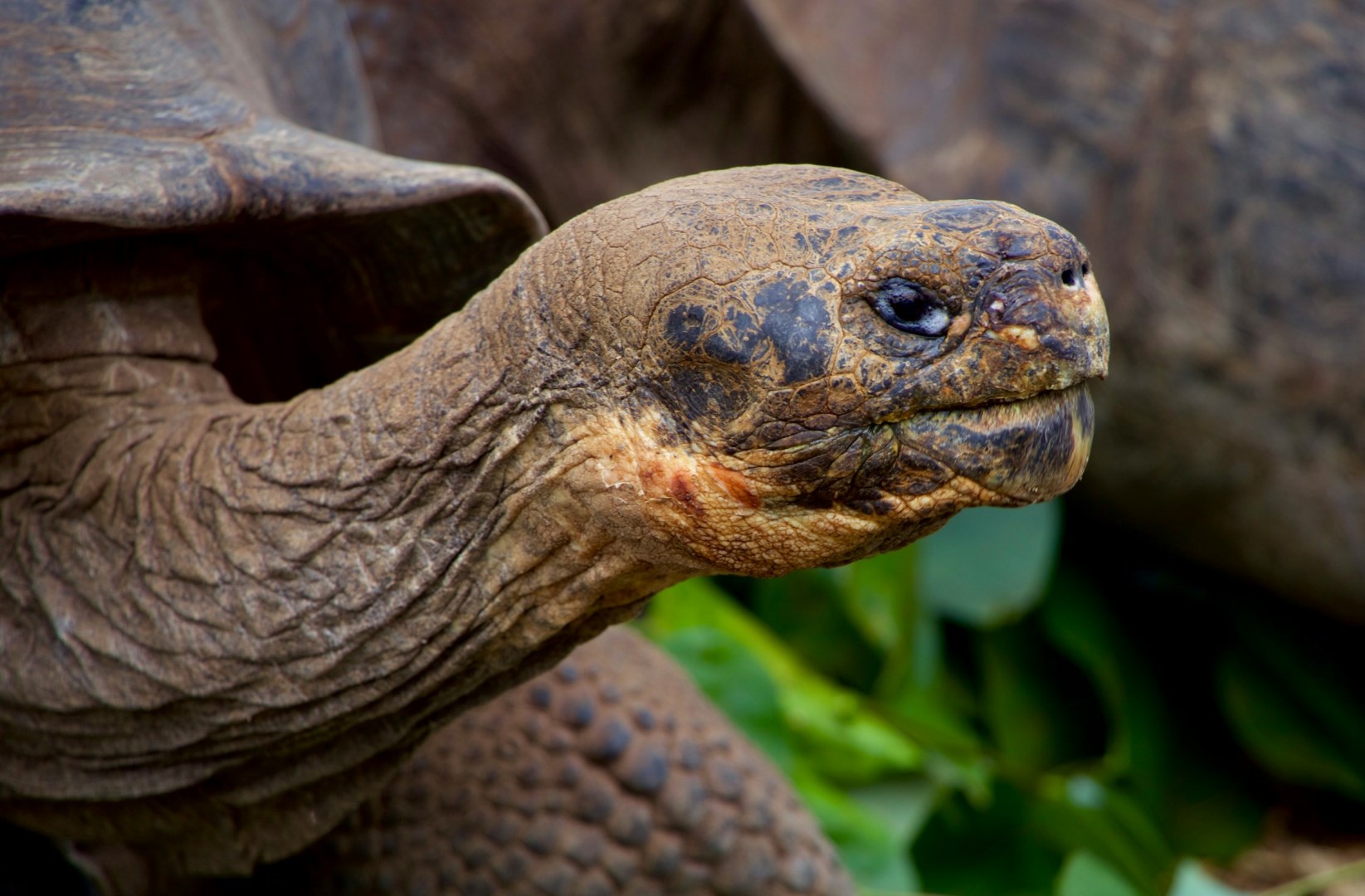
Galapagos Tortoise
Photo Credit: Photo by Magdalena Kula Manchee on Unsplash
Photo Credit: Photo by Heidi Bruce on Unsplash
Photo Credit: Photo by Sofia on Unsplash
Photo Credit: Photo by The Official CTBTO Photostream on Wikimedia
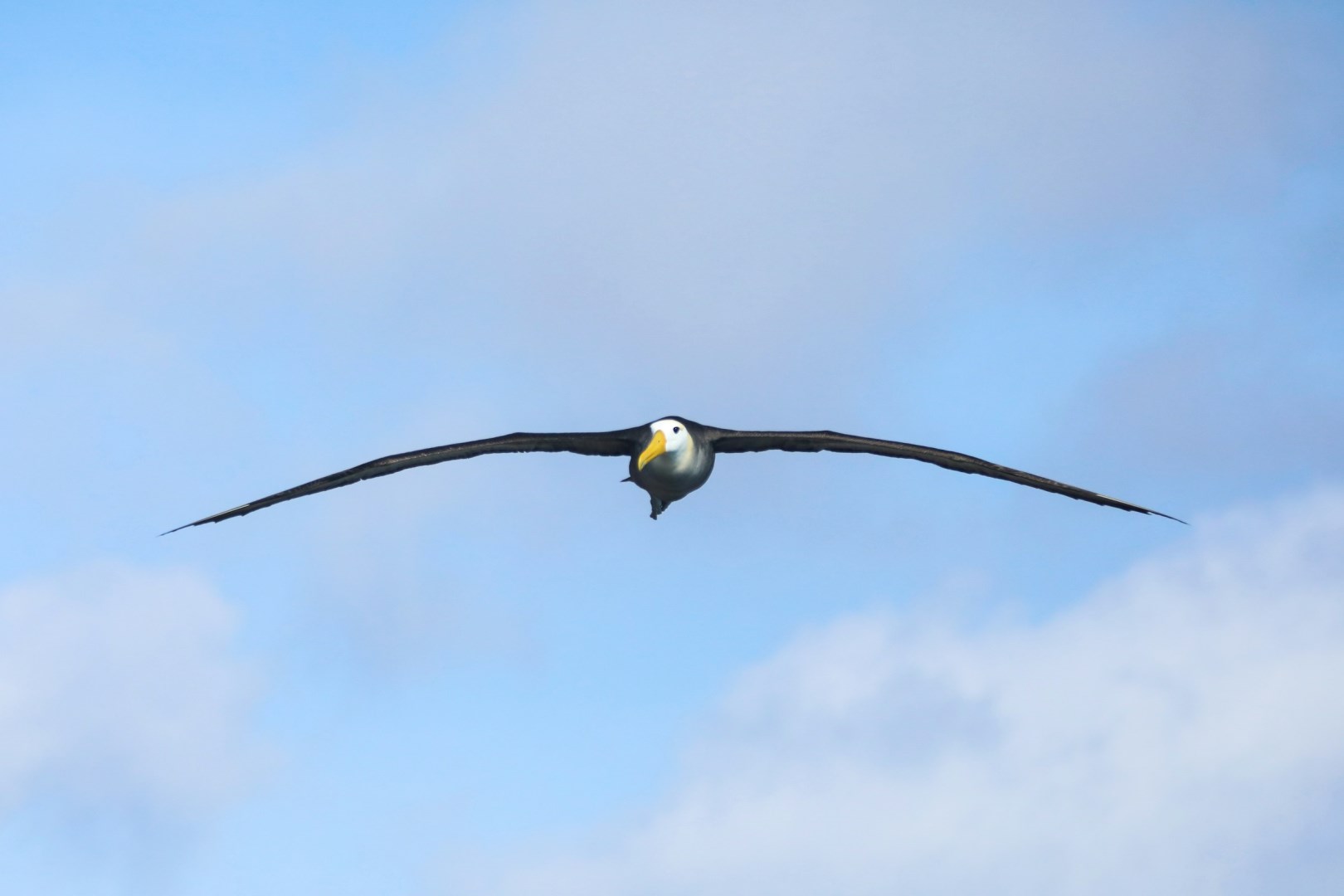
Albatross in flight
Photo Credit: Photo by Dylan Shaw on Unsplash
Photo Credit: Photo by Heidi Bruce on Unsplash
Photo Credit: Photo by Emma on Unsplash
Photo Credit: Photo by Claus Giering on Unsplash
Photo Credit: Photo by Sofia on Unsplash
Photo Credit: Photo by Mac Gaither on Unsplash
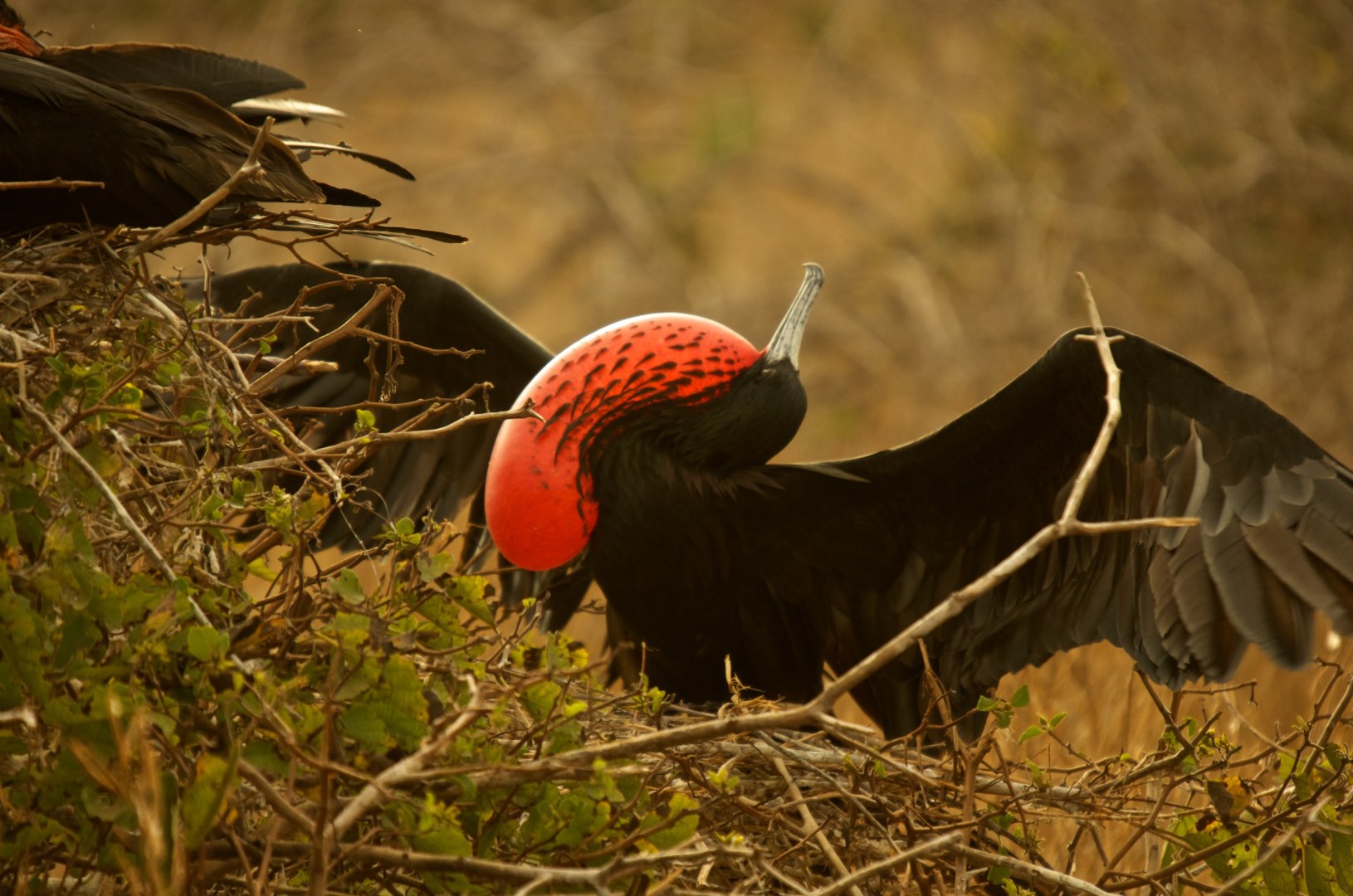
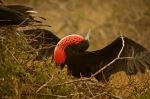
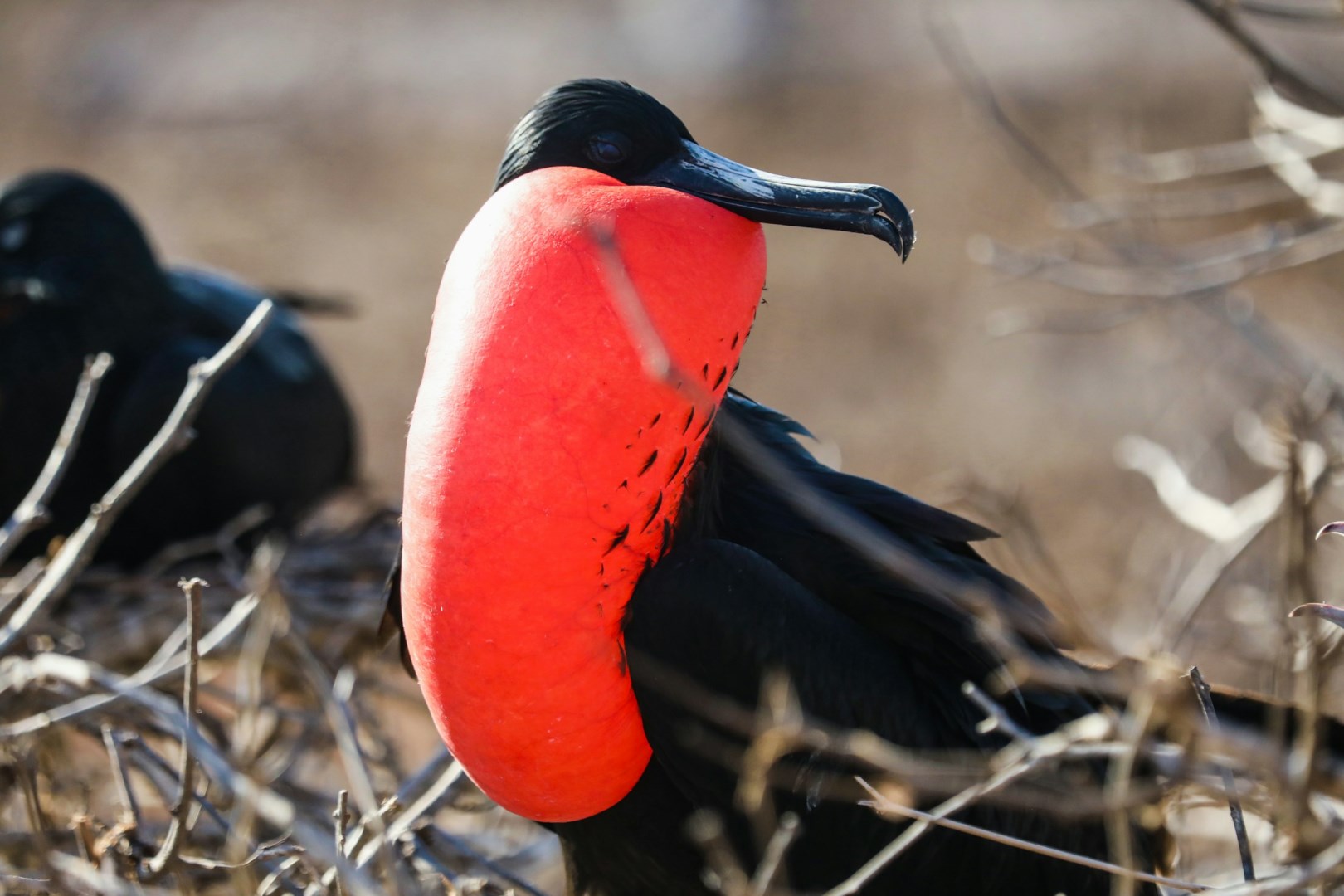
A male Magnificent Frigatebird
Photo Credit: Photo by Andrew Turneron Wikimedia
Photo Credit: Photo by Lieutenant Elizabeth Crapo, NOAA Corps. Wikimedia
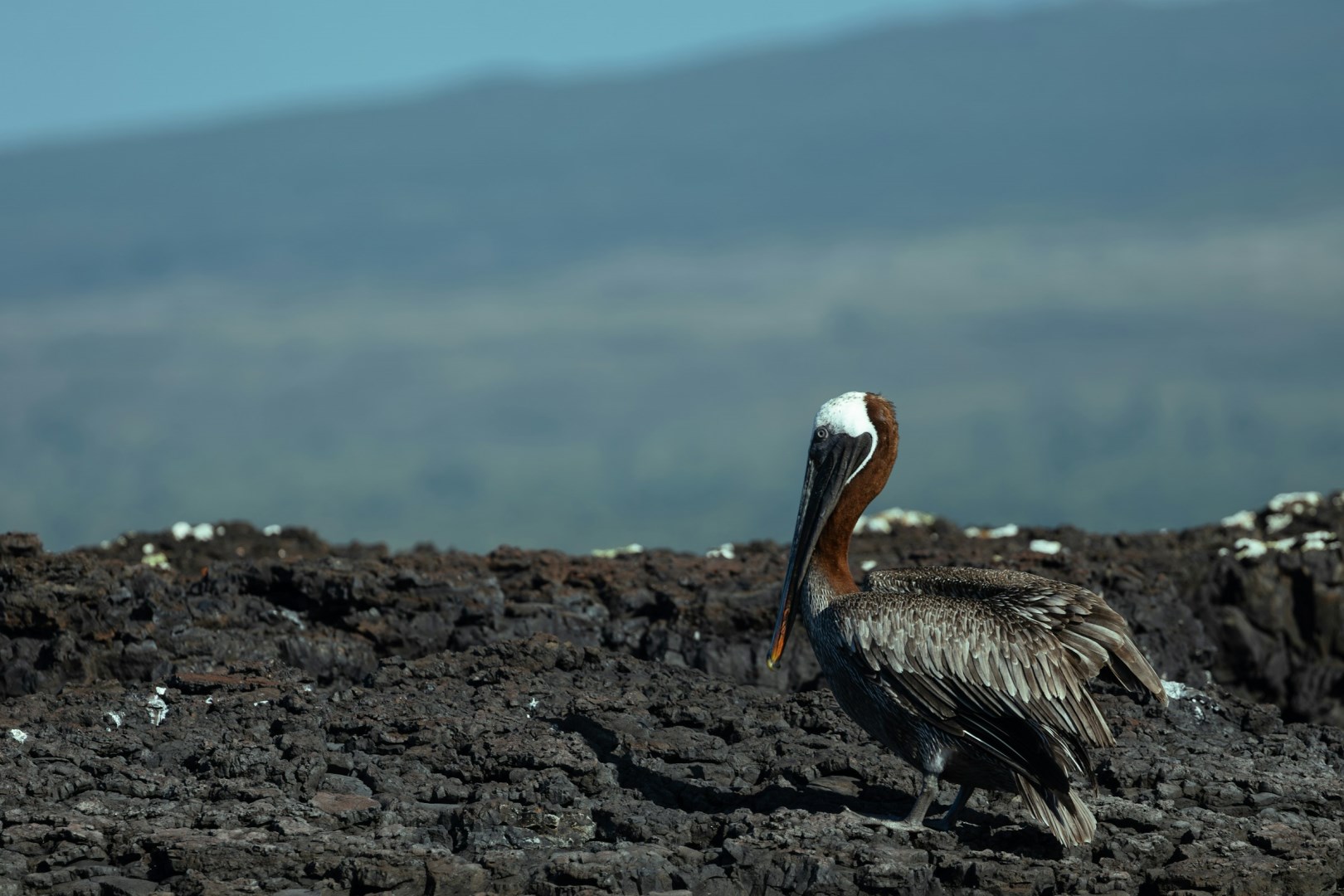
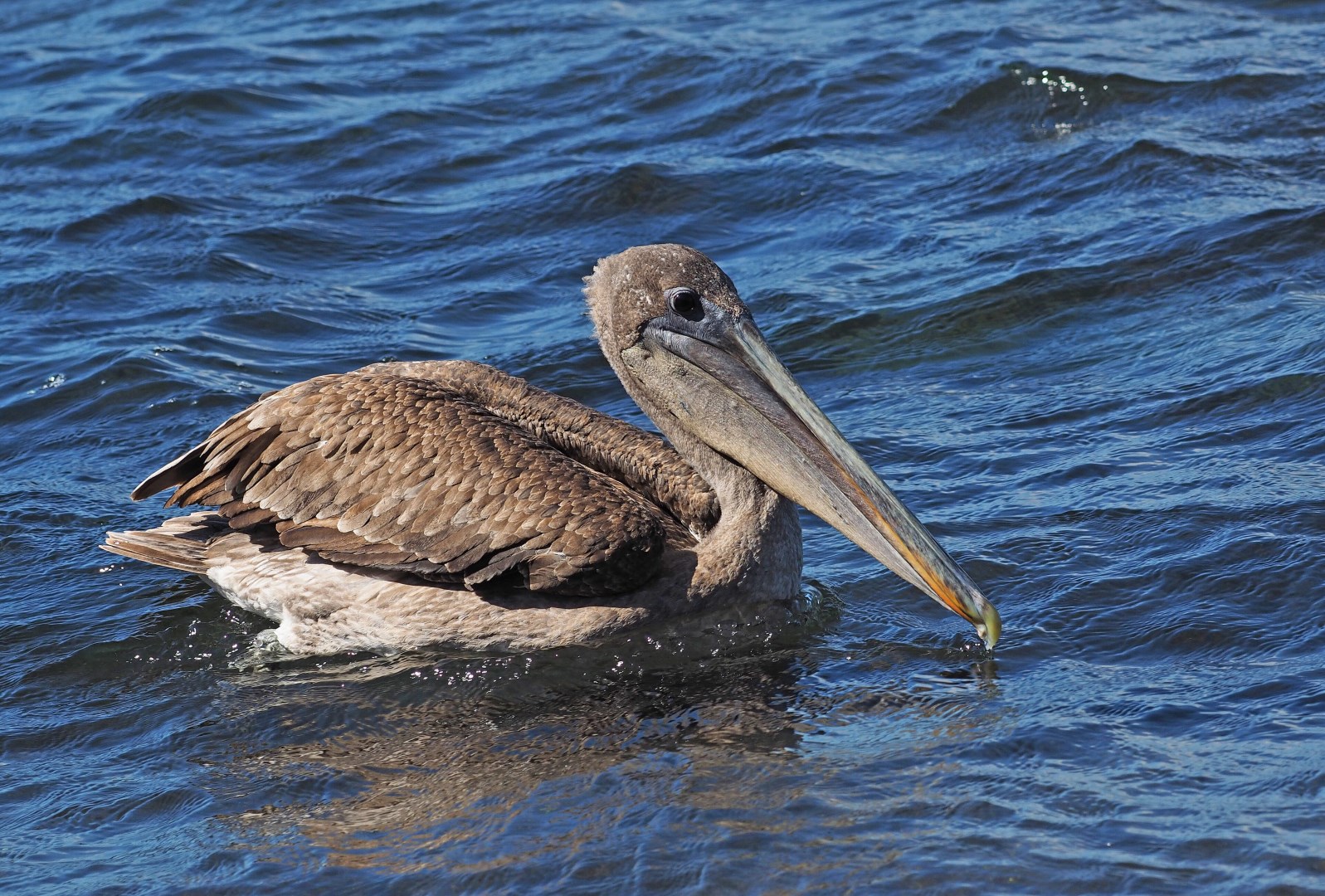
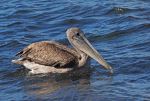
Galapagos Brown Pelican - Pelecanus occidentalis urinator
Photo Credit: Photo by Judy Gallagher from Wikimedia
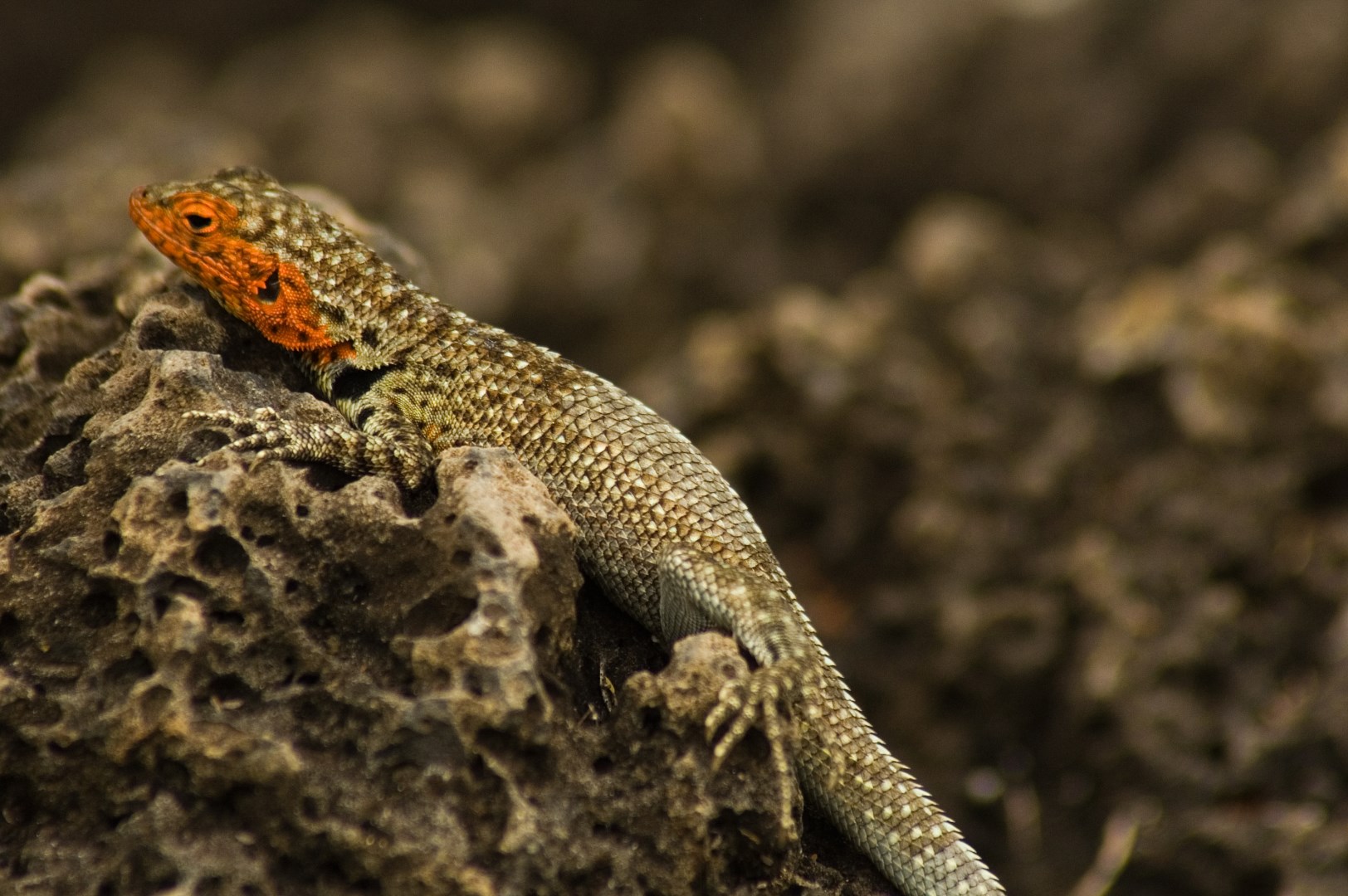
Galápagos lava lizard
Photo Credit: Photo by Peter Wilto from Wikimedia
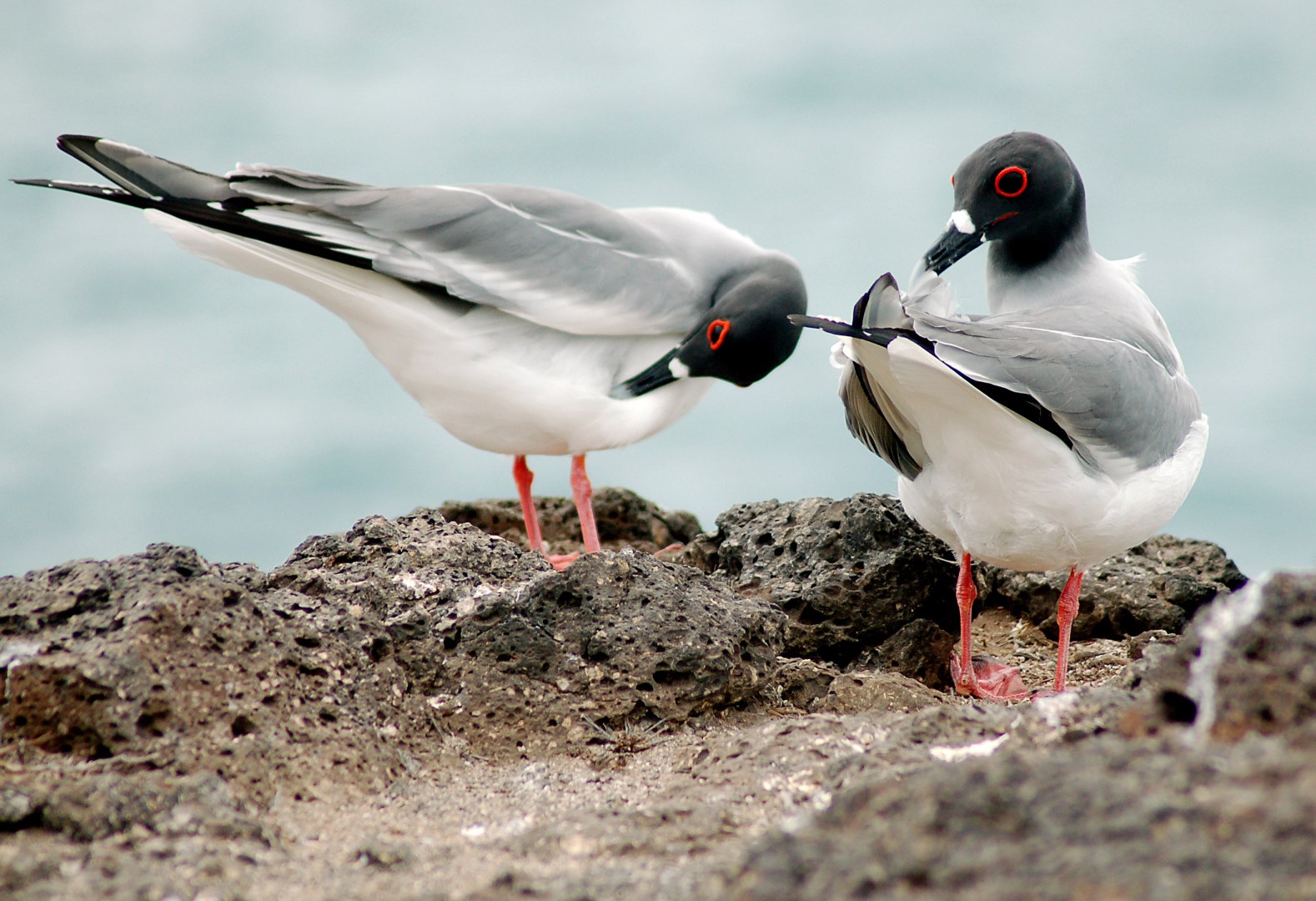
Swallow-tailed Gulls
Photo Credit: Photo by suecan1 from Wikimedia
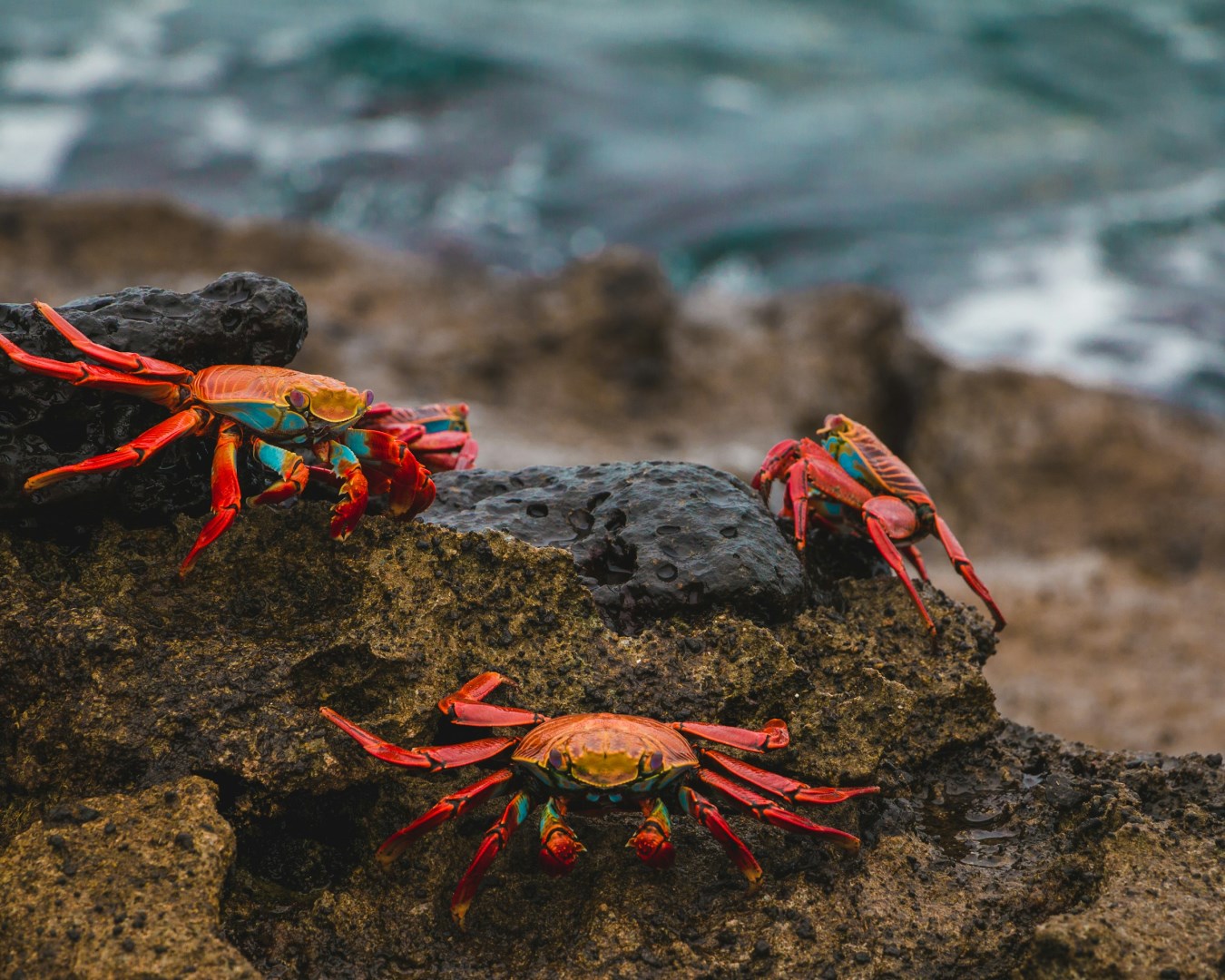
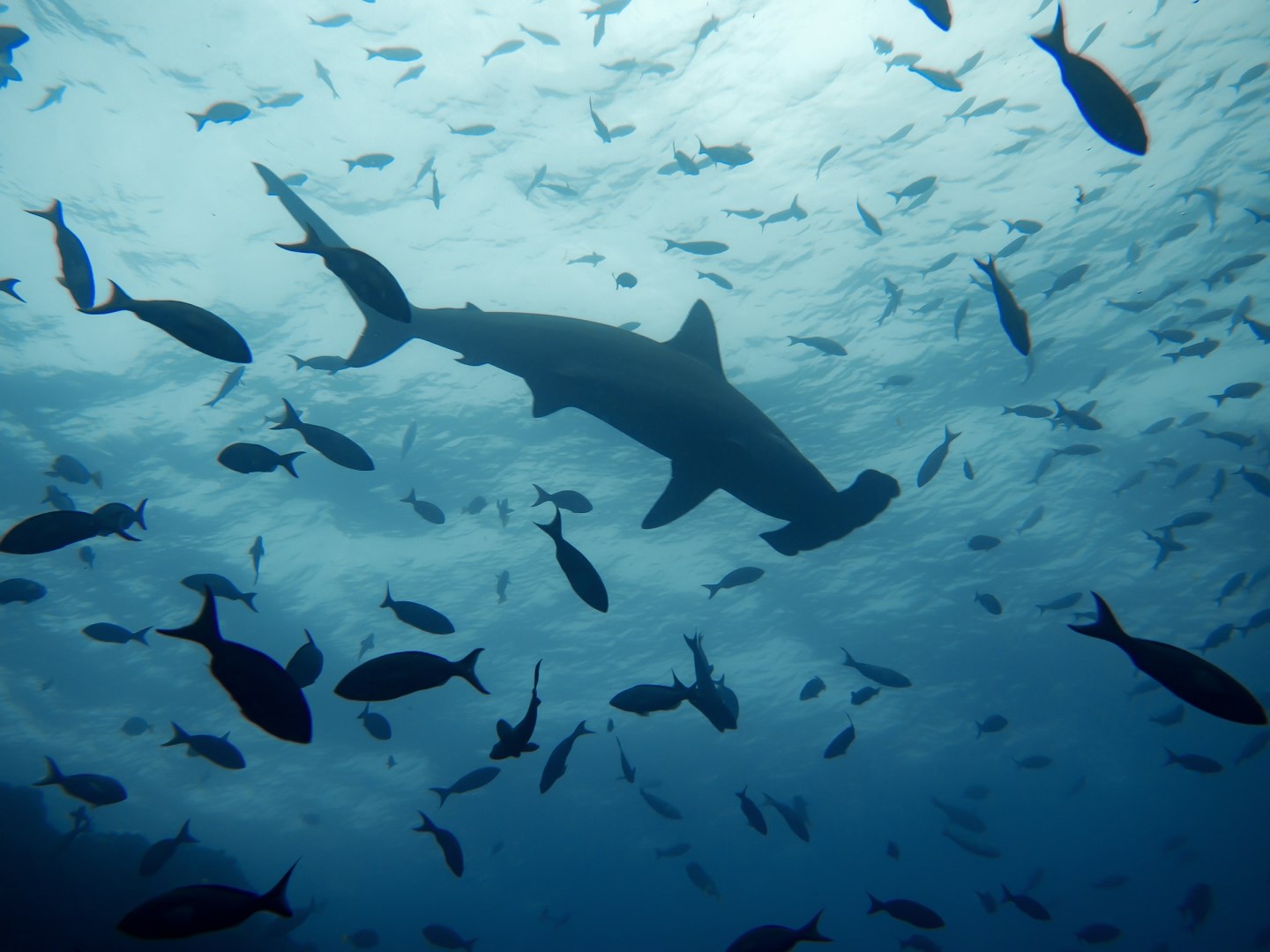
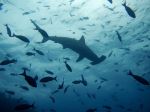
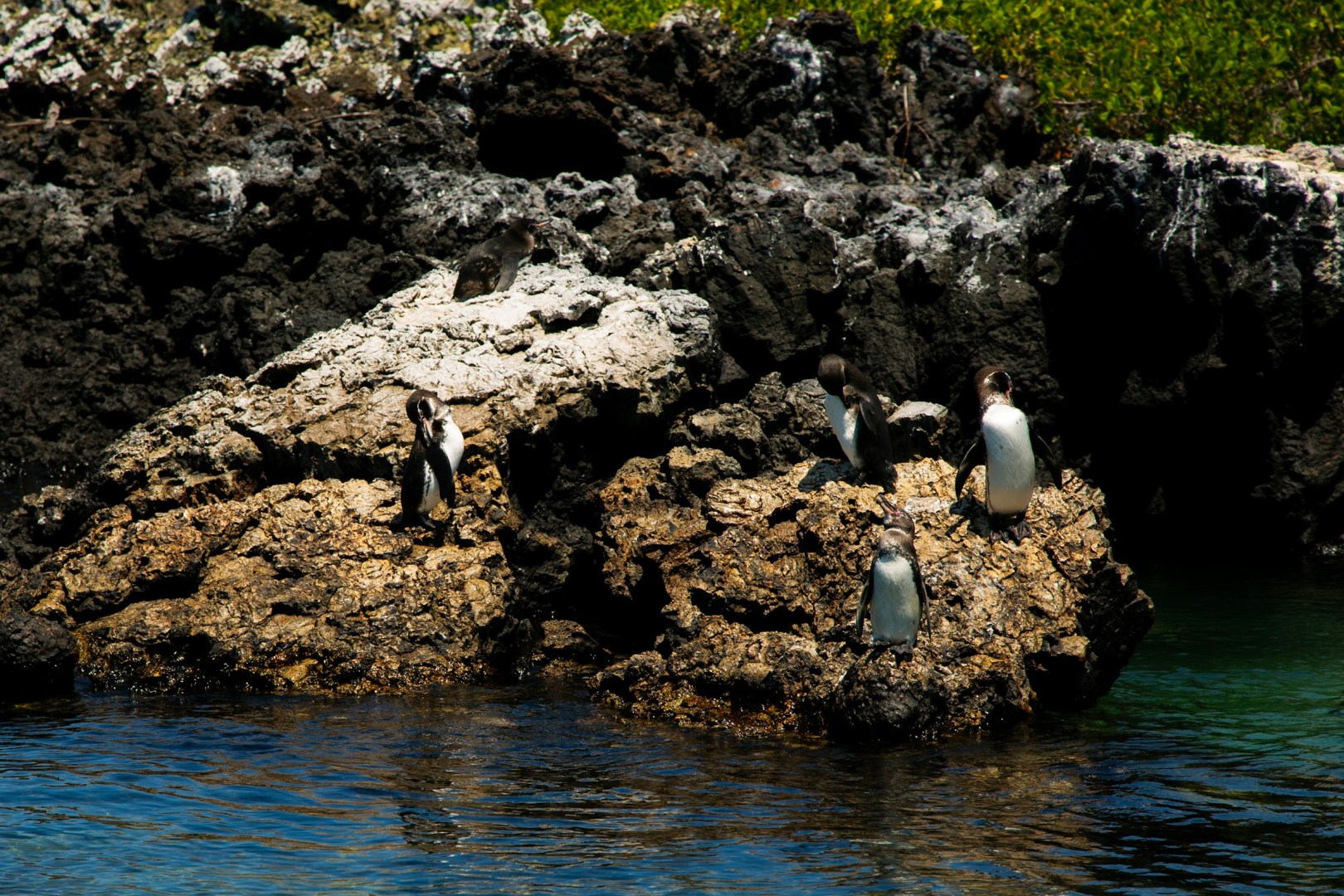
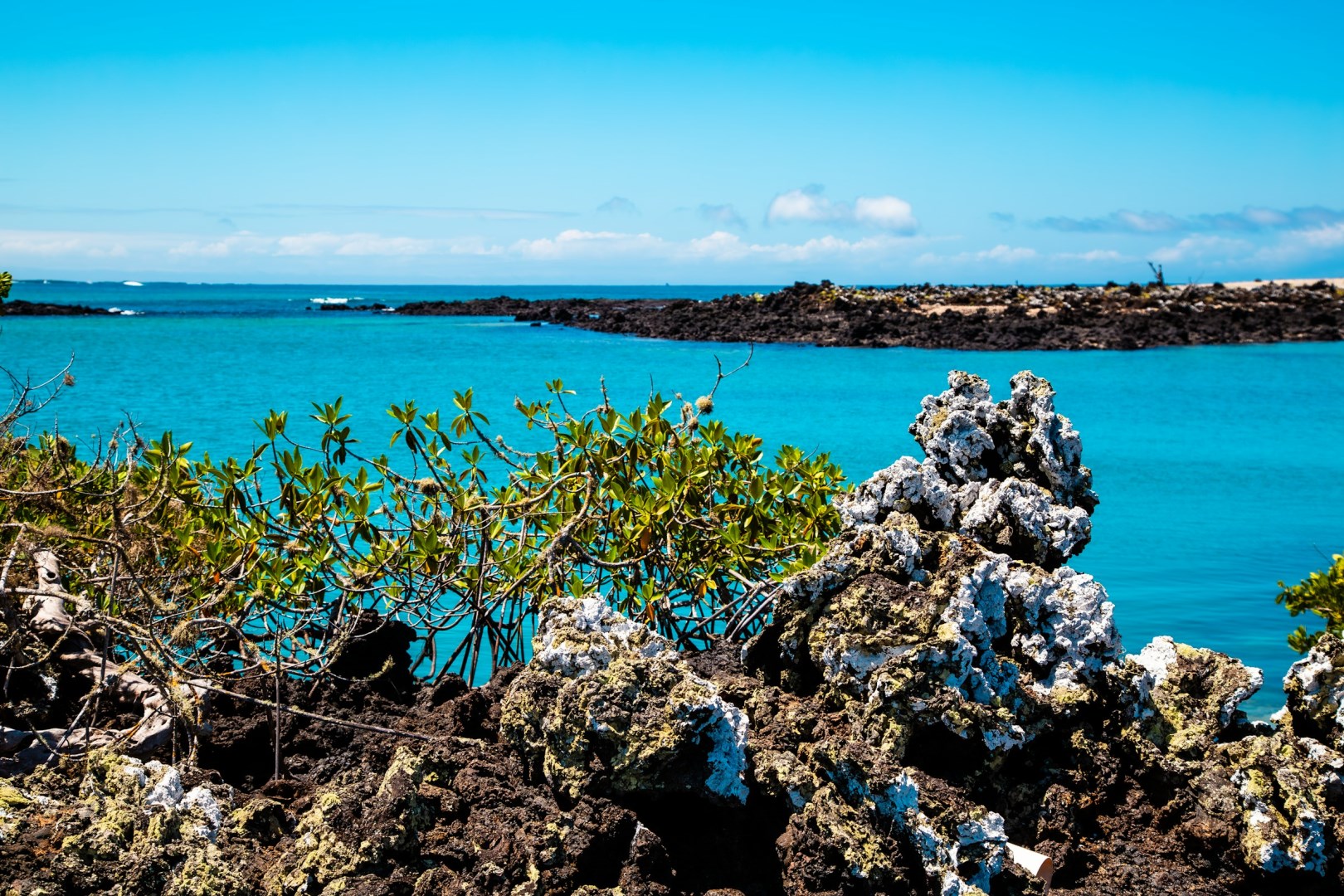
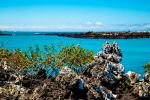
Off the coast of Ecuador, the iconic and biodiverse Galápagos Islands, made famous by Charles Darwin’s nineteenth-century research expeditions on HMS Beagle, beckon you. This glittering archipelago, surrounded by vivid turquoise waves, abounds with stunning beaches and spectacular wildlife, perfect for the adventurous traveler.
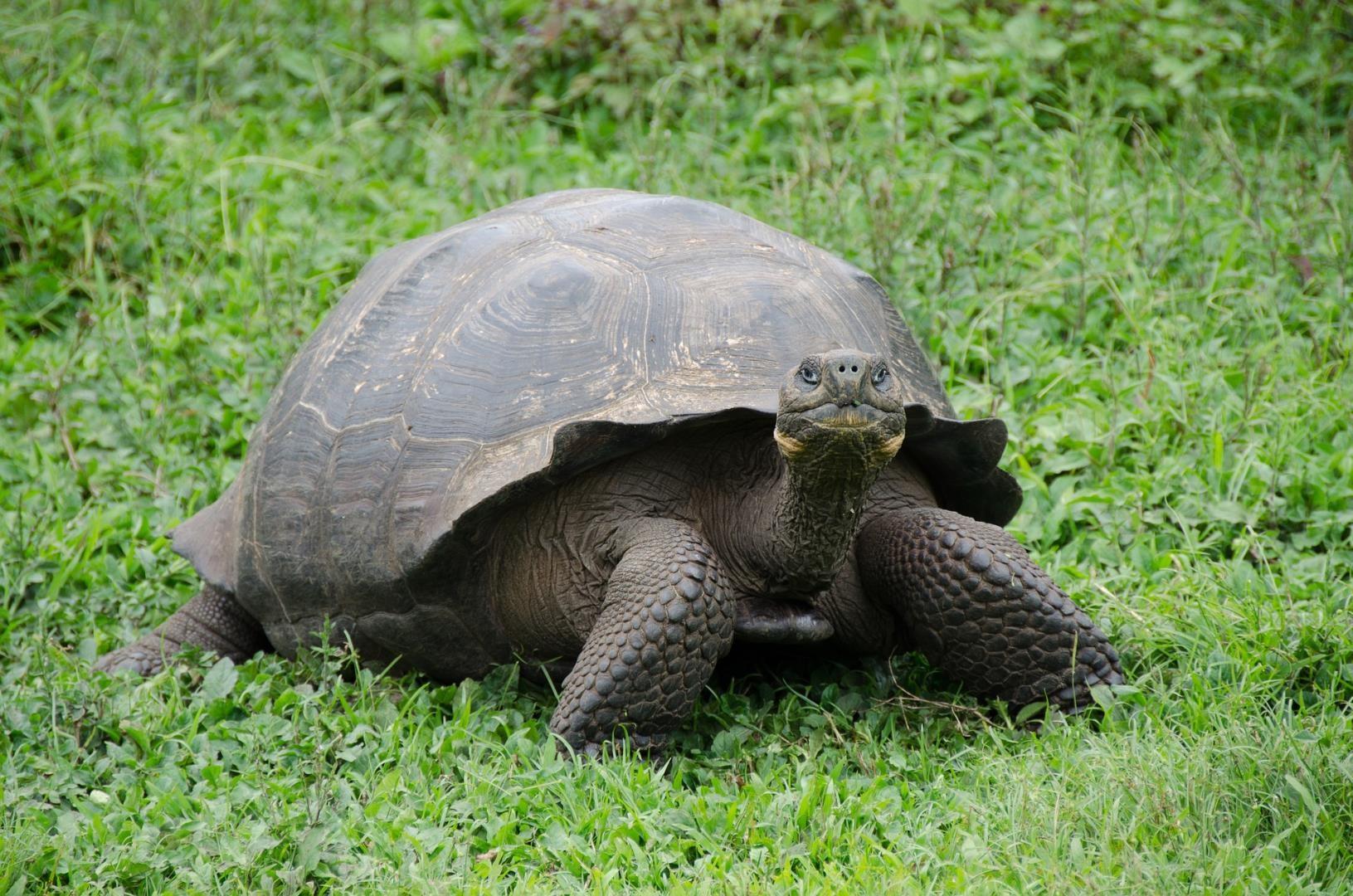
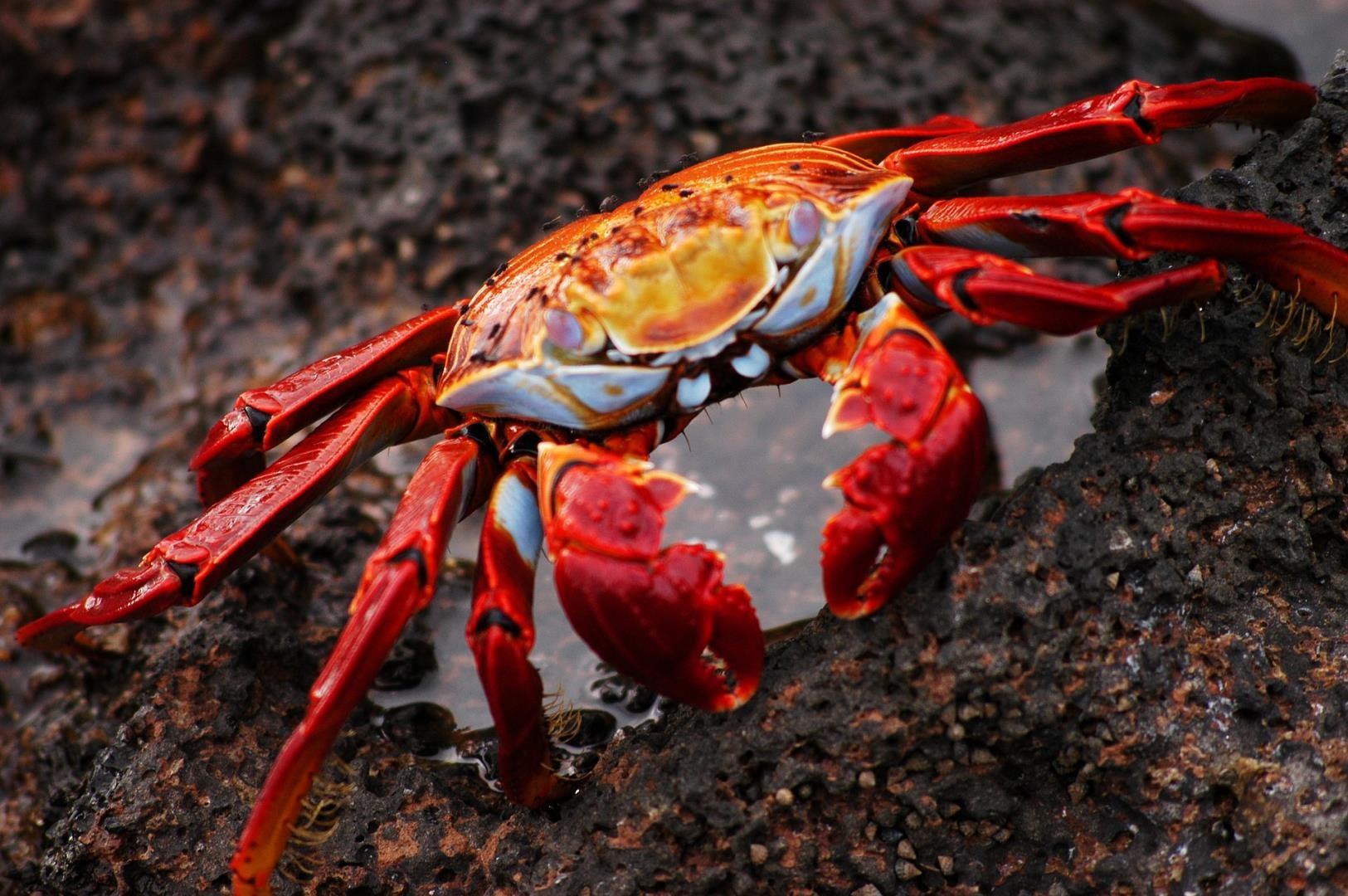
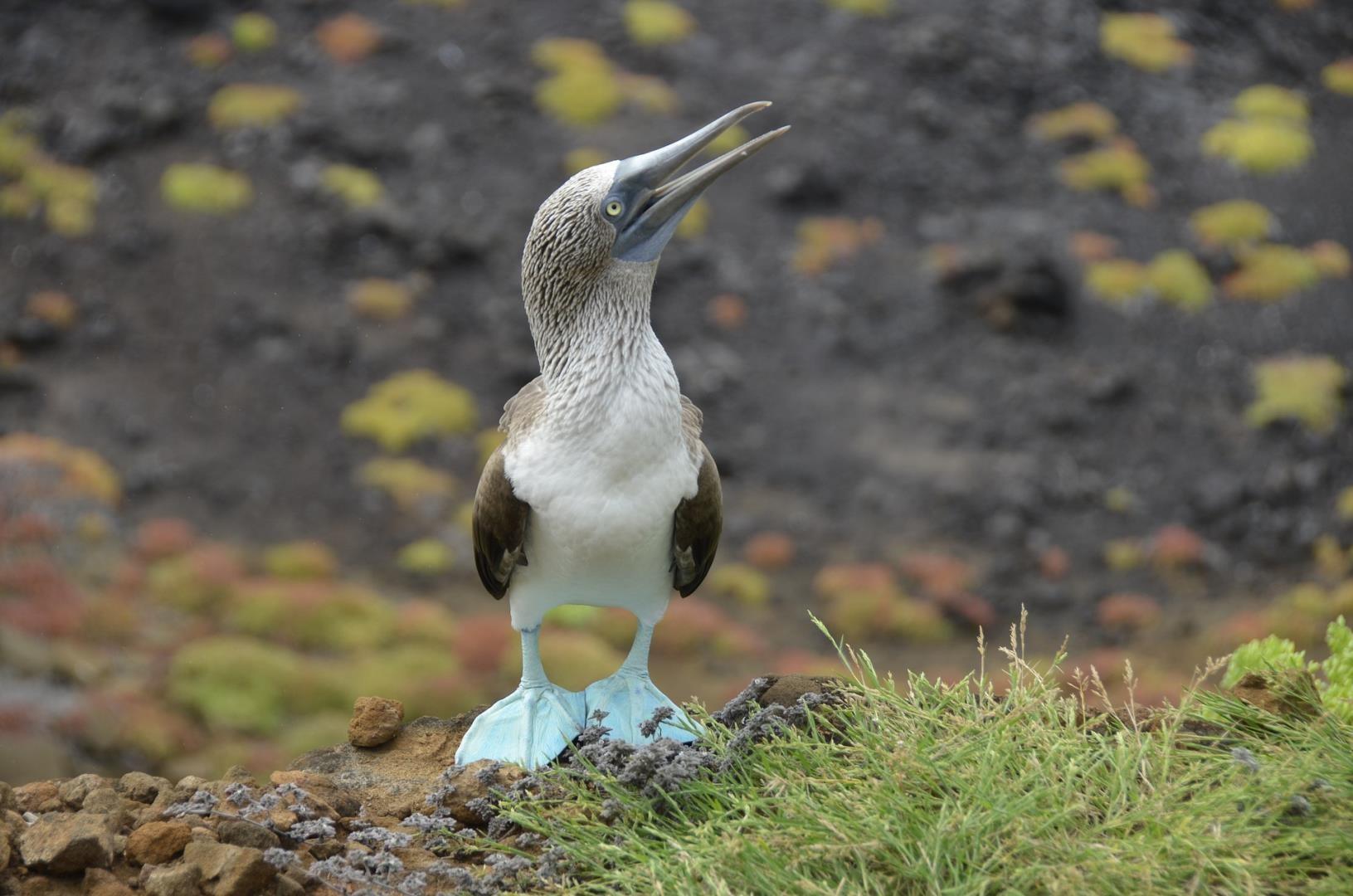
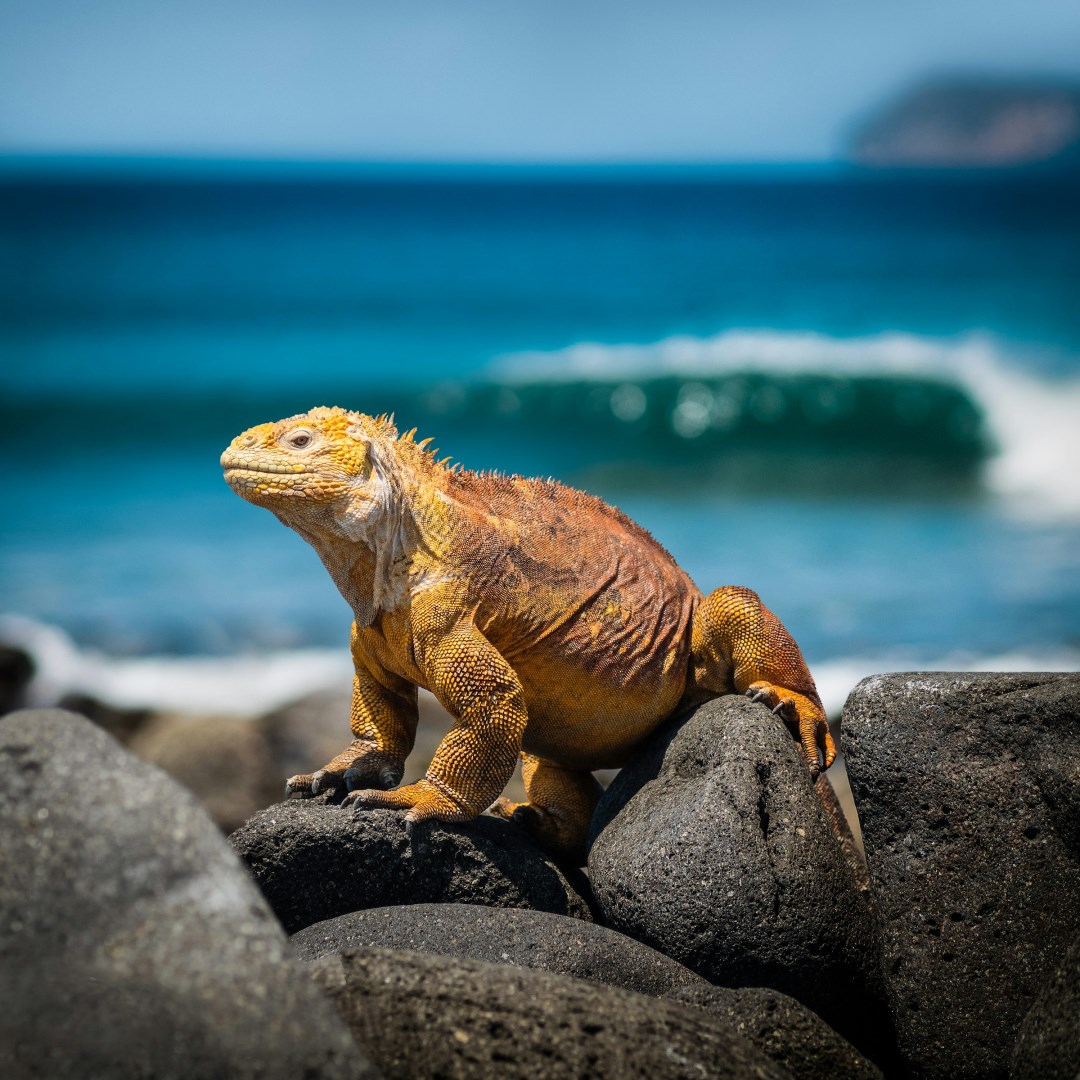
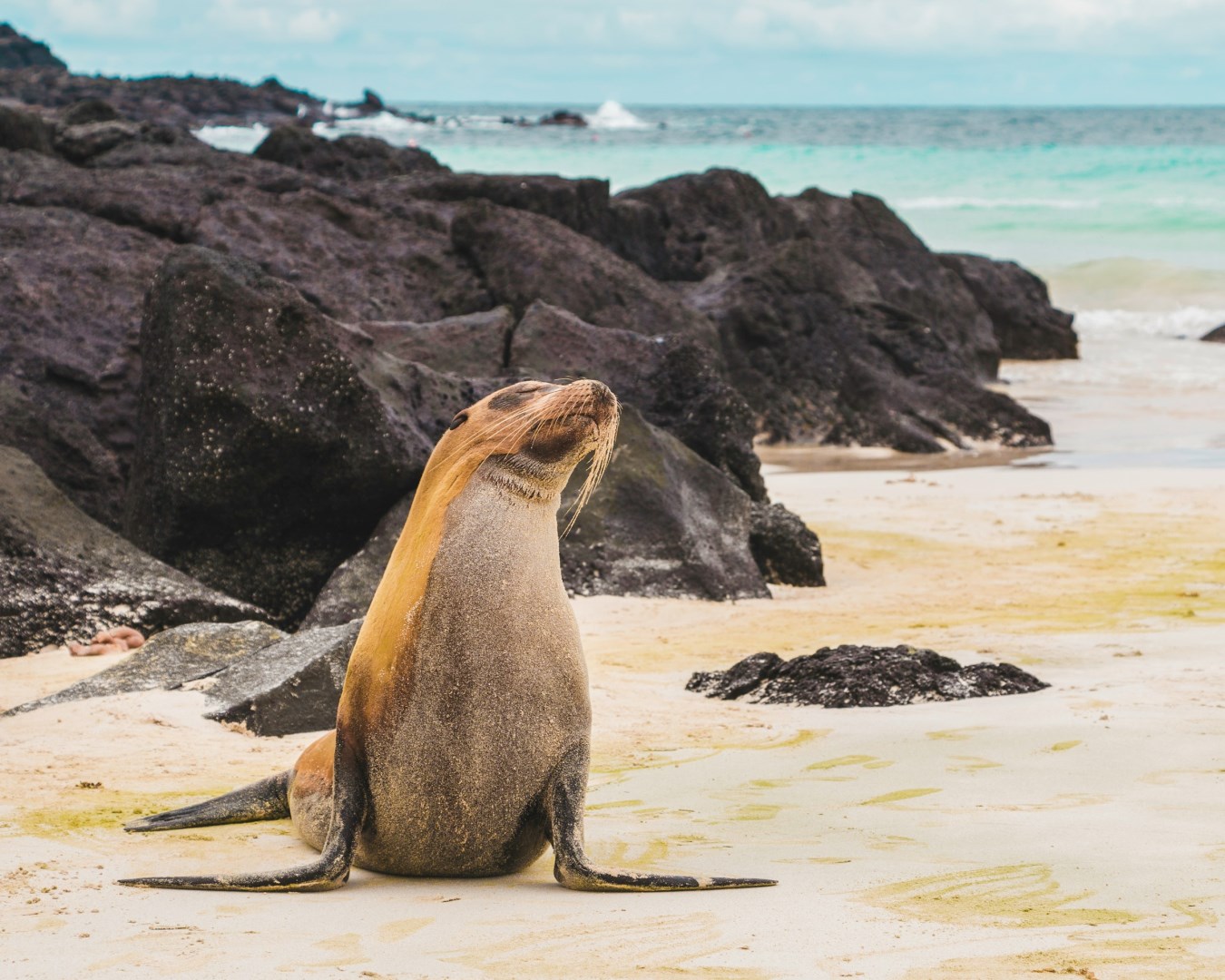
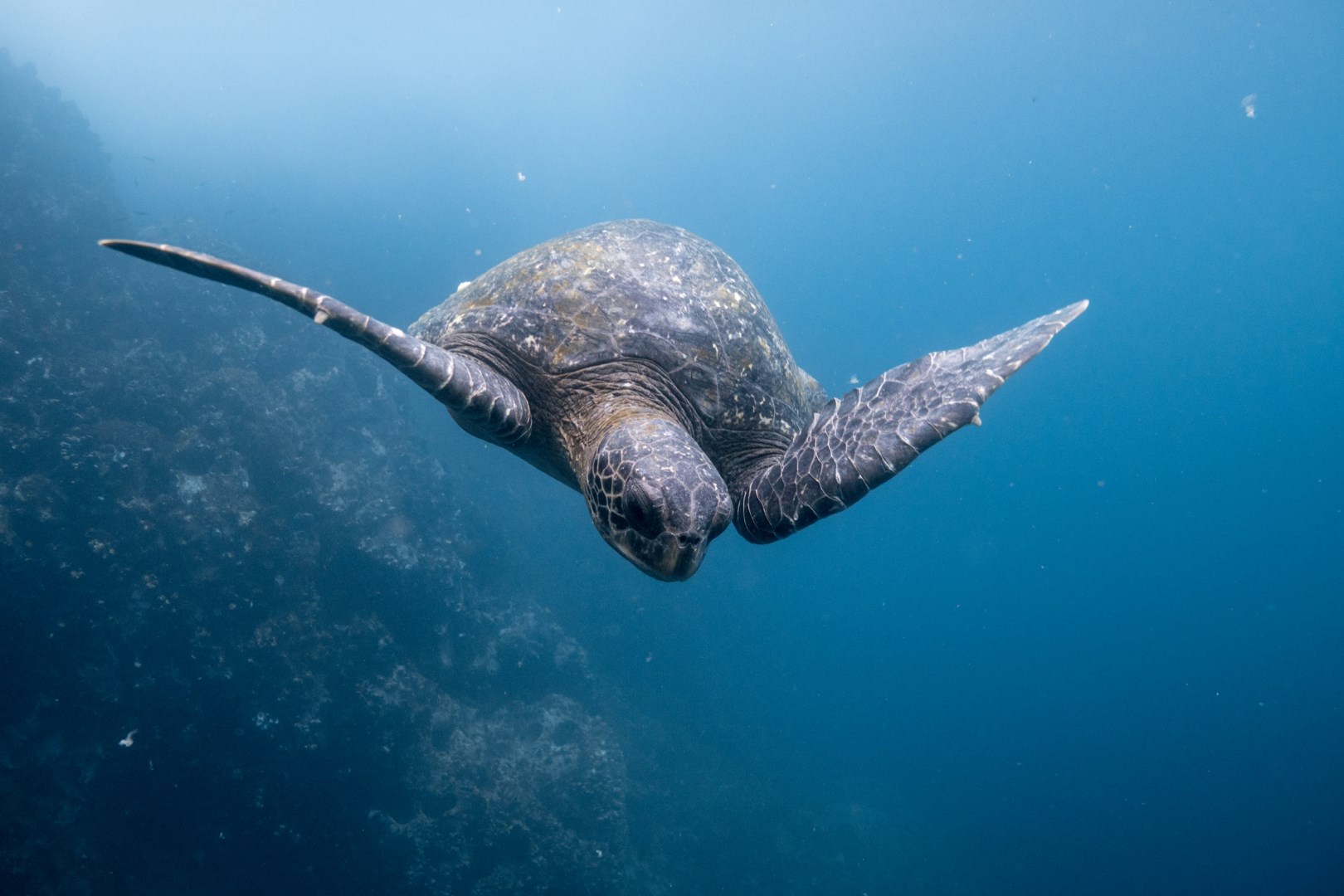
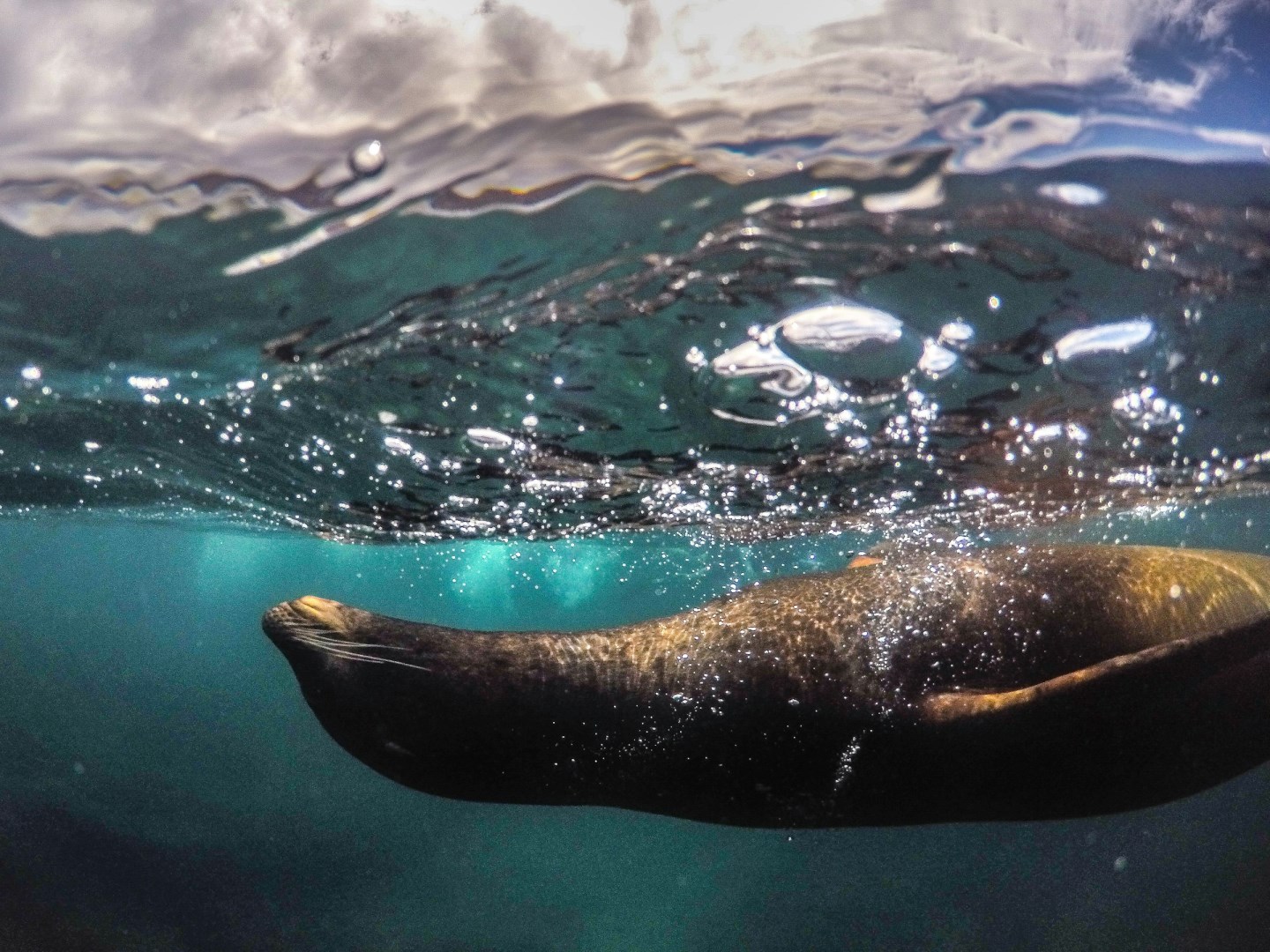
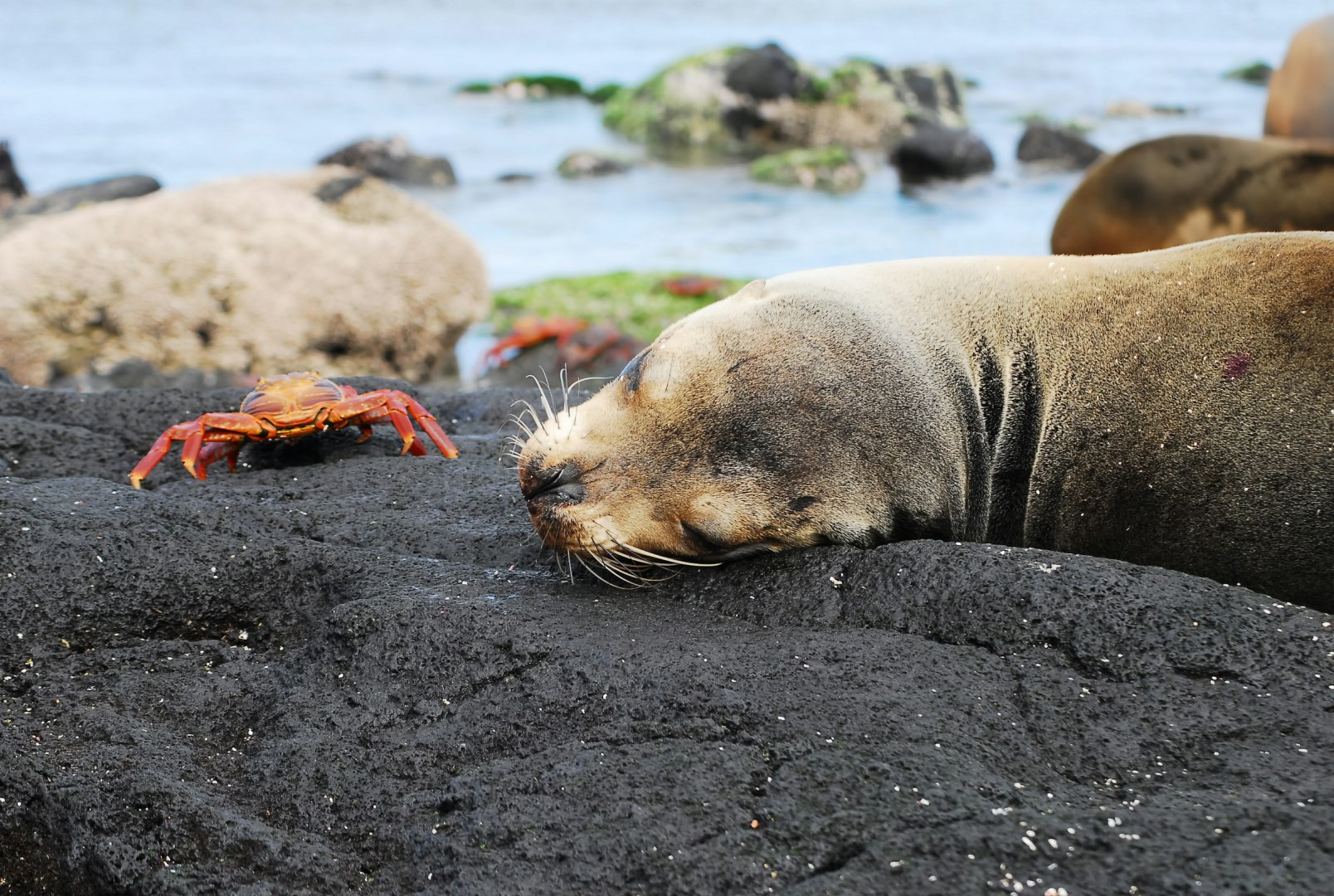
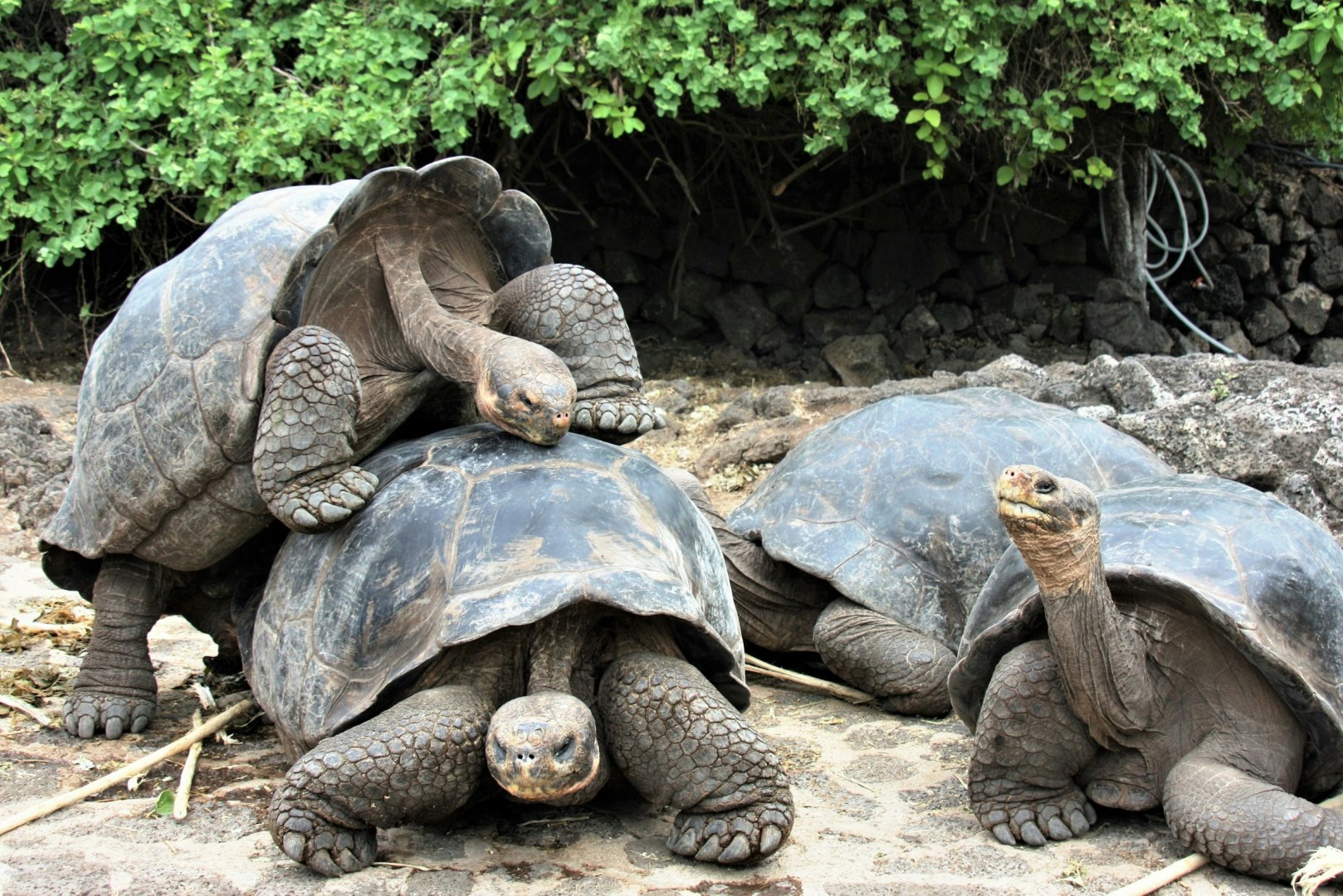
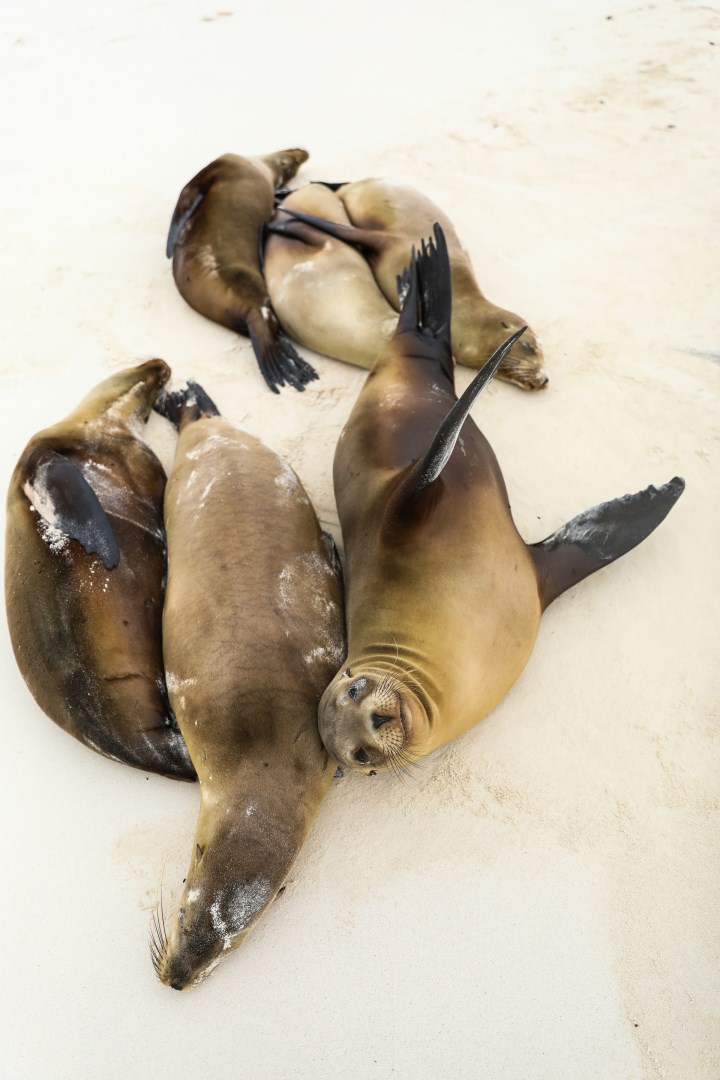
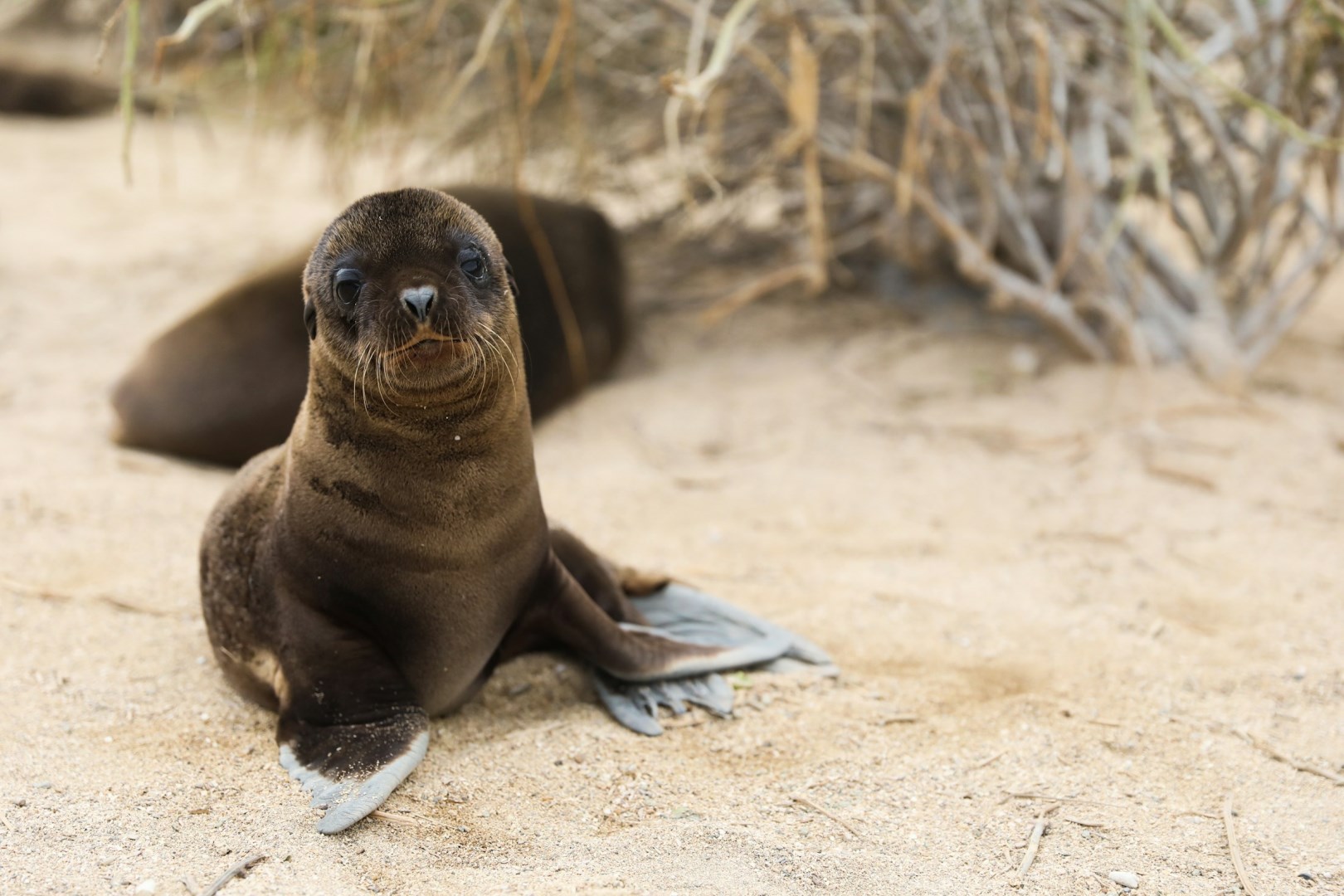
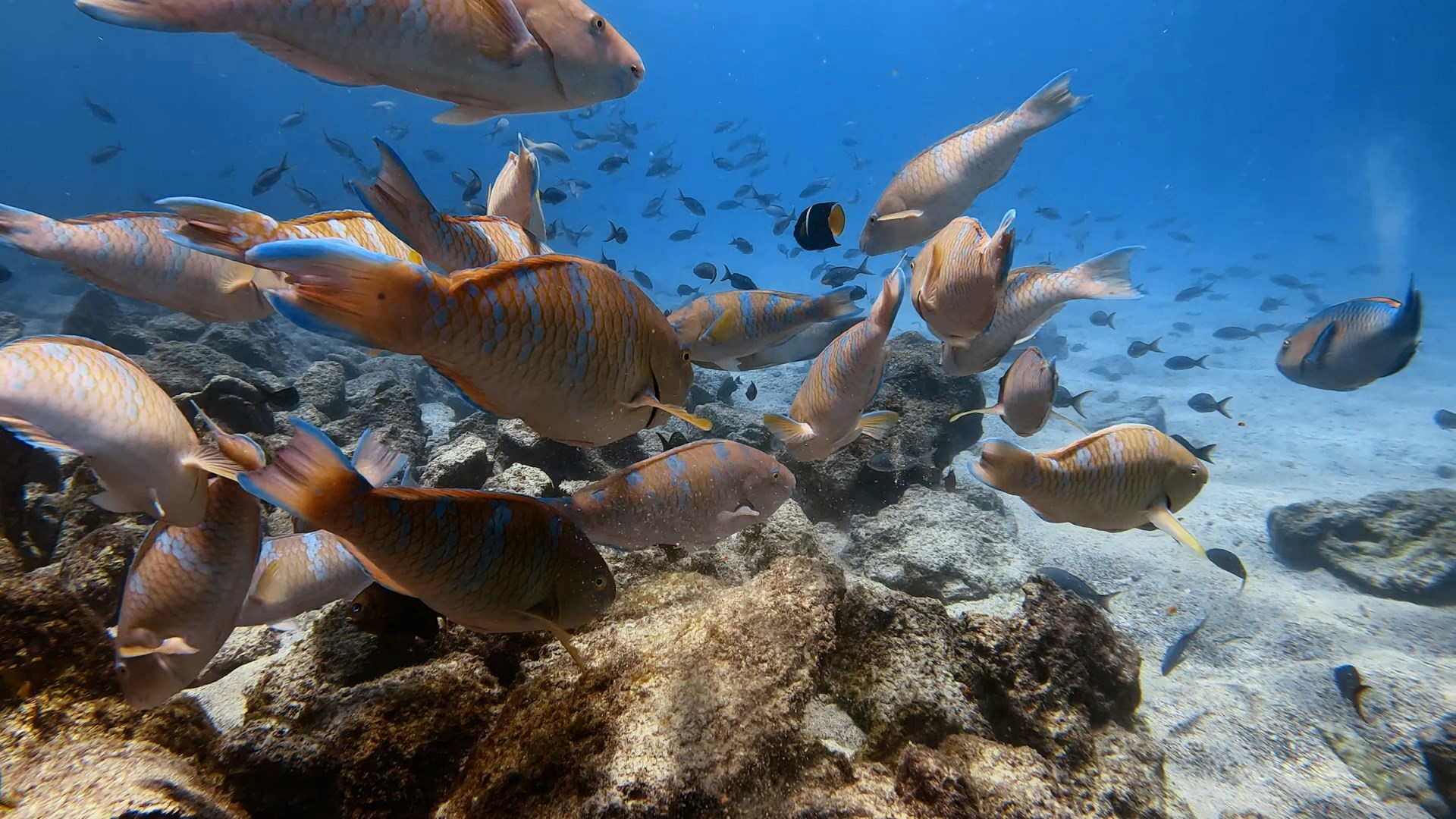
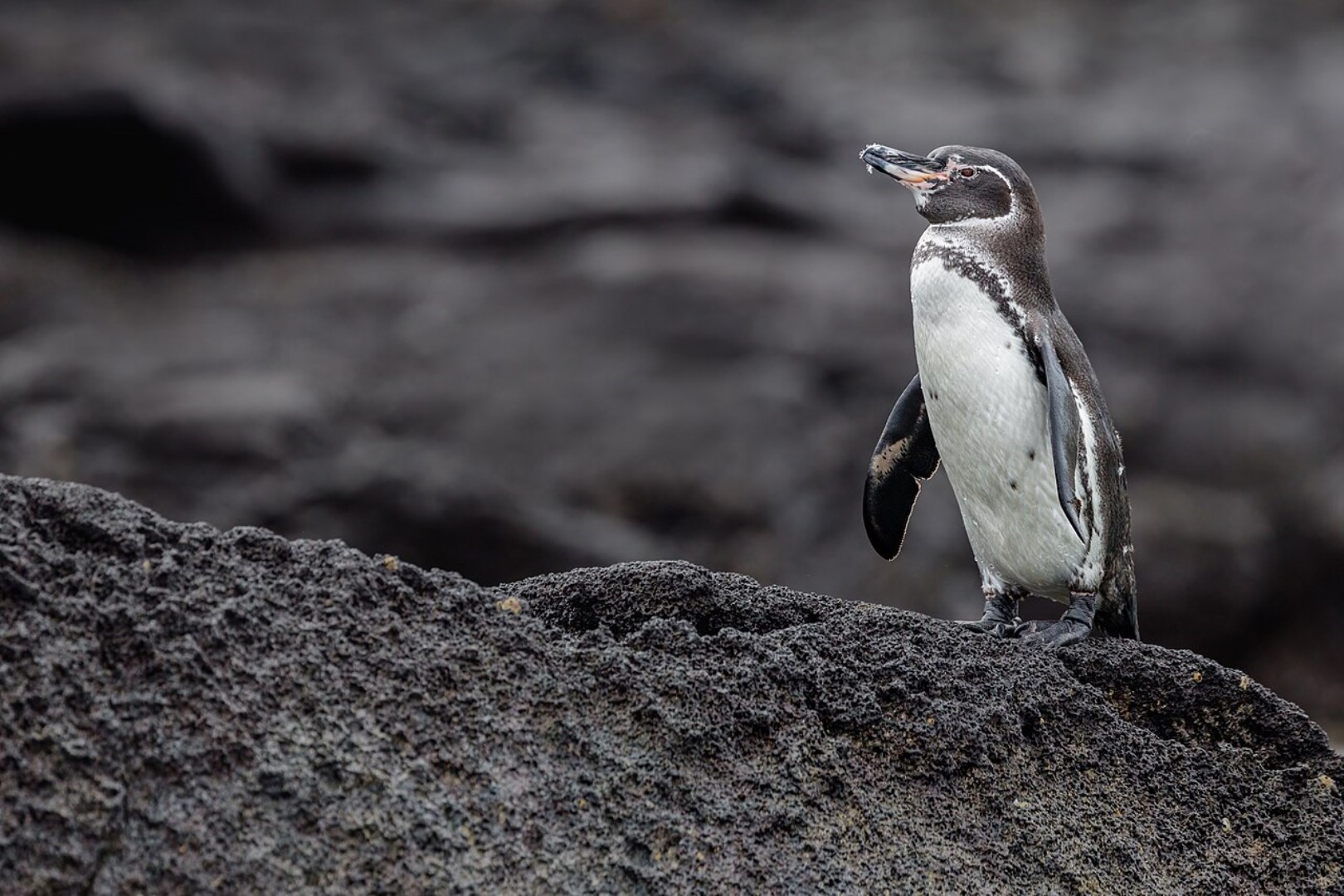
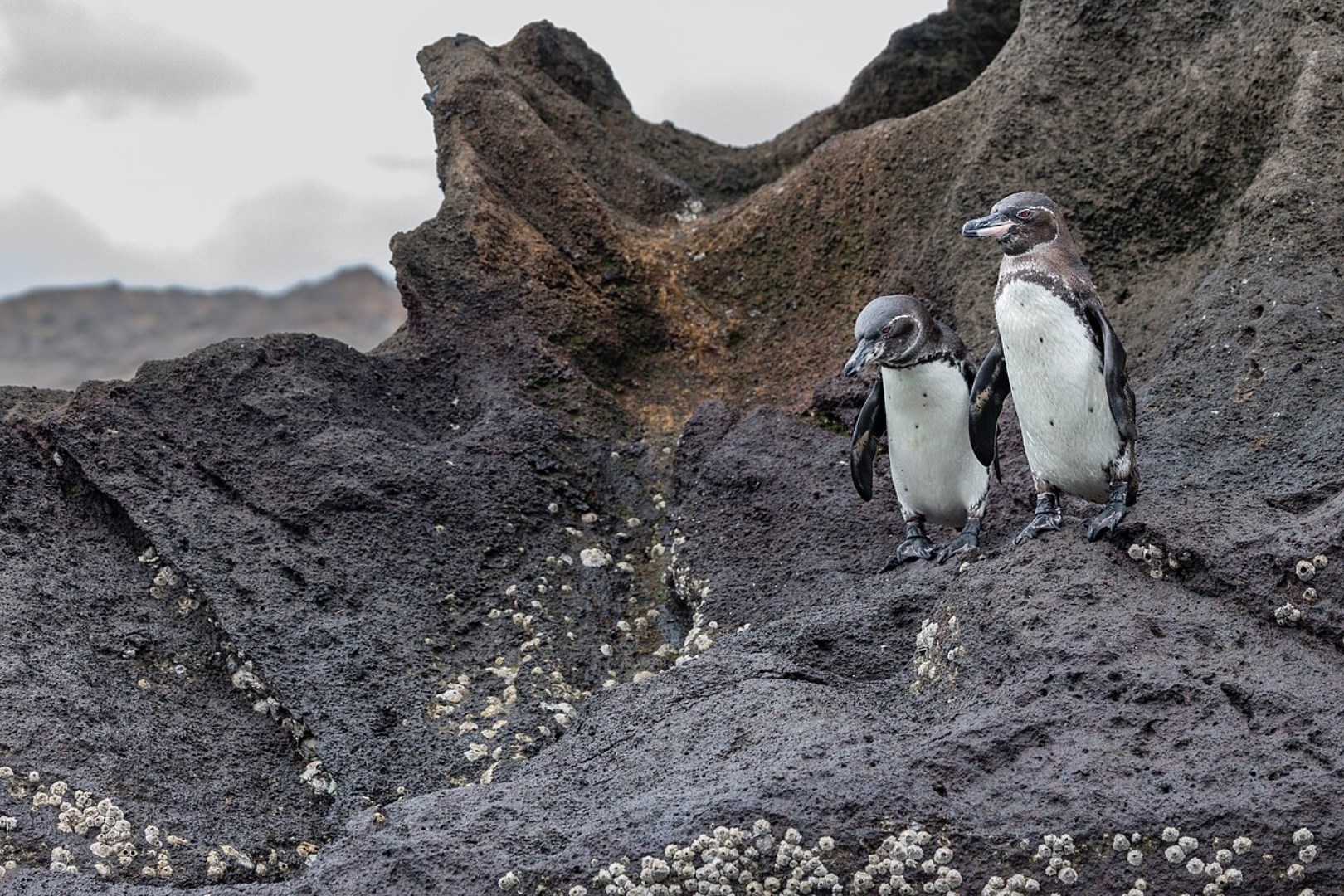
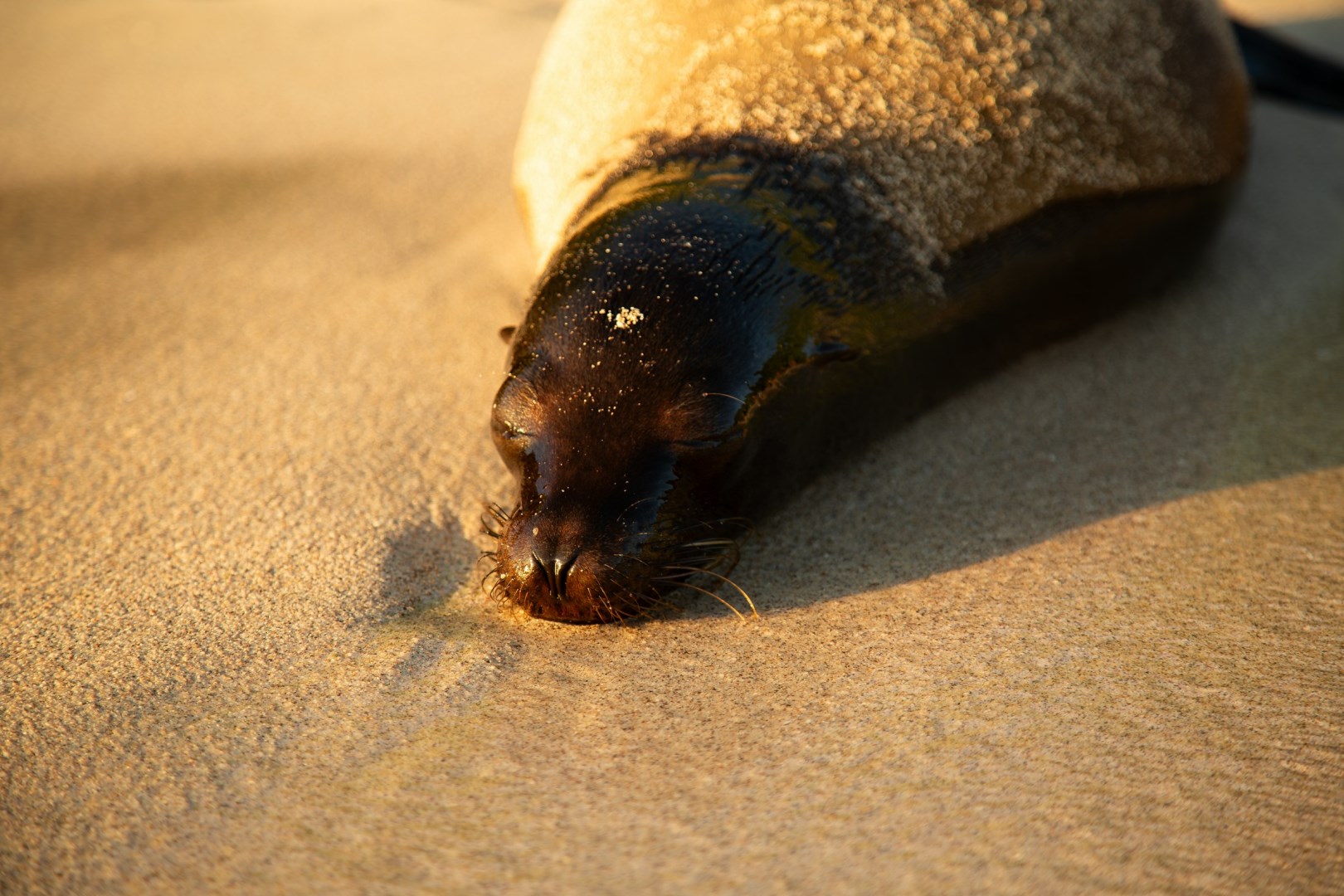
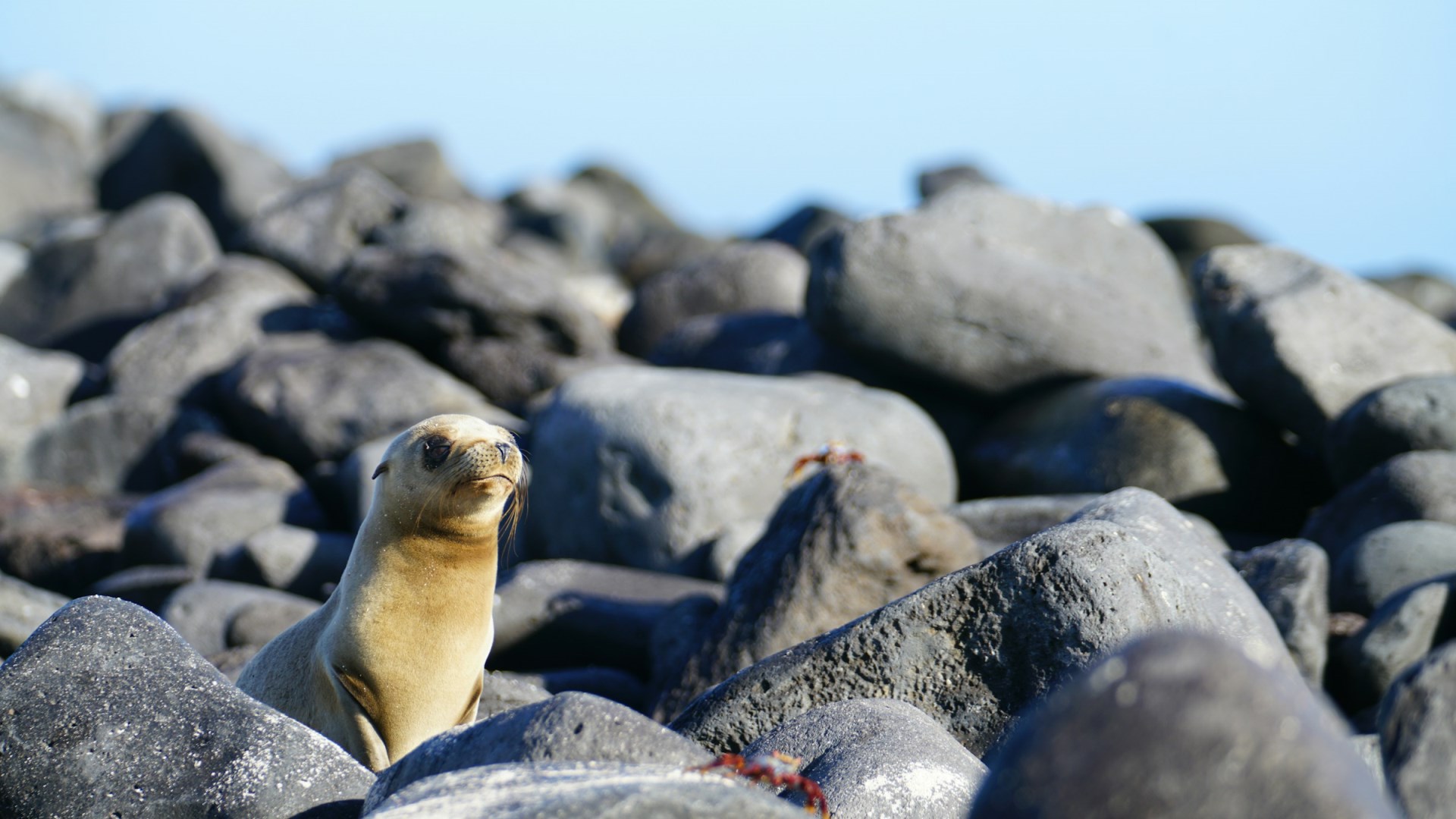
A popular destination for South American cruises, you’ll find plenty to see and do on each island. Sea lions, iguanas, blue-footed boobies, penguins, and the infamous Galápagos tortoises are just a few of the many indigenous wildlife that make these islands home. Favorite spots for animal watching include Tortuga Bay, Reserva El Chato (a tortoise reserve), and Parque Nacional Galápagos. Venture to San Cristóbal Island and Isabela Island for the archipelago’s best snorkeling or trek up the Sierra Negra volcano, the only Galápagos volcano accessible to hikers, for panoramic island views. Unwind in the island’s picturesque towns, including Puerto Ayora and Puerto Villamil, and be sure to sample authentic Ecuadorian cuisine and fresh seafood dishes.
Discover your next adventure in the Galápagos Islands!
Other Popular Destinations in Ecuador
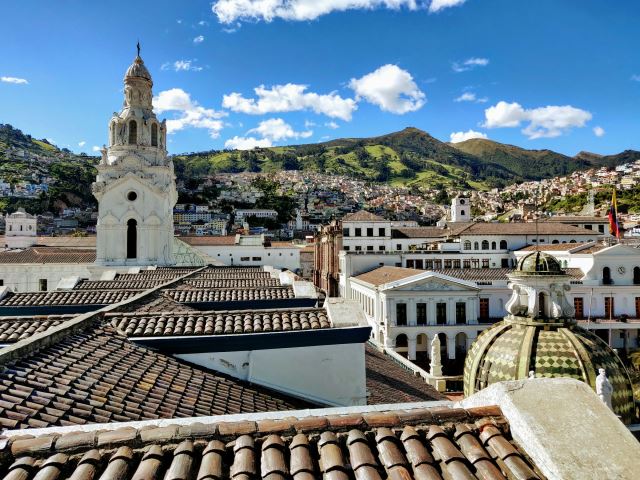
Quito
Situated on the equator and nestled beneath an imposing volcano, the rugged, sprawling, and vibrant city of Quito offers adventure galore. A South American gem and Ecuador’s capital, Quito combines the best of its Incan and Spanish influences in fascinating cultural attractions, and the city’s surrounding natural beauty will surely astound you.
Santa Cruz Island
Santa Cruz Island is the beating heart of the Galápagos and is home to the largest town in the archipelago, Puerto Ayora, and a key access point for travelers exploring this unique region. But beyond its small port and shops, the island reveals a surprising range of ecosystems, from black lava shores to lush highlands where giant tortoises roam freely.