
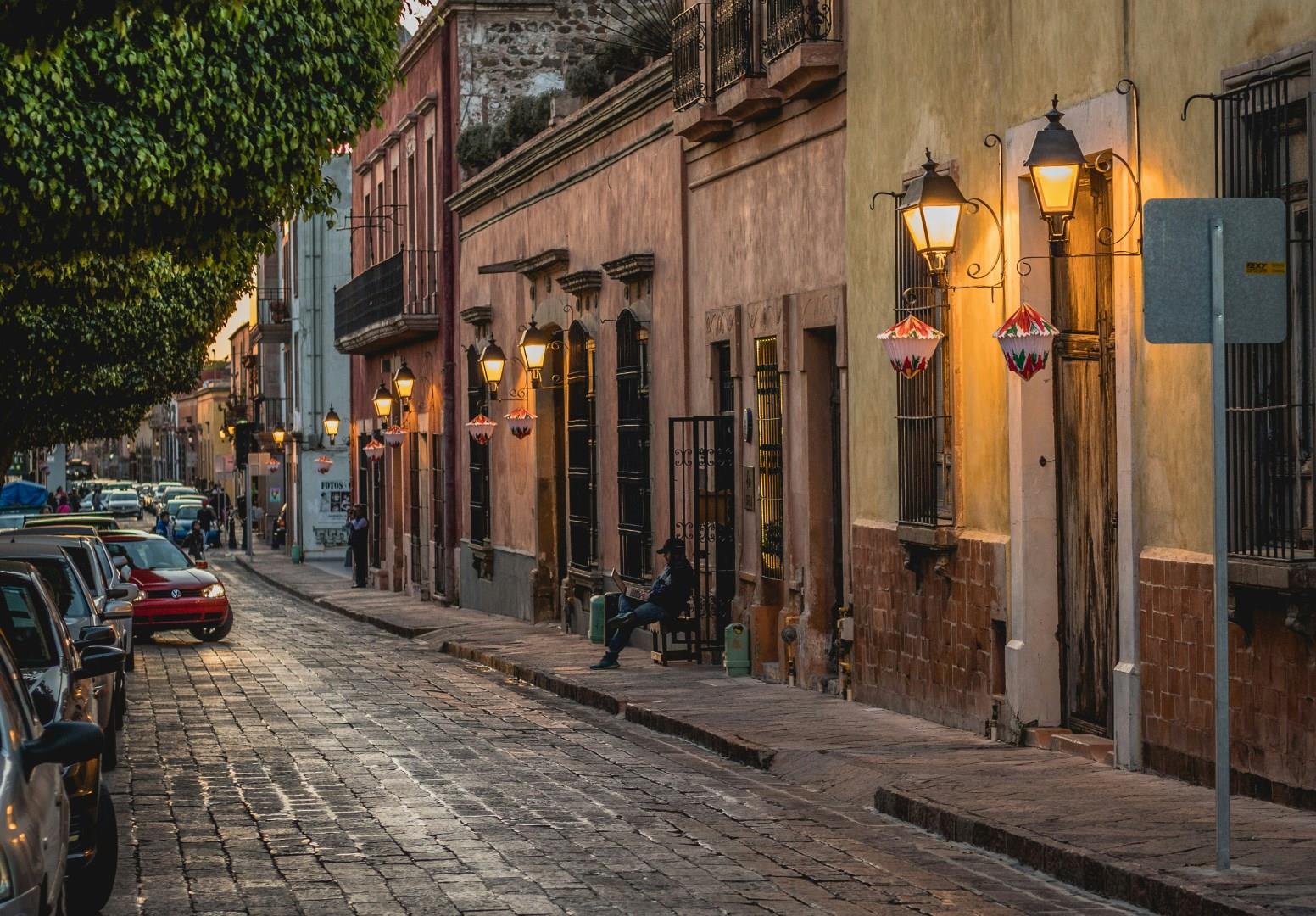
Querétaro
Querétaro, located in the heart of central Mexico, is a city where centuries of history are still visible in daily life. Its historic center, a UNESCO World Heritage Site, features narrow streets, elegant plazas, and baroque churches that reflect its colonial past. One of the city’s most iconic landmarks is the massive aqueduct, built in the 18th century with 74 stone arches stretching nearly a mile across the landscape.

Isle of Man
The Isle of Man, nestled in the Irish Sea between Great Britain and Ireland, offers visitors a blend of rich history and distinctive culture. Known for its ancient Celtic and Viking roots, the island’s heritage can be explored through sites like Peel Castle, built on a rocky island in the harbor of Peel, and the ancient Manx museums scattered throughout.
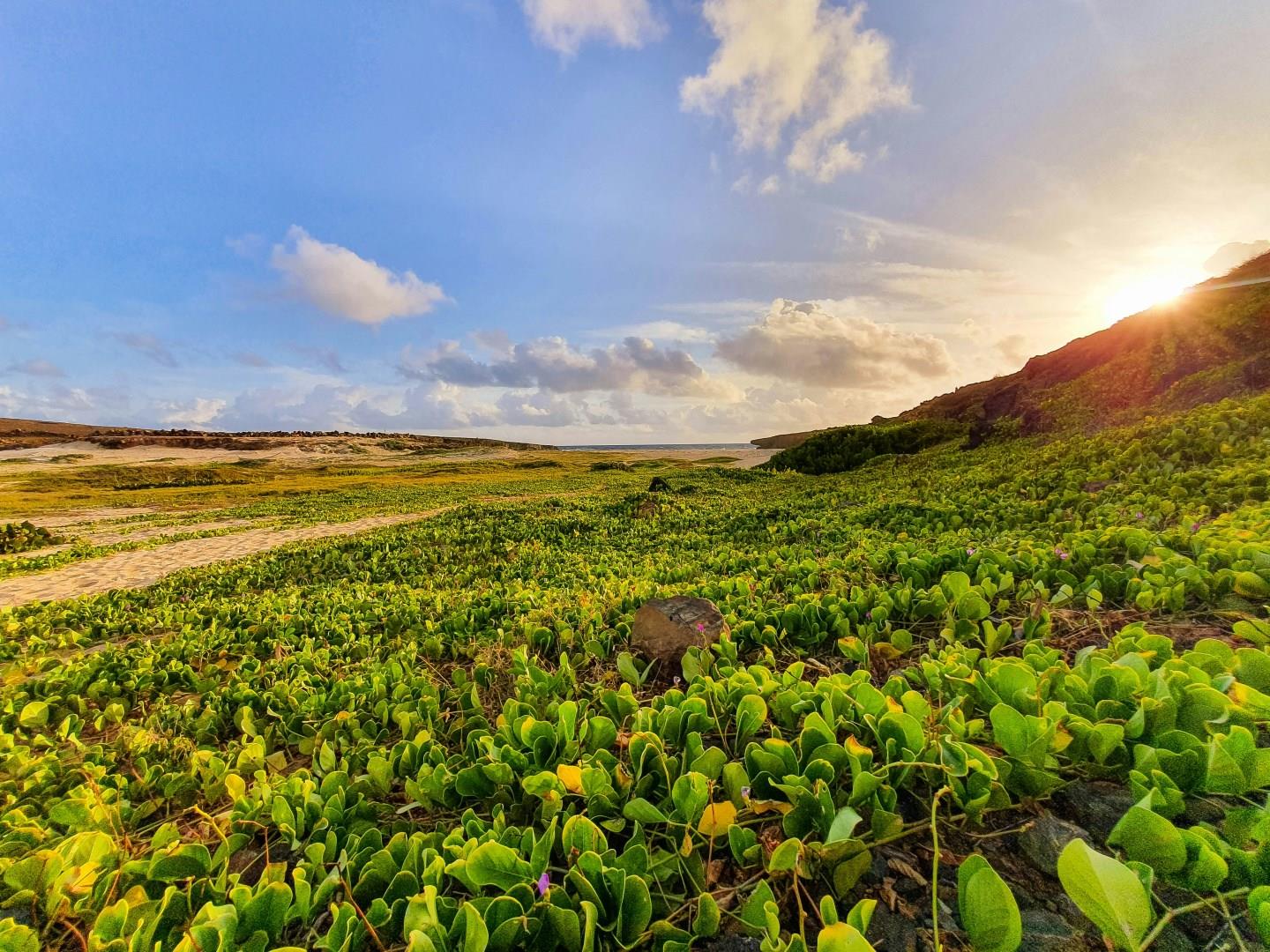
Santa Cruz
Santa Cruz, located in the heart of Aruba, is a gateway to the island’s rugged landscapes and natural wonders. Unlike the coastal resort towns, this inland community offers a more authentic glimpse of everyday Aruban life while placing visitors close to some of the island’s most iconic outdoor attractions.
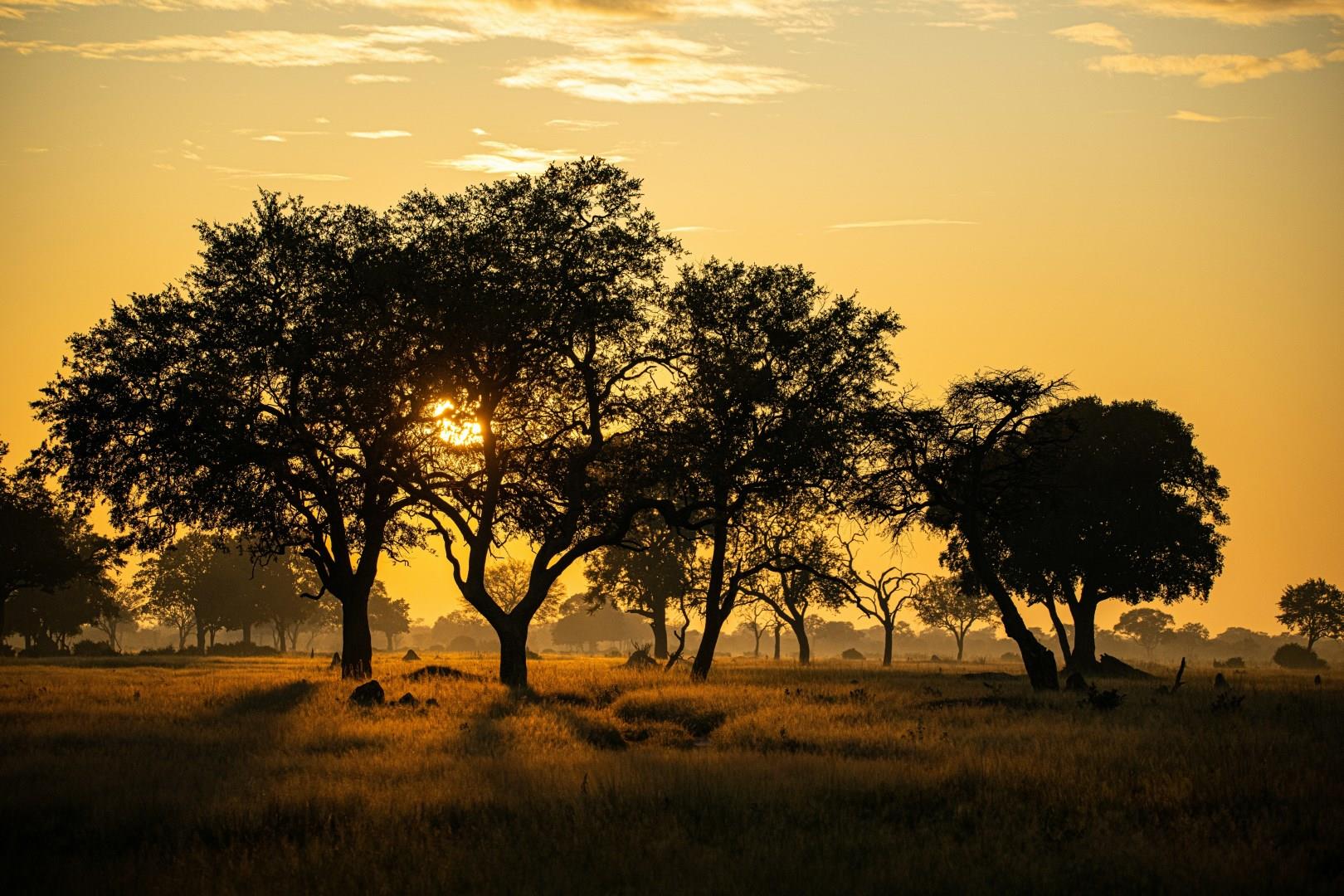
Hwange National Park
Hwange National Park, located in western Zimbabwe, is the country’s largest protected area and one of Africa’s premier wildlife reserves. Covering more than 14,600 square kilometers, it is renowned for its extraordinary diversity of animals and habitats.
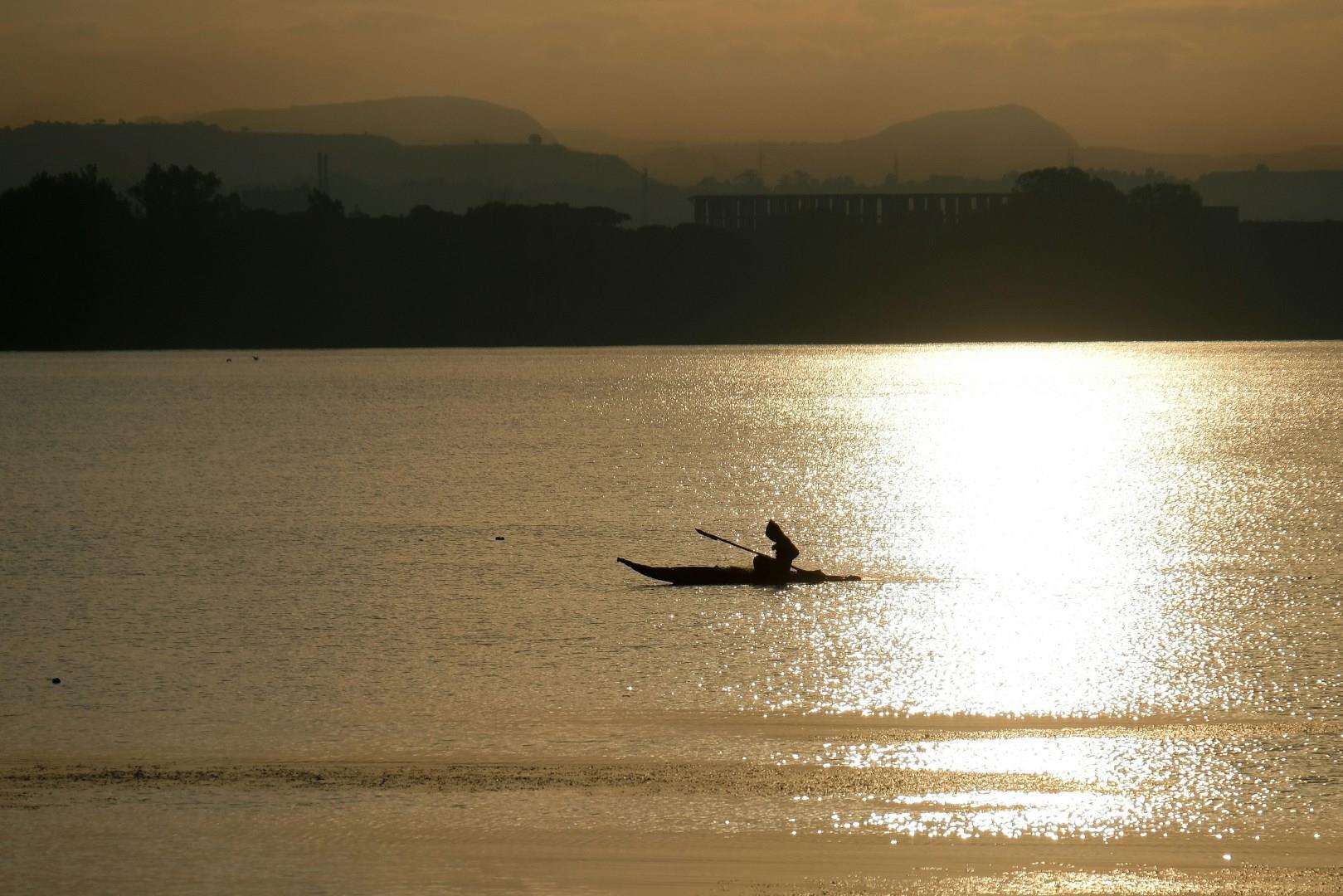
Lake Tana
Lake Tana, located in the northwest of Ethiopia, is the country’s largest freshwater lake and the source of the Blue Nile. Its calm waters are dotted with more than 30 islands, many of which are home to ancient monasteries adorned with religious paintings and manuscripts.


