

Dominica
Dominica, known as the “Nature Island of the Caribbean,” is a haven for eco-tourists and adventure seekers. Nestled between the French islands of Guadeloupe and Martinique, this lush island boasts a remarkable landscape of volcanic mountains, dense rainforests, and stunning waterfalls. Dominica’s most iconic natural wonder is the Boiling Lake, the second-largest hot spring in the world.
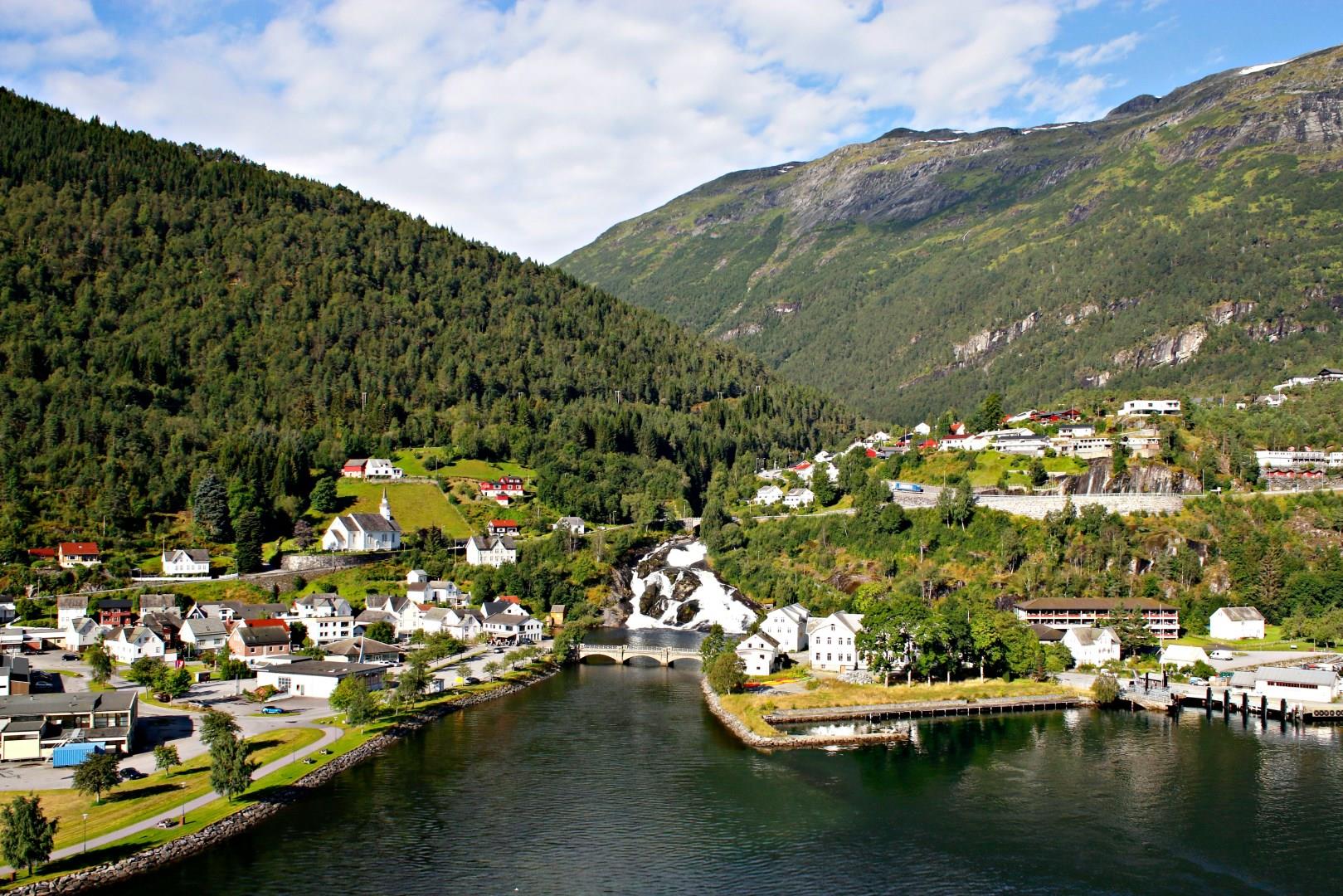
Hellsylt
Hellesylt, a small village on Norway’s western coast, sits at the entrance to the famous Geirangerfjord and offers scenery that feels almost otherworldly. Steep mountains rise sharply on all sides, their slopes cut by ribbons of waterfalls that plunge into deep blue water. One of the most striking sights is the Hellesylt Waterfall, which thunders past the heart of the village and can be admired from several pedestrian bridges.

Odense
At the very heart of Denmark lies Odense, birthplace of Hans Christian Andersen and Denmark's third-largest city - the fairy-tale capital of Funen, home to 200,000 people and with a history stretching back over 1000 years.

Tortola Island
Tortola, the largest island in the British Virgin Islands, beckons travelers with its idyllic beaches and vibrant culture. Known for its stunning natural beauty, Tortola offers crystal-clear waters, lush landscapes, and a range of outdoor activities. Cane Garden Bay, one of the island’s most famous beaches, is renowned for its powdery white sand and turquoise waters.

Rarotonga Island
Rarotonga, the vibrant heart of the Cook Islands, offers visitors a chance to experience island life with striking scenery and rich tradition. This volcanic island is only 32 kilometers around, making it easy to explore by scooter or bicycle in a single day. From the lush mountains of the interior to the lagoon that wraps around the coast, Rarotonga feels intimate but never short on discovery.


