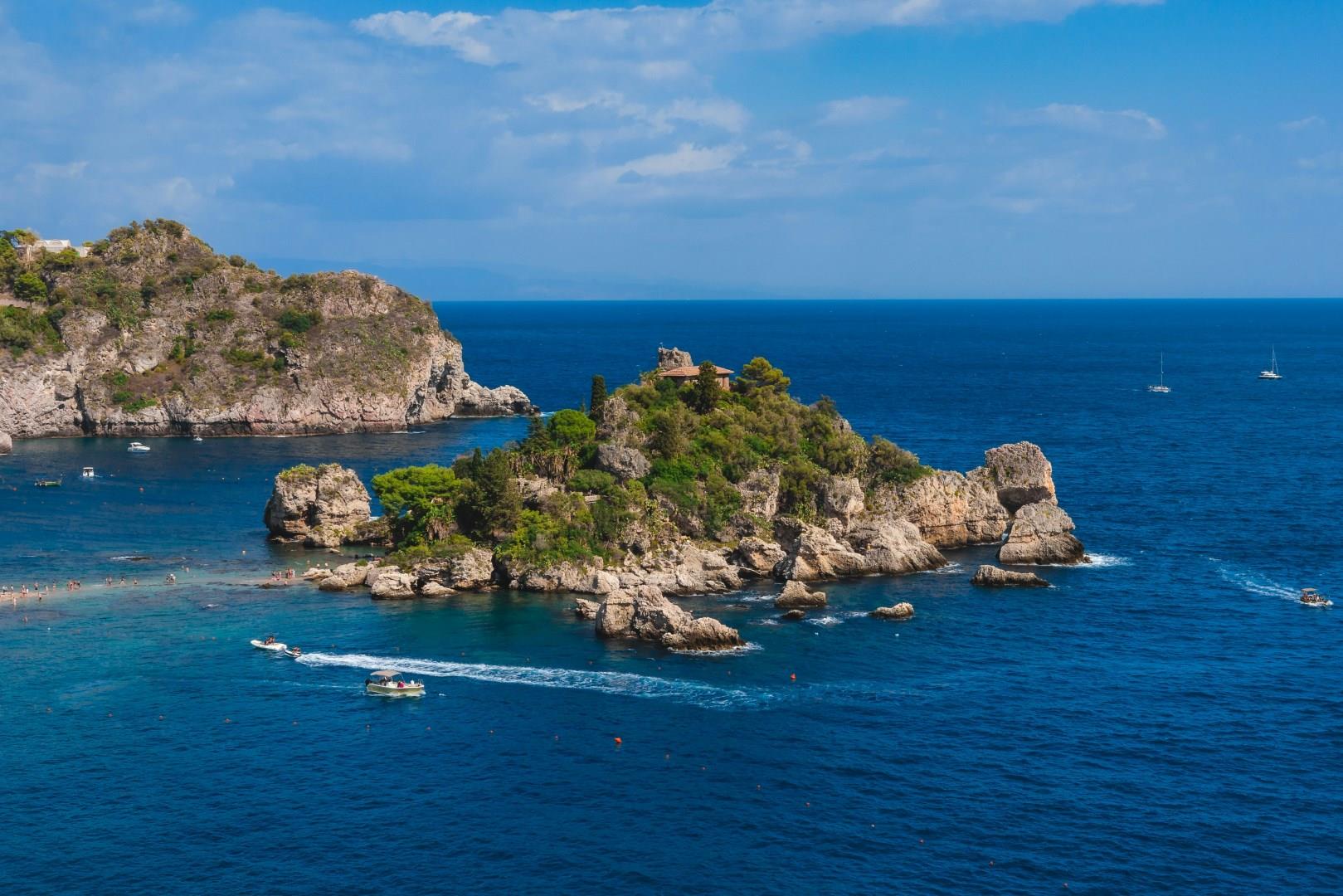
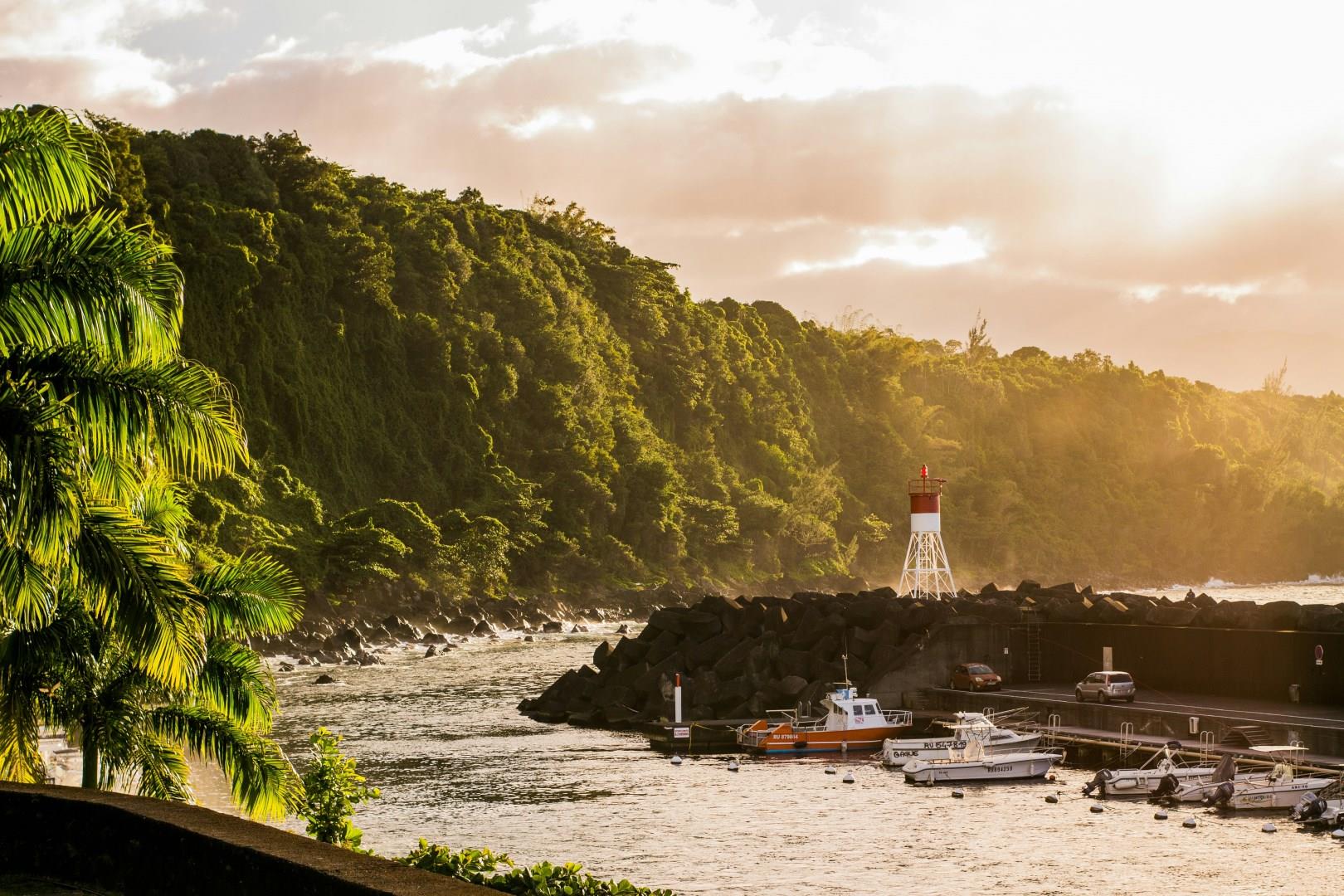
The Beagle Channel, at the southern tip of South America, stretches between Chile and Argentina and offers one of the most striking maritime landscapes in the world. This narrow passage, framed by snow-covered peaks and rocky islands, connects the Atlantic and Pacific Oceans. Its waters are calm compared to the open sea, which has made it a historic navigation route for explorers and sailors for centuries.
Nestled along the south bank of the Danube, this historical Austrian city bursts with charm. A favorite stop on European river cruises, the city's most famous attraction is Melk Abbey, which dates back to the 11th century. The original Benedictine structure was lost to fires and foreign invasion, then rebuilt during the 18th century in lavish Baroque style, including a library and inner church covered in magnificent frescoes and gilded fixtures.
Dominica, known as the “Nature Island of the Caribbean,” is a haven for eco-tourists and adventure seekers. Nestled between the French islands of Guadeloupe and Martinique, this lush island boasts a remarkable landscape of volcanic mountains, dense rainforests, and stunning waterfalls. Dominica’s most iconic natural wonder is the Boiling Lake, the second-largest hot spring in the world.
Nestled in the heart of the French Alps, Chamonix is a captivating destination renowned for its stunning alpine scenery and outdoor adventure opportunities. As the gateway to Mont Blanc, the highest peak in Western Europe, Chamonix is a haven for mountaineers, hikers, and skiers. The Aiguille du Midi cable car takes visitors up to 3,842 meters, offering breathtaking views of the surrounding peaks and glaciers.
Elba Island, off the coast of Tuscany, is a Mediterranean gem known for its crystal-clear waters, diverse landscapes, and historical significance. This idyllic island is the largest in the Tuscan Archipelago and offers a perfect blend of natural beauty and cultural heritage. Visitors can explore pristine beaches such as Cavoli and Procchio, where turquoise waves lap against golden sands, making it an ideal destination for sunbathing, snorkeling, and diving.
Nestled along the fjord-studded coastline of Norway, Molde is renowned for its breathtaking natural beauty and rich cultural heritage. Often called the "City of Roses" for its flourishing gardens and floral displays, Molde offers visitors a stunning panorama of 222 mountain peaks visible from its scenic viewpoints, including the renowned Varden Viewpoint. This spot provides an unparalleled vista of the surrounding fjords and peaks, making it a must-see for any nature enthusiast.
Molde is also a gateway to the Atlantic Road, one of Norway's most scenic drives, which connects the mainland to a series of islands and offers stunning views of the turbulent ocean and picturesque landscapes. This engineering marvel is celebrated for its dramatic coastal scenery and is ideal for both leisurely drives and adventurous road trips. For those interested in maritime history, the Romsdal Museum offers a glimpse into the region’s past with exhibits on traditional Norwegian life and culture.
In addition to its natural and historical attractions, Molde boasts a vibrant cultural scene. The Molde International Jazz Festival is one of Norway’s largest jazz festivals and attracts musicians and visitors from around the globe every summer. The city also hosts a variety of events and activities year-round, including local markets and festivals that celebrate its rich heritage and artistic community.
Fun Fact: Molde is famous for its annual Molde Panorama, a 5-kilometer panoramic hike that offers spectacular views of the city and surrounding landscapes, making it a popular route for both locals and visitors seeking to immerse themselves in the region's natural splendor.