Canary Islands
The Canary Islands, a Spanish archipelago off the northwest coast of Africa, offer far more than just sunshine and beaches. Made up of eight main islands, each with its own personality, the Canaries are a place where lunar landscapes, cloud forests, volcanic peaks, and historic towns coexist within short travel distances. On Tenerife, Mount Teide looms over a landscape of solidified lava and craters that look like a science fiction set.

Vukovar
Vukovar, a city in eastern Croatia, stands as a poignant symbol of resilience and beauty. Its rich history is etched into its architecture and monuments, telling the story of its resilience during the Croatian War of Independence.
Aguas Calientes
Aguas Calientes, officially called Machupicchu Pueblo, sits in a narrow valley below the ruins of Machu Picchu, shaped almost entirely by geography and access. The town grew around the railway and hot springs that give it its name, becoming a necessary stopping point rather than a destination planned in advance. Its identity is closely tied to movement, with most people arriving on foot or by train and staying briefly before heading uphill.
Hampi
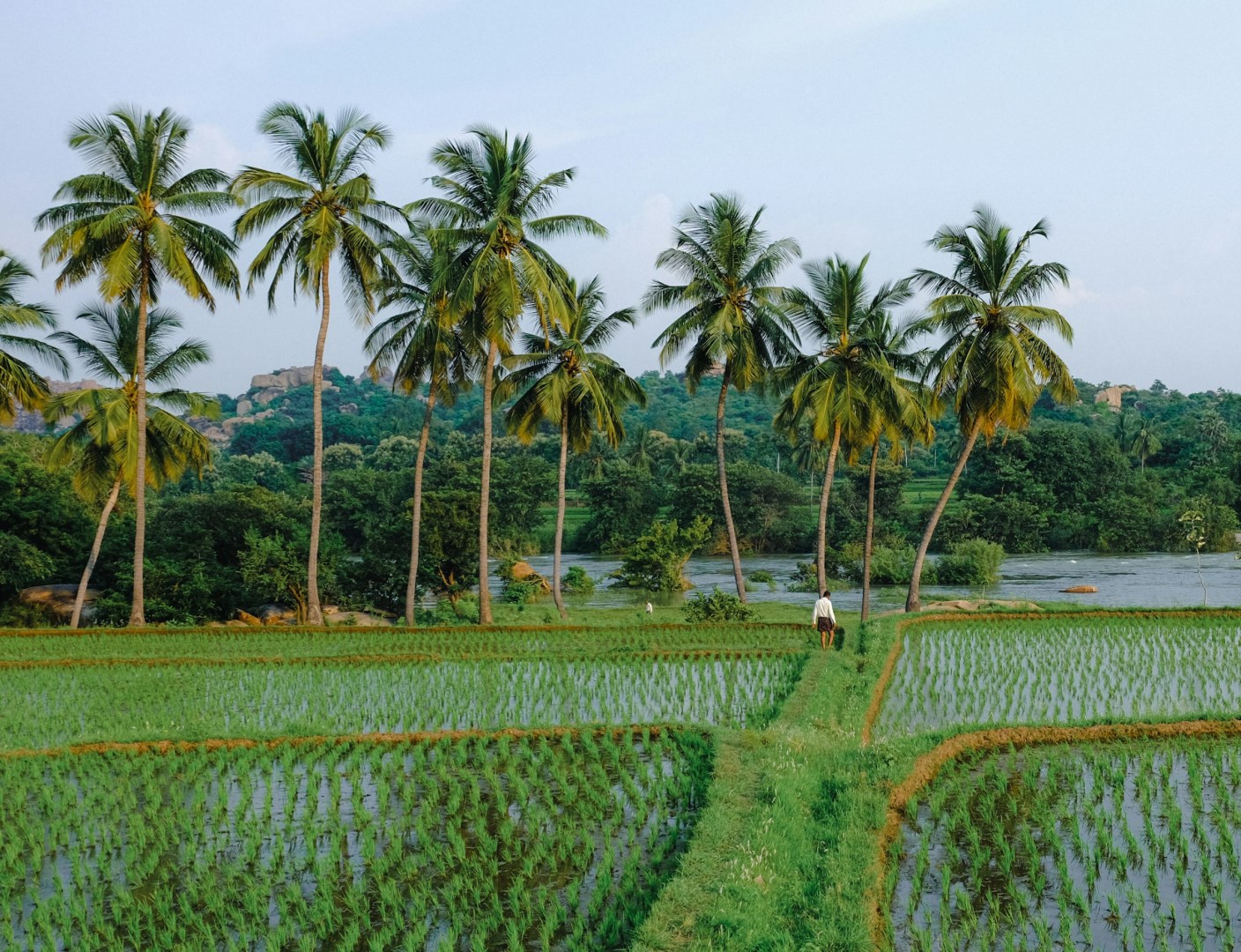
Hampi is a historic village and archaeological landscape in Karnataka, set among dramatic granite boulders, rocky hills, banana plantations, and the Tungabhadra River. The ruins belong to the former capital of the Vijayanagara Empire and cover a wide area of temples, gateways, markets, palaces, shrines, and water structures. The landscape is notable for the way monumental architecture sits among natural rock formations and agricultural fields. Hampi is recognized as a UNESCO World Heritage Site

Pristina
Pristina, the dynamic capital of Kosovo, offers a unique blend of modernity and tradition. The city's skyline is punctuated by landmarks like the Mother Teresa Square, a tribute to the Nobel Peace Prize laureate and humanitarian who was born in Albania but had strong ties to the region. Nearby, the striking Newborn Monument, an ever-changing installation that commemorates Kosovo’s declaration of independence, showcases the country's evolving identity and creativity.