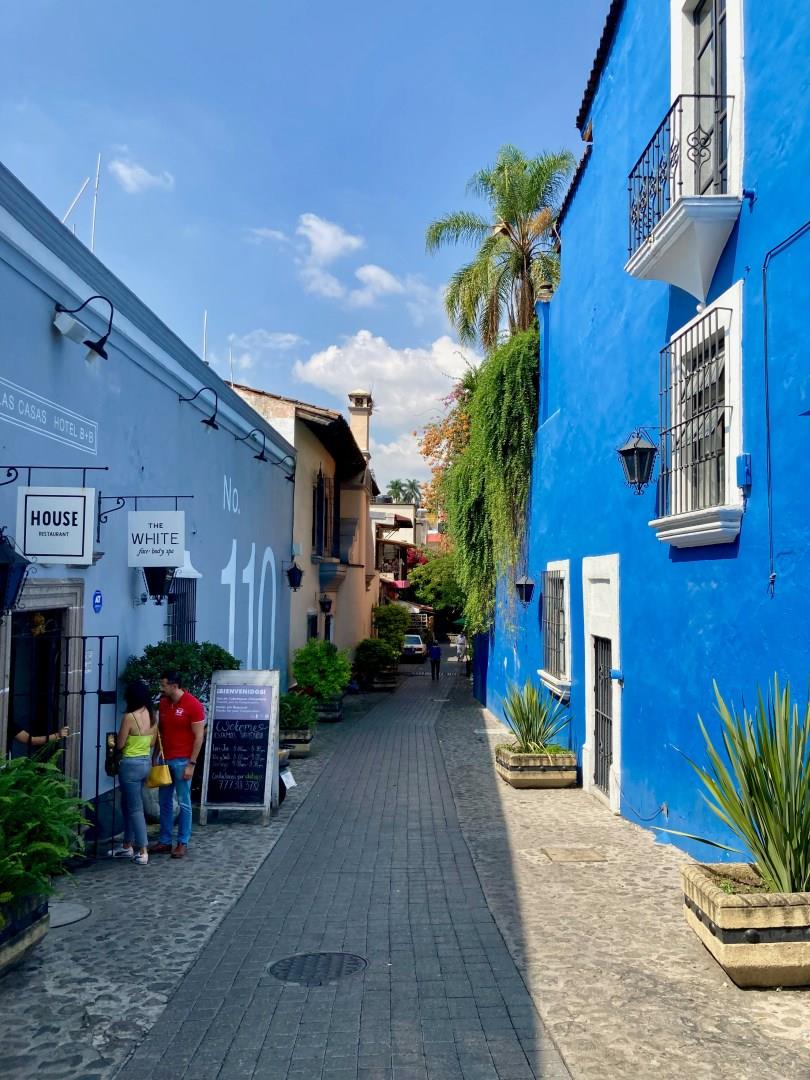
Cuernavaca
Cuernavaca, often called the “City of Eternal Spring,” has long been a retreat for those seeking warm weather and relaxing surroundings just 90 minutes from Mexico City. With a history that stretches back to the Aztec empire, the city is layered with centuries of cultural change. The historic center of Cuernavaca combines architecture from multiple eras, with narrow streets leading to quiet plazas and colonial churches.

Aspen
Aspen, Colorado, is a world-renowned destination that marries alpine beauty with cultural sophistication. Nestled in the heart of the Rocky Mountains, Aspen's pristine slopes have drawn skiers and snowboarders from around the globe for decades. Home to four distinct ski areas, the city offers a range of terrains for all skill levels, from beginners to expert powder hounds.

Nelson Lakes National Park
Nestled in the heart of New Zealand's South Island, Nelson Lakes National Park is a paradise for nature enthusiasts and adventure seekers alike. This breathtaking park is renowned for its stunning lakes, dense beech forests, and rugged mountains. The twin lakes, Rotoiti and Rotorua, are the park's crown jewels, offering crystal-clear waters framed by lush greenery. Visitors can explore these serene lakes by taking a scenic boat ride or embarking on a picturesque hike along their shores.

Utrecht
Utrecht, a charming city in the Netherlands, offers a captivating blend of history, culture, and modern vibrancy. Dominated by its striking Dom Tower, the tallest church tower in the Netherlands, Utrecht invites visitors to climb its 465 steps for panoramic views of the city and the surrounding countryside.
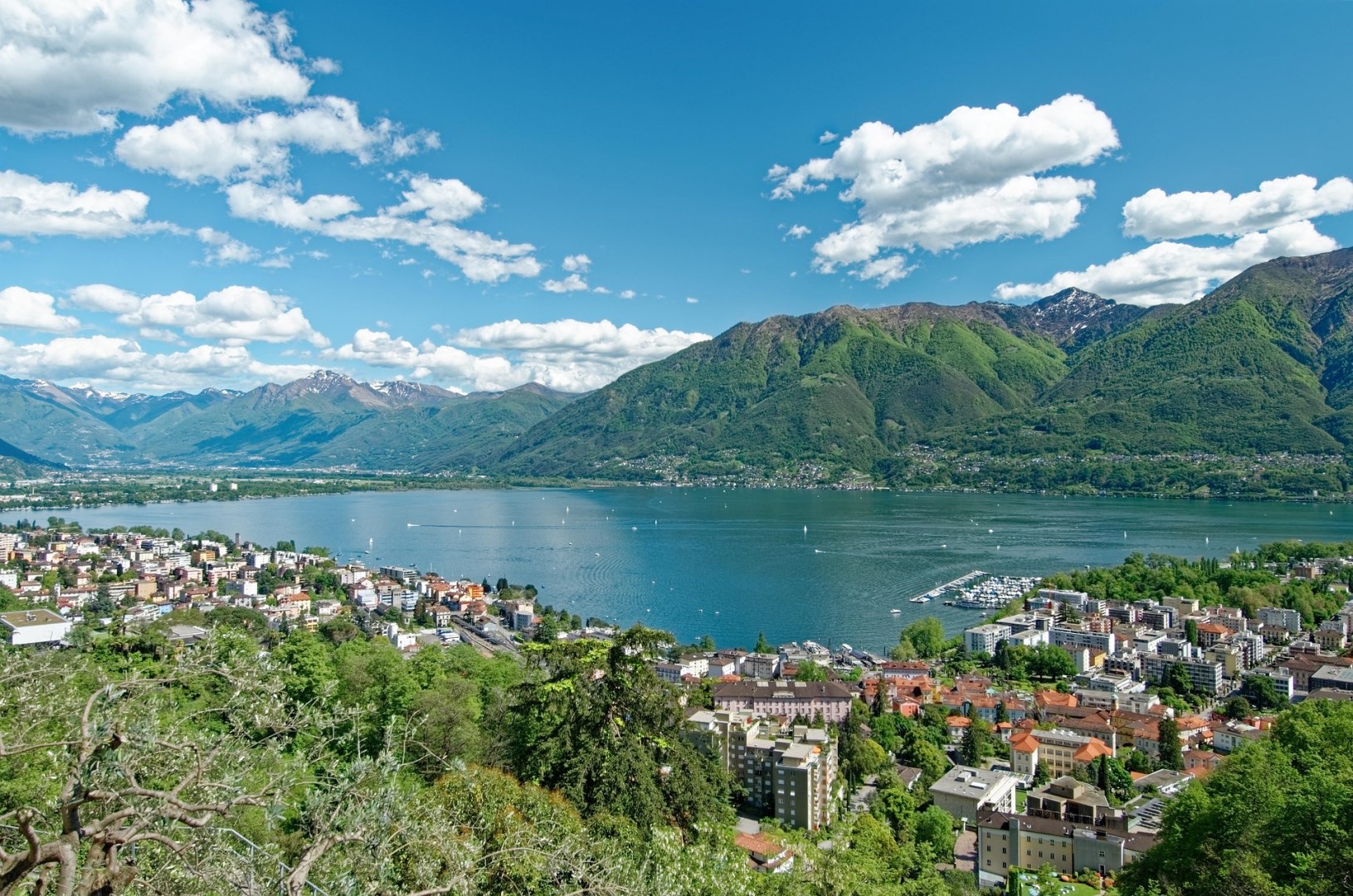
Locarno
The turnoff for Locarno is located near Bellinzona, the capital of Ticino. By train, Locarno is well served from Zurich and Milan, as it is by road. Lovers of beautiful landscapes starting out from Geneva and Lausanne owe it to themselves to pass through Simplon and the Centovalli by taking the picturesque little train that links Domodossola to Locarno.