Apolonia
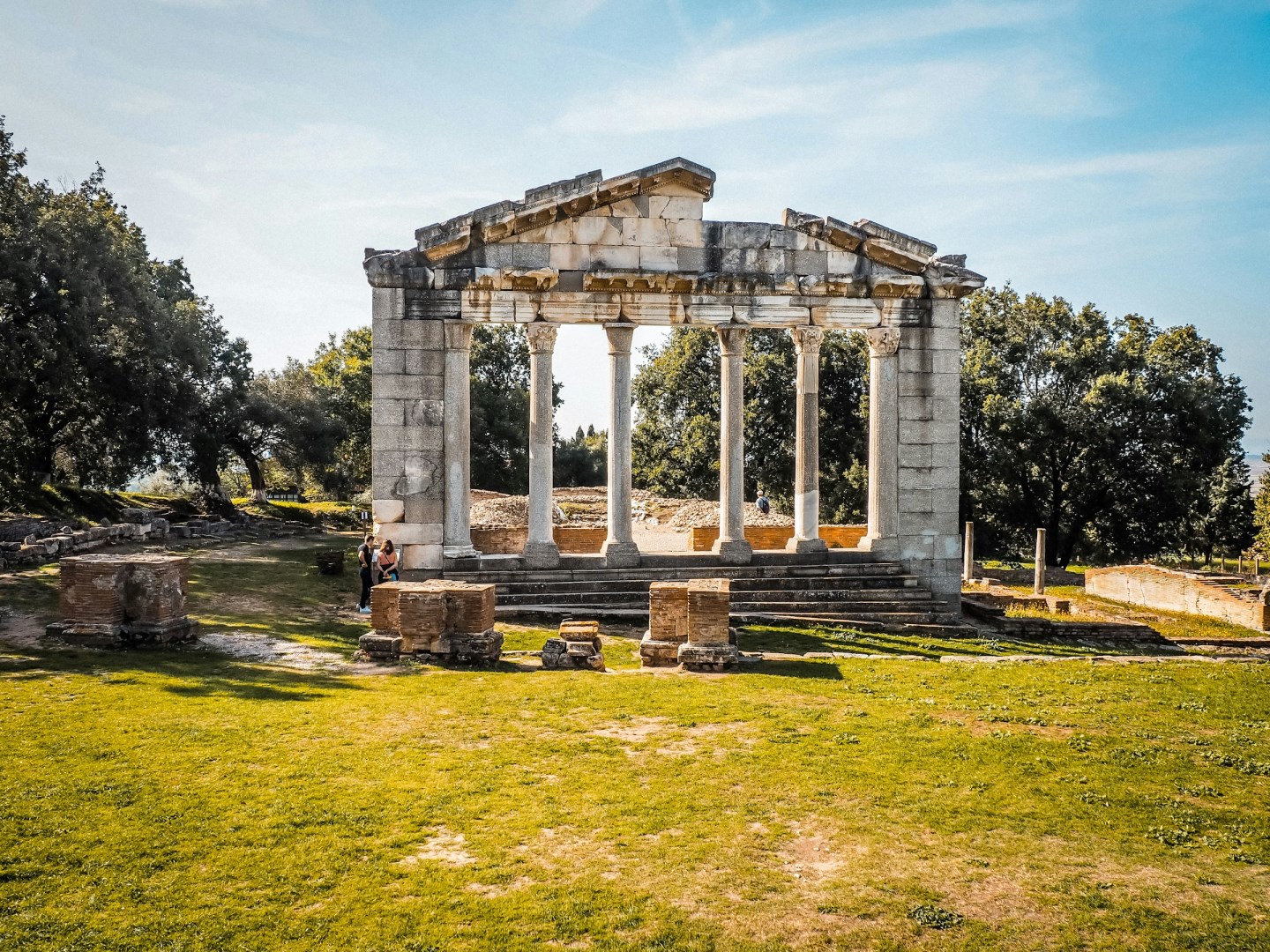
Apolonia, an ancient Roman city is famous for its exceptional ruins. See the city walls, the Bouletherion, the Odeon and the library.
Tamil Nadu
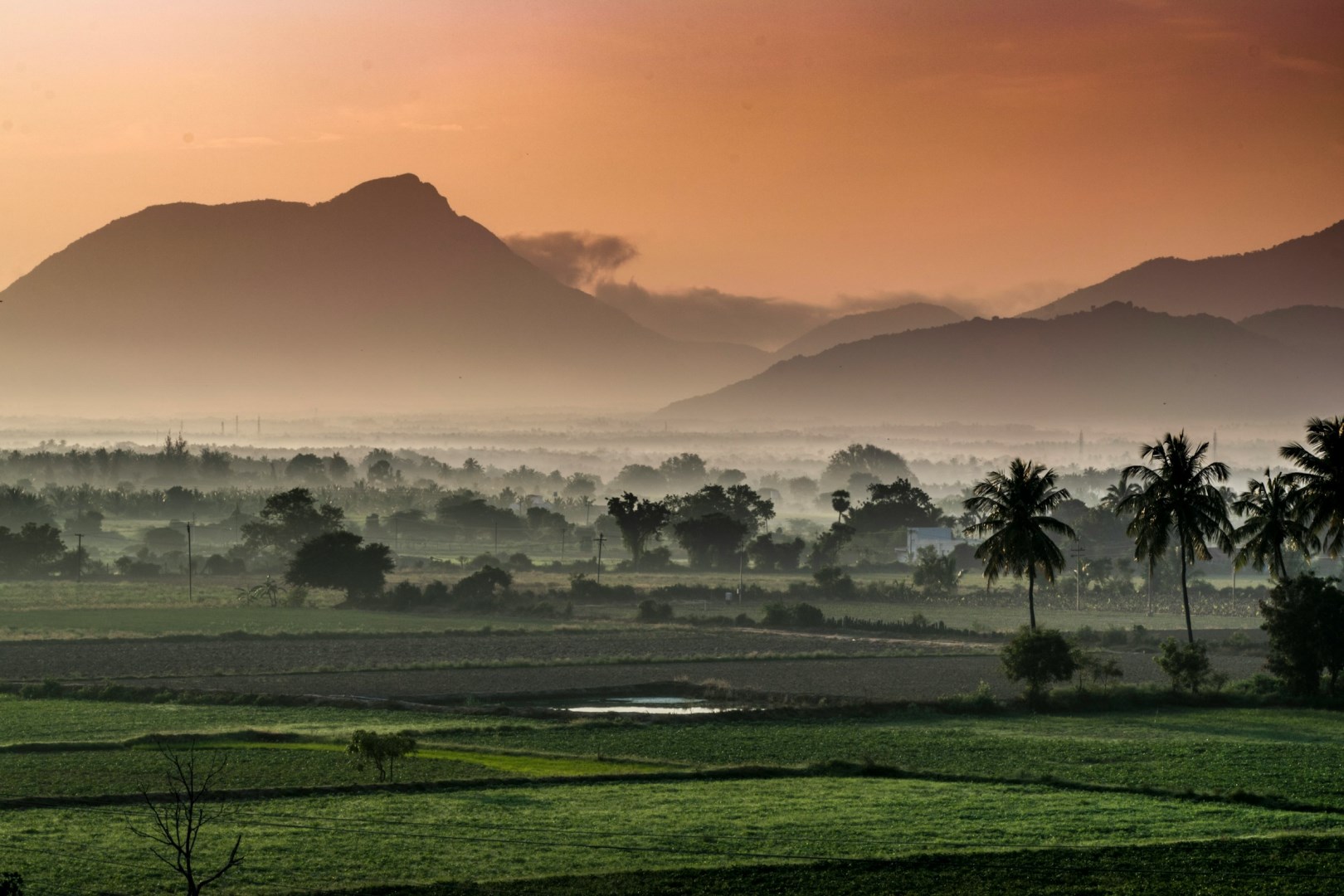
Tamil Nadu occupies India’s southeastern corner, stretching from the Coromandel Coast to the forested Western Ghats and the dry interior plains. The state is distinguished by its extensive network of Hindu temples, classical arts, coastal landscapes, fertile river deltas, and hill regions such as the Nilgiris. Chennai is the state capital and a major centre for commerce, music, cinema, and education

Cardiff
Cardiff, the capital of Wales, is a city brimming with history, culture, and modern vibrancy. At the heart of its historic charm stands the Cardiff Castle, a magnificent structure that dates back to Roman times and has been a centerpiece of Welsh history for centuries. Explore the castle’s stunning medieval architecture and lavish interiors, or take a walk around the castle grounds, which offer picturesque views of the city skyline.
Missoula
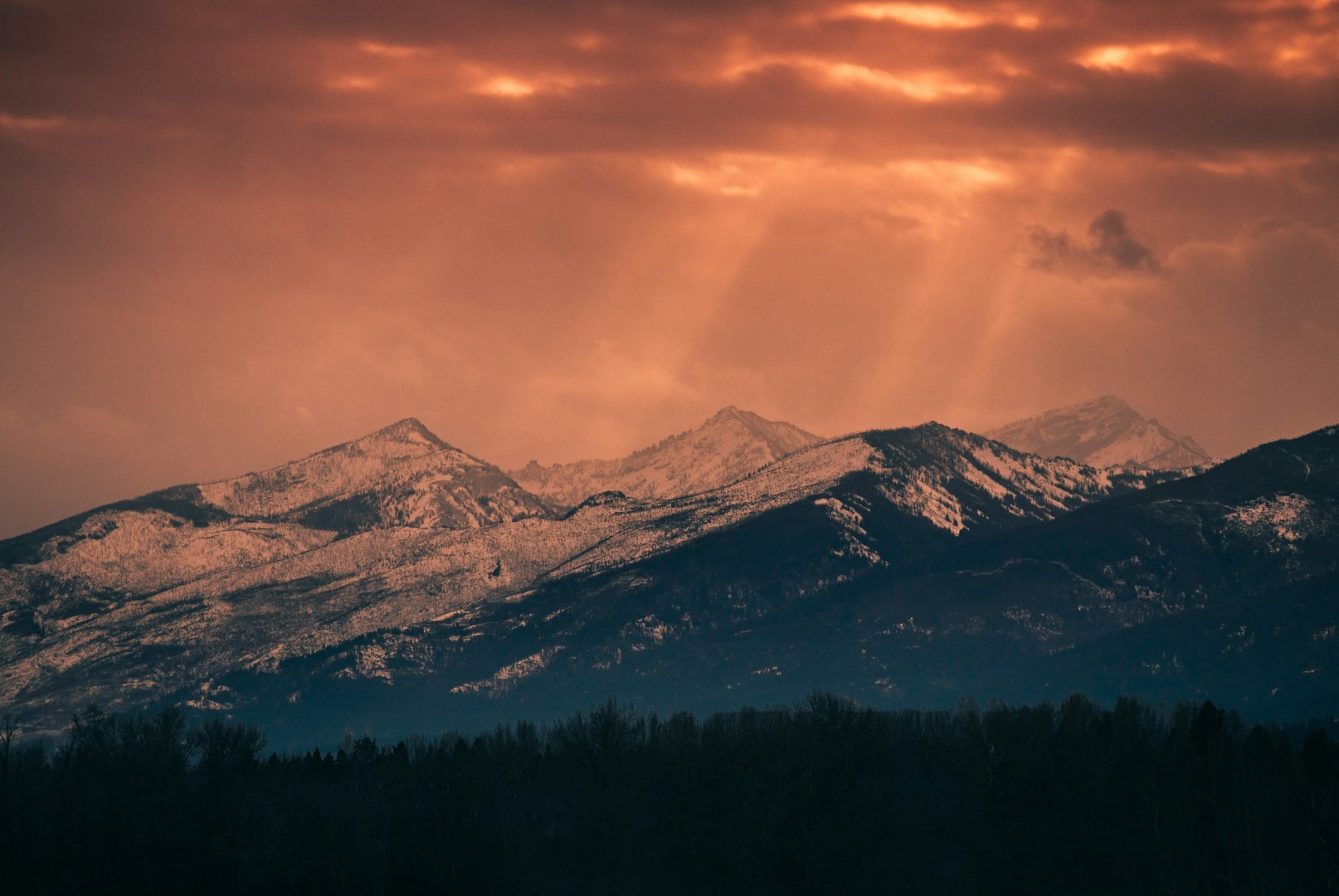
Missoula, nestled in western Montana’s scenic mountain valleys, is a lively city that blends outdoor adventure with a strong sense of community and culture. Founded as a 19th-century trading post and lumber town, Missoula has evolved into a hub for education, the arts, and nature, anchored by the University of Montana and surrounded by breathtaking wilderness.
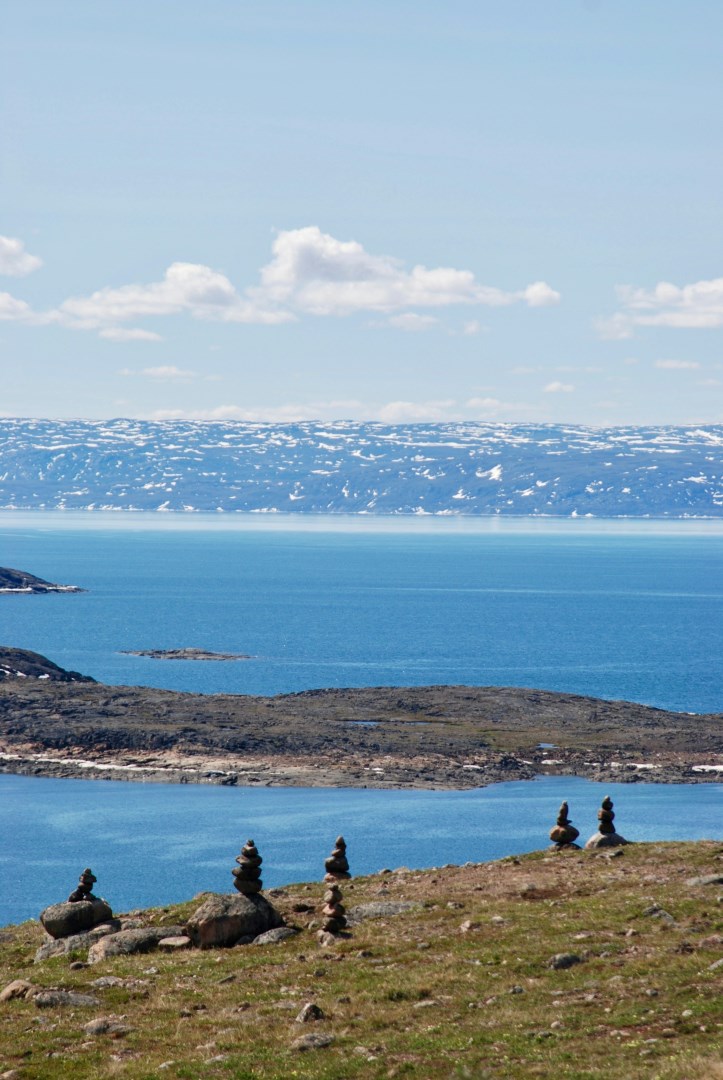
Iqaluit
Iqaluit is the capital of Nunavut and the largest community in the territory, located at the head of Frobisher Bay on southern Baffin Island. The city is surrounded by rocky hills, tundra, freshwater ponds, and broad coastal waters, with a landscape shaped by Arctic weather and seasonal sea ice. Iqaluit serves as Nunavut's administrative, transportation, educational, and commercial centre, while remaining closely connected to traditional Inuit activities.