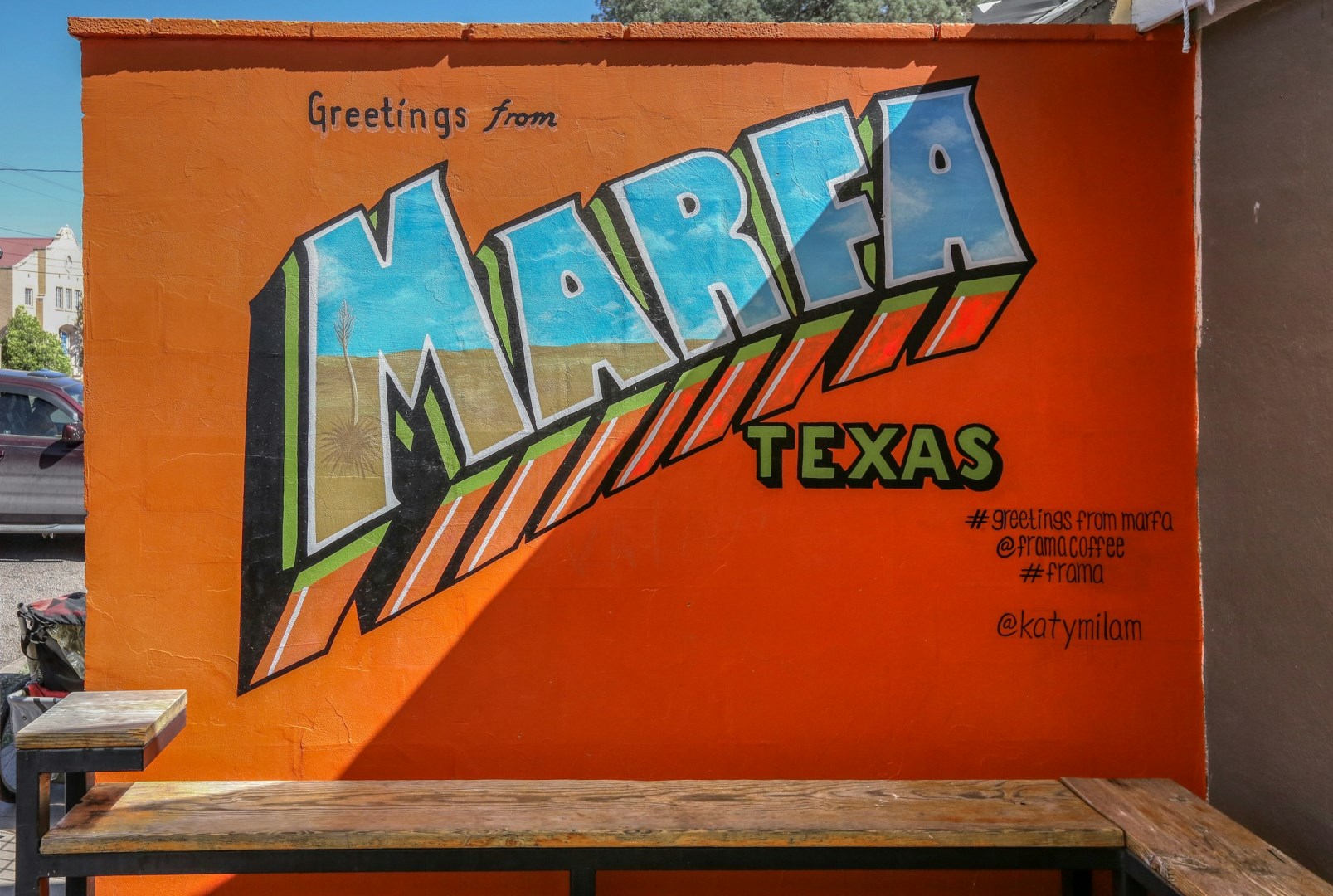
Marfa
This desert city in west Texas might be small in size, but it is big in arts! As an arts hub, founded by artist Donald Judd, it features both huge outdoor, and indoor, installations on an old army base. Whether you are looking for traditional, or quirky, in your art, Marfa has it.
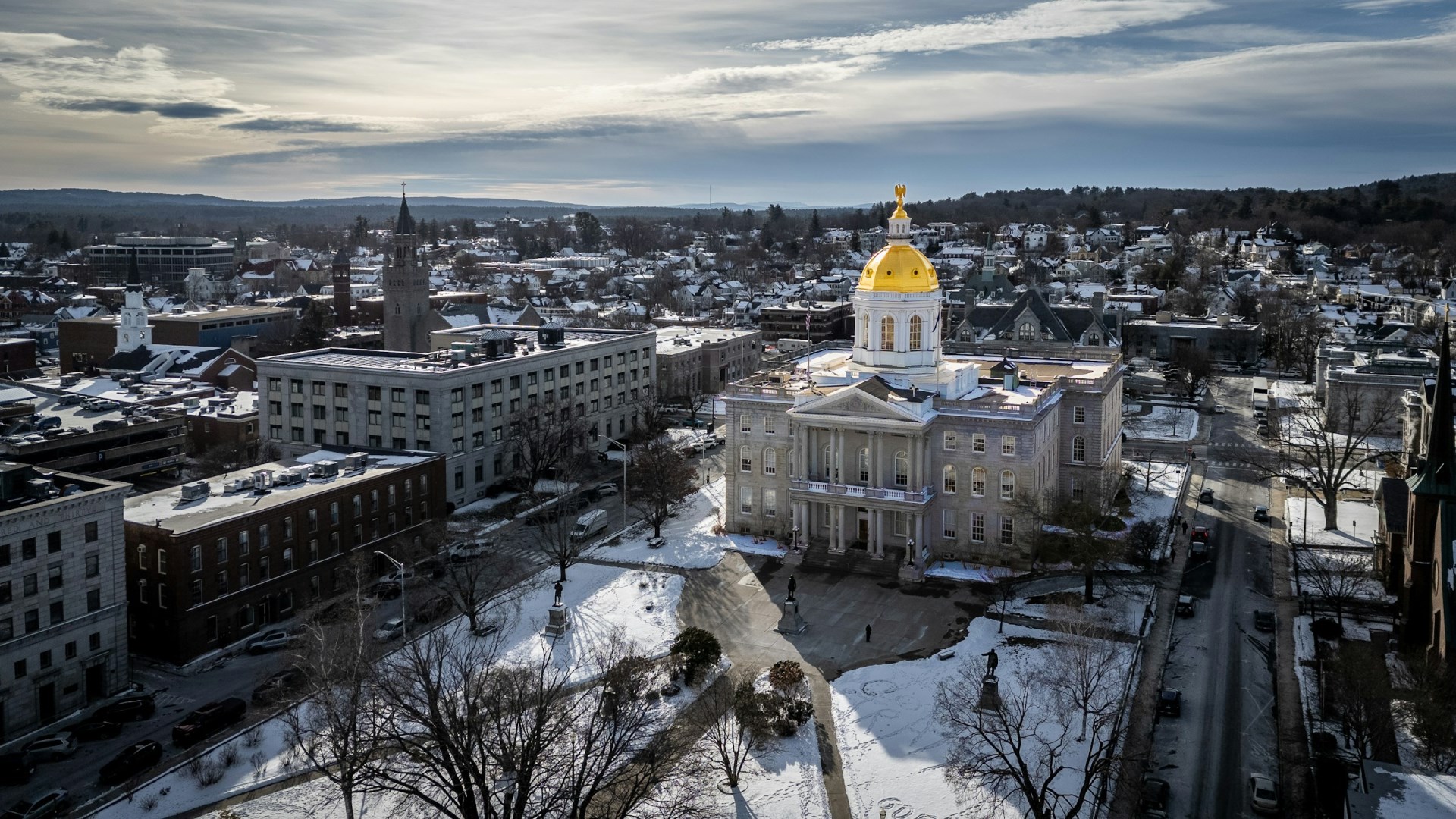
Concord
Concord is the capital of New Hampshire, situated along the Merrimack River in the central part of the state. The city combines a compact downtown with historic neighborhoods, wooded conservation areas, and a strong civic identity. Main Street serves as the heart of the centre, lined with independent shops, restaurants, galleries, and public spaces. The New Hampshire State House, with its distinctive golden dome, stands nearby and remains a major landmark.
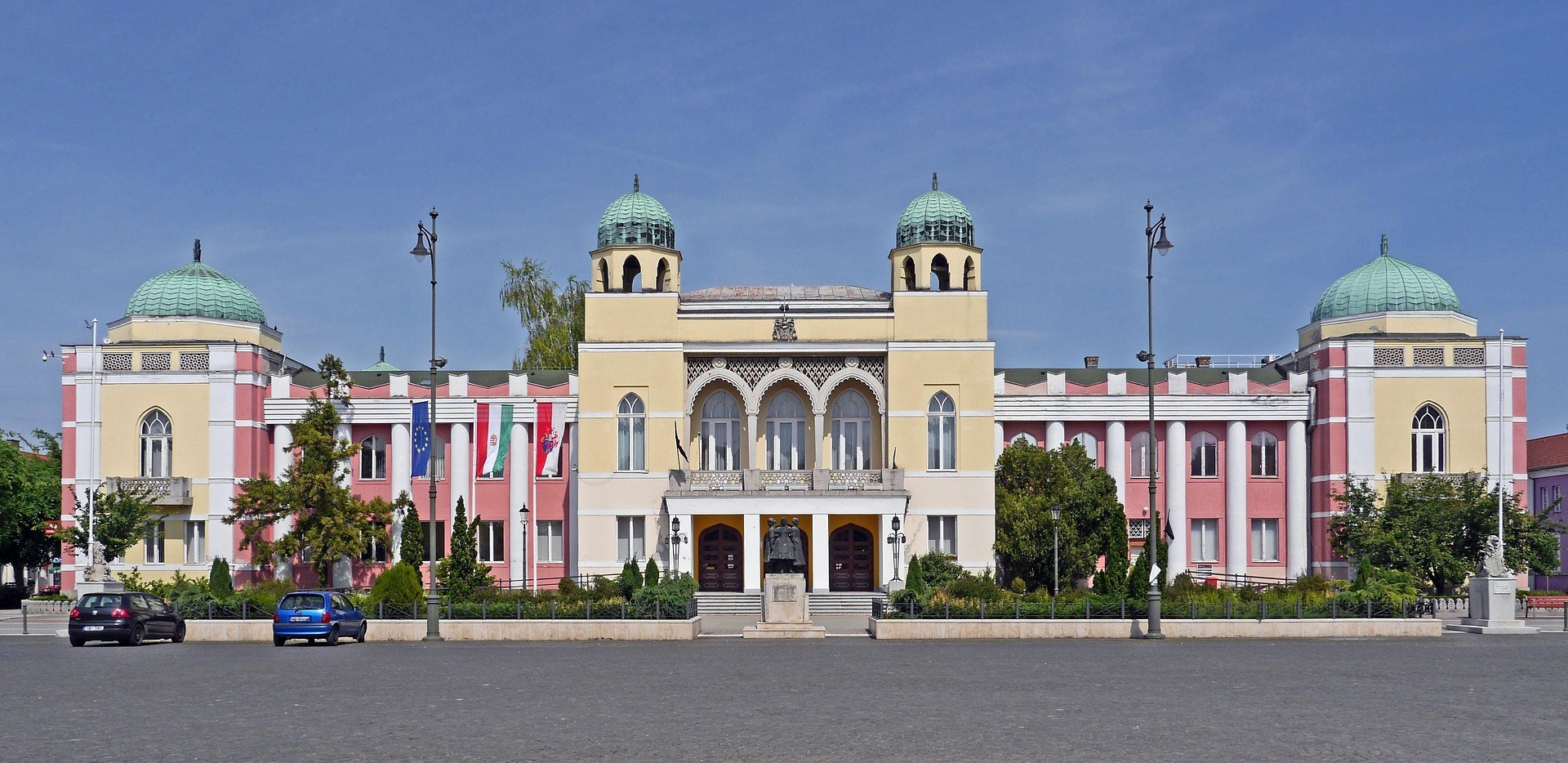
Mohács
Mohács is a Danube-side town in southern Hungary, close to the country’s border with Croatia. Its riverside setting has shaped local life, trade, agriculture, and recreation, while the town’s streets contain a mixture of traditional houses and distinctive public buildings. Mohács is especially associated with the Busó festivities, a masked end-of-winter carnival that has become the city’s defining cultural tradition.

Brno
Brno, the vibrant heart of the Czech Republic's Moravian region, offers a captivating blend of historical charm and modern dynamism. As the second-largest city in the country, Brno is known for its striking architecture, including the Špilberk Castle, which overlooks the city from its hilltop perch. Originally a medieval fortress, Špilberk Castle has evolved into a cultural and historical museum, showcasing exhibits on the city’s rich past and providing panoramic views of Brno.
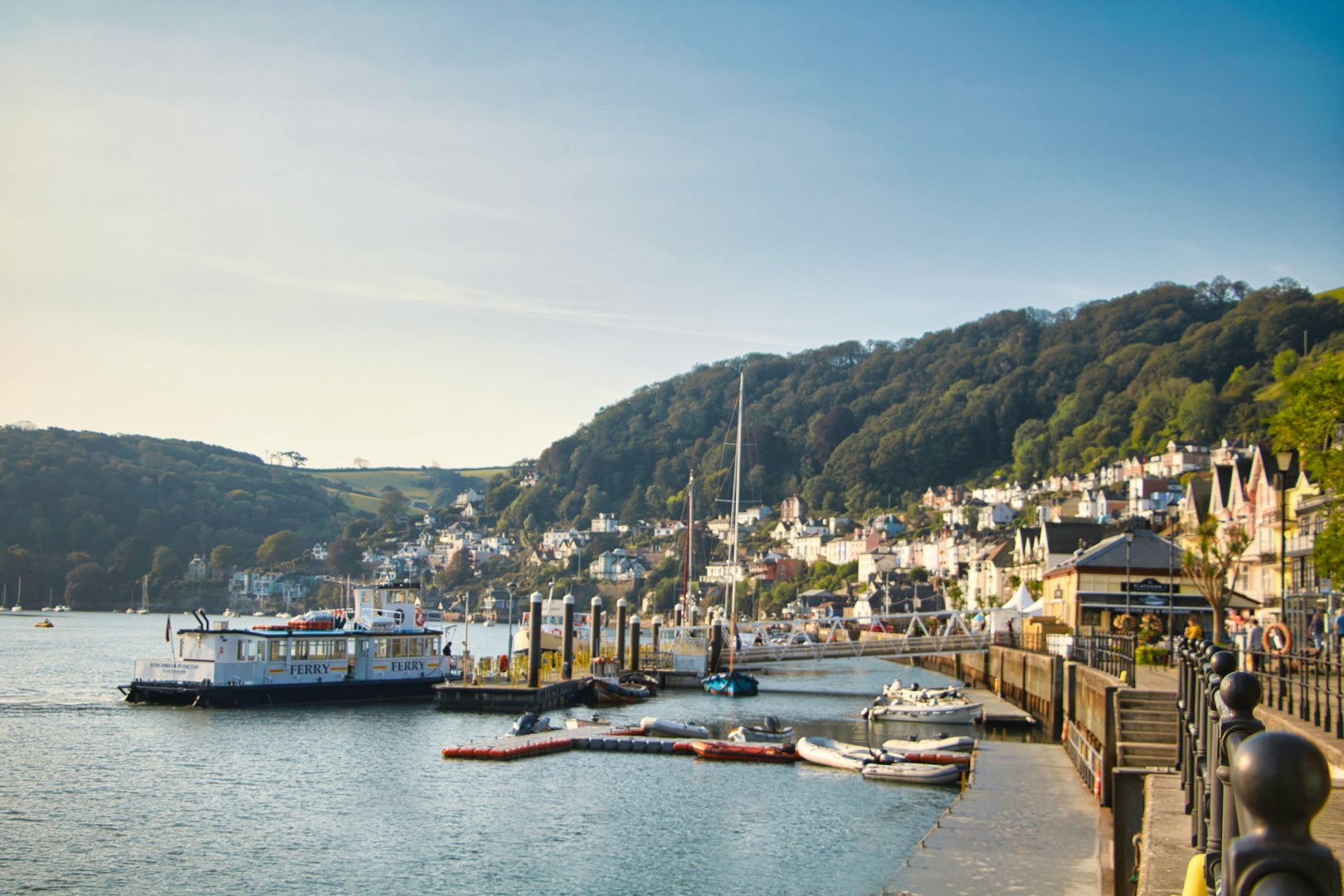
Dartmouth
Dartmouth is a coastal town in Devon, southwestern England, positioned on the steep western bank of the River Dart near its meeting with the English Channel. Its waterfront is shaped by a deep natural harbor, with boats moving between the river and the sea throughout the year. The historic center rises sharply from the quays, with narrow lanes, stone buildings, independent shops, and old merchants’ houses.