San Pedro De Atacama
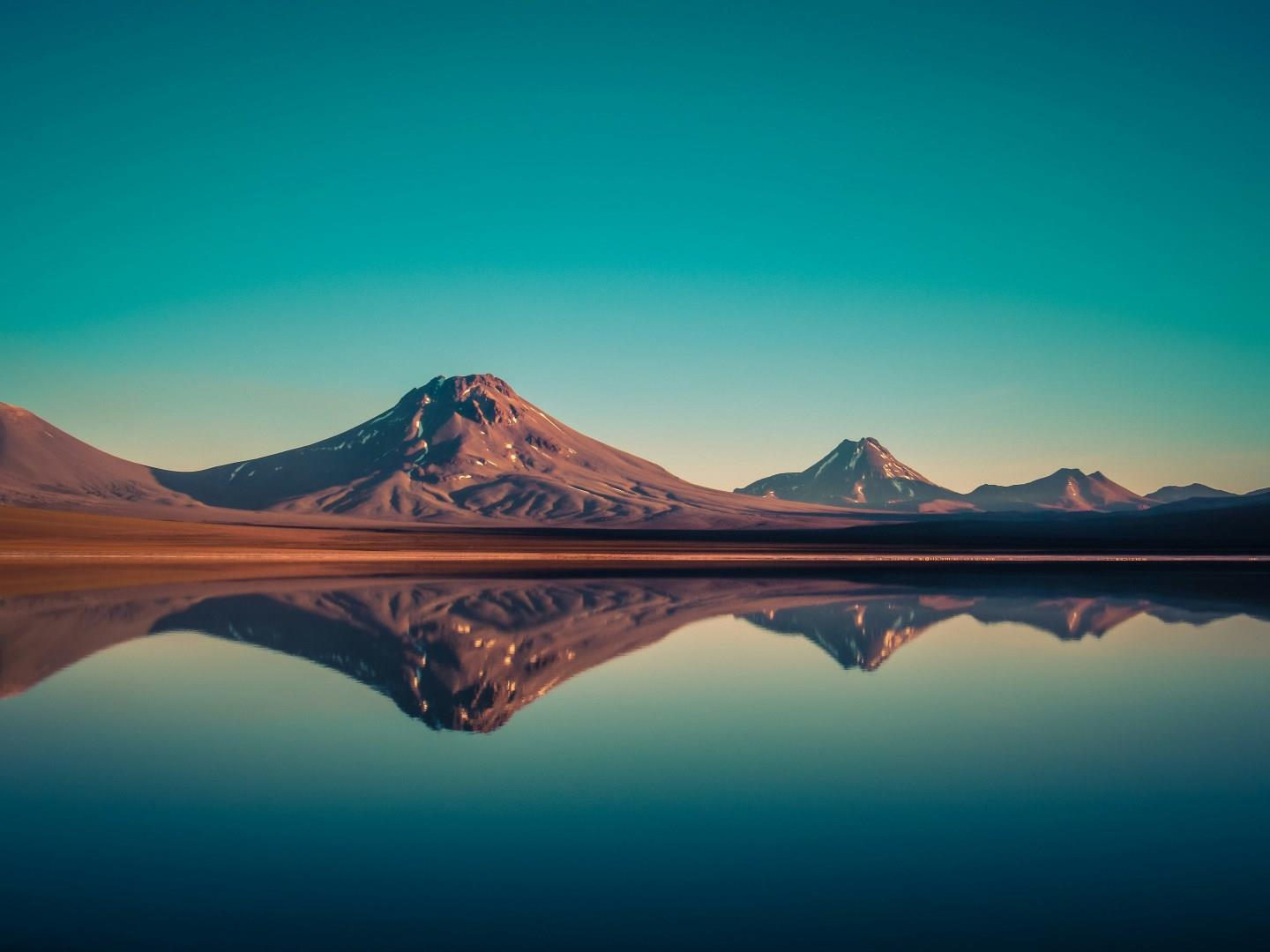
San Pedro de Atacama, a small town in northern Chile, sits at over 2,400 meters above sea level in one of the most geologically diverse areas on Earth. Surrounded by volcanoes, salt flats, geysers, and ancient lava flows, it has long served as a gateway to the Atacama Desert. This desert is the driest non-polar place in the world, where some weather stations have never recorded rainfall.
Sao Tome Island
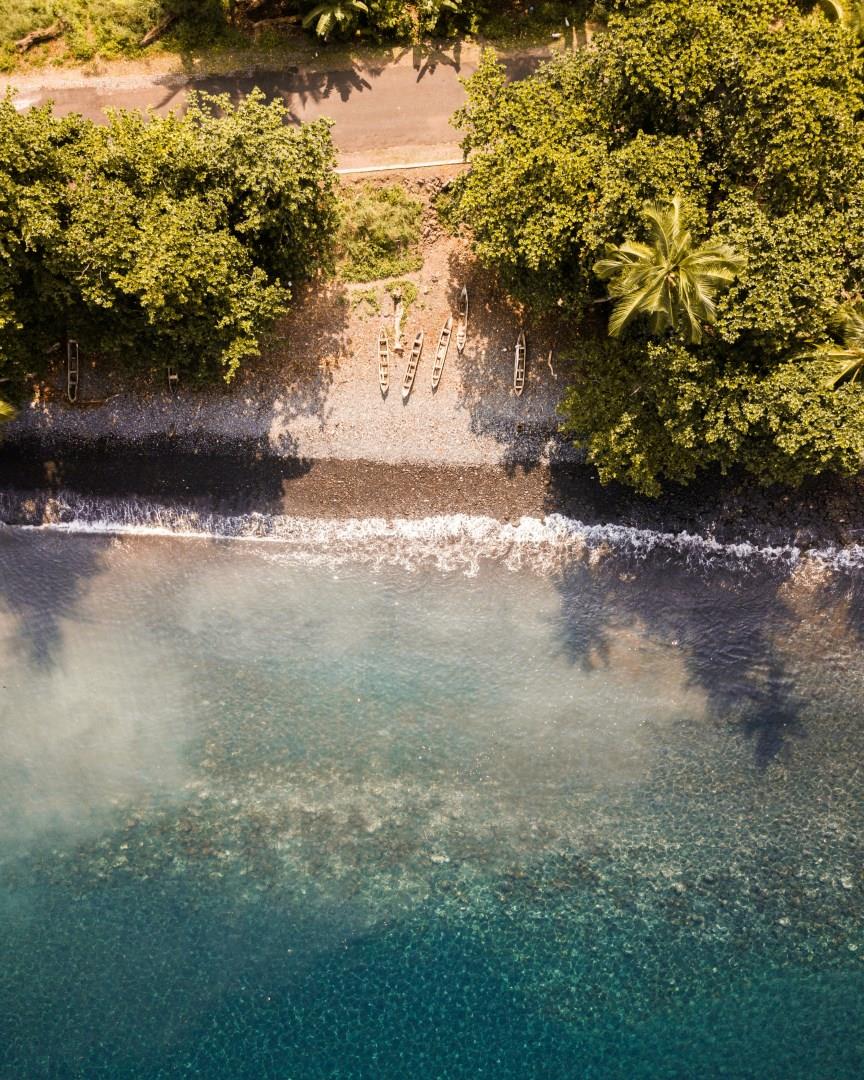
São Tomé Island, the larger of the two islands in São Tomé & Príncipe, offers travelers a balance of culture, history, and dramatic natural scenery. Its capital, São Tomé city, is a coastal hub filled with colonial architecture, lively markets, and a welcoming atmosphere.
Sao Paulo
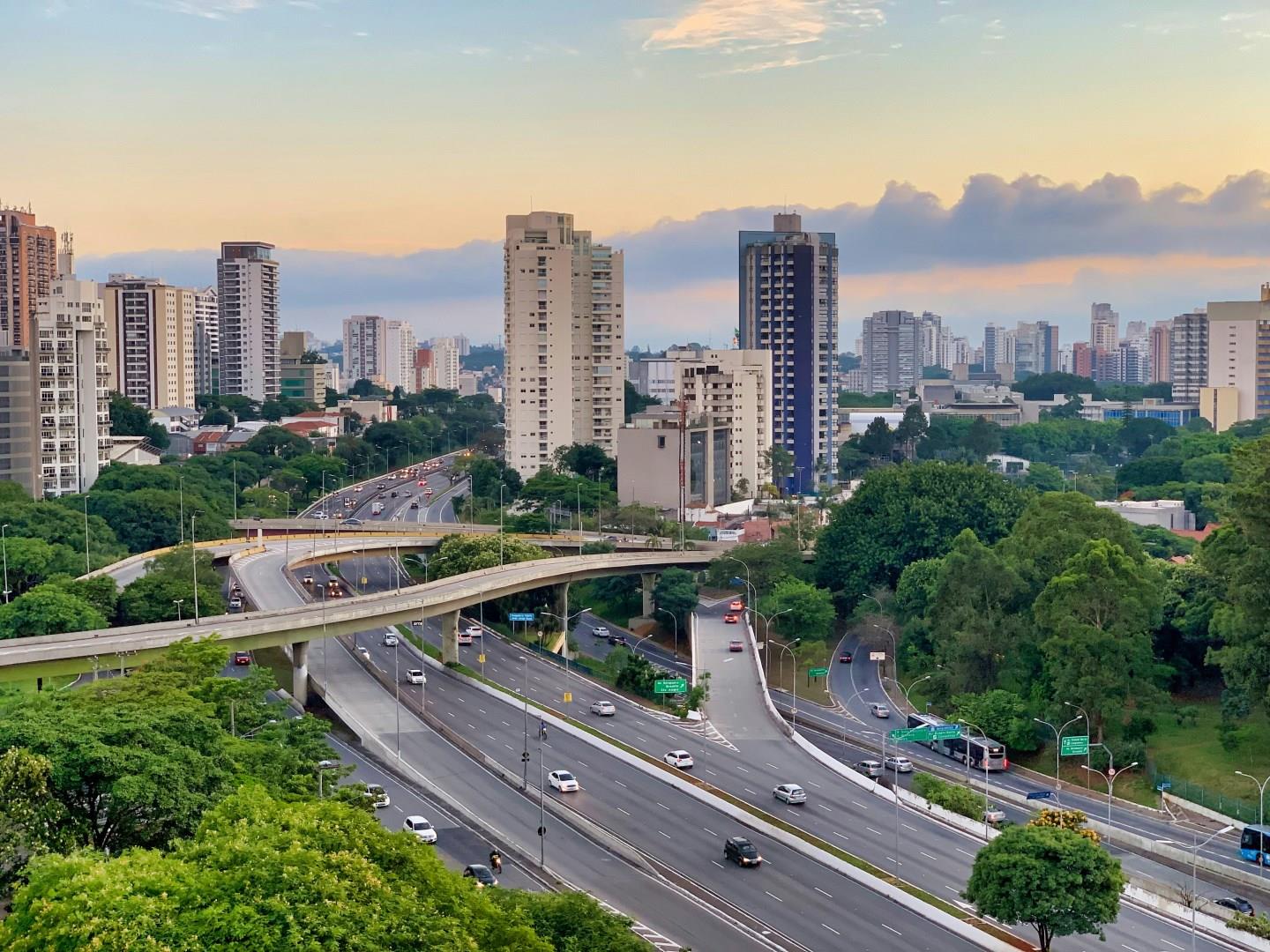
Sao Paulo is Brazil’s largest city and its economic engine, shaped by waves of migration that began in the late 19th century and never truly slowed. Italians, Japanese, Lebanese, and migrants from across Brazil all left visible marks on the city’s neighborhoods, food, and cultural life.

Kiel
This city is the last stop on one of the busiest artificial waterways in the world, the Kiel Canal. It is an important base for the German Navy and famous for its international sailing event, the "Kieler Woche", an annual sailing event that attracts millions of people around the world.
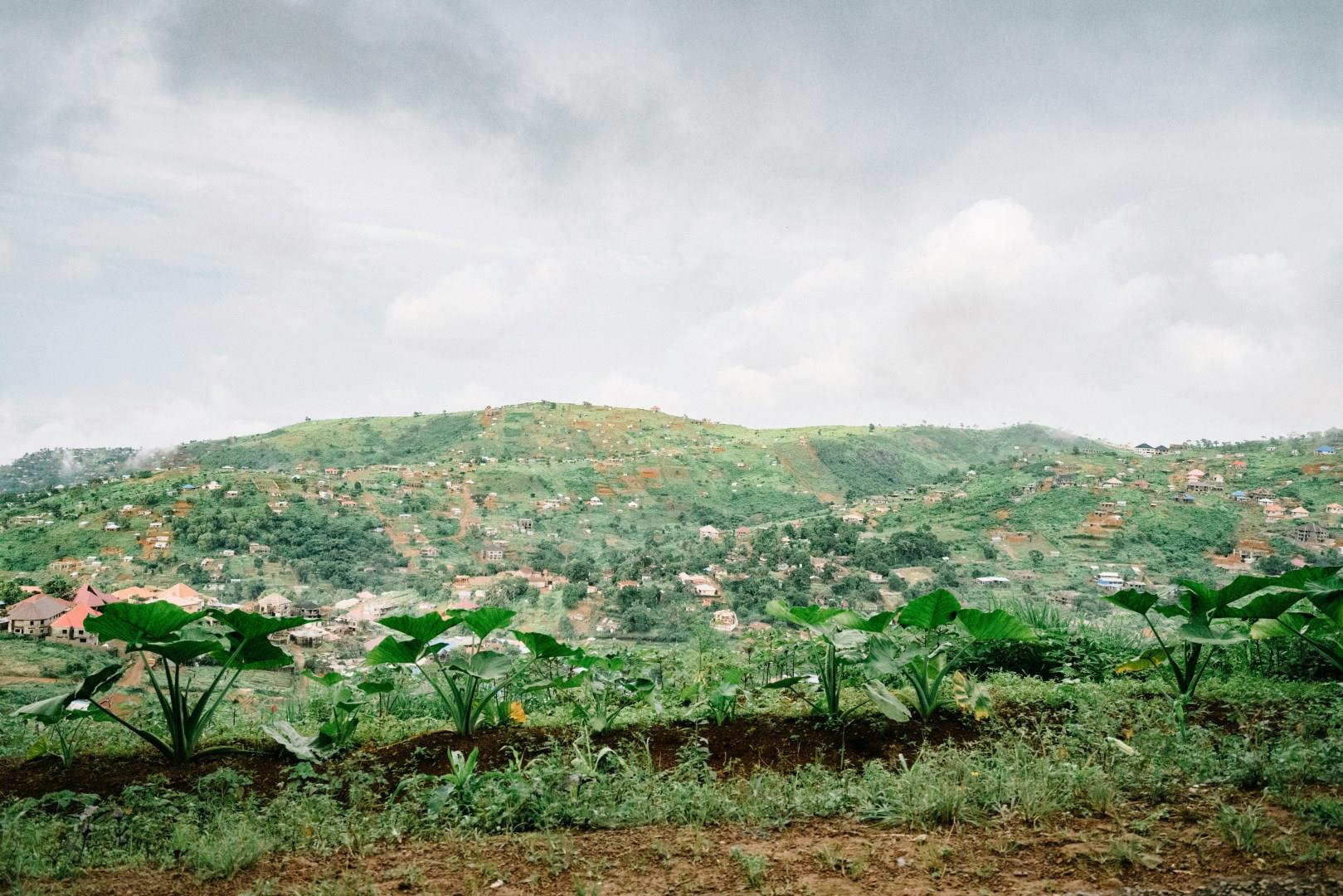
Freetown
Freetown, the capital of Sierra Leone, is a city where history and daily life intertwine along the shores of the Atlantic. Founded in 1792 as a settlement for freed slaves from Britain and the Americas, it remains a place of cultural depth and resilience.